Dodge Charger Series


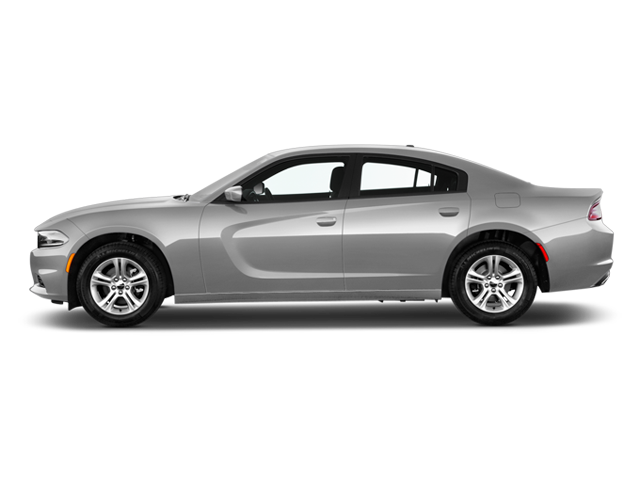
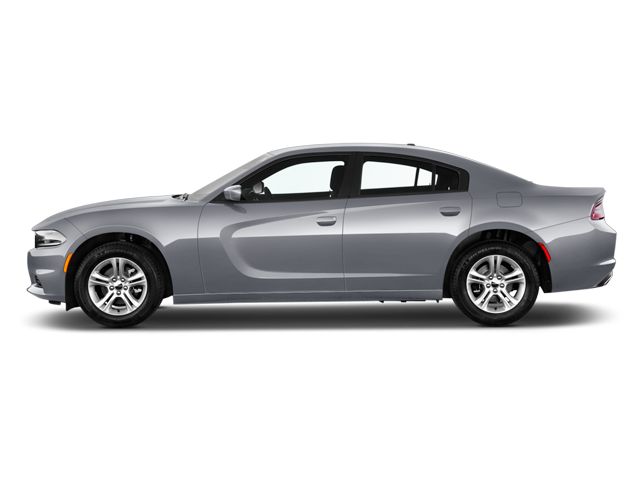
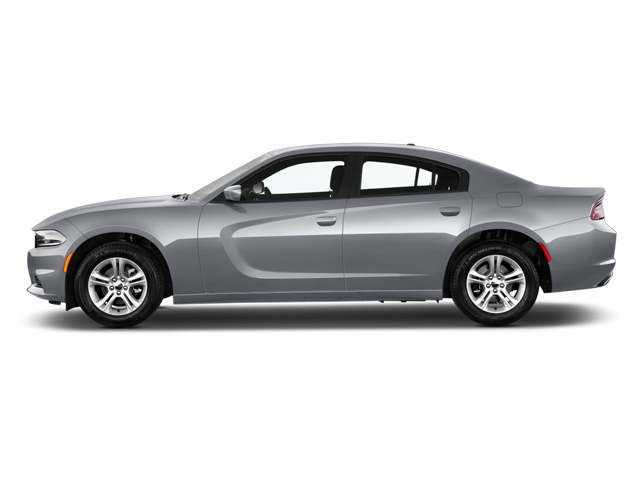
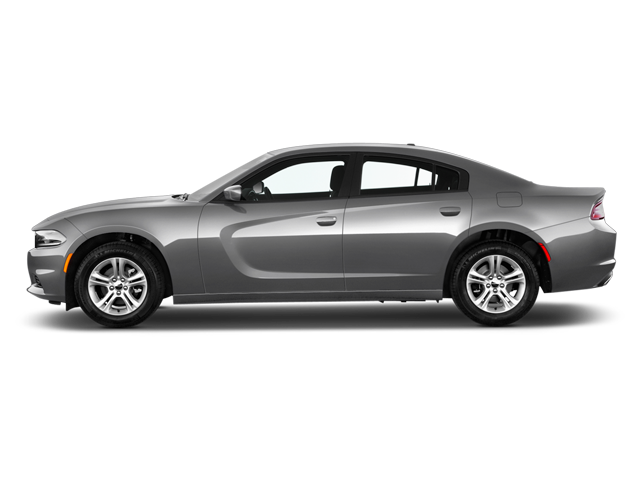
2015 -
In 2014, the seventh generation Dodge Charger got a refresh to make the sedan look more like the model from the second generation.
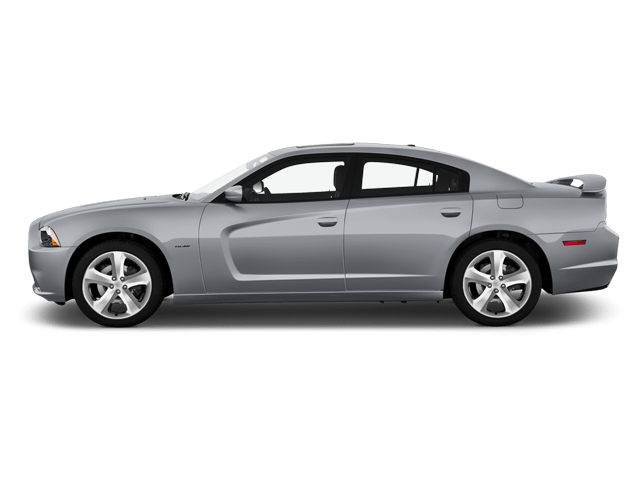
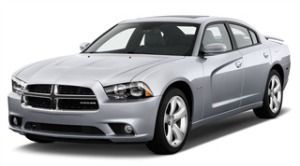
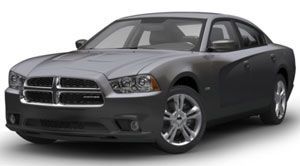
2010 - 2015
The second-generation Dodge Charger (LX) underwent a series of exterior changes, with the most important updates being applied to the front fascia and the rear end, translating into a redesigned grille and hood and the introduction of the brand’s “racetrack” taillights.
2005 - 2010
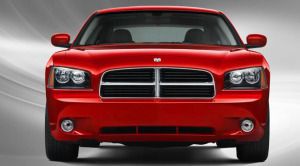
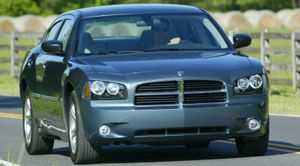
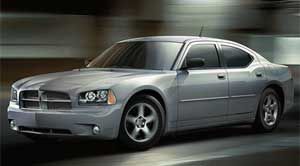
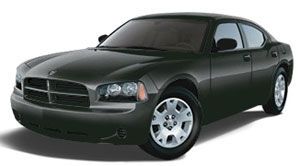
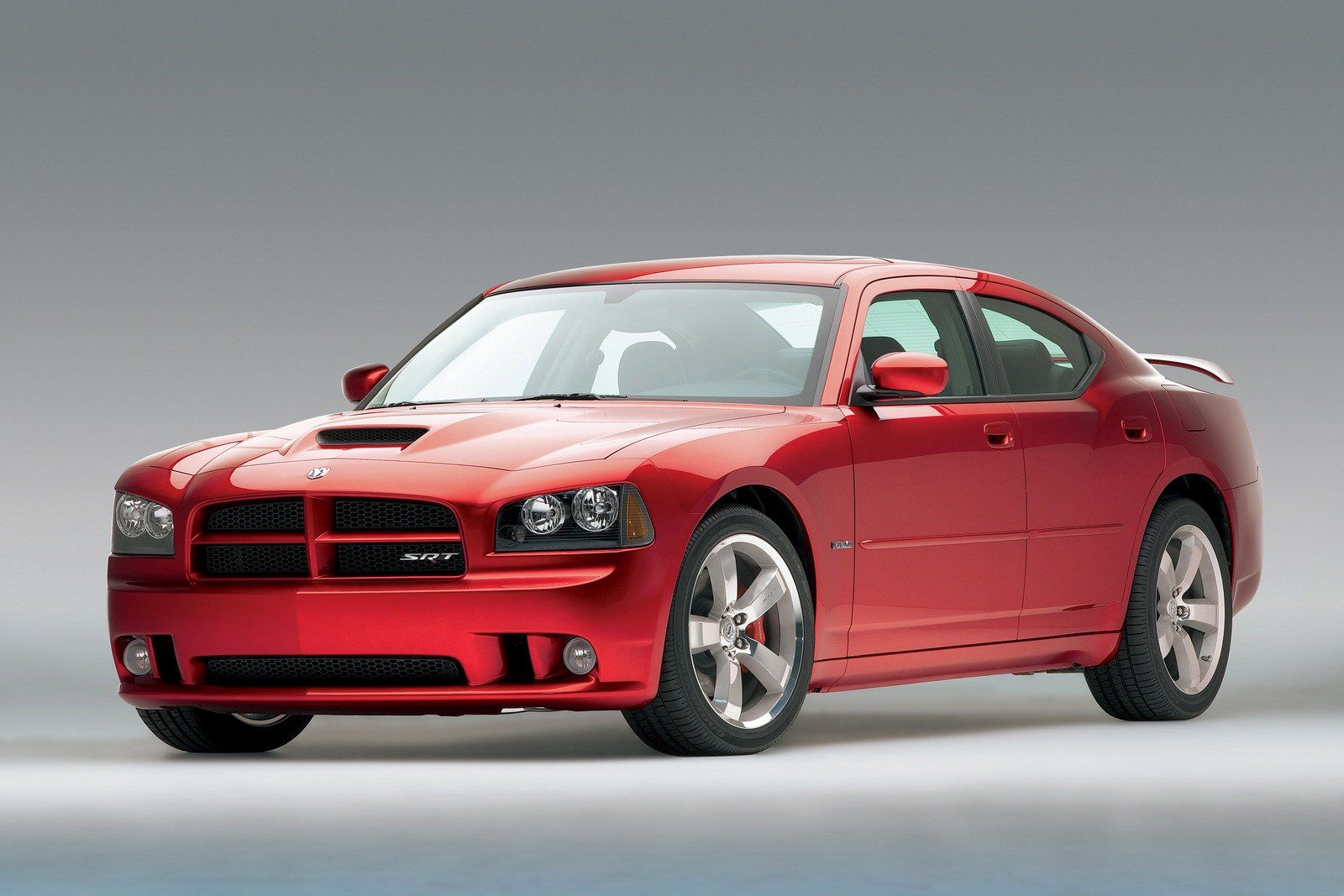
After a long pause, Dodge resurrected the Charger nameplate in 2005.
1981 - 1987
Between 1981 and and 1983, the Charger nameplate was a used as a performance package for the L-body Dodge Omni 024, called the Charger 2.2 which added a hood scoop, quarter-window appliques, tuned gearing, rear spoiler, and a 2.2-liter engine. In 1983, the Omni 024 was renamed the Charger and suffered some visual changes along with using a 1.6-liter engine. Carol Shelby then developed a sporty version called the Shelby Charger which had a more powerful engine, different bumpers and side skirts along with some special color setups.
1974 - 1978
Introduced in 1974 as a 1975 model year, the fourth generation Dodge Charger moved from the musclecar ideology to the luxury grand touring coupe.
1971 - 1972
In 1971, Dodge introduced the third generation Charger which was also the last one to get to be a proper musclecar.
1969 - 1969
The Dodge Charger Daytona was dubbed an "aero car" as it further built on what the Charger 500 had done aerodynamically-wise.
1969 - 1970
The Dodge Charger 500 was a limited-run model created to be more aerodynamic.
1968 - 1970
After the 1967 drop in sales the Charger was restyled, just like the entire Dodge B-body lineup.
1965 - 1968
The Dodge Charger was a model introduced by Dodge in 1965.