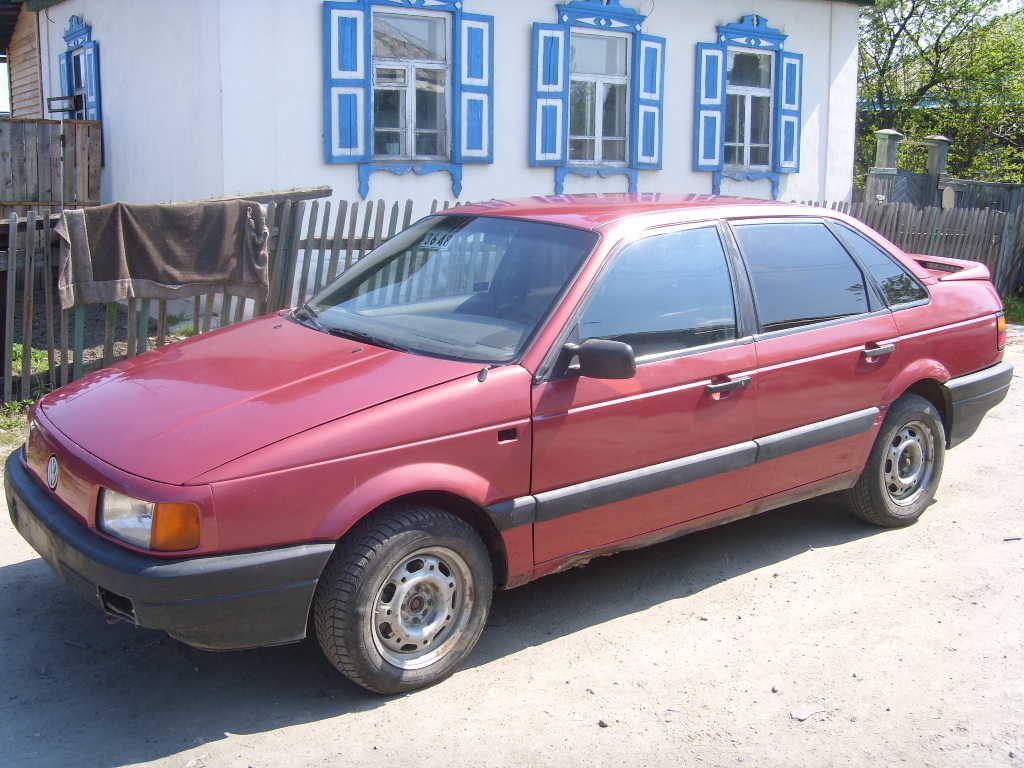
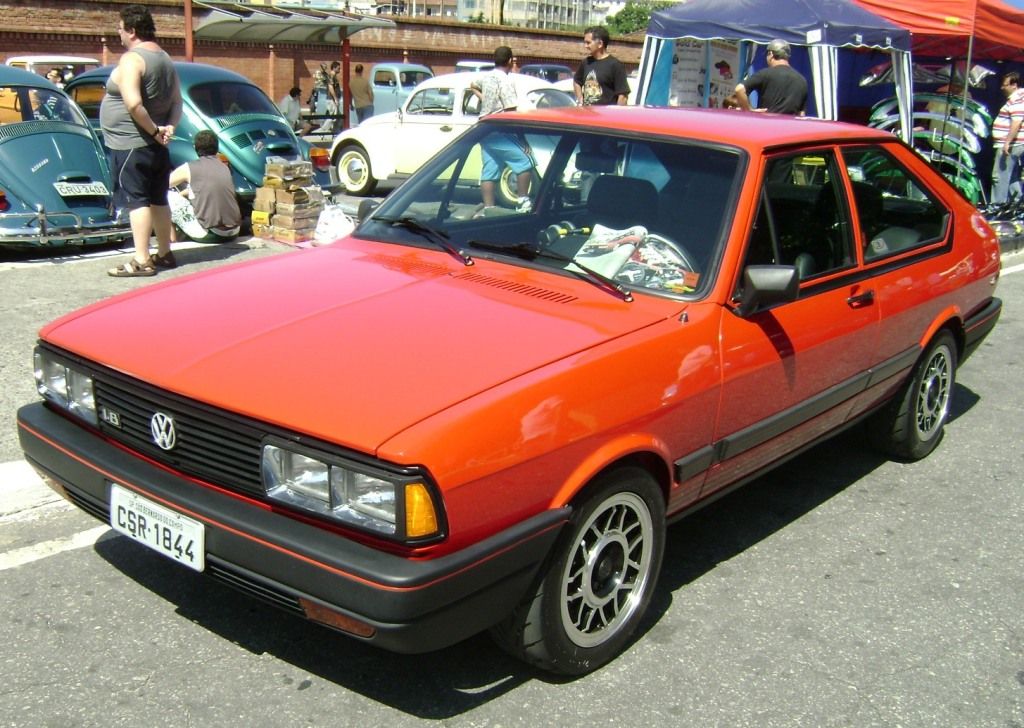
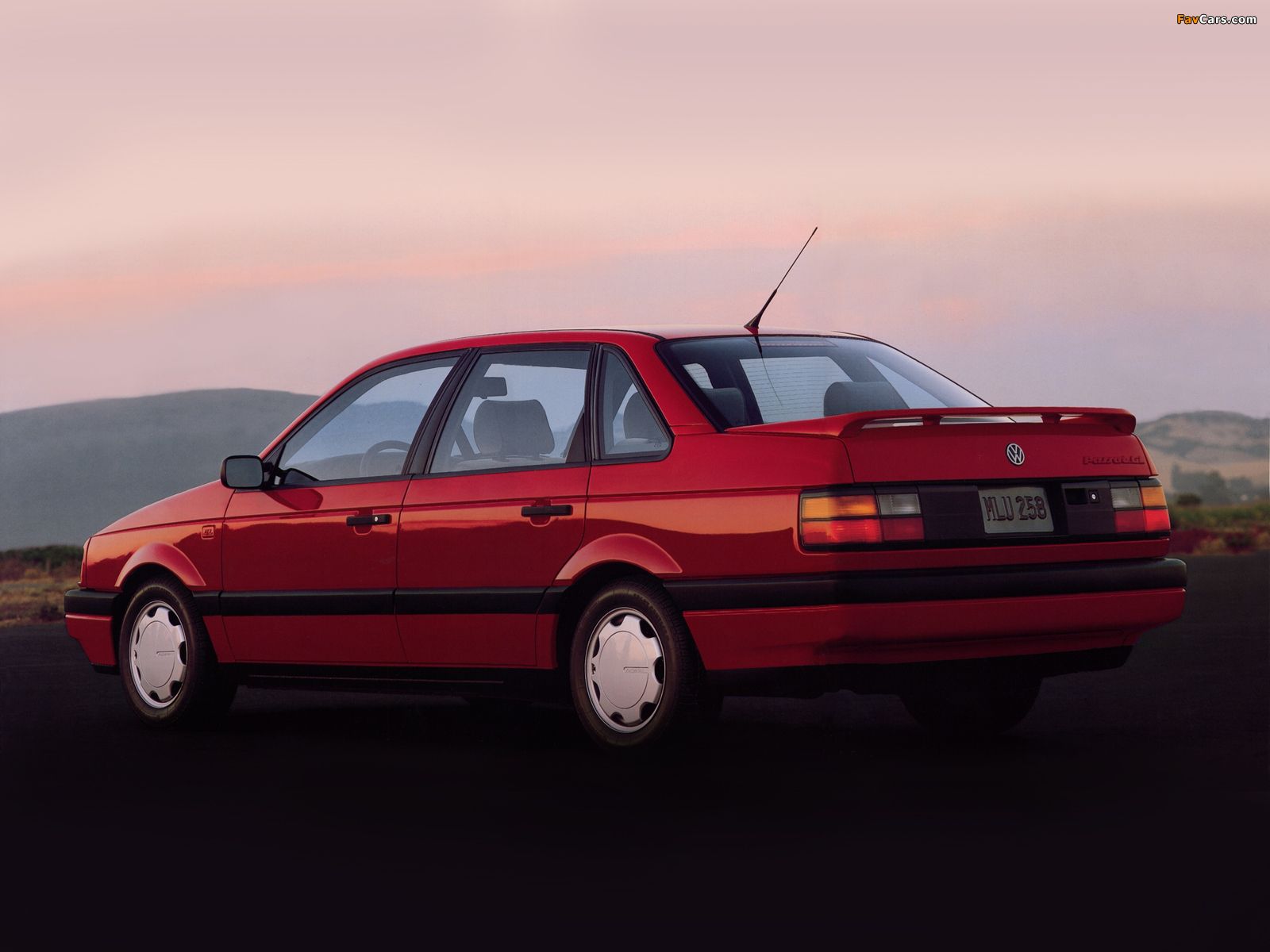
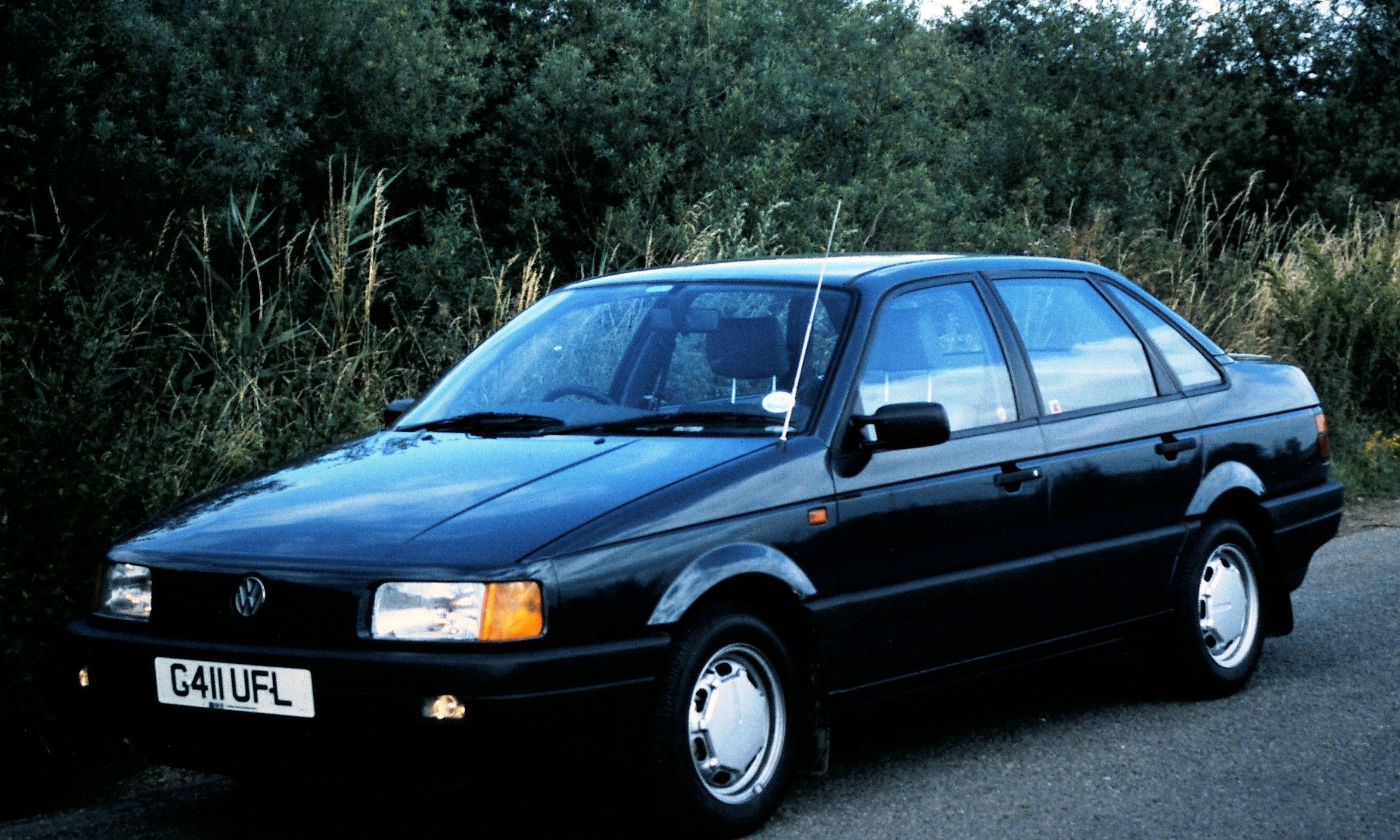
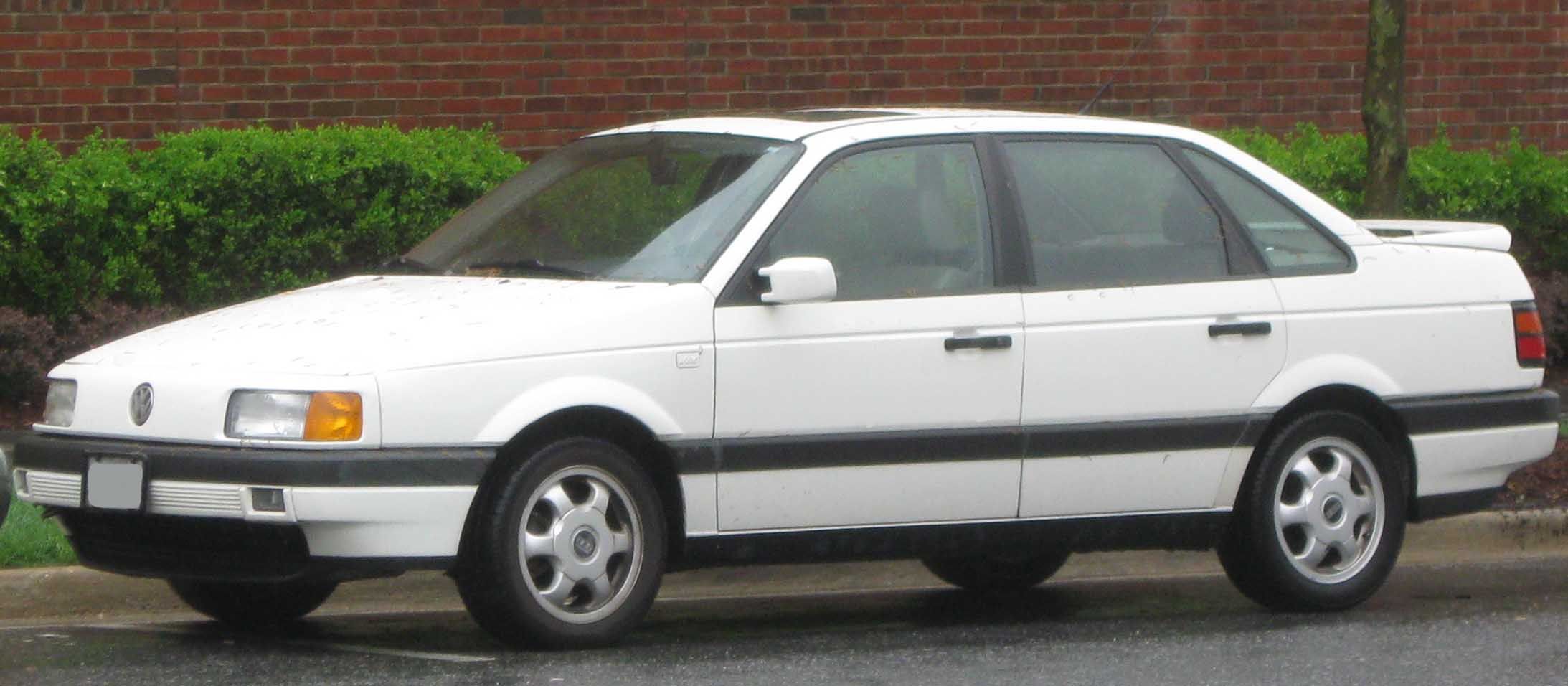
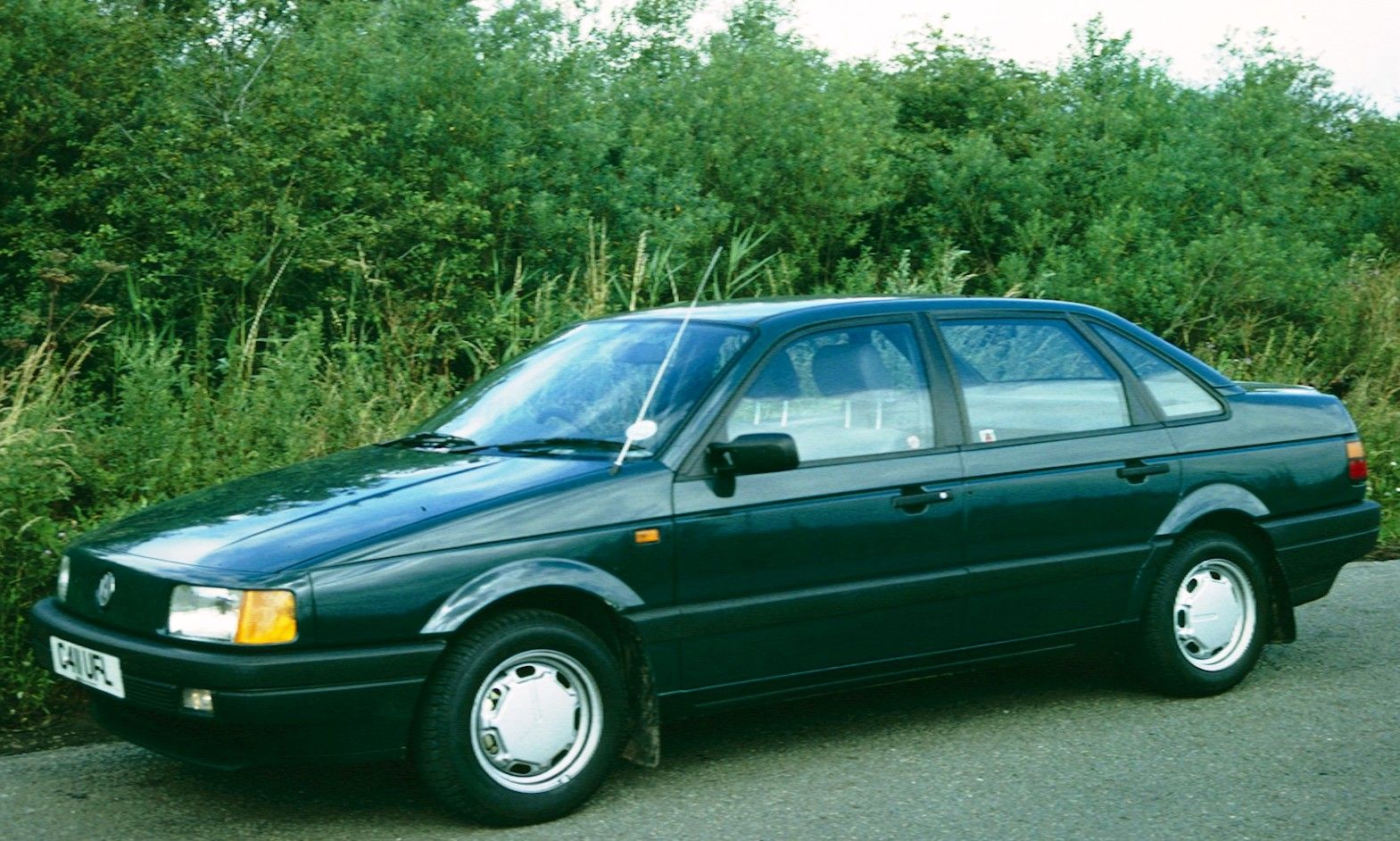
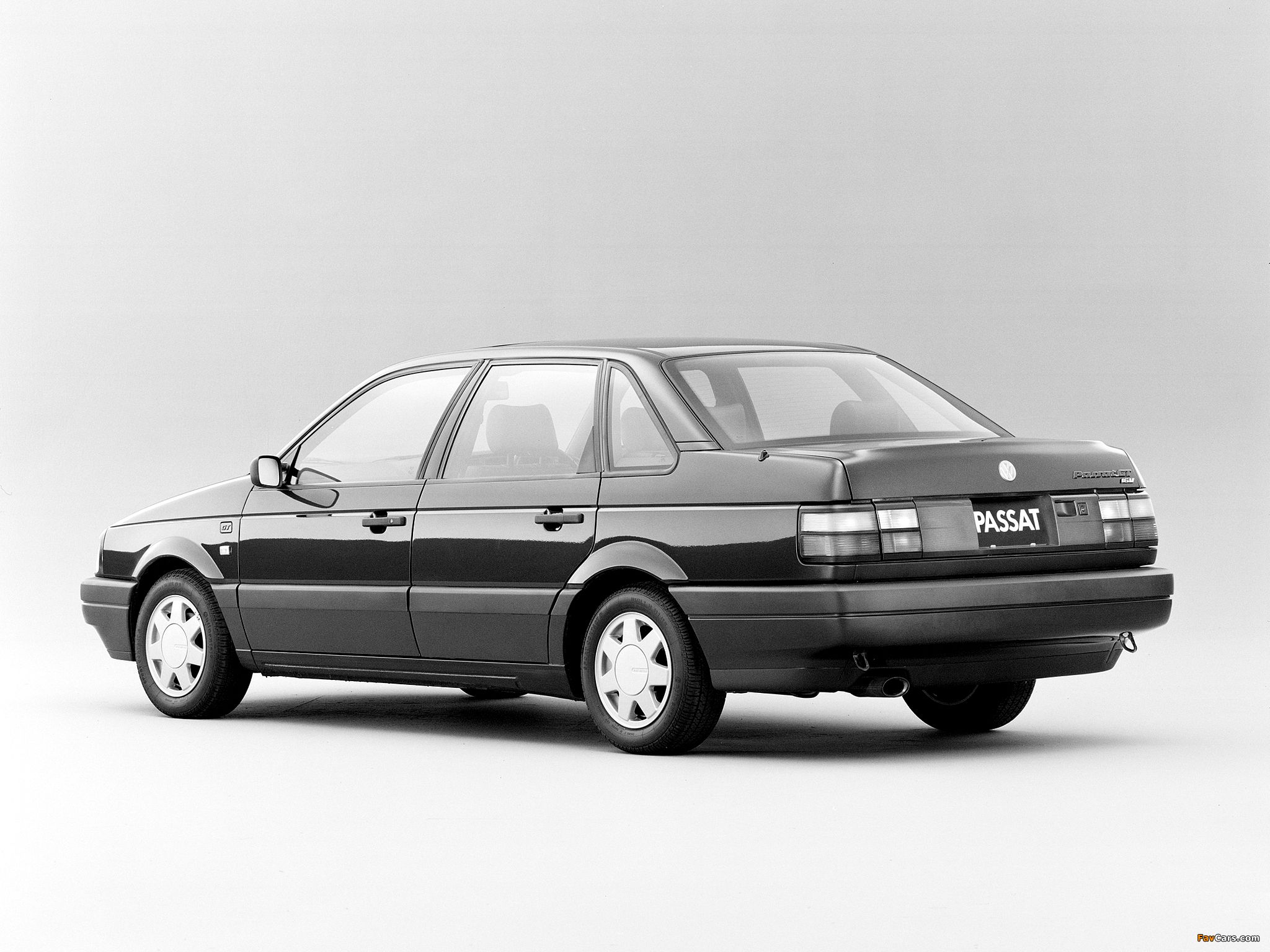
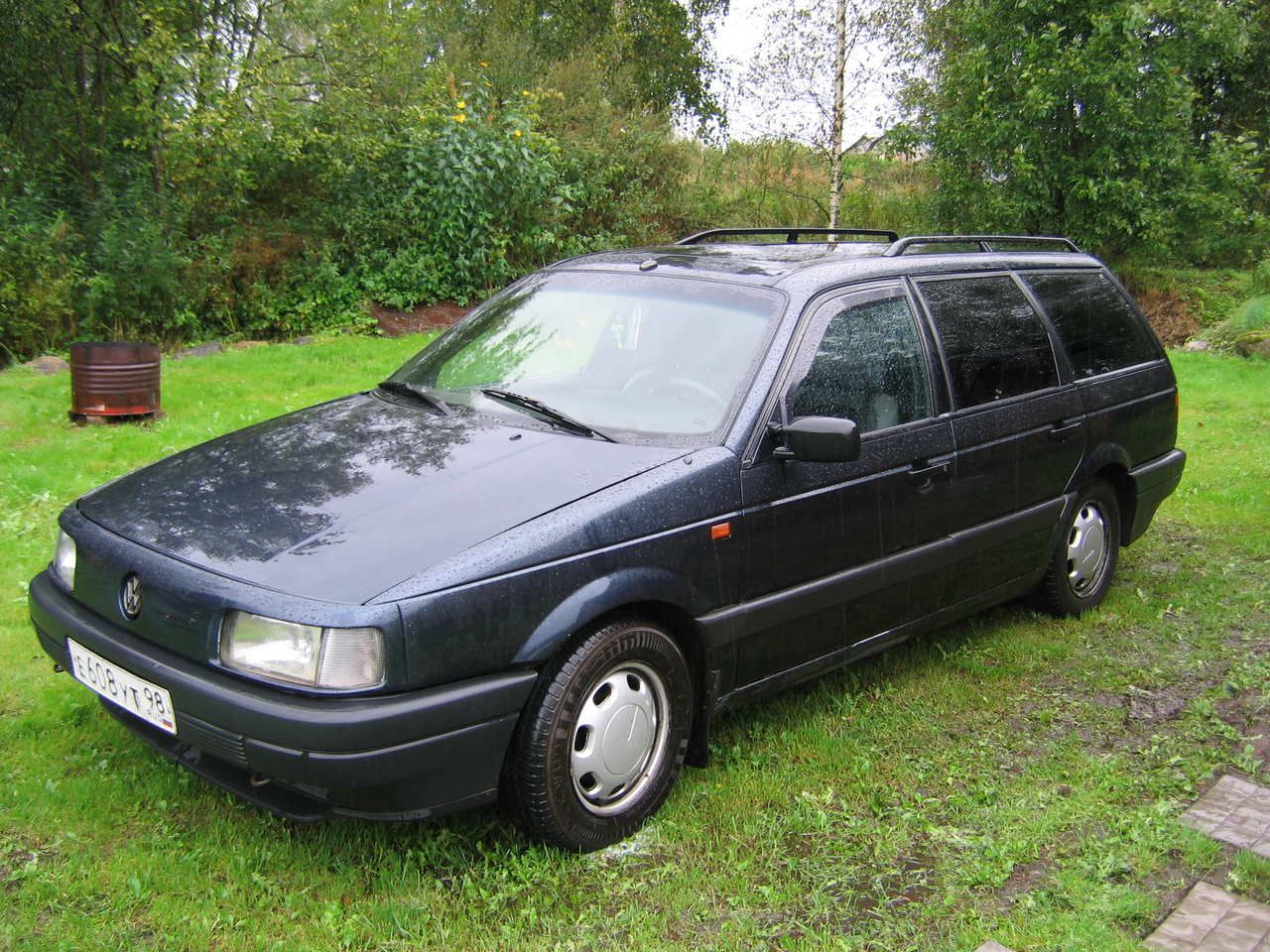
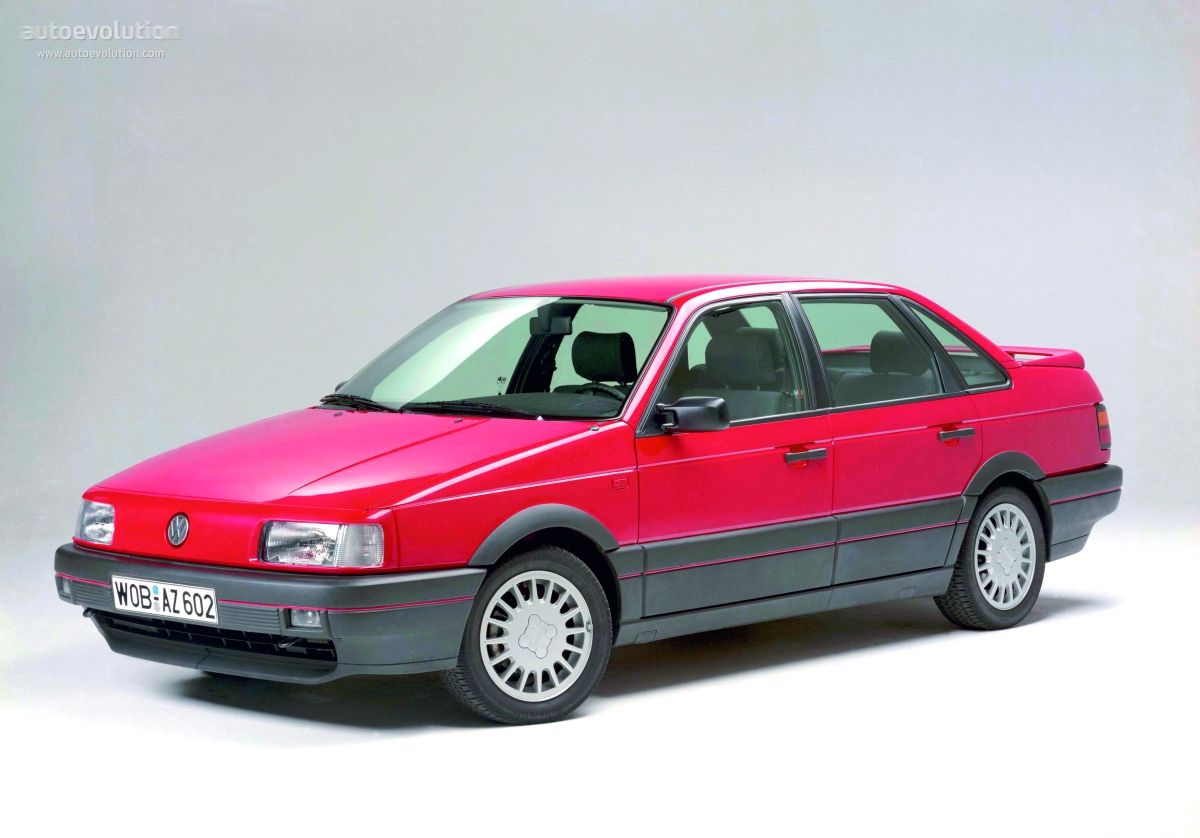
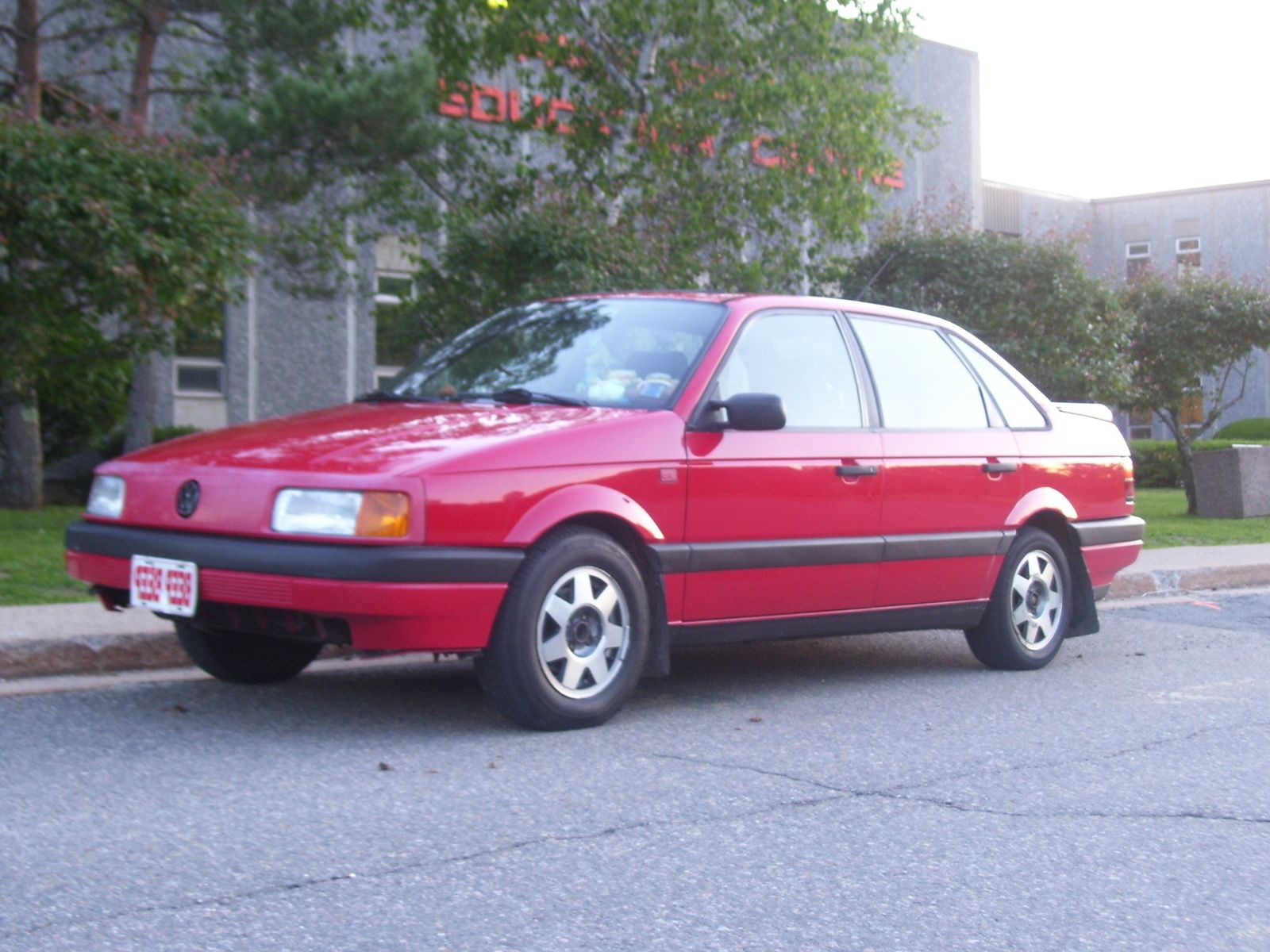
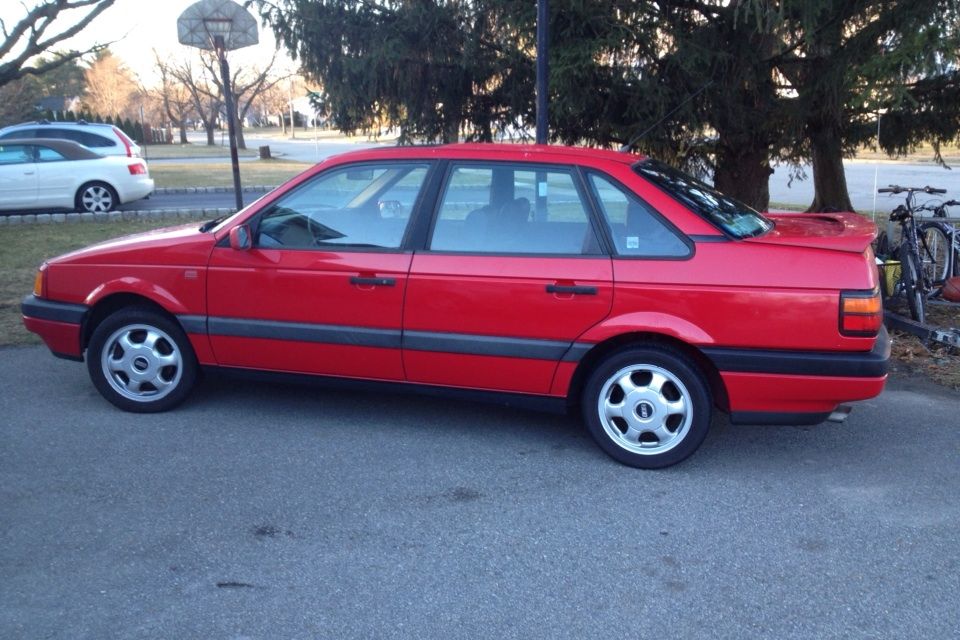
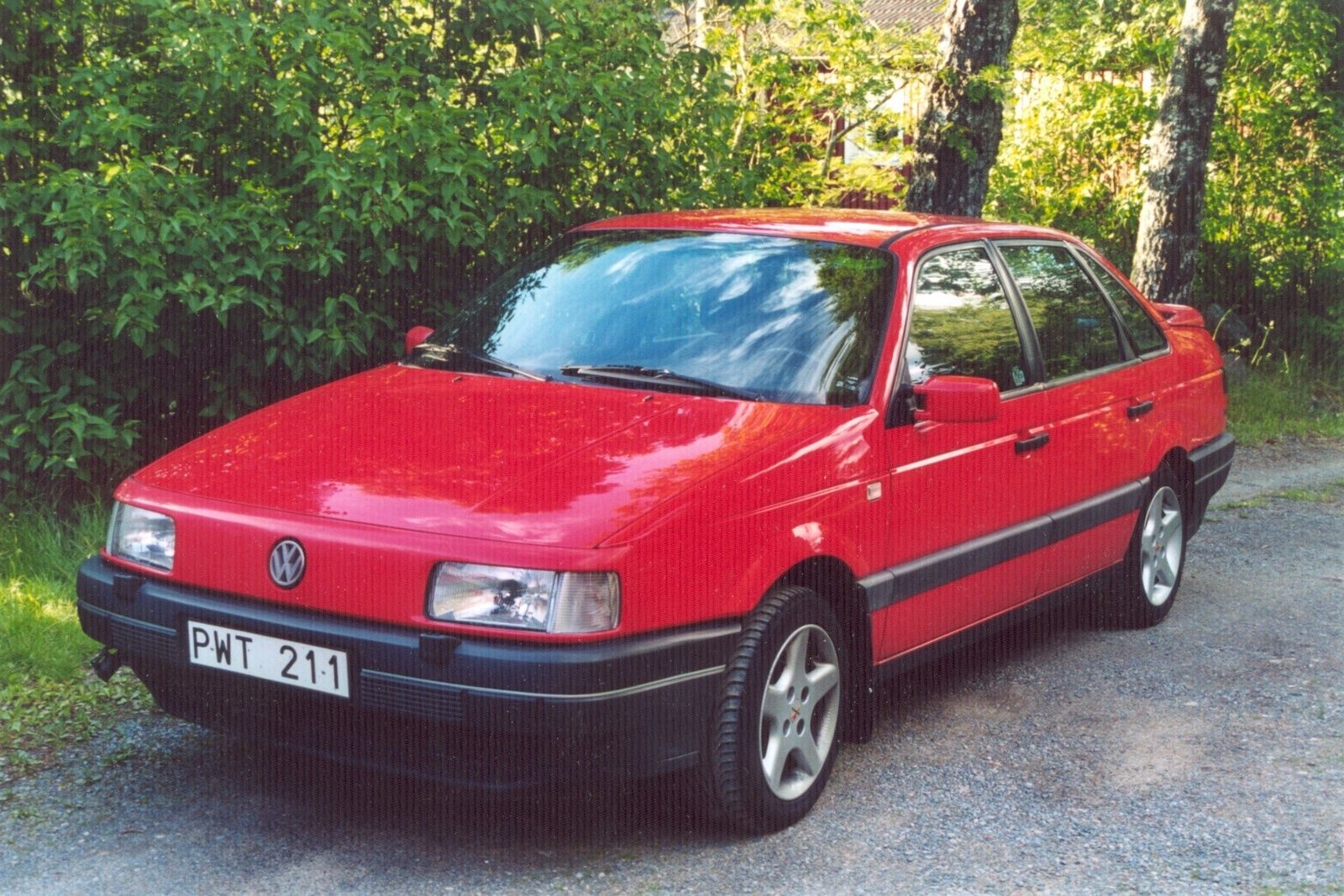
1993 Volkswagen Passat Wagon GLS VR6 0-60 Times, Top Speed, Specs, Quarter Mile, and Wallpapers
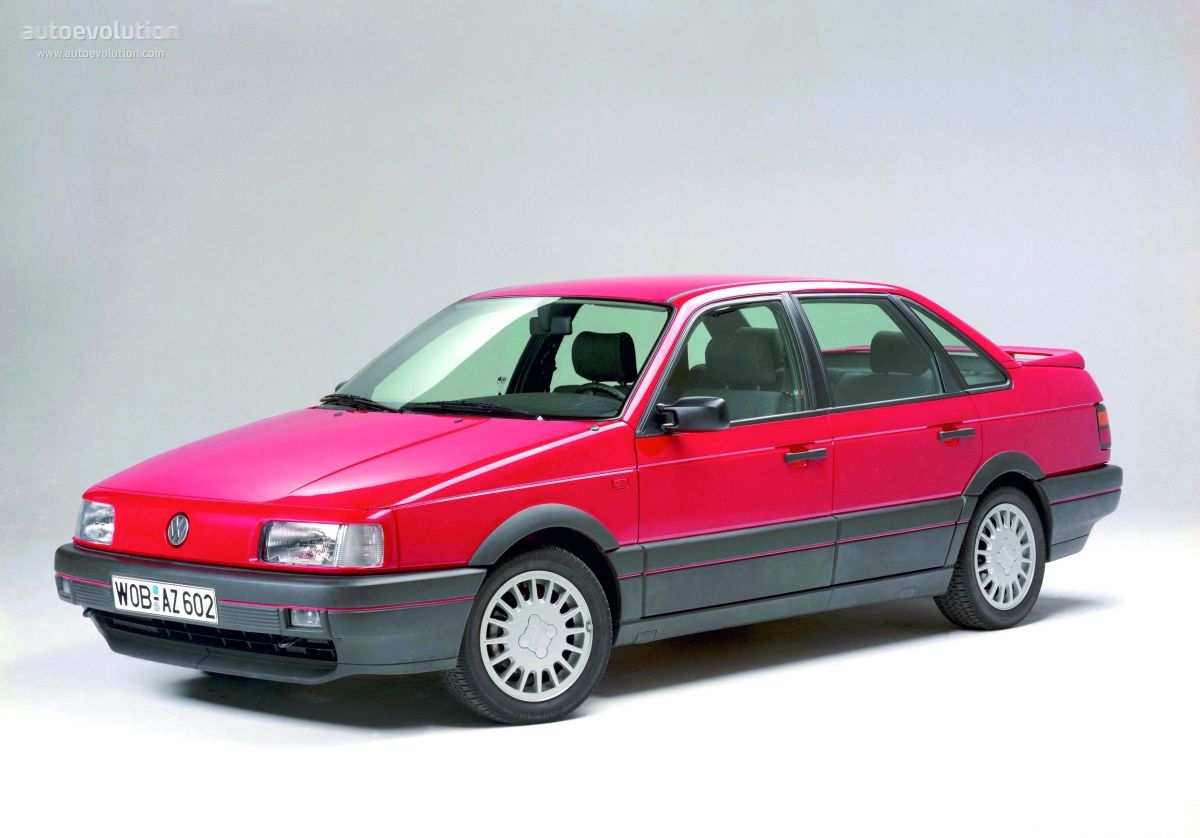
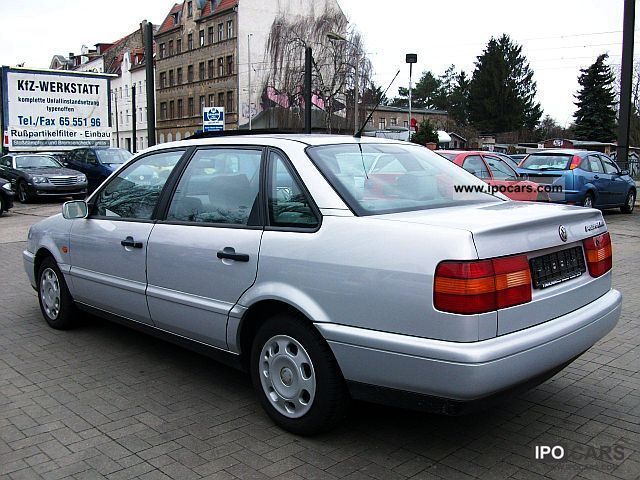
The 1993 Volkswagen Passat Wagon GLS VR6 is a Wagon. It has 4 Doors and is powered by a engine which outputs 115 hp and is paired with gearbox. The 1993 Volkswagen Passat Wagon GLS VR6 has cargo capacity of Liters and the vehicle weighs 1304 kg. In terms of ride assists, the 1993 Volkswagen Passat Wagon GLS VR6 has stability control and traction control in addition to anti-lock brake system (ABS). The vehicle has an optional engine as well It offers and. Safety features also include and. The front suspension is while the rear suspension is. The car also features a It has as standard. Electronic features include Cruise Control. For convenience, the car has Power windows and Power door locks. There is also a remote keyless entry feature. Moreover, the car has. The steering wheel has audio control buttons. In terms of performance, the car has 125 N.m of torque and a top speed of 178 km/h. The 1993 Volkswagen Passat Wagon GLS VR6 accelerates from zero to 60 mph in 14.5 seconds and hits quarter mile at 20.4 seconds. Fuel consumption is L/100km in the city and L/100km in the highway. The car price starts at $ 26,750
| Name | GLS VR6 | |
|---|---|---|
| Price | $ 26,750 | |
| Body | Wagon | |
| Doors | 4 Doors | |
| Engine | ||
| Power | 115 hp | |
| Number of Seats | N/A Seats | |
| Transmission | ||
| Cargo Space | L | |
| Maximum Cargo Space | L | |
| Wheel Type | ||
| Series | ||
| Drivetrain | ||
| Horsepower | 115 HP | |
| Torque | 125 N.m | |
| Top Speed | 178 km/h | |
| Acceleration 0-100 km/h (0-60 mph) | 14.5 s | |
| Fuel Type | ||
| Fuel Consumption (City) | L/100km | |
| Fuel Consumption (Highway) | L/100km | |
| Gear Type | ||
| Weight | 1,850 KG | |
| Brand | Volkswagen | |
| Model | Passat | |
| 0-400m (Quarter Mile) | 20.4 s | |
| 0-400m (Quarter Mile) - Speed | 112.6 km/h | |
| 0-800m (Half Mile) | 33.9 s | |
| 0-800m (Half Mile) - Speed | 126.7 km/h | |
| Modifications (MODS) | ||
| Modifications Cost | $ 0 |
1993 Volkswagen Passat Used Price Estimates
Estimates based on a driving average of 12,000 miles per year| Used Condition | Trade In Price | Private Party Price | Dealer Retail Price |
|---|---|---|---|
| Outstanding | $ 599 | $ 1,361 | $ 1,775 |
| Clean | $ 526 | $ 1,201 | $ 1,565 |
| Average | $ 382 | $ 879 | $ 1,146 |
| Rough | $ 238 | $ 557 | $ 726 |


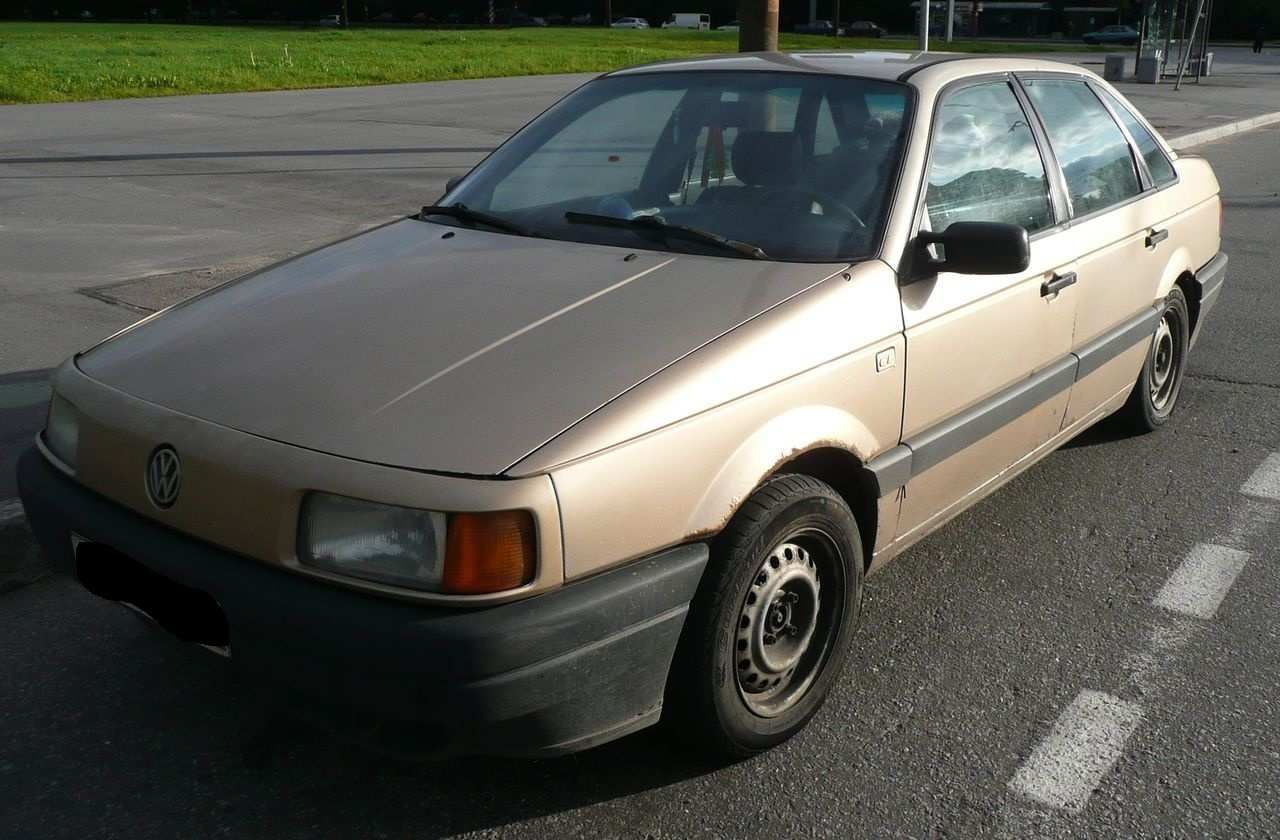
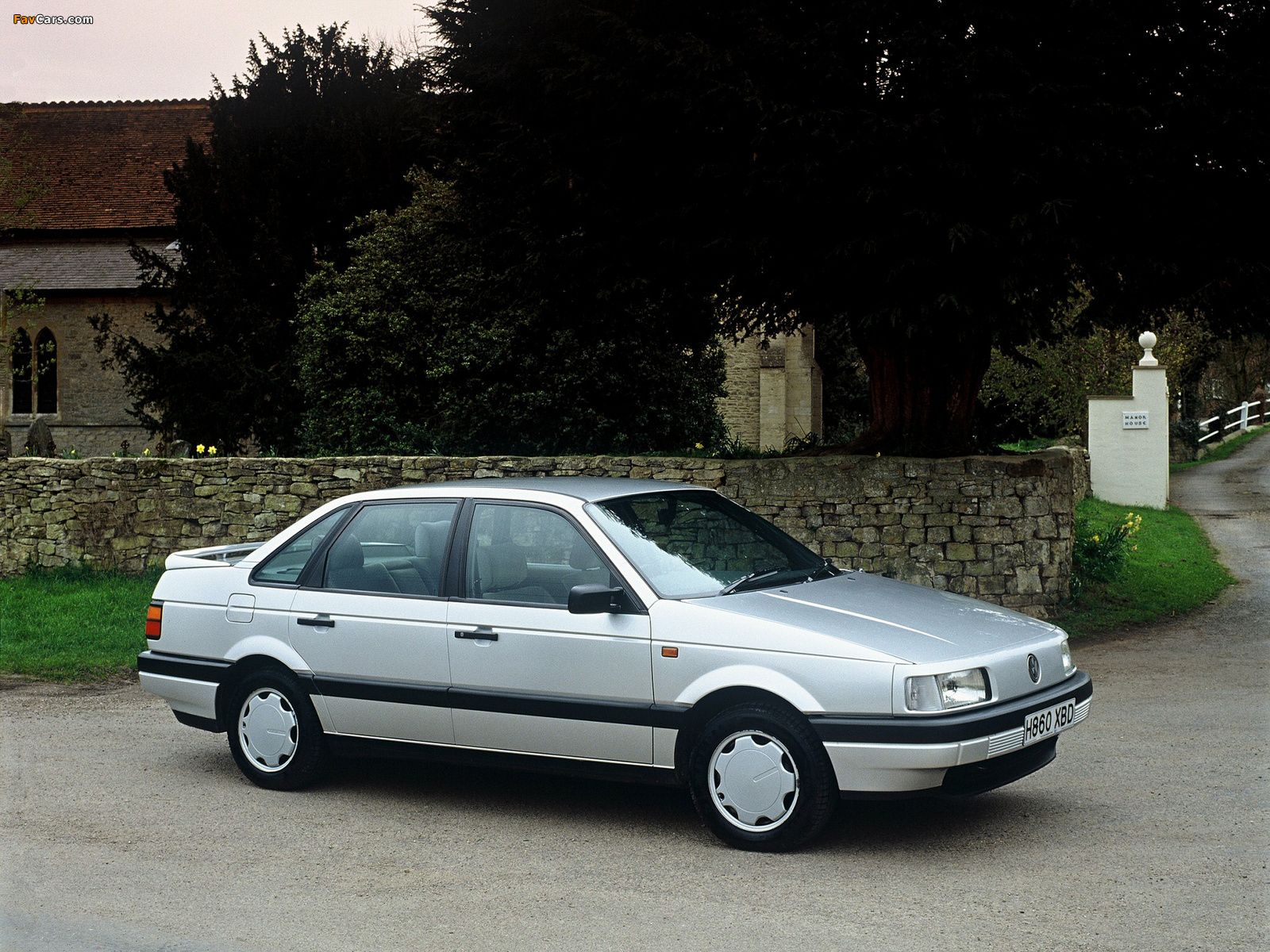
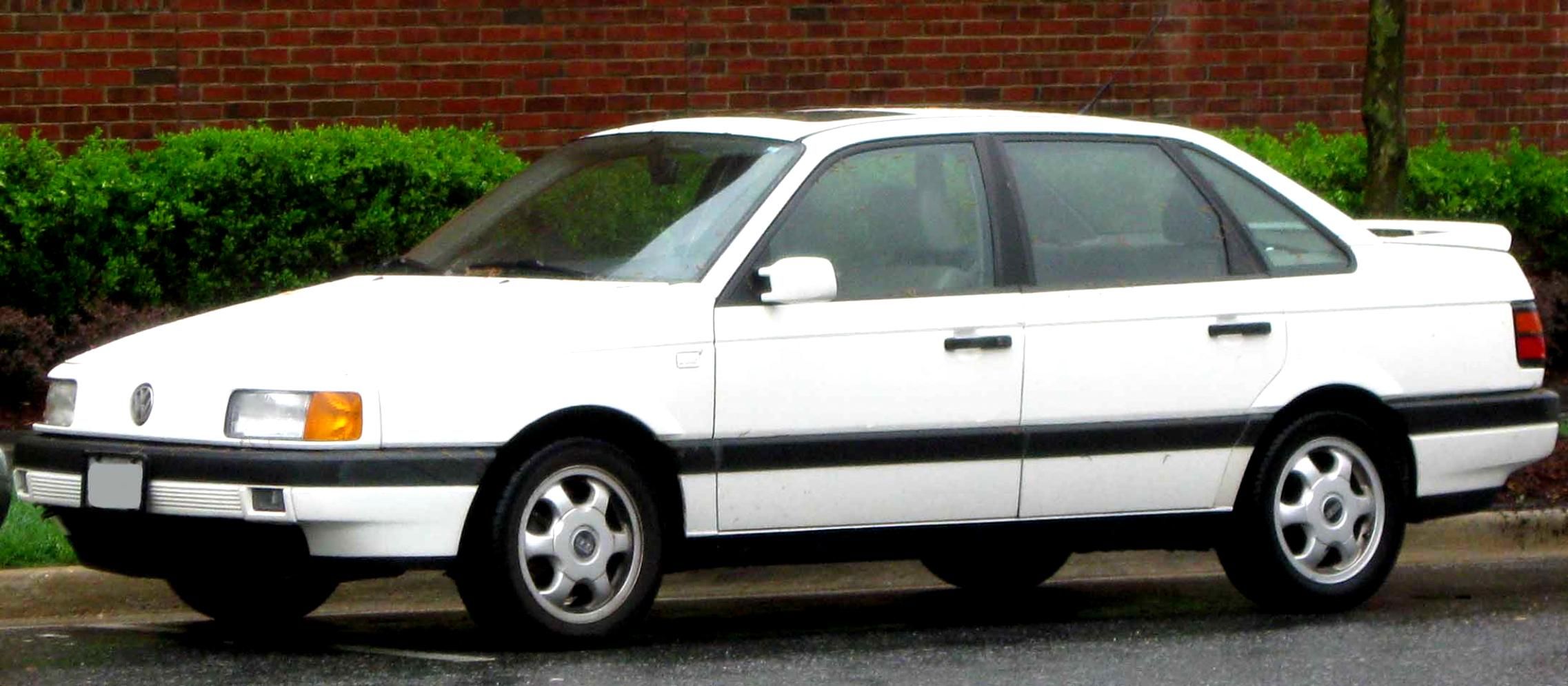




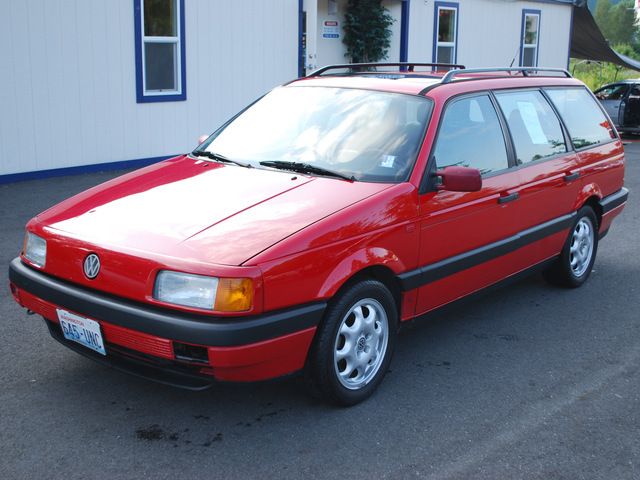
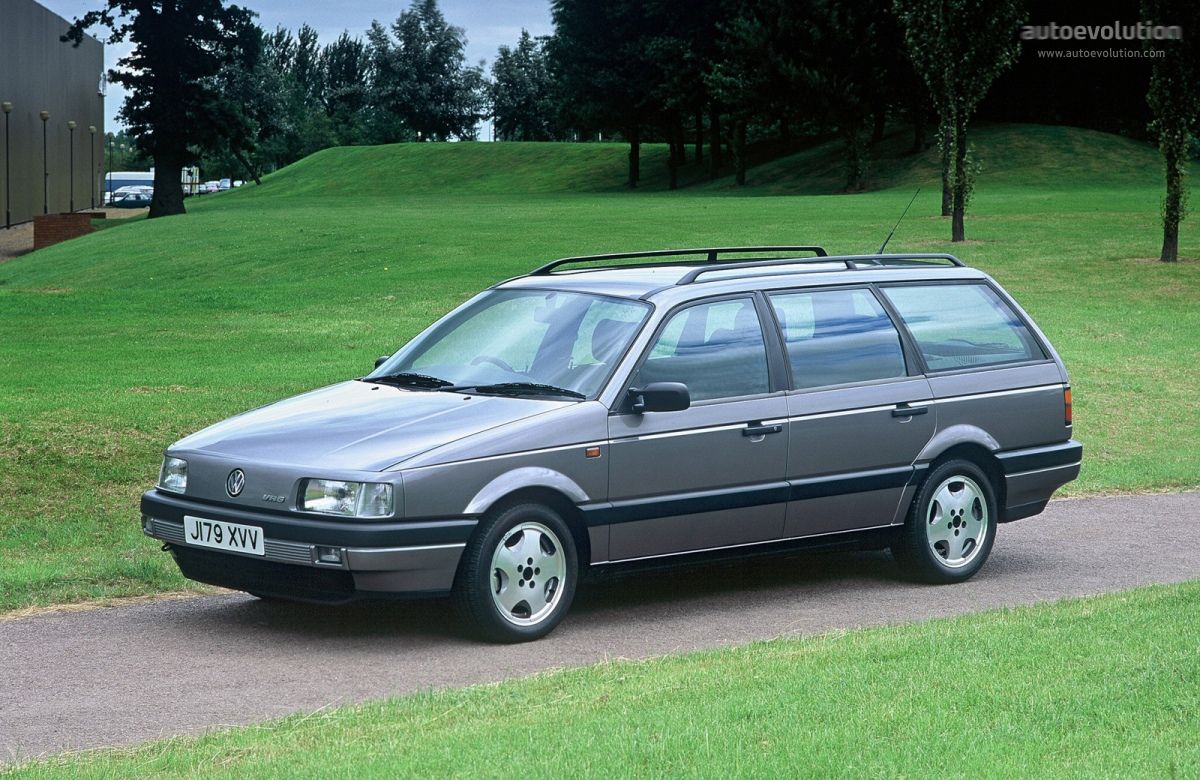
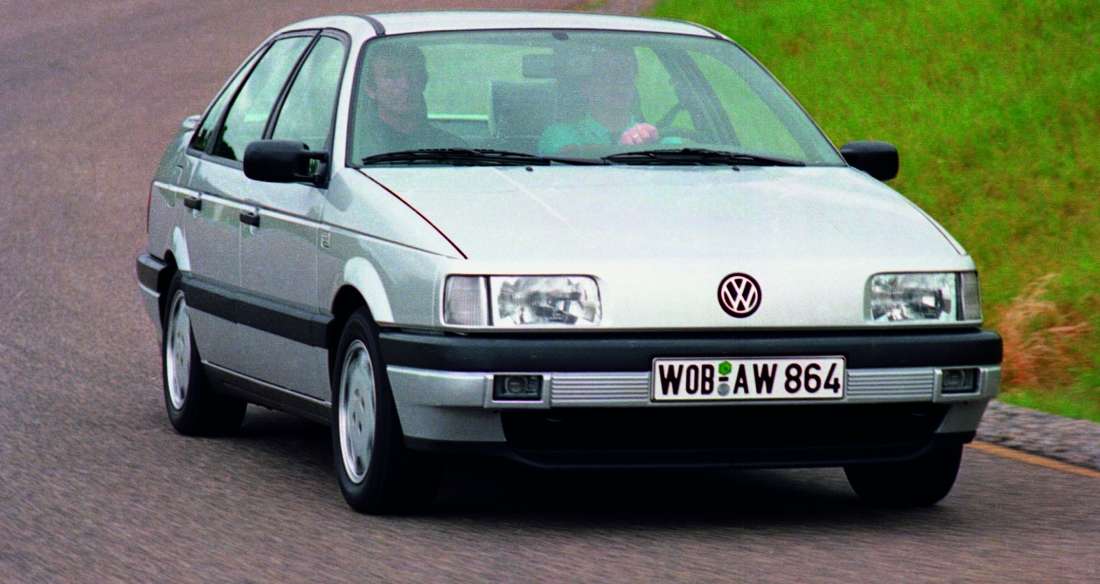
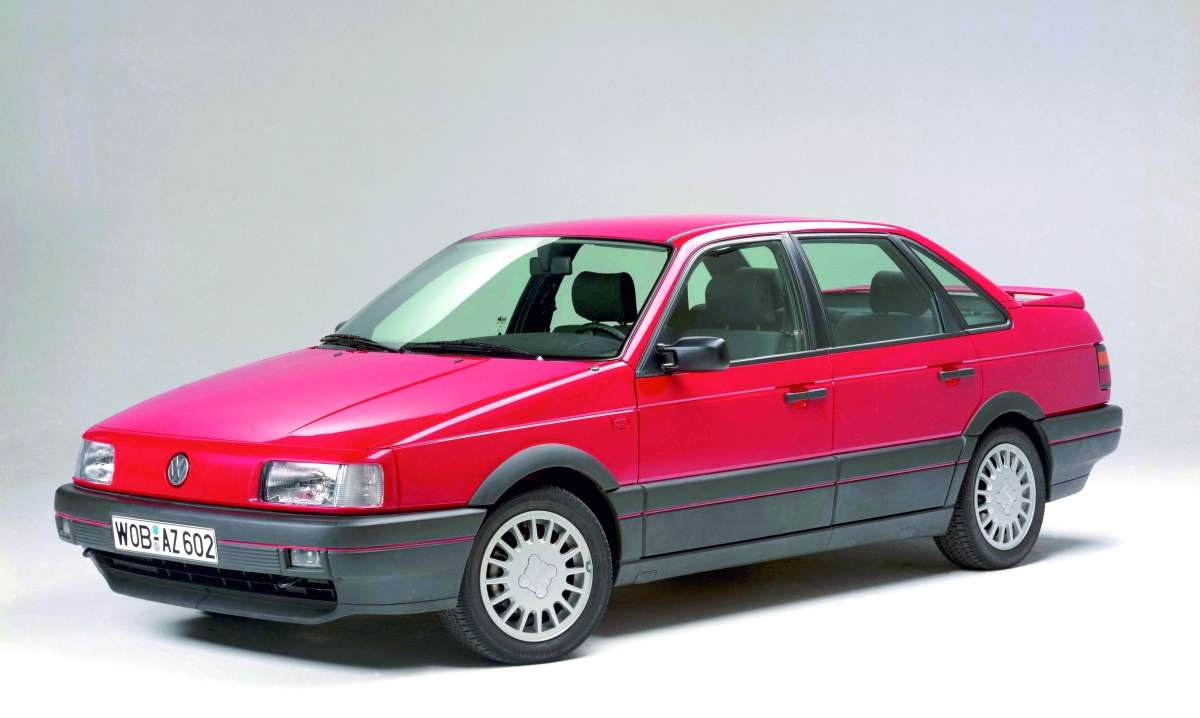
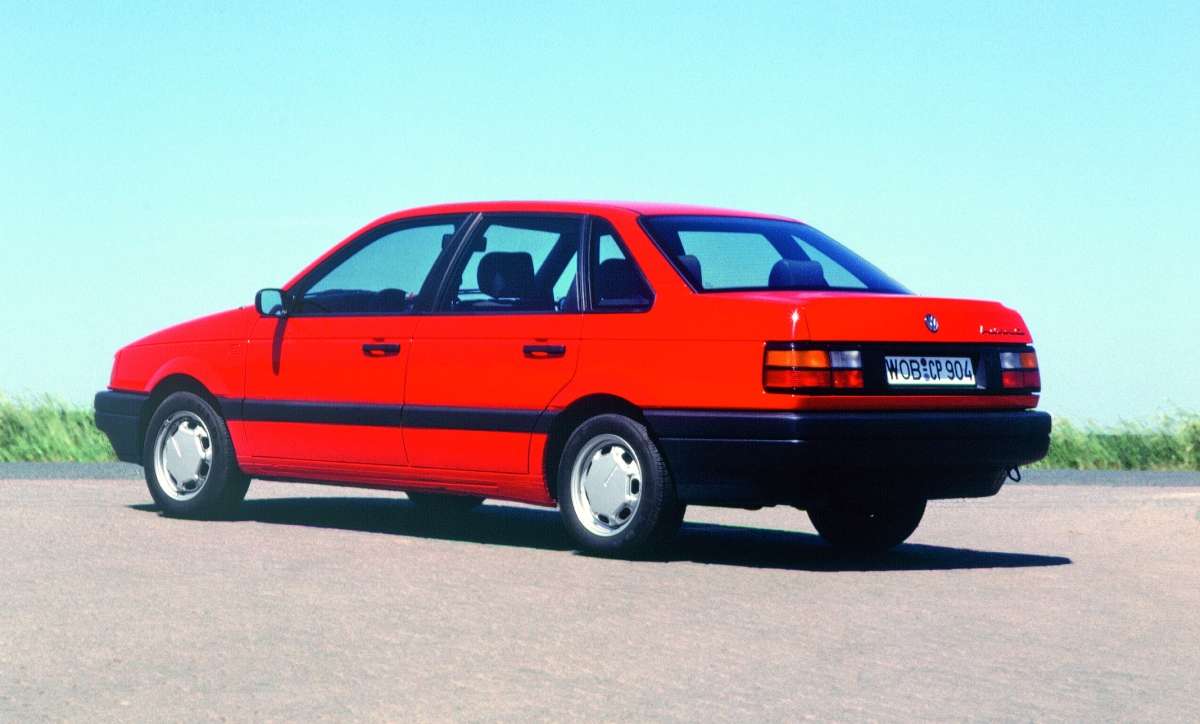
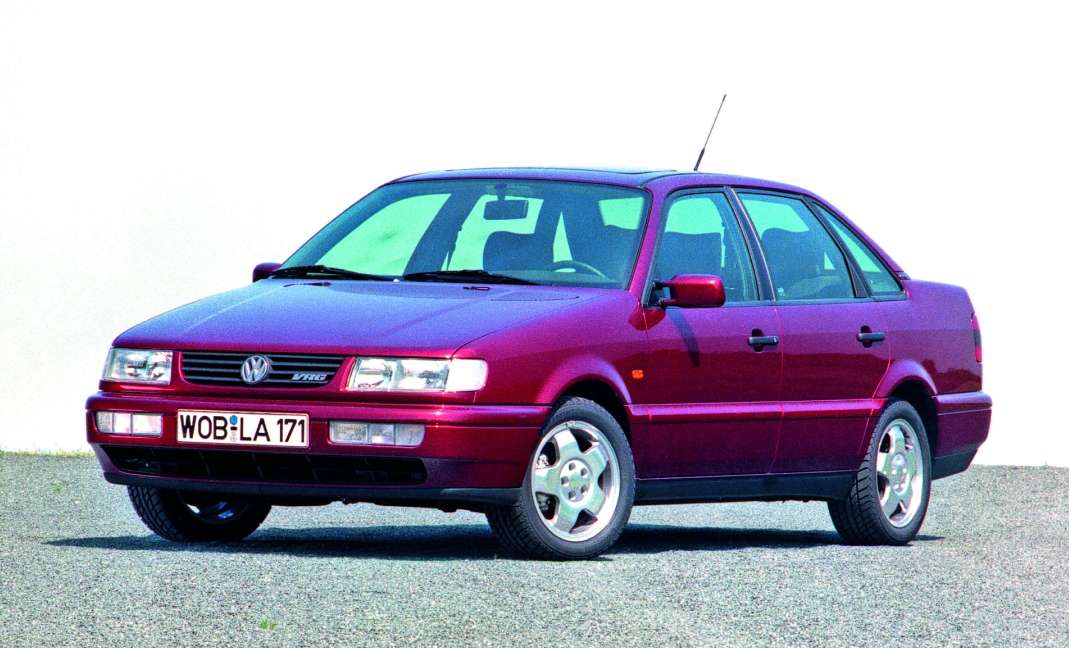
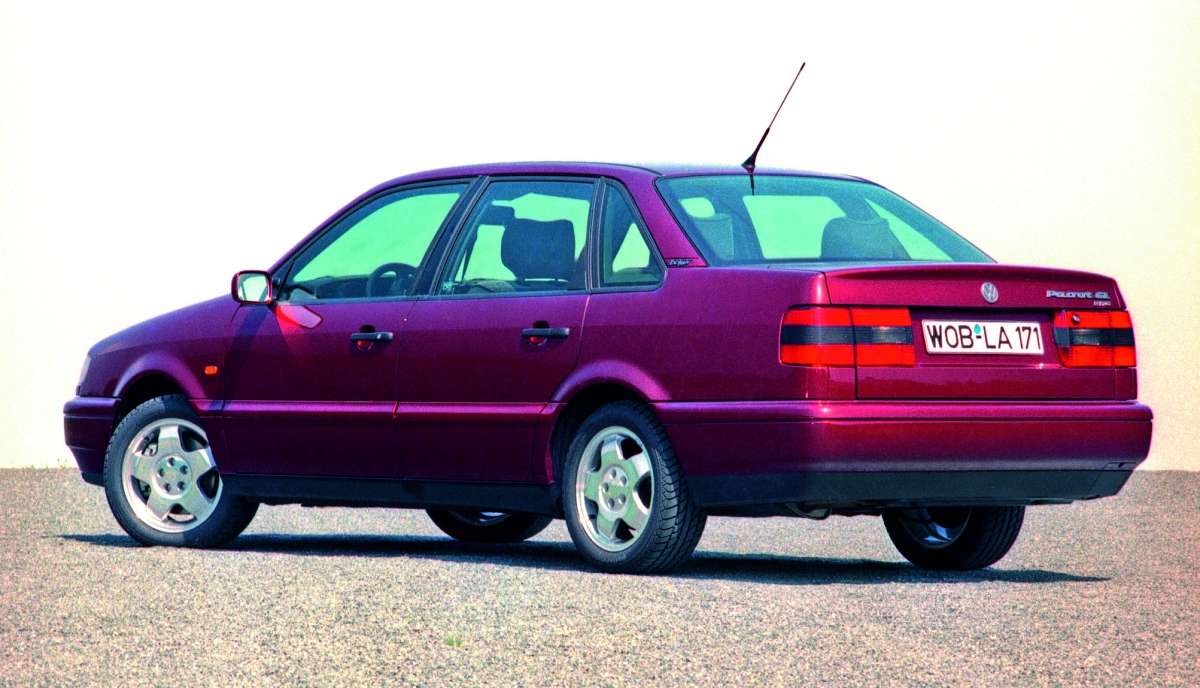
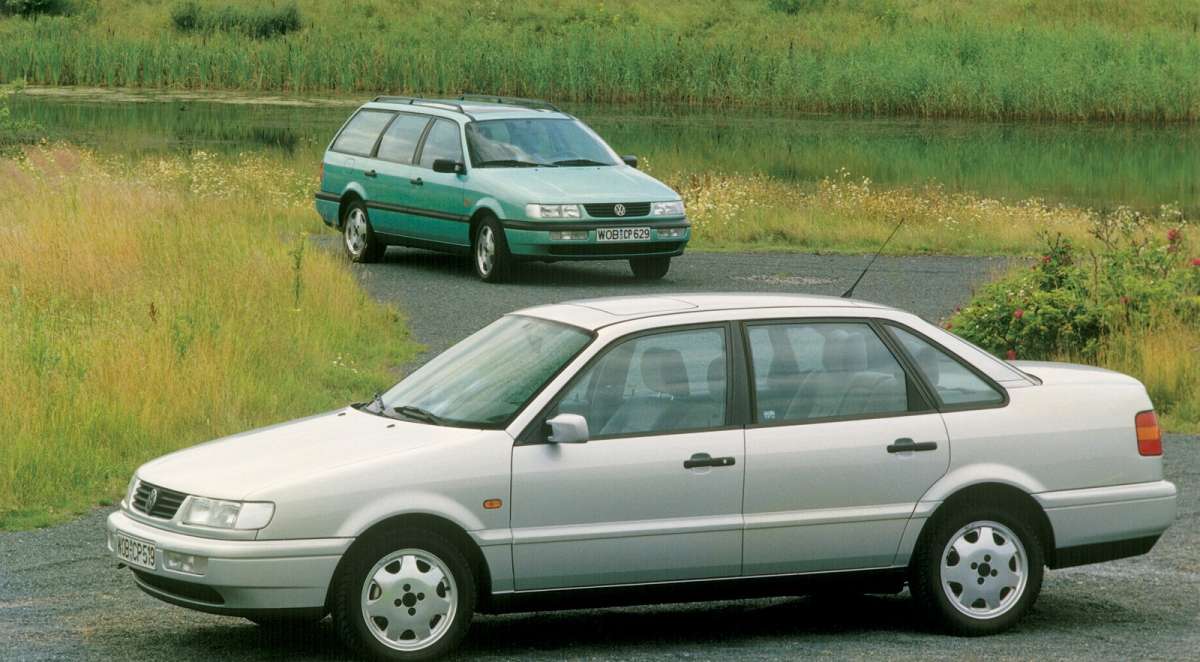
1993 Volkswagen Passat Wagon GLS VR6 Exterior Colors
1993 Volkswagen Passat Wagon GLS VR6 Interior Colors
1993 Volkswagen Passat Engines
| Engine | Standard in Trim | Power | Torque | Fuel Consumption - City | Fuel Consumption - Highway | 0-100 km/h | Quarter Mile | Half Mile |
|---|---|---|---|---|---|---|---|---|
| 2.0L L4 SOHC 8 valves | GLS | 115 hp @ 5400 rpm | 125 N.m | 11.9 L/100km | 7.9 L/100km | 11.2 s | 18.2 s | 30.2 s |
| 2L | Base | 115 hp | 125 N.m | 11.7 L/100km | 6.4 L/100km | 11.2 s | 18.2 s | 30.2 s |
| GLS VR6 | 90 hp | 125 N.m | L/100km | L/100km | 17.4 s | 22.2 s | 36.8 s | |
| Syncro | 80 hp | 125 N.m | 7.0 L/100km | 4.5 L/100km | 13.7 s | 19.9 s | 33.0 s |
1993 Volkswagen Passat Trims
1993 Volkswagen Passat Previous Generations
1993 Volkswagen Passat Future Generations
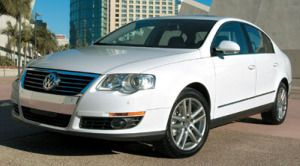
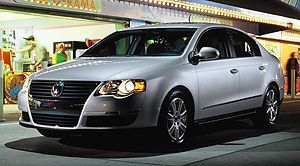
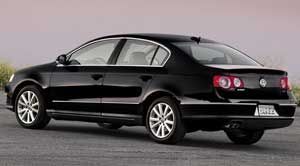
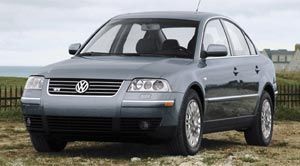
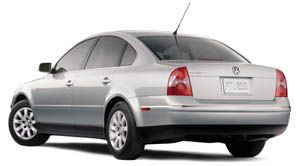
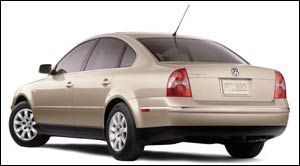
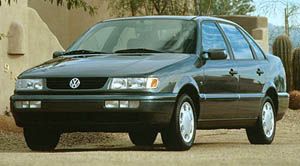
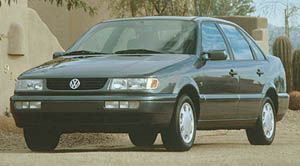
Volkswagen Passat Overview and History
But Hitler's plans weren't going to materialize because WWII started and the plant switched production to armaments and the vehicles under the VW logo went to the army of the Third Reich. After the war, the plant at Wolfsburg went under Allied control, British to be specific, and under the supervision of Major Ivan Hirst, Volkswagen began the mass production of the Type 1, or the Beetle as it would come to be known throughout the world.
Initial sales abroad were disastrous, but through clever advertising, the Beetle gained popularity with the young crowd and from 1945 to 1955 numbers reached the 1 million mark. Meanwhile, sometime at the end of the 40s, Volkswagen also introduced the Type 2, a people carrier, known as the “VW Bully”.
Even through the 60s and 70s, the Beetle manages to stay on top of sales, despite the fact that it was becoming obsolete. Reliability, easy maintenance and reduced fuel consumption made the car remain a consumer favorite. On February 17th 1972, Volkswagen celebrated selling over 15 million units of the Beetle sold, thus surpassing the Ford Model T as the most popular car in the world, a title which it still holds to this day.
Despite the success it had with the Beetle, by the beginning of the 70s, Volkswagen AG was in dire need of new models to replace the aging Beetle. The help came from Audi/Auto Union, which WV had bought back in the sixties. They brought with them the knowledge for front-wheel drive vehicles and water-cooled engines.
In 1974, the first Golf rolls out of the factory's door and becomes and instant hit. Marketed as the Rabbit in the United States and Canada, it was responsible for putting Volkswagen back on the map. That same year, a more sporty model, the Scirocco makes it's way onto the Volkswagen line up. For the smaller car market, the German car maker came up with the Polo in 1976, which was quite popular throughout Western Europe.
The next decade saw Volkswagen trying to improve their products with new generations of all the older models and expanding their influence by taking over Spanish manufacturer Seat and the Czech-based Skoda Auto.
As the 90s rolled in, VW-owned Audi became a direct competitor for BMW and Mercedes-Benz with products designed for a more pretentious market. This left a void in the general market which Volkswagen now tried to fill. The third generation vehicles now came with better quality and standards. Gradually, new luxury models were introduced, like the Touareg, a premium off-road vehicle.
In the last decade, Volkswagen has been busy trying to set records when it comes to CO2 emissions and fuel-efficient technologies. This applies to their normal engines, running on gas and diesel, but they are also developing hybrids.
1993 Volkswagen Passat Consumer Reviews
Compare Against Competitors
1993 Volkswagen Passat Wagon GLS VR6 Specifications
GLS VR6 Overview
| Body | Wagon |
|---|---|
| Doors | 4 |
| Fuel Consumption | |
| Seats | N/A |
Discussion and Comments
Share Your Comments