2017 Ford Explorer Base 4WD 0-60 Times, Top Speed, Specs, Quarter Mile, and Wallpapers
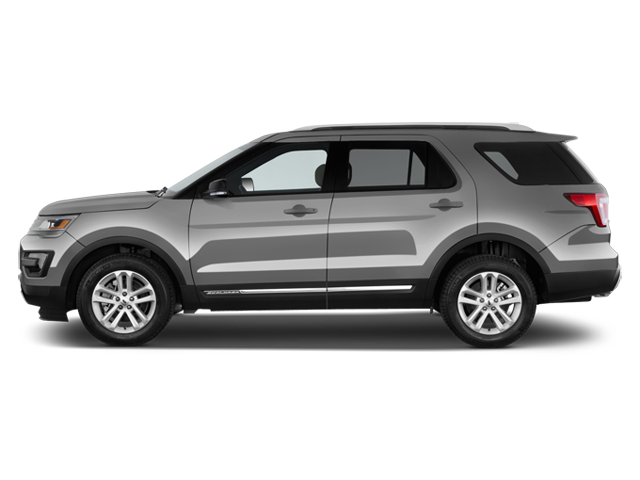
The 2017 Ford Explorer Base 4WD is a 4-wheel drive Sport Utility. It can accommodate up to 7 passengers. It has 5 Doors and is powered by a 2.3L L4 turbo EcoBoost 16-valve engine which outputs 280 hp @ 2500 rpm and is paired with 6-speed automatic transmission with manual mode gearbox. The 2017 Ford Explorer Base 4WD has cargo capacity of 595 Liters and the vehicle weighs 2015 kg. In terms of ride assists, the 2017 Ford Explorer Base 4WD has stability control and traction control in addition to anti-lock brake system (ABS). The vehicle has an optional 2.3L L4 turbo EcoBoost 16-valve engine as well It offers Reverse sensing system and Rear view camera with backup assist grid lines and washer. Safety features also include Driver-side front airbag and Passenger-side front airbag. The front suspension is Front independent suspension while the rear suspension is Independent rear suspension. The car also features a Yes It has 18-inch aluminum wheels as standard. Electronic features include Cruise Control. For convenience, the car has Power windows and Power door locks. There is also a remote keyless entry feature. Moreover, the car has. The steering wheel has audio control buttons. In terms of performance, the car has 306 N.m of torque and a top speed of 240 km/h. The 2017 Ford Explorer Base 4WD accelerates from zero to 60 mph in 7 seconds and hits quarter mile at 13.5 seconds. Fuel consumption is 14.4 L/100km in the city and 10.5 L/100km in the highway. The car price starts at $ 37,499
| Name | Base 4WD | |
|---|---|---|
| Price | $ 37,499 | |
| Body | Sport Utility | |
| Doors | 5 Doors | |
| Engine | 2.3L L4 turbo EcoBoost 16-valve | |
| Power | 280 hp @ 2500 rpm | |
| Number of Seats | 7 Seats | |
| Transmission | 6-speed automatic transmission with manual mode | |
| Cargo Space | 595.0 L | |
| Maximum Cargo Space | 2,314.0 L | |
| Wheel Type | 18-inch aluminum wheels | |
| Series | ||
| Drivetrain | 4-wheel drive | |
| Horsepower | 280 HP | |
| Torque | 306 N.m | |
| Top Speed | 240 km/h | |
| Acceleration 0-100 km/h (0-60 mph) | 7.0 s | |
| Fuel Type | ||
| Fuel Consumption (City) | 14.4 L/100km | |
| Fuel Consumption (Highway) | 10.5 L/100km | |
| Gear Type | auto | |
| Weight | 1,850 KG | |
| Brand | Ford | |
| Model | Explorer | |
| 0-400m (Quarter Mile) | 13.5 s | |
| 0-400m (Quarter Mile) - Speed | 151.5 km/h | |
| 0-800m (Half Mile) | 25.2 s | |
| 0-800m (Half Mile) - Speed | 170.4 km/h | |
| Modifications (MODS) | ||
| Modifications Cost | $ 0 |
Ford Explorer 3.5L 2017 0-100 km/h
2017 Ford Explorer XLT 3.5L 0-60 acceleration
2017 Ford Explorer XLT 3.5L 0-60 acceleration
Ford Explorer 2017 2.3 Ecoboost Limited Acceleration 0-195 km/h (Top Speed Limited)
2017 Ford Explorer Used Price Estimates
Estimates based on a driving average of 12,000 miles per year| Used Condition | Trade In Price | Private Party Price | Dealer Retail Price |
|---|---|---|---|
| Outstanding | $ 22,746 | $ 25,334 | $ 28,036 |
| Clean | $ 22,169 | $ 24,682 | $ 27,305 |
| Average | $ 21,015 | $ 23,380 | $ 25,843 |
| Rough | $ 19,861 | $ 22,078 | $ 24,380 |
Available with plenty of features and three distinctly different engines, the 2017 Ford Explorer has a lot to offer if you're shopping for a three-row crossover SUV. Its outstanding quietness and quality cabin trimmings elevate this practical do-all crossover to the front of the segment.
A household name among American carbuyers, the Ford Explorer has evolved from its long-ago roots as a body-on-frame SUV into the comprehensively modern three-row crossover it is today. Depending on trim level and options (and how deep your pockets are), it can be downright luxurious. Our preference for the Sport arises from the "drives big" nature of other non-Sport trim levels — though comfortable, the soft suspension and numb steering of non-Sport models make their driving experience oddly ponderous.
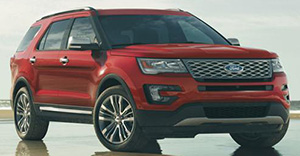
Aside from that, though, there is an awful lot to credit to the Explorer. You can configure an Explorer that keeps things relatively basic, or you can go all-in on luxury. Versatility is a strong suit, too. You have your choice of three engines. You can get it with a second-row bench or captain's chairs and option the second and/or third row with power-folding functionality. Lots of cargo space is standard.
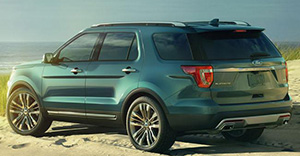
The 2017 Ford Explorer seats six or seven passengers, depending on how you equip it. There are five trim levels: base, XLT, Limited, Sport and Platinum. Three engines are available, and all models are equipped with a six-speed automatic transmission. The Sport and Platinum have all-wheel drive only, while Base, XLT and Limited models are available in front-wheel or all-wheel drive. Base Explorers have the basics covered, but going up one notch to the XLT gets you a few extra features plus access to more desirable options. The Limited and Sport have similar features, while the Platinum tops off the Explorer line as the fully loaded trim.
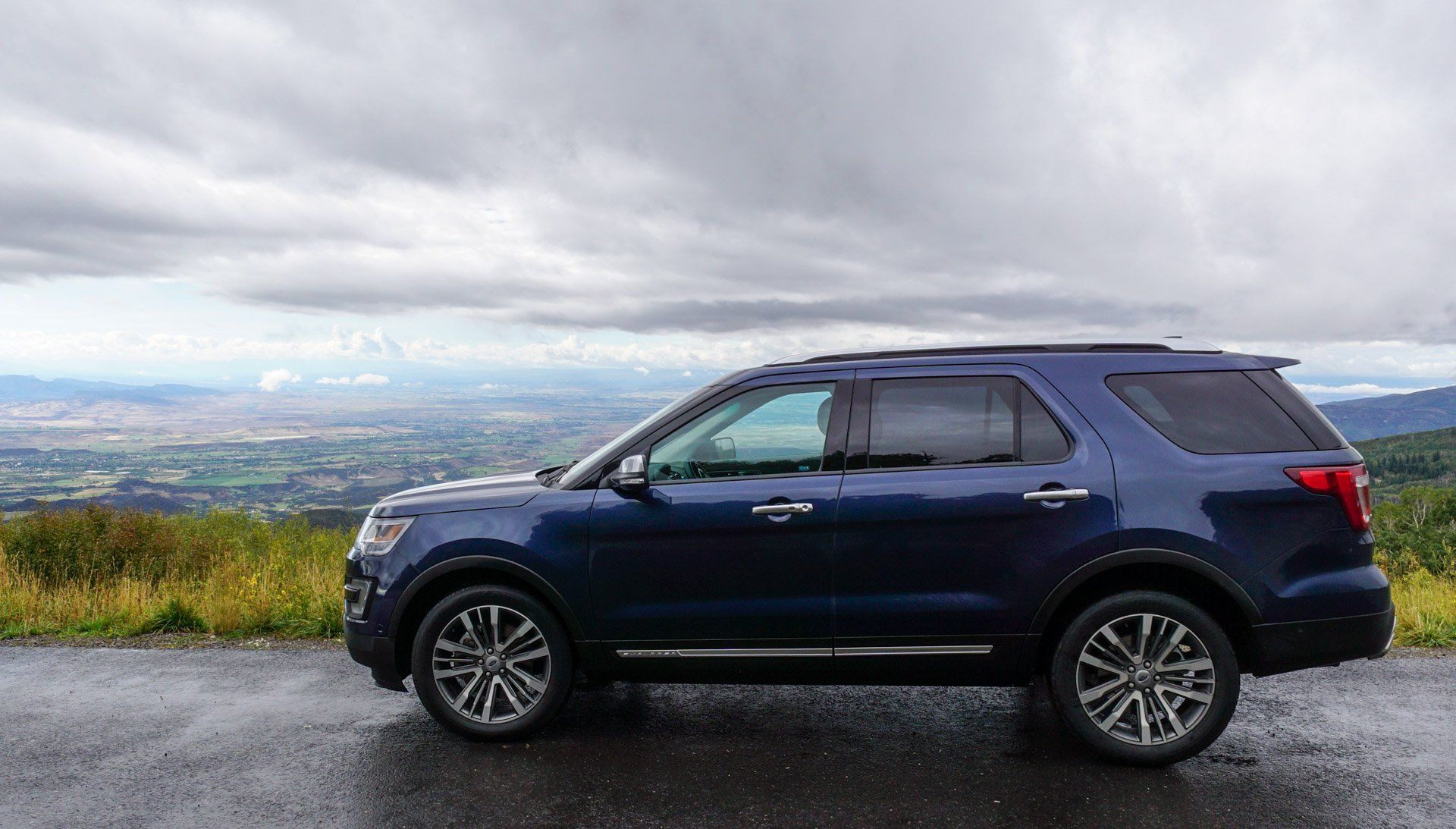
Entry-level base models have the basics covered with their 3.5-liter V6 (290 horsepower, 255 pound-feet of torque), 18-inch wheels, rearview camera, cruise control, rear climate controls, a 60/40-split second-row seat, 50/50-split third-row seat, an eight-way power driver seat (with manual recline), a 4.2-inch dashboard display screen, Sync (Ford's voice-activated phone and entertainment interface), Bluetooth and a six-speaker sound system.

Going up one notch to the XLT trim adds a few features as standard, but the real draw is that it grants access to desirable options that aren't offered on base variants. We expect many buyers will find their needs met by an XLT with a few extra options added.
Base and XLT trims also offer an optional turbocharged 2.3-liter turbocharged four-cylinder (280 hp, 310 lb-ft of torque) engine. It's more fuel-efficient than the regular V6, but depending on how you drive, you might not realize a whole lot of savings. The V6 is our preferred choice of the two.

Limited models come with the turbo four-cylinder engine as standard (the V6 is optional) and add more comfort and convenience items such as leather upholstery, heated and ventilated front seats, power-adjustable pedals, dual-zone automatic climate control, a power tilt-and-telescope steering wheel, an 8-inch touchscreen display with the new Sync 3 interface, a nine-speaker sound system and power-folding third-row seats.
It's nice, but we prefer the more substantive changes ushered in by the Sport variant. It has most of the Limited's features but comes with a gutsy turbocharged 3.5-liter V6 (365 hp, 360 lb-ft of torque) and sport-oriented suspension tuning.
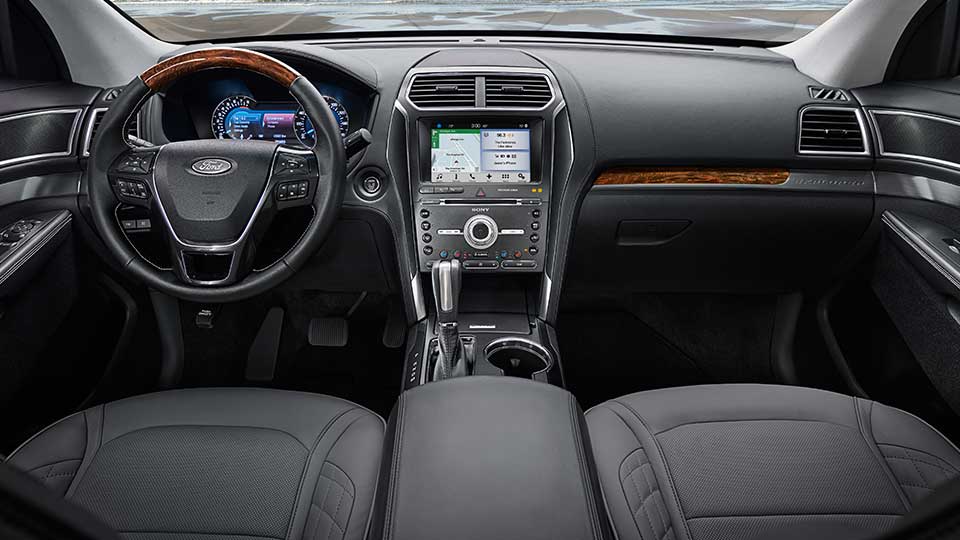
Likewise, range-topping Platinum trim levels are offered solely with the turbo V6 but not the unique suspension and steering tuning of Sport models. Platinum variants make standard the features offered as options on lesser trim levels. The result is the kitchen sink of comfort and driver assistance features to suit the most well-heeled buyers. Highlights include a panoramic sunroof, a parking assistance system, adaptive cruise control, ventilated front seats, a heated steering wheel and a 12-speaker Sony audio system. For the Platinum, a rear-seat entertainment system and power-folding second-row captain's chairs are optional.
Each vehicle typically comes in multiple versions that are fundamentally similar. The ratings in this review are based on our full test of the 2016 Ford Explorer Sport (3.5L turbo V6; AWD; 6-speed automatic).
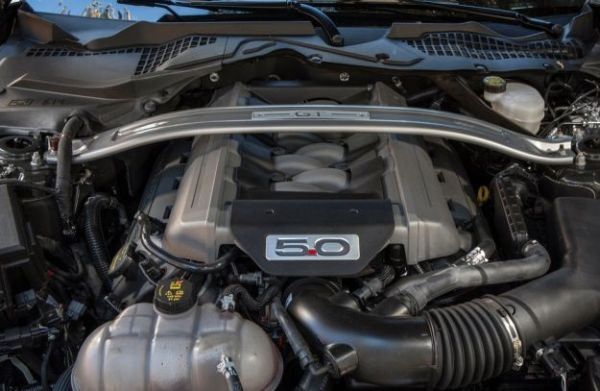
NOTE: Since this test was conducted, the current Explorer has received only revisions. Our findings remain broadly applicable to this year's Explorer.
When it comes to horsepower, Ford’s 7-passenger Explorer SUV for 2017 delivers at every level. From the standard 290-horsepower V6 to the fuel-efficient 280-horsepower turbo 4-cylinder available in the base, XLT and Limited trims, Ford places choice front and center. Need more “oomph”? Try out the Sport and Platinum trim’s 365-horsepower twin-turbocharged V6. Capable for sure, the Explorer delivers excellent passing and pulling power and its heavily weighted steering and taut suspension give this big SUV impressive cornering ability, although its high beltline and massive front bumper make maneuvers in tight quarters a bit harrowing. Ford has done an excellent job keeping road, engine and wind noise out of the cabin, and all but the rearmost occupants felt the seating was both comfortable and supportive. The Explorer’s adaptive cruise control works well, but we wish it offered fully autonomous braking like the Honda Pilot, not just collision warning.
BUTTONS With more and more SUVs moving to touch-screen-only interfaces, it’s rather refreshing to see sometimes the old ways are still the best ways. Sure, the 2017 Ford Explorer features a big 8-inch touch screen, but it also has easy-to-reach and -operate controls for the climate and audio. TERRAIN MANAGEMENT SYSTEM Because Ford’s 2017 Explorer is a crossover SUV, it lacks the rugged body-on-frame design once common to off-road SUVs. To compensate, Ford’s Terrain Management System offers varying settings for the AWD system including snow, sand, mud, grass and gravel.
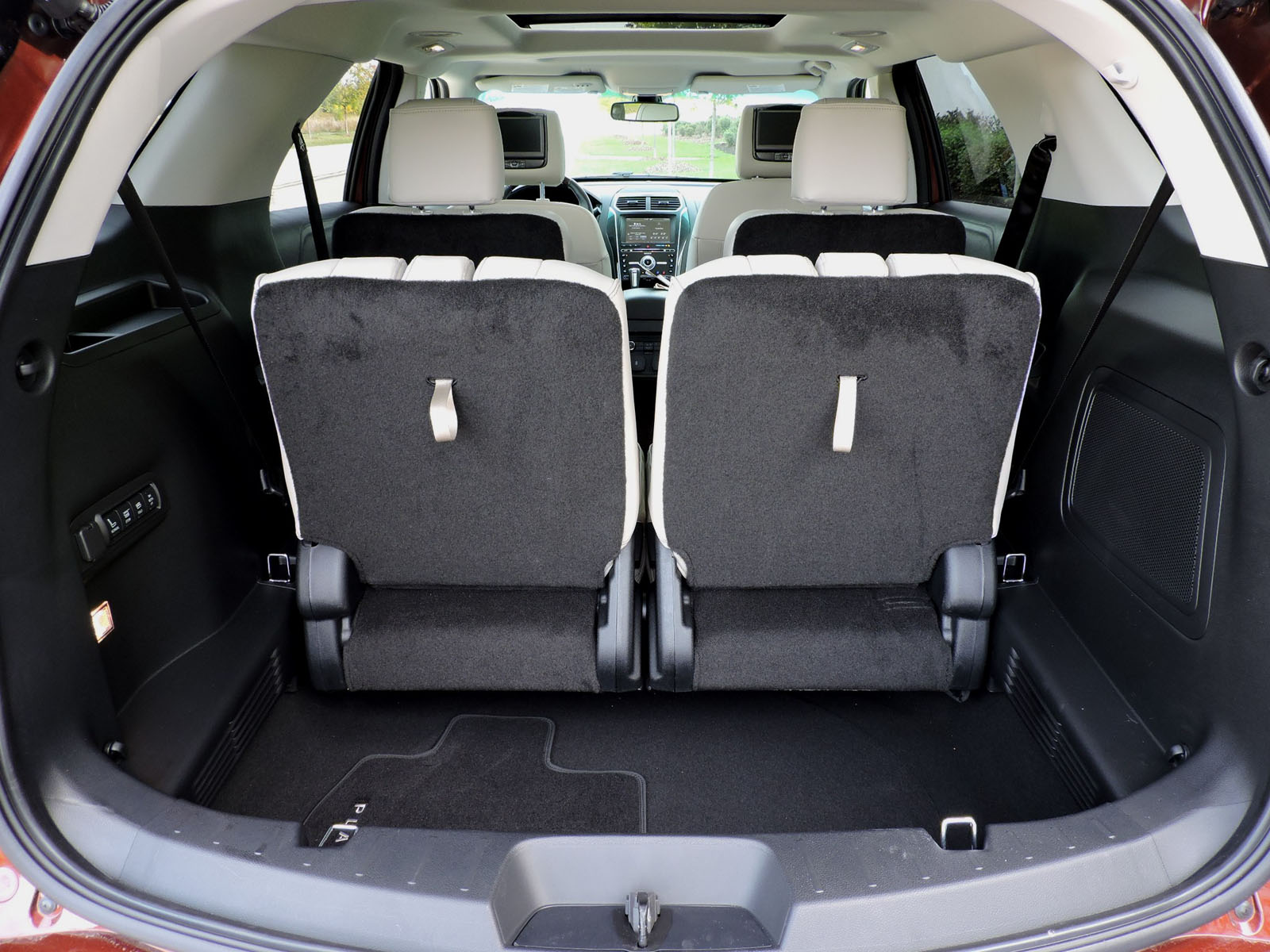
The Ford Explorer SUV for 2017 seats up to seven in its three rows, and thanks to its overall size even the third row offers room for adults. The second row comes as either a 3-person bench, or it can be had with two bucket seats. Fold both seating rows and you have generous cargo space. We're happy that Ford has moved to using actual buttons for most controls, and also like the looks of the digital screen integrated into the gauges. Other improvements are aimed at making the Explorer friendlier to drivers of all sizes, such as repositioned armrests.
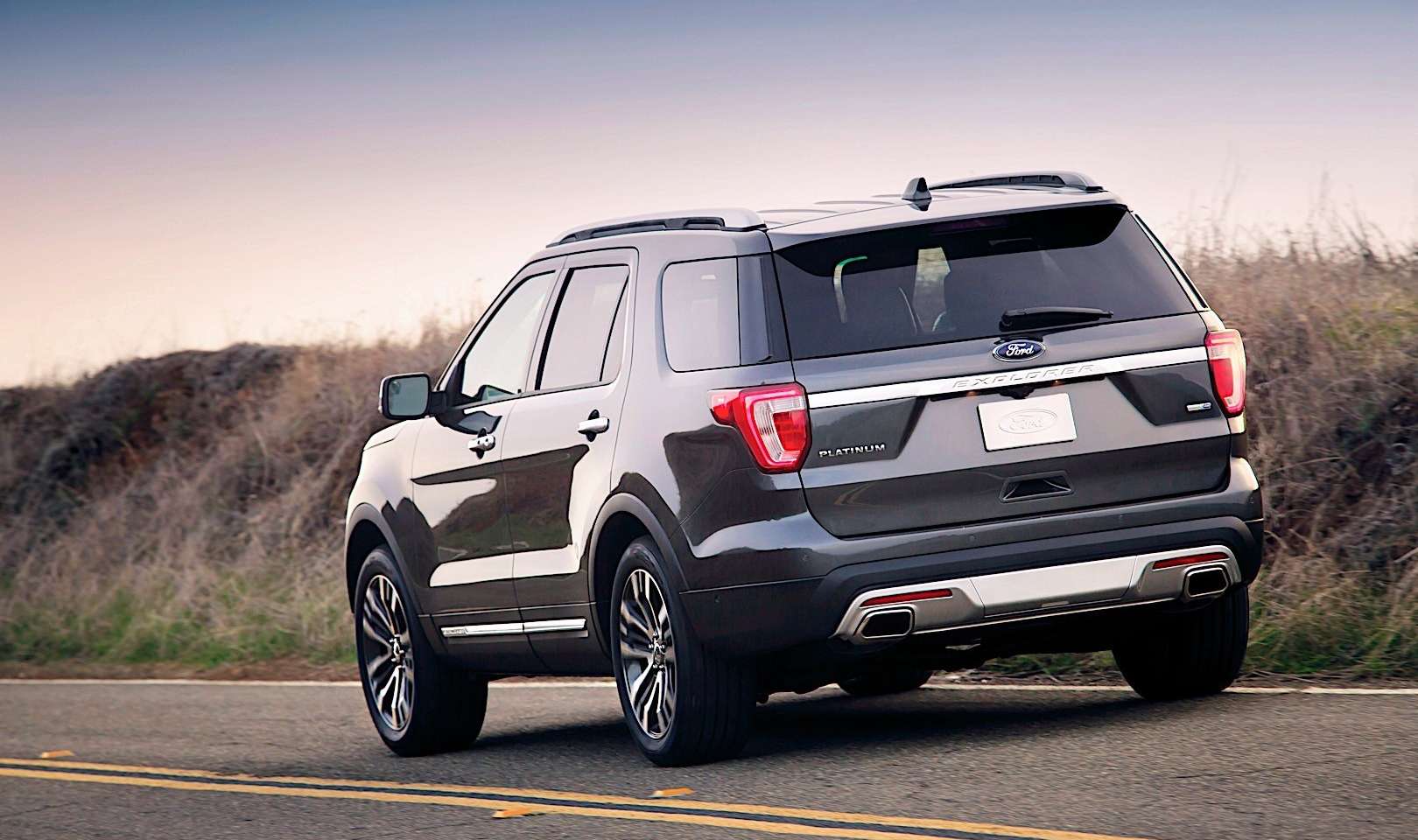
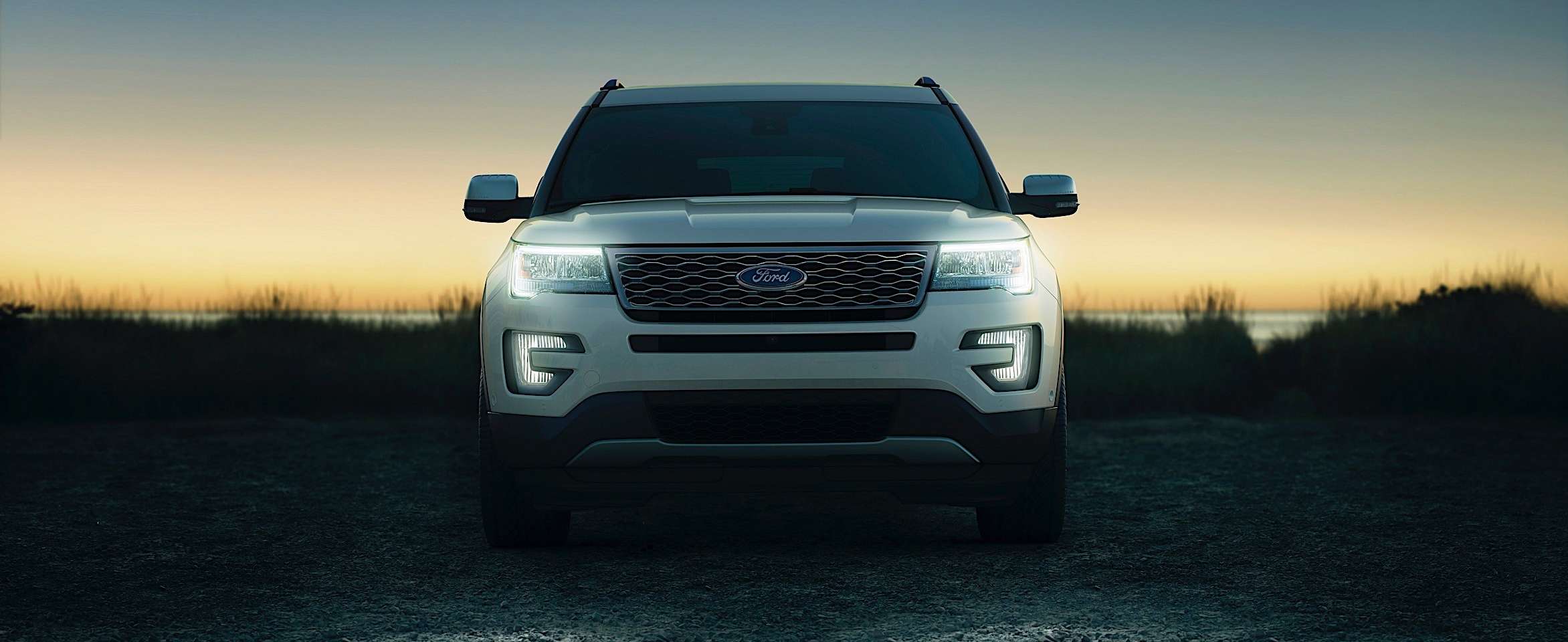
Last year’s upgrades didn’t alter the Explorer’s basic silhouette, but the details are quite nice. The standard LED low-beam headlights, grille and bumper in front give this mainstream SUV a first-glance resemblance to a Land Rover Range Rover, pretty good company we'd say, although the lower part of the bumper looks too heavy. We like the addition of a front-view camera on the Explorer, as well as front parking sensors, both handy when maneuvering through a parking lot.
The 2017 Ford Explorer SUV comes in five models: base, XLT, Limited, Sport and Platinum. Base models come standard with the 3.5-liter V6 engine, a 6-speed automatic with steering-wheel-mounted paddle shifters, LED low-beam headlights and LED taillights, 18-inch wheels, and a rearview camera that incorporates a washer to keep the lens clean. Other standard features include cruise control, air conditioning, a 6-speaker audio system, and Ford's Sync. Ford's MyKey allows drivers to program top speed and other parameters to help prevent young drivers from behaving recklessly. Other safety features include trailer Sway Control for easier towing.
As is often the case these days, moving up through the model lineup is the best way to get more on your new Explorer. The mid-level XLT is a good value, offering leather seats, navigation, blind-spot detection, inflatable rear seatbelts, dual-zone automatic climate control, and a dual-panel moonroof. Base, XLT and Limited models can substitute the 2.3-liter EcoBoost 4-cylinder for the standard V6, and AWD is available across the board, regardless of engine. The Platinum model comes with the twin-turbo EcoBoost V6, plus high-end leather, a premium audio system, leather-covered dash and other luxury items.
The standard 290-horsepower 3.5-liter V6 on the Ford Explorer is fine for most people, offering decent power and acceptable fuel economy. The 2.3-liter 4-cylinder engine makes a good argument for itself though. Despite being a little down on power compared to the V6, the EcoBoost four offers notably more torque. We expect this engine to be the choice for many buyers. Available on the Sport and Platinum models is the twin-turbocharged EcoBoost V6, bumping power up to a more-than-adequate 365 horsepower. All Ford Explorer models can be equipped with all-wheel drive and include the Terrain Management System. Additionally, all models use a 6-speed automatic transmission complete with paddle shifters on the steering wheel. 2.3-liter turbocharged inline-4 (base, XLT, Limited) 280 horsepower @ 5,600 rpm 310 lb-ft of torque @ 3,000 rpm EPA city/highway fuel economy: 19/27 mpg (front-wheel drive/FWD), 18/25 mpg (AWD) 3.5-liter V6 (base, XLT) 290 horsepower @ 6,500 rpm 255 lb-ft of torque @ 4,000 rpm EPA city/highway fuel economy: 17/24 mpg (FWD), 16/23 mpg (4WD) 3.5-liter twin-turbocharged V6 (Sport, Platinum) 365 horsepower @ 5,500 rpm 350 lb-ft of torque @ 3,500 rpm EPA city/highway fuel economy: 16/22 mpg
The Manufacturer’s Suggested Retail Price (MSRP) for the 2017 Ford Explorer starts around $ 32,000 for a FWD base model with the standard V6 engine. The 2.3-liter 4-cylinder adds $ 495 to that total, while the AWD system tacks on $ 2,200. We think the XLT is a better entry point, at its base price of about $ 35,000. If you're looking for more power, the AWD Sport and Platinum models start at $ 46,000 and $ 54,000, respectively. That's competitive with the Nissan Pathfinder, Toyota Highlander and Honda Pilot, although the Hyundai Santa Fe starts just a few hundred dollars south of $ 32,000. The Fair Purchase Price helps you get a good deal by telling you what other Explorer buyers in your area paid. Note that the Explorer's resale value holds up better than the Dodge Durango, and is right in line with the Chevrolet Traverse and Pilot, even if it's less than the Highlander.
2017 Ford Explorer Base 4WD Exterior Colors
2017 Ford Explorer Base 4WD Interior Colors
2017 Ford Explorer Engines
| Engine | Standard in Trim | Power | Torque | Fuel Consumption - City | Fuel Consumption - Highway | 0-100 km/h | Quarter Mile | Half Mile |
|---|---|---|---|---|---|---|---|---|
| 3.5L V6 DOHC 24-valve | Base FWD | 290 hp @ 6500 rpm | 306 N.m | 13.9 L/100km | 9.7 L/100km | 7.3 s | 15.0 s | 24.9 s |
| 3.5L V6 DOHC 24-valve | Limited 4WD | 290 hp @ 6500 rpm | 306 N.m | 14.4 L/100km | 10.5 L/100km | 6.8 s | 13.3 s | 24.9 s |
| 3.5L V6 Ecoboost DOHC 24-valve | Platinum 4WD | 365 hp @ 5500 rpm | 306 N.m | 14.8 L/100km | 10.7 L/100km | 5.7 s | 12.3 s | 23.1 s |
| 3.5L V6 DOHC 24-valve | Base 4WD | 290 hp @ 6500 rpm | 306 N.m | 14.9 L/100km | 10.7 L/100km | 7.2 s | 13.7 s | 25.6 s |
| 3.5L V6 DOHC turbo Ecoboost 24-valve | Platinum 4WD | 365 hp @ 5500 rpm | 306 N.m | 14.9 L/100km | 10.7 L/100km | 6.1 s | 12.7 s | 23.7 s |
2017 Ford Explorer Trims
2017 Ford Explorer Previous Generations

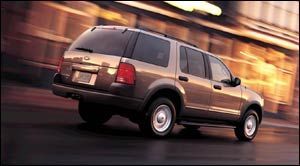
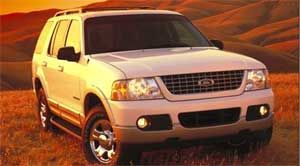

2017 Ford Explorer Future Generations
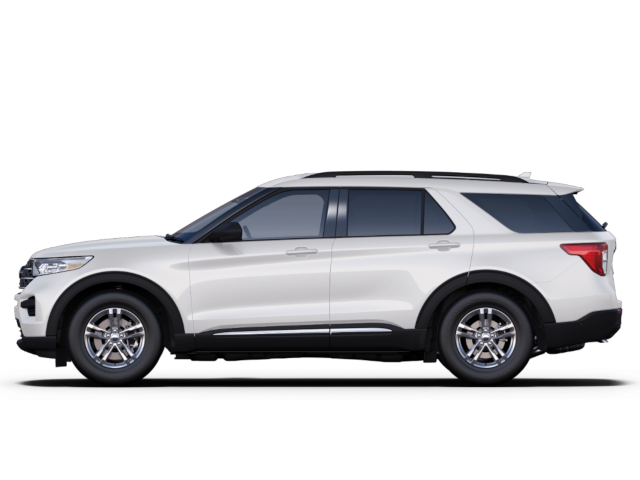
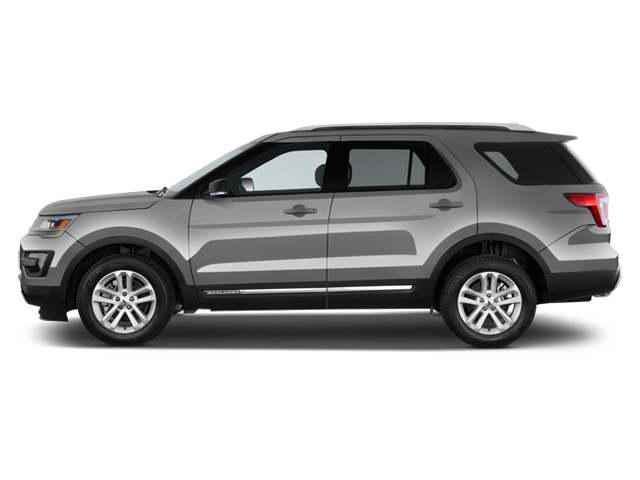
Ford Explorer Overview and History
He would later incorporate the firm on June 16, 1903. Ford Motor Company would go on and label their models chronologically in alfabetical order, starting with the Model A to the Model K and Model S, which was Ford's last right-hand steering vehicle. Then, in 1908 Ford introduced the Model T, which was designed by Childe Harold Wills and two Hungarian immigrants, Joseph A. Galamb and Eugene Farkas. This model proved to be of quintessential Ford vehicle, placing the company among the most influential automotive brands in history.
The Ford Model T was reliable, practical and affordable, which made it a big hit in the US, where it was advertised as the middle-class man's vehicle. The car's success compelled Ford to expand his business and layout the basics of mass production principles in 1913 with the introduction of the world's first vehicle assembly line. By 1912, production figures for the Model T alone reached nearly 200,000 units.
This organizational innovation brought in the vehicle construction field allowed Ford to reduce chassis assembly time by as much as 10 hours, dropping from 12 ½ h to 2h 40 min.
Besides ensuring the efficiency of the production process, Ford turned his company into an interactive entity by announcing a new profit-sharing policy. This would grant buyers a cut of profits if sales reached 300,000. As expected, sales effortlessly reached the 300k threshold and went even further to hit a record 501,000 in 1915.
As part of a new set of financial tactics, Ford provided working places for the disabled who otherwise had a hard time finding a job, reduced work shifts and doubled all employee's salaries. Changes like these sparked a tremendous sales increase while also setting the base of modern working conditions.
Still, the US and Canadian market would prove to be too small to fit Ford's plans. By the mid 20's, the Ford label had crossed the ocean and reached England, France, Germany, Denmark, Austria as well as distant Australia. The company's activity on European grounds further helped the brand's revenue growth.
War would not shake the Ford company as bad as other car makers. Post WWI improvements include the introduction of four-wheel brakes and a series of new vehicle releases to match new consumer demands. In 1922 Ford entered the luxury car segment with the acquisition of the Lincoln Motor Company, named after Abraham Lincoln whom Henry Ford admired.
Ford Motor Co. was one of the few big American corporations to survive the Great Depression, although the plummeting automotive sales led the company to scale down its operations and lay off many workers. In May 1929, Ford Motor Co. signed an agreement with the Soviet Union to provide technical assistance until 1938 to construct an integrated automobile-manufacturing plant at Nizhny Novgorod, in exchange for the Soviets purchasing $ 13 million worth of automobiles and parts. Under this agreement many American engineers and skilled auto workers went in 1932 to work on the Gorkovsky Avtomobilny Zavod (GAZ), or Gorki Automotive Plant. The few who remained in the Soviet Union after the completion of the plant fell victims to Stalin's Great Terror, ending either shot or exiled to Soviet gulags.
With the arrival of WWII Ford increased its influence on the global stage becoming an active player in the war effort, a thing underlined by US President Franklin Roosevelt referring to Detroit as the "Arsenal of Democracy." When the US War Department handed production of B-24 Liberator airplanes to Ford, the output rose to 20 airplanes per day instead of only one per day managed by the Consolidated Aircraft Corporation.
After WWII Ford continued its passenger vehicle operations and in 1955 introduced the iconic Thunderbird model. Then it introduced the Edsel brand in 1958, which proved to be a failure and was dissolved in 1960. Part Edsel's failure as an automotive brand resided in the onset of the 1957 recession in the States and the vehicle's high price tag.
Ford Motor Co. managed to get back up from its Edsel failure with the introduction of the Falcon model in 1960 and the Mustang in 1964. The company's next major step was represented by the formation of Ford Europe division in 1967.
Ford plunged into a state of brand-fatigue that would bring the company to the point of near bankruptcy. Following major sales losses in the 2000's, Ford was pinned against the wall by debts and the imminence of closing down.
Preferring to make it back on its own, Ford mortgaged all of its assets in 2006. As of then, the company has releases a variety of new models both under the Ford brand name and the rest of the sub-brands it owns such as fresher and edgier Mercuries and flashier Lincolns, Ford's luxury division. Business in Europe has also been good for Ford, especially after the introduction of the Focus model in 1997 and although it hasn't fully recovered, it's definitely on the way to regaining popularity.
2017 Ford Explorer Consumer Reviews
Compare Against Competitors


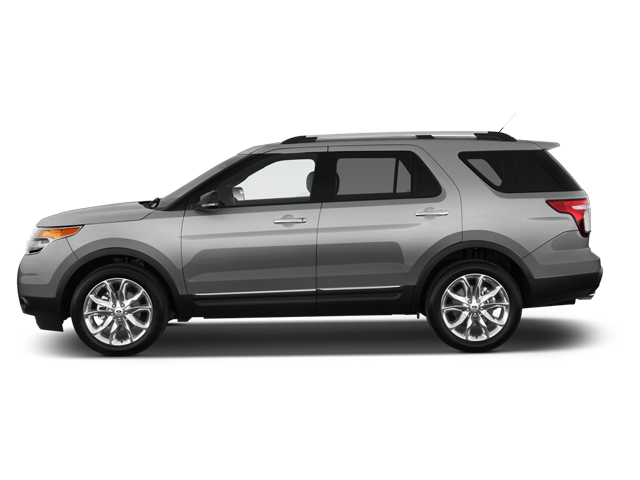

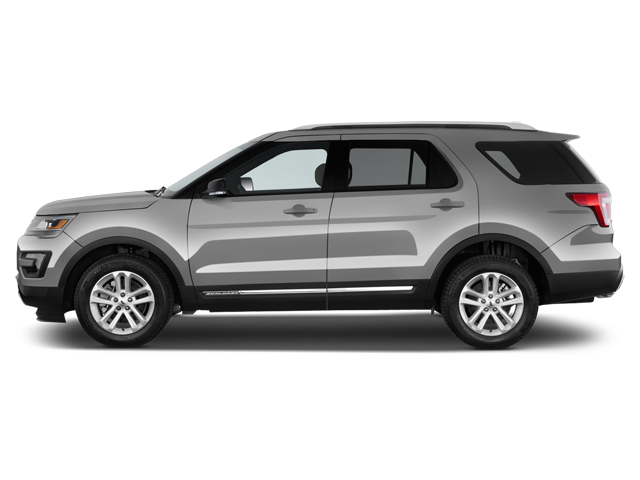

2017 Ford Explorer Base 4WD Specifications
Base 4WD Comfort and Convenience
| AM/FM stereo radio | Yes |
|---|---|
| Air Conditionning | Single-zone manual air conditioning |
| Antenna | Roof-mounted antenna |
| Audio Display Audio | Entertainment system with 4.2-inch colour LCD screen |
| Audio Monitor | 1st row LCD monitor |
| Auxiliary input jack | Yes |
| Cruise Control | Yes |
| Driver Vanity Mirror | Illuminated driver-side vanity mirror |
| Engine Block Heater | Yes |
| Front Wipers | Speed-sensitive variable intermittent wipers |
| Fuel Door Operation | Capless refuelling easy fuel |
| Illuminated Entry | Yes |
| Intelligent Key System | Mykey system |
| Interior Air Filter | Yes |
| MP3 Capability | Yes |
| Number of Speakers | 6 speakers |
| Passenger Vanity Mirror | Illuminated passenger-side vanity mirror |
| Power Door Locks | Power door locks with autolock |
| Power Outlet | 4 12-volt power outlets |
| Power Windows | Power windows with front one-touch up/down feature |
| Premium Sound System (Option) | AM/FM single-CD, MP3-capable, 6 speakers with Sirius satellite radio |
| Reading Light | 1st, 2nd- and 3rd-row dome/map lights |
| Rear Air Conditionning | Rear auxiliary climate control |
| Rear Heating | Underseat ducts |
| Rear View Mirror | Day/night rear view mirror |
| Rear Wipers | Rear 2-speed wiper with washer |
| Remote Audio Controls | Steering wheel mounted audio and cruise controls |
| Remote Keyless Entry | Yes |
| Single CD | CD player |
| Sirius XM satellite radio (Option) | Yes |
| Steering Wheel Adjustment | Tilt/telescopic steering wheel |
| Trunk Light | Cargo light |
| Trunk Cargo Cargo Area Tie Down Hooks | Cargo floor tie-down hooks |
| USB Connector | 1 smart-charging USB port |
| Voice Recognition System | SYNC enhanced voice recognition communications |
Base 4WD Dimensions
| 3rd Row Headroom | 960 mm |
|---|---|
| 3rd Row Legroom | 846 mm |
| Cargo Capacity | 595 L |
| Front Headroom | 1051 mm |
| Front Legroom | 1090 mm |
| Fuel Tank Capacity | 70 L |
| Height | 1778 mm |
| Length | 5037 mm |
| Max Trailer Weight | 2268 kg |
| Maximum Cargo Capacity | 2314 L |
| Rear Headroom | 1030 mm |
| Rear Legroom | 1004 mm |
| Wheelbase | 2866 mm |
| Width | 2005 mm |
Base 4WD Exterior Details
| Automatic Headlights | Yes |
|---|---|
| Bumper Colour | Body-colour top with black bottom bumpers |
| Bumper Colour (Option) | Rear bumper protector |
| Door Handles | Black door handles |
| Exhaust | Dual chrome exhaust tips |
| Exterior Mirror Colour | Black exterior mirrors |
| Fender Flares | Black wheel lip mouldings |
| Grille | Dark foundry-painted with chrome bars grille |
| Headlight Type | Halogen headlights |
| Headlights Auto Off | Delay-off headlights |
| Headlights Daytime Running Lights | Daytime running lights |
| Mudguard (Option) | Splash guards |
| Power Exterior Mirrors | Power adjustable exterior mirrors with integrated blind spot mirrors |
| Privacy Glass | Privacy glass (second and third rows) |
| Rear Spoiler | Yes |
| Rear Window Defroster | Yes |
| Roof Rack | Black roof rails |
| Roof Rack (Option) | Roof rail crossbars |
| Side-Body Trim | Black body side cladding |
| Taillights | LED taillights |
| Tinted Glass | Tinted windshield and front door windows |
Base 4WD Interior Details
| 3rd Row Seat Type | 3rd-row bench seat |
|---|---|
| Compass | Yes |
| Driver Info Center | 4.2-inch configurable colour LCD screen in instrument cluster |
| Driver Seat Fore/Aft | Rear bench seat with fore/aft adjustable 40 section |
| Floor Console | 1st row centre floor console with armrest and storage bin |
| Floor Mats | Carpeted floor mats |
| Floor Mats (Option) | All-weather floor mats |
| Folding 3rd Row Seats | 50/50-split folding 3rd-row bench seat |
| Folding Rear Seats | 60/40-split folding 2nd-row bench seat |
| Front Center Armrest | Front center armrest with storage |
| Front Seats Driver Lombar | Driver's seat manual lumbar support |
| Front Seats Driver Power Seats | 8-way power driver's seat |
| Front Seats Front Seat Back Storage | Front seat back storage pockets |
| Front Seats Front Seat Type | Front bucket seats |
| Glove Box | Locking glove compartment |
| Interior Trim Doorsills | Front door-sill scuff plates with embossed ''Explorer'' logo |
| Maintenance Interval Reminder | Maintenance reminder |
| Number of Cup Holders | Front and rear cupholders |
| Outside Temperature Gauge | Outside temperature display |
| Overhead Console | Overhead console with sunglasses holder |
| Rear Seat Type | 2nd-row bench seat |
| Seat Trim | Cloth seats |
| Shifter Knob Trim | Leather-wrapped shift knob |
| Tachometer | Yes |
| Trip Computer | Yes |
Base 4WD Mechanical
| Drive Train | 4-wheel drive |
|---|---|
| Engine Name | 3.5L V6 DOHC 24-valve |
| Engine Name (Option) | 2.3L L4 turbo EcoBoost 16-valve |
| Stability Control | Yes |
| Traction Control | Yes |
| Transmission | 6-speed automatic transmission with manual mode |
| Transmission Paddle Shift | Yes |
Base 4WD Overview
| Body | Sport Utility |
|---|---|
| Doors | 5 |
| Engine | 2.3L L4 turbo EcoBoost 16-valve |
| Fuel Consumption | 14.4 (Automatic City)10.5 (Automatic Highway) |
| Power | 280 hp @ 2500 rpm |
| Seats | 7 |
| Transmission | 6-speed automatic transmission with manual mode |
| Warranties | Bumper-to-Bumper60000/km, 36/Months Powertrain100000/km, 60/Months Roadside Assistance100000/km, 60/Months Rust-throughUnlimited/km, 60/Months |
Base 4WD Safety
| Anti-Lock Brakes | 4-wheel ABS |
|---|---|
| Anti-Theft Alarm | Securilock passive anti-theft system |
| Brake Assist | Brake assist |
| Brake Type | 4-wheel disc |
| Child Seat Anchor | LATCH child seat anchors |
| Child-proof Locks | Rear-door child safety locks |
| Driver Airbag | Driver-side front airbag |
| Electronic brake force distribution | Electronic brake force distribution |
| Front Seat Belts | Height adjustable |
| Hill Start Assist | Hill start assist |
| Ignition Disable | Engine immobilizer |
| Knee Airbags | Front passenger knee airbag |
| Panic Alarm | Panic alarm |
| Parking Distance Sensor | Reverse sensing system |
| Passenger Airbag | Passenger-side front airbag |
| Rear View Camera | Rear view camera with backup assist grid lines and washer |
| Roof Side Curtain | Side-curtain airbags |
| Side Airbag | Front-seat side airbags |
Base 4WD Suspension and Steering
| Front Anti-Roll Bar | Yes |
|---|---|
| Front Suspension | Front independent suspension |
| Front Tires | P245/60R18 |
| Power Steering | Electric-assist power rack-and-pinion steering |
| Rear Anti-Roll Bar | Yes |
| Rear Suspension | Independent rear suspension |
| Spare Tire | Compact spare tire |
| Tire Pressure Monitoring System | Yes |
| Turning Circle | 11.9-meter turning circle diameter |
| Underbody skid plates | Black front and rear elements skid plates |
| Wheel Type | 18-inch aluminum wheels |
Discussion and Comments
Share Your Comments