2011 Lotus Elise Base 0-60 Times, Top Speed, Specs, Quarter Mile, and Wallpapers
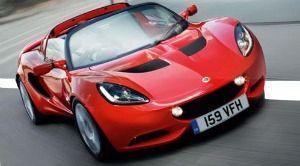
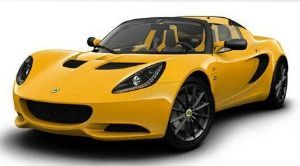
The 2011 Lotus Elise Base is a Rear-wheel drive Coupe. It can accommodate up to 2 passengers. It has 2 Doors and is powered by a 1.6L L4 DOHC 16-valve engine which outputs 134 hp @ 6800 rpm and is paired with 6-speed manual transmission gearbox. The 2011 Lotus Elise Base has cargo capacity of 112 Liters and the vehicle weighs 900 kg. In terms of ride assists, the 2011 Lotus Elise Base has stability control and traction control in addition to anti-lock brake system (ABS). The vehicle has an optional engine as well It offers and. Safety features also include Driver-side front airbag and Passenger-side front airbag. The front suspension is Independent front suspension while the rear suspension is Independent rear suspension. The car also features a It has 16'' front and 17'' rear alloy wheels as standard. Electronic features include Cruise Control. For convenience, the car has Power windows and Power door locks. There is also a remote keyless entry feature. Moreover, the car has. The steering wheel has audio control buttons. In terms of performance, the car has 146 N.m of torque and a top speed of 188 km/h. The 2011 Lotus Elise Base accelerates from zero to 60 mph in 7.3 seconds and hits quarter mile at 15.3 seconds. Fuel consumption is 8.3 L/100km in the city and 5 L/100km in the highway. The car price starts at $ 0
| Name | Base | |
|---|---|---|
| Price | $ 0 | |
| Body | Coupe | |
| Doors | 2 Doors | |
| Engine | 1.6L L4 DOHC 16-valve | |
| Power | 134 hp @ 6800 rpm | |
| Number of Seats | 2 Seats | |
| Transmission | 6-speed manual transmission | |
| Cargo Space | 112.0 L | |
| Maximum Cargo Space | 112.0 L | |
| Wheel Type | 16'' front and 17'' rear alloy wheels | |
| Series | ||
| Drivetrain | Rear-wheel drive | |
| Horsepower | 134 HP | |
| Torque | 146 N.m | |
| Top Speed | 188 km/h | |
| Acceleration 0-100 km/h (0-60 mph) | 7.3 s | |
| Fuel Type | ||
| Fuel Consumption (City) | 8.3 L/100km | |
| Fuel Consumption (Highway) | 5.0 L/100km | |
| Gear Type | manual | |
| Weight | 900 KG | |
| Brand | Lotus | |
| Model | Elise | |
| 0-400m (Quarter Mile) | 15.3 s | |
| 0-400m (Quarter Mile) - Speed | 150.6 km/h | |
| 0-800m (Half Mile) | 25.3 s | |
| 0-800m (Half Mile) - Speed | 169.6 km/h | |
| Modifications (MODS) | ||
| Modifications Cost | $ 0 |
2011 Lotus Elise Used Price Estimates
Estimates based on a driving average of 12,000 miles per year| Used Condition | Trade In Price | Private Party Price | Dealer Retail Price |
|---|
The face-lifted 2011 Lotus Elise delivers incredible handling and overall performance without breaking the bank. Just don't expect too much in the way of comfort and convenience.
A new Lotus Elise? No, not really. The 2011 Lotus Elise receives a face-lift that aligns it with the 2+2 Evora, but underneath, little has changed. And that could be a good thing, depending on your priorities. Since the diminutive little roadster debuted in the U.S. six years ago, it has seen little in the way of changes. An all-new Elise is in development, but it's at least four years away.

For the time being, the Elise continues to deliver supercar performance without the supercar price. Lotus achieved this by adhering to founder Colin Chapman's key principle to minimize weight as much as possible, both in size and engineering. This allows for a smaller and more economical engine without the sacrifices associated with reduced power. The resulting acceleration and handling makes the Elise one of the most entertaining sports cars on the market.
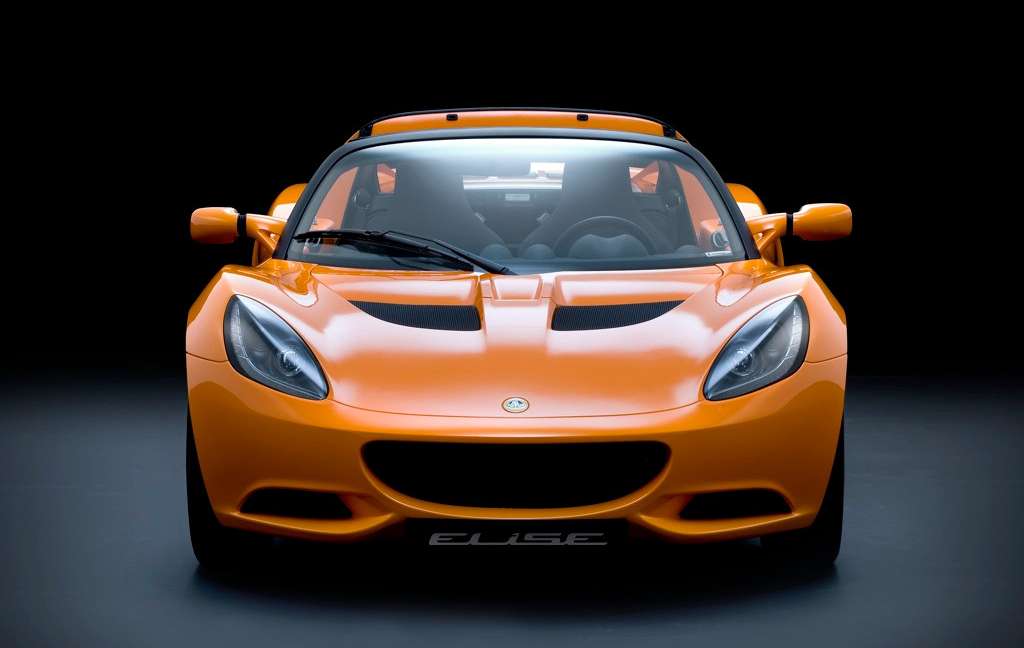
But the narrow focus on performance has drawbacks of its own. Comfort plays second fiddle to athleticism, as the Elise's ride quality is as harsh as you're likely to encounter. It's also incredibly loud and cramped inside, while entering and exiting the car requires all sorts of unusual body contortions. Creature comforts also fall by the wayside, as common amenities like power steering, a glovebox, cruise control, vanity mirrors and power seats are not even offered as options.
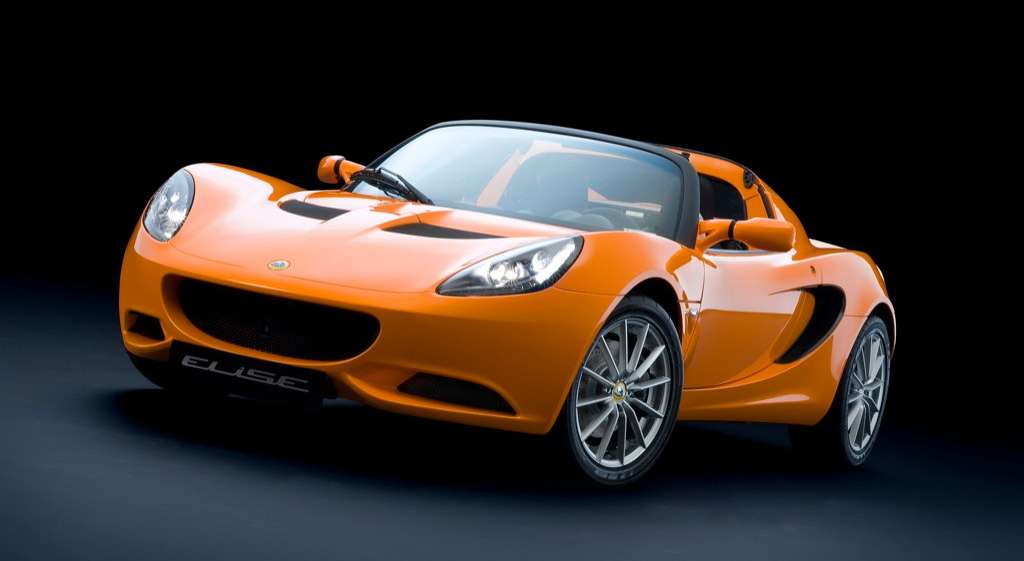
For the rabid driving enthusiast, the lack of niceties won't matter. This approach is even seen as a benefit, since the niceties would only add unnecessary weight. The connection between driver and road is as direct as possible, making all other cars feel numb and disconnected by comparison. In terms of exhilaration, the Elise reigns supreme. That said, many sports car buyers will find the 2011 Porsche Boxster Spyder more appealing. This lighter and sharper version of the standard Boxster rings in about $ 10,000 more than the Lotus, but the extra cash gets you much more comfort and refinement.
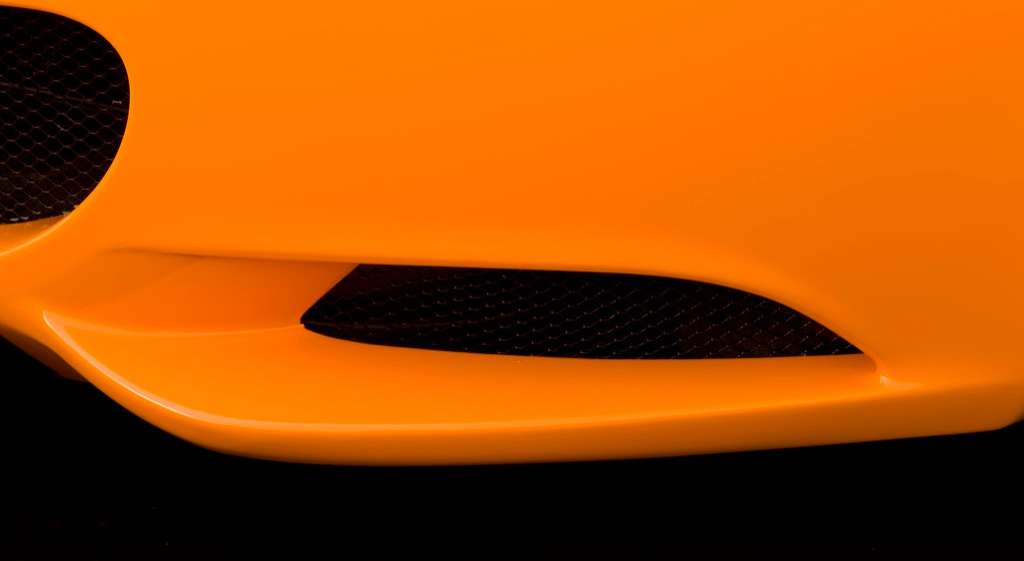
The 2011 Lotus Elise is a two-seat roadster that is offered in two main trim levels. The base Elise comes standard with alloy wheels (16-inch up front, 17-inch in the rear), removable targa-style hard and soft tops, high-performance tires, air-conditioning, power windows and locks, a leather-trimmed Momo steering wheel, leather upholstery and trim, a trip computer and a four-speaker Alpine stereo system with a CD player and an iPod interface.
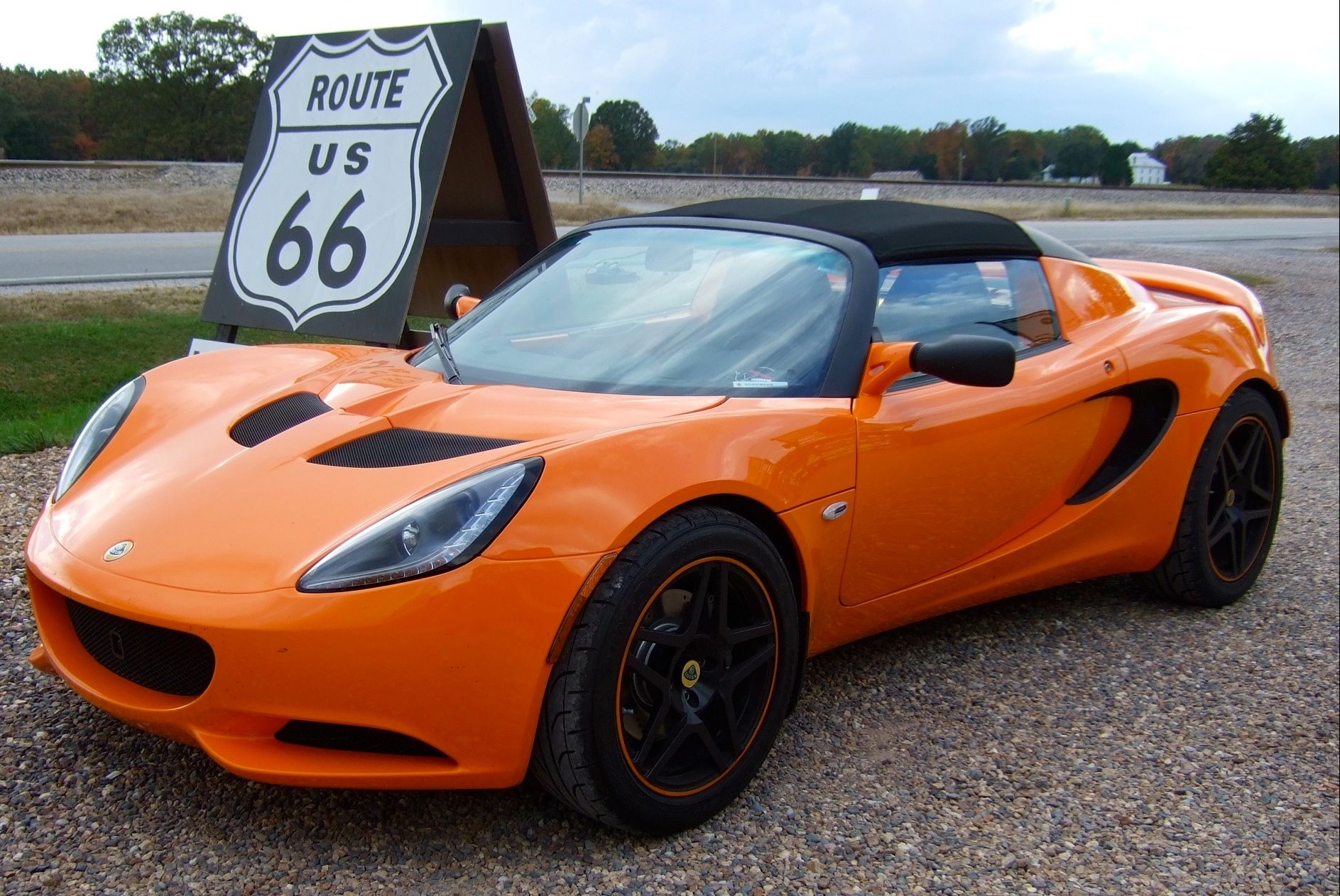
The Elise SC adds a supercharger, rear spoiler and unique wheels. However, it lacks the base model's leather seating, iPod interface and extra sound deadening; these can be added back with the Touring Pack. The hardtop is also optional.
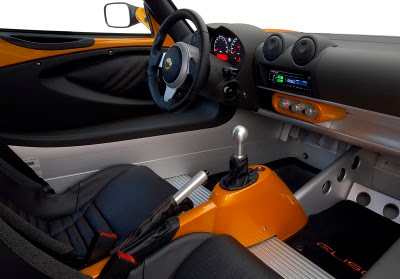
A Sport package is available for either Elise and adds unique wheels, traction control (already standard on the base Elise), Bilstein dampers and sport seats. Stand-alone options include paint protection film, black-painted wheels and diffuser, a limited-slip differential and a selection of limited and lifestyle paint colors.
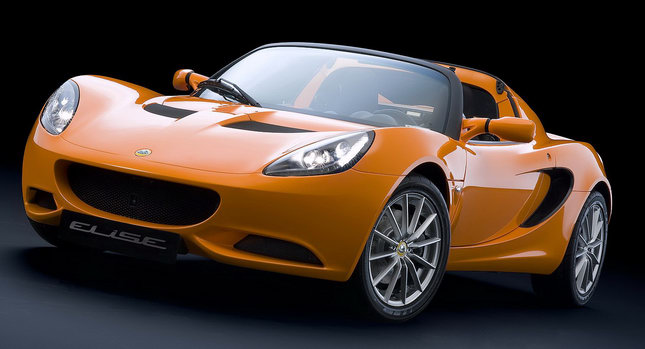
A special Roger Becker Edition Elise debuts for 2011, honoring the recently retired head of Lotus vehicle engineering. This model includes the Touring and Sport packages, along with the limited-slip differential. It will only be offered in a handful of colors with a black leather interior.
Every Lotus Elise is powered by a 1.8-liter inline-4 Toyota engine (Yamaha did the actual engineering). The naturally aspirated version in the standard Elise produces 190 horsepower and 133 pound-feet of torque, while the supercharged version increases output to 220 hp and 155 lb-ft of torque. A six-speed manual is the only transmission available.
In testing, an Elise SC accelerates from zero to 60 mph in a brisk 4.9 seconds, while handling proves exemplary with a 72.4 mph run through the slalom. Fuel economy is also impressive, as the car records an EPA-estimated 21 mpg city/27 mpg highway and 23 mpg in combined driving. The Elise SC is rated just slightly less at 20/26/22 mpg.
Since the lightweight Lotus Elise has been designed for all-out performance, safety equipment is as minimal as federally mandated rules allow.
Antilock brakes are included on the base model, as is traction control, but neither side airbags nor stability control is available. The most effective safety devices in an Elise, as it stands to reason, are an attentive pilot, the car's quick reflexes and the chassis' sturdy construction.
In brake testing, the previous Elise SC with the Sport package came to a stop from 60 mph in a very short 110 feet.
The 2011 Lotus Elise is the most raw sports car you'll find on the U.S. market today (outside of its Exige stablemate, that is).
The manual steering is direct and precise, throttle response is immediate and the firm brake pedal inspires confidence. The stiff suspension and short wheelbase relay a wealth of information to the driver's posterior, making it easy to feel the car's balance and adjust accordingly. At its ultimate cornering limit (which is terrifyingly high), the Elise becomes rather twitchy, requiring very smooth, deliberate inputs. Otherwise, the rear tends to snap free from adhesion.
Power delivery low in the rev range is more than adequate for most drivers, but the real fun begins when the engine's variable valve timing kicks in around 6,500 rpm. In the upper range, the engine unleashes a torrent of horsepower accompanied by a fierce wail all the way to the 8,500-rpm redline.
All of this visceral performance comes at the expense of comfort, however. Potholes are the Elise's worst enemy, as they send powerful shockwaves throughout the chassis and into your spine. Bigger ruts will have you concerned that you broke something. Bumper-to-bumper traffic is also a major concern for drivers, as the lack of space to stretch out, combined with the loud and unforgiving cabin accelerates the onset of fatigue. Likewise, low-speed maneuvers in parking lots require a significant amount of effort due to the lack of power steering and the miniscule steering wheel.
The 2011 Lotus Elise interior has everything you need and nothing you don't. It's a harsh cabin with exposed metal, very little sound insulation (even with the Touring Pack) and barely enough room to accommodate the average-size male pilot. The cabin is so narrow that the passenger sits shoulder to shoulder with the driver, while the proximity of the engine behind their heads requires shouting to hold a conversation. Weight savings are taken to extremes with the Elise, as even the passenger seat lacks any sort of fore/aft adjustment. Instead it's bolted directly to the floor.
Those taller than 5 feet 10 or wider than a medium build may have difficulties with entry and exit, particularly if the soft top is in place. The wide door sills, low steering wheel and on-the-deck seating position require plenty of practice to transition to and from driver to pedestrian without looking like a complete oaf. Most find that the best method is to slide in feet first, then fall into the seat.
Once seated, the driver and passenger are snugly held in place by very aggressive side bolsters. Seat padding is noticeably thin, but the contoured seats manage to provide a surprising amount of comfort even so. Taller and wider folks will find the cabin about as accommodating as a straitjacket, as they bang their knees and elbows into every unforgiving surface.
2011 Lotus Elise Base Exterior Colors
2011 Lotus Elise Base Interior Colors
2011 Lotus Elise Engines
| Engine | Standard in Trim | Power | Torque | Fuel Consumption - City | Fuel Consumption - Highway | 0-100 km/h | Quarter Mile | Half Mile |
|---|
2011 Lotus Elise Trims
2011 Lotus Elise Previous Generations
2011 Lotus Elise Future Generations
Lotus Elise Overview and History
It's a long way for the brand which was first established when Colin Chapman, a graduate of University College, London, built his first car in a lock-up garage behind his girlfriend's car. The year was 1946 and the car was dubbed by its creator as the Austin Seven Special. He entered it in a couple of races in 1948 and managed to snag some victories.
The first car that he called a Lotus was built in 1949 and it had a more powerful Ford engine. While this model was powerful enough to beat a Bugatti Type 37 in the Silverstone race. After this victory Champan decided to focus on sports cars that would run in the Formula 750.
He teamed up with Michael and Nigel Allen and together they formed Lotus Engineering Company in 1952. The first production car was the Lotus Mark VI which was running on the new 1.5 Ford Consul engine. This car too proved successful on the racing circuit and by 1955, enough orders of the car had been made to allow Chapman and his team to fully dedicate themselves to the company.
That same year they entered the Lotus Mark IX at the Le Mans race but they were disqualified when Chapman reversed. Undeterred and ready for bigger things, Chapman created new Lotus models, including the updated version of the Mark VI called The Seven. This car was to achieve cult status, being in production to this day under the name Caterham Seven.
Outgrowing its facilities, Lotus was forced to move to a new facility at Chestnut in 1959.
It was at this factory that the all new Lotus Elite was to be built, with its integral glass fibre body and chassis. Lotus had already entered Formula in 1958 and by 1959 they'd already won their first grand prix with Stirling Moss at the wheel.
Lotus went on to win two world championships with Jim Clark and still had time to develop a car that is thought to be the best sports vehicle of all time - the Ford Cortina.With the introduction of Lotus Europa Chapman was ready to ditch his kit car image (for which reason he sold the Seven model to Caterham).
In the 70s, after the unsuccessful release of the Lotus 30 and 40v almost killed sports car racing for Lotus, but in the F1 circuit Lotus still managed to dominate.. Models from this period include the Eclat, the Esprit (two seat coupe) and the Sumbeam which actually won the World Rally Championship in 1981.
When Colin Chapman died in 1982 at the age of 54, for many car enthusiasts it was the end of an era. The company was bought by GM in 1986 but later sold off to A.C.B.N Holdings of Luxembourg in 1993. In 1996 the Malaysian car maker Proton bought the brand from them and is still controlling it today.
Lotus withdrew from Formula in 1995 but it still manages to maintain its reputation as a sports car builder, with the Lotus Elise, Exige (and its S variant), Europa (also with a turbocharged S variant) and the newly released Evora.
2011 Lotus Elise Consumer Reviews
2011 Lotus Elise Base Specifications
Base Comfort and Convenience
| AM/FM stereo radio | Yes |
|---|---|
| Air Conditionning (Option) | Air conditioning |
| Cargo Net (Option) | Cargo area net |
| Front Wipers | Variable intermittent windshield wipers |
| Number of Speakers | 4 speakers |
| Premium Sound System | Alpine sound system |
| Premium Sound System (Option) | Upgraded sound system |
| Single CD | CD player |
| Special Feature | IPod integration |
Base Dimensions
| Cargo Capacity | 112 L |
|---|---|
| Curb Weight | 900 kg |
| Fuel Tank Capacity | 43 L |
| Height | 1117 mm |
| Length | 3785 mm |
| Wheelbase | 2300 mm |
| Width | 1719 mm |
Base Exterior Details
| Exterior Decoration | LED taillights |
|---|---|
| Exterior Decoration (Option) | Insulated body-color removable hardtop |
| Tinted Glass | Yes |
Base Interior Details
| Door Trim (Option) | Leather door trim |
|---|---|
| Floor Mats | Yes |
| Floor Mats (Option) | Full carpet set |
| Front Seats Front Seat Type | Bucket seats |
| Front Seats Front Seat Type (Option) | Sport bucket seats |
| Hand Brake Leather Trim | Aluminum-trimmed handbrake lever |
| Seat Trim | Leather seats |
| Shifter Knob Trim | Aluminum-trimmed shift knob |
| Special Feature (Option) | Additional interior sound insulation |
| Steering Wheel Trim | Leather-wrapped Momo steering wheel |
Base Mechanical
| Drive Train | Rear-wheel drive |
|---|---|
| Engine Name | 1.6L L4 DOHC 16-valve |
| Start button | Yes |
| Transmission | 6-speed manual transmission |
Base Overview
| Body | Coupe |
|---|---|
| Doors | 2 |
| Engine | 1.6L L4 DOHC 16-valve |
| Fuel Consumption | 8.3 (Manual City)5.0 (Manual Highway) |
| Power | 134 hp @ 6800 rpm |
| Seats | 2 |
| Transmission | 6-speed manual transmission |
| Warranties | Bumper-to-Bumper60000/km, 36/Months Powertrain60000/km, 36/Months Rust-throughUnlimited/km, 96/Months |
Base Safety
| Anti-Lock Brakes | Anti-lock brakes |
|---|---|
| Anti-Theft Alarm | Alarm system |
| Brake Type | 4-wheel disc |
| Driver Airbag | Driver-side front airbag |
| Hill Descent Control | Tyre puncture repair aerosol |
| Hill Start Assist | Tool kit |
| Ignition Disable | Theft-deterrent engine immobilizer |
| Passenger Airbag | Passenger-side front airbag |
Base Suspension and Steering
| Front Anti-Roll Bar | Yes |
|---|---|
| Front Suspension | Independent front suspension |
| Front Tires | 175/55R16 |
| Front Tires (Option) | 175/55R16 |
| Rear Suspension | Independent rear suspension |
| Rear Tires | 225/45R17 rear tires |
| Rear Tires (Option) | 225/45R17 rear tires |
| Special feature | Lotus Dynamic Performance Management |
| Wheel Type | 16'' front and 17'' rear alloy wheels |
| Wheel Type (Option) | 16'' front and 17'' rear lightweight alloy wheels |
Discussion and Comments
Share Your Comments