2010 Toyota Matrix Base 0-60 Times, Top Speed, Specs, Quarter Mile, and Wallpapers
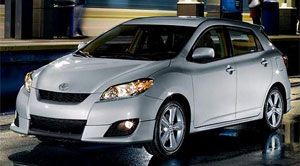
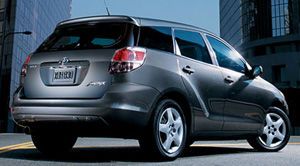
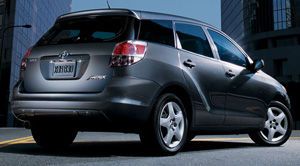
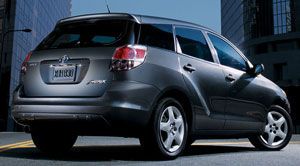
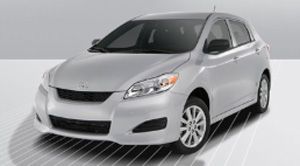
The 2010 Toyota Matrix Base is a Front-wheel drive Wagon. It can accommodate up to 5 passengers. It has 5 Doors and is powered by a 1.8L L4 DOHC 16-valve engine which outputs 132 hp @ 6000 rpm and is paired with 5-speed manual transmission gearbox. The 2010 Toyota Matrix Base has cargo capacity of 561 Liters and the vehicle weighs 1290 kg. In terms of ride assists, the 2010 Toyota Matrix Base has stability control and traction control in addition to anti-lock brake system (ABS). The vehicle has an optional engine as well It offers and. Safety features also include Driver-side front airbag and Passenger-side front airbag. The front suspension is Front independent suspension while the rear suspension is Torsion bar rear suspension. The car also features a It has 16'' steel wheels with covers as standard. Electronic features include Cruise Control. For convenience, the car has Power windows and Power door locks. There is also a remote keyless entry feature. Moreover, the car has. The steering wheel has audio control buttons. In terms of performance, the car has 144 N.m of torque and a top speed of 187 km/h. The 2010 Toyota Matrix Base accelerates from zero to 60 mph in 10 seconds and hits quarter mile at 17.3 seconds. Fuel consumption is 8.1 L/100km in the city and 6.2 L/100km in the highway. The car price starts at $ 16,665
| Name | Base | |
|---|---|---|
| Price | $ 16,665 | |
| Body | Wagon | |
| Doors | 5 Doors | |
| Engine | 1.8L L4 DOHC 16-valve | |
| Power | 132 hp @ 6000 rpm | |
| Number of Seats | 5 Seats | |
| Transmission | 5-speed manual transmission | |
| Cargo Space | 561.0 L | |
| Maximum Cargo Space | 1,398.0 L | |
| Wheel Type | 16'' steel wheels with covers | |
| Series | ||
| Drivetrain | Front-wheel drive | |
| Horsepower | 132 HP | |
| Torque | 144 N.m | |
| Top Speed | 187 km/h | |
| Acceleration 0-100 km/h (0-60 mph) | 10.0 s | |
| Fuel Type | ||
| Fuel Consumption (City) | 8.1 L/100km | |
| Fuel Consumption (Highway) | 6.2 L/100km | |
| Gear Type | manual | |
| Weight | 1,290 KG | |
| Brand | Toyota | |
| Model | Matrix | |
| 0-400m (Quarter Mile) | 17.3 s | |
| 0-400m (Quarter Mile) - Speed | 133.0 km/h | |
| 0-800m (Half Mile) | 28.7 s | |
| 0-800m (Half Mile) - Speed | 149.6 km/h | |
| Modifications (MODS) | ||
| Modifications Cost | $ 0 |
2010 Toyota Matrix Used Price Estimates
Estimates based on a driving average of 12,000 miles per year| Used Condition | Trade In Price | Private Party Price | Dealer Retail Price |
|---|---|---|---|
| Outstanding | $ 4,644 | $ 6,167 | $ 7,182 |
| Clean | $ 4,291 | $ 5,712 | $ 6,648 |
| Average | $ 3,586 | $ 4,801 | $ 5,579 |
| Rough | $ 2,880 | $ 3,890 | $ 4,510 |
The 2010 Toyota Matrix is a practical and stylish compact wagon that should please economical shoppers who value functionality over performance.
The Corolla-based 2010 Toyota Matrix hatchback reminds us that the folks at Toyota can still make a darned good small car when they put their minds to it. We've been underwhelmed by the latest Corolla, to put it mildly, but its Matrix cousin is a thoroughly competent effort. It's certainly no hot rod, but we're pretty sure most compact hatchback or wagon buyers care more about practicality than performance. And for them, the 2010 Matrix is one of the most compelling choices in this segment.

In many ways, the Matrix is like Corolla version 2.0. Its sheet metal is far more stylish, its 3 extra inches of height boost passenger space, and its convenient hatchback/wagon design means you can haul a lot of stuff. This cargo-carrying capacity is one of the Matrix's biggest draws -- with 61.5 cubic feet of space, this modestly sized Toyota can haul nearly as much as some compact SUVs. Yet its fuel economy with the base 1.8-liter engine is still quite good at 28 mpg combined. The Matrix costs a grand or two more than the Corolla, but its verve and versatility make it well worth the extra coin.
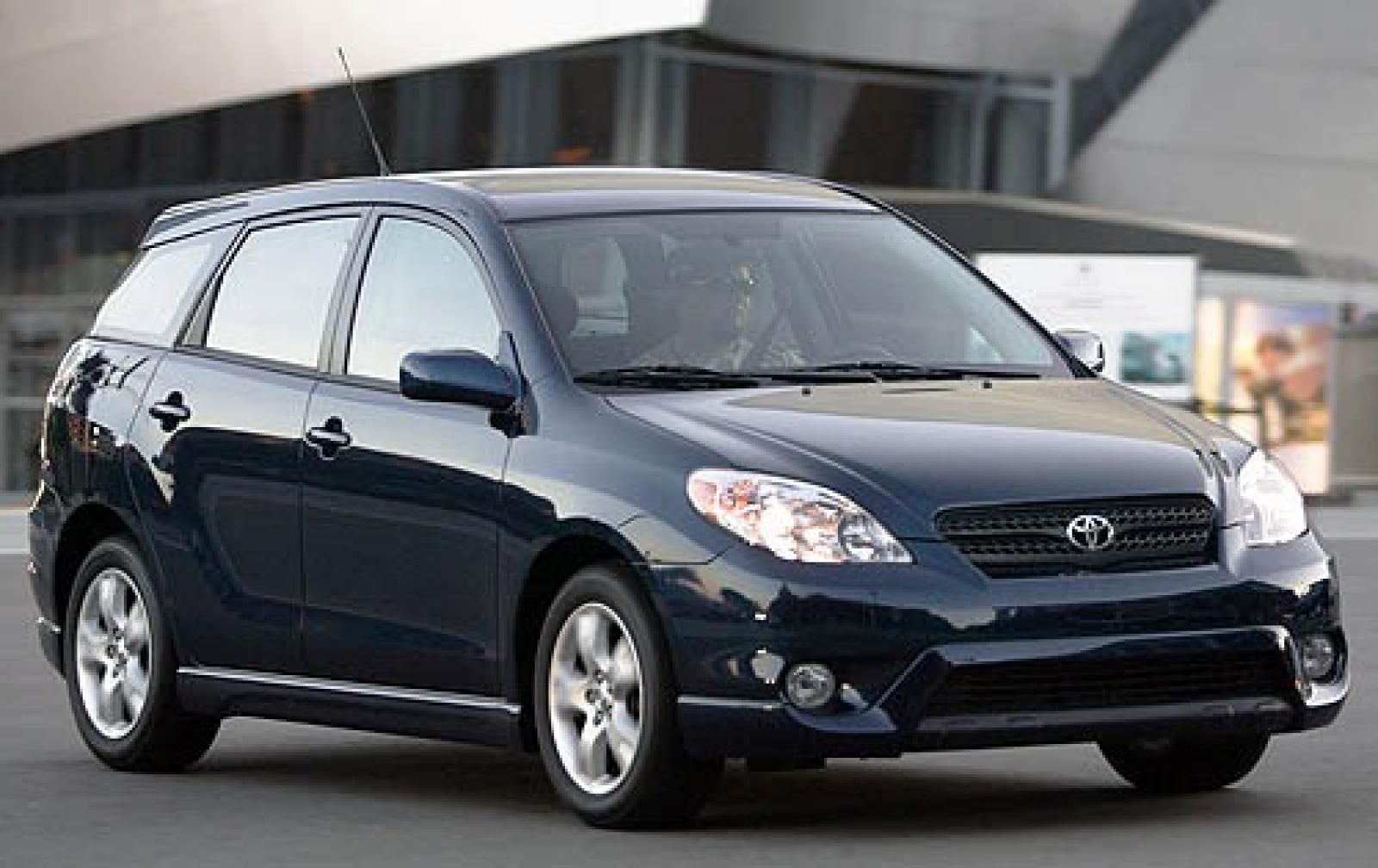
Unfortunately, the economical 1.8-liter engine is only available on the base model. If you want the additional feature content of the S or XRS model, a larger 2.4-liter engine is mandatory. The 2.4 engine adds some punch, but fuel economy drops to 24 mpg combined. All-wheel drive is optional on the S model, dropping fuel economy to 22 mpg. Notably, both the S AWD and XRS models feature a more advanced independent double-wishbone rear suspension in place of the standard torsion-beam setup, moderately improving the Matrix's handling behavior.
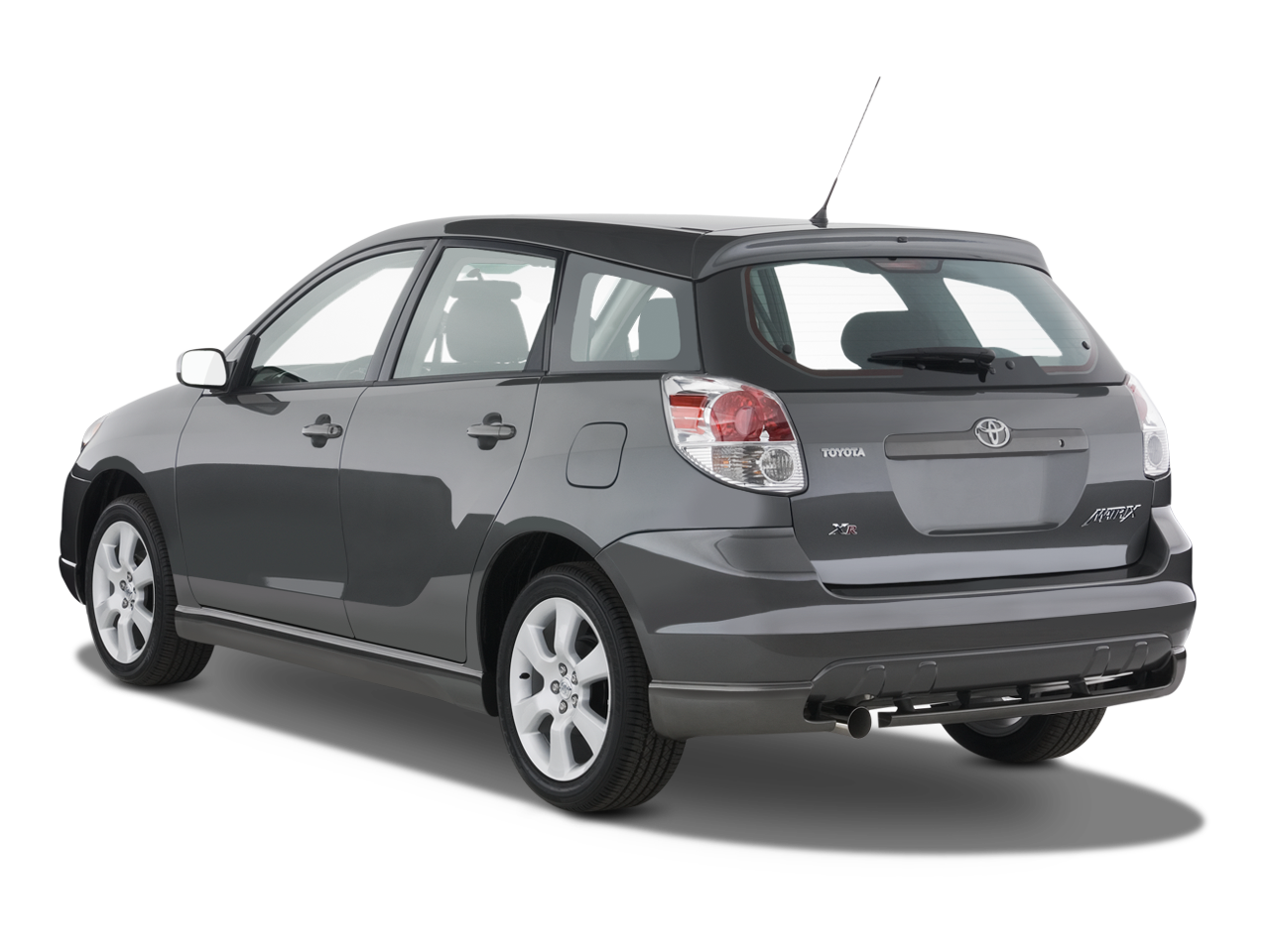
Of course, the Matrix is no Mazda 3 when the going gets twisty. But that hasn't kept myriad Matrix owners from driving home with smiles on their faces, and we expect this trend to continue. There's a reason Europeans love hatchbacks and wagons: They drive like cars and haul like SUVs. Americans now have many such models available to them, including the aforementioned Mazda 3 (all-new this year), the all-wheel-drive Subaru Impreza, the impressive Hyundai Elantra Touring, the premium-built Volkswagen Rabbit and even Toyota's own Scion xB. Each of these cars has its own particular set of merits, but for a compact hatchback offering practicality and style in equal measures, the 2010 Toyota Matrix stands tall.

The 2010 Toyota Matrix is a compact hatchback available in three trim levels: base, S and XRS. All-wheel drive is optional on the midrange S. The base car features 16-inch steel wheels, power mirrors, air-conditioning, a CD stereo with an auxiliary audio jack, a tilt-and-telescoping steering wheel and a fold-flat front passenger seat. Cruise control, keyless entry and power windows and locks are optional on this version of the Matrix but standard on the S, which also adds a rear window wiper, underbody spoilers, an upgraded stereo and a 115-volt utility outlet. The all-wheel-drive version of the S loses the spoilers, but it gains foglights and an independent rear suspension. The top-of-the-line Matrix XRS tacks on 18-inch alloy wheels, a rear roof spoiler, sport-tuned suspension and steering, upgraded seat fabric and a leather-wrapped steering wheel.

A sunroof and an in-dash CD changer are optional across the board. Optional on the S and XRS only are a JBL sound system, satellite radio, a navigation system with real-time traffic, and an auto-dimming rearview mirror.
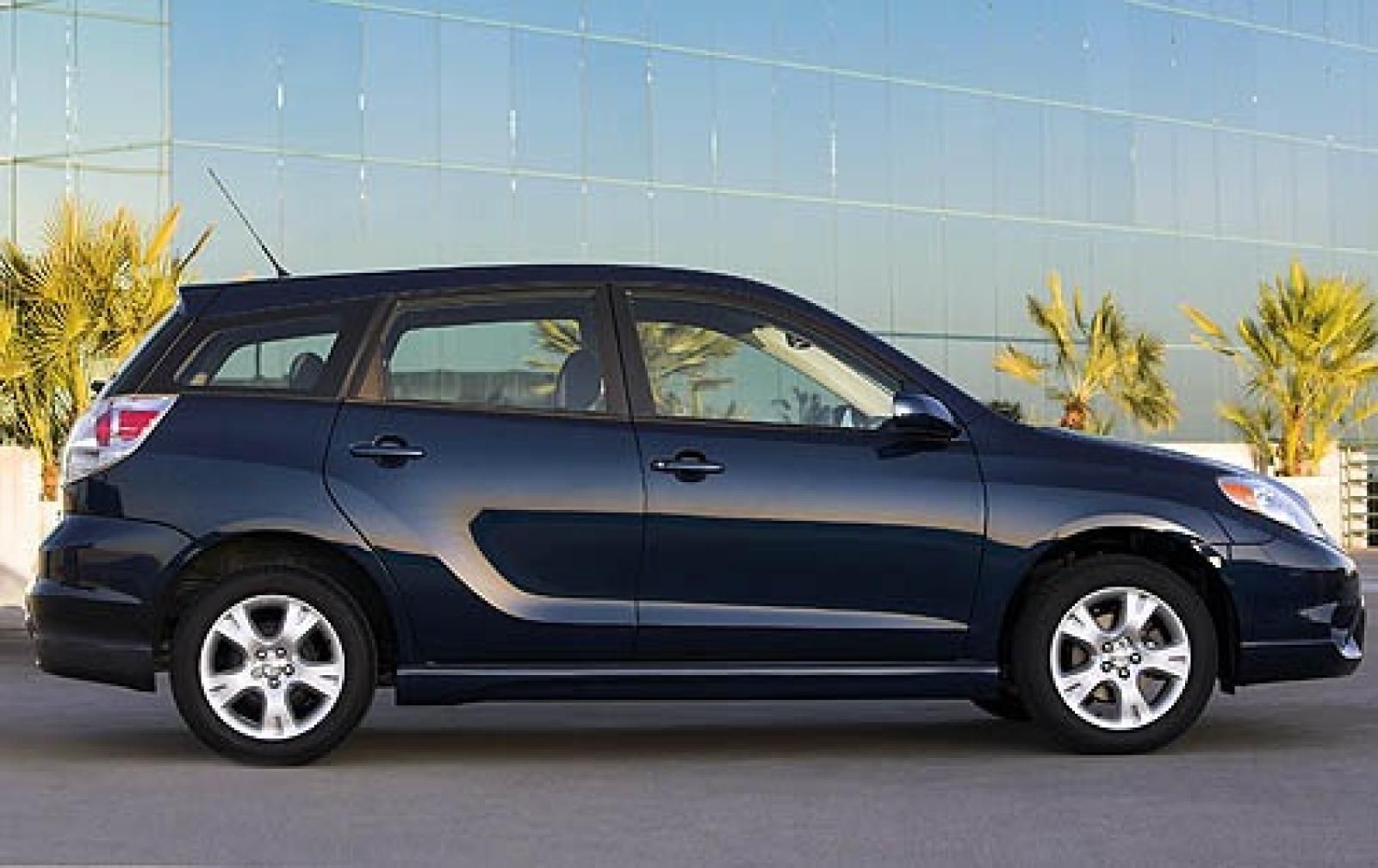
On the base front-wheel-drive Toyota Matrix, you'll find a 1.8-liter four-cylinder engine rated at 132 horsepower and 128 pound-feet of torque. A five-speed manual transmission is standard, and a four-speed automatic is optional. Matrix S and XRS models upgrade to a 2.4-liter engine that makes 158 hp and 162 lb-ft of torque, as well as an optional five-speed automatic alongside the standard five-speed manual. The AWD S comes only with the four-speed automatic.
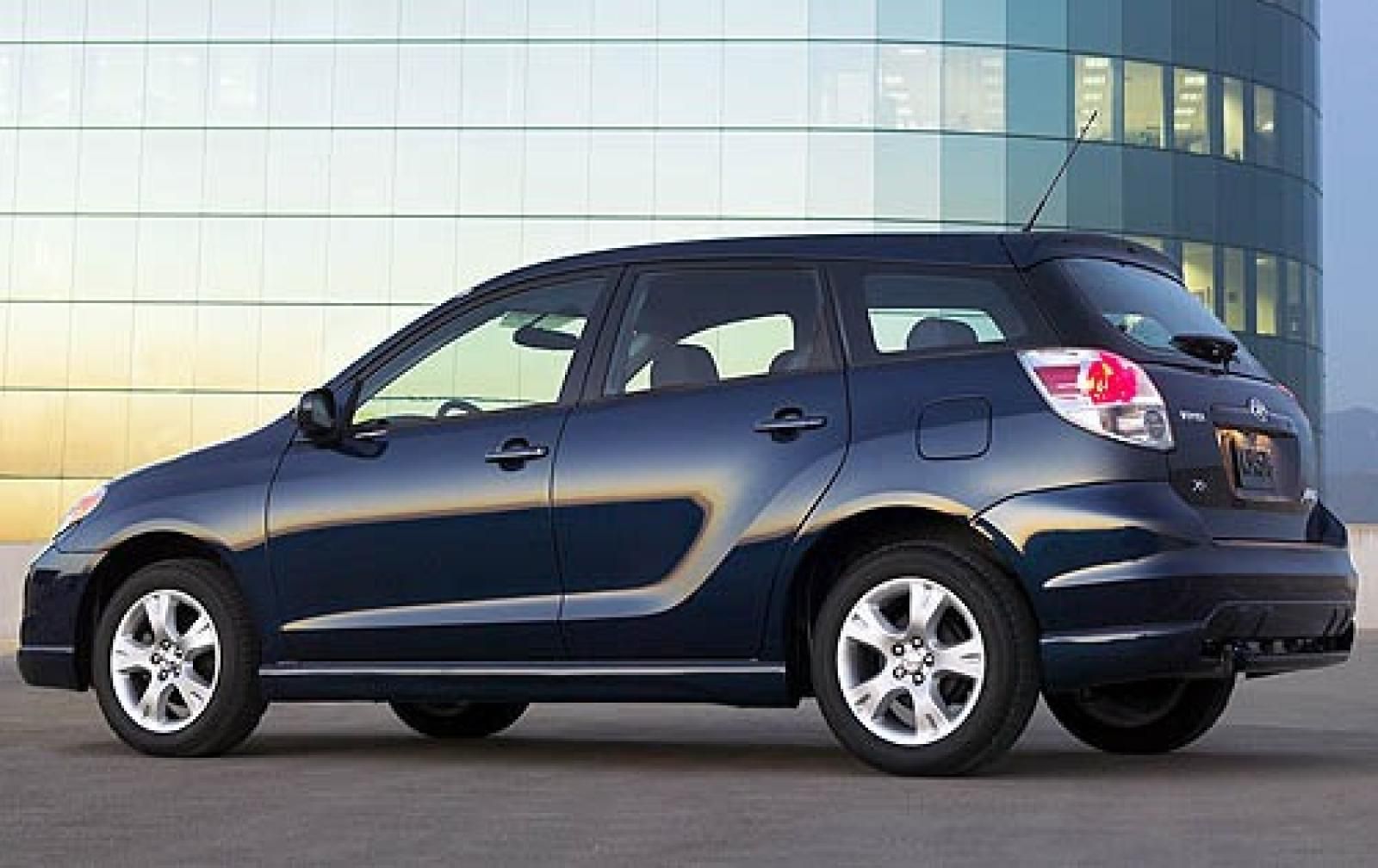
Equipped with the 1.8-liter engine, the Matrix returns above-average fuel economy -- 26 mpg city/32 mpg highway and 28 mpg combined with the manual, according to the EPA, while the four-speed auto yields 25/31/28. City mileage takes a dive if you opt for the larger engine: Ratings are 21/28/24 mpg with the manual, 21/29/24 mpg with the automatic and 20/26/22 mpg with AWD.

The 2010 Toyota Matrix comes standard with stability control and antilock disc brakes, with the S and XRS boasting larger discs all around. Also standard are front-seat side airbags and full-length side curtain airbags. In government crash testing, the Matrix scored a perfect five stars for frontal and front-seat side impacts, dropping to four stars for rear-seat side impacts. The Insurance Institute for Highway Safety awarded the Matrix its highest rating of "Good" in both frontal-offset and side impact crash testing.
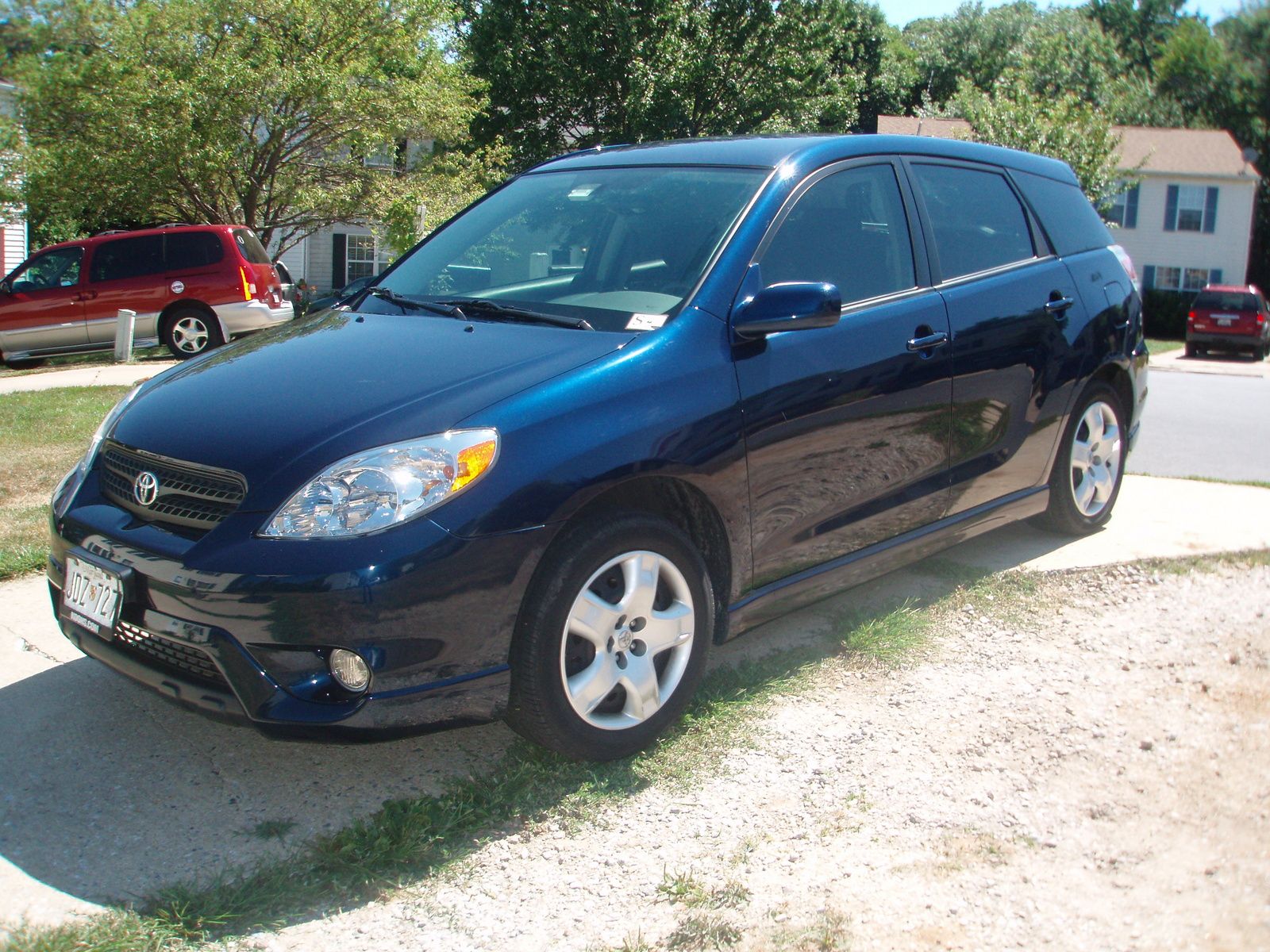
The base Matrix accelerates sluggishly off the line with its 1.8-liter engine, but its admirable fuel economy will redeem it in the eyes of many shoppers. The 2.4-liter engine in the S and XRS is the opposite -- power is ample, but fuel economy is just OK. The ride is smooth and well-insulated. The 2010 Toyota Matrix may not be the sportiest economy hatchback, but its refinement is laudable.
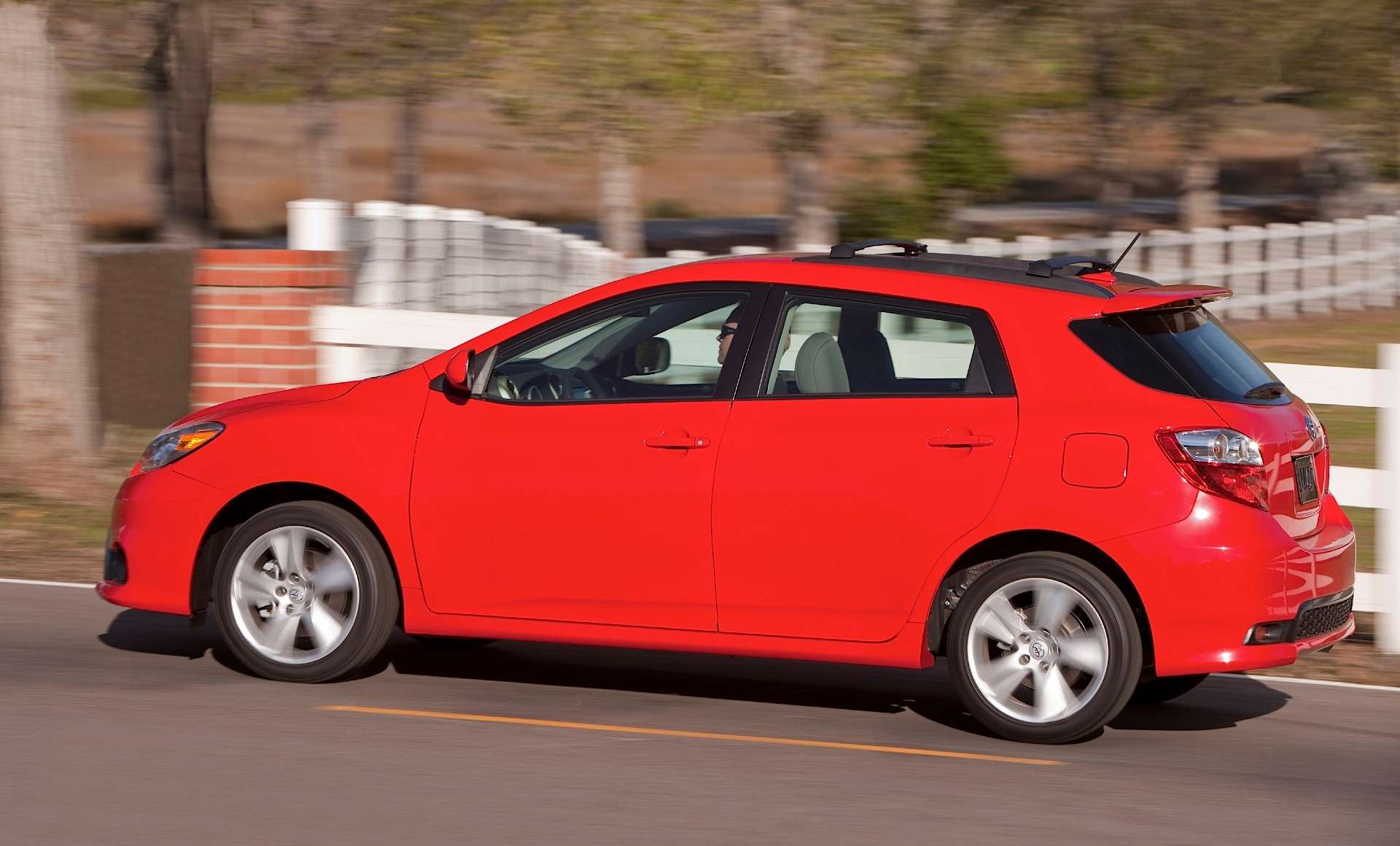
Inside, the Matrix has a significantly edgier ambience than the Corolla. If you think this compact sedan's interior lacks flair, the Matrix is the antidote. A telescoping steering wheel and ample seat-track travel allow drivers of all sizes to get comfortable, and the controls are both intuitive and attractive. In back, the tall, deep bench is inviting for children and adults alike, and it folds completely flat in 60/40 sections. Fixed tie-down points and rubber inserts help keep cargo from sliding around. There are 19.8 cubic feet of luggage capacity behind the rear seats and an impressive 61.5 cubes with the seats folded flat (note that this figure also likely takes into account the folded front passenger seat).
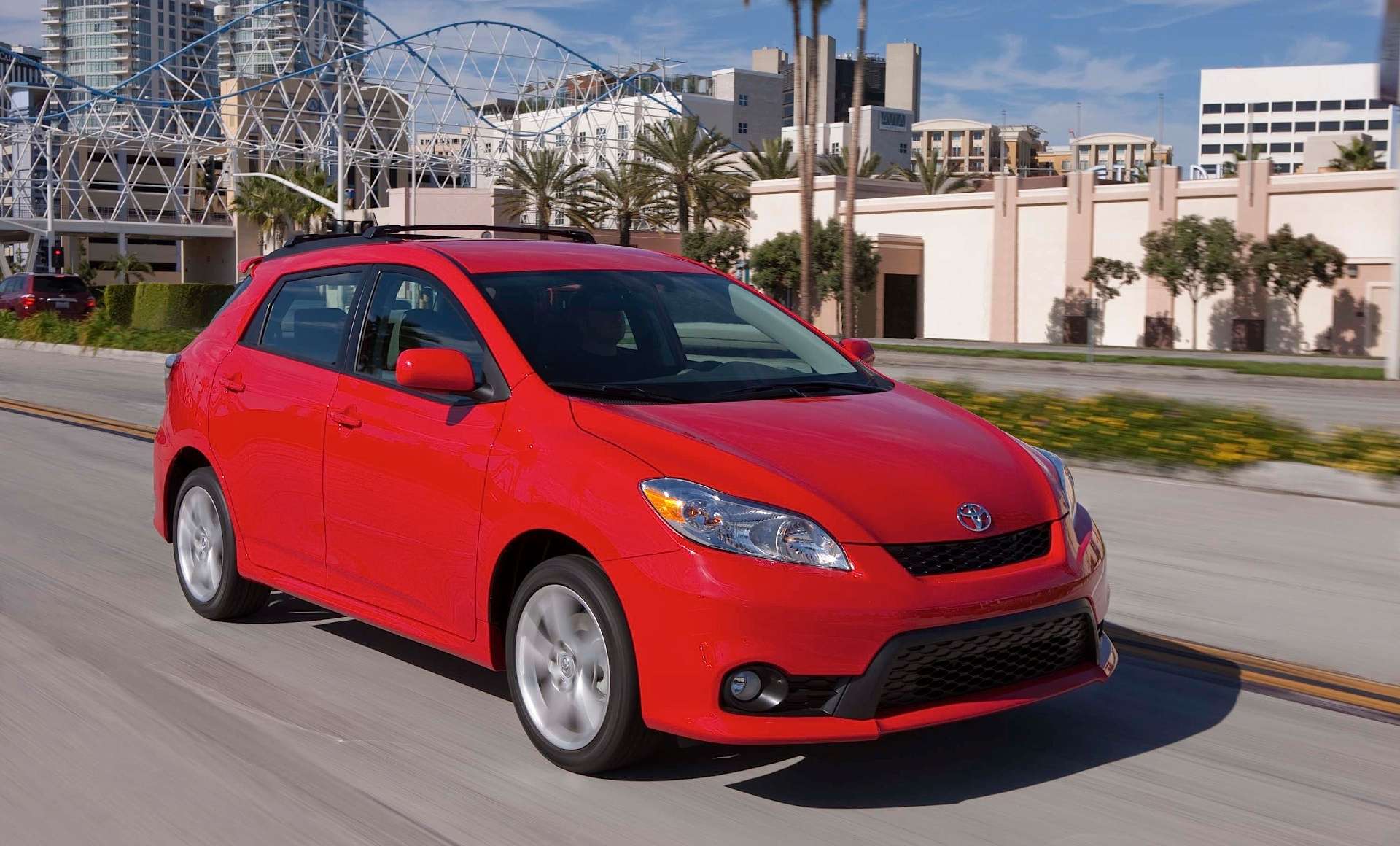
Each trim level of the 2010 Toyota Matrix has its own significantly different feel and performance. The base model is focused more on economy and functionality than driving excitement. The S trim level, which will be the sales leader, has a slightly more sporty suspension and steering tuning and the 158-horsepower 2.4-liter engine; the handling is responsive and acceleration is decidedly peppy. The XRS is a serious performer with taut, sport-tuned suspension, precise steering and high-performance tires. The electric power steering system allows easy tuning for different levels of steering feel, and also helps performance and fuel economy by dismissing with the traditional engine belt drive and hydraulic pump. Unless you regularly encounter snowy conditions, the 2.4-liter engine does not produce enough power to make the all-wheel-drive option worth the cost and extra weight.
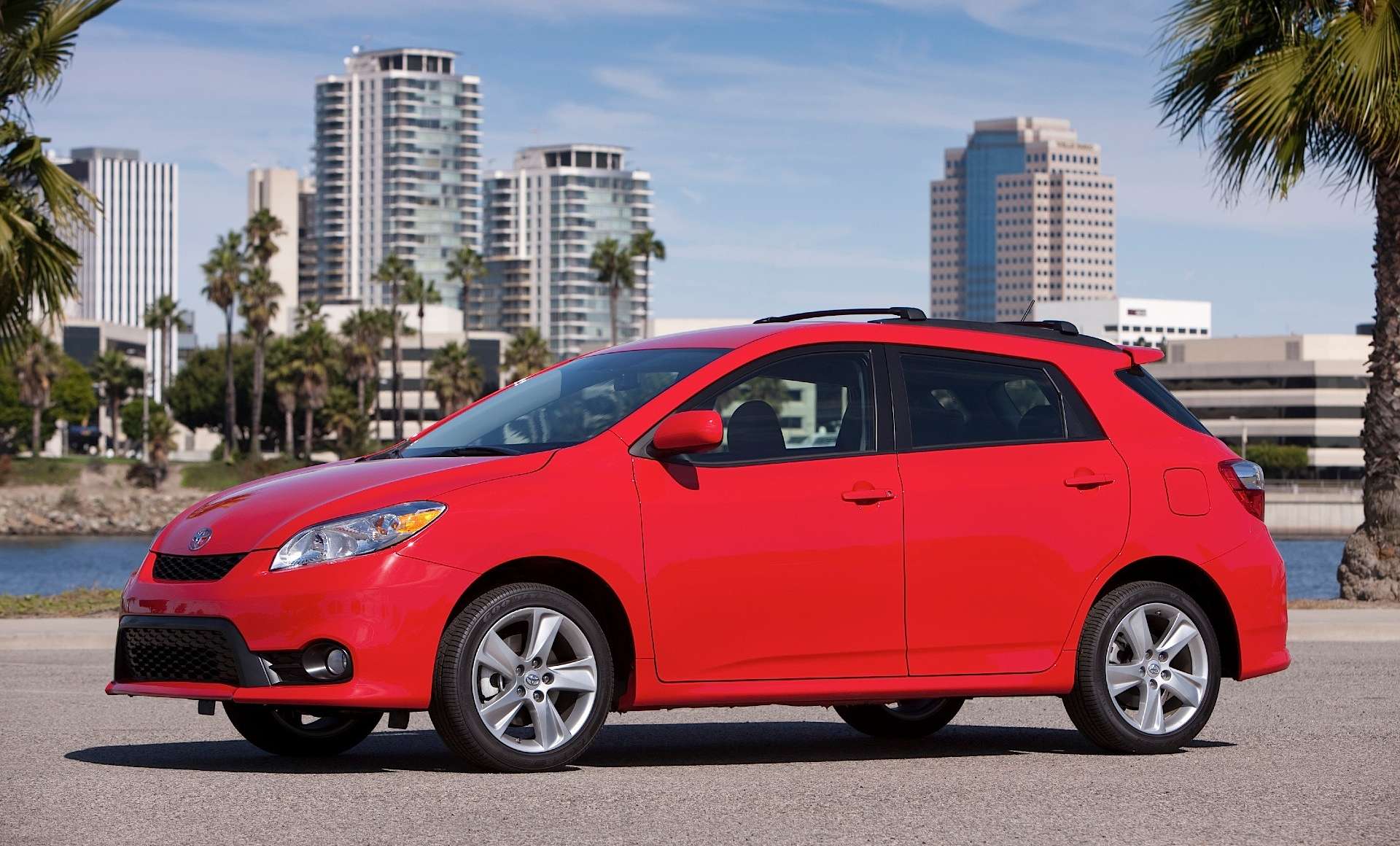
XRS TrimSport-tuned suspension, excellent steering feel, grippy 18-inch tires and a 158-horsepower engine turn the 2010 Toyota Matrix XRS into a terrific little car for the enthusiast driver on a budget. Generous Rear Cargo SpaceFold down the rear seats of the 2010 Toyota Matrix and its flat cargo floor can hold a bunch of camping gear, back-to-college supplies or boxes and books for moving day.
Despite its sporty exterior, the 2010 Matrix is an extremely practical sub-compact. The rear seats comfortably accommodate two full-sized adults. There's more than plenty of headroom both front and rear and legroom has been increased. The rear seats fold forward to create a flat cargo floor that will swallow large amounts of gear; however, last year's restyling did cut about two cubic feet from the cargo volume. The front passenger's seat folds flat and can be employed as a computer table or to carry longer cargo. The high front seating position provides excellent visibility, and all trim levels have supportive sport seats.
The original Toyota Matrix reminded some of a miniature minivan or station wagon, which turned off a number of potential buyers. The latest iteration is slightly longer and wider, and Toyota stylists have eliminated the third side window. This styling change significantly expands the C-pillar and wraps the back glass around the sides, delivering a sportier coupe-like appearance. The XRS gets even more aggressive styling, including a front underbody spoiler, a rear roof spoiler and 18-inch aluminum wheels.
The 2010 Toyota Matrix comes in three trim levels: Base, S and the sporty XRS. All have four-wheel anti-lock disc brakes, traction and stability control and front, front-side and full-length side-curtain airbags. The base model has a 132-horsepower 1.8-liter four-cylinder engine, while the S and XRS have a 158-horsepower, 2.4-liter version. The base and S versions have 16-inch steel wheels, the XRS has 18-inch aluminum rims and XRS and S versions have larger front and rear disc brakes. Other standard equipment includes Lexus-style Optitron gauges, an auxiliary input jack and a tilt and telescoping steering wheel. The S and XRS have a 115-volt AC outlet that accepts three-prong plugs.
Available on the S and XRS trim levels are a navigation system that's more affordable to fit the Matrix market and a JBL seven-speaker audio system with a six-disc CD changer, although unfortunately you cannot get both together. All-wheel-drive is available, but only on the S model and only with the 2.4-liter engine and four-speed automatic. Optionally available are 16-inch aluminum wheels for the base model and 17-inchers for the S trim, fitted with either touring or high-performance all-season tires.
Standard on the 2010 Toyota Matrix is a 1.8-liter, 132-horsepower four-cylinder engine, which is available with either a five-speed manual or a four-speed automatic transmission. The S and XRS models have a 2.4-liter, 158-horsepower, four-cylinder engine with either a five-speed automatic or a five-speed manual transmission. The 2.4-liter engine employs variable timing on both exhaust and intake valves to produce both responsive acceleration and good fuel economy. All-wheel drive is available only with the S trim level with the automatic transmission. In normal operation, the AWD system sends all the power to the front wheels, but when slip is detected the electronically-controlled center differential diverts up to 45 percent of the torque to the rear. Base and non-AWD S models have a beam rear axle, while the XRS and AWD versions have independent rear suspension. 1.8-liter in-line 4132 horsepower @ 6000 rpm128 lb.-ft. of torque @ 4400 rpmEPA city/highway fuel economy: 26/32 (manual), 25/31 (automatic)2.4-liter in-line 4158 horsepower @ 6000 rpm162 lb.-ft. of torque @ 4000 rpmEPA city/highway fuel economy: 21/28 (manual), 21/29 (5-speed automatic), 20/26 (4-speed automatic, AWD)
The 2010 Toyota Matrix Manufacturer's Suggested Retail Price (MSRP) starts at just over $ 17,000 when equipped with a five-speed manual. Opting for the S trim with AWD brings the price closer to $ 21,500, while a fully-loaded XRS with navigation and moonroof tops out just over $ 25,000. To find out what smart buyers are really paying for this vehicle in your area, check the Fair Purchase Price before you begin negotiations. Previous Matrix models held their value extremely well, and the 2010 version should be no exception. Expect the Matrix to hold a resale value higher than the Chrysler PT Cruiser and Pontiac Vibe, about the same as the Mazda MAZDA3 and just below the Honda Civic.
2010 Toyota Matrix Base Exterior Colors
2010 Toyota Matrix Base Interior Colors
2010 Toyota Matrix Engines
| Engine | Standard in Trim | Power | Torque | Fuel Consumption - City | Fuel Consumption - Highway | 0-100 km/h | Quarter Mile | Half Mile |
|---|---|---|---|---|---|---|---|---|
| 2.4L L4 DOHC 16-valve | AWD | 158 hp @ 6000 rpm | 144 N.m | 10.2 L/100km | 7.7 L/100km | 9.1 s | 15.2 s | 28.3 s |
| 2.4L L4 DOHC 16-valve | AWD | 158 hp @ 6000 rpm | 144 N.m | 10.2 L/100km | 7.7 L/100km | 9.0 s | 15.1 s | 28.3 s |
| 2.4L L4 DOHC 16-valve | AWD | 158 hp @ 6000 rpm | 144 N.m | 10.3 L/100km | 7.7 L/100km | 9.0 s | 15.1 s | 28.3 s |
| 2.4L L4 DOHC 16-valve | XRS | 158 hp @ 6000 rpm | 144 N.m | 9.8 L/100km | 7.0 L/100km | 9.3 s | 16.7 s | 27.8 s |
| 2.4L L4 DOHC 16-valve | XR | 158 hp @ 6000 rpm | 144 N.m | 9.7 L/100km | 6.9 L/100km | 9.0 s | 16.6 s | 27.5 s |
| 2.4L L4 DOHC 16-valve | AWD | 158 hp @ 6000 rpm | 144 N.m | 10.3 L/100km | 7.7 L/100km | 9.1 s | 15.2 s | 28.3 s |
| 2.4L L4 DOHC 16-valve | XRS | 158 hp @ 6000 rpm | 144 N.m | 9.7 L/100km | 6.9 L/100km | 9.3 s | 16.7 s | 27.8 s |
2010 Toyota Matrix Trims
2010 Toyota Matrix Previous Generations
2010 Toyota Matrix Future Generations
Toyota Matrix Overview and History
The government encouraged such a bold decision mostly because making their own cars would be cheaper and they also needed vehicles for the war with China. Just a year after its foundation in 1933, the Toyota Motor Company created its first engine, the Type A, placed in the Model A1 passenger car and the G1 truck.
During WWII, Toyota was committed to making trucks for the army and only the premature ending of the conflict saved the company's factories in Aichi from a scheduled Allied bomb raid. After the war, Toyota resumed car making but found more success in building trucks and buses than with cars. Still, it didn't give up on cars for good and in 1947 it came up with the Model SA, also known as the Toyopet, a name which later was applied to other models as well.
A little more successful was the Model SF which also had a taxi version but the same 27 horsepower engine as its predecessor. A more powerful model, the RH, which had 48 HP came out shortly after. Production went up rather fast and by 1955, Toyota was turning out 8400 cars a year. That year, Toyota diversified their production, adding the Jeep-like Land Cruiser and the luxury sedan, the Crown.
With numbers growing and with several models under their belt, Toyota now had its eyes set on the international market. The first dealership outside Japan was in America in 1957 an the first plant in Brazil in 1959. An interesting strategy from Toyota ensured that all models were somehow unique to the region where they were produced (they were adapted to the respective market).
The big break for Toyota on the American market came with the 70s when rising gas prices forced local producers to make smaller cars. These were thought of as entry-level and as a consequence lacked in quality of finishings. In contrast, Toyota already had several fuel-efficient models that were also of better quality. The Corolla is the best example in this sense, soon becoming America's favorite compact car.
But as far as the luxury market went, Toyota still had trouble with selling the Crown and the Cressida. At the dawn of the 80s, the entire luxury market in America was entering a downwards slope, with all the other manufacturers finding it difficult to keep up sales, and that's when Toyota came up with Lexus, a new company that would make luxury cars.
By the beginning of the 90s, Toyota vehicles became synonymous with reliability and low-cost maintenance which made them very popular all over the world. A bid for winning over the younger audience was made with the launch of models like the MR2 and the Celica.
Presently, Toyota is at the forefront of the environmental battle, with its successful hybrid model, the Toyota Prius and now announcing a plug-in electric car that will be called Toyota Plug-in HV, which will run on standard electricity powered by a lithium-ion battery pack.
2010 Toyota Matrix Consumer Reviews
Compare Against Competitors
2010 Toyota Matrix Base Specifications
Base Comfort and Convenience
| AM/FM stereo radio | AM/FM stereo radio with auxiliary input jack |
|---|---|
| Air Conditionning (Option) | Air conditioning |
| Cargo Cover | Yes |
| Cruise Control (Option) | Yes |
| Driver Vanity Mirror | Driver-side vanity mirror |
| Front Wipers | Intermittent windshield wipers |
| Illuminated Entry | Yes |
| Interior Air Filter | Cabin air filter |
| Number of Speakers | 4 Speakers |
| Passenger Vanity Mirror | Front passenger-side vanity mirror |
| Power Door Locks (Option) | Yes |
| Power Outlet | 12-volt power outlet |
| Power Windows (Option) | Yes |
| Reading Light | Front reading lights |
| Rear Heating | Rear heater ducts |
| Rear Wipers | Intermittent rear window wiper |
| Remote Keyless Entry (Option) | Yes |
| Single CD | CD/MP3/WMA player |
| Special Feature | XM satellite radio (requires subscription) |
| Steering Wheel Adjustment | Tilt/telescopic steering wheel |
Base Dimensions
| Cargo Capacity | 561 L |
|---|---|
| Curb Weight | 1290 kg |
| Front Headroom | 1029 mm |
| Front Legroom | 1057 mm |
| Fuel Tank Capacity | 50 L |
| Height | 1550 mm |
| Length | 4365 mm |
| Max Trailer Weight | 680 kg |
| Maximum Cargo Capacity | 1398 L |
| Rear Headroom | 999 mm |
| Rear Legroom | 919 mm |
| Wheelbase | 2600 mm |
| Width | 1765 mm |
Base Exterior Details
| Bumper Colour | Body-color bumpers |
|---|---|
| Door Handles (Option) | Body-color door handles |
| Exterior Folding Mirrors | Folding outside mirrors |
| Exterior Mirror Colour | Black outside mirrors |
| Front Fog Lights (Option) | Fog lights |
| Headlight Type | Halogen headlamps |
| Heated Exterior Mirrors | Heated outside mirrors |
| Mudguard | Front and rear splash guards |
| Power Exterior Mirrors | Power-adjustable outside mirrors |
| Rear Window Defroster | Yes |
Base Interior Details
| Clock | Digital clock |
|---|---|
| Floor Covering | Carpet floor covering |
| Floor Mats | Front floor mats |
| Front Seats Active Headrests | Active front headrests |
| Front Seats Front Seat Back Storage | Front seatback storage |
| Front Seats Front Seat Type | Front bucket seats |
| Number of Cup Holders | 4 cupholders and 2 bottle holders |
| Outside Temperature Gauge | Outside temperature display |
| Rear Seat Type | 60/40 split folding Rear bench |
| Seat Trim | Cloth seats |
| Special Feature (Option) | Door sill plates |
| Tachometer | Yes |
Base Mechanical
| Drive Train | Front-wheel drive |
|---|---|
| Engine Name | 1.8L L4 DOHC 16-valve |
| Stability Control (Option) | Yes |
| Traction Control (Option) | Yes |
| Transmission | 5-speed manual transmission |
| Transmission (Option) | 4-speed automatic transmission |
Base Overview
| Body | Wagon |
|---|---|
| Doors | 5 |
| Engine | 1.8L L4 DOHC 16-valve |
| Fuel Consumption | 8.1 (Automatic City)6.2 (Automatic Highway)7.8 (Manual City)6.2 (Manual Highway) |
| Power | 132 hp @ 6000 rpm |
| Seats | 5 |
| Transmission | 5-speed manual transmission |
| Warranties | Bumper-to-Bumper60000/km, 36/Months Emissions130000/km, 96/Months Powertrain100000/km, 60/Months Roadside Assistance60000/km, 36/Months Rust-throughUnlimited/km, 60/Months |
Base Safety
| Anti-Lock Brakes | Anti-lock brakes |
|---|---|
| Brake Assist | Brake assist |
| Brake Type | 4-wheel disc |
| Child Seat Anchor | Child seat anchor |
| Child-proof Locks | Rear-door child security locks |
| Driver Airbag | Driver-side front airbag |
| Electronic brake force distribution | Electronic brake force distribution |
| Ignition Disable | Theft-deterrent engine immobilizer |
| Passenger Airbag | Passenger-side front airbag |
| Roof Side Curtain | Side curtain airbags |
| Side Airbag | Front side airbags |
Base Suspension and Steering
| Front Anti-Roll Bar | Front stabilizer bar |
|---|---|
| Front Suspension | Front independent suspension |
| Front Tires | P205/55R16 |
| Power Steering | Electric-assist power rack-and-pinion steering |
| Rear Anti-Roll Bar | Rear stabilizer bar |
| Rear Suspension | Torsion bar rear suspension |
| Spare Tire | Compact spare tire |
| Tire Pressure Monitoring System (Option) | Yes |
| Wheel Locks (Option) | Yes |
| Wheel Type | 16'' steel wheels with covers |
| Wheel Type (Option) | 16'' alloy wheels |
Discussion and Comments
Share Your Comments