2007 Lexus IS 250 0-60 Times, Top Speed, Specs, Quarter Mile, and Wallpapers
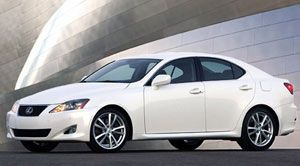
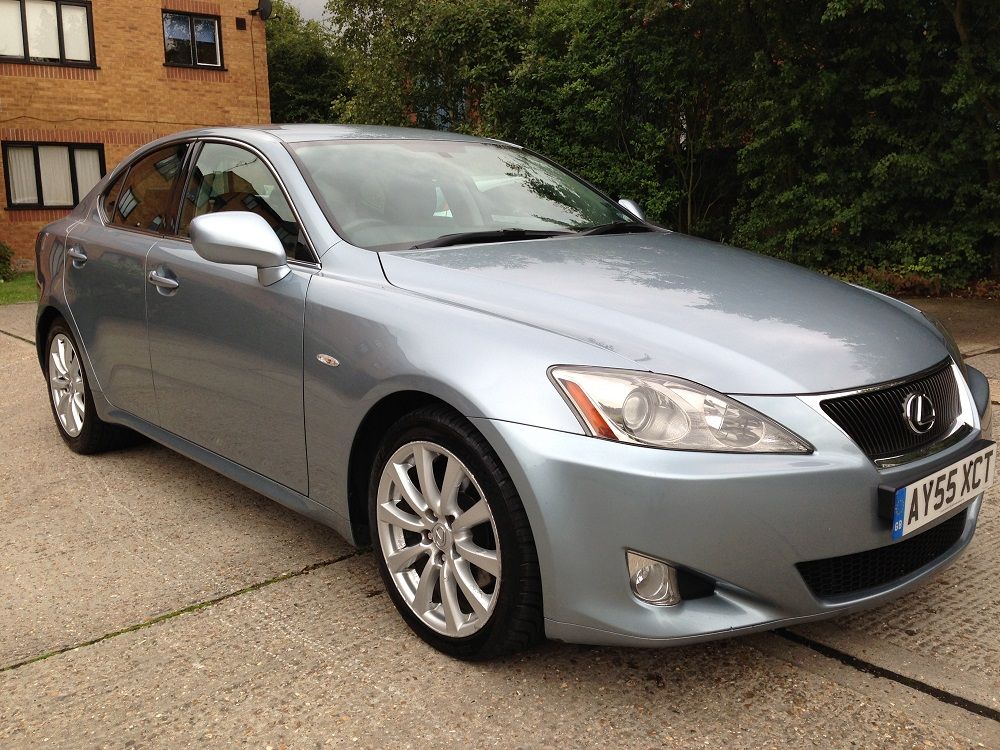
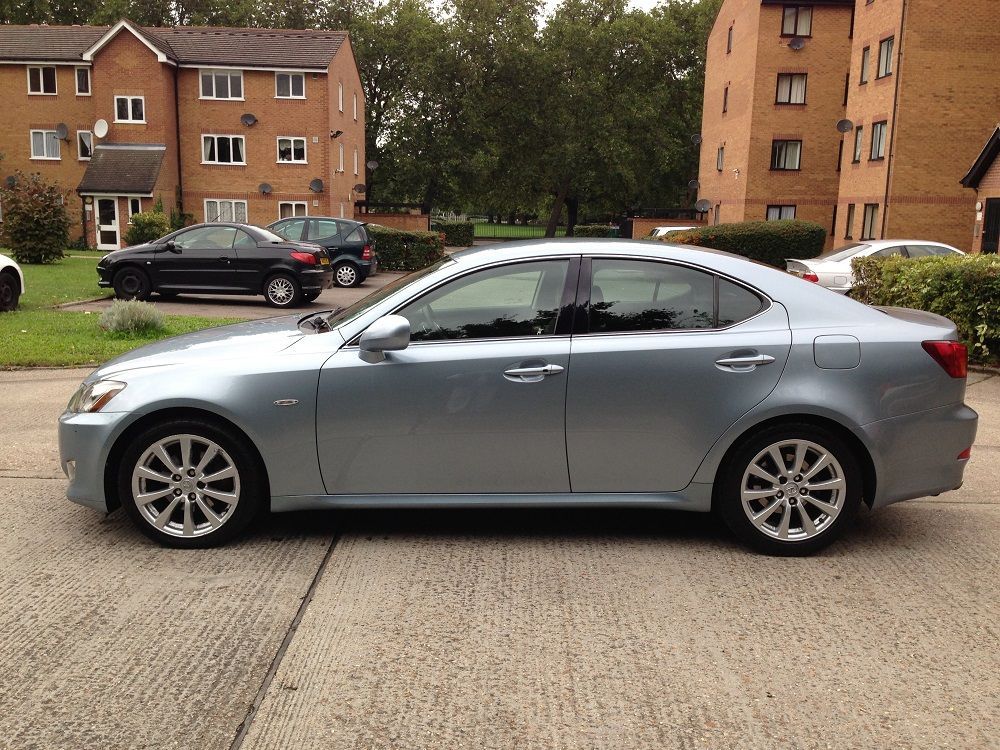
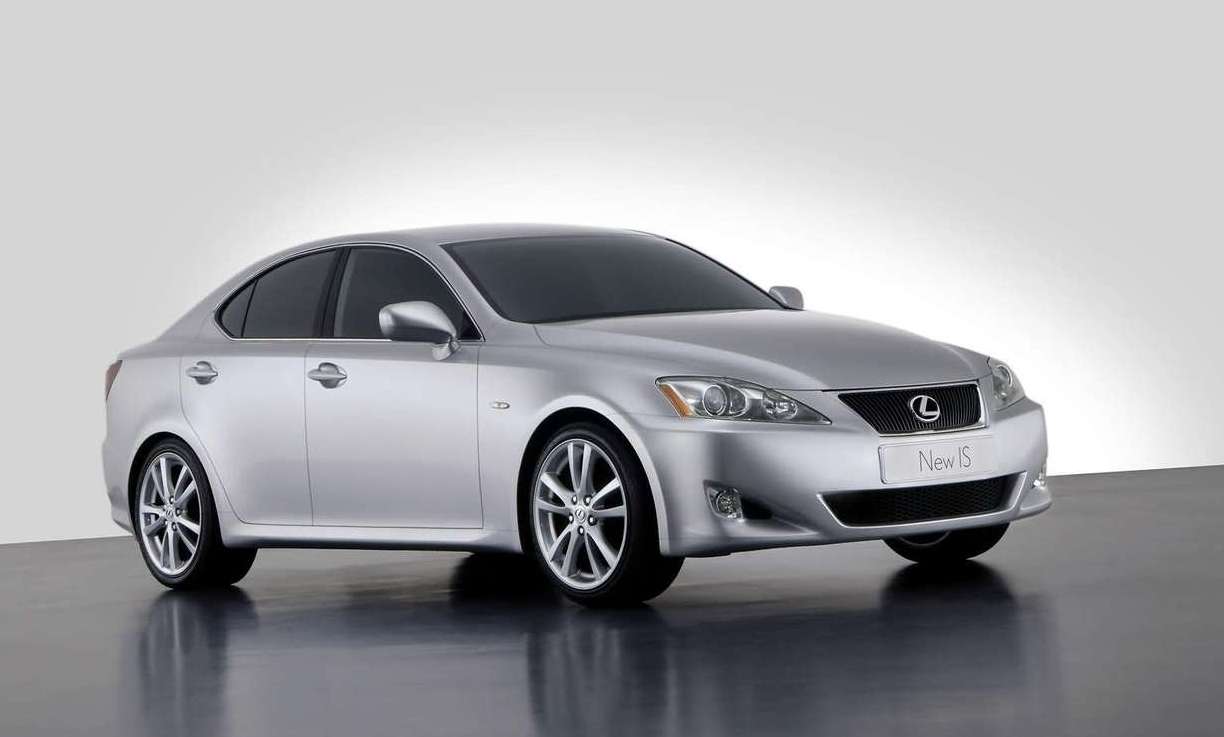
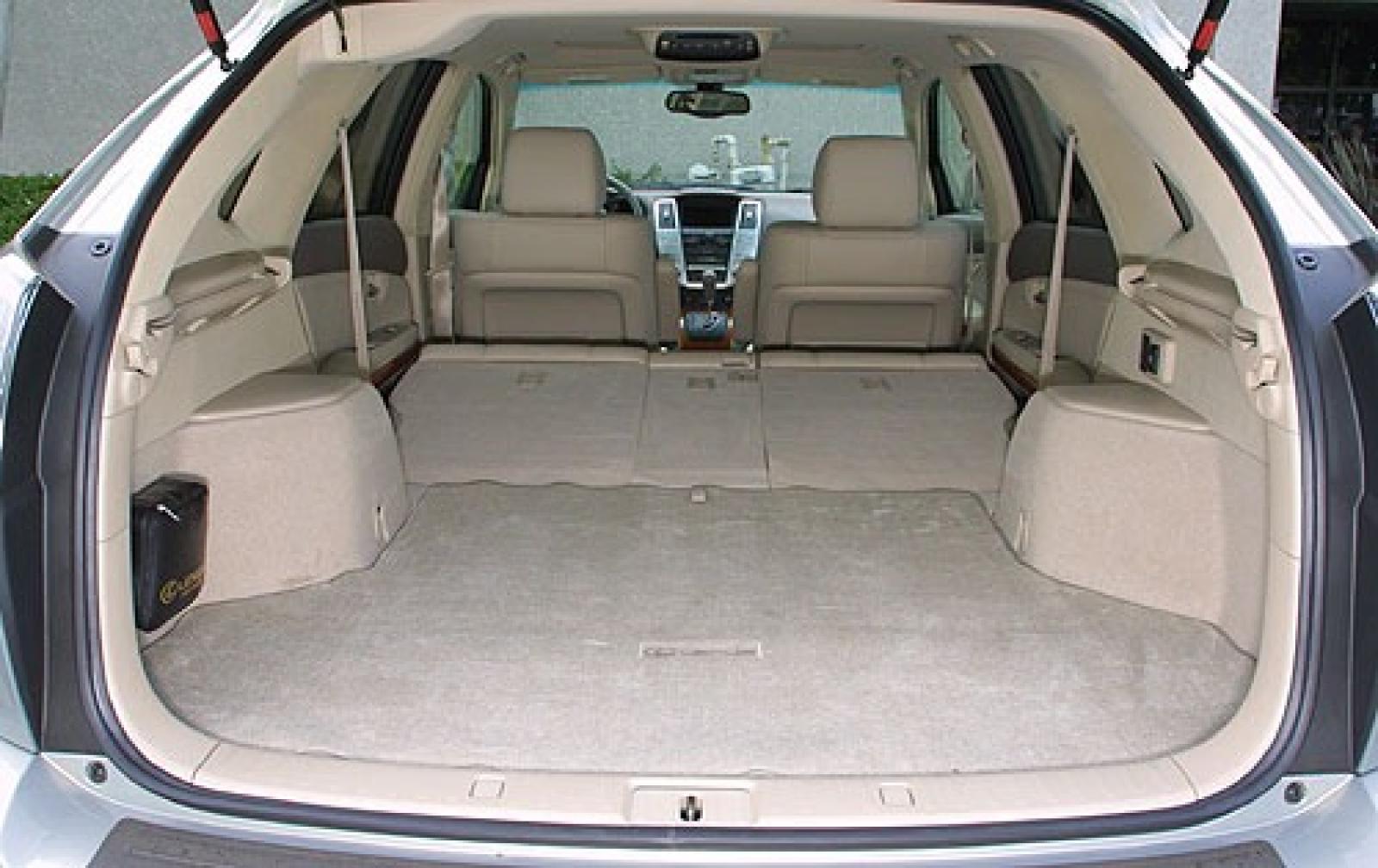
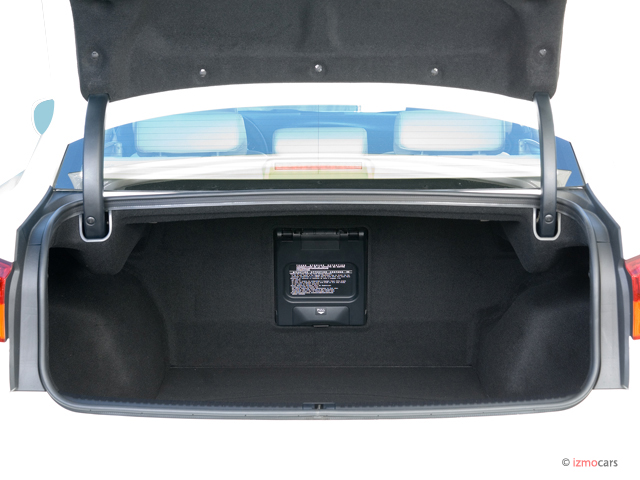
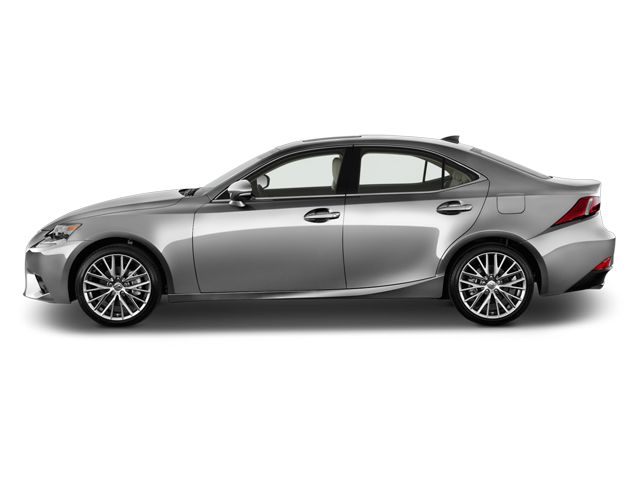
The 2007 Lexus IS 250 is a Rear-wheel drive Sedan. It can accommodate up to 5 passengers. It has 4 Doors and is powered by a 2.5L V6 DOHC 24-valve engine which outputs 204 hp @ 6400 rpm and is paired with 6 speed manual transmission gearbox. The 2007 Lexus IS 250 has cargo capacity of 378 Liters and the vehicle weighs 1562 kg. In terms of ride assists, the 2007 Lexus IS 250 has stability control and traction control in addition to anti-lock brake system (ABS). The vehicle has an optional engine as well It offers and. Safety features also include Passenger side front airbag and Driver side front airbag. The front suspension is Front independent suspension while the rear suspension is Rear independent suspension. The car also features a Yes It has 16'' alloy wheels as standard. Electronic features include Cruise Control. For convenience, the car has Power windows and Power door locks. There is also a remote keyless entry feature. Moreover, the car has. The steering wheel has audio control buttons. In terms of performance, the car has 223 N.m of torque and a top speed of 216 km/h. The 2007 Lexus IS 250 accelerates from zero to 60 mph in 8.1 seconds and hits quarter mile at 16 seconds. Fuel consumption is 9.8 L/100km in the city and 6.7 L/100km in the highway. The car price starts at $ 36,550
| Name | 250 | |
|---|---|---|
| Price | $ 36,550 | |
| Body | Sedan | |
| Doors | 4 Doors | |
| Engine | 2.5L V6 DOHC 24-valve | |
| Power | 204 hp @ 6400 rpm | |
| Number of Seats | 5 Seats | |
| Transmission | 6 speed manual transmission | |
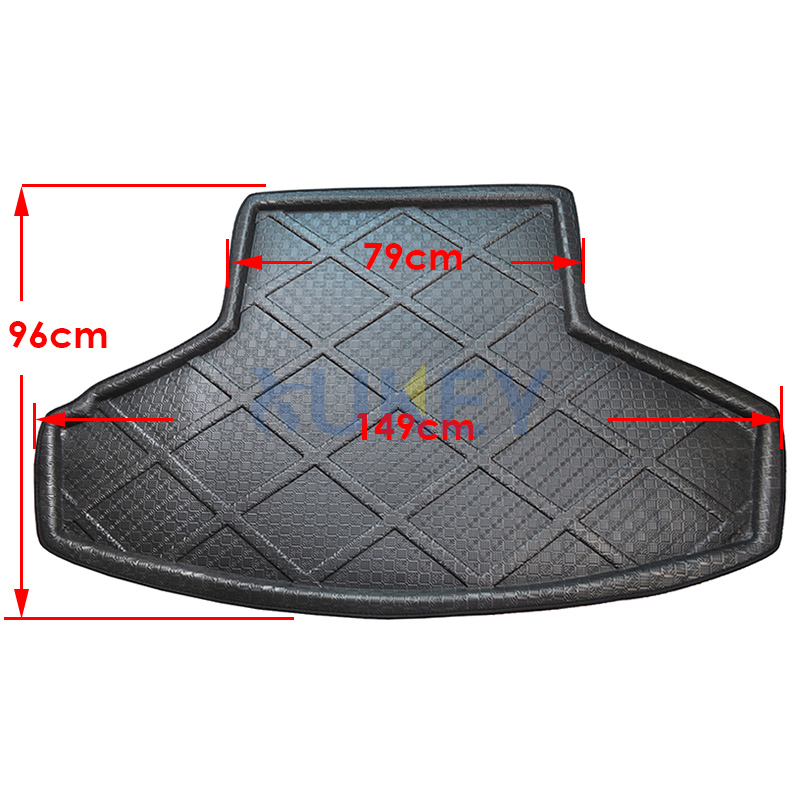
| Cargo Space | 378.0 L | |
| Maximum Cargo Space | 378.0 L | |
| Wheel Type | 16'' alloy wheels | |
| Series | IS II (XE20) | |
| Drivetrain | Rear-wheel drive | |
| Horsepower | 204 HP | |
| Torque | 223 N.m | |
| Top Speed | 216 km/h | |
| Acceleration 0-100 km/h (0-60 mph) | 8.1 s | |
| Fuel Type | Petrol (Gasoline) | |
| Fuel Consumption (City) | 9.8 L/100km | |
| Fuel Consumption (Highway) | 6.7 L/100km | |
| Gear Type | auto | |
| Weight | 1,585 KG | |
| Brand | Lexus | |
| Model | IS | |
| 0-400m (Quarter Mile) | 16.0 s | |
| 0-400m (Quarter Mile) - Speed | 143.5 km/h | |
| 0-800m (Half Mile) | 26.6 s | |
| 0-800m (Half Mile) - Speed | 161.4 km/h | |
| Modifications (MODS) | ||
| Modifications Cost | $ 0 |
Lexus IS 250 2007 - Stock - Acceleration 0-100km/h & 80-120km/h
2007 Lexus IS350 acceleration 0-60
Lexus IS 250 2007 - Stock - Acceleration 0-100km/h & 80-120km/h
2007 Lexus ISF Top Speed Run
2007 Lexus IS Used Price Estimates
Estimates based on a driving average of 12,000 miles per year| Used Condition | Trade In Price | Private Party Price | Dealer Retail Price |
|---|---|---|---|
| Average | $ 700 | $ 1,300 | $ 1,060 |
Test drives quickly revealed that both the IS 250 and the IS 350 offer significantly better-than-adequate acceleration. Of course, the IS 350 is the hot rod of the two, boasting a laudable zero to 60-mph sprint of 5.6 seconds. In around-town, freeway commute and open two-lane touring, the IS 250 feels completely in its element, but we have to admit the added 102 horsepower of its IS 350 sistership is appealing. Steering is sharp and direct, although some might complain of a bit too much boost. With a double wishbone front suspension and a multi-link rear, plus either Vehicle Stability Control (IS 250) or the more sophisticated Vehicle Dynamics Integrated Management system (IS 350), the car has both traditional and New-Age technology to foster superior handling.
Paddle-Shift Automatic TransmissionThe sequential-shift six-speed automatic, offered in the IS 250 and standard in the IS 250 all-wheel drive and IS 350, allows you to cruise in full automatic mode, or shift it yourself via steering wheel-mounted paddle shifters or an up-down push on the console-mounted gear lever.Back-Up CameraThe Back-Up Camera system, which displays its view on the dash video screen, comes on automatically when you shift into reverse.
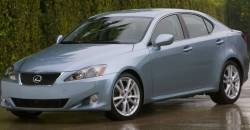
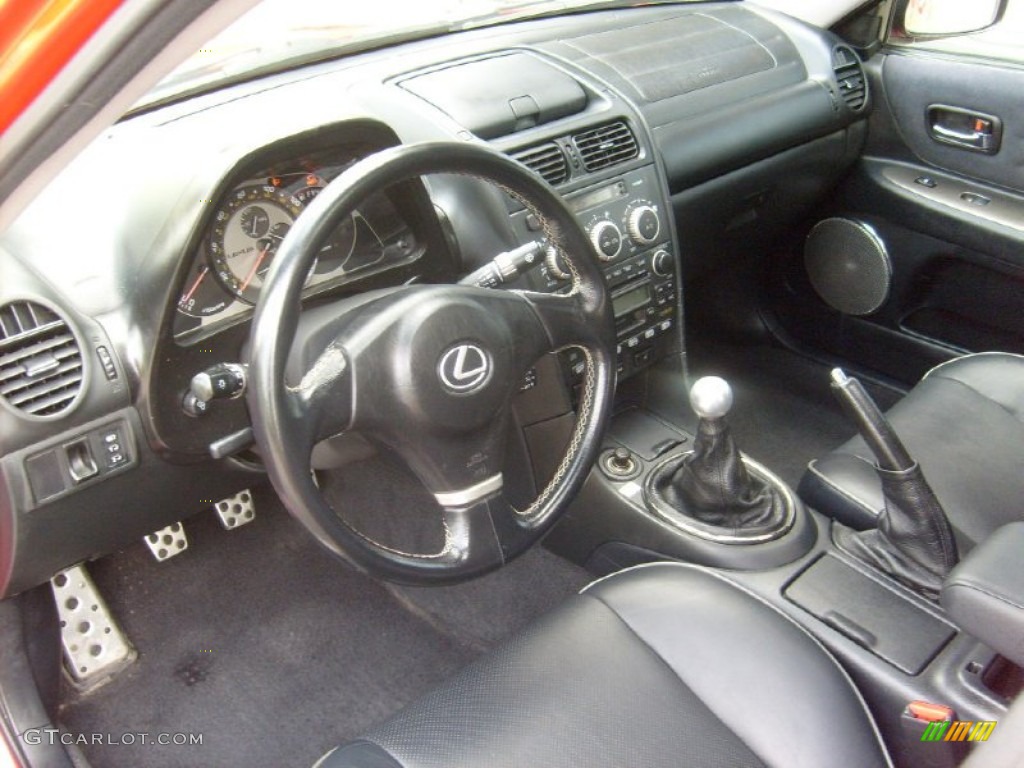
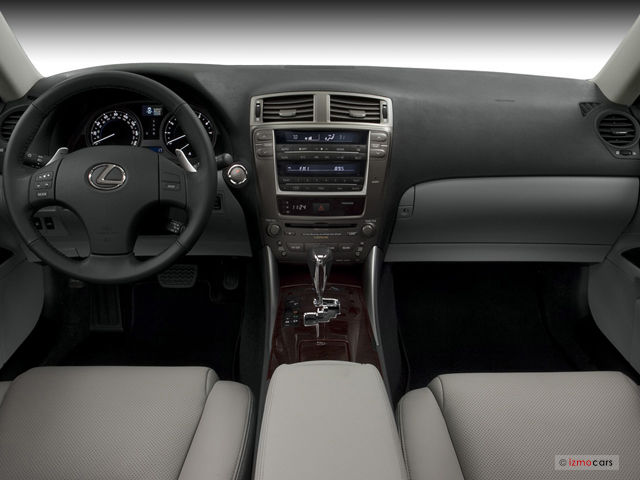
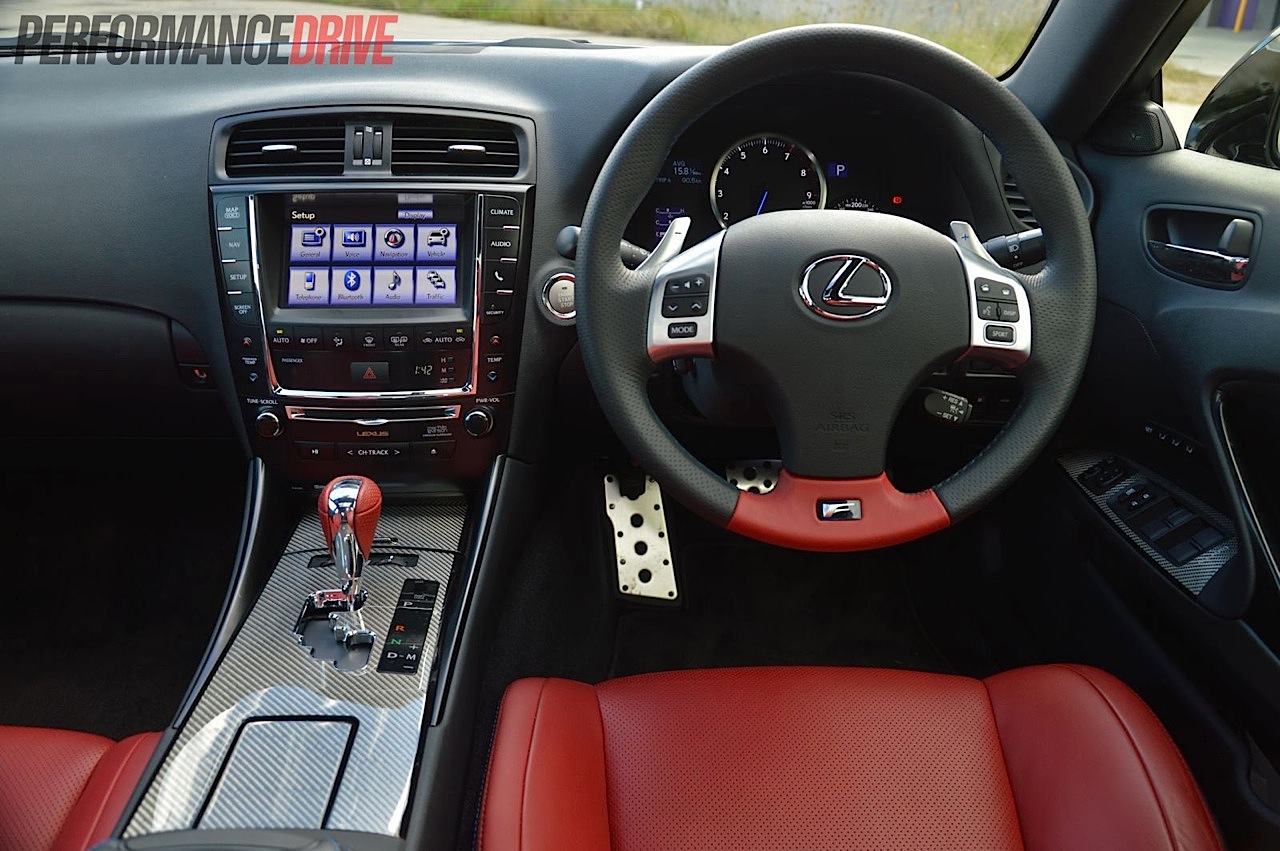
The IS interior is well-designed, well-finished and intelligently laid out but, at the same time, lacks the distinctive style some of its European competitors bring to the table. Bright, clear Optitron gauges, which are illuminated even in daylight, are extremely readable and deliver an upscale aura. The seats are firm and properly adjustable, but rear-seat passengers might struggle a bit for foot- and legroom - although the interior will accommodate five (friendly) adults. Where the interior really shines is in its features. For example, keyless entry with push-button start is standard, so you needn't remove the key from your pocket or purse before you start the vehicle. Welcome features such as a power tilt/telescoping steering wheel and touch-screen navigation system plus "back-up" camera are available as well.
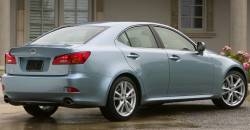
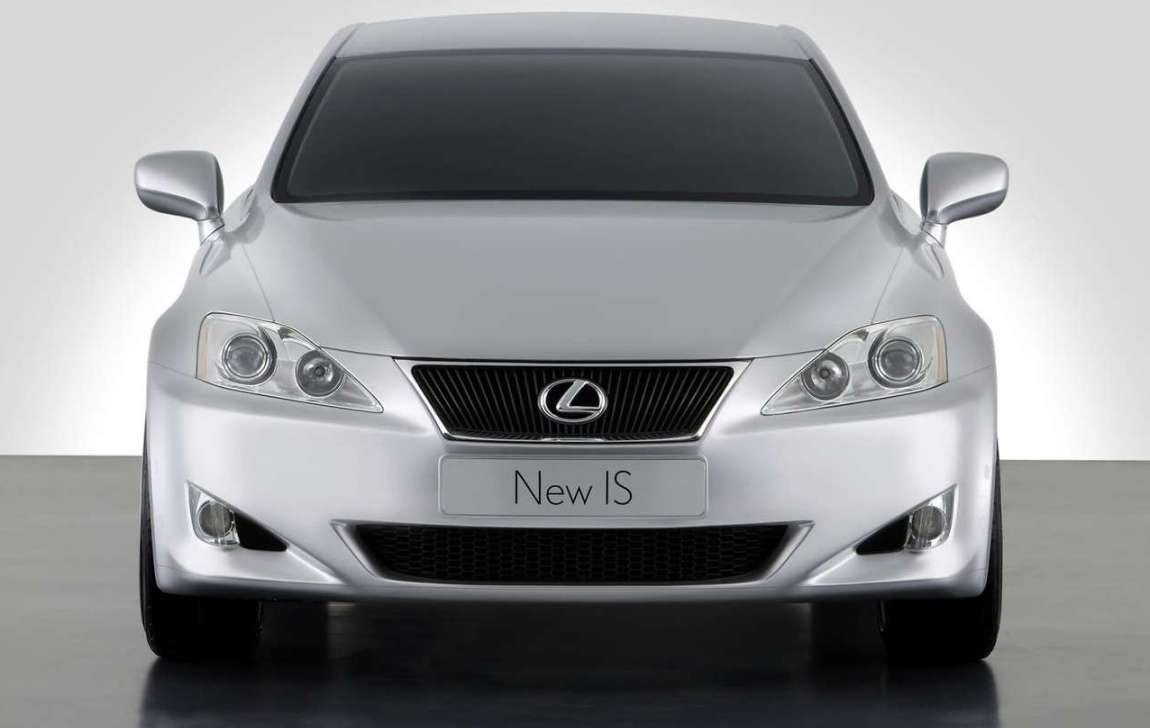
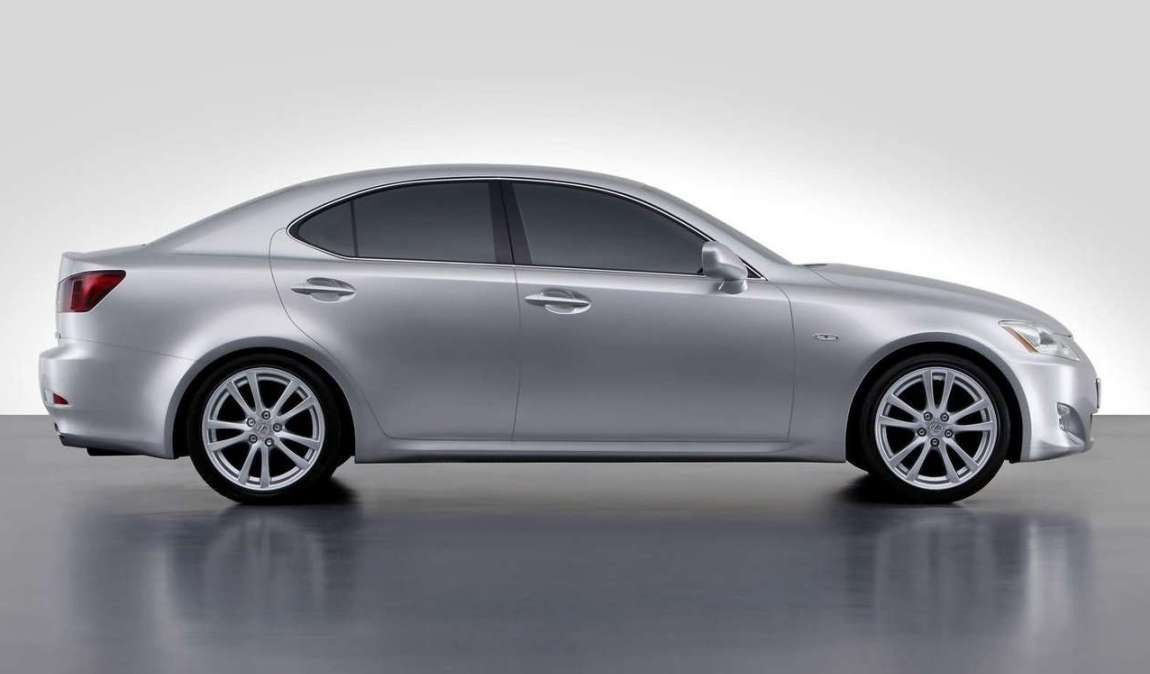
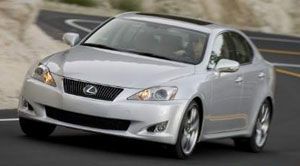
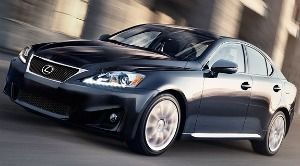
The new IS is the second Lexus model (after the GS) to incorporate the new Lexus design "language" that was first introduced to the public in the LF Series of concept cars. The goal is to combine sporty and luxurious elements, but the net result is not nearly as distinctive as the BMW 3 Series or the Audi A4, for example. Still, the IS represents a significant styling improvement over the original model. The wide stance and long wheelbase, coupled with tightly-drawn bodywork, give the car a presence and sophistication the previous one lacked. Interior space benefits from increases in overall length (3.5 inches), width (3.0 inches), wheelbase (2.4 inches) and rear tread (1.9 inches.)
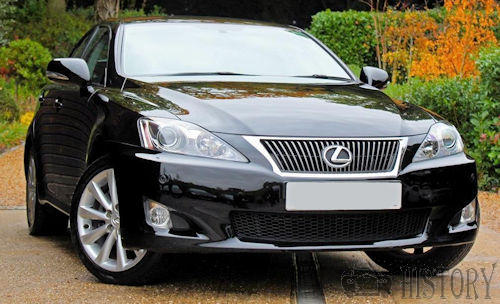
Standard features on the IS 250 include Vehicle Stability Control (VSC), six-speed manual transmission, front side-impact airbags, front and rear side-curtain airbags, 10-way power adjustable front seats, power folding side mirrors, dual-zone automatic climate control, one-touch open/close power moonroof, tilt-telescopic steering wheel, SmartAccess keyless entry and start, Homelink, 194-watt 13-speaker sound system with in-dash six-disc CD changer and auxiliary input and a multi-information trip computer. The IS 350 adds a 306-horsepower 3.5-liter V6, six-speed automatic transmission with steering-wheel mounted shift paddles, Vehicle Dynamic Integrated Management (VDIM) and 10-spoke alloy wheels.
Notable options for the IS include an Adaptive Front Lighting System (AFS) that enables front headlamps to turn with the wheels to help see into corners, heated and ventilated front seats, Pre-Collision System (PCS) that senses an impending crash and prepares safety systems, a power tilt-telescope steering wheel and a new 14-speaker Mark Levinson audio system. The system offers 300-watts of power, 14 speakers (including a center speaker and sub woofer) and 7.1-channel speaker architecture.
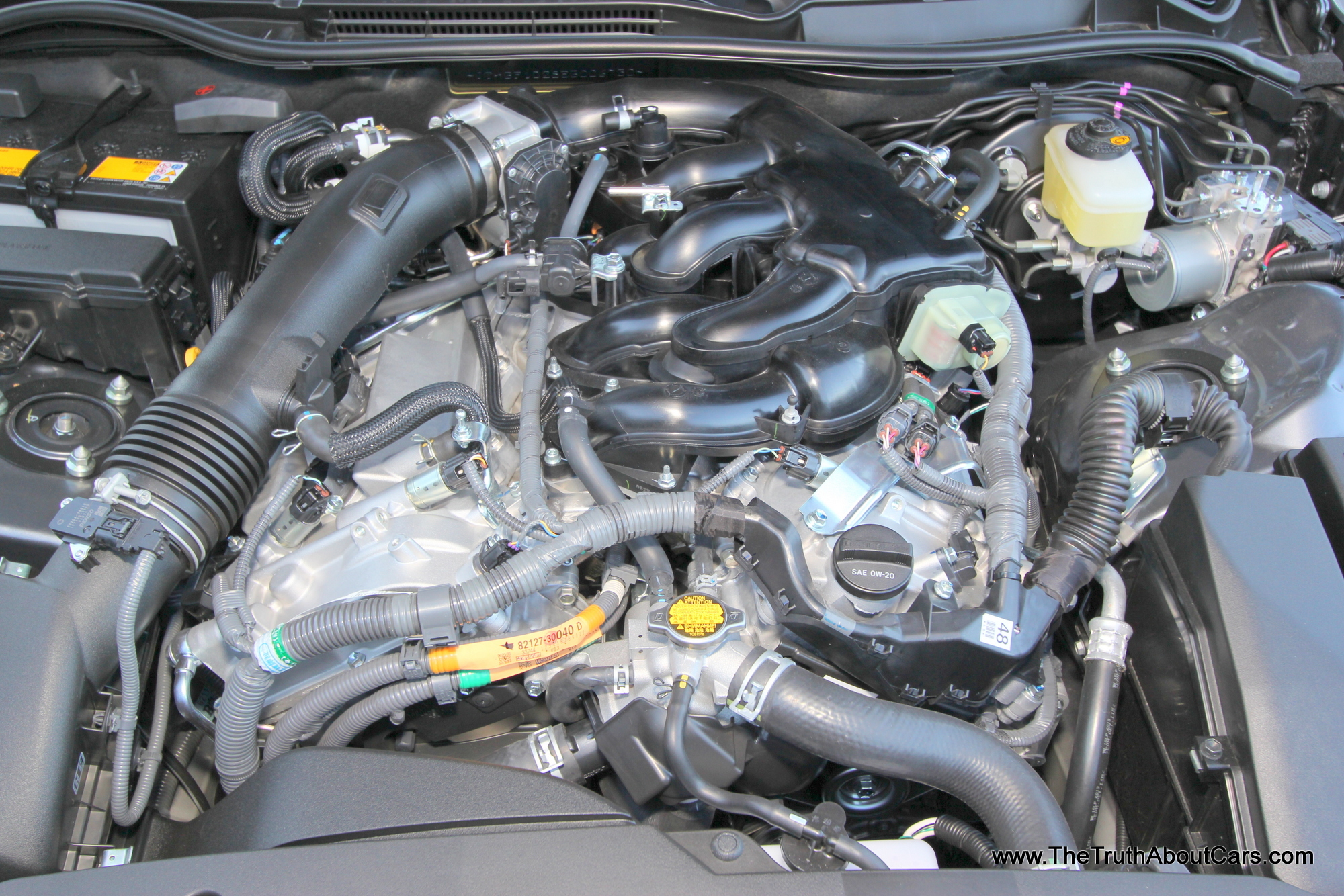
Two new engines are on tap for the IS. The 2.5-liter version found in the IS 250 uses dual variable valve timing with intelligence (VVT-i) and a new direct-to-cylinder fuel injection system to create 204 peak horsepower and 185 pound-feet of torque, which for most people, most of the time, is more than enough. A conventional six-speed manual or a sequential-shift six-speed transmission are available and, unless you really like to row gears, the automatic is the recommendation. While the 2.5-liter V6 is a good choice, those of us with heavy right feet prefer the new 3.5-liter engine, which uses an intriguing mix of port- and direct-fuel injection to develop 306 horsepower and 277 pound-feet of torque. With this engine the six-speed sequential-shift automatic is the only transmission choice, and performance drivers won't be disappointed.2.5-liter V6204 horsepower @ 6400 rpm185 lb.-ft. of torque @ 4800 rpmEPA city/highway fuel economy: 20/28 (manual), 24/32 (automatic), 22/28 (AWD automatic)3.5-liter V6306 horsepower @ 6400 rpm277 lb.-ft. of torque @ 4800 rpmEPA city/highway fuel economy: 21/28 (automatic)

The Lexus IS 250 equipped with a manual transmission has a Manufacturer's Suggested Retail Price (MSRP) of $ 30,970, while the version equipped with the sequential-shift automatic transmission starts at $ 32,140. The all-wheel-drive IS 250 stickers for $ 35,000 and the rear-wheel-drive IS 350 has an MSRP starting at $ 36,420. To make your best deal, be sure to check the Fair Purchase Price which shows what consumers in your area are paying. In looking at prices buyers are paying, the IS 250 and IS 350 fall right in line with their competitors, including the BMW 3 Series, Audi A4 and Acura TL. In terms of resale value, the IS is projected to hold its value on par with most of the segment, but a few percentage points off the segment leaders.

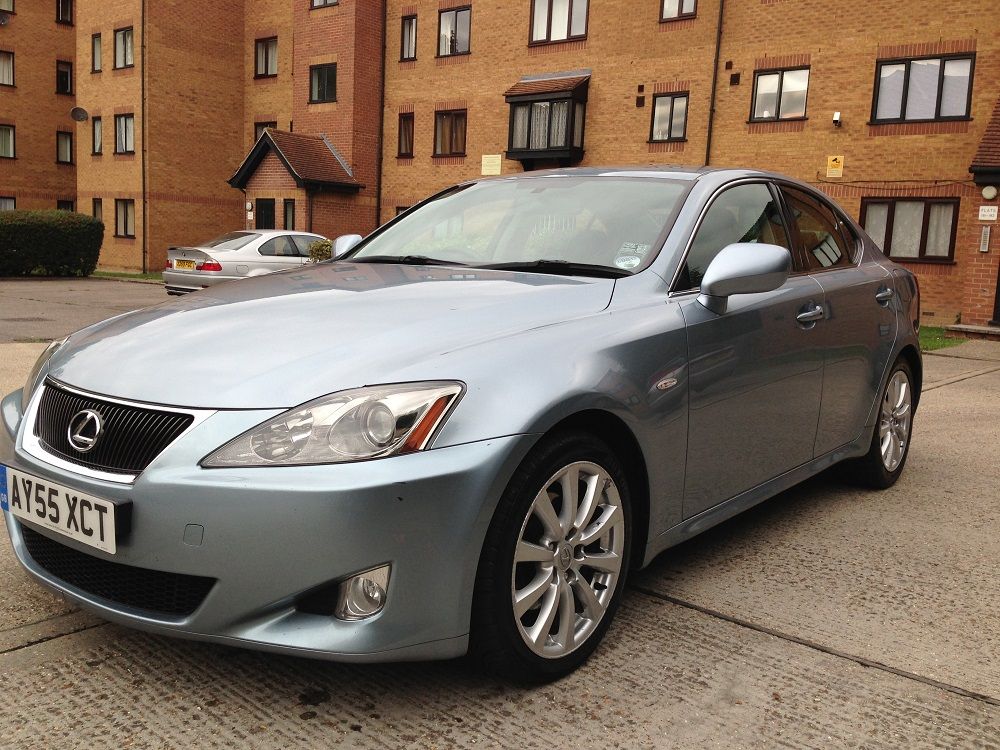
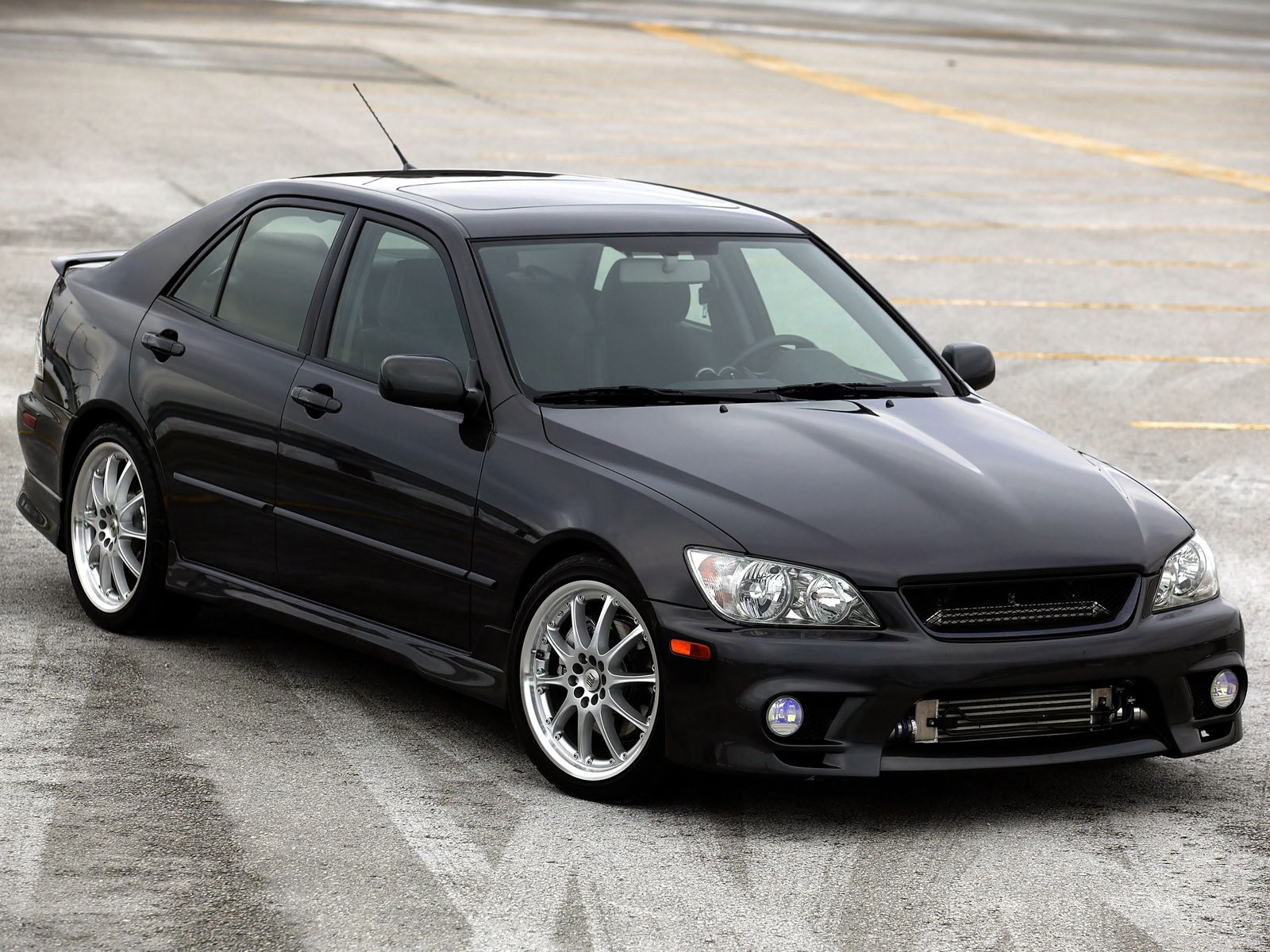
2007 Lexus IS 250 Exterior Colors
2007 Lexus IS 250 Interior Colors
2007 Lexus IS Engines
| Engine | Standard in Trim | Power | Torque | Fuel Consumption - City | Fuel Consumption - Highway | 0-100 km/h | Quarter Mile | Half Mile |
|---|---|---|---|---|---|---|---|---|
| 3.5L V6 DOHC 24-valve | 350 AWD | 306 hp @ 6400 rpm | 223 N.m | 10.9 L/100km | 7.7 L/100km | 6.0 s | 12.6 s | 23.5 s |
| 3.5L V6 DOHC 24-valve | 350 | 306 hp @ 6400 rpm | 223 N.m | 10.7 L/100km | 7.3 L/100km | 6.1 s | 14.2 s | 23.5 s |
| 3.5L V6 DOHC 24-valve | 350 AWD | 306 hp @ 6400 rpm | 223 N.m | 11.3 L/100km | 7.7 L/100km | 5.8 s | 12.4 s | 23.2 s |
| 3.5L V6 DOHC 24-valve | 350 | 306 hp @ 6400 rpm | 223 N.m | 10.7 L/100km | 7.3 L/100km | 6.0 s | 14.0 s | 23.2 s |
| 3.5L V6 DOHC 24-valve | 350 AWD | 303 hp @ 6400 rpm | 223 N.m | 11.4 L/100km | 7.8 L/100km | 5.8 s | 12.5 s | 23.3 s |
| 3.5L V6 DOHC 24-valve | 350 RWD | 303 hp @ 6400 rpm | 223 N.m | 10.5 L/100km | 7.3 L/100km | 6.0 s | 14.1 s | 23.3 s |
| 3.5L V6 DOHC 24-valve | 350 | 306 hp @ 6400 rpm | 223 N.m | 10.5 L/100km | 7.3 L/100km | 6.5 s | 14.5 s | 24.1 s |
| 3.5L V6 DOHC 24-valve | 350 | 306 hp @ 6400 rpm | 223 N.m | 11.5 L/100km | 7.9 L/100km | 6.0 s | 14.0 s | 23.2 s |
| 3.5L V6 DOHC 24-valve | 350 | 306 hp @ 6400 rpm | 223 N.m | 11.5 L/100km | 7.9 L/100km | 6.4 s | 14.5 s | 24.0 s |
| 3.5L V6 DOHC 24-valve | 350 | 306 hp @ 6400 rpm | 223 N.m | 10.9 L/100km | 7.8 L/100km | 6.0 s | 14.0 s | 23.2 s |
2007 Lexus IS Trims
2007 Lexus IS Previous Generations
2007 Lexus IS Future Generations
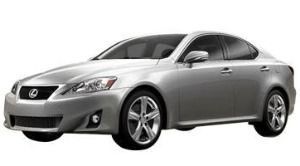
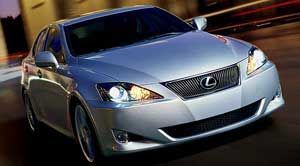

Lexus IS Overview and History
Such a meeting was held in 1983 between Toyota chairman Eiji Toyoda and his company executives. Toyoda had not invited his enforcers over for cookies and tea but to question them about the possibility of developing a luxury-car line that could successfully compete with American brands. The project was labeled as F1 -Flahship 1- and proved to be a most lucrative endeavor. The result was a vehicle that later became known as the Lexus LS 400 prior to its US premier.
The LS 400 was not just a car that took time and resources to built. In researching American luxury-product consumer habits and lifestyles, the Japanese went as far as renting a house in Laguna beach in order to observe their “subjects” closely. Offspring of long-gestating consumer research and cutting-edge engineering, the LX 400 was a hit.
Endorsed by insightful advertising, the LS 400 made its entrance at the North American Auto Show in Detroit, 1989 where it was one of the main attractions. And how could it not have been after 24 engineering teams and a few thousands employees worked on 450 prototypes at the cost of a paltry $ 1 billion investment?
The main advantage Lexus had over Acura, that had reached US markets 3 years before, was its uniqueness. Unlike the first Acura models which were sold as rebadged Hondas, the Lexus held little connections to Toyota design patterns.
Silent, ergonomic, powerful and reliable, the LS became a fierce competitor for European imports such as Mercedes Benz and BMW, whose sales drastically dropped following Lexus' trumpeting market entrance.
Models like the ES 250 followed which along the LS registered enough sales to allow the brand expanding through an 81-dealership network. During those first years of sales, Lexus became the top-selling luxury car in the U.S. Things were going smoothly for the Japanese manufacturer, just like its cars, and in 1991, two new models were released: the SC400 coupe and the ES 300 sedan. The latter was marketed as a replacement for the ES 250 and quickly became the company's best selling sedan.
Following the release of a heir to the LS 400 and the Toyota Aristo-based series of the GS, Lexus entered the sport utility vehicle segment in 1996 with the launch of the LX 450, a large car based on the Toyota Land Cruiser 100. By 1998, Lexus would release the RX, a top-selling crossover based on Toyota's Camry model as well as a new series of the GS. During the following years, further technological improvements such as the introduction of the Lexus Hybrid Drive system on the 2005 RX 400h, resulted in an even greater sales increase.
Things were so good for Lexus that it has constantly grown since its inception. The brand has been introduced to the Japanese home-market in 2005 as well as it has in other regions of Asia and South America as well as Australia and Europe. By 2007, Lexus had spread in over 50 countries and it continues to grow. The company's “pursuit of perfection” is fronted by its current line-up, comprised of the IS, LS and RX series among others as well as the avant-garde LF-A concepts.
2007 Lexus IS Consumer Reviews
Compare Against Competitors

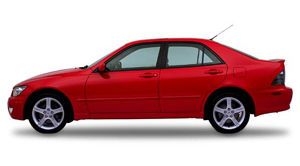
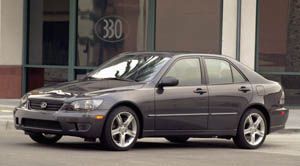
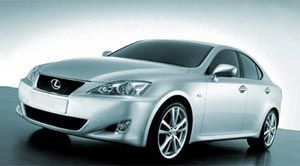
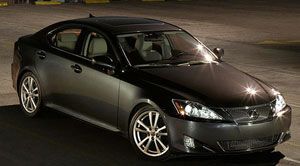
2007 Lexus IS 250 Specifications
250 Comfort and Convenience
| AM/FM stereo radio | Yes |
|---|---|
| Air Conditionning | Dual-zone auto climate control |
| Antenna | Glass-printed antenna |
| Courtesy Dome Light | Front and rear courtesy lights |
| Cruise Control | Yes |
| Driver Vanity Mirror | Illuminated driver vanity mirror |
| Front Wipers | Variable intermittent wipers |
| Front Wipers (Option) | Rain sensing variable intermittent wipers |
| Fuel Door Operation | Remote fuel door release |
| Illuminated Entry | Illuminated entry with theatre dimming |
| Intelligent Key System | Yes |
| Interior Air Filter | Dust and pollen filter |
| Number of Speakers | 13 speakers |
| Passenger Vanity Mirror | Illuminated passenger vanity mirror |
| Power Door Locks | Yes |
| Power Windows | Yes |
| Reading Light | Front and rear reading lamps |
| Rear Heating | Rear heater ducts |
| Rear View Mirror | Auto dimming rear view mirror |
| Remote Audio Controls | Audio controls on steering wheel |
| Remote Keyless Entry | Yes |
| Single CD | In-dash 6 CD/MP3 changer |
| Smoking Convenience | Lighter and ashtray |
| Steering Wheel Adjustment | Tilt/telescopic steering wheel with memory |
| Steering Wheel Adjustment (Option) | Power tilt/telescopic steering wheel with memory |
| Trunk/Hatch Operation | Remote trunk release from inside and key module |
250 Dimensions
| Cargo Capacity | 378 L |
|---|---|
| Curb Weight | 1562 kg |
| Front Headroom | 990 mm |
| Front Legroom | 1115 mm |
| Fuel Tank Capacity | 65 L |
| Gross Vehicle Weight | 2005 kg |
| Height | 1425 mm |
| Length | 4575 mm |
| Rear Headroom | 937 mm |
| Rear Legroom | 777 mm |
| Wheelbase | 2730 mm |
| Width | 1800 mm |
250 Exterior Details
| Bumper Colour | Body-color bumpers |
|---|---|
| Door Handles | Body-color door handles |
| Exterior Folding Mirrors | Folding exterior mirrors |
| Exterior Mirror Colour | Body-color exterior mirrors |
| Exterior Mirrors Auto Dimming (Option) | Auto dimming exterior mirrors |
| Front Fog Lights | Yes |
| Grille | Black grille with chrome trim |
| Headlight Type | Halogen headlamps |
| Headlight Type (Option) | High intensity discharge headlamps |
| Headlights Adaptive Headlights (Option) | Adaptive headlights |
| Headlights Auto Off | Auto-off headlamps |
| Heated Exterior Mirrors | Yes |
| Power Exterior Mirrors | Yes |
| Sunroof (Option) | Power glass sunroof |
| Tinted Glass | Yes |
250 Interior Details
| Clock | Digital clock |
|---|---|
| Door Trim | Cloth door trim |
| Door Trim (Option) | Leather door trim |
| Driver Info Center | Multi Information Driver Display |
| Floor Console | Yes |
| Floor Covering | Carpet floor covering |
| Floor Mats | Front and rear floor mats |
| Front Center Armrest | Front armrest with storage |
| Front Seats Driver Lombar | Power driver lumbar support |
| Front Seats Driver Power Seats | 6 way power driver seat |
| Front Seats Driver Power Seats (Option) | 10 way power driver seat |
| Front Seats Driver Seat Memory (Option) | Driver position memory for seat, mirrors and steering column |
| Front Seats Front Seat Back Storage | Front seat back map pockets |
| Front Seats Front Seat Type | Front sport bucket seats |
| Front Seats Heated (Option) | Heated and vetillated front seats |
| Front Seats Passenger Power Seats (Option) | 10 way power driver seat |
| Front Seats Passenger Seat Memory (Option) | Passenger seat position memory |
| Instrumentation Type | Analog instrumentation |
| Luxury Dashboard Trim | Metallic interior trim |
| Luxury Dashboard Trim (Option) | Woodgrain interior trim |
| Number of Cup Holders | Front and rear cup holders |
| Outside Temperature Gauge | Outside température display |
| Rear Center Armrest | Rear folding armrest |
| Rear Seat Pass-Through | Yes |
| Rear Seat Type | Rear fixed bench |
| Seat Trim | Cloth seats |
| Seat Trim (Option) | Premium leather seats |
| Shifter Knob Trim | Metallic shift knob |
| Special Feature (Option) | Aluminium Sport Pedals |
| Steering Wheel Trim | Leather-wrapped steering wheel |
| Tachometer | Yes |
| Trip Computer | Yes |
| Water Temperature Gauge | Engine temperature gauge |
250 Mechanical
| Drive Train | Rear-wheel drive |
|---|---|
| Engine Name | 2.5L V6 DOHC 24-valve |
| Stability Control | Yes |
| Start button | Yes |
| Traction Control | Yes |
| Transmission | 6 speed manual transmission |
| Transmission (Option) | 6 speed automatic transmission with manual mode |
250 Overview
| Body | Sedan |
|---|---|
| Doors | 4 |
| Engine | 2.5L V6 DOHC 24-valve |
| Fuel Consumption | 9.8 (Automatic City)6.7 (Automatic Highway) |
| Power | 204 hp @ 6400 rpm |
| Seats | 5 |
| Transmission | 6 speed manual transmission |
| Warranties | Bumper-to-Bumper80000/km, 48/Months Powertrain110000/km, 72/Months Roadside AssistanceUnlimited/km, 48/Months Rust-throughUnlimited/km, 72/Months |
250 Safety
| Anti-Lock Brakes | Std |
|---|---|
| Anti-Theft Alarm | None |
| Brake Assist | Brake assist |
| Brake Type | 4 wheel disc |
| Child Seat Anchor | None |
| Child-proof Locks | None |
| Driver Airbag | Passenger side front airbag |
| Electronic brake force distribution | Electronic brake force distribution |
| First Aid Kit | None |
| Front Seat Belts | Height adjustable, pre-tensioner |
| Knee Airbags | Knee bolster |
| Passenger Airbag | Driver side front airbag |
| Rear Seat Belts | Center 3-point |
| Roof Side Curtain | Front and rear side head curtain airbags |
| Side Airbag | Seat mounted side airbags |
250 Suspension and Steering
| Front Anti-Roll Bar | Front stabilizer bar |
|---|---|
| Front Suspension | Front independent suspension |
| Front Tires | P205/55R16 |
| Front Tires (Option) | P225/40R18 |
| Power Steering | Electric variable assist rack and pinion steering |
| Rear Anti-Roll Bar | Rear stabilizer bar |
| Rear Suspension | Rear independent suspension |
| Rear Tires (Option) | P245/45R17 rear tires |
| Spare Tire | Compact spare tire |
| Suspension Category (Option) | Sport suspension |
| Tire Pressure Monitoring System | Yes |
| Wheel Type | 16'' alloy wheels |
| Wheel Type (Option) | 17'' alloy wheels |
Critics Reviews
Learn more about the 2005 Lexus IS with The Car Connection review. Find prices, release date, pictures, expert ratings, safety features, specs and price quotes.
Motor Trend reviews the 2005 Lexus IS300 where consumers can find detailed information on specs, fuel economy, transmission and safety. Find local 2005 Lexus IS300 prices online.
Discussion and Comments
Share Your Comments