2020 Ford Explorer ST 0-60 Times, Top Speed, Specs, Quarter Mile, and Wallpapers
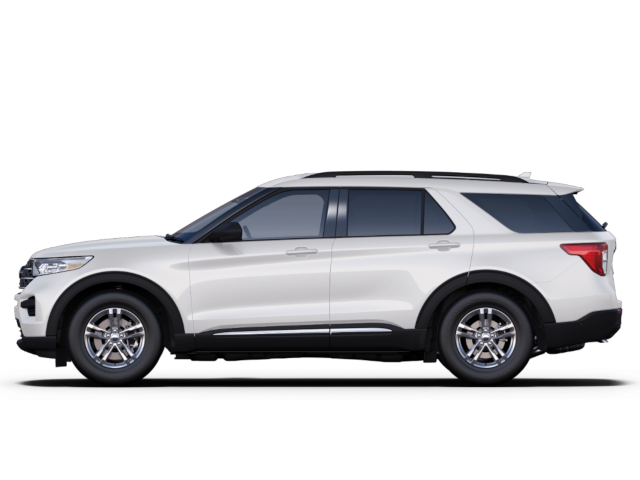
The 2020 Ford Explorer ST is a 4-wheel drive Sport Utility. It has 5 Doors and is powered by a 3.0L twin-turbocharged EcoBoost V6 engine which outputs 280 hp @ 2500 rpm and is paired with 10-Speed Automatic Transmission with SelectShiftR capability gearbox. The 2020 Ford Explorer ST has cargo capacity of Liters and the vehicle weighs 2022 kg. In terms of ride assists, the 2020 Ford Explorer ST has stability control and traction control in addition to anti-lock brake system (ABS). The vehicle has an optional engine as well It offers and Rear view camera with washer. Safety features also include and. The front suspension is Unique sport, front tuned suspensionindependent while the rear suspension is Unique sport rear tuned independent suspension. The car also features a Individual tire pressure monitoring system (ITPMS) It has 20-inch machined Aluminum as standard. Electronic features include Cruise Control. For convenience, the car has Power windows and Power door locks. There is also a remote keyless entry feature. Moreover, the car has Integrated key fob. The steering wheel has audio control buttons. In terms of performance, the car has 306 N.m of torque and a top speed of 240 km/h. The 2020 Ford Explorer ST accelerates from zero to 60 mph in 7.4 seconds and hits quarter mile at 13.9 seconds. Fuel consumption is 13.3 L/100km in the city and 9.8 L/100km in the highway. The car price starts at $ 59,099
| Name | ST | |
|---|---|---|
| Price | $ 59,099 | |
| Body | Sport Utility | |
| Doors | 5 Doors | |
| Engine | 3.0L twin-turbocharged EcoBoost V6 | |
| Power | 280 hp @ 2500 rpm | |
| Number of Seats | N/A Seats | |
| Transmission | 10-Speed Automatic Transmission with SelectShiftR capability | |
| Cargo Space | L | |
| Maximum Cargo Space | L | |
| Wheel Type | 20-inch machined Aluminum | |
| Series | ||
| Drivetrain | 4-wheel drive | |
| Horsepower | 280 HP | |
| Torque | 306 N.m | |
| Top Speed | 240 km/h | |
| Acceleration 0-100 km/h (0-60 mph) | 7.4 s | |
| Fuel Type | ||
| Fuel Consumption (City) | 13.3 L/100km | |
| Fuel Consumption (Highway) | 9.8 L/100km | |
| Gear Type | auto | |
| Weight | 2,022 KG | |
| Brand | Ford | |
| Model | Explorer | |
| 0-400m (Quarter Mile) | 13.9 s | |
| 0-400m (Quarter Mile) - Speed | 147.0 km/h | |
| 0-800m (Half Mile) | 26.0 s | |
| 0-800m (Half Mile) - Speed | 165.4 km/h | |
| Modifications (MODS) | ||
| Modifications Cost | $ 0 |
0-100 ACCELERATION of 2020 Ford Explorer PHEV (457 HP) on: Electric | Petrol | Both!
2020 Ford Explorer Platinum 3.0T 0-60, 0-110
0-100 ACCELERATION of 2020 Ford Explorer PHEV (457 HP) on: Electric | Petrol | Both!
2020 Ford Explorer ST Drag Race Specs -Stock
2020 Ford Explorer ST Goes 12.2@111 In the 1/4 Mile and 3.9 0-60 MPH!!!
2020 Ford Explorer Used Price Estimates
Estimates based on a driving average of 12,000 miles per year| Used Condition | Trade In Price | Private Party Price | Dealer Retail Price |
|---|---|---|---|
| Outstanding | N/A | N/A | N/A |
| Clean | N/A | N/A | N/A |
| Average | N/A | N/A | N/A |
| Rough | N/A | N/A | N/A |
Just how does the turbo 2.3-liter 4-cylinder engine feel in this new longitudinal rear-biased application? In a word: fine. The new Explorer XLT felt amply powered, able to merge onto freeways with ease and sustain highway speeds without breaking a sweat. All the while, the 10-speed automatic upshifted with a metronomic regularity. Gears 8, 9 and 10, incidentally, are all overdrive ratios, so they rarely came into play anywhere but on the highway.What’s more, the view out the new Explorer’s windshield was excellent, aided by what felt to us like a lower cowl, and the automatic start/stop system functioned so smoothly that I felt no need to shut it off (which I typically do in most other vehicles with this fuel-saving technology).On some twisty roads north of the Columbia Gorge, in Washington State, the new Explorer acquitted itself well. Yes, this Ford SUV weighs nearly 4,500 ponds, but it felt composed in the corners, where body roll (or lean) never got excessive. Although the all-wheel-drive (AWD) system of the new Explorer SLT disconnects the front axle on the highway for improved fuel economy (and can send as much as 50 percent of the power to the front wheels in slippery conditions), the new Explorer didn’t reveal its rear power bias when accelerating out of corners. All we felt was good acceleration and excellent overall composure.Driving the 2020 Ford Explorer HybridWe tested the new 2020 Ford Explorer Hybrid on a short off-road course and on public roads while towing a 4,500-pound boat on trailer. Our takeaway: The new Explorer Hybrid – our tester a luxurious leather-clad Limited model, employing a 3.3-liter V6 and an electric motor integrated into the front of the 10-speed gearbox – drives much like a standard Explorer.As with a regular Explorer, you just get in the new Explorer Hybrid and drive. Since a Hybrid was part of Ford’s original plans for this new 6th-generation Explorer, no space compromises needed to be made. For example, the liquid-cooled lithium-ion battery pack fits perfectly beneath the passenger side of the rear seat, so interior volume has not been negatively affected in any way.Note: The Explorer Hybrid is not a plug-in hybrid electric vehicle, so the battery is smaller than you’ll typically find in PHEVs. The one in the new Explorer Hybrid, made by Ford, is good for about two miles of pure electric driving at 30 mph. Ford, as stated, hasn’t released any fuel economy figure for the new Explorer Hybrid, but the company did say it will have an impressive range in excess of 500 miles.On the dirt, we climbed a steep grade with complete ease, then descended a different hill with our feet off the pedals using hill descent control to maintain control of the vehicle. All worked as advertised, and a bit father on, we negotiated a banked turn that put the Explorer Hybrid at a side lean angle of 25 degrees. While that may not sound like much, it was enough to make us nervous, although not as concerned as we were when crossing a 12-inch-deep pond in this first gas-electric Explorer.Similarly, towing a trailer in the Explorer Hybrid proved to be a cinch. The Hybrid is based on the Limited model, so it comes with a trailer hitch as standard equipment and has enough power (319 combined horsepower, 322 lb-ft of torque) to tow a 4,500 boat with ease. There was no problem getting the rig up to highway speed, and although I occasionally could feel the trailer rocking forward a bit during mild throttle adjustments on the highway, it was too subtle to be bothersome. Driving the 2020 Ford Explorer PlatinumWith its 365-horsepower twin-turbo 3.0-liter V6, the Platinum is a hot rod, an Explorer that blends thrilling power with sublime luxury. Real wood trim graces the Platinum’s dash, whose stitched leather cover complements the fine hides on the seats.The Explorer Platinum we drove had the optional Premium Technology Package, which includes massaging seats, a 980-watt Bang & Olufsen stereo and a 10.1-inch vertically-oriented touch screen on the top of its center stack. This touch screen looks like a permanently affixed iPad, replete with swipe and pinch-to-zoom capability.Turbo boost arrives quickly on the road in the powerful Platinum, which is also blessed with natural-effort steering, good brakes and a ride that’s comfortable without being wallowy. At a starting price of $ 58,250, the 2020 Ford Explorer Platinum is by no means inexpensive, but it’s well equipped with a twin-panel moonroof, LED headlights and seemingly acres of interior leather. It also has Reverse Brake Assist, which will automatically stop the Explorer if it senses you are backing up into something.
10.1-INCH VERTICALLY ORIENTED TOUCH SCREENThe 2020 Explorer’s optional touch screen is the largest the model has ever offered, and can display multiple functions at once, and includes Apple CarPlay and Android Auto capability.12.3-INCH DIGITAL INSTRUMENT CLUSTEROn Explorer ST and Platinum, the standard instrument cluster is replaced with a 12.3-inch digital display. The display can be customized, including with a minimalist Calm Screen that shows only essential info and is supposed to reduce driver distraction.400-HORSEPOWER ECOBOOST V6The new Explorer ST model’s twin-turbocharged 3.0-liter V6 produces 400 horsepower and 415 lb-ft of torque, figures that tower above most non-luxury competitors’. The ST can be further equipped with a Track Pack or a Street Pack, options that bring more robust brakes with red calipers and 21-inch wheels, the largest ever offered on an Explorer.
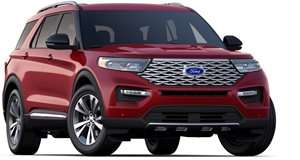
The 2020 Ford Explorer comes standard with a third row of seats that accommodates two passengers. The base Explorer’s second row is a 3-person bench, making for a total seating capacity of seven. Higher trim levels have a pair of captain’s chairs in the second row, meaning they seat a maximum of six. Ford claims the new Explorer has a bit more hiproom and headroom than before, and the 2nd-row seats now can slide fore and aft—a common feature that helps apportion space depending on requirements.Cargo volume shrinks slightly in the 2020 Explorer, although the load floor now measures 48.1 inches in width between the wheelwells—its narrowest point—meaning that 4’ x 8’ building materials can lay flat (albeit sticking out the back by about a foot). The cargo floor is reversible, with carpet on one side and vinyl on the other. On some trim levels, the power liftgate can be opened by kicking a foot under the rear bumper, and power-folding of the 3rd-row seats is available.The top-spec Platinum ups its game with leather not just on the seating surfaces but also on the dashboard and the door panels—luxury touches befitting its lofty price. Other niceties include heated front and rear seats and a heated steering wheel.
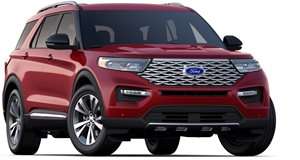
Although this new 2020 model still clearly looks like an Explorer, the rear-drive architecture has allowed Ford to keep the overall length about the same while extending the wheelbase by 6.3 inches. By moving the front wheels forward, Ford has reduced front overhang and improved upon every important interior dimension in all three rows of seats. The suspension features MacPherson struts in front along with a multilink independent rear. For the record, the base 2020 Ford Explorer is a 7-seater with a 2nd-row bench for three, while almost all the upmarket models are 6-seaters fitted with 2nd-row captain’s chairs.
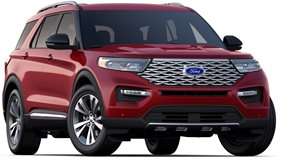
Even the entry-level Ford Explorer is well equipped. It has a power liftgate standard, along with satellite radio, dual-zone climate control, Sync connectivity, Apple CarPlay/Android Auto and Ford’s Co-Pilot 360 safety suite. The XLT ups the ante with a leather-covered steering wheel and available all-wheel drive, while the Limited and Hybrid add leather-trimmed seats, a 360-degree camera, a foot-operated hands-free power liftgate and power front seats.In addition to its 400-horsepower engine, paddle shifters, sport suspension and unique appearance, the Explorer ST has leather-covered sport bucket seats, a 12.3-inch digital instrument panel, Active Park Assist and a heated sport-style steering wheel. The Platinum model claims its spot at the top of the 2020 Ford Explorer lineup with Tri-Diamond leather seat trim, a twin-panel moonroof and wood interior trim.
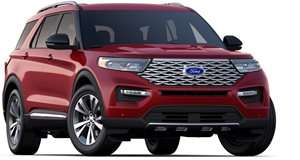
Depending on the model/trim level that you reach for in your new Explorer, you can find extras like leather, heated/ventilated front seats, a 10-way power passenger seat, Ford Co-Pilot360 Assist+, a Qi wireless-device charging pad and as many as four USB ports (including type-C) along with three 12-volt outlets and a 110-volt outlet. These are all found on the Limited models.At the top of the Explorer lineup -- beyond the performance mods of the Explorer ST and the luxury touches on Platinum models -- the bounty starts with a 12.3-inch digital instrument cluster in place of traditional gauges. Both models also come with Active Park Assist as well, which can, at the push of a button, park the Explorer into a parallel or perpendicular spot—operating the accelerator, brake, and steering wheel—and pull it out again. This represents an upgrade over the outgoing model’s Enhanced Active Park Assist, which handles the steering but requires the driver to work the pedals.The 2020 Ford Explorer offers a number of package enhancements as well:Class III Trailer Tow Package: This package includes a Class III chassis-mounted hitch, along with trailer connectors and an engine oil cooler. It also includes a cargo management system that provides extra pockets in the rear cargo area and sub-floor storage for smaller items. The Tow Package is a $ 710 option on the XLT and Limited, and it’s standard equipment on the ST and Platinum Explorers. Comfort Package: This $ 715 option, available only on the XLT, really should be called the Winter Package. It includes heated first and 2nd-row seats, plus a heated steering wheel and a windshield wiper de-icer. High-Performance Package: Available only on the Explorer ST, this $ 1,595 option includes 21-inch aluminum alloy wheels and larger front brakes with red-painted brake calipers. Premium Technology Package: Optional on the ST and Platinum, this technology package includes massaging multi-contour seats, a 10.1-inch vertically oriented touch screen (it looks like an iPad mounted atop the center stack) and a 980-watt Bang & Olufsen sound system. A bargain at only $ 995.
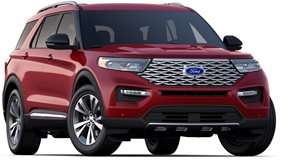
The previous 3.5-liter naturally aspirated V6 base engine is gone from the Explorer lineup, as the turbocharged 2.3-liter EcoBoost 4-cylinder, previously the step-up engine offering, takes over as the standard powerplant for 2020. At the same time, it adds 20 more ponies for a total of 300 horsepower along with 310 lb-ft of torque, which is more than most competitors’ V6s. A 3.0-liter EcoBoost V6 with 365 horsepower and 380 lb-ft of torque is exclusive to the Platinum. Powering the sporty new Explorer ST is a 400-hp version of the same engine, with 415 lb-ft of torque. Those numbers out-muscle everything in the 3-row midsize SUV segment save for the Dodge Durango SRT, with its 6.4-liter V8. Finally, an Explorer Hybrid joins the family for the first time, and pairs a 3.3-liter V6 with an electric motor. All engines use a 10-speed automatic transmission, up from the previous 6-speed.The base, XLT, Limited, and Hybrid models are available with rear-wheel drive or all-wheel drive. The Explorer ST and Platinum come standard with all-wheel drive. Ford’s Terrain Management System consists of a series of drive modes selectable via a knob on the center console, altering dynamics including accelerator sensitivity, transmission shifting, steering effort, suspension firmness, traction-control programming, and all-wheel-drive torque management. Available modes include:Normal, which seeks to balance comfortable motoring with some driving excitement, is intended for everyday driving. Sport, aptly named, sharpens the throttle response and steering while providing quicker shifts. The 10-speed automatic, also used in the Mustang and Ranger, holds gears longer for faster acceleration.Eco, via throttle and gearbox adjustments, maximizes the fuel range of the 2020 Ford Explorer. This does come with a small sacrifice in performance. Tow/Haul improves the action of the transmission while you’re towing with your Explorer. Upshifts occur at higher engine speeds to reduce the frequency of shifts, and more engine braking is allowed, making life easier for the Explorer’s brakes during descents. The amount of downshift braking is related directly to how much pressure the driver applies to the brakes. Slippery makes continual adjustments to the Explorer’s throttle response, transmission shifting schedule and traction control to help this Ford SUV keep moving on wet grass, slushy roads or any surface that might be covered in, say, a thin layer of sand or gravel. Deep Snow/Sand is what you’ll need if you’re trying to reach the office before the snowplows have cleared the roads. Via steady adjustments to the throttle, shift points and traction control, this mode keeps the 2020 Explorer going, even in deep sand. Trail is intended for use in muddy, rutted, soft or uneven terrain. As in the Deep Snow/Sand model, the Explorer’s forward mobility is significantly enhanced via a shift schedule and traction control tailored specifically the given condition. Note: Rear-wheel-drive (RWD) 2020 Ford Explorers also are equipped with the Terrain Management System, but it doesn’t include the Deep Snow/Sand mode. We hope a limited-slip rear differential, which would help make the RWD Explorer more capable in the dirt, becomes available. 2.3-liter turbocharged inline-4 (Base, XLT, Limited)300 horsepower310 lb-ft of torqueEPA city/highway fuel economy: 21/28 mpg (RWD), 20/27 mpg (AWD)3.0-liter twin-turbo V6 (Platinum)365 horsepower380 lb-ft of torqueEPA city/highway fuel economy: 18/24 mpg (AWD)3.0-liter twin-turbo V6 (ST)400 horsepower415 lb-ft of torqueEPA city/highway fuel economy: 18/24 mpg (AWD)3.3-liter V6/electric motor (Hybrid)318 horsepower322 lb-ft of torqueEPA city/highway fuel economy: 27/29 mpg (RWD), 23/26 mpg (AWD)Estimated range: 500 miles
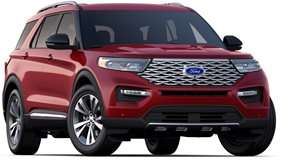
The base 2020 Ford Explorer, just called the Explorer, starts with a Manufacturer’s Suggested Retail Price (MSRP) of $ 32,765, plus a $ 1,095 destination fee. An XLT, better equipped and also fitted with the 2.3, starts at $ 36,675. The priciest 2.3-liter Explorer, the opulently equipped Limited model, starts at $ 48,130. It’s a big jump to the V6 Explorers. The sporty ST starts at $ 54,740, while the flagship Platinum model begins at $ 58,250. The new Explorer Hybrid, based on the Limited trim, begins at $ 53,375 and tops out at about $ 61,000 when fully optioned. A 2019 Toyota Highlander Hybrid, one of the Explorer Hybrid’s main competitors, starts at $ 37,320, a price that can climb to about $ 50,000 when you order a Highlander Hybrid Limited Platinum model. Interestingly, Toyota’s destination fee is also $ 1,095. The lower-end 2020 Explorers are priced in line with other 3-row midsize SUVs, but the Limited and V6 models are getting into luxury-brand territory. As always, check the Fair Purchase Price to see what others in your area are paying for their new 2020 Ford Explorer. As far as resale value goes, it's still early to calculate. Historically, however, while Ford Explorers can't hang with the resale-value leaders, they do hold a strong 2nd-tier status.
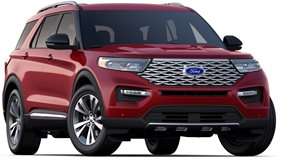
2020 Ford Explorer
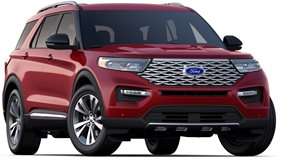
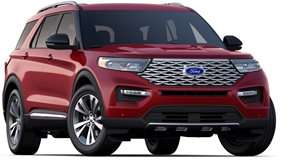
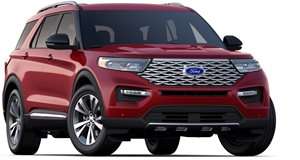
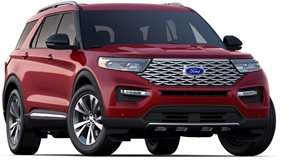
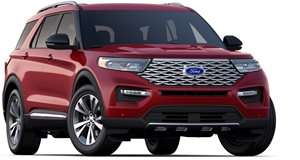

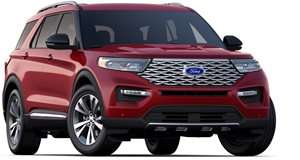
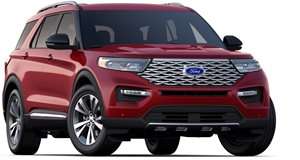
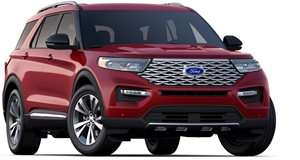
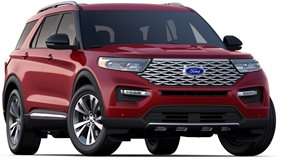
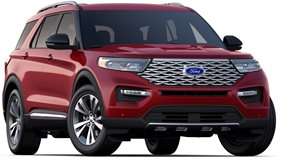
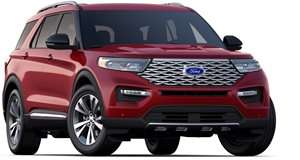
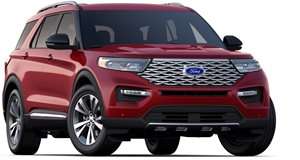
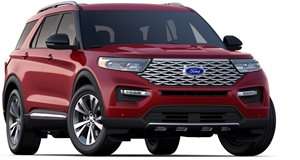
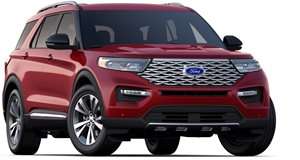

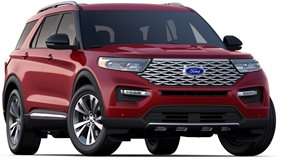
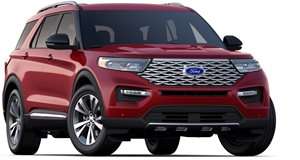
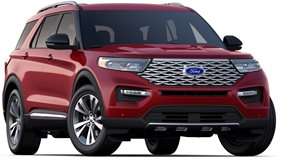



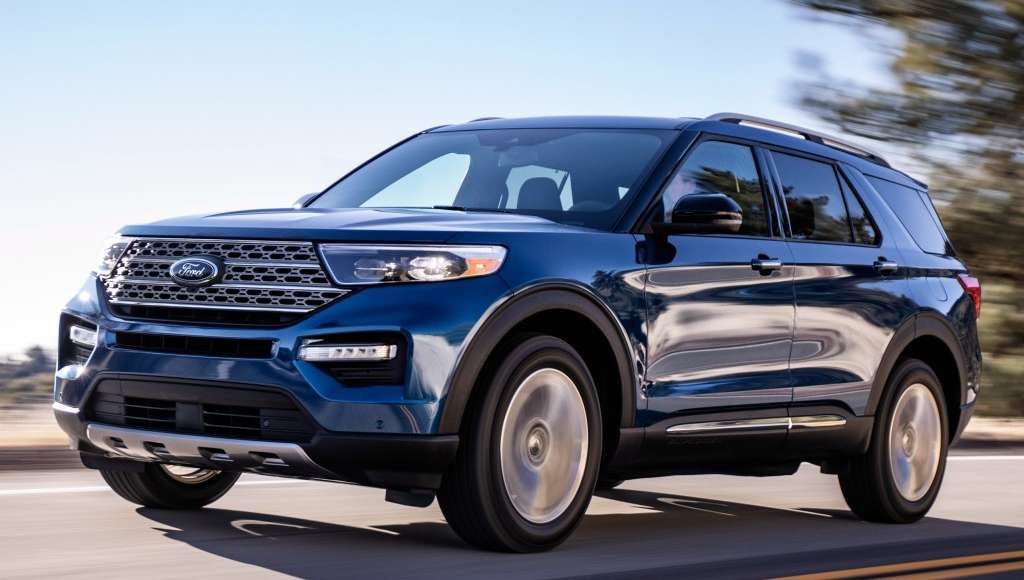
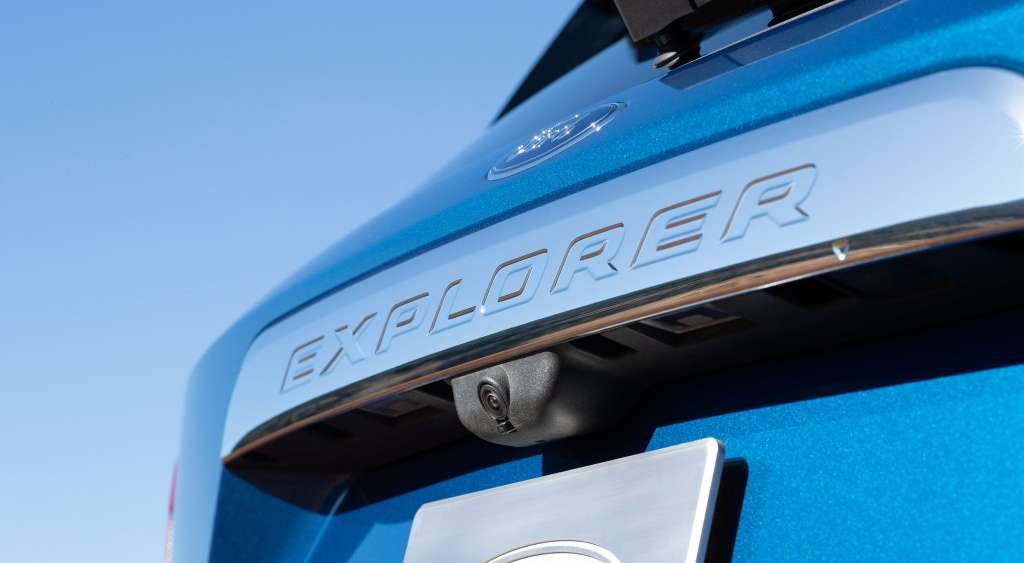
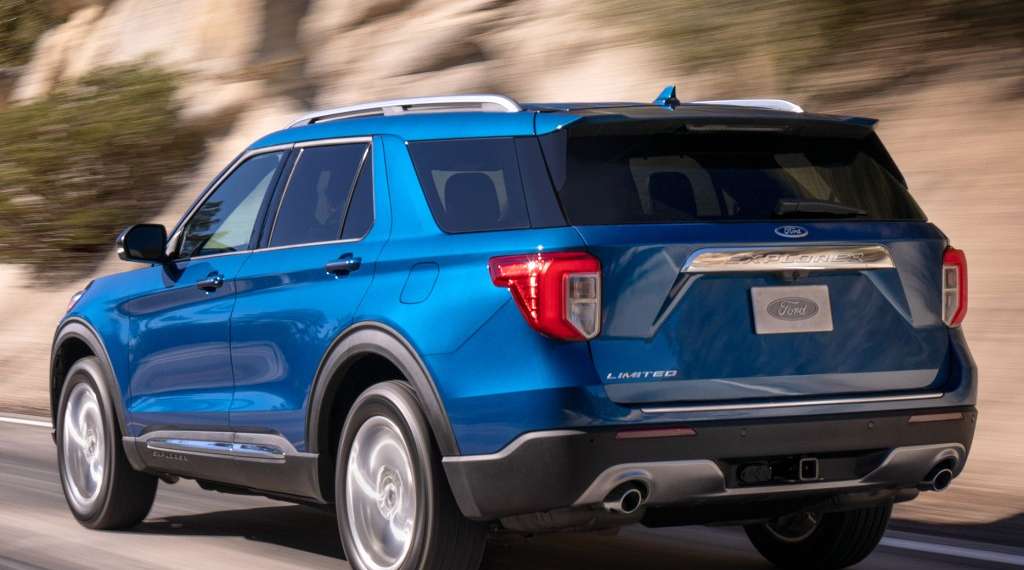
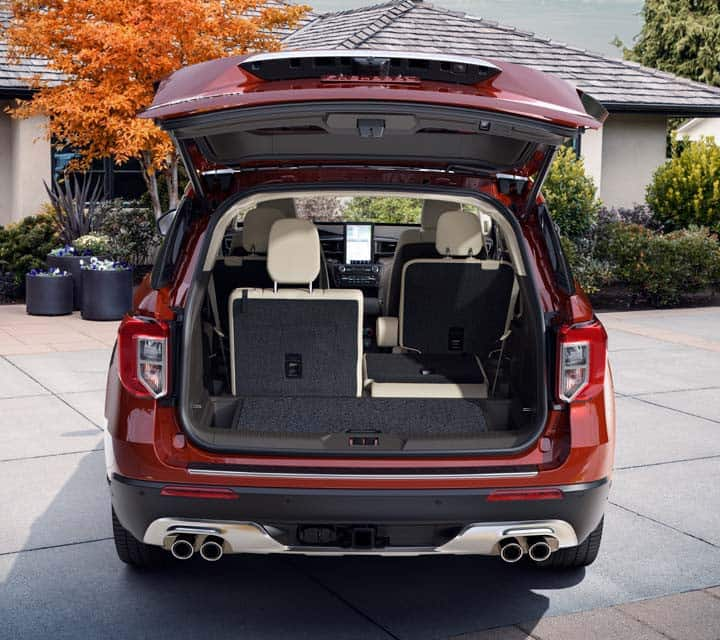
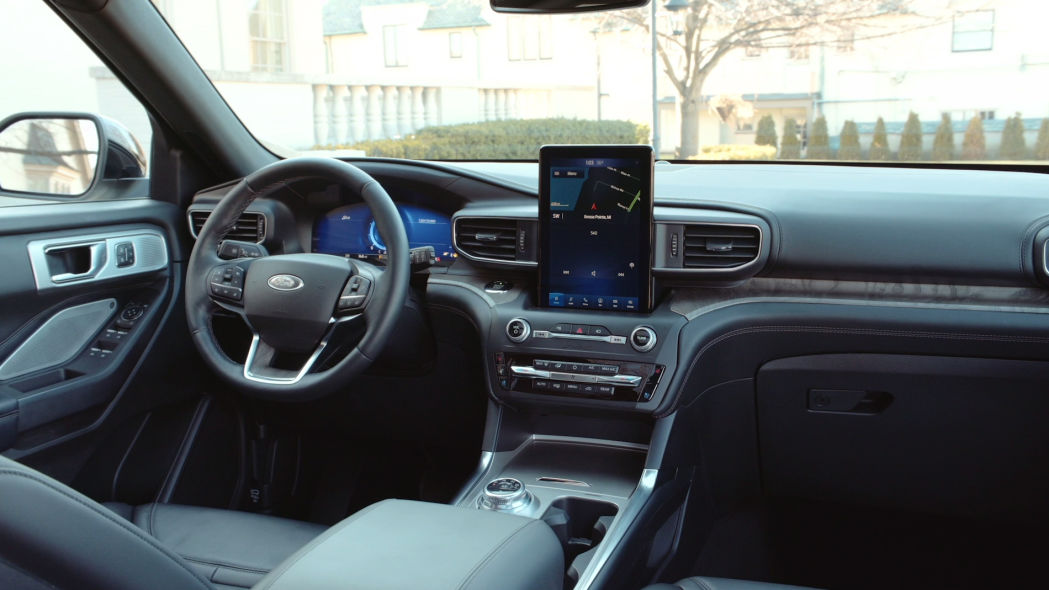
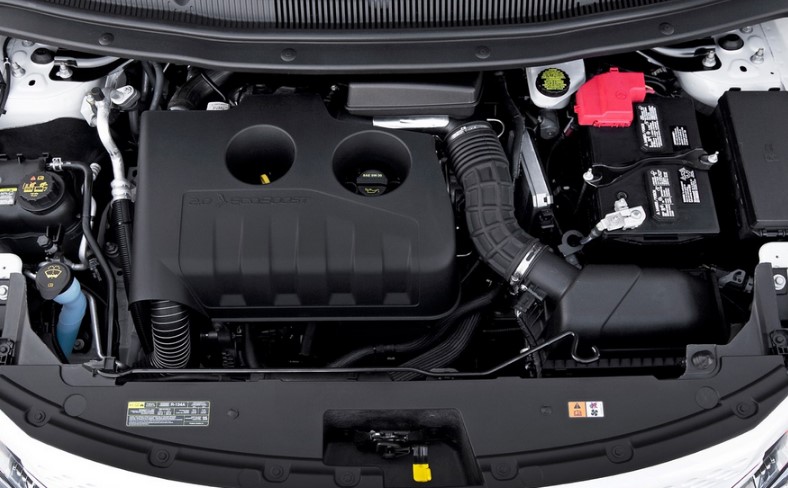
2020 Ford Explorer ST Exterior Colors
2020 Ford Explorer ST Interior Colors
2020 Ford Explorer Engines
| Engine | Standard in Trim | Power | Torque | Fuel Consumption - City | Fuel Consumption - Highway | 0-100 km/h | Quarter Mile | Half Mile |
|---|---|---|---|---|---|---|---|---|
| V6, EcoBoost, Twin Turbo, 3.0 Liter | Ford Explorer ST | 400 @ 5500 RPM | 306 N.m | 18.0 L/100km | 25.0 L/100km | 5.9 s | 13.7 s | 22.8 s |
| 4-Cyl, EcoBoost, Turbo, 2.3 Liter | Ford Explorer ST-Line | 300 @ 5500 RPM | 306 N.m | 0.0 L/100km | 0.0 L/100km | 7.4 s | 15.1 s | 25.1 s |
| 4-Cyl, EcoBoost, Turbo, 2.3 Liter | Ford Explorer Platinum | 300 @ 5500 RPM | 306 N.m | 20.0 L/100km | 29.0 L/100km | 7.4 s | 15.1 s | 25.1 s |
2020 Ford Explorer Trims
2020 Ford Explorer Previous Generations
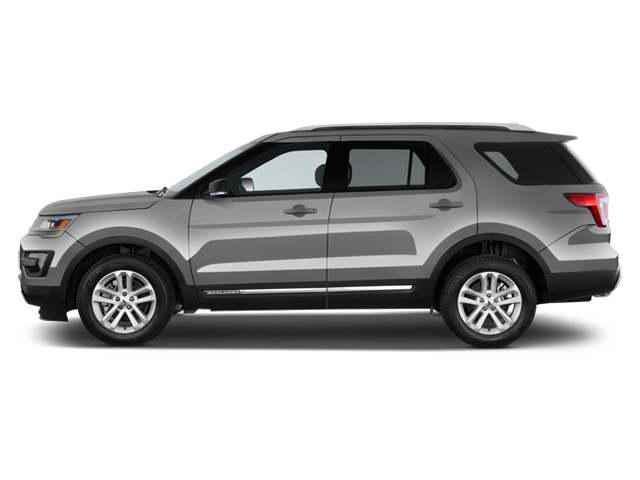
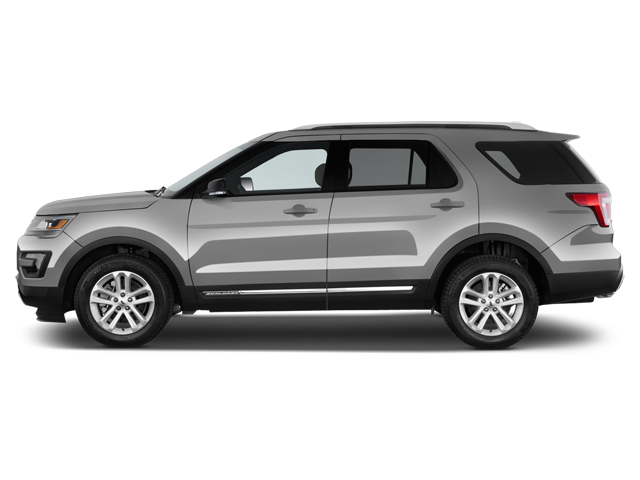


2020 Ford Explorer Future Generations
Ford Explorer Overview and History
He would later incorporate the firm on June 16, 1903. Ford Motor Company would go on and label their models chronologically in alfabetical order, starting with the Model A to the Model K and Model S, which was Ford's last right-hand steering vehicle. Then, in 1908 Ford introduced the Model T, which was designed by Childe Harold Wills and two Hungarian immigrants, Joseph A. Galamb and Eugene Farkas. This model proved to be of quintessential Ford vehicle, placing the company among the most influential automotive brands in history.
The Ford Model T was reliable, practical and affordable, which made it a big hit in the US, where it was advertised as the middle-class man's vehicle. The car's success compelled Ford to expand his business and layout the basics of mass production principles in 1913 with the introduction of the world's first vehicle assembly line. By 1912, production figures for the Model T alone reached nearly 200,000 units.
This organizational innovation brought in the vehicle construction field allowed Ford to reduce chassis assembly time by as much as 10 hours, dropping from 12 ½ h to 2h 40 min.
Besides ensuring the efficiency of the production process, Ford turned his company into an interactive entity by announcing a new profit-sharing policy. This would grant buyers a cut of profits if sales reached 300,000. As expected, sales effortlessly reached the 300k threshold and went even further to hit a record 501,000 in 1915.
As part of a new set of financial tactics, Ford provided working places for the disabled who otherwise had a hard time finding a job, reduced work shifts and doubled all employee's salaries. Changes like these sparked a tremendous sales increase while also setting the base of modern working conditions.
Still, the US and Canadian market would prove to be too small to fit Ford's plans. By the mid 20's, the Ford label had crossed the ocean and reached England, France, Germany, Denmark, Austria as well as distant Australia. The company's activity on European grounds further helped the brand's revenue growth.
War would not shake the Ford company as bad as other car makers. Post WWI improvements include the introduction of four-wheel brakes and a series of new vehicle releases to match new consumer demands. In 1922 Ford entered the luxury car segment with the acquisition of the Lincoln Motor Company, named after Abraham Lincoln whom Henry Ford admired.
Ford Motor Co. was one of the few big American corporations to survive the Great Depression, although the plummeting automotive sales led the company to scale down its operations and lay off many workers. In May 1929, Ford Motor Co. signed an agreement with the Soviet Union to provide technical assistance until 1938 to construct an integrated automobile-manufacturing plant at Nizhny Novgorod, in exchange for the Soviets purchasing $ 13 million worth of automobiles and parts. Under this agreement many American engineers and skilled auto workers went in 1932 to work on the Gorkovsky Avtomobilny Zavod (GAZ), or Gorki Automotive Plant. The few who remained in the Soviet Union after the completion of the plant fell victims to Stalin's Great Terror, ending either shot or exiled to Soviet gulags.
With the arrival of WWII Ford increased its influence on the global stage becoming an active player in the war effort, a thing underlined by US President Franklin Roosevelt referring to Detroit as the "Arsenal of Democracy." When the US War Department handed production of B-24 Liberator airplanes to Ford, the output rose to 20 airplanes per day instead of only one per day managed by the Consolidated Aircraft Corporation.
After WWII Ford continued its passenger vehicle operations and in 1955 introduced the iconic Thunderbird model. Then it introduced the Edsel brand in 1958, which proved to be a failure and was dissolved in 1960. Part Edsel's failure as an automotive brand resided in the onset of the 1957 recession in the States and the vehicle's high price tag.
Ford Motor Co. managed to get back up from its Edsel failure with the introduction of the Falcon model in 1960 and the Mustang in 1964. The company's next major step was represented by the formation of Ford Europe division in 1967.
Ford plunged into a state of brand-fatigue that would bring the company to the point of near bankruptcy. Following major sales losses in the 2000's, Ford was pinned against the wall by debts and the imminence of closing down.
Preferring to make it back on its own, Ford mortgaged all of its assets in 2006. As of then, the company has releases a variety of new models both under the Ford brand name and the rest of the sub-brands it owns such as fresher and edgier Mercuries and flashier Lincolns, Ford's luxury division. Business in Europe has also been good for Ford, especially after the introduction of the Focus model in 1997 and although it hasn't fully recovered, it's definitely on the way to regaining popularity.
2020 Ford Explorer Consumer Reviews
Compare Against Competitors

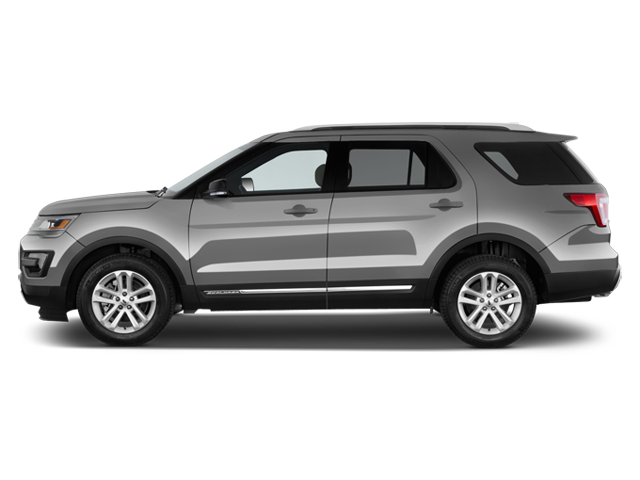

2020 Ford Explorer ST Specifications
ST Comfort and Convenience
| Air Conditionning | Tri-zone electronic temperature control |
|---|---|
| Ambient Lighting | Yes |
| Audio Monitor | 12.3-inch digital productivity screen |
| Audio Monitor (Option) | 10.1-inch LCD capacitive portrait touchscreen in centre stack with swipe and pinch-to-zoom capability |
| Capless Fuelfiller | Easy FuelR capless fuel filler |
| Garage Door Opener | Universal garage door opener |
| Heated Steering Wheel | Heated steering wheel |
| Illuminated Entry | Yes |
| Intelligent Key System | Intelligent Access |
| Interior Air Filter | Air filtration system |
| Internet | FordPass ConnectTM 4G LTE Wi-Fi hotspot |
| MP3 Capability | Yes |
| Number of Speakers | 12 speakers |
| Power Door Locks | Yes |
| Power Outlet | 12V Powerpoints, 3 total (1 first row, 1 second-row and 1 cargo area) |
| Power Windows | Power windows, with 1-touch-up-and-down driver/passenger window |
| Premium Sound System | B and O sound system by Bang and Olufsen |
| Reading Light | Dome/map lights in all three rows |
| Rear Air Conditionning | Rear auxiliary climate control |
| Rear Sunscreen | Second-row sunblinds |
| Rear View Mirror | Auto-dimming rear view mirror |
| Remote Keyless Entry | Remote keyless |
| Remote Starter | Integrated key fob |
| Sirius XM satellite radio | Yes |
| Steering Wheel Adjustment | Power tilt and telescopic steering wheel |
| Trunk/Hatch Operation | Hands-free, foot-activated liftgate |
| Trunk Cargo Cargo Area Tie Down Hooks | Cargo hooks |
| USB Connector | Dual second-row smart charging USB ports |
| Wiper Defroster | Windshield wiper de-icer |
| Wireless Charging | Wireless charging pad |
ST Dimensions
| 3rd Row Headroom | 988 mm |
|---|---|
| 3rd Row Legroom | 817 mm |
| Curb Weight | 2022 kg |
| Front Headroom | 1035 mm |
| Front Legroom | 1093 mm |
| Fuel Tank Capacity | 67.7 L |
| Ground Clearance | 210 mm |
| Height | 1782 mm |
| Length | 5063 mm |
| Rear Headroom | 1028 mm |
| Rear Legroom | 991 mm |
| Wheelbase | 3025 mm |
| Width | 2268 mm |
ST Exterior Details
| Acoustic Windshield | Acoustic-laminate windows glass front row side |
|---|---|
| Automatic Headlights | Automatic LED low-beam headlamps |
| Body Trim Badge | EXPLORER badge on hood |
| Door Handles | Body-colour door handles with insert |
| Driving Lights | Auto high-beams |
| Exhaust | Quad chrome exhaust tips |
| Exterior Folding Mirrors | Power folding with autofold |
| Exterior Mirror Colour | Gloss black caps |
| Exterior Mirrors Auto Dimming | Auto-dimming driver's side outside mirror |
| Exterior Mirrors Lamp | Security approach lamps |
| Exterior Mirrors Memory | Driver/passenger side memory |
| Exterior Mirrors Turn Signals | LED turn signal indicators |
| Front Fog Lights | LED fog lamps |
| Grille | Black mesh insert |
| Headlight Type | Halogen reflector high beams |
| Headlights Auto Off | Automatic on/off headlamps |
| Headlights Daytime Running Lights | Non-Configurable daytime running lights |
| Headlights Front Positioning Lights | LED signature lighting |
| Heated Exterior Mirrors | Heated mirrors |
| Lower Side-Body Extension | Lower body side cladding, black |
| Power Exterior Mirrors | Power mirrors |
| Privacy Glass | Privacy Glass, second and third rows |
| Rear Spoiler | Body-colour liftgate spoiler |
| Roof Rack | Roof rack side rails, black with black end caps |
| Running Boards | Rear bumper step pad |
| Side-Body Trim | Chrome bodyside cladding accent |
| Tailgate | Liftgate appliqué - black |
| Taillights | LED taillamps with unique blackout treatment on ST |
ST Interior Details
| 3rd Row Seat Type | Third-row 50/50 split-fold bench seat, manual |
|---|---|
| Console Rear | Second-row console |
| Floor Mats | First and second-row floor mats with unique badging |
| Folding 3rd Row Seats | 3rd row powerfold |
| Folding Rear Seats | Power-assist fold |
| Front Center Armrest | First-row center floor console with wrapped armrest and storage bin |
| Heated Rear Seats | Heated 2nd-row seats |
| Interior Trim Doorsills | Front and Rear scuff plates embossed with Ford Performance |
| Overhead Console | Overhead console with dome/map lights and sunglasses holder |
| Rear Center Armrest | Second-row armrest and dual cupholders |
| Rear Seat Type | Second-row captain's chairs with E-Z Entry |
| Seat Trim | Leather seating surfaces with micro perforation and city silver accent stitching and ST logo |
| Seat Trim (Option) | Multicontour seats with Active MotionR (front only) |
| Steering Wheel Trim | Sport style with ST logo |
ST Mechanical
| Drive Train | 4-wheel drive |
|---|---|
| Engine Name | 3.0L twin-turbocharged EcoBoost V6 |
| Start button | Yes |
| Transmission | 10-Speed Automatic Transmission with SelectShiftR capability |
| Transmission Paddle Shift | Yes |
ST Overview
| Body | Sport Utility |
|---|---|
| Doors | 5 |
| Engine | 3.0L twin-turbocharged EcoBoost V6 |
| Fuel Consumption | 13.3 (Automatic City)9.8 (Automatic Highway) |
| Seats | N/A |
| Transmission | 10-Speed Automatic Transmission with SelectShiftR capability |
ST Safety
| Anti-Theft Alarm | Perimeter alarm |
|---|---|
| Brakes Brake Caliper Finish | Painted |
| Camera | 360 degree camera with split-view and washer |
| Child Seat Anchor | LATCH (lower anchors and tether anchors for children) |
| Driver Assistance Hill Descent Control | Hill descent controlTM |
| Driver Assistance Lane Change Assist | Lane-keeping assist |
| Drowsiness Detection | Driver alert system |
| Ignition Disable | SecuriLock passive anti-theft system |
| Knee Airbags | Front driver/passenger knee airbag |
| Performance Brakes | Performance brakes |
| Rear View Camera | Rear view camera with washer |
ST Suspension and Steering
| Front Suspension | Unique sport, front tuned suspensionindependent |
|---|---|
| Front Tires | P255/55R20 all season BSW tires |
| Rear Suspension | Unique sport rear tuned independent suspension |
| Spare Tire | Mini-spare tire |
| Tire Pressure Monitoring System | Individual tire pressure monitoring system (ITPMS) |
| Wheel Type | 20-inch machined Aluminum |
| Wheel Type (Option) | 21-inch aluminum wheels |
Discussion and Comments
Share Your Comments