2011 Porsche Cayenne S 0-60 Times, Top Speed, Specs, Quarter Mile, and Wallpapers
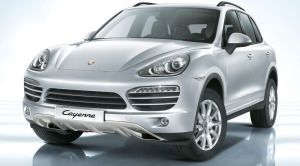
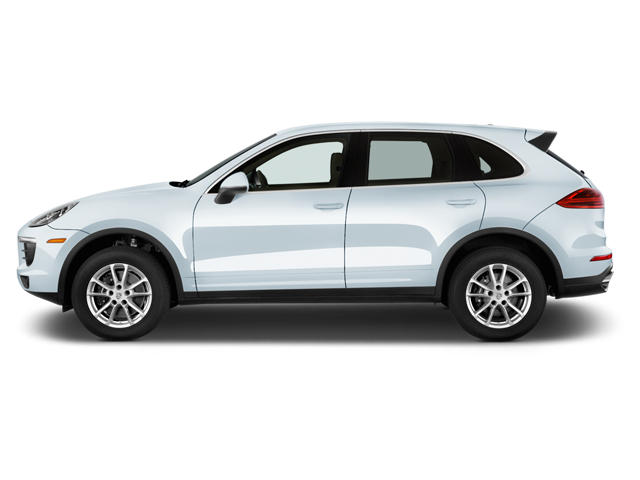
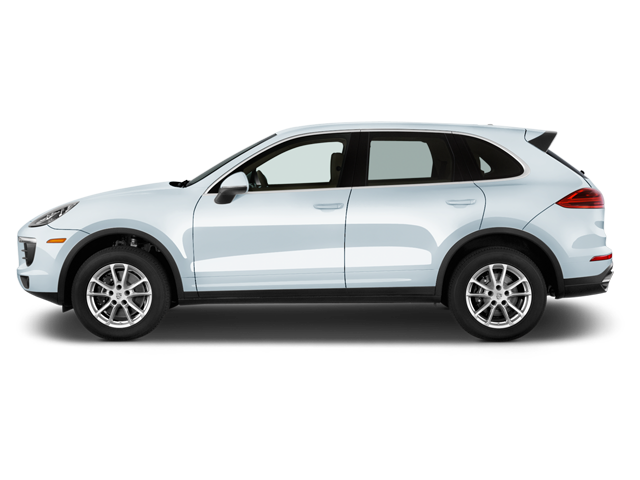
The 2011 Porsche Cayenne S is a All-wheel drive Sport Utility. It can accommodate up to 5 passengers. It has 5 Doors and is powered by a 4.8L V8 DOHC 32-valve engine which outputs 400 hp @ 6500 rpm and is paired with 8-speed automatic transmission with manual mode gearbox. The 2011 Porsche Cayenne S has cargo capacity of 670 Liters and the vehicle weighs 2065 kg. In terms of ride assists, the 2011 Porsche Cayenne S has stability control and traction control in addition to anti-lock brake system (ABS). The vehicle has an optional engine as well It offers and. Safety features also include Driver-side front airbag and Passenger-side front airbag. The front suspension is Independent front suspension while the rear suspension is Independent rear suspension. The car also features a It has 18'' alloy wheels as standard. Electronic features include Cruise Control. For convenience, the car has Power windows and Power door locks. There is also a remote keyless entry feature. Moreover, the car has. The steering wheel has audio control buttons. In terms of performance, the car has 437 N.m of torque and a top speed of 271 km/h. The 2011 Porsche Cayenne S accelerates from zero to 60 mph in 5.8 seconds and hits quarter mile at 12.4 seconds. Fuel consumption is 13.4 L/100km in the city and 8.8 L/100km in the highway. The car price starts at $ 72,700
| Name | S | |
|---|---|---|
| Price | $ 72,700 | |
| Body | Sport Utility | |
| Doors | 5 Doors | |
| Engine | 4.8L V8 DOHC 32-valve | |
| Power | 400 hp @ 6500 rpm | |
| Number of Seats | 5 Seats | |
| Transmission | 8-speed automatic transmission with manual mode | |
| Cargo Space | 670.0 L | |
| Maximum Cargo Space | 1,780.0 L | |
| Wheel Type | 18'' alloy wheels | |
| Series | Cayenne II | |
| Drivetrain | All-wheel drive | |
| Horsepower | 400 HP | |
| Torque | 437 N.m | |
| Top Speed | 271 km/h | |
| Acceleration 0-100 km/h (0-60 mph) | 5.8 s | |
| Fuel Type | Petrol (Gasoline) | |
| Fuel Consumption (City) | 13.4 L/100km | |
| Fuel Consumption (Highway) | 8.8 L/100km | |
| Gear Type | auto | |
| Weight | 2,065 KG | |
| Brand | Porsche | |
| Model | Cayenne | |
| 0-400m (Quarter Mile) | 12.4 s | |
| 0-400m (Quarter Mile) - Speed | 164.5 km/h | |
| 0-800m (Half Mile) | 23.2 s | |
| 0-800m (Half Mile) - Speed | 185.1 km/h | |
| Modifications (MODS) | ||
| Modifications Cost | $ 0 |
2011 Porsche Cayenne S 0-100 km/h
Porsche Cayenne 2011 Kickdown acceleration 0-166 km/hr Sport mode
2011 Porsche Cayenne Used Price Estimates
Estimates based on a driving average of 12,000 miles per year| Used Condition | Trade In Price | Private Party Price | Dealer Retail Price |
|---|---|---|---|
| Outstanding | $ 14,561 | $ 16,765 | $ 18,429 |
| Clean | $ 13,831 | $ 15,907 | $ 17,438 |
| Average | $ 12,371 | $ 14,190 | $ 15,455 |
| Rough | $ 10,911 | $ 12,473 | $ 13,473 |
The 2011 Porsche Cayenne has been completely redesigned and made far more refined and street-friendly. If you can live with the high price tag and a truncated trunk, it's definitely a top pick.
It was an insult to automotive history. It was the Fonz waterskiing over a shark. It was selling out to the worst degree. "It" was the Porsche Cayenne, an SUV derided by Porsche traditionalists when it arrived in North America in 2003 and yet also a wild financial success that secured Porsche's future. Despite the controversy, the Cayenne has proven to be one of our favorite luxury SUVs. Now the second-generation version has been introduced and the 2011 Porsche Cayenne is better than ever, though the idea of an SUV that carries the badge of Stuttgart's iconic sports-car maker is still strange.
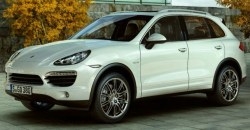
Take a look at the 2011 Porsche Cayenne and you're likely to notice how much smaller it looks. This is actually an optical illusion inspired by the Cayenne's lower nose and raked D-pillar, as this Porsche is fractionally longer, wider and taller. Yet it is also a stunning 397 pounds lighter thanks to the deletion of its former dual-range transfer case (meant to permit serious off-roading) and the use of lightweight body panels.
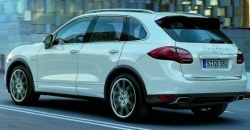
The weight-loss regimen improves handling, lightens the work for the engines and improves fuel economy. This is especially good news for the base-model Cayenne with its revised V6, which now produces 300 horsepower and works with the eight-speed automatic that is now standard for every Cayenne model. Meanwhile the Cayenne S's V8 (now with 15 hp more) and the Cayenne Turbo's turbocharged V8 feel more energetic as well.
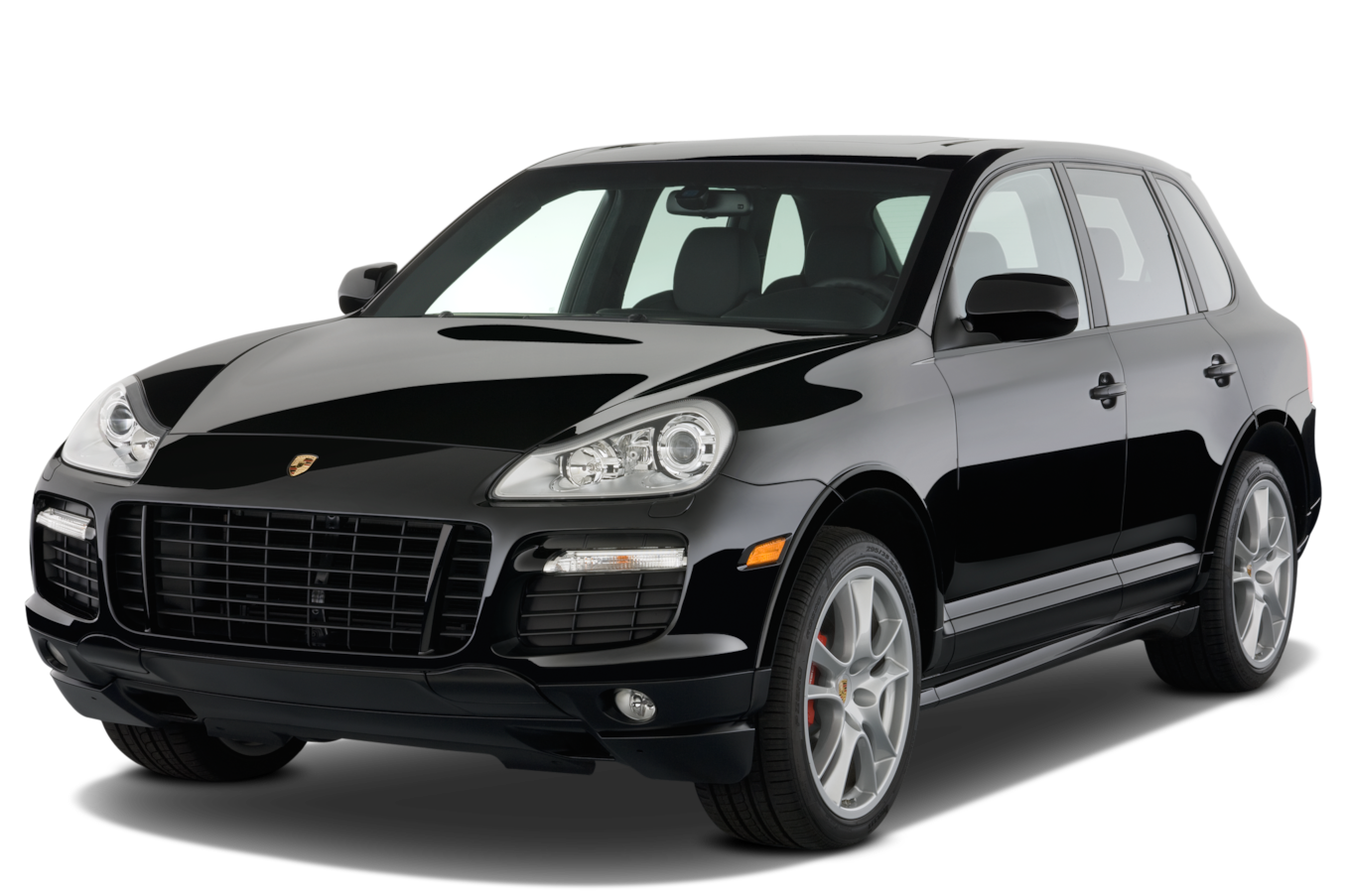
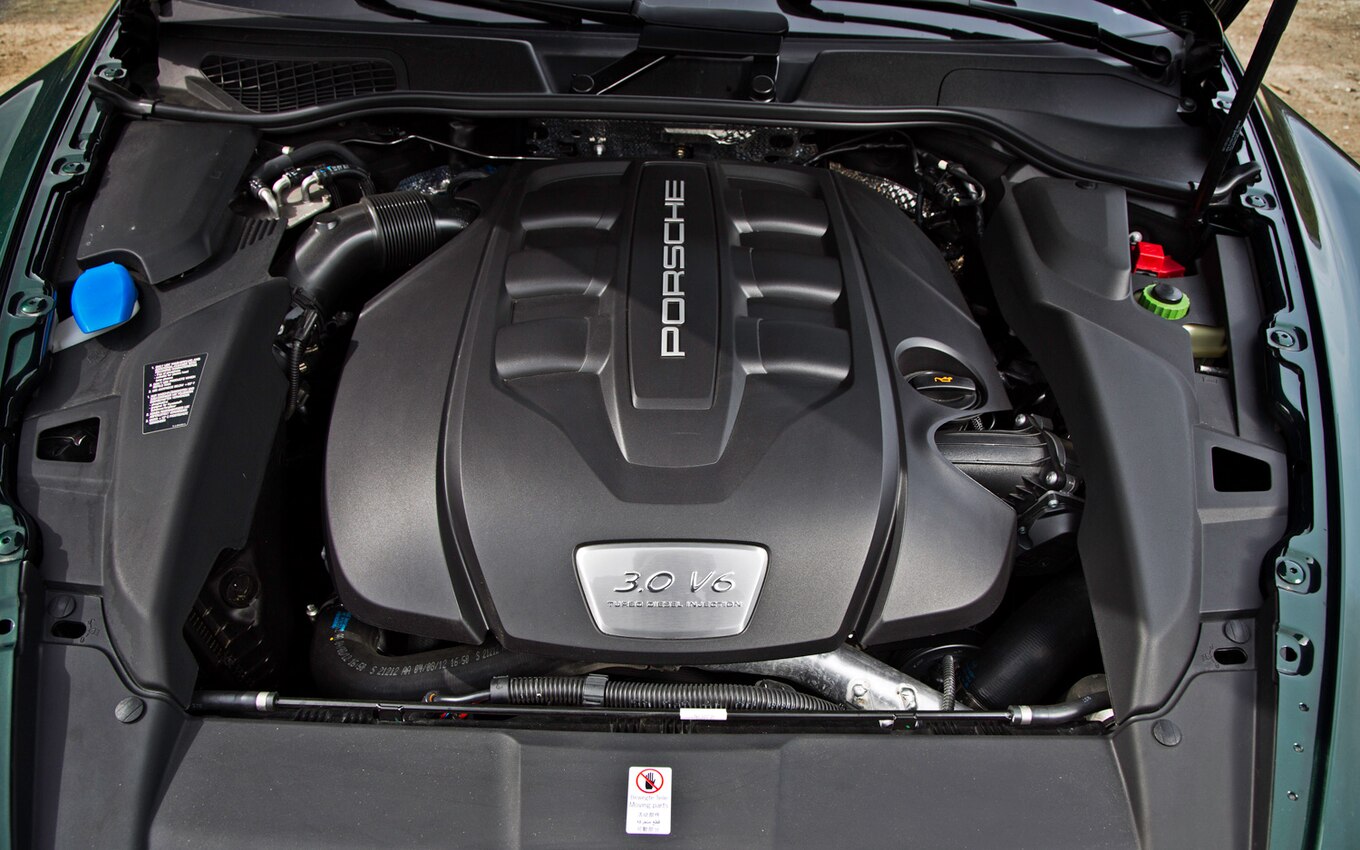
All new for 2011 is the Cayenne S Hybrid, a gasoline-electric model that showcases a supercharged 3.0-liter V6 (similar to the engines found in numerous Audi models) and a Porsche-developed hybrid system with battery-powered electric motor. The result is one of the most seamless power deliveries from a hybrid system on the market. Aside from the usual stop/start engine mode (something incorporated by every Cayenne model this year), the hybrid also coasts at speed with the engine shut down. Porsche estimates the Cayenne Hybrid will produce 20 mpg city and 23 mpg highway.
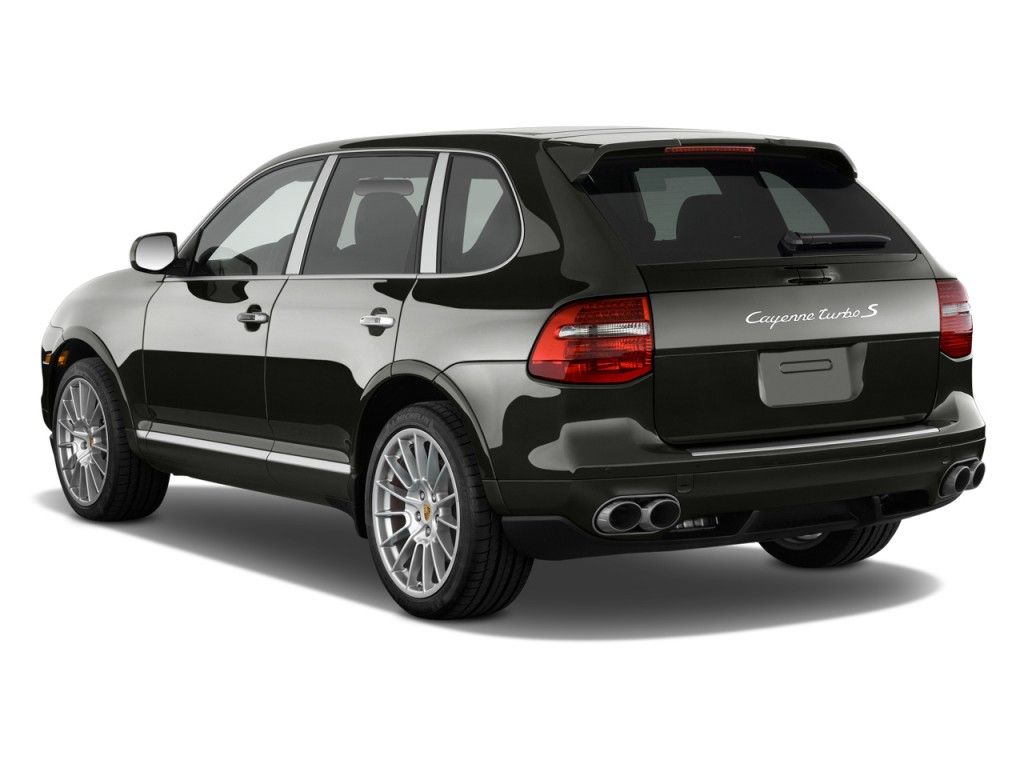
As before, the new Cayenne is quite pricey, especially if you start sampling from the extensive list of options. It also doesn't offer much cargo capacity. The 2011 BMW X5, Infiniti FX50 and 2011 Land Rover Range Rover Sport offer interesting alternatives for the V8-powered Cayenne, while the 2011 Audi Q5, 2011 BMW X3 and 2011 Mercedes-Benz GLK350 compare to the entry-level Cayenne V6.
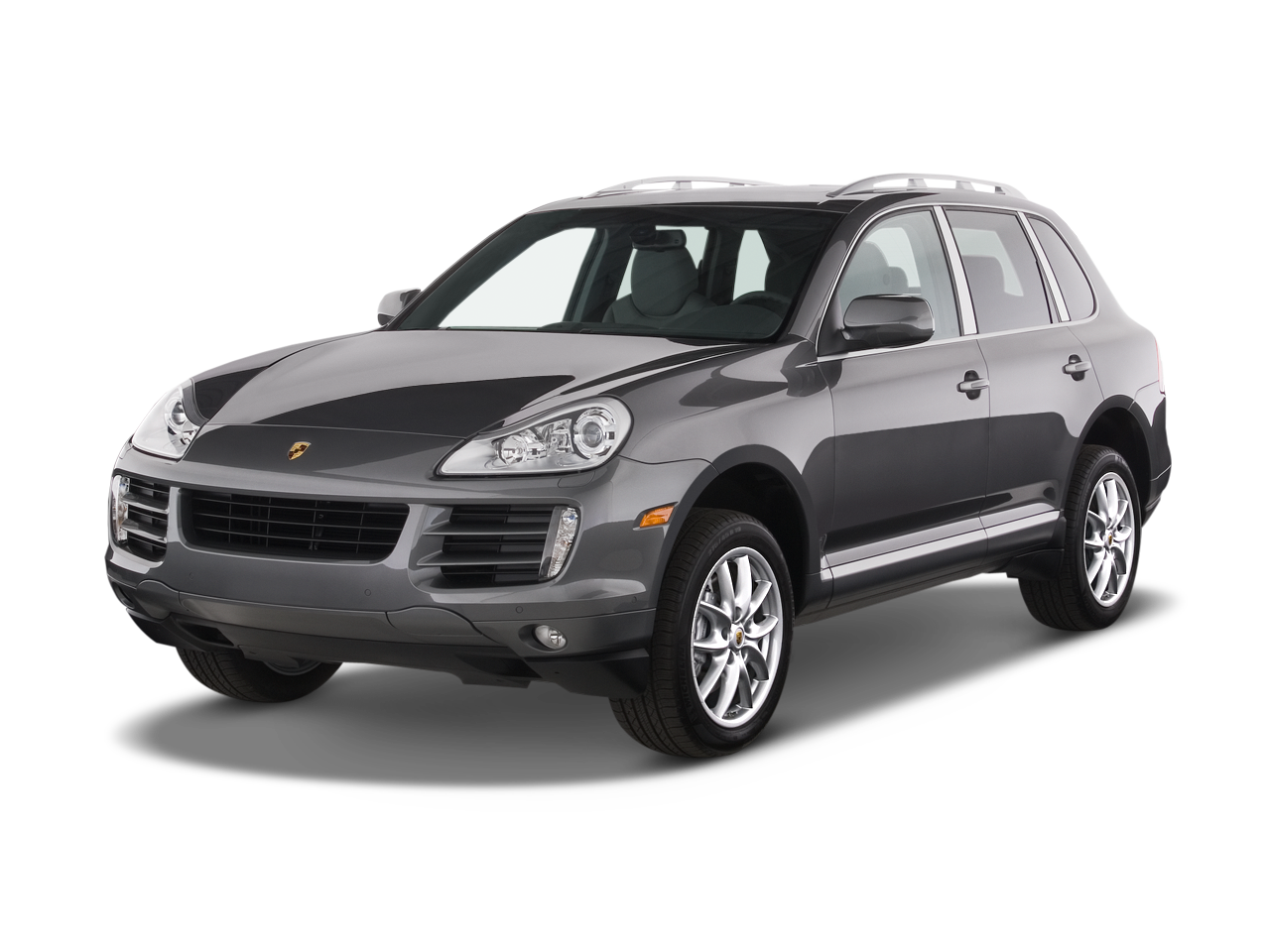
The 2011 Porsche Cayenne is a five-seat midsize SUV available in a number of different trims, which are aligned to engine choice.
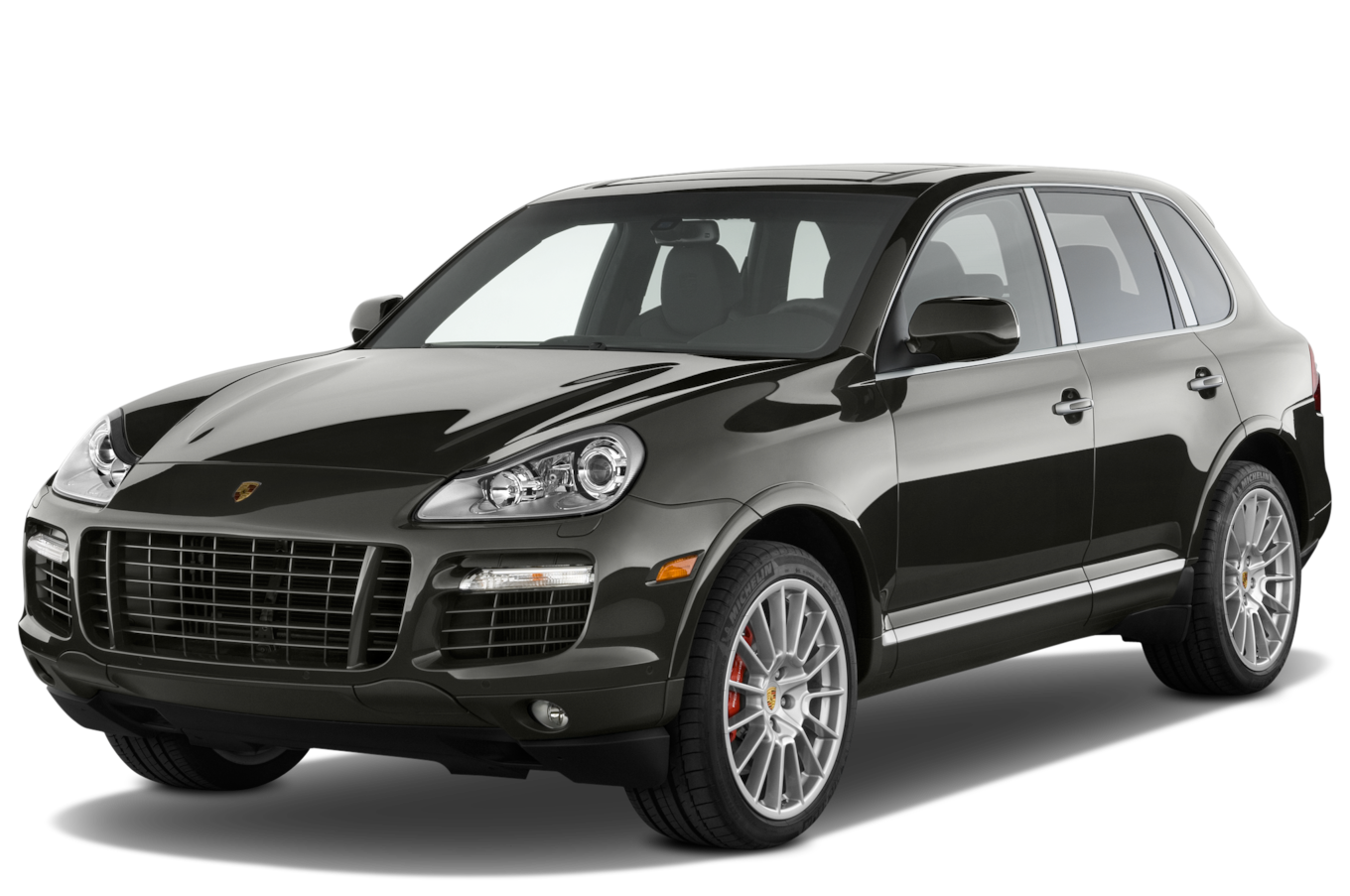
The base Cayenne comes standard with 18-inch cast-aluminum wheels, self-leveling automatic headlamps, front and rear foglamps, LED running lights, power tailgate, automatic wipers, dual-zone automatic climate control, eight-way power front seats, tilt-and-telescoping steering wheel, sliding and reclining 40/20/40-split rear seat, leather upholstery, Bluetooth, a touchscreen interface and a 10-speaker sound system with CD player and auxiliary audio jack. The Cayenne Tiptronic trim adds an automatic transmission.
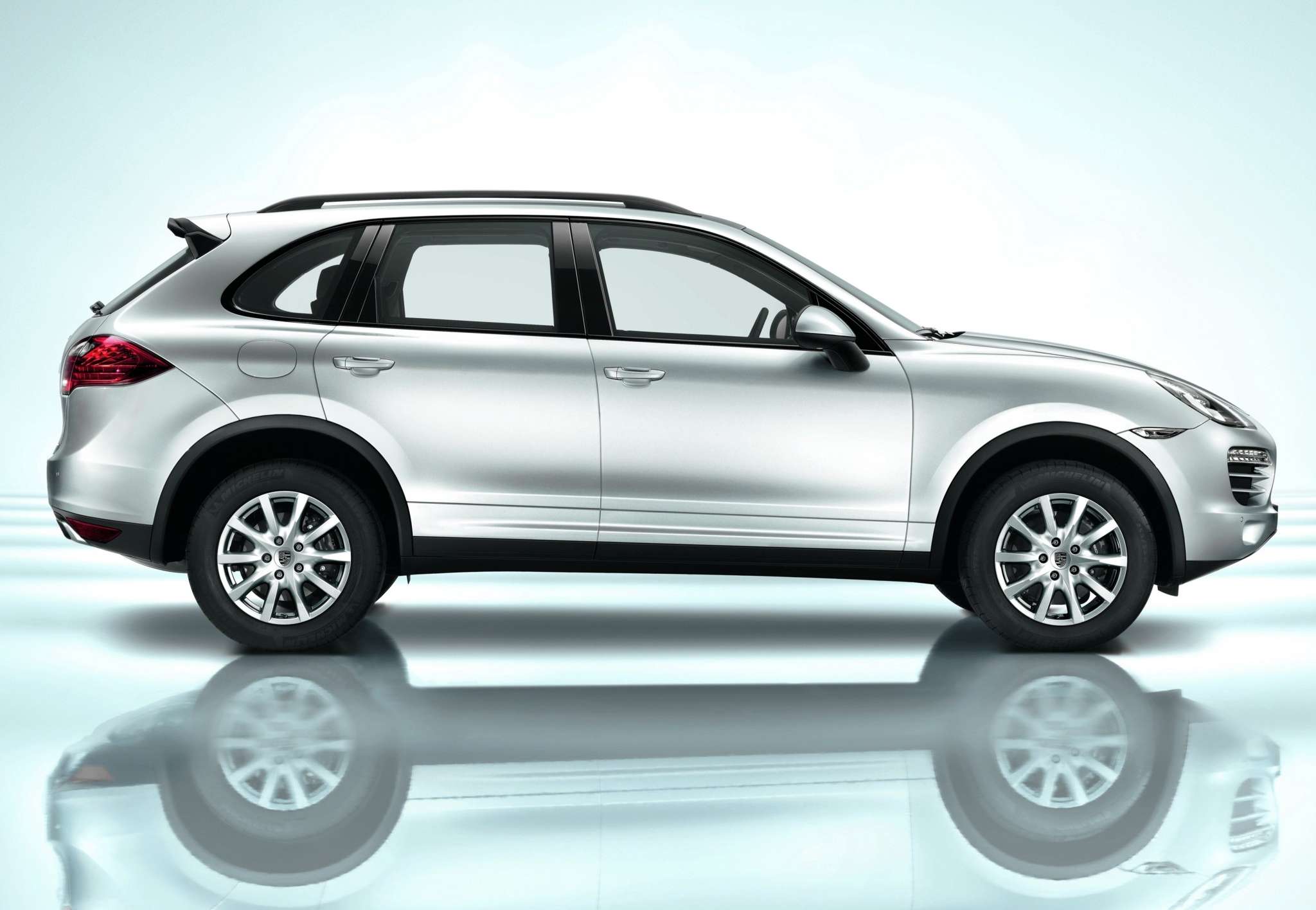
The Cayenne S and Cayenne S Hybrid differ in powertrain, but both add different steering systems (an enhanced speed-sensitive hydraulic system for the Cayenne S and an electric-assist system for the Hybrid), a sunroof and driver memory functions. The Cayenne Turbo adds a turbocharged V8, 19-inch wheels, air suspension, adaptive bi-xenon headlights, front sport seats with adjustable cushion and backrest side bolsters, rear sport seats, heated power-adjustable steering wheel, aluminum interior trim, a navigation system and a 14-speaker Bose surround-sound system with satellite radio and an iPod/USB audio interface.

Aside from engine choice, the extra equipment found on upper trims is available as options for the lower trim levels. The options list is extensive, with such items as embossed Porsche seat logos as well as different wheels, active body control, carbon-ceramic brakes, front and rear parking sensors, a rearview camera, a blind-spot warning system, panoramic sunroof, adaptive cruise control, keyless ignition/entry, four-zone climate control, ventilated front seats, voice-activated controls (requires navigation system), rear-seat DVD entertainment system, a six-disc CD/DVD changer and a 16-speaker surround-sound audio system.

The base 2011 Porsche Cayenne is powered by a 3.6-liter V6 that produces 300 hp and 295 pound-feet of torque. All-wheel drive is standard, as is a six-speed manual transmission. An eight-speed automatic is optional and features automatic start/stop technology to conserve fuel. Porsche estimates this Cayenne V6 will reach 60 mph from a standstill in 7.1 seconds with the manual transmission and 7.4 seconds with the automatic. EPA-estimated fuel economy is 16 mpg city/23 mpg highway and 19 mpg combined with the automatic. It's 1 mpg worse with the manual.
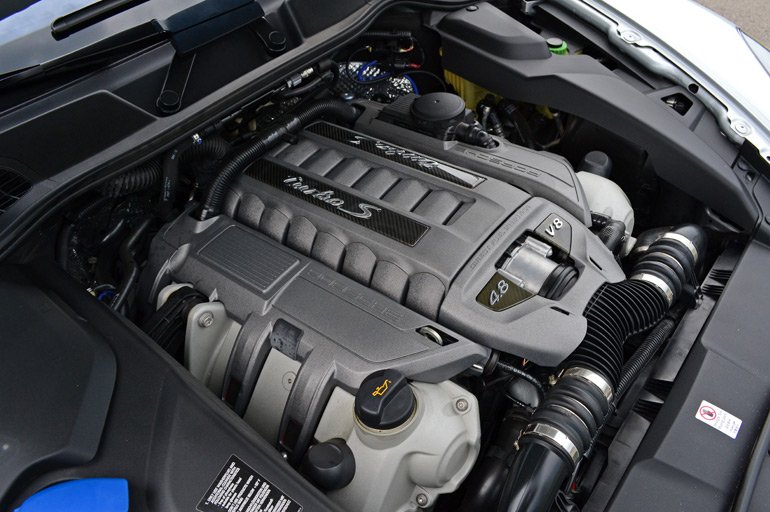
The Cayenne S features a 4.8-liter V8 good for 400 hp and 369 lb-ft of torque. All-wheel drive is standard, as is an eight-speed automatic transmission. Porsche's estimated 0-60 time is 5.6 seconds. EPA-estimated fuel economy is 16 mpg city/22 mpg highway and 18 mpg combined.
The 2011 Porsche Cayenne S Hybrid features a supercharged 3.0-liter V6 attached to a 34 kW electric motor and an eight-speed automatic. Combined, this hybrid powertrain produces 380 hp and 427 lb-ft of torque. In performance testing, the hybrid went from zero to 60 mph in 6.1 seconds, yet EPA-estimated fuel economy stands at 20/24/21.
The all-wheel-drive Cayenne Turbo gets a turbocharged 4.8-liter V8 that produces 500 hp and 516 lb-ft of torque. With its standard eight-speed automatic, the Turbo hit 60 mph in 4.6 seconds during testing, which puts it alongside the BMW X5 M and X6 M as the quickest, fastest SUVs sold. Estimated fuel economy is 15/22/17, which is actually better than the first-generation Cayenne V6.
The Cayenne comes standard with antilock brakes with enhanced brake assist and readiness, stability and traction control, driver knee airbags, front side airbags and side curtain airbags. Rear side airbags, parking sensors, a rearview camera and a blind-spot warning system are available.
In brake testing, the Cayenne Turbo came to a stop from 60 mph in 108 feet -- exceptional for an SUV. With its regenerative brakes, the Cayenne S Hybrid fared worse with a stop of 120 feet, but that's still acceptable in this class.
The 2011 Porsche Cayenne drives with a laid-back demeanor, especially with the standard V6. You'd never describe it as sporting, but it's impressive by SUV standards.

The steering deserves praise for its linearity, making it easy to place this 4,500-pound vehicle on the road. Body roll is well contained and the Cayenne can be hustled along with something approaching gusto, helped by an all-wheel-drive system that delivers 60 percent of its thrust to the rear wheels under normal conditions. The optional active suspension system provides a supple ride even with the dampers in their most aggressive setting. As a result, the Cayenne is an excellent candidate for long-distance driving.
Opting for the Cayenne S or Cayenne Turbo obviously gets the blood pumping since they're so darned quick, but don't expect some lithe plaything that can also carry the kids. The Cayenne S Hybrid, with its added weight and electric power steering, is notably less enjoyable to drive, but does provide a nice blend of performance and fuel economy.
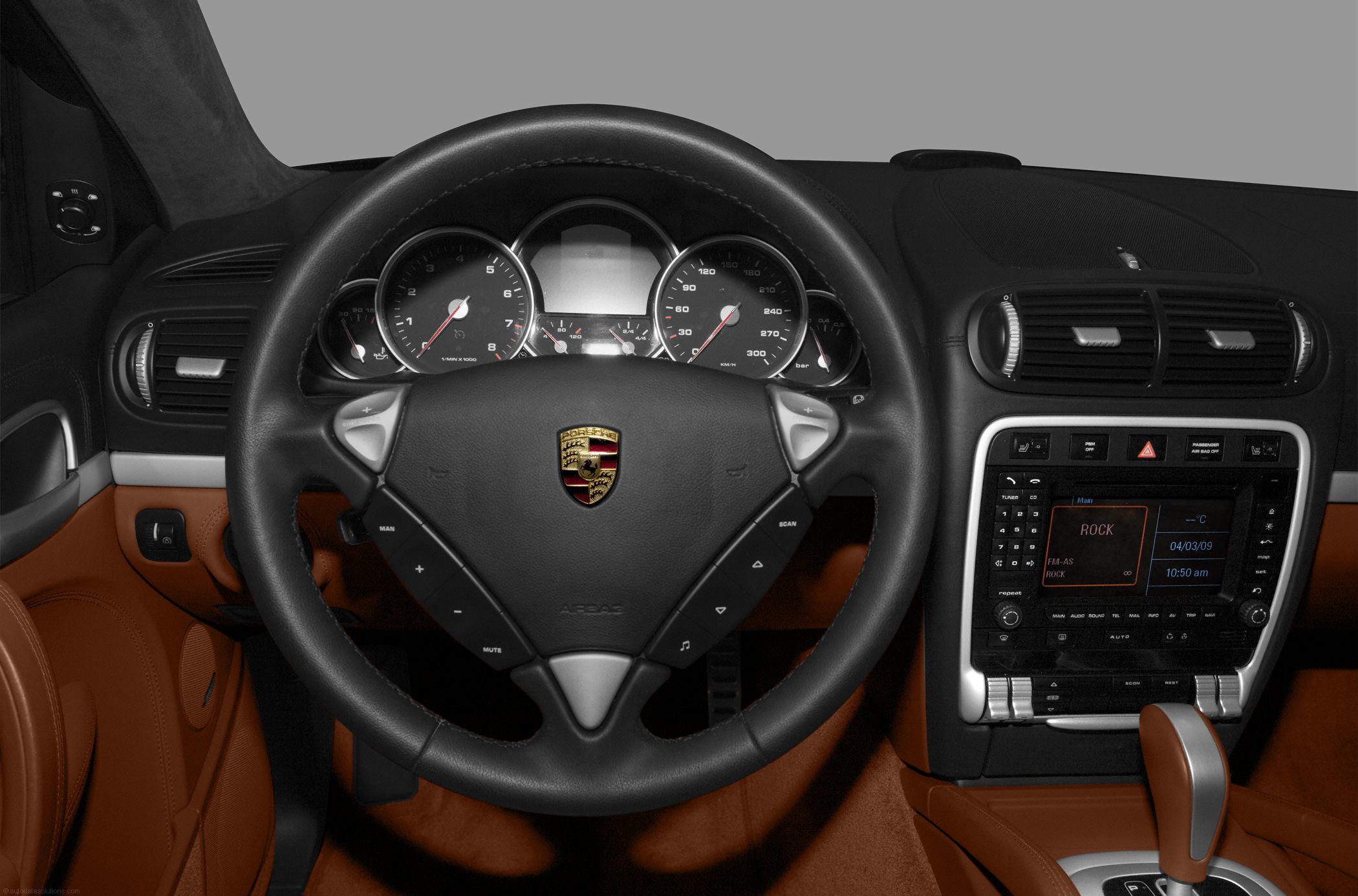
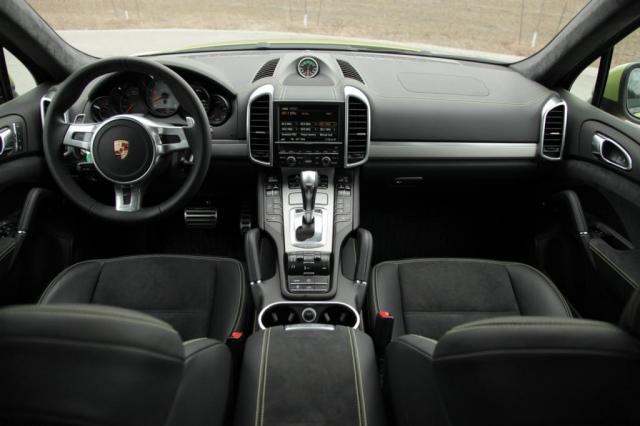
After the rather subdued, almost boring cabin of the original Cayenne, the all-new 2011 model features an aggressive, cockpit-style layout reminiscent of the Porsche Panamera. The center console, adorned in upwards of 50 buttons, rises sharply to meet the dash and large touchscreen display, creating an enveloping driver's environment. With so many buttons, it can be difficult to find what you're looking for quickly, though once you know where everything is, you might argue that this Porsche system is more efficient than the many knob-and-screen systems found in its competitors. Or you could argue that it's hopelessly busy.
Like other Porsches, the Cayenne features the finest interior materials put together with excellent craftsmanship. Handsome wood, alloy trim and leather upholstery further add to the luxurious ambience. The front seats are available in three different designs, ranging from simple eight-way power adjustment to the 18-way sport seats, which feature adjustable bolsters, lumbar and seat cushion length. The sculpted rear seats not only recline but slide fore and aft as well, which is a feature not typically found in five-passenger luxury SUVs.
At the same time, the Cayenne has a maximum luggage capacity of 62.9 cubic feet (a figure reduced to 59.7 and 60.2, respectively for the Hybrid and Turbo models). This is on the small side for the Cayenne's class.
Our track time with the 2011 Porsche Cayenne included back-to-back drives in the new and old Cayenne Turbos. When we got out of bed that morning, the outgoing Cayenne Turbo was the performance SUV benchmark; at the end of the day, we talked about it pushing in corners and looking bloated. With 400 fewer pounds to lug around and an available new torque-vectoring all-wheel drive system, the 2011 Porsche Cayenne Turbo just feels more Porsche-like in translating driver input into action. Fortunately for those trying to keep the final tally south of six figures, the Porsche Cayenne and Porsche Cayenne S benefit from the same the improvements. We were also impressed by the 2011 Porsche Cayenne Hybrid on the track, but were more interested in testing its around-town performance, during which it demonstrated the little brake and throttle quirks still present in most hybrids. The 2011 Porsche Cayenne is also quieter and more comfortable than its predecessor, but it's still not the softest-riding car in its class.
Porsche Torque Vectoring PlusIn short, PTV Plus sends more torque to the outside rear wheel when cornering, helping the vehicle track truer to steering input. Especially when combined with PASM and PDCC suspension and chassis control, PTV Plus can make the 2011 Porsche Cayenne feel like a lightweight, low-slung sports car. Porsche Ceramic Composite Brake (PCCB)On one hand, the Cayenne's ceramic composite brake option adds more than $ 8,000 to the sticker. On the other hand, shorter braking distances, more fade resistance, rotor lifespan of up to 200,000 miles and a notable reduction in unsprung mass are all very good things.
The interior of the 2011 Porsche Cayenne is instantly reminiscent of the Porsche Panamera's. Fine design and materials combine with a multitude of controls in an elegantly busy cockpit that's richer and more interesting than a BMW X5's. Rear passengers are treated to a roomy backseat that slides 6.3 inches, reclines and offers 40/20/40 split-folding for maximum passenger/cargo compatibility.
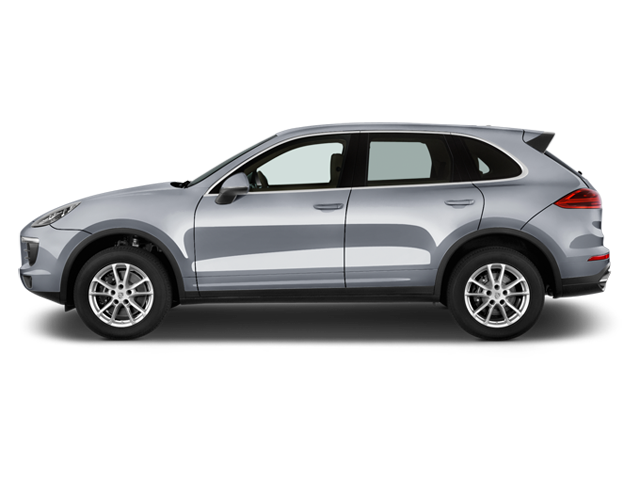
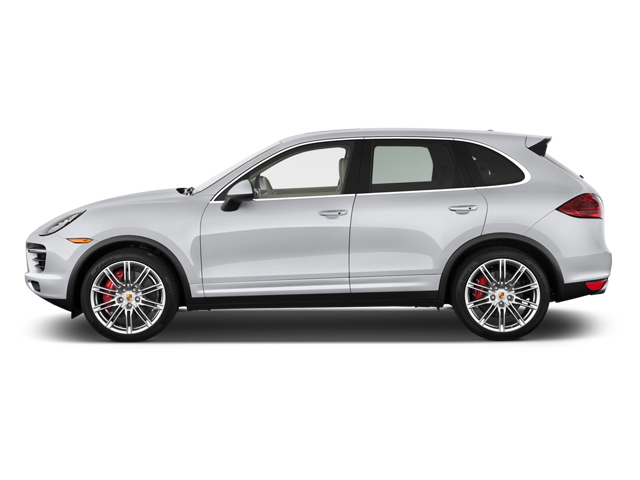
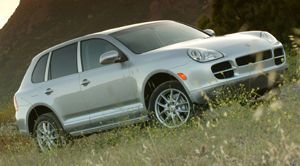
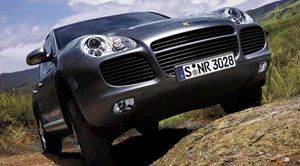
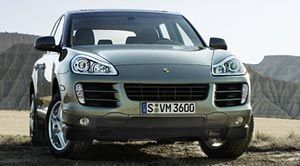
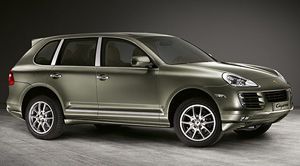
The slightly larger 2011 Porsche Cayenne actually looks smaller than its predecessor, thanks in part to a more forward-leaning rear window and black side pillars. Some of our favorite design touches include the Cayenne Turbo's larger trapezoidal grille and the fact that the Cayenne S Hybrid is distinguished from the Cayenne S by only a Porsche-script "Hybrid" on the front fenders. Some purists are sure to be put off by the addition of "Porsche" spelled out on the tailgate. Cayenne spotters take note: black brake calipers indicate a V6 model, silver calipers denote Cayenne S or Cayenne S Hybrid, and red calipers are reserved for the Cayenne Turbo. Yellow calipers announce the presence of the $ 8,000+ ceramic brake option.
At its base price of about $ 48,000, the 2011 Porsche Cayenne includes a 300-horsepower V6 engine, six-speed manual transmission, all-wheel drive, a power rear liftgate, Bluetooth phone connectivity, auxiliary audio input, dual-zone auto climate control, a 10-speaker/100-watt sound system and leather seats. The 2011 Porsche Cayenne includes six airbags as standard equipment, plus electronic stability and traction controls that deliver both performance and safety benefits.
A fully-loaded 2011 Porsche Cayenne will have a 16-speaker, 1,000-watt Burmester audio system, panoramic glass roof, 18-way adjustable front seats, adaptive cruise control, lane change assist, active headlights and many of the other options you'd expect in the category. Performance upgrades include torque vectoring, ceramic composite brakes, air suspension, active suspension, chassis control and off-road underbody protection for those inclined to take their Porsche off-pavement.
In addition to more powerful, more fuel-efficient engines, 2011 Porsche Cayenne powertrain highlights include a new eight-speed automatic transmission, new torque-vectoring all-wheel drive system and an Auto Start Stop function that mimics hybrid-car behavior, shutting off the engine at full stops and quickly restarting it when the brake pedal is released. The available air suspension automatically lowers the Cayenne at 86 mph – and lowers it some more at 130 mph – and can also raise the vehicle a couple inches to provide more than 10 inches of ground clearance. Other physics-defying features familiar from the outgoing Cayenne include electronic dampers with Comfort, Normal and Sport modes (PASM), plus active anti-roll bars that reduce corner lean and improve off-road traction (PDCC). The Cayenne's new all-wheel drive system is lighter and less complex than the previous system, but can now distribute 100 percent of the available torque to the front or back. The reduction gearbox is gone, but first gear is lower and the system can still be locked for more extreme off-road conditions. The multi-tasking 2011 Porsche Cayenne also offers impressive max towing capacity of 7,716 pounds. 3.6-liter V6 300 horsepower @ 6,300 rpm295 lb-ft of torque @ 3,000 rpmEPA city/highway fuel economy: 15/22 (manual), 16/23 (auto)4.8-liter V8400 horsepower @ 6,500 rpm369 lb-ft of torque @ 3,500 rpmEPA city/highway fuel economy: 16/223.0-liter, supercharged V6-based hybrid380 horsepower @ 5,500 rpm427 lb-ft of torque @ 1,000 rpmEPA city/highway fuel economy: 20/244.8-liter twin-turbo V8500 horsepower @ 6,000 rpm516 lb-ft of torque @ 2,250-4,500 rpmEPA city/highway fuel economy: 16/22
The 2011 Porsche Cayenne starts at a Manufacturer's Suggested Retail Price (MSRP) of about $ 48,000 and tops out at more than $ 140,000 for a fully loaded Cayenne Turbo. Base price is similar to the BMW X5's, but the X5 includes features like an automatic transmission, speed-sensitive power steering, adaptive headlights, dynamic cruise control, HD radio, seat-position memory and a panoramic moonroof - so be mindful when cross-shopping. The Cayenne's predicted resale values also fall short of the X5's, so that's another factor to consider when weighing its pros and cons.
2011 Porsche Cayenne S Exterior Colors
2011 Porsche Cayenne S Interior Colors
2011 Porsche Cayenne Engines
| Engine | Standard in Trim | Power | Torque | Fuel Consumption - City | Fuel Consumption - Highway | 0-100 km/h | Quarter Mile | Half Mile |
|---|---|---|---|---|---|---|---|---|
| 4.8L V8 turbo DOHC 32-valve | Turbo | 500 hp @ 6000 rpm | 437 N.m | 14.3 L/100km | 9.3 L/100km | 5.1 s | 11.7 s | 21.9 s |
| 4.8L V8 DOHC 32-valve | S | 400 hp @ 6500 rpm | 437 N.m | 13.4 L/100km | 8.8 L/100km | 5.8 s | 12.4 s | 23.2 s |
| 4.8L V8 Turbo DOHC 32-valve | Turbo | 500 hp @ 6000 rpm | 437 N.m | 14.3 L/100km | 9.3 L/100km | 5.1 s | 11.7 s | 21.9 s |
| 4.8L V8 DOHC 32-valve | S | 385 hp @ 6200 rpm | 437 N.m | 16.3 L/100km | 10.5 L/100km | 6.2 s | 12.8 s | 23.9 s |
| 4.8L V8 DOHC 32-valve | Transsyberia | 405 hp @ 6500 rpm | 437 N.m | 22.6 L/100km | 10.9 L/100km | 5.9 s | 12.6 s | 23.5 s |
| 4.8L V8 DOHC 32-valve | GTS | 405 hp @ 6500 rpm | 437 N.m | 16.2 L/100km | 10.9 L/100km | 5.9 s | 12.6 s | 23.5 s |
| 4.8L V8 DOHC 32-valve | GTS Design Edition 3 | 405 hp @ 6500 rpm | 437 N.m | 16.2 L/100km | 10.9 L/100km | 6.1 s | 12.7 s | 23.8 s |
| 4.8L V8 DOHC 32-valve | Turbo | 500 hp @ 6000 rpm | 437 N.m | 18.0 L/100km | 10.7 L/100km | 5.4 s | 12.0 s | 22.5 s |
| 4.8L V8 DOHC 32-valve | Turbo S | 550 hp @ 6000 rpm | 437 N.m | 18.0 L/100km | 10.7 L/100km | 5.0 s | 11.7 s | 21.8 s |
| 3.6L V6 DOHC 24-valve | Base | 300 hp @ 6300 rpm | 437 N.m | 12.5 L/100km | 8.5 L/100km | 7.0 s | 13.5 s | 25.3 s |
2011 Porsche Cayenne Trims
2011 Porsche Cayenne Previous Generations
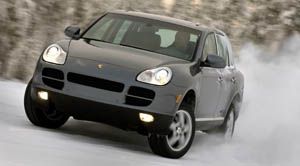
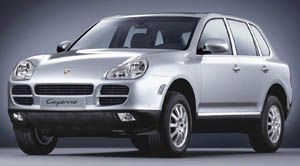
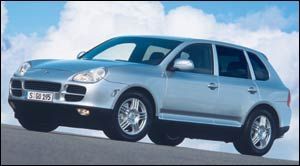
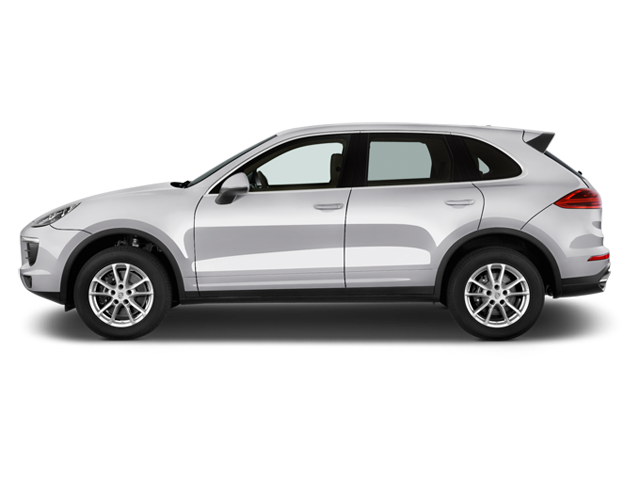
2011 Porsche Cayenne Future Generations
Porsche Cayenne Overview and History
Situated in downtown Stuttgart, Porsche's first contract of developing a people's car, a Volkswagen, appointed by the German government. The result was one of the most famous cars in history, one of the best sold and one of the most easily recognizable out there, the Beetle. Many features of the Beetle would find their place on the first ever Porsche, the 64, developed in 1939.
During WWII the Porsche factory turned to making vehicles for the German Army, such as the Kubelwagen and the Schwimmwagen as well as contributing to the production of Tiger and Elefant tanks. After the war Ferdinand was imprisoned for war crimes for 20 months and was during that time that his son, Ferry Porsche, decided to build a new car to suit his needs – the 356.
The success of the 356 and the death of Ferdinand Porsche in 1951 gave Ferry the confidence to follow in his father's footsteps and continue designing cars. One of his most famous designs was the Spyder 550, a car that would prove very successful in races.
By now, the general line of the company seemed evident, as in 1964 another sporty model, the 911, another car with a air-cooled, boxer, rear-mounted engine. The design team for this car was led by Ferry's oldest son, Ferdinand Alexander Porsche. this car would take the legacy of the 550 Spyder even further, winning races and rallies. Testimony to the success of the 911 is the fact that it's still in production today, despite being heavily modified.
Porsche was going to change its status in 1972 from a limited partnership to a public limited company, which meant that now Porsche would be run by a board of directors supervised by family members. In 1974, at the Paris Auto Show, Porsche unveils the new 911 Turbo, with exhaust turbocharger and pressure regulator.
When the 924 was entered in production in 1975, Porsche took a leap of faith because it had not experienced with front-mounted engines for a long time. By Porsche standards, the 928 was an oddity, with its front-mounted V8 engine made out of metal alloy. Then, in 1981, a new transaxle model is added to the Porsche line-up, the 944. The high-performance Porsche 959 is unveiled at the Frankfurt Auto Show in 1985. It will go on to win a lot of races and rallies, the best known being the Paris-Dakar.
A new technological leap was made in 1988 when the 911 Carrera 4 with all-wheel drive was introduced on the market. Then, in 1989, the “Tiptronic” automatic gearbox system is fitted on Porsches. In 1991, Porsche becomes the first car manufacturer to fit driver and passenger airbags on all its models.
The Boxter model is introduced in 1996 after 3 and a half years of development. That same year, Porsche celebrates 1million units being produced. Two years later, Ferry Porsche dies at the age of 88 but the company moves on and has a great season at Le Mans with the 911 GT1, coming in first and second. This was going to be only the beginning for Porsche, which continued with the very sporty and high-performance models Boxster S and the Carrera GT in 2000.
In 2002 Porsche entered the SUV market with the unconventional Cayenne and its later versions, the Cayenne Turbo and Turbo S. The next model on the line-up for Porsche, announced for 2009 is the Panamera, a four-door sedan. With this new model, Porsche seems set to take on a whole new market, directly competing with other luxury brands such as Mercedes, BMW and Audi.
2011 Porsche Cayenne Consumer Reviews
Compare Against Competitors
2011 Porsche Cayenne S Specifications
S Comfort and Convenience
| AM/FM stereo radio | Yes |
|---|---|
| Air Conditionning | Air conditioning |
| Cruise Control | Yes |
| Power Door Locks | Yes |
| Power Windows | Power windows with one-touch up/down feature |
| Remote Audio Controls | Steering wheel-mounted audio controls |
| Remote Keyless Entry | Yes |
| Single CD | CD player |
| Steering Wheel Adjustment | Power tilt and telescopic steering wheel |
S Dimensions
| Cargo Capacity | 670 L |
|---|---|
| Curb Weight | 2065 kg |
| Fuel Tank Capacity | 85 L |
| Gross Vehicle Weight | 2840 kg |
| Height | 1705 mm |
| Length | 4846 mm |
| Maximum Cargo Capacity | 1780 L |
| Wheelbase | 2895 mm |
| Width | 2155 mm |
S Exterior Details
| Power Exterior Mirrors | Power-adjustable outside mirrors |
|---|
S Interior Details
| Instrumentation Type | Analog instrumentation |
|---|---|
| Tachometer | Yes |
S Mechanical
| Drive Train | All-wheel drive |
|---|---|
| Engine Name | 4.8L V8 DOHC 32-valve |
| Stability Control | Yes |
| Traction Control | Yes |
| Transmission | 8-speed automatic transmission with manual mode |
S Overview
| Body | Sport Utility |
|---|---|
| Doors | 5 |
| Engine | 4.8L V8 DOHC 32-valve |
| Fuel Consumption | 13.4 (Automatic City)8.8 (Automatic Highway) |
| Power | 400 hp @ 6500 rpm |
| Seats | 5 |
| Transmission | 8-speed automatic transmission with manual mode |
| Warranties | Bumper-to-Bumper80000/km, 48/Months Emissions130000/km, 96/Months Powertrain80000/km, 48/Months Roadside Assistance80000/km, 48/Months Rust-throughUnlimited/km, 120/Months |
S Safety
| Anti-Lock Brakes | Anti-lock brakes |
|---|---|
| Brake Type | 4-wheel disc |
| Driver Airbag | Driver-side front airbag |
| Passenger Airbag | Passenger-side front airbag |
S Suspension and Steering
| Front Suspension | Independent front suspension |
|---|---|
| Front Tires | P255/55R18 |
| Power Steering | Power rack-and-pinion steering |
| Rear Suspension | Independent rear suspension |
| Wheel Type | 18'' alloy wheels |
Critics Reviews
Despite some issues with practicality, the 2010 Porsche Cayenne is a luxurious and supremely capable performer. Find out why the 2010 Porsche Cayenne is rated 7.8 by The Car Connection experts.
2010 Porsche Cayenne Overview. Test drivers loved the 2010 Porsche Cayenne. They said that the V8-powered Cayenne S has superb handling and plenty of power, while the base Cayenne offers good power from its V6. It’s available with a manual transmission, which is something that reviewers loved and is almost unheard of in this class.
Motor Trend reviews the 2010 Porsche Cayenne where consumers can find detailed information on specs, fuel economy, transmission and safety. Find local 2010 Porsche Cayenne prices online.
Discussion and Comments
Share Your Comments