2018 Porsche Cayenne Base 0-60 Times, Top Speed, Specs, Quarter Mile, and Wallpapers
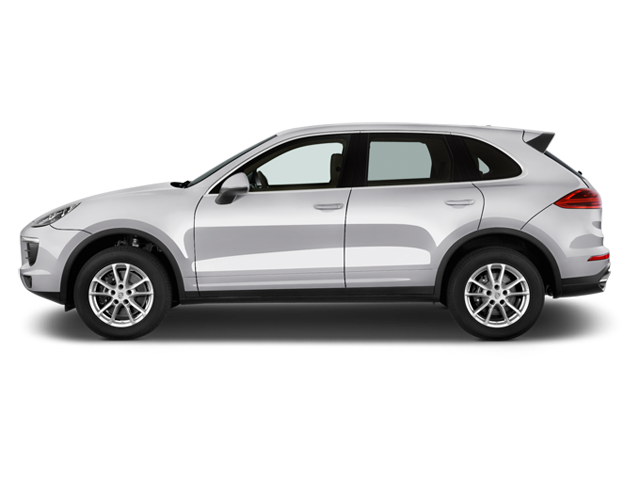
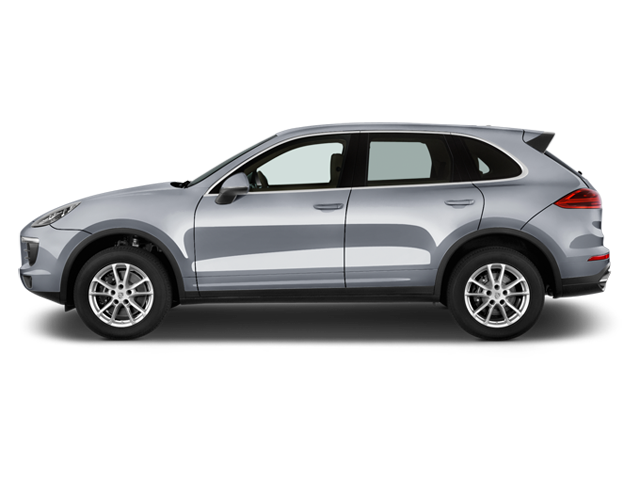
The 2018 Porsche Cayenne Base is a All-wheel drive Sport Utility. It can accommodate up to 5 passengers. It has 5 Doors and is powered by a 3.6L V6 DOHC 24-valve engine which outputs 300 hp @ 6300 rpm and is paired with 8-speed automatic transmission with manual mode gearbox. The 2018 Porsche Cayenne Base has cargo capacity of 670 Liters and the vehicle weighs 1995 kg. In terms of ride assists, the 2018 Porsche Cayenne Base has stability control and traction control in addition to anti-lock brake system (ABS). The vehicle has an optional engine as well It offers and. Safety features also include Driver-side front airbag and Passenger-side front airbag. The front suspension is Independent front suspension while the rear suspension is Independent rear suspension. The car also features a Yes It has 18-inch Cayenne wheels as standard. Electronic features include Cruise Control. For convenience, the car has Power windows and Power door locks. There is also a remote keyless entry feature. Moreover, the car has. The steering wheel has audio control buttons. In terms of performance, the car has 328 N.m of torque and a top speed of 246 km/h. The 2018 Porsche Cayenne Base accelerates from zero to 60 mph in 6.6 seconds and hits quarter mile at 13.2 seconds. Fuel consumption is 12.9 L/100km in the city and 9.8 L/100km in the highway. The car price starts at $ 68,900
| Name | Base | |
|---|---|---|
| Price | $ 68,900 | |
| Body | Sport Utility | |
| Doors | 5 Doors | |
| Engine | 3.6L V6 DOHC 24-valve | |
| Power | 300 hp @ 6300 rpm | |
| Number of Seats | 5 Seats | |
| Transmission | 8-speed automatic transmission with manual mode | |
| Cargo Space | 670.0 L | |
| Maximum Cargo Space | 1,780.0 L | |
| Wheel Type | 18-inch Cayenne wheels | |
| Series | ||
| Drivetrain | All-wheel drive | |
| Horsepower | 300 HP | |
| Torque | 328 N.m | |
| Top Speed | 246 km/h | |
| Acceleration 0-100 km/h (0-60 mph) | 6.6 s | |
| Fuel Type | ||
| Fuel Consumption (City) | 12.9 L/100km | |
| Fuel Consumption (Highway) | 9.8 L/100km | |
| Gear Type | auto | |
| Weight | 1,850 KG | |
| Brand | Porsche | |
| Model | Cayenne | |
| 0-400m (Quarter Mile) | 13.2 s | |
| 0-400m (Quarter Mile) - Speed | 155.0 km/h | |
| 0-800m (Half Mile) | 24.6 s | |
| 0-800m (Half Mile) - Speed | 174.4 km/h | |
| Modifications (MODS) | ||
| Modifications Cost | $ 0 |
2018 Porsche Cayenne S (2.9TT V6) 0-100km/h & engine sound [short edit]
Porsche Cayenne S 2018 ACCELERATION & TOP SPEED 0-275km/h by AutoTopNL
Drag Race 2019 Lamborghini Urus vs 2018 Porsche Cayenne Turbo | Forza Horizon 4 Racer V8
Porsche Cayenne S 2018 ACCELERATION & TOP SPEED 0-275km/h by AutoTopNL
2018 Porsche Cayenne Used Price Estimates
Estimates based on a driving average of 12,000 miles per year| Used Condition | Trade In Price | Private Party Price | Dealer Retail Price |
|---|---|---|---|
| Outstanding | $ 67,131 | $ 68,617 | $ 70,372 |
| Clean | $ 65,645 | $ 67,087 | $ 68,766 |
| Average | $ 62,673 | $ 64,026 | $ 65,554 |
| Rough | $ 59,701 | $ 60,966 | $ 62,341 |
The word "slow" has never been used to describe a Porsche Cayenne. Neither have the words “uncomfortable” or “imprecise” or “unrefined.” Cayennes are simply impressive from behind the wheel. Each is a blast to drive. In fact, even the Cayenne S E-Hybrid is a bona-fide hoot, zipping to 60 mph in only 5.4 seconds, yet returning an estimated 47 MPGe in hybrid electric mode. The Porsche Cayenne GTS, with its turbocharged V6, rockets from 0-60 mph in 4.4 seconds. The 570-horsepower Turbo S hits 60 mph in about 3.5 seconds. That’s crazy quick. However, there's much more to the Cayenne than outright speed. Cornering precision is beyond what you should rightfully expect from any SUV, and the 8-speed Tiptronic automatic transmission is tuned to perfection. And it’s all delivered with the refinement of a world-class luxury car.
PORSCHE TORQUE VECTORING PLUSBy sending additional power to the outside wheel while cornering, Porsche’s Torque Vectoring Plus helps improve the Cayenne’s agility as well as its grip on the pavement. Combined with an advanced suspension setup, Torque Vectoring Plus is a big reason why this SUV doesn’t drive like an SUV.CERAMIC COMPOSITE BRAKESWhen a vehicle can go as fast as a Porsche Cayenne, it’s nice to know the stopping power of ceramic brakes is an option. Ceramic brakes provide better stopping power, less fade and longer rotor life. In the case of the Cayenne, they also come with pretty bright yellow calipers and a $ 9,000 price tag.
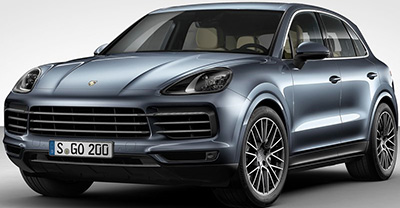
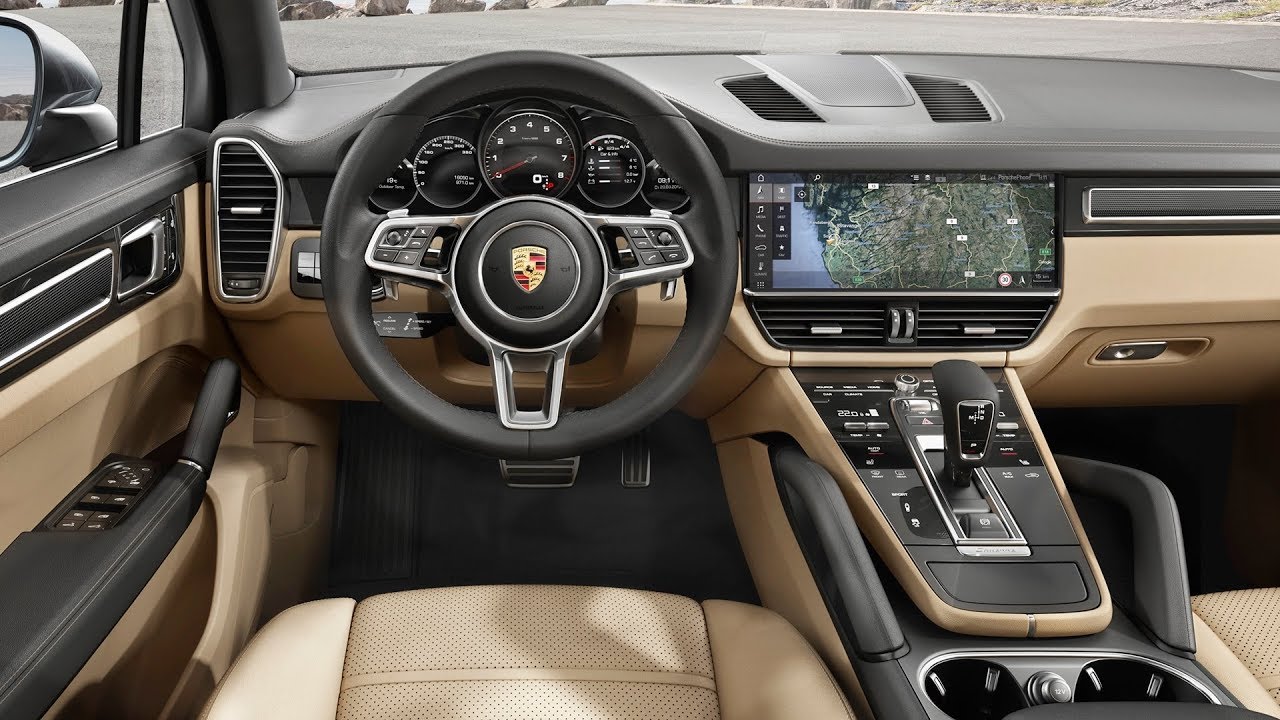
As one would expect from a luxury SUV bearing the Porsche emblem, the Cayenne’s interior is second to none. The artistry and aesthetics flow into a functional environment as only Porsche can manage, combining finely stitched leathers, sumptuous wood inlays and metal accents to create a stunning interior every bit the equal of a 911 or Panamera. Rear passengers enjoy a sliding and reclining rear seat, and can view movies on a pair of LCD screens attached to the backs of the front-seat head restraints. Regrettably, the dash layout is littered with tiny buttons and numerous switches that can be confusing to operate, especially when it comes to using the navigation setup.
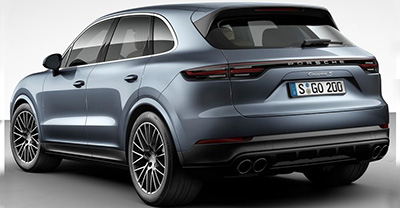
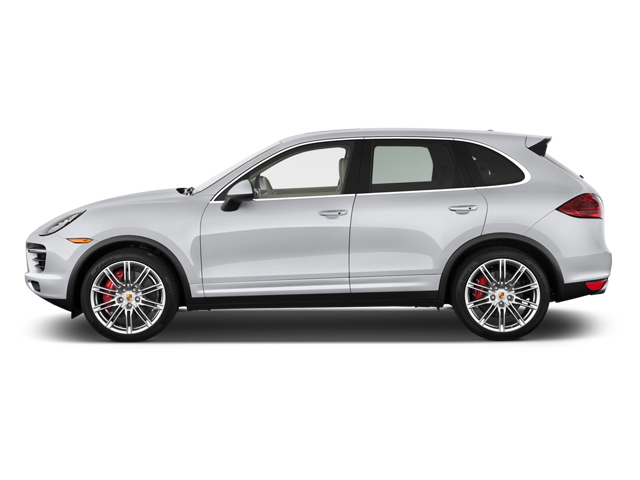
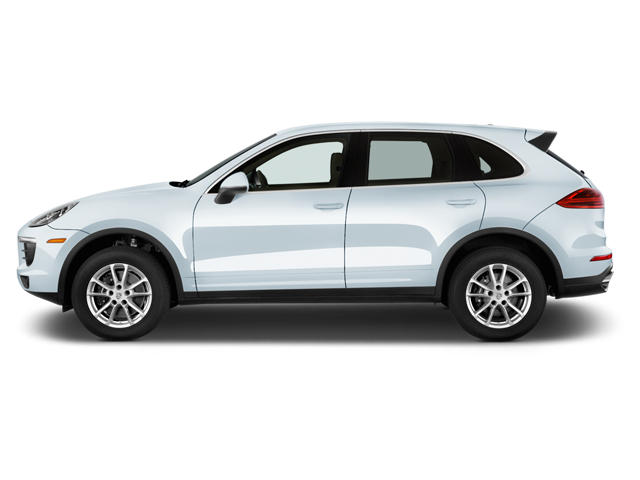
Although the 1st-generation Cayenne was popular, it was never going to win any beauty contests. However, this second generation, introduced in 2011, has set the standard for athletic-looking SUVs with its sports-car stance and proportions. From any angle the Cayenne’s muscular curves scream its speed-and-performance mission. A quick field guide to identifying Cayenne models focuses on the brakes: Silver denotes the Cayenne S and Cayenne S E-Hybrid, and red the high-performance Turbo and GTS models. Turbo S models get the yellow ceramic-brake option as standard. Turbo models also get four exhaust pipes.
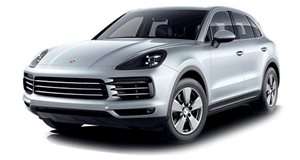
The 2018 Porsche Cayenne comes in six trims: base, S, S E-Hybrid, GTS, Turbo and Turbo S. Regardless of choice, all Cayenne models feature standard all-wheel drive, a height-adjustable power liftgate, 10-speaker audio with 7-inch touch screen, water-repellent front side glass, rain-sensing wipers and a full complement of power accessories. A fuel-saving stop/start function is also standard, as are six airbags, a full suite of electronic stability aids, and roadside assistance while under warranty.

The Porsche Dynamic Chassis Control lets Porsche Cayenne owners take their SUV's handling to the next level. It adjusts the anti-roll bars in real time to add stiffness to the suspension in response to conditions and whatever drive mode you have selected. A 1,000-watt, 16-speaker Burmester audio system is available for audiophiles, and in-vehicle connectivity includes an Aha Radio smartphone application, which offers a variety of customizable news, music and social networking services. Of course, there's also that $ 9,000 brake system.
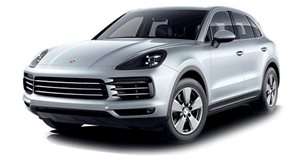
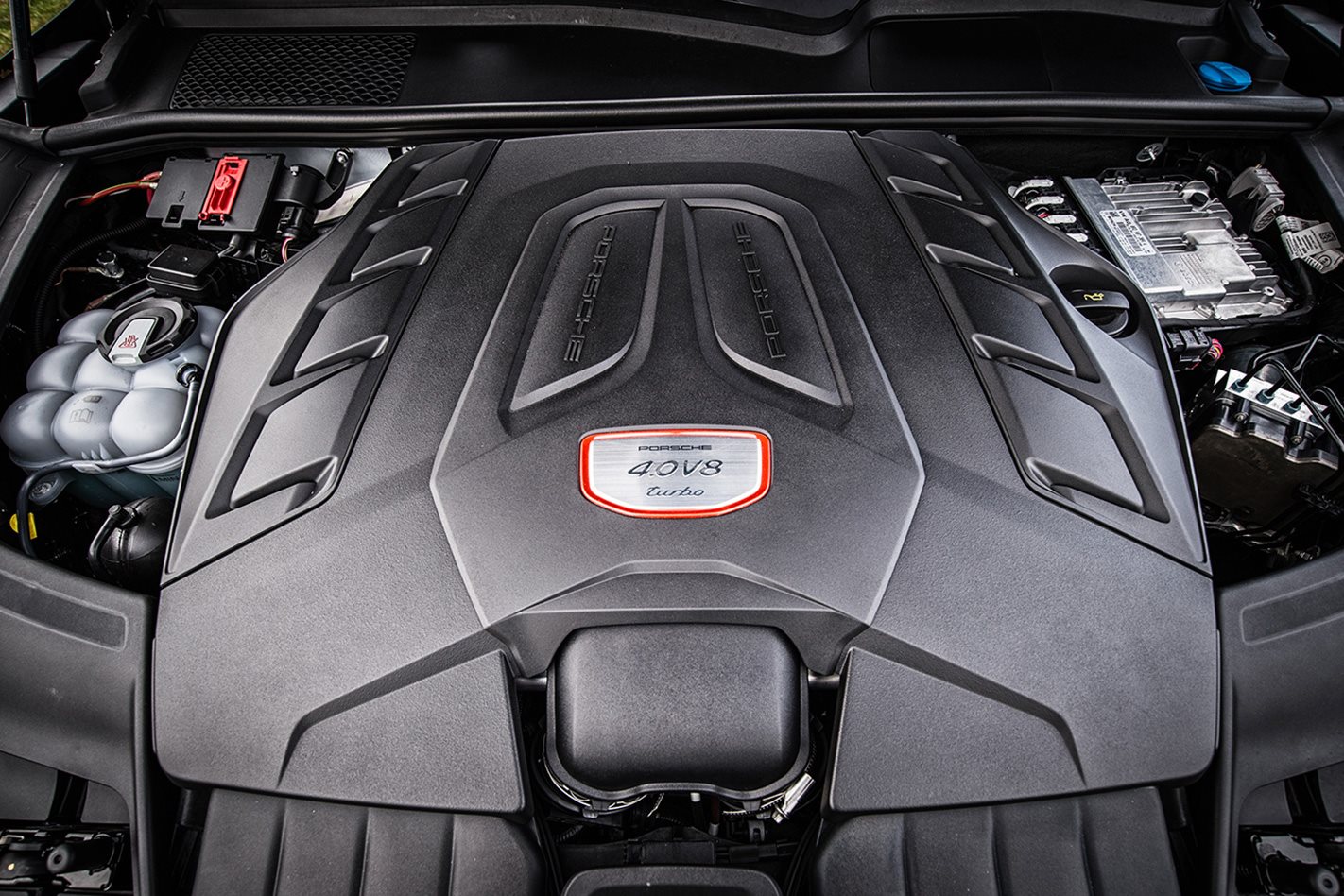
All 2018 Porsche Cayenne models come standard with an 8-speed automatic and all-wheel drive. However, there are seven distinct engines to choose from. The standard Cayenne comes with a strong 3.6-liter V6 engine offering 300 horsepower; however, it's worth the extra money for the turbocharged versions, either the 420-horsepower Cayenne S or the 440-horsepower Cayenne GTS. The Cayenne S E-Hybrid employs a 333-horsepower supercharged 3.0-liter V6 coupled to a synchronous electric motor, which brings the total horsepower figure to 416. At the top of the line are the Porsche Cayenne Turbo and Turbo S delivering a whopping 520 and 570 horsepower, respectively, from a twin-turbocharged 4.8-liter V8. 3.6-liter V6 300 horsepower @ 6,300 rpm 295 lb-ft of torque @ 3,000 rpm EPA city/highway fuel economy: 19/24 mpg 3.6-liter twin-turbocharged V6 (Cayenne S) 420 horsepower @ 6,000 rpm 406 lb-ft of torque @ 1,350-4,500 rpm EPA city/highway fuel economy: 17/24 mpg 3.6-liter twin-turbocharged V6 (Cayenne GTS) 440 horsepower @ 6,000 rpm 442 lb-ft of torque @ 1,600-5,000 rpm EPA city/highway fuel economy: 16/23 mpg 3.0-liter supercharged V6 + electric motor (Cayenne S E-Hybrid) 416 horsepower @ 5,500 rpm (net system horsepower) 435 lb-ft of torque @ 1,250-4,000 rpm (net system torque) EPA city/highway fuel economy: 22 mpg (combined), 47 MPGe in pure electric mode 4.8-liter twin-turbocharged V8 (Cayenne Turbo) 520 horsepower @ 6,000 rpm 553 lb-ft of torque @ 2,250-4,000 rpm EPA city/highway fuel economy: 14/21 mpg 4.8-liter twin-turbocharged V8 (Cayenne Turbo S) 570 horsepower @ 6,000 rpm 590 lb-ft of torque @ 2,500-4,000 rpm EPA city/highway fuel economy: 14/21 mpg
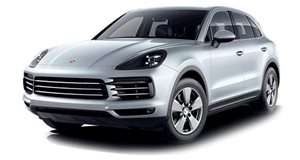
Add in the $ 1,050 destination charge, and the base 2018 300-horsepower Porsche Cayenne starts with a Manufacturer’s Suggested Retail Price (MSRP) a bit over $ 61,500; the Platinum Edition moves the needle to just over $ 67,000, while the 420-horsepower Cayenne S is just over $ 78,000. Cayenne S E-Hybrid models are priced just under $ 81,000. The three high-performance models up the price considerably, with the 440-horsepower Cayenne GTS starting at about $ 99,600, the 520-horsepower Cayenne Turbo a bit over $ 119,000, and the mack daddy Cayenne Turbo S at just about $ 163,000. Those prices are higher than BMW and Mercedes-Benz rivals, but slightly less than the Land Rover Range Rover Sport, at least at the low end. Check ’s Fair Purchase Price below to see what others in your area are currently paying, and at resale time, the Cayenne should do well, but not quite as well as the BMW X5 and the 7-Passenger Audi Q7.

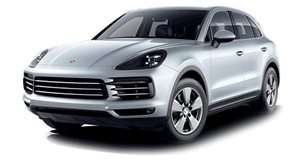
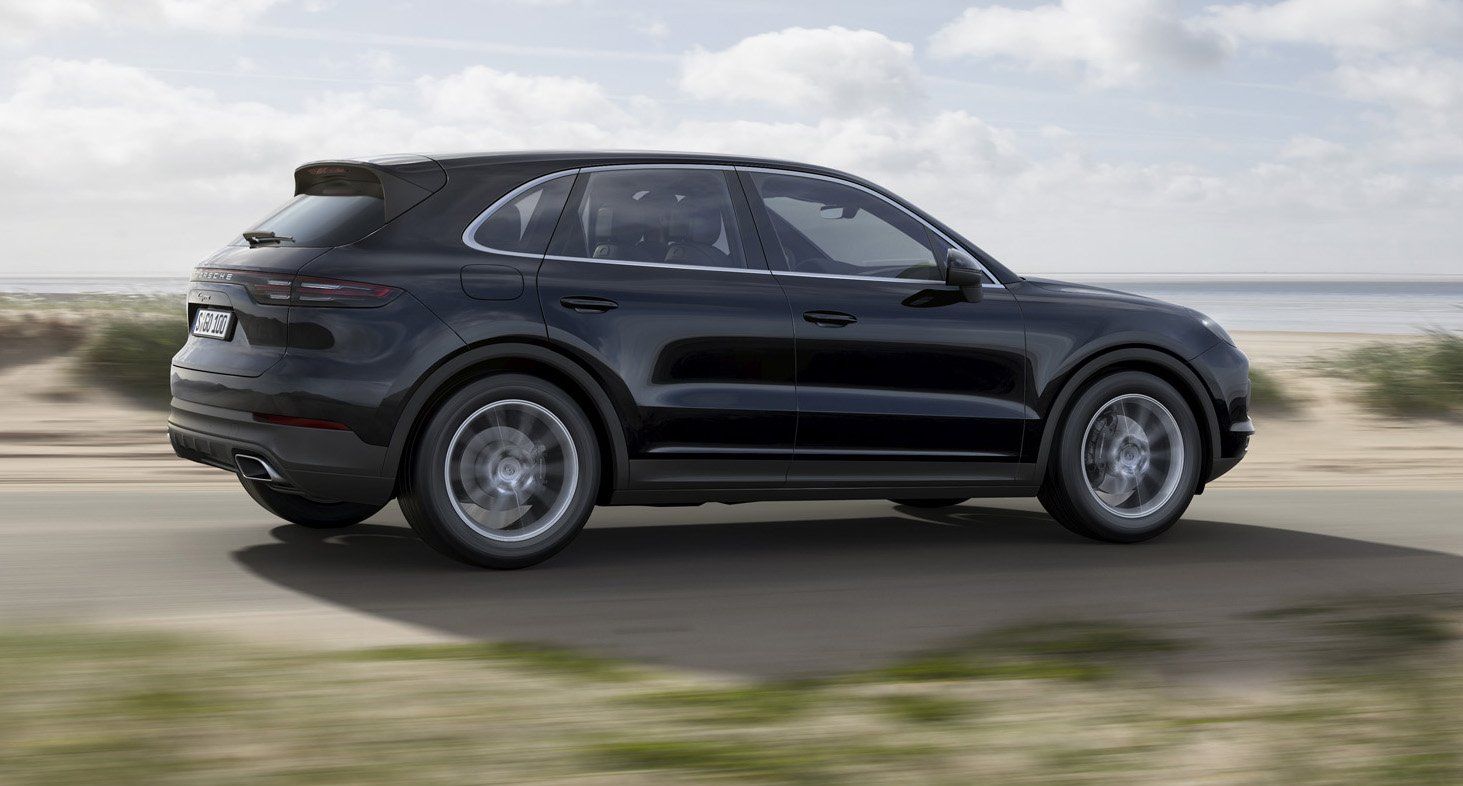
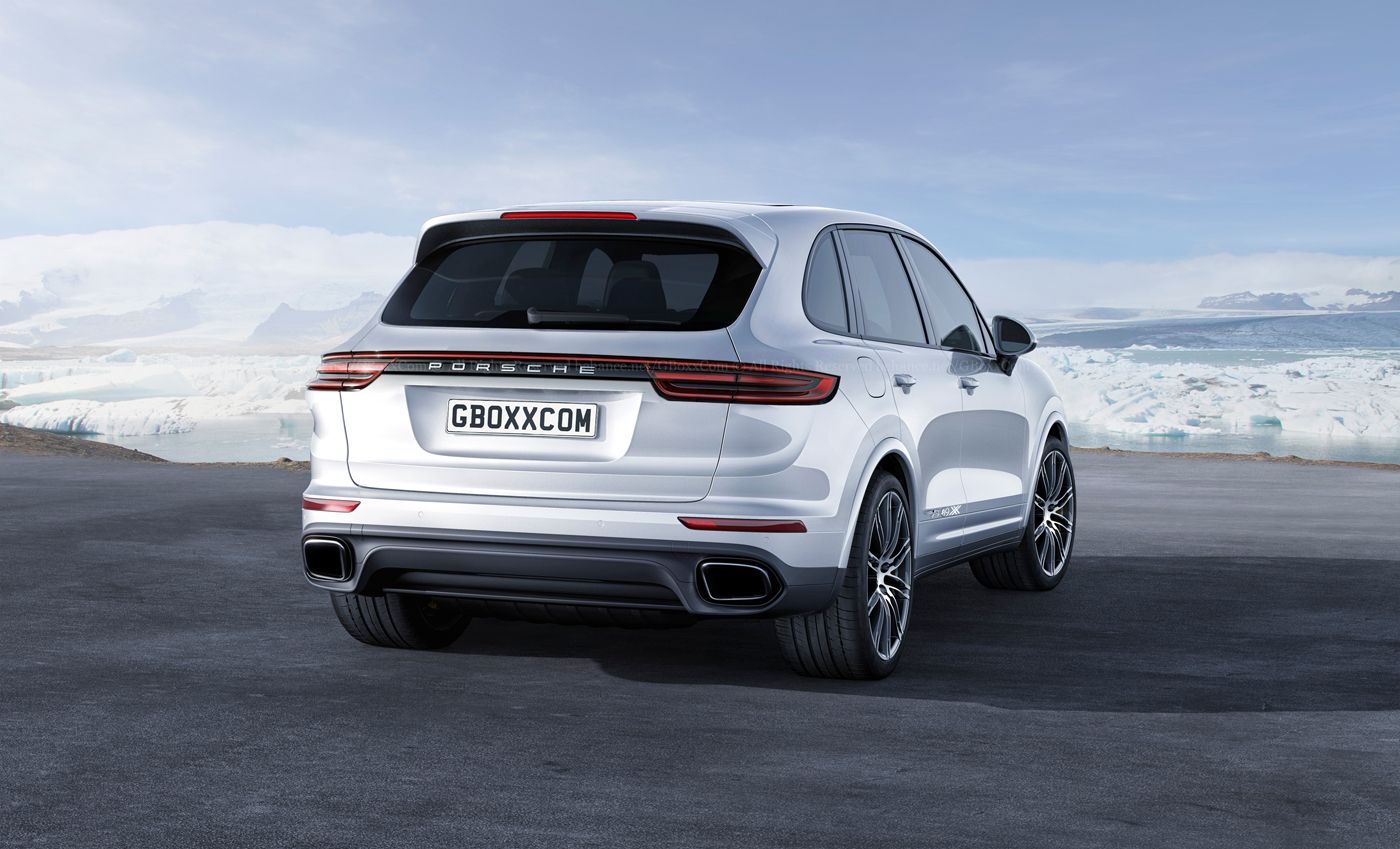


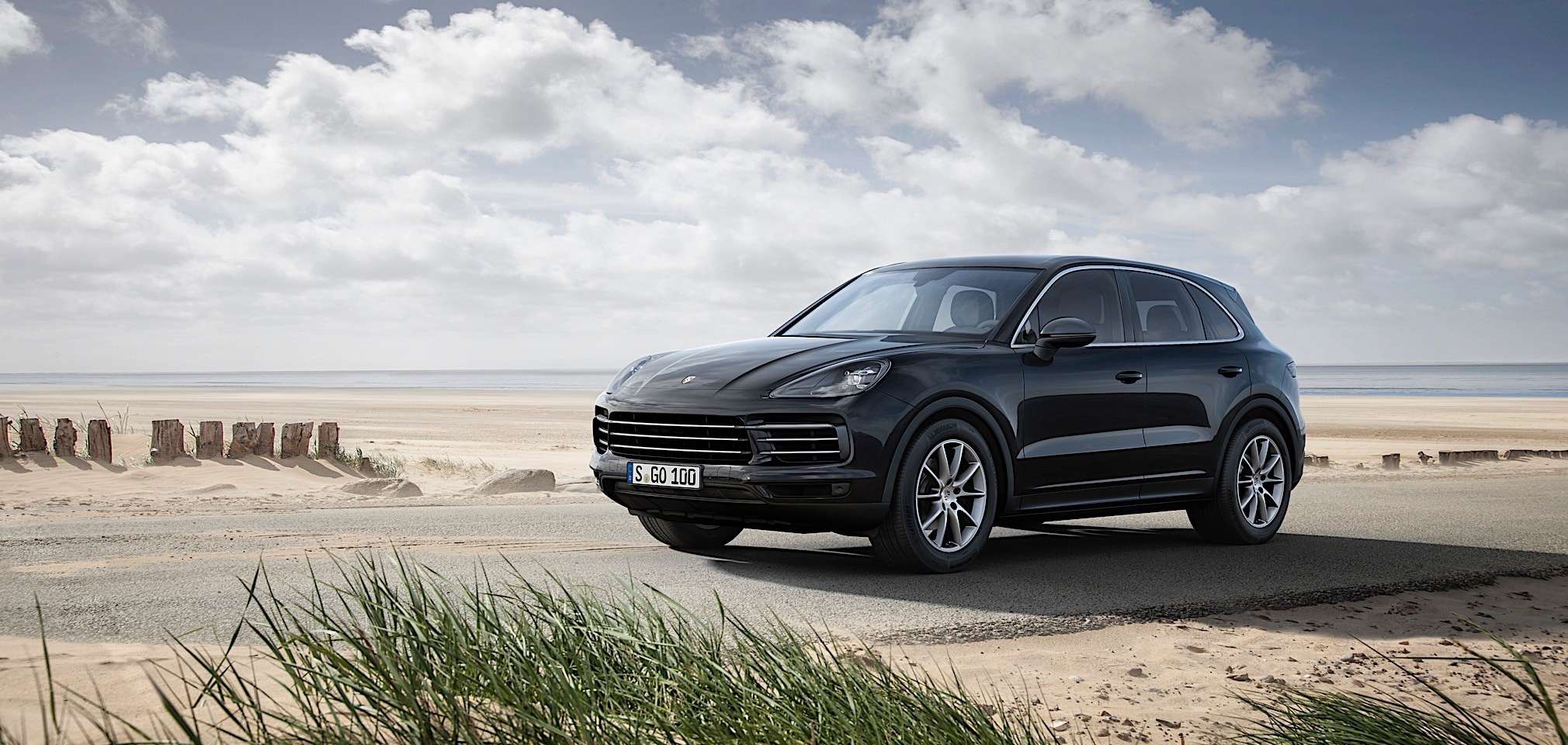
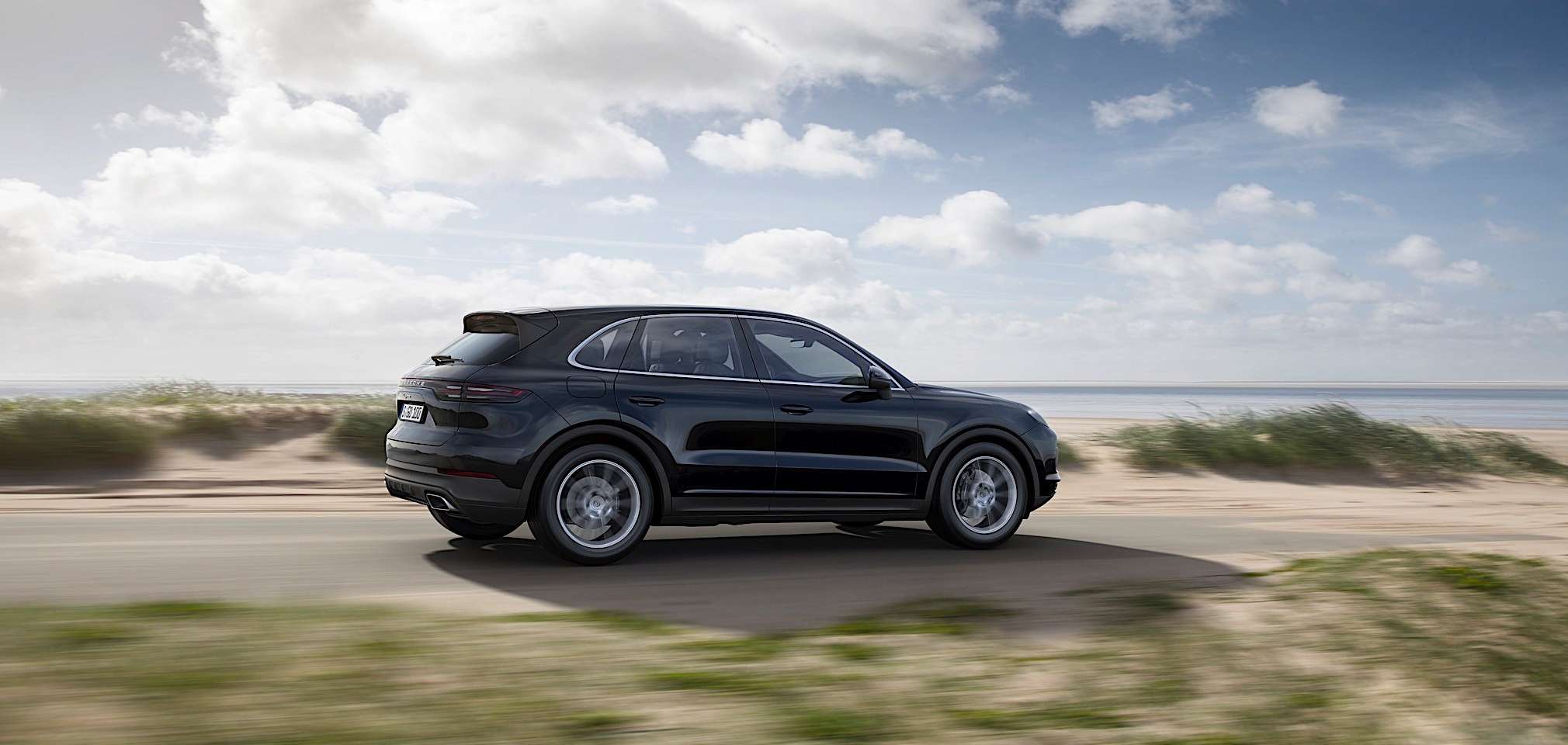
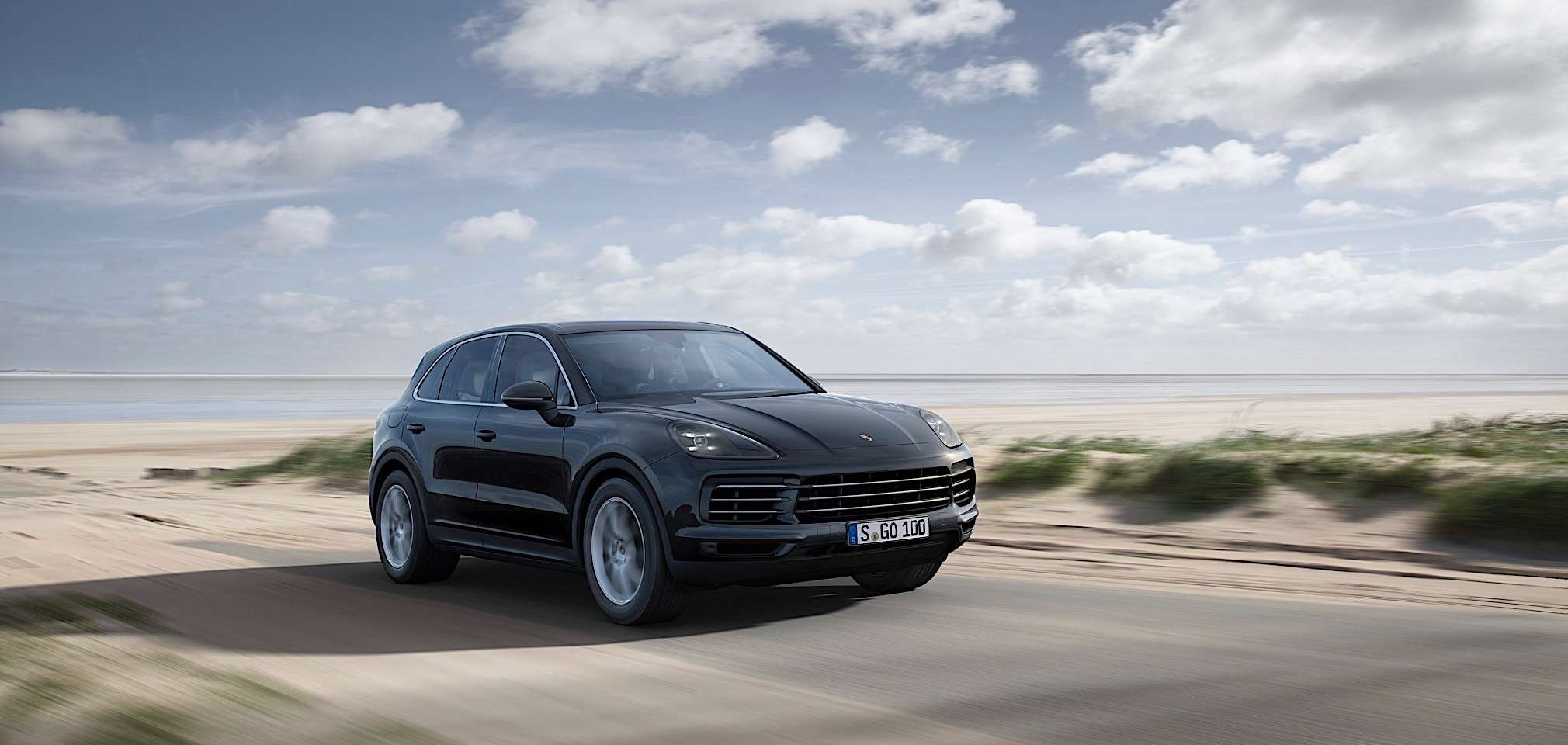
2018 Porsche Cayenne Base Exterior Colors
2018 Porsche Cayenne Base Interior Colors
2018 Porsche Cayenne Engines
| Engine | Standard in Trim | Power | Torque | Fuel Consumption - City | Fuel Consumption - Highway | 0-100 km/h | Quarter Mile | Half Mile |
|---|---|---|---|---|---|---|---|---|
| 3.0L V6 DOHC 24-valve + electric motor | S E-Hybrid | 416 hp @ 5500 rpm | 328 N.m | L/100km | L/100km | 5.2 s | 11.8 s | 22.1 s |
| 3.0L V6 DOHC 24-valve + electric motor | S E-Hybrid Platinum Edition | 416 hp @ 5500 rpm | 328 N.m | 11.1 L/100km | 7.9 L/100km | 5.2 s | 11.8 s | 22.1 s |
2018 Porsche Cayenne Trims
2018 Porsche Cayenne Previous Generations
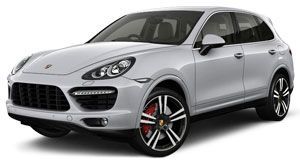
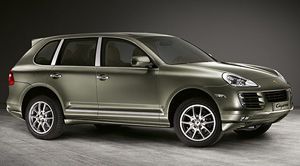
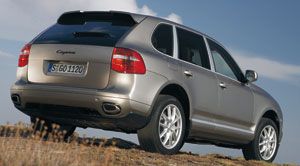
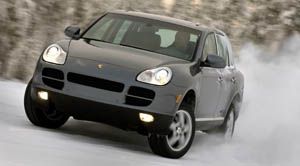
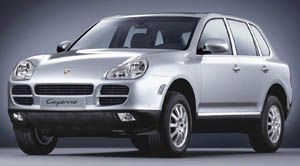
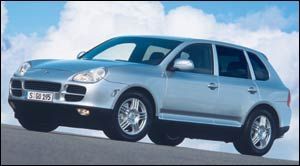
2018 Porsche Cayenne Future Generations
Porsche Cayenne Overview and History
Situated in downtown Stuttgart, Porsche's first contract of developing a people's car, a Volkswagen, appointed by the German government. The result was one of the most famous cars in history, one of the best sold and one of the most easily recognizable out there, the Beetle. Many features of the Beetle would find their place on the first ever Porsche, the 64, developed in 1939.
During WWII the Porsche factory turned to making vehicles for the German Army, such as the Kubelwagen and the Schwimmwagen as well as contributing to the production of Tiger and Elefant tanks. After the war Ferdinand was imprisoned for war crimes for 20 months and was during that time that his son, Ferry Porsche, decided to build a new car to suit his needs – the 356.
The success of the 356 and the death of Ferdinand Porsche in 1951 gave Ferry the confidence to follow in his father's footsteps and continue designing cars. One of his most famous designs was the Spyder 550, a car that would prove very successful in races.
By now, the general line of the company seemed evident, as in 1964 another sporty model, the 911, another car with a air-cooled, boxer, rear-mounted engine. The design team for this car was led by Ferry's oldest son, Ferdinand Alexander Porsche. this car would take the legacy of the 550 Spyder even further, winning races and rallies. Testimony to the success of the 911 is the fact that it's still in production today, despite being heavily modified.
Porsche was going to change its status in 1972 from a limited partnership to a public limited company, which meant that now Porsche would be run by a board of directors supervised by family members. In 1974, at the Paris Auto Show, Porsche unveils the new 911 Turbo, with exhaust turbocharger and pressure regulator.
When the 924 was entered in production in 1975, Porsche took a leap of faith because it had not experienced with front-mounted engines for a long time. By Porsche standards, the 928 was an oddity, with its front-mounted V8 engine made out of metal alloy. Then, in 1981, a new transaxle model is added to the Porsche line-up, the 944. The high-performance Porsche 959 is unveiled at the Frankfurt Auto Show in 1985. It will go on to win a lot of races and rallies, the best known being the Paris-Dakar.
A new technological leap was made in 1988 when the 911 Carrera 4 with all-wheel drive was introduced on the market. Then, in 1989, the “Tiptronic” automatic gearbox system is fitted on Porsches. In 1991, Porsche becomes the first car manufacturer to fit driver and passenger airbags on all its models.
The Boxter model is introduced in 1996 after 3 and a half years of development. That same year, Porsche celebrates 1million units being produced. Two years later, Ferry Porsche dies at the age of 88 but the company moves on and has a great season at Le Mans with the 911 GT1, coming in first and second. This was going to be only the beginning for Porsche, which continued with the very sporty and high-performance models Boxster S and the Carrera GT in 2000.
In 2002 Porsche entered the SUV market with the unconventional Cayenne and its later versions, the Cayenne Turbo and Turbo S. The next model on the line-up for Porsche, announced for 2009 is the Panamera, a four-door sedan. With this new model, Porsche seems set to take on a whole new market, directly competing with other luxury brands such as Mercedes, BMW and Audi.
2018 Porsche Cayenne Consumer Reviews
Compare Against Competitors
2018 Porsche Cayenne Base Specifications
Base Comfort and Convenience
| AM/FM stereo radio | AM/FM/RDS/HD stereo radio |
|---|---|
| Air Conditionning | Dual-zone automatic climate control |
| Ambient Lighting | Yes |
| Antenna | Integrated antenna system |
| Audio Display Audio | Porsche communication management |
| Audio Interface | Music interface |
| Audio Monitor | 7-inch touch screen |
| Audio Volume | Speed-sensitive volume control |
| Auxiliary input jack | Yes |
| Bluetooth Wireless Technology | Mobile phone preparation via Bluetooth |
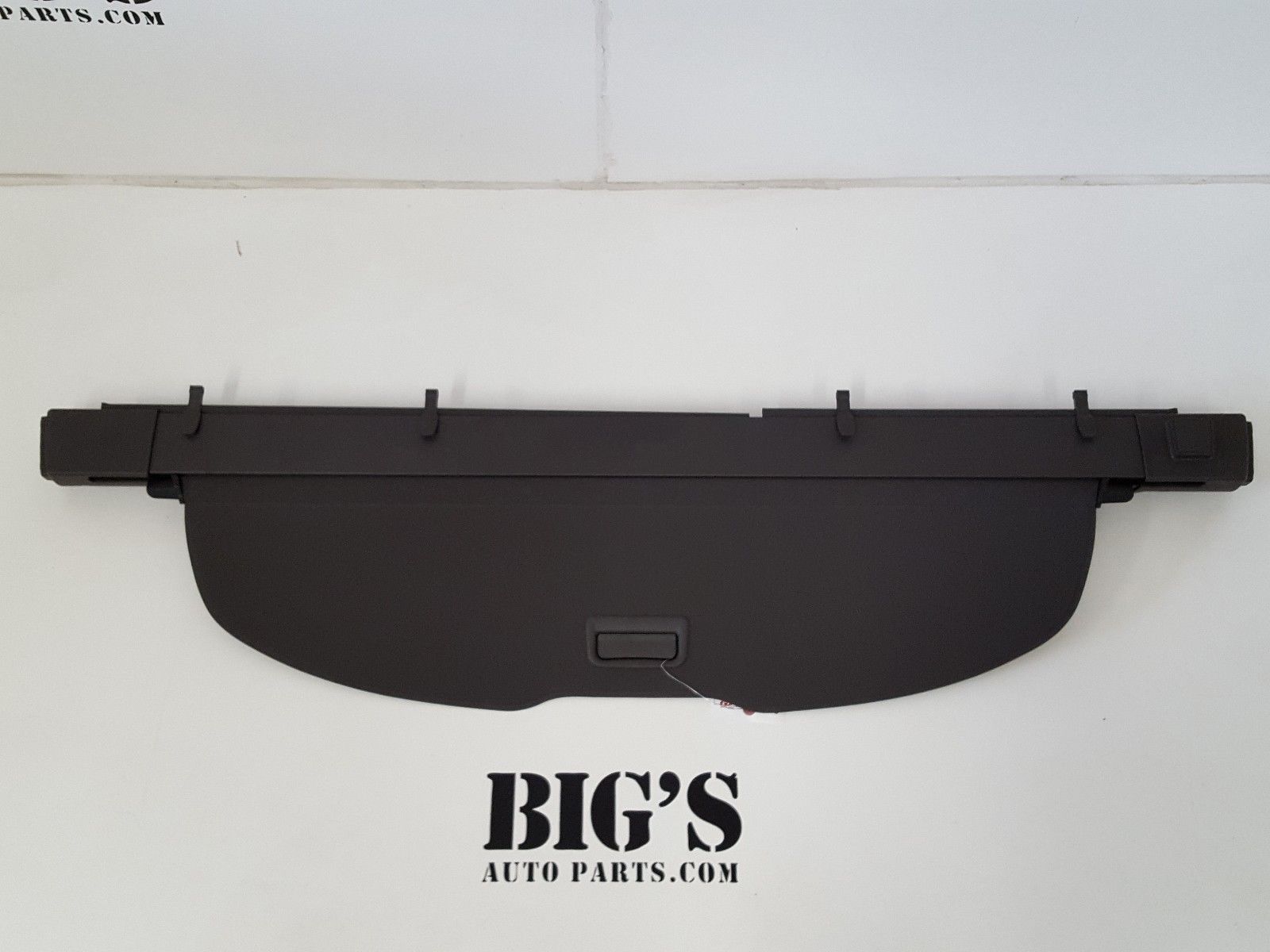
| Cargo Cover | Yes |
| Courtesy Dome Light | Courtesy lights |
| Cruise Control | Yes |
| Driver Vanity Mirror | Illuminated driver-side vanity mirror |
| Front Wipers | Rain-sensing variable intermittent windshield wipers |
| Garage Door Opener | Homelink universal garage-door opener and remote |
| Heated Washer Nozzle | Heated washer nozzles |
| Heated Steering Wheel | Heated steering wheel |
| Interior Air Filter | Cabin air filter |
| MP3 Capability | Yes |
| Navigation System | Yes |
| Number of Speakers | 10 speakers |
| Passenger Vanity Mirror | Illuminated front passenger-side vanity mirror |
| Power Door Locks | Yes |
| Power Outlet | 4 12-volt power outlets |
| Power Windows | Power windows front and rear, remote closing function, anti-pinch protection and one-touch open/close function |
| Reading Light | Front/rear interior lighting reading spots |
| Rear View Mirror | Day/night rearview mirror |
| Rear Wipers | Rear intermittent wiper with washer |
| Remote Audio Controls | Multifunction steering wheel |
| Remote Keyless Entry | Yes |
| SD Memory Card | 2 SD card slots |
| Single CD | CD player |
| Single DVD | DVD player |
| Sirius XM satellite radio | Yes |
| Smoking Convenience | Non-smoker package |
| Steering Wheel Adjustment | Tilt and telescopic steering wheel |
| Subwoofer | Yes |
| Trunk/Hatch Operation | Remote trunk hatch release |
| Trunk Cargo Power Trunk Tailgate | Power tailgate |
| USB i Pod Connector | USB/iPod connector |
| Wiper Defroster | Windshield wiper defroster |
Base Dimensions
| Cargo Capacity | 670 L |
|---|---|
| Fuel Tank Capacity | 100 L |
| Gross Vehicle Weight | 2810 kg |
| Ground Clearance | 215 mm |
| Height | 1705 mm |
| Length | 4855 mm |
| Max Trailer Weight | 3500 kg |
| Maximum Cargo Capacity | 1780 L |
| Wheelbase | 2896 mm |
| Width | 1939 mm |
Base Exterior Details
| Automatic Headlights | Yes |
|---|---|
| Body Trim Badge | Porsche logotype on rear lid in chrome look |
| Bumper Colour | Body-color bumpers |
| Door Handles | Body-color door handles |
| Exterior Decoration | Front fascia with integrated air inlets |
| Front Fog Lights | Fog lights |
| Headlight Type | Bi-xenon headlights / Headlight assistant |
| Headlights Auto Off | Automatic coming home lights |
| Headlights Daytime Running Lights | LED daytime running lights |
| Headlights Leveling Headlights | Levelling headlights |
| Heated Exterior Mirrors | Heated outside mirrors |
| License Plateholder | LED number plate lights |
| Power Exterior Mirrors | Power-adjustable outside mirrors |
| Privacy Glass | Yes |
| Rear Spoiler | Yes |
| Rear Window Defroster | Yes |
| Taillights | LED rear lights and adaptive brake lights |
| Tinted Glass | Yes |
Base Interior Details
| Brake Pad Wear Warning | Yes |
|---|---|
| Clock | Analog clock |
| Driver Info Center | Instrument cluster with high-resolution 4.8-inch TFT colour display |
| Floor Console | Centre console storage illumination |
| Floor Covering | Carpet floor covering |
| Floor Mats | Yes |
| Folding Rear Seats | 40/20/40 rear split folding bench |
| Front Center Armrest | Front armrest with storage |
| Front Seats Driver Height | Power height-adjustable driver's seat |
| Front Seats Driver Power Seats | 8-way power driver's seat |
| Front Seats Front Seat Back Storage | Front seatback storage |
| Front Seats Front Seat Type | Front bucket seats |
| Front Seats Heated | Heated front seats |
| Front Seats Passenger Height | Front passenger's seat power height adjustment |
| Front Seats Passenger Power Seats | 8-way power front passenger seat |
| Front Seats Under Seat Storage | Underseat storage |
| Glove Box | Glove compartment illumination |
| Headliner | Cloth headliner |
| Instrumentation Type | Analog instrumentation |
| Interior Trim Doorsills | Door entry guards in stainless steel with model designation in front |
| Low Fuel Warning | Yes |
| Maintenance Interval Reminder | Maintenance reminder system |
| Number of Cup Holders | 4 cupholders |
| Oil Pressure Gauge | Yes |
| Outside Temperature Gauge | Outside temperature display |
| Rear Center Armrest | Rear-seat fold-down armrest |
| Rear Seat Type | Rear bench seat |
| Seat Trim | Partial leather seats |
| Steering Wheel Trim | Leather-wrapped steering wheel |
| Steering Wheel Type | Multifunction sport steering wheel |
| Tachometer | Yes |
| Trip Computer | Yes |
| Water Temperature Gauge | Coolant temperature gauge |
Base Mechanical
| Drive Train | All-wheel drive |
|---|---|
| Engine Name | 3.6L V6 DOHC 24-valve |
| Stability Control | Yes |
| Start button | Yes |
| Traction Control | Yes |
| Transmission | 8-speed automatic transmission with manual mode |
| Transmission Paddle Shift | Yes |
Base Overview
| Body | Sport Utility |
|---|---|
| Doors | 5 |
| Engine | 3.6L V6 DOHC 24-valve |
| Fuel Consumption | 12.9 (Automatic City)9.8 (Automatic Highway) |
| Power | 300 hp @ 6300 rpm |
| Seats | 5 |
| Transmission | 8-speed automatic transmission with manual mode |
| Warranties | Bumper-to-Bumper80000/km, 48/Months Powertrain80000/km, 48/Months Roadside Assistance80000/km, 48/Months Rust-throughUnlimited/km, 144/Months |
Base Safety
| Anti-Lock Brakes | 4-wheel ABS |
|---|---|
| Anti-Theft Alarm | Anti-theft alarm system |
| Brake Assist | Adaptive with hold function |
| Brake Type | 4-wheel disc |
| Brakes Brake Caliper Finish | Black |
| Child Seat Anchor | ISOFIX child seat anchor |
| Child-proof Locks | Power rear-door child safety locks |
| Driver Airbag | Driver-side front airbag |
| Driver Assistance Hill Descent Control | Porsche hill control (PHC) |
| Front Seat Belts | Height adjustable |
| Ignition Disable | Theft-deterrent engine immobilizer |
| Parking Brake | Electric |
| Passenger Airbag | Passenger-side front airbag |
| Performance Brakes | Performance brakes |
| Rear Seat Belts | pre-tensioner |
| Rear Side Airbags | Rear-side airbags |
| Roof Side Curtain | Front and rear side head curtains |
| Side Airbag | Seat mounted front side airbags |
Base Suspension and Steering
| Drive Selection | Sport button |
|---|---|
| Front Anti-Roll Bar | Front stabilizer bar |
| Front Suspension | Independent front suspension |
| Front Tires | 255/55R18 tires |
| Power Steering | Power-assisted steering |
| Rear Anti-Roll Bar | Rear stabilizer bar |
| Rear Suspension | Independent rear suspension |
| Spare Tire | 18-inch collapsible spare tire |
| Tire Pressure Monitoring System | Yes |
| Wheel Type | 18-inch Cayenne wheels |
Discussion and Comments
Share Your Comments