2011 Lotus Exige S 0-60 Times, Top Speed, Specs, Quarter Mile, and Wallpapers
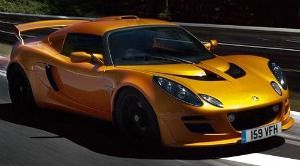
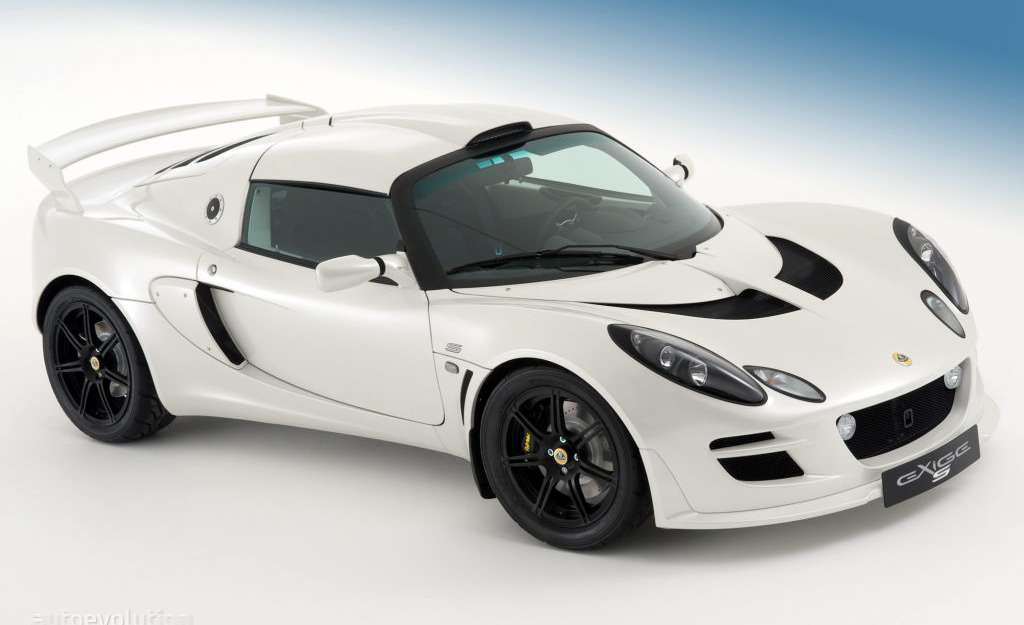
The 2011 Lotus Exige S is a Rear-wheel drive Coupe. It can accommodate up to 2 passengers. It has 2 Doors and is powered by a 1.8L L4 supercharged DOHC 16-valve engine which outputs 220 hp @ 8000 rpm and is paired with 6-speed manual transmission gearbox. The 2011 Lotus Exige S has cargo capacity of 112 Liters and the vehicle weighs 942 kg. In terms of ride assists, the 2011 Lotus Exige S has stability control and traction control in addition to anti-lock brake system (ABS). The vehicle has an optional engine as well It offers and. Safety features also include Driver-side front airbag and Passenger-side front airbag. The front suspension is Independent front suspension while the rear suspension is Independent rear suspension. The car also features a It has 16'' front and 17'' rear alloy wheels as standard. Electronic features include Cruise Control. For convenience, the car has Power windows and Power door locks. There is also a remote keyless entry feature. Moreover, the car has. The steering wheel has audio control buttons. In terms of performance, the car has 240 N.m of torque and a top speed of 222 km/h. The 2011 Lotus Exige S accelerates from zero to 60 mph in 5.1 seconds and hits quarter mile at 13.1 seconds. Fuel consumption is L/100km in the city and L/100km in the highway. The car price starts at $ 84,490
| Name | S | |
|---|---|---|
| Price | $ 84,490 | |
| Body | Coupe | |
| Doors | 2 Doors | |
| Engine | 1.8L L4 supercharged DOHC 16-valve | |
| Power | 220 hp @ 8000 rpm | |
| Number of Seats | 2 Seats | |
| Transmission | 6-speed manual transmission | |
| Cargo Space | 112.0 L | |
| Maximum Cargo Space | 112.0 L | |
| Wheel Type | 16'' front and 17'' rear alloy wheels | |
| Series | Exige II | |
| Drivetrain | Rear-wheel drive | |
| Horsepower | 220 HP | |
| Torque | 240 N.m | |
| Top Speed | 222 km/h | |
| Acceleration 0-100 km/h (0-60 mph) | 5.1 s | |
| Fuel Type | Petrol (Gasoline) | |
| Fuel Consumption (City) | L/100km | |
| Fuel Consumption (Highway) | L/100km | |
| Gear Type | manual | |
| Weight | 930 KG | |
| Brand | Lotus | |
| Model | Exige | |
| 0-400m (Quarter Mile) | 13.1 s | |
| 0-400m (Quarter Mile) - Speed | 175.7 km/h | |
| 0-800m (Half Mile) | 21.7 s | |
| 0-800m (Half Mile) - Speed | 197.8 km/h | |
| Modifications (MODS) | ||
| Modifications Cost | $ 0 |
2011 Lotus Exige S full acceleration!
2011 Lotus Exige Used Price Estimates
Estimates based on a driving average of 12,000 miles per year| Used Condition | Trade In Price | Private Party Price | Dealer Retail Price |
|---|
The 2011 Lotus Exige represents one of the most engaging cars built today, but its focus on performance means comfort and convenience are low among its priorities.
What are you willing to give up in the name of performance? In the case of the 2011 Lotus Exige, we'd give up quite a lot. It's loud, cramped, harsh, impractical and unforgiving. Yet a true driving enthusiast -- one who intends to use this car at its full potential on a racetrack – finds these sacrifices only minor inconveniences compared to the unparalleled driving experience this little sports car delivers.

Starting with a very lightweight aluminum chassis that is chemically bonded (instead of welded or bolted) for rigidity, the Exige follows the core Lotus principle of founder Colin Chapman: "Simplify, then add lightness." Everything about the Exige is built for lightness, from the fiberglass and carbon-fiber bodywork to the deletion of unessential convenience features. Reduced weight allows a small-displacement engine to deliver supercar performance. In this case, it's a supercharged 1.8-liter Toyota inline-4.
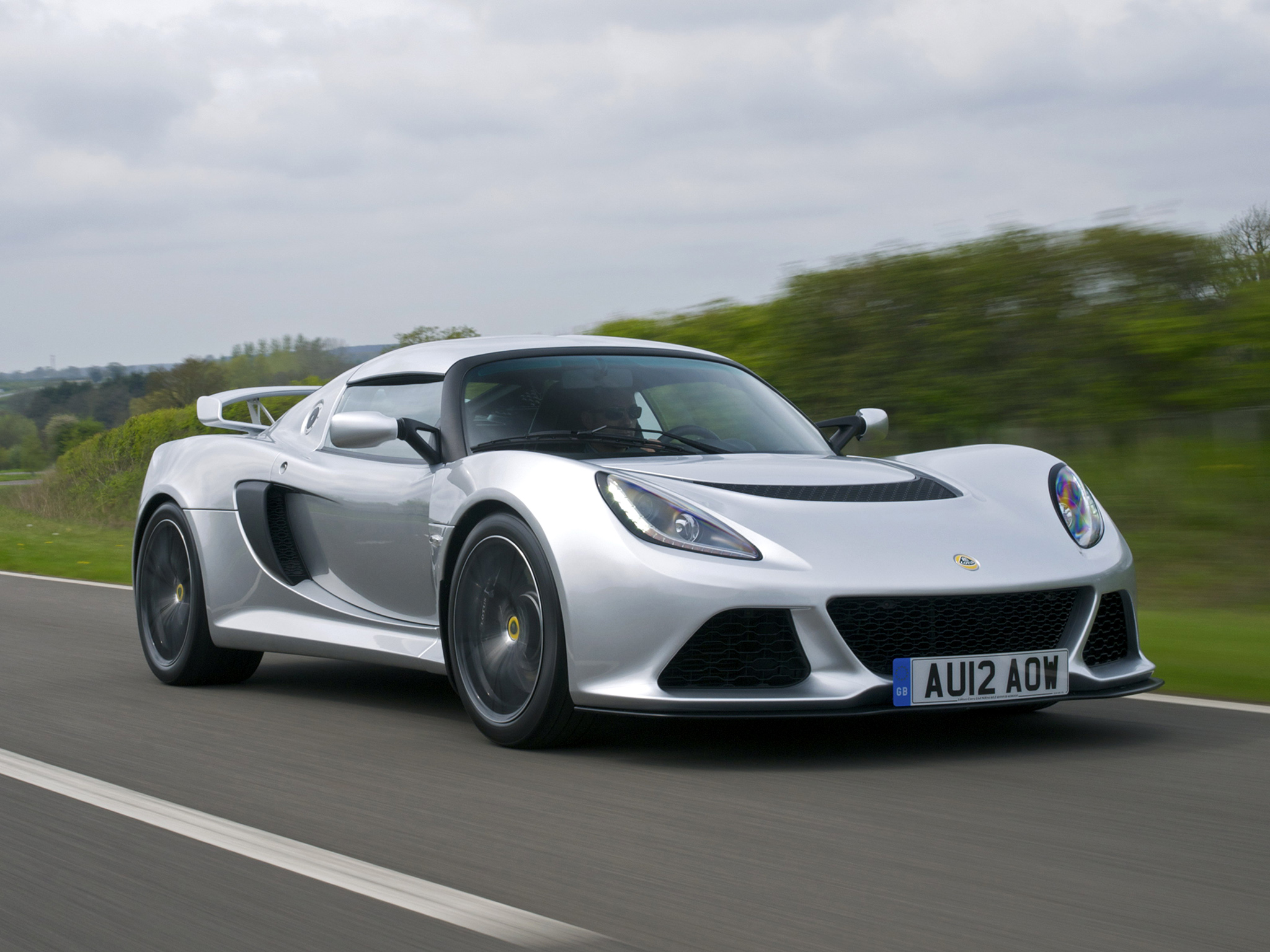
The resulting weight-to-power ratio comes in at an impressive 8.33 pounds per horsepower, a ratio even more favorable than the likes of the 2011 Audi R8 or 2011 Porsche 911. Opting for the even more powerful Lotus Exige S260 Sport will give a driver even more to smile about. And let's not overlook the Exige's handling, which has the immediate response of a manic hummingbird. Once you factor in the feel through the steering and even the seat of your pants, it's as if you have nerve endings that extend to the contact patches of the tires.
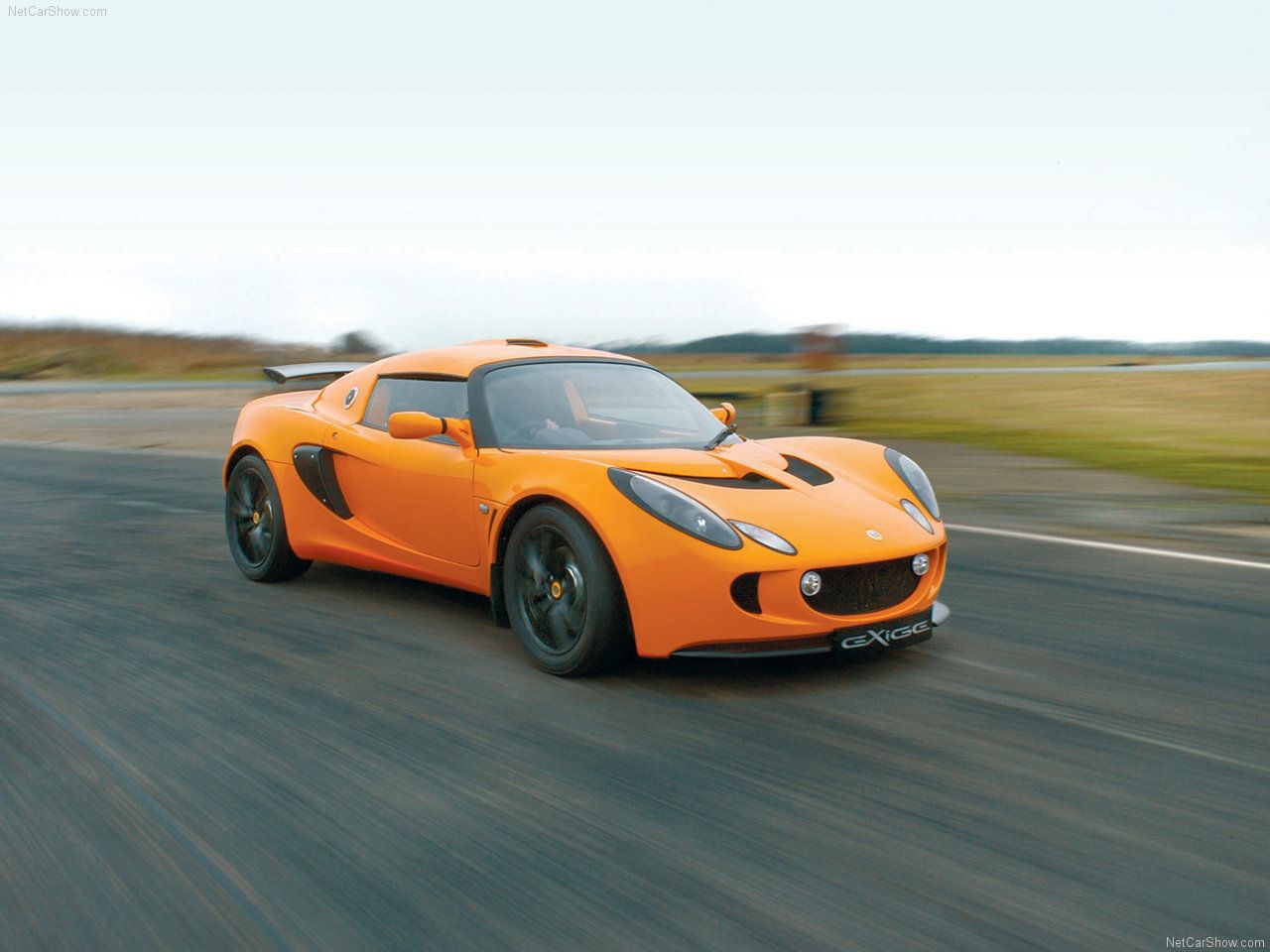
This combination of driving dynamics and visceral feedback leaves the Exige with little in the way of competition at its price point. The 2011 Porsche Boxster Spyder represents the closest rival for a track-tuned weapon, but while the Spyder is much easier to live with on a daily basis, it isn't nearly as communicative. For ultimate driver engagement and thrills, it's hard to beat the 2011 Lotus Exige.
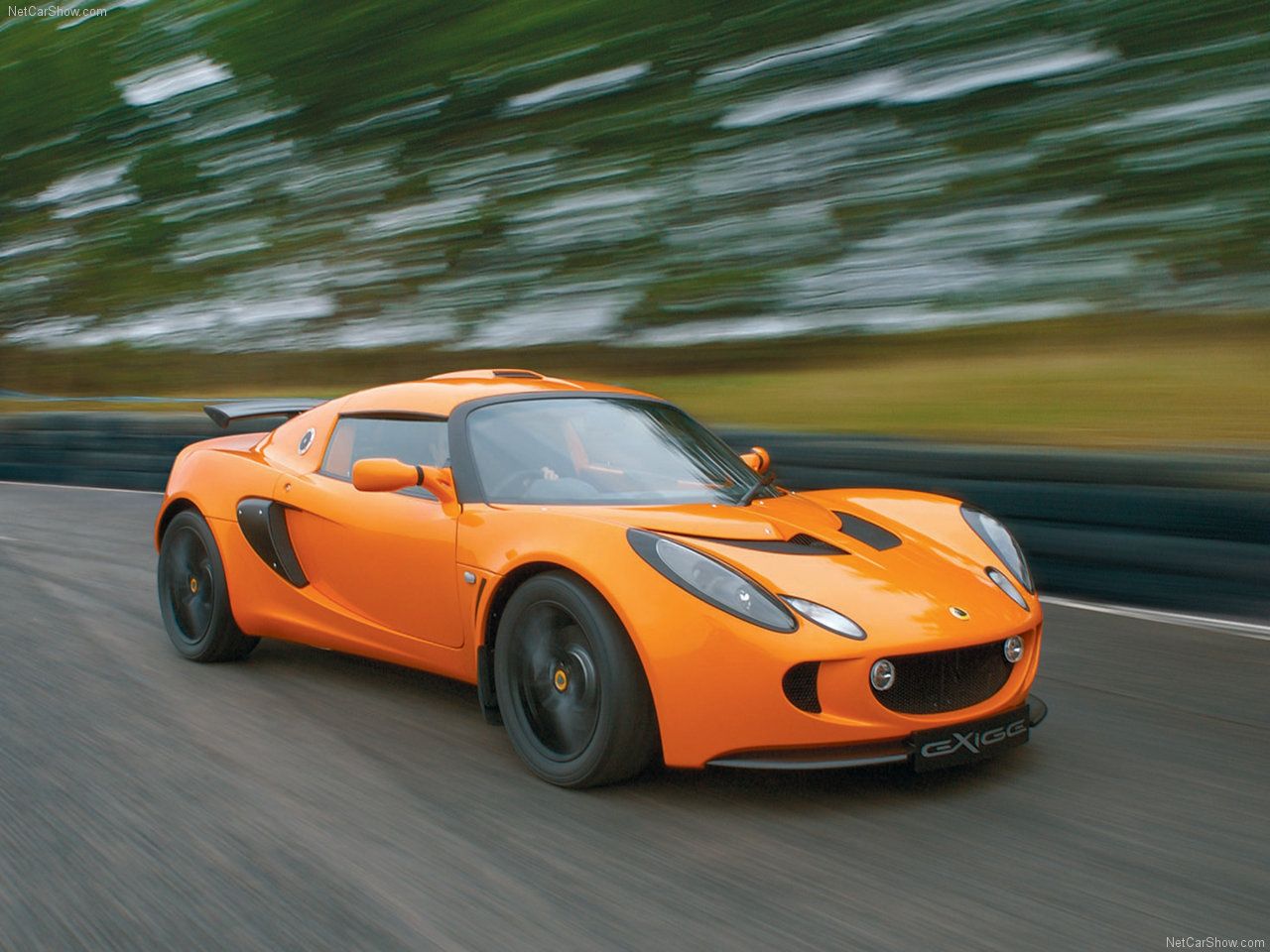
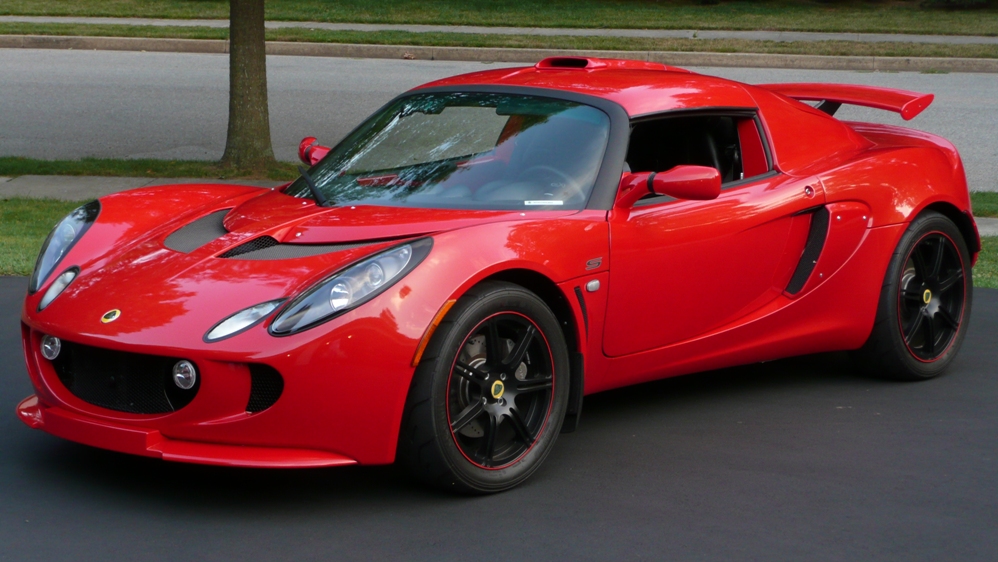
The 2011 Lotus Exige is a midengine, two-passenger rear-wheel-drive coupe that is offered in two trims: the S240 and the S260 Sport.
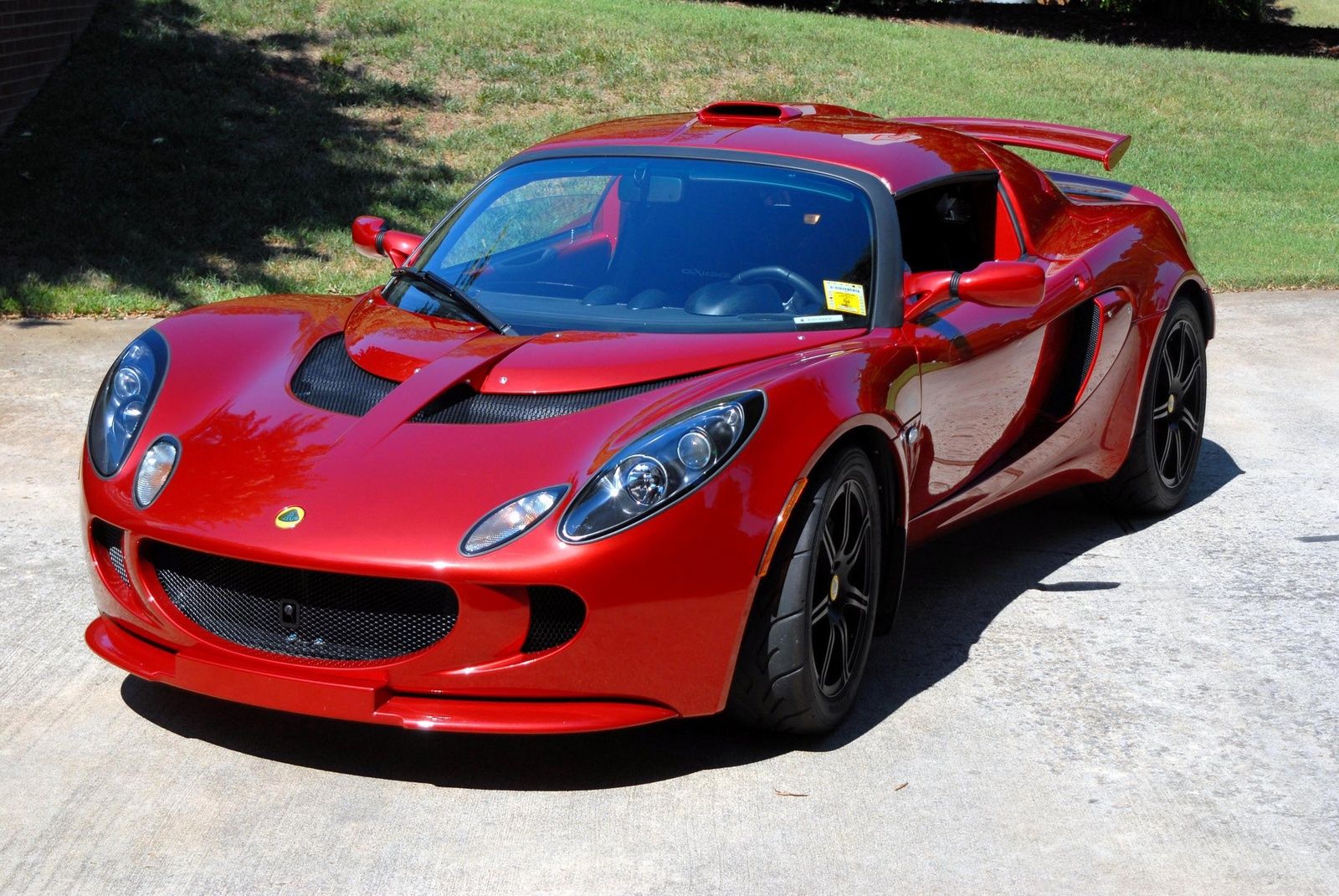
Standard features for the Exige S240 include forged-aluminum wheels (16-inch front, 17-inch rear), Yokohama Advan A048 high-performance tires, Lotus/AP Racing and Brembo ventilated and cross-drilled brakes, Bilstein dampers with Eibach springs, air-conditioning, power windows and locks, sport seats with Probax anatomical padding, black cloth upholstery, a leather-trimmed Momo steering wheel, a four-speaker Alpine stereo with a CD player, and adjustable traction control and launch control.
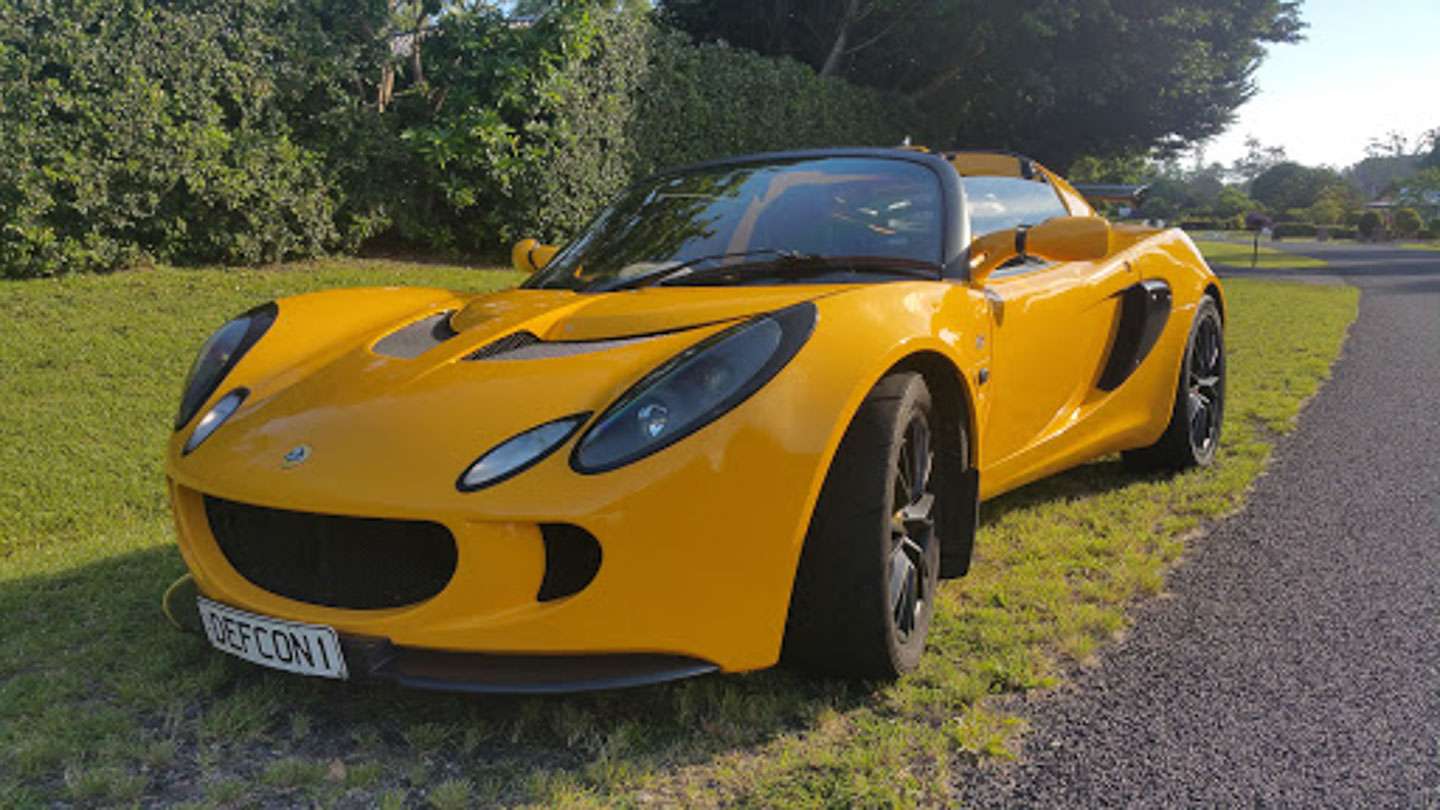
An optional Touring Pack adds additional acoustic insulation, a cupholder, an interior stowage net, a full carpet set, iPod connectivity, center console divider and leather upholstery for the seats, door panels, handbrake and center console. The Track Pack adds manually adjustable Ohlins dampers and height-adjustable springs. A paint-protection film, limited-slip differential and special-order exterior colors are also optional (although some of these colors are more expensive than all the other options combined).
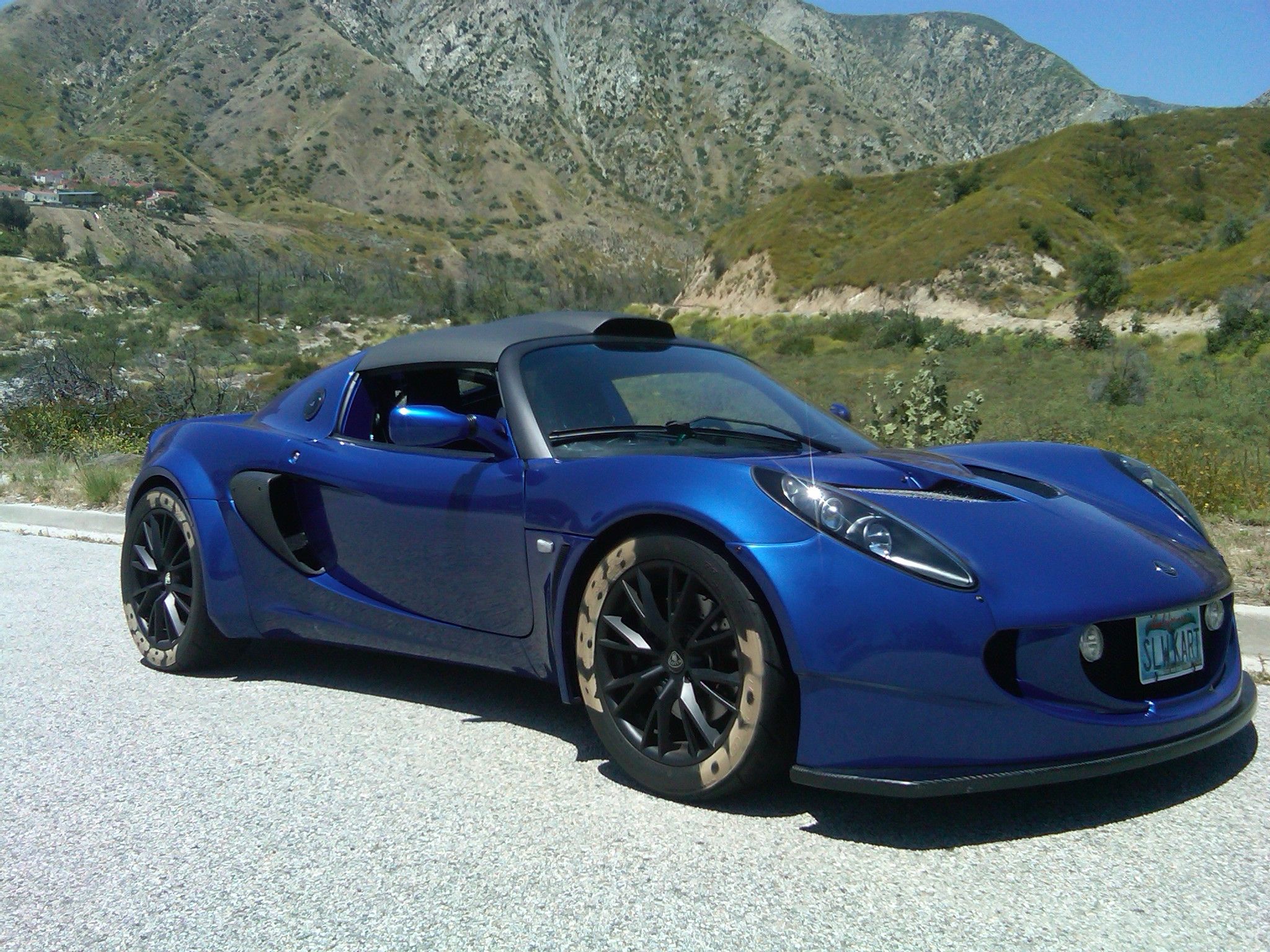
The Exige S260 Sport ratchets up performance with a boost in power output, numerous carbon-fiber body panels, a front splitter, a rear spoiler and a carbon-fiber race seat. The S260 also incorporates the limited-slip differential and Touring and Track Packs as standard equipment. The paint-protection film is also available as an option.
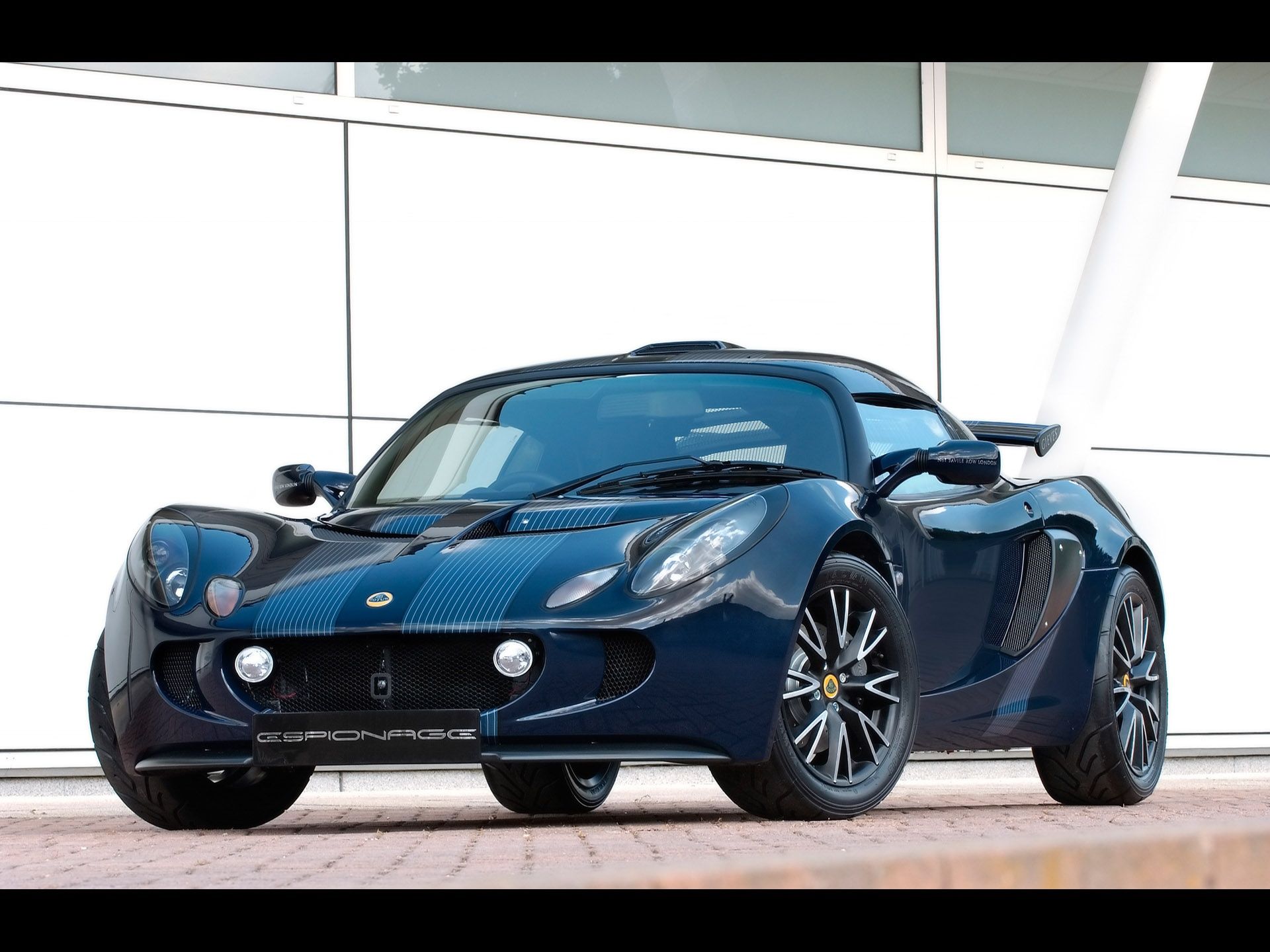
A special Roger Becker Edition of the Lotus Exige debuts for 2011, honoring the longtime director of Lotus vehicle engineering, who recently retired. This model is based on the S260 and includes the Touring package, along with the limited-slip differential. It will only be offered in a handful of colors with a black leather interior.
Powering the 2011 Lotus Exige S240 is a Yamaha-engineered and Toyota-built four-cylinder engine. This supercharged and intercooled unit produces 240 horsepower and 170 pound-feet of torque. The version in the Exige S260 Sport gets a slight increase in output to 257 hp and 174 lb-ft of torque. A six-speed manual is the only transmission offered.

Lotus claims a 0-60-mph acceleration time of 4.5 seconds for the S240, while the S260 Sport is estimated at 4.0 seconds. Despite the Exige's high sporting potential, fuel economy does not suffer, as both models return 20 mpg city and 26 mpg on the highway.

Since the lightweight Exige strives for all-out performance, safety equipment is as bare-bones as federally mandated rules allow. Front airbags, antilock brakes and traction control are included, but side airbags and stability control are not available.
braking tests of a similar Lotus Elise yielded a very short 110-foot stop from 60 mph. We expect the Exige to meet or better this figure.

While the typical driver might bemoan the sacrifices of comfort and convenience made by the Exige, true enthusiasts will celebrate the purity of the driving experience. The manual steering, firm brake pedal and stiff suspension alert the driver to what the chassis is doing in no uncertain terms. On a smooth racetrack, there is simply no production car quite like it.
Unfortunately, there is also nothing quite like this Lotus when it's on public roads. Every rut and bump is transmitted directly into the spine of the passengers. The car is also incredibly loud in terms of engine, road and wind noise. The 2011 Lotus Exige is intended for enthusiasts to be sure, but it also demands the kind of enthusiast willing to sacrifice nearly every modern comfort and convenience for outright driving performance.
Among any car currently being produced, the Lotus Exige has the most sparsely appointed cabin you're likely to encounter. The few controls available are not very user-friendly (especially the tiny radio buttons), and the trim amounts to bare metal and hard plastics. The sport seats offer excellent lateral support and are surprisingly comfortable, but accessing them requires a high level of flexibility in order to limbo past the low roof line while clambering over the high door sills. If you're tall, you'll probably find the cabin as enjoyable as a straitjacket, as your right leg can get painfully wedged between the steering wheel and shift lever.
Storage space is also hard to come by, since there is neither a glovebox nor interior pockets. The comically small trunk can only accommodate 4 cubic feet of cargo, and that cargo would have to fit past a very narrow opening. Furthermore, anything placed back there will be slow roasted by heat from the engine and exhaust. Fortunately, the Exige is fast enough to get home from the supermarket before your ice cream becomes a milkshake.
2011 Lotus Exige S Exterior Colors
2011 Lotus Exige S Interior Colors
2011 Lotus Exige Engines
| Engine | Standard in Trim | Power | Torque | Fuel Consumption - City | Fuel Consumption - Highway | 0-100 km/h | Quarter Mile | Half Mile |
|---|---|---|---|---|---|---|---|---|
| 1.8L L4 supercharged DOHC 16-valve | CUP 260 | 257 hp @ 8000 rpm | 240 N.m | 11.9 L/100km | 6.5 L/100km | 4.6 s | 12.4 s | 20.6 s |
| 1.8L L4 supercharged DOHC 16-valve | S | 220 hp @ 8000 rpm | 240 N.m | L/100km | L/100km | 5.1 s | 13.1 s | 21.7 s |
| 1.8L L4 supercharged DOHC 16-valve | S 240 | 240 hp @ 8000 rpm | 240 N.m | L/100km | L/100km | 4.8 s | 12.7 s | 21.1 s |
| 1.8L L4 supercharged DOHC 16-valve | S 260 | 257 hp @ 8000 rpm | 240 N.m | L/100km | L/100km | 4.6 s | 12.4 s | 20.6 s |
| 1.8L L4 supercharged DOHC 16-valve | S | 218 hp @ 8000 rpm | 240 N.m | 14.4 L/100km | 11.0 L/100km | 5.4 s | 13.1 s | 21.8 s |
| 1.8L L4 supercharged DOHC 16-valve | S 240 | 240 hp @ 8000 rpm | 240 N.m | 14.4 L/100km | 11.0 L/100km | 5.0 s | 12.7 s | 21.1 s |
2011 Lotus Exige Trims
2011 Lotus Exige Previous Generations
2011 Lotus Exige Future Generations
Lotus Exige Overview and History
It's a long way for the brand which was first established when Colin Chapman, a graduate of University College, London, built his first car in a lock-up garage behind his girlfriend's car. The year was 1946 and the car was dubbed by its creator as the Austin Seven Special. He entered it in a couple of races in 1948 and managed to snag some victories.
The first car that he called a Lotus was built in 1949 and it had a more powerful Ford engine. While this model was powerful enough to beat a Bugatti Type 37 in the Silverstone race. After this victory Champan decided to focus on sports cars that would run in the Formula 750.
He teamed up with Michael and Nigel Allen and together they formed Lotus Engineering Company in 1952. The first production car was the Lotus Mark VI which was running on the new 1.5 Ford Consul engine. This car too proved successful on the racing circuit and by 1955, enough orders of the car had been made to allow Chapman and his team to fully dedicate themselves to the company.
That same year they entered the Lotus Mark IX at the Le Mans race but they were disqualified when Chapman reversed. Undeterred and ready for bigger things, Chapman created new Lotus models, including the updated version of the Mark VI called The Seven. This car was to achieve cult status, being in production to this day under the name Caterham Seven.
Outgrowing its facilities, Lotus was forced to move to a new facility at Chestnut in 1959.
It was at this factory that the all new Lotus Elite was to be built, with its integral glass fibre body and chassis. Lotus had already entered Formula in 1958 and by 1959 they'd already won their first grand prix with Stirling Moss at the wheel.
Lotus went on to win two world championships with Jim Clark and still had time to develop a car that is thought to be the best sports vehicle of all time - the Ford Cortina.With the introduction of Lotus Europa Chapman was ready to ditch his kit car image (for which reason he sold the Seven model to Caterham).
In the 70s, after the unsuccessful release of the Lotus 30 and 40v almost killed sports car racing for Lotus, but in the F1 circuit Lotus still managed to dominate.. Models from this period include the Eclat, the Esprit (two seat coupe) and the Sumbeam which actually won the World Rally Championship in 1981.
When Colin Chapman died in 1982 at the age of 54, for many car enthusiasts it was the end of an era. The company was bought by GM in 1986 but later sold off to A.C.B.N Holdings of Luxembourg in 1993. In 1996 the Malaysian car maker Proton bought the brand from them and is still controlling it today.
Lotus withdrew from Formula in 1995 but it still manages to maintain its reputation as a sports car builder, with the Lotus Elise, Exige (and its S variant), Europa (also with a turbocharged S variant) and the newly released Evora.
2011 Lotus Exige Consumer Reviews
Compare Against Competitors

2011 Lotus Exige S Specifications
S Comfort and Convenience
| AM/FM stereo radio | Yes |
|---|---|
| Air Conditionning | Air conditioning |
| Front Wipers | Variable intermittent windshield wipers |
| Number of Speakers | 4 speakers |
| Premium Sound System | Alpine sound system |
| Premium Sound System (Option) | Upgraded sound system |
| Single CD | CD player |
| Special Feature | IPod integration |
S Dimensions
| Cargo Capacity | 112 L |
|---|---|
| Curb Weight | 942 kg |
| Fuel Tank Capacity | 40 L |
| Height | 1117 mm |
| Length | 3785 mm |
| Wheelbase | 2300 mm |
| Width | 1719 mm |
S Exterior Details
| Exterior Decoration | LED taillights |
|---|---|
| Rear Spoiler | Yes |
| Tinted Glass | Yes |
S Interior Details
| Door Trim (Option) | Leather door trim |
|---|---|
| Floor Mats | Yes |
| Floor Mats (Option) | Full carpet set |
| Front Seats Front Seat Type | Sport bucket seats |
| Hand Brake Leather Trim | Aluminum-trimmed handbrake lever |
| Seat Trim | Leather seats |
| Seat Trim (Option) | Leather seats |
| Shifter Knob Trim | Aluminum-trimmed shift knob |
| Special Feature (Option) | Additional interior sound insulation |
| Steering Wheel Trim | Leather-wrapped Momo steering wheel |
S Mechanical
| Drive Train | Rear-wheel drive |
|---|---|
| Engine Name | 1.8L L4 supercharged DOHC 16-valve |
| Start button | Yes |
| Transmission | 6-speed manual transmission |
S Overview
| Body | Coupe |
|---|---|
| Doors | 2 |
| Engine | 1.8L L4 supercharged DOHC 16-valve |
| Fuel Consumption | |
| Power | 220 hp @ 8000 rpm |
| Seats | 2 |
| Transmission | 6-speed manual transmission |
| Warranties | Bumper-to-Bumper60000/km, 36/Months Powertrain60000/km, 36/Months Rust-throughUnlimited/km, 96/Months |
S Safety
| Anti-Lock Brakes | Anti-lock brakes |
|---|---|
| Anti-Theft Alarm | Alarm system |
| Brake Type | 4-wheel disc |
| Driver Airbag | Driver-side front airbag |
| Ignition Disable | Theft-deterrent engine immobilizer |
| Passenger Airbag | Passenger-side front airbag |
S Suspension and Steering
| Front Anti-Roll Bar | Yes |
|---|---|
| Front Suspension | Independent front suspension |
| Front Tires | 195/50R16 |
| Rear Suspension | Independent rear suspension |
| Rear Tires | 225/45R17 rear tires |
| Special feature (Option) | Track Package including adjustable Bilstein dampers with remote front reservoirs and threaded spring perches |
| Suspension Category | Sport suspension |
| Wheel Type | 16'' front and 17'' rear alloy wheels |
Critics Reviews
Read the review and see photos of the 2005 Lotus Elise at Car and Driver. ... Lotus claims the federalized Elise will do 0 to 60 mph in 4.9 seconds and run to 141 mph; prototypes ran to nearly 150 ...
Discussion and Comments
Share Your Comments