2015 Porsche 911 Gt3 Base 0-60 Times, Top Speed, Specs, Quarter Mile, and Wallpapers
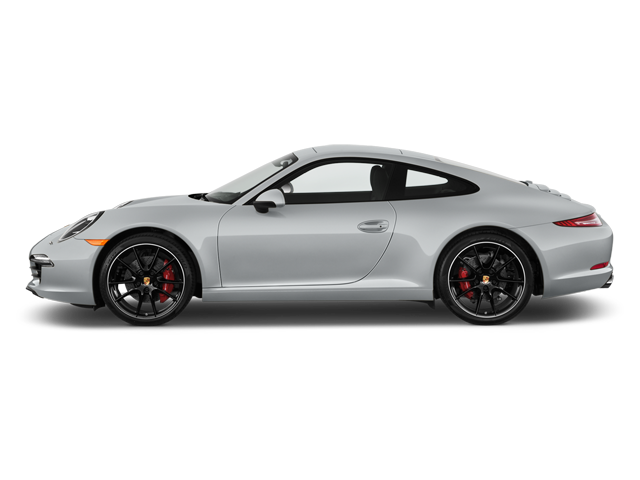
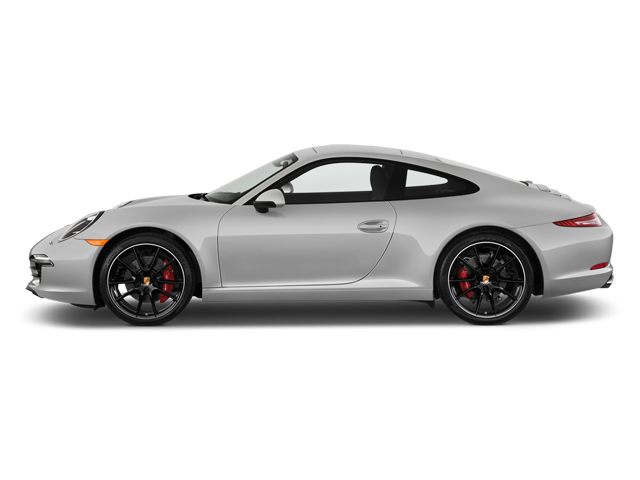
The 2015 Porsche 911 Gt3 Base is a Rear-wheel drive Coupe. It can accommodate up to 4 passengers. It has 2 Doors and is powered by a 3.8L H6 DOHC 24-valve engine which outputs 475 hp @ 8250 rpm and is paired with 7-speed automated sequential transmission with manual mode gearbox. The 2015 Porsche 911 Gt3 Base has cargo capacity of 125 Liters and the vehicle weighs 1430 kg. In terms of ride assists, the 2015 Porsche 911 Gt3 Base has stability control and traction control in addition to anti-lock brake system (ABS). The vehicle has an optional engine as well It offers and. Safety features also include Driver side front airbag and Passenger side front airbag. The front suspension is Front independent suspension while the rear suspension is Independent rear suspension. The car also features a Yes It has 20-inch GT3 alloy wheels as standard. Electronic features include Cruise Control. For convenience, the car has Power windows and Power door locks. There is also a remote keyless entry feature. Moreover, the car has. The steering wheel has audio control buttons. In terms of performance, the car has 519 N.m of torque and a top speed of 287 km/h. The 2015 Porsche 911 Gt3 Base accelerates from zero to 60 mph in 4.3 seconds and hits quarter mile at 12.1 seconds. Fuel consumption is 16 L/100km in the city and 11.5 L/100km in the highway. The car price starts at $ 148,800
| Name | Base | |
|---|---|---|
| Price | $ 148,800 | |
| Body | Coupe | |
| Doors | 2 Doors | |
| Engine | 3.8L H6 DOHC 24-valve | |
| Power | 475 hp @ 8250 rpm | |
| Number of Seats | 4 Seats | |
| Transmission | 7-speed automated sequential transmission with manual mode | |
| Cargo Space | 125.0 L | |
| Maximum Cargo Space | 341.0 L | |
| Wheel Type | 20-inch GT3 alloy wheels | |
| Series | 911 | |
| Drivetrain | Rear-wheel drive | |
| Horsepower | 475 HP | |
| Torque | 519 N.m | |
| Top Speed | 287 km/h | |
| Acceleration 0-100 km/h (0-60 mph) | 4.3 s | |
| Fuel Type | Petrol (Gasoline) | |
| Fuel Consumption (City) | 16.0 L/100km | |
| Fuel Consumption (Highway) | 11.5 L/100km | |
| Gear Type | auto | |
| Weight | 1,595 KG | |
| Brand | Porsche | |
| Model | 911 | |
| 0-400m (Quarter Mile) | 12.1 s | |
| 0-400m (Quarter Mile) - Speed | 189.8 km/h | |
| 0-800m (Half Mile) | 20.1 s | |
| 0-800m (Half Mile) - Speed | 213.6 km/h | |
| Modifications (MODS) | ||
| Modifications Cost | $ 0 |
2015 Porsche 911 Turbo 520 HP 0-100 km/h, 0-100 mph & 0-200 km/h Acceleration
2015 Porsche 911 Carrera S 0-60 Acceleration Test
2015 Porsche 911 Turbo 520 HP 0-100 km/h, 0-100 mph & 0-200 km/h Acceleration
2015 Porsche 911 GT3 (Top Speed Test)
2015 Porsche 911 Used Price Estimates
Estimates based on a driving average of 12,000 miles per year| Used Condition | Trade In Price | Private Party Price | Dealer Retail Price |
|---|---|---|---|
| Outstanding | $ 85,997 | $ 97,169 | $ 108,734 |
| Clean | $ 82,896 | $ 93,716 | $ 104,666 |
| Average | $ 76,693 | $ 86,810 | $ 96,531 |
| Rough | $ 70,491 | $ 79,905 | $ 88,396 |
The 2015 Porsche 911 may not be the fastest sports car for the money, but its timeless character and style make it easily one of the most desirable.
Few high-end automobiles do nostalgia as well as the 2015 Porsche 911. Of course, the current 911 is a technological tour-de-force, brimming with multifunction display screens and computer-controlled systems. But when you're charging down your favorite back road, hands at 9 and 3 on the upright steering wheel, with those five round gauges in front of you and the rear-mounted engine at full song, the 911 is pure mechanical harmony. You just don't get the same car-and-driver connection in other premium sports cars, and that's why the 911 continues to justify its lofty price of admission.
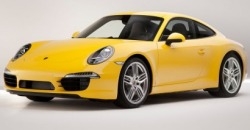
Remarkably, Porsche has managed to preserve the 911's unique character while adding new technologies and new configurations that broaden its appeal. If you've ever been in an old air-cooled 911, you know that these cars used to be raw performance machines, with minimal concessions to comfort and convenience. The current model, however, boasts an exquisitely trimmed cabin with all the accoutrements of a luxury car. The ride, too, is pretty civilized these days, ranging from tolerable on gritty surfaces to downright compliant (for a sports car, at least) on well-maintained roads.
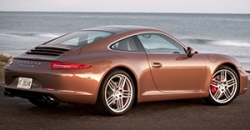
Lest you get the idea that the 911 has been dumbed down for mass consumption, we'll be clear -- this is still one of the most capable sports cars in the world, not to mention the quickest 911 ever around Germany's famed Nurburgring circuit. Predictably, there's plenty of firepower to make that happen: The 911 range starts with the base 350-horsepower engine and then peaks at the Turbo S's 560-hp monster. In sum, you're just not going to find a sports car that better combines civility, performance and variety.
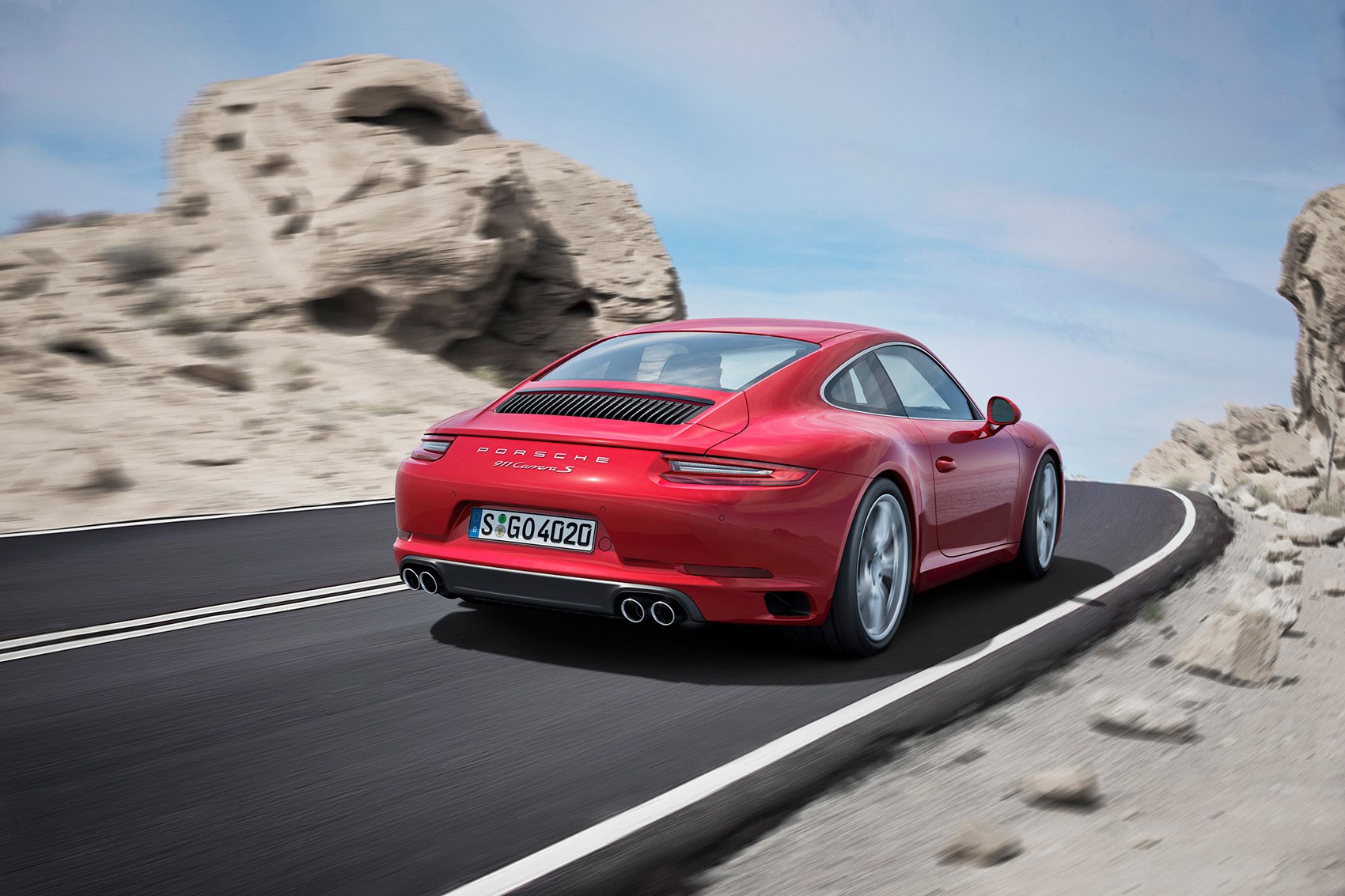
Choosing a car in this rarefied class is an enviable challenge. The 2015 Jaguar F-Type is a fresher British face with a scintillating optional V8. If you want something of a more exotic nature, the 2015 Audi R8 or BMW i8 will turn a lot more heads than a 911 Turbo. On the other hand, a value play favors the 2015 Chevrolet Corvette Z06 -- or perhaps the 2015 Nissan GT-R as an all-wheel-drive alternative. Expectedly, most of these cars have also made it as recommended choices in our 2015 Buying Guide. But if you crave that old-fashioned feeling of being one with the machine, the .com "A" rated Porsche 911 Carrera S coupe, "A" rated 911 Carrera S convertible, and of course the "A" rated 911 Turbo, as ever, satisfy like few others.
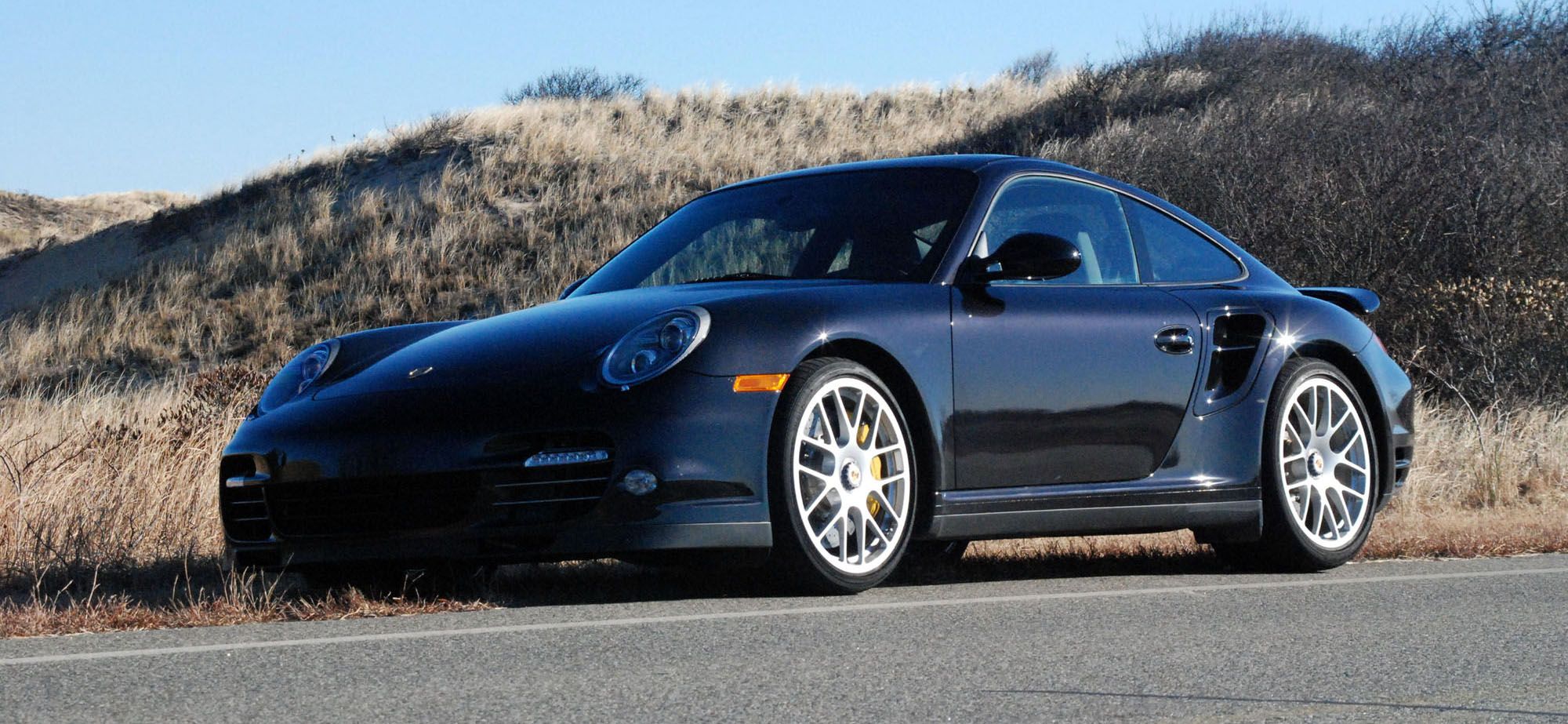
The 2015 Porsche 911 is offered as a coupe, retractable-roof coupe (Targa) or soft-top convertible (Cabriolet) in a wide variety of models. Note that all 911s have a "2+2" layout with vestigial rear seats except the GT3, which is strictly a two-seater.
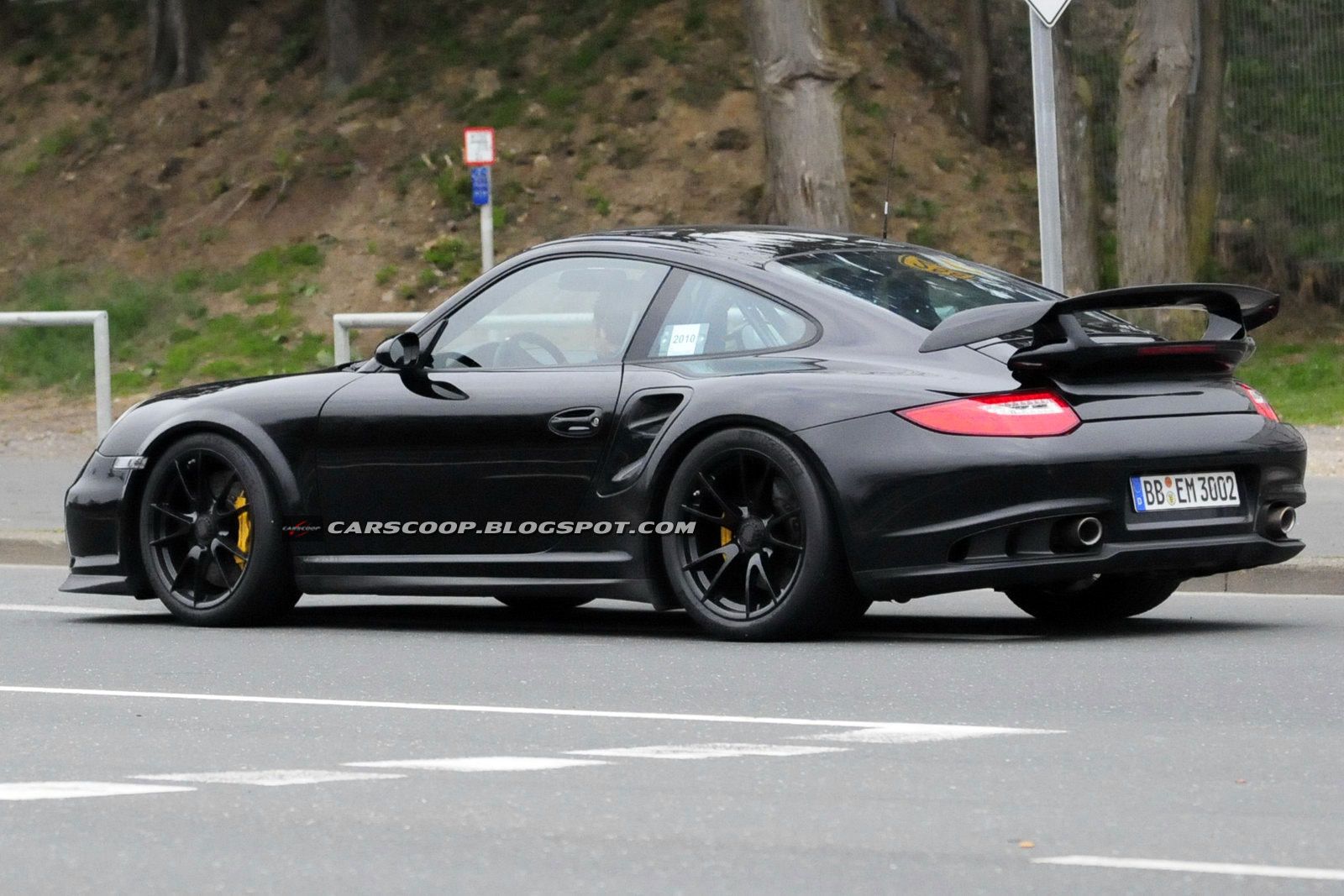
The base-model 911 Carrera starts with 19-inch staggered-width alloy wheels with summer tires, automatic bi-xenon headlights, rear parking sensors (standard on Cabriolet; optional on coupe), heated mirrors, dual-zone automatic climate control, four-way adjustable power seats (with manual fore-aft), a manual tilt-and-telescoping steering wheel, leather upholstery, a 7-inch touchscreen, a navigation system, Bluetooth and a nine-speaker audio system with a CD player and a USB/iPod interface.
The Carrera S adds a more powerful engine, 20-inch wheels, a slightly lower ride height, adaptive suspension dampers (PASM) and a torque-vectoring rear differential.
The Carrera 4/4S and Targa 4/4S feature all-wheel drive and wider rear fenders, but are otherwise equipped similarly to their rear-wheel-drive counterparts, as are the Cabriolet versions of the Carrera 4/4S. In case you're wondering, a rear-wheel-drive Targa is not offered for 2015.
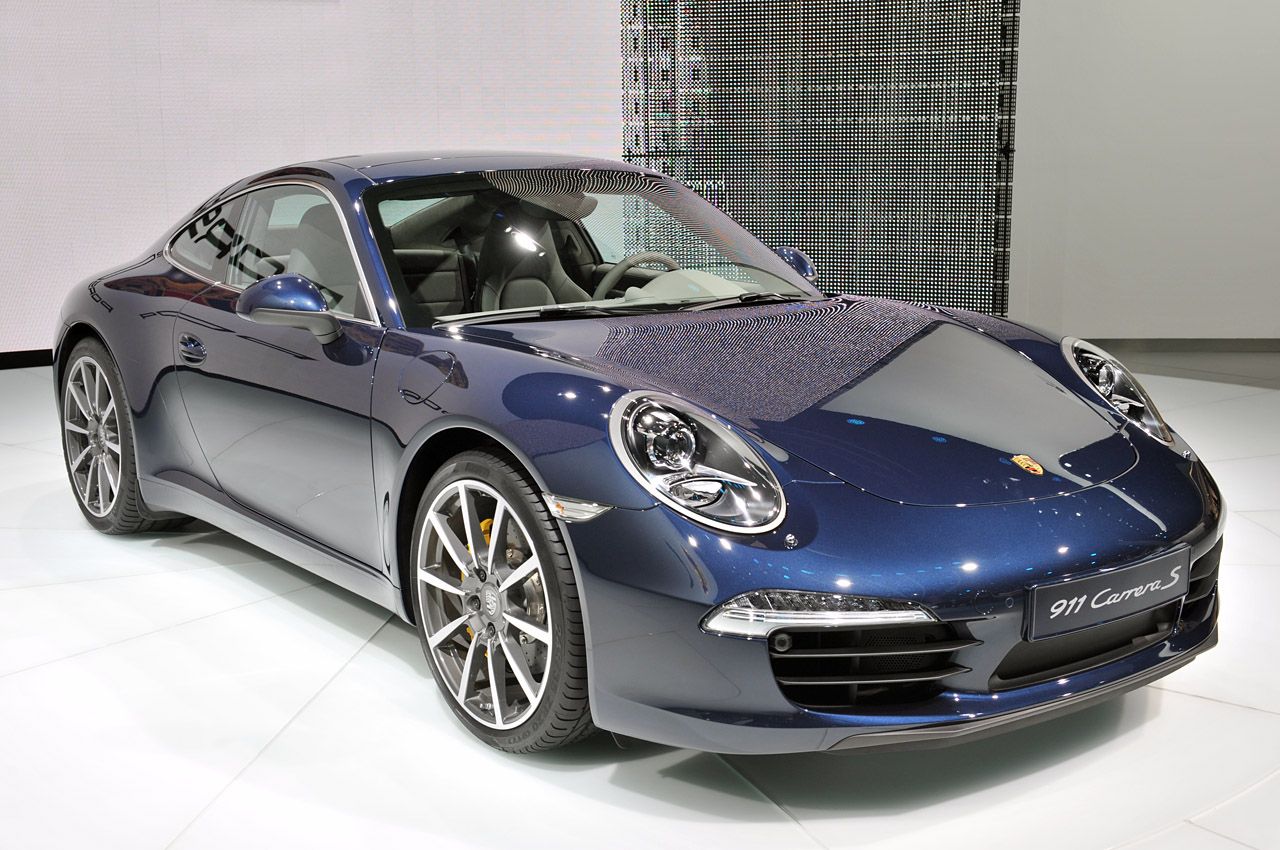
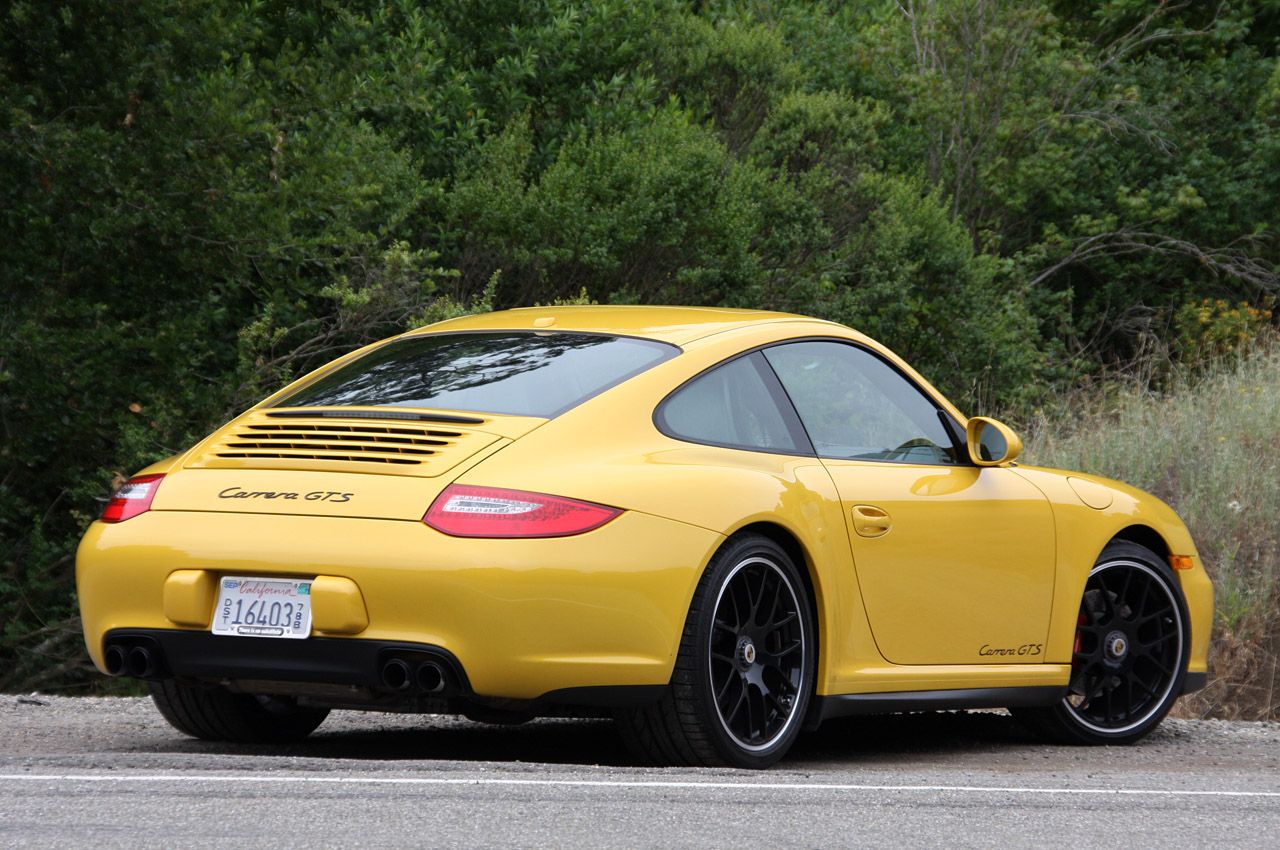
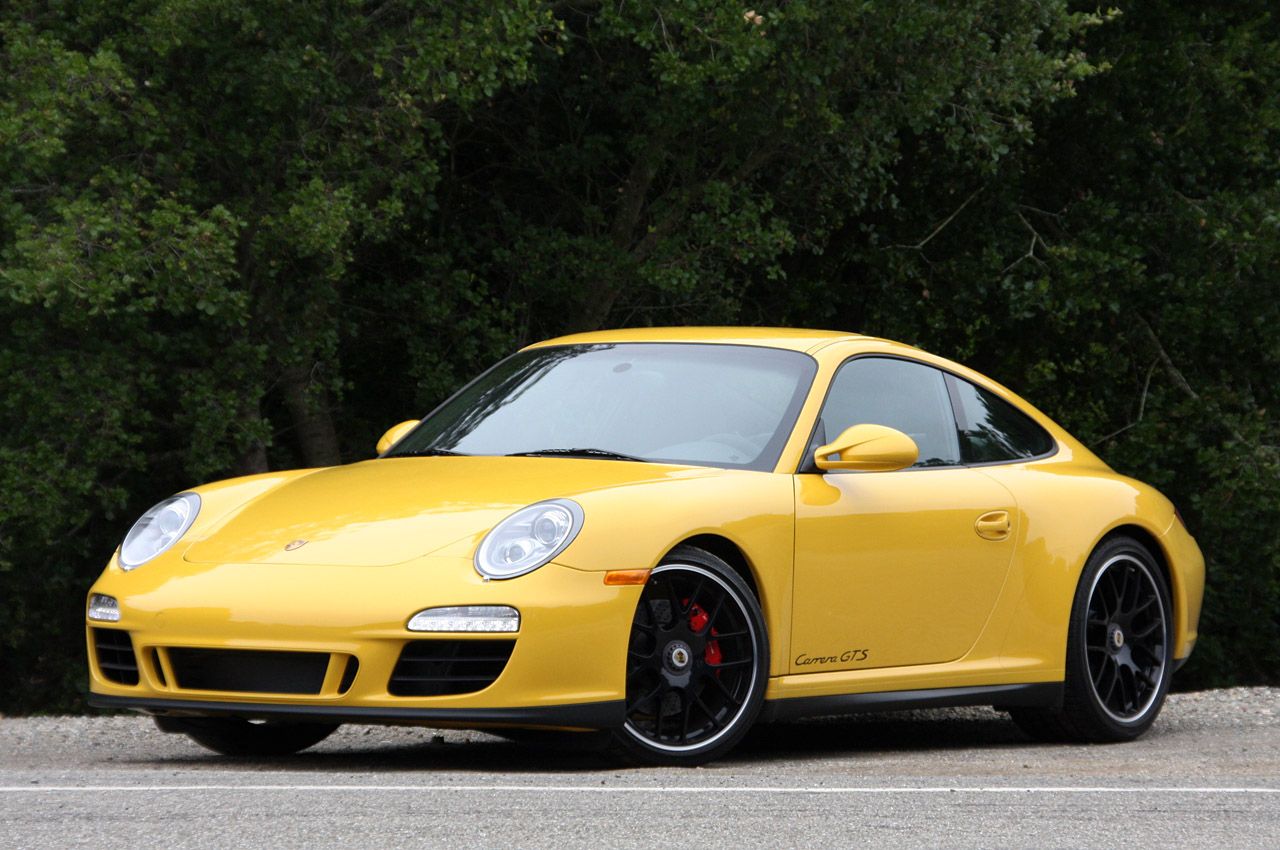
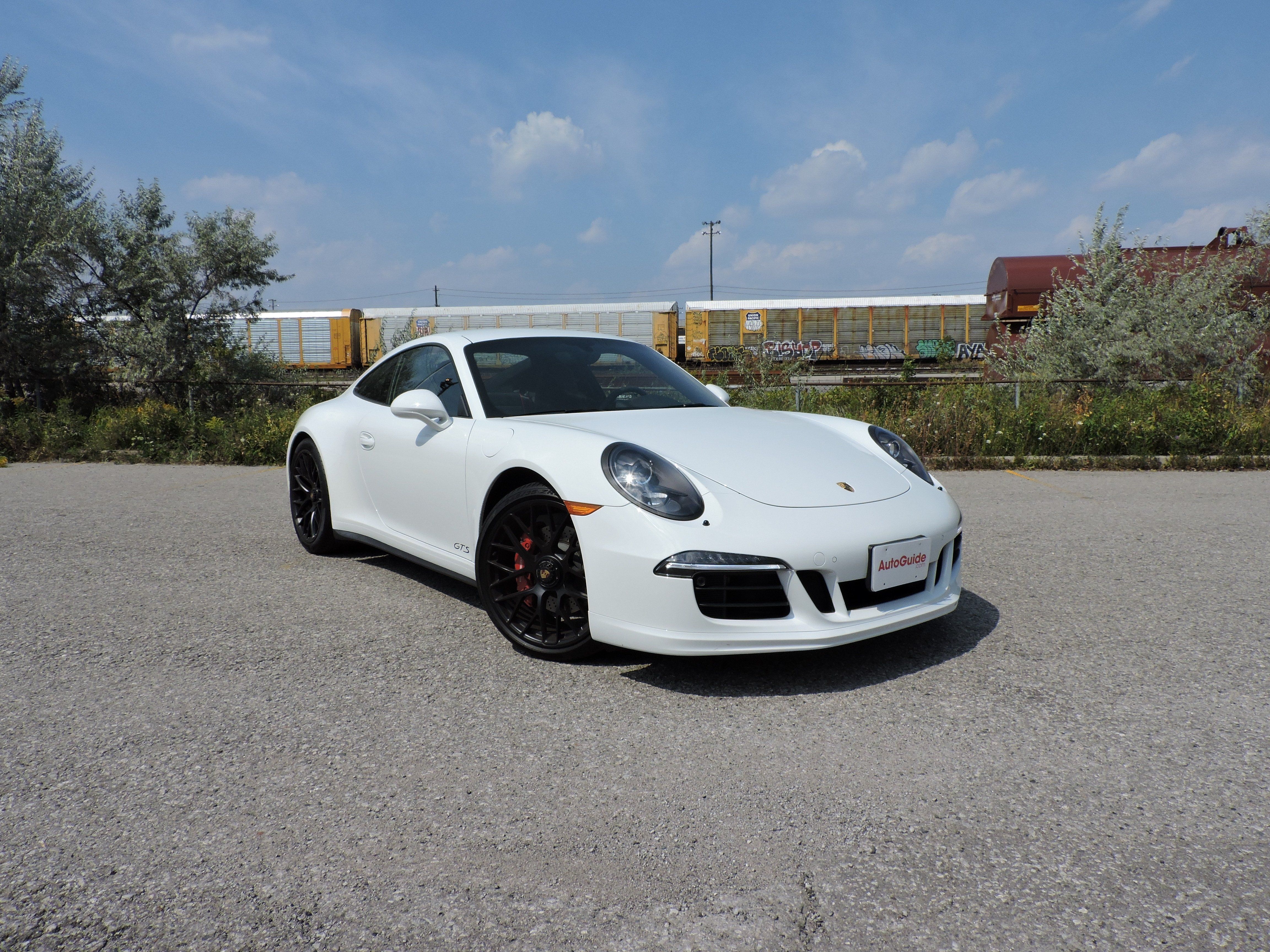
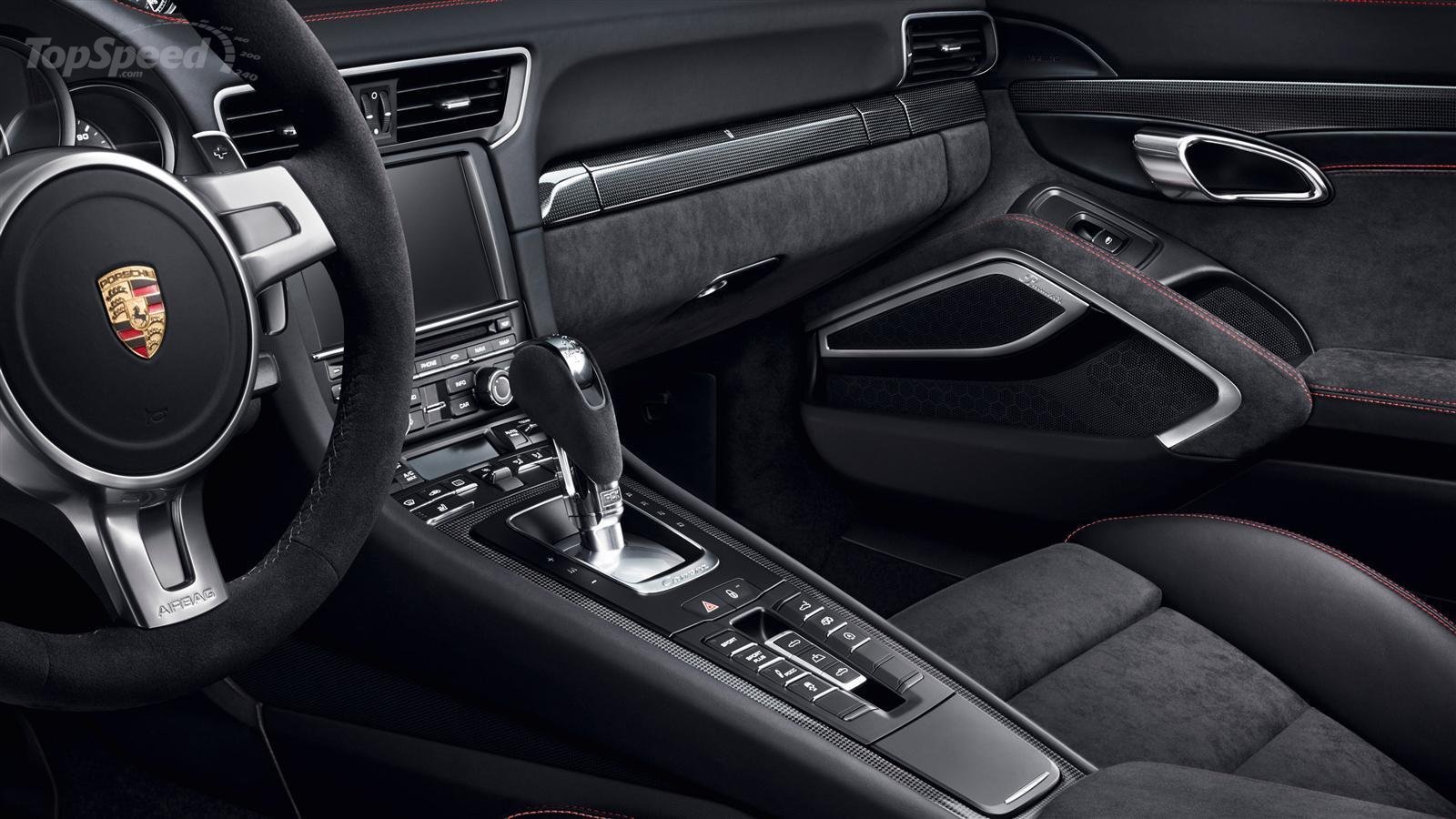
The new Carrera GTS essentially slots between the S and the hard-core GT3 (see below). The GTS can be had with rear- or all-wheel drive and gets more power than the S along with the "4" variants' widened body. In addition to the S's features, the GTS also comes with 20-inch centerlock wheels, the Sport Chrono package (including dynamic engine mounts, a dash-mounted stopwatch, a Sport Plus driving mode, upgraded displays and launch control), a dual-mode sport exhaust system, tinted head- and taillight lenses, black exterior trim (wheels, exhaust, engine grille), a unique front spoiler and mirrors, Sport Plus seats, Alcantara upholstery and black aluminum cabin accents.

The 911 Turbo gets a major upgrade in the engine room, all-wheel drive, a power-retractable front spoiler, a fixed rear spoiler with articulating wing elements, various other aesthetic and functional body revisions, a rear-wheel steering feature (which both tightens up the car's turning radius and improves stability in quick transitions), a more advanced torque-vectoring rear differential, adaptive headlights, more supportive seat bolsters (or 10-way power seats with four-way power lumbar and memory settings), extended leather trim and a 12-speaker Bose surround-sound audio system.
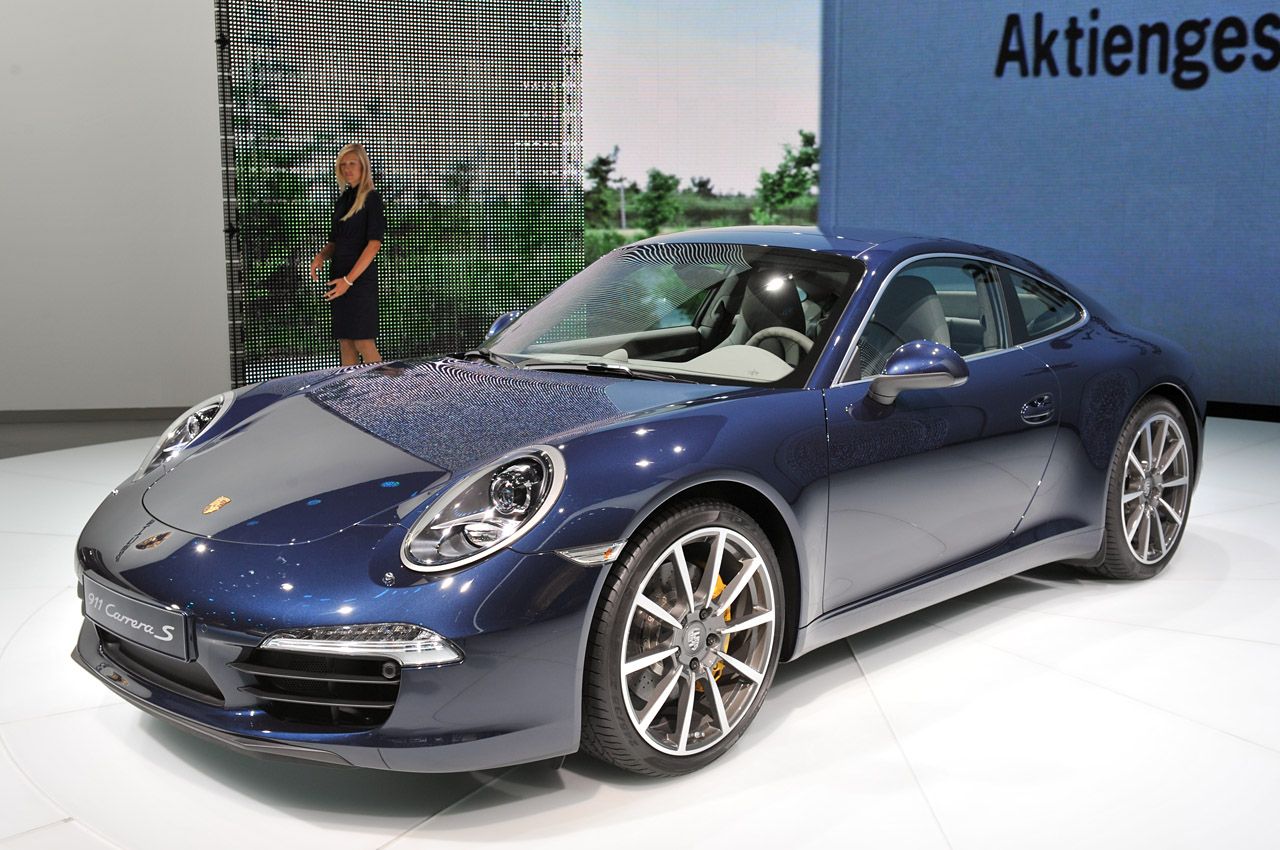
The Turbo S turns up the boost and adds the Sport Chrono package, LED headlights with automatic high-beam control, active stabilizer bars (PDCC), ceramic-composite brake rotors (PCCB), 10-way power-adjustable front seats and carbon-fiber interior trim.

Both the Turbo and Turbo S are available in either coupe or Cabriolet body styles.
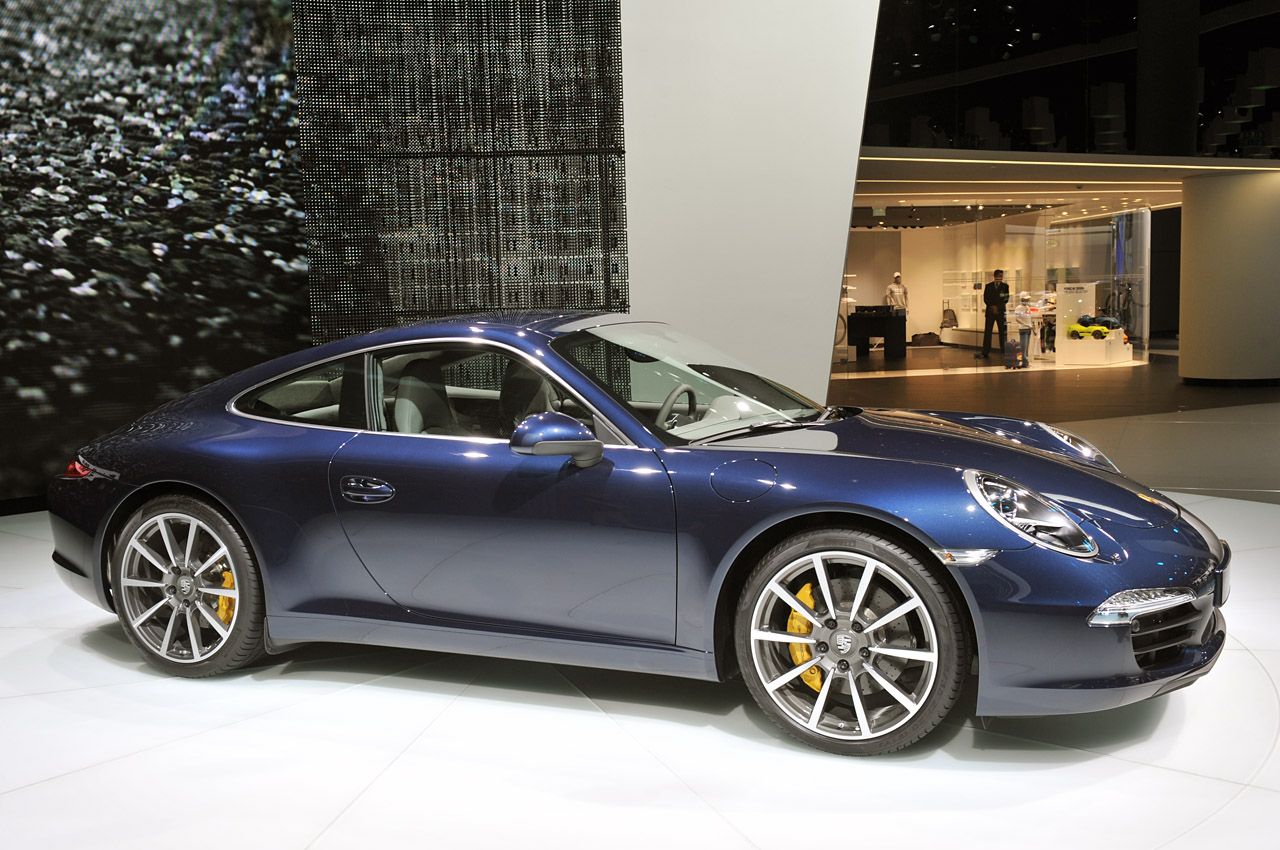
Finally, there's the track-focused two-seat 911 GT3 coupe, which is defined by its high-revving naturally aspirated engine. The GT3's standard features are broadly similar to those of the Turbo model, but there are some notable differences, including having rear-drive only, a fixed rear wing, dynamic engine mounts (which are separate from the GT3's optional Sport Chrono package), shorter PDK gear ratios with track-optimized shift programming and shorter-travel shift paddles for a more responsive feel.
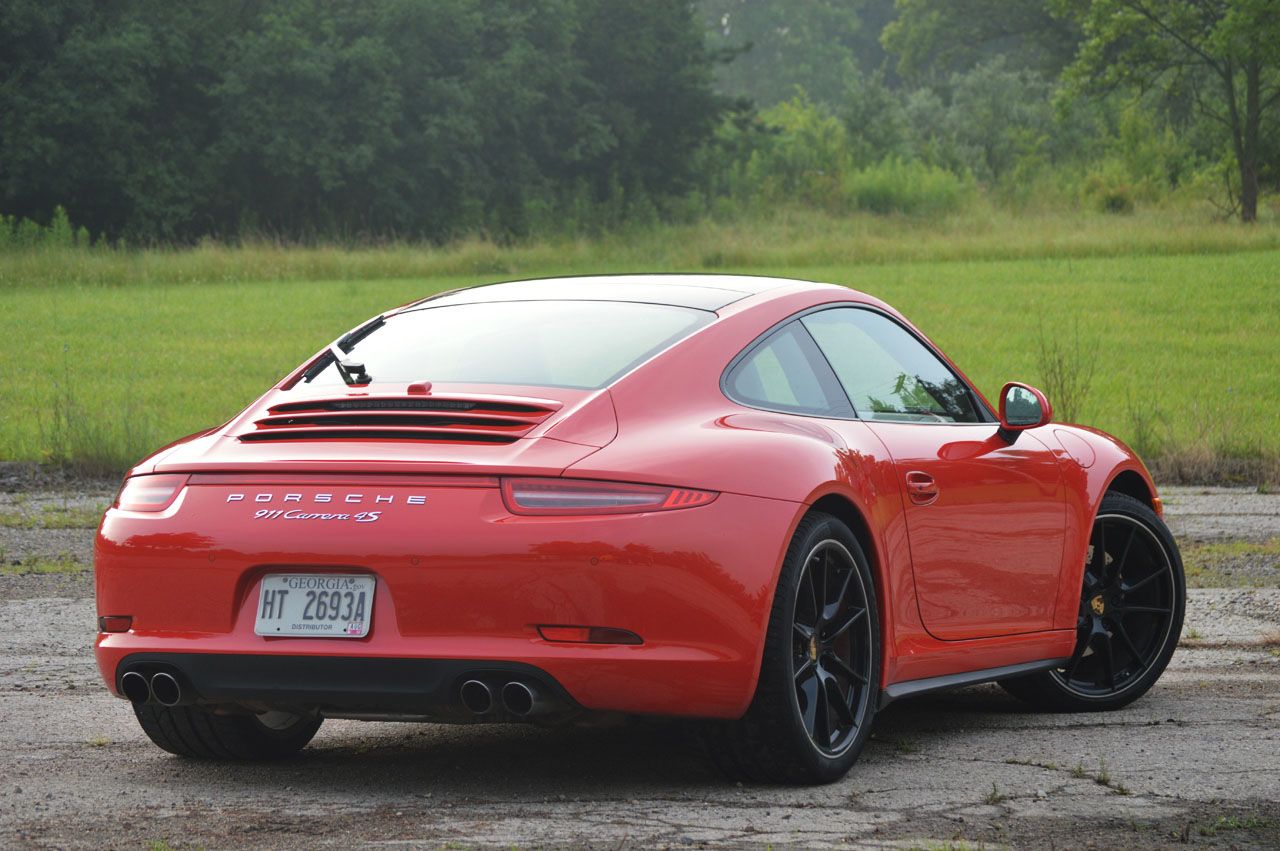
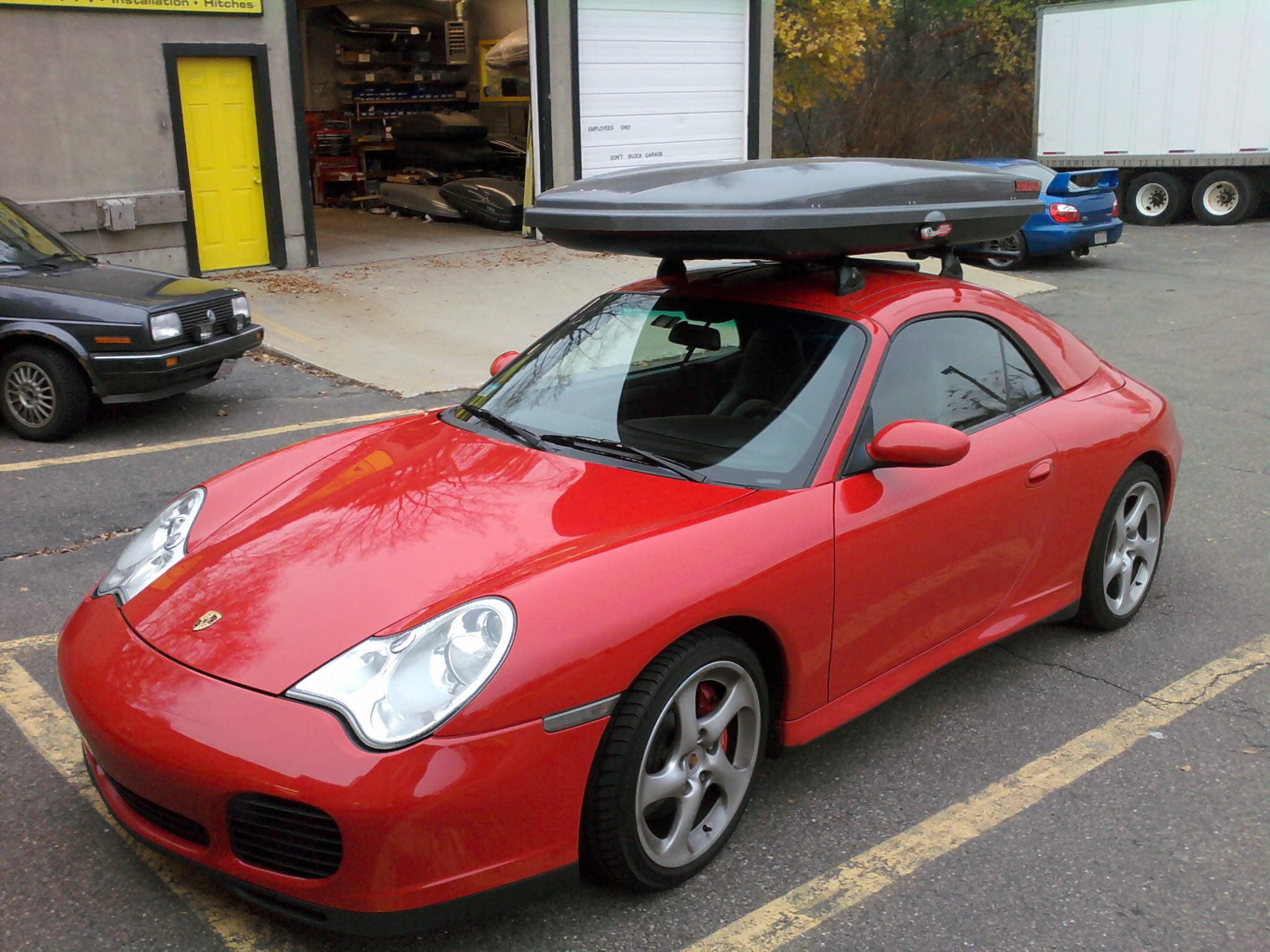
Many of the higher-end items are available as options on lesser trims. Other add-ons include alternative wheel designs, power-folding mirrors, roof-rack mounting points, a sunroof (coupe only), keyless ignition and entry, front and rear parking sensors, adaptive cruise control (with automatic braking for frontal collision mitigation), 18-way adaptive sport seats, auto-dimming mirrors, voice controls, a 12-speaker Burmester audio system, a six-CD changer, satellite radio and HD radio.
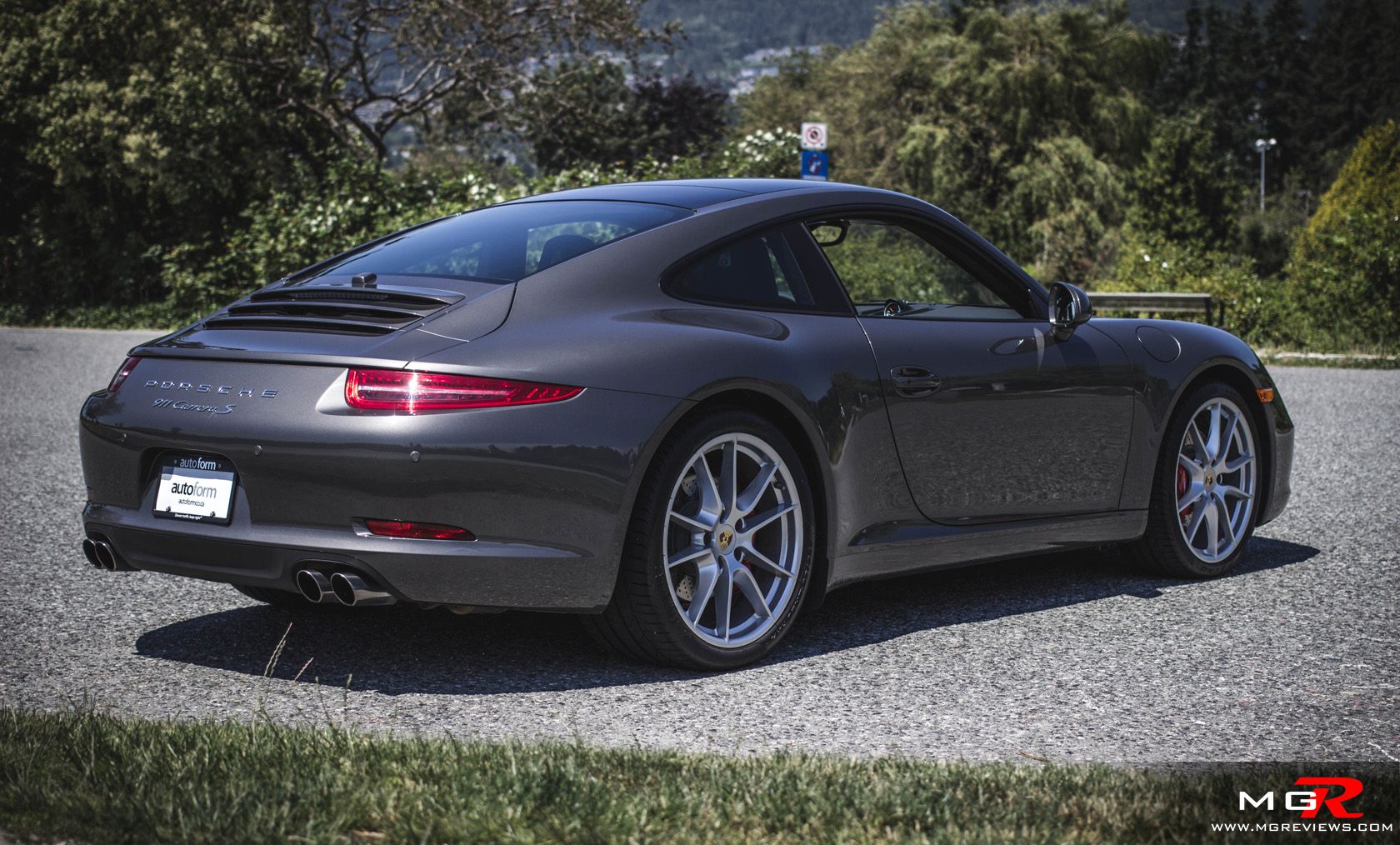
As with any Porsche, you can also customize the 911 to your heart's (and hopefully wallet's) content, adding everything from colorful Porsche crests on the seats to leather trim on the climate vent slats. Those leather slats cost a cool $ 1,200, by the way, but they sure smell nice when the heat's on.
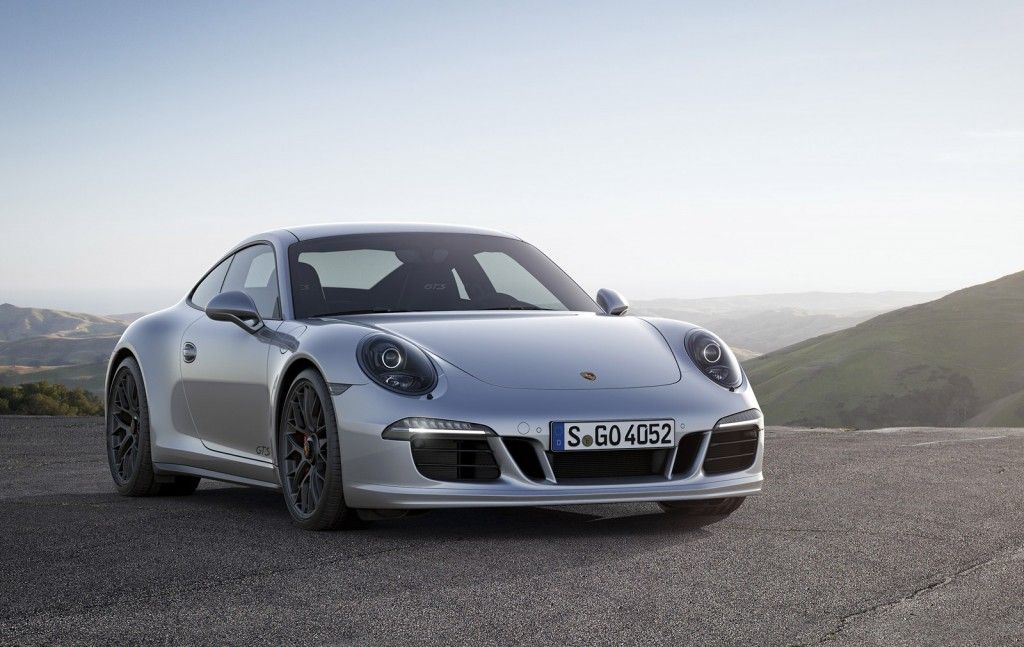
The 911 Carrera, Carrera 4 and Targa 4 models are motivated by a 3.4-liter horizontally opposed six-cylinder engine rated at 350 hp and 287 pound-feet of torque, while the Carrera S, Carrera 4S and Targa 4S upgrade to a 3.8-liter six-cylinder with 400 hp and 325 lb-ft of torque. Opting for the Carrera S Powerkit (unavailable on Carrera/Carrera 4/Targa 4) increases output to 430 hp. The GTS comes standard with the latter.
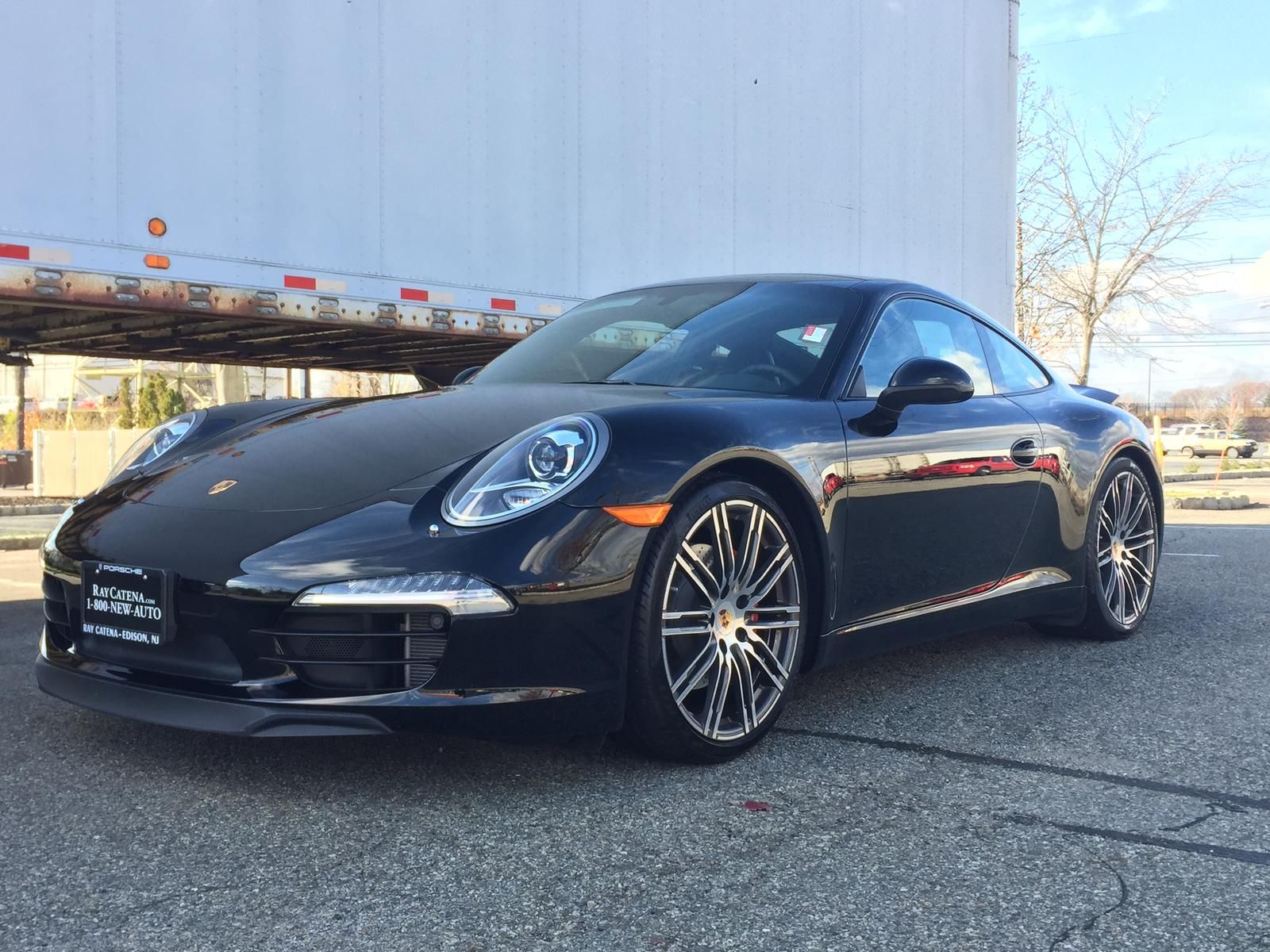
The "4" in these model names stands for all-wheel drive. Rear-wheel drive is standard except on the Targa, Turbo and Turbo S. The base, S and GTS models start with a seven-speed manual transmission, but Porsche's PDK seven-speed automated manual is offered as an option. An automatic engine stop-start function (to conserve fuel when the car is stationary) is standard.
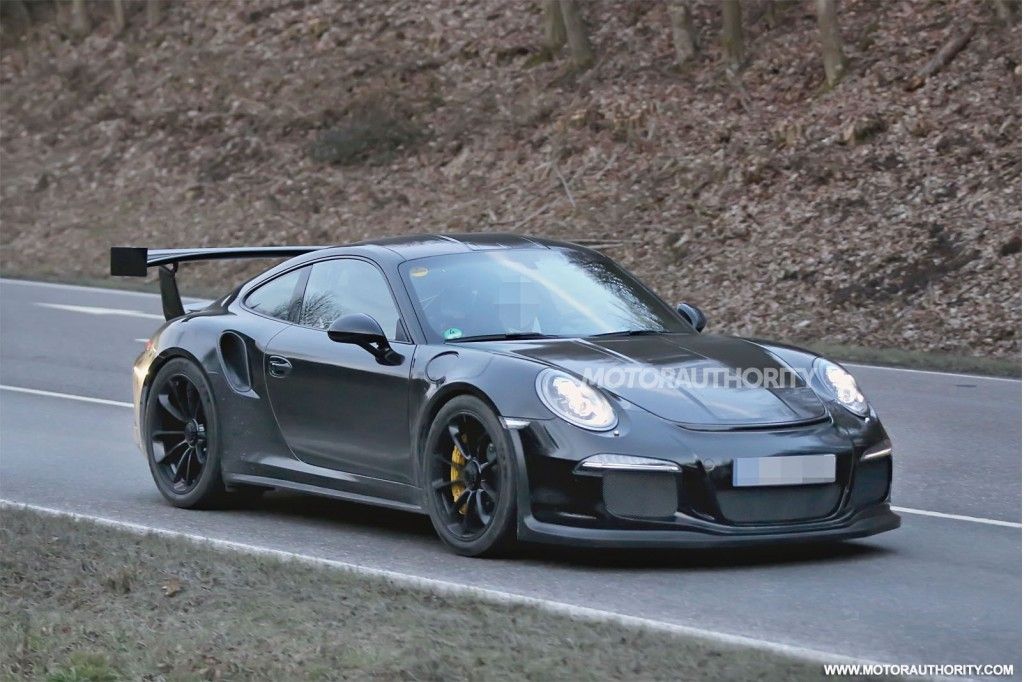
The rear-wheel-drive GT3's 3.8-liter engine boasts a 9,000-rpm redline as well as an astounding output of 475 hp and 325 lb-ft. No manual transmission is available, as it comes standard with the PDK transmission.
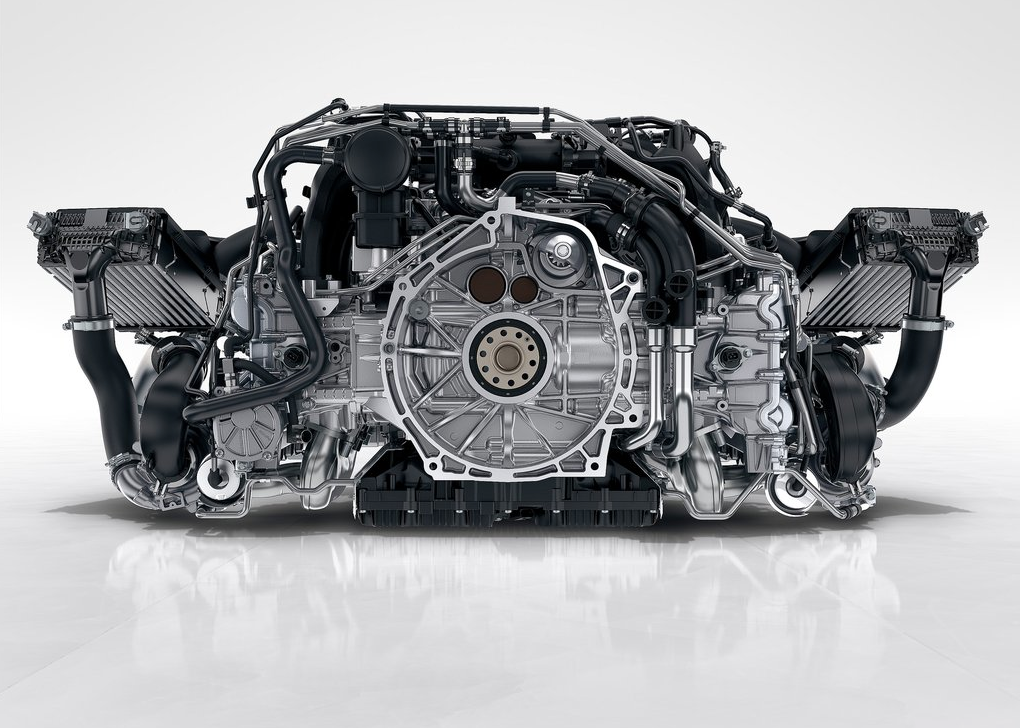
The all-wheel-drive 911 Turbo flaunts a turbocharged 3.8-liter six-cylinder engine that cranks out 520 hp and 487 lb-ft. The Turbo S raises the stakes to 560 hp and 516 lb-ft. The PDK transmission is the only available transmission on these models.
The Sport Chrono package (standard on the GTS and Turbo S) adds a hard-core Sport Plus driving mode that includes a racy shift program and launch control on PDK cars, while manual 911s with this package get an amusing "Gearshift Assistant" gauge that tells you when to shift.
In performance testing, a Carrera Cabriolet with PDK and launch control turned in a 4.8-second 0-60 mph time. More impressively, a Carrera S coupe with PDK leapt to 60 mph in just 3.9 seconds (again with the aid of launch control). Should you still have Maverick's "need for speed," a 911 Turbo S we tested blasted to 60 mph in just 3.0 seconds flat. The regular Turbo and GT3 should be just a few tenths slower.
Fuel economy for the 911 is generally respectable. The base 911 Carrera and Carrera 4 coupes are rated at an EPA-estimated 23 mpg combined (20 city/28 highway) with the PDK transmission, dropping to 22 mpg combined (19 city/27 highway) with the manual. The Carrera S returns the same 22 mpg combined with either transmission. The Carrera 4S is rated at 22 mpg combined with PDK and 21 mpg combined with the manual. The Turbo and Turbo S drop to 20 mpg combined, while the GT3 brings up the rear at 17 mpg combined. Note that these numbers are for coupes; certain Cabriolet models vary a tick from their fixed-roof counterparts.
Every 2015 Porsche 911 is outfitted with antilock disc brakes, traction and stability control, and front seat side airbags that protect both the body and head. The Cabriolet features automatically deploying roll-over bars that ordinarily remain hidden behind the rear seats.
Front and rear parking sensors and a rearview camera are optional. The optional adaptive cruise control feature is bundled with a forward collision mitigation system that first issues audible and visual warnings, then automatically applies the brakes if no action is taken.
In brake testing, a 911 Carrera S stopped from 60 mph in a face-distorting 98 feet, while a Carrera S Cabriolet required just 5 feet more. The Turbo S with the optional carbon-ceramic brakes also stopped in just 98 feet.
The right engine for your 2015 Porsche 911 is a matter of personal taste, as there's not a bad apple in this barrel. Although the base 3.4-liter flat-6 doesn't really wake up till you get past 4,000 rpm, exploiting that peaky power band is gratifying in its own right, and the noises are pure Porsche magic. If you want more midrange punch, the S- and GTS-spec 3.8-liter engine provides a palpable upgrade without sacrificing any high-rpm thrills.
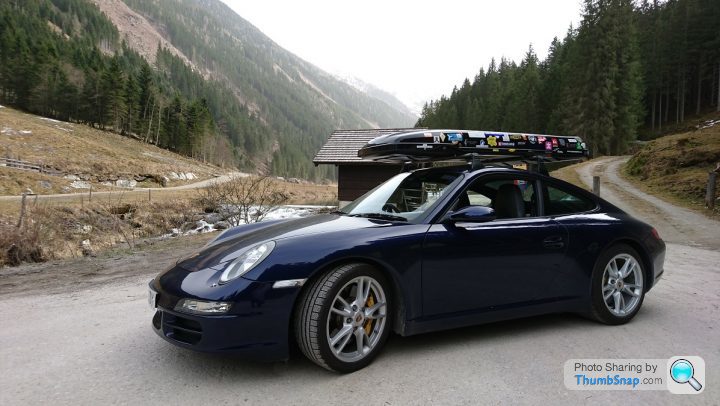
As for the Turbo and Turbo S, they're just dumbfoundingly fast, though their engines sound far less appealing in normal driving. As long as you're not the kind of purist who thinks an automatic GT3 is blasphemous, then the GT3 gives you the best of both worlds -- wicked acceleration and a glorious 9,000-rpm redline. Speaking of PDK, it's lightning-quick and nearly flawless in all situations, though we still feel the seven-speed manual fosters a tighter bond for drivers so inclined.
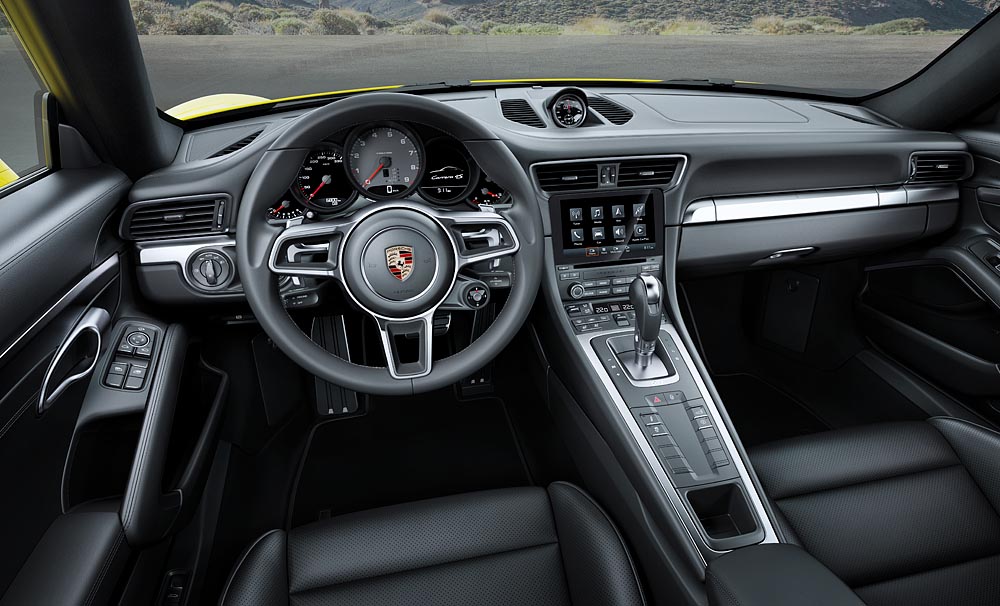
For everyday driving, the 2015 Porsche 911 won't ever be confused with a luxury coupe. The ride quality can be surprisingly stiff if you've got the big wheels and standard suspension. But the available adaptive dampers go a long way toward delivering a genuinely livable ride. The cabin is reasonably quiet at speed, solidifying the sense that the 911 is a world-class grand-touring machine.
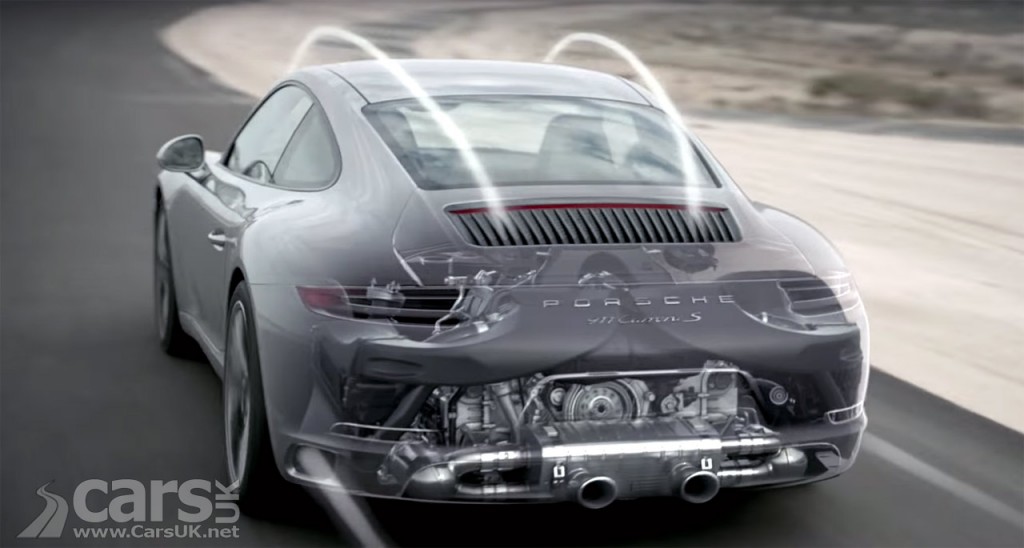
But you really need to hit up your favorite road or local track day event to have the 911's performance heritage shine through. The steering is quick and precise, and overall the 911 gives you a nearly unparalleled sense of control and engagement. It works better the harder you drive it. Even the Turbo, with its extensive amount of chassis and powertrain technology, feels alive. Turn into a corner and the Turbo's nose just digs in, bites down and yanks the car toward the apex, then hurls you out the other side with freakish efficiency.
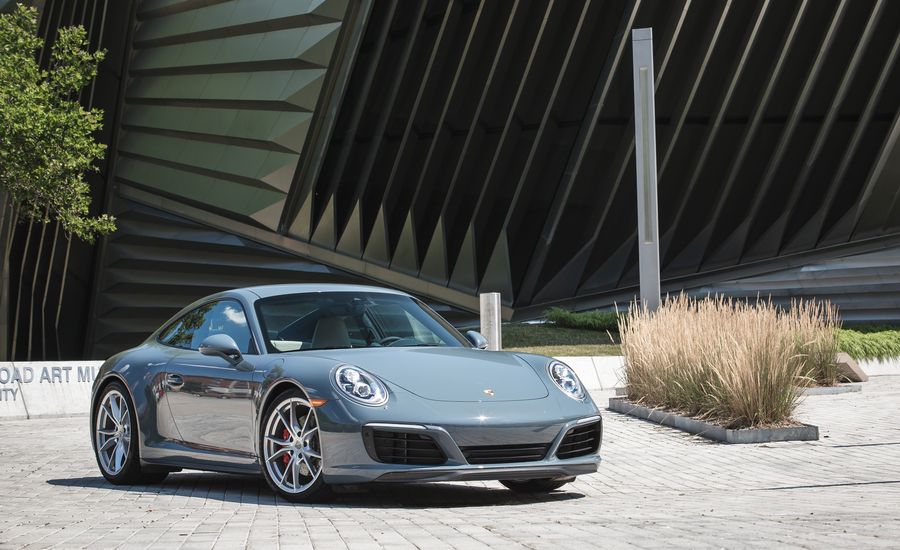
As expected of Porsche, the 911 offers ample headroom and legroom in its snug front seats. Those seats can be specified in a few different forms, with varying degrees of adjustability and lateral bolstering, but even the base chairs provide superb support for both long-distance and enthusiastic driving.
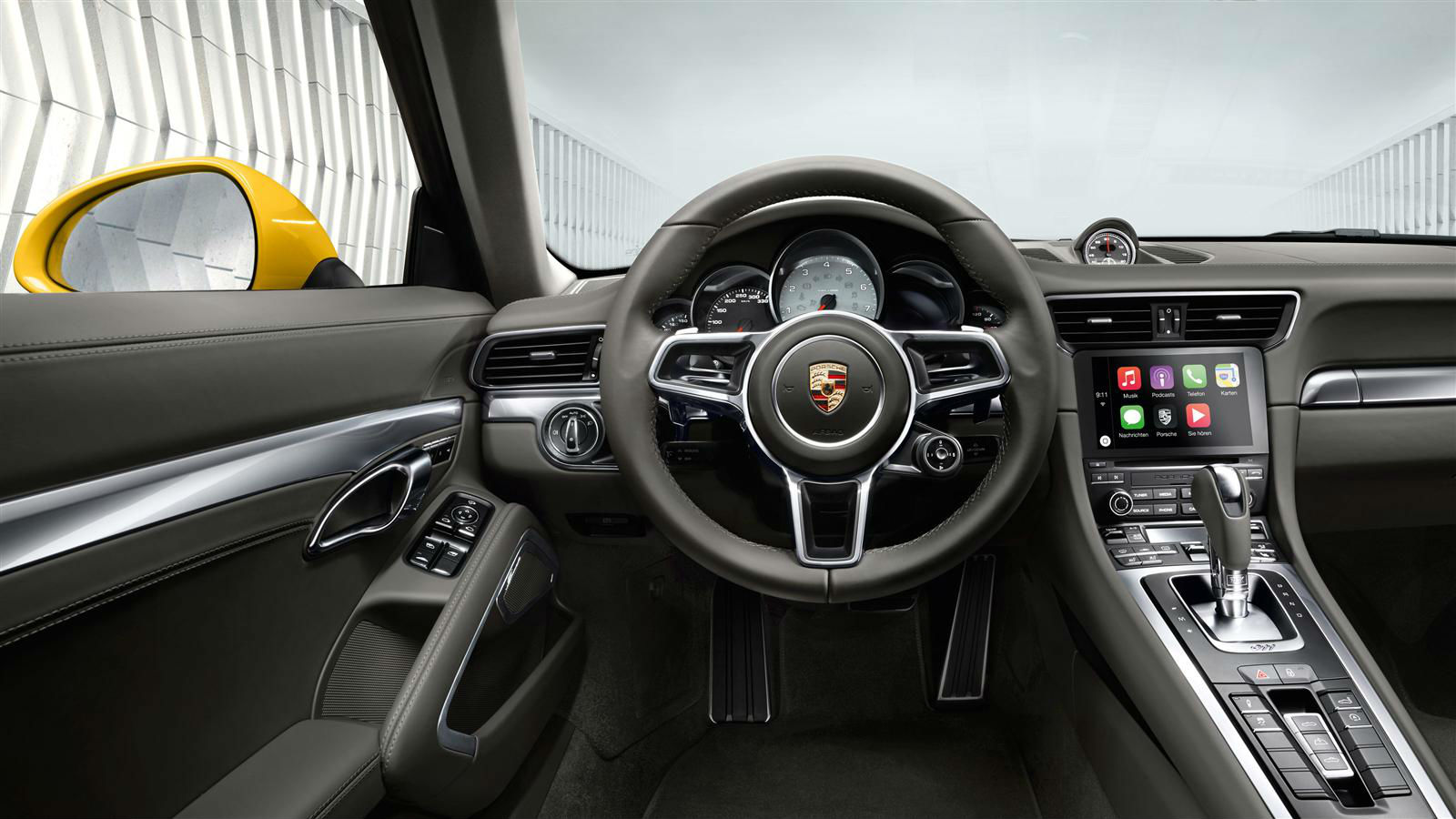
The rear "seats," however, are very small; most 911 owners know them better as cargo shelves. Still, they're big enough to fit small children, and that does give the 911 a practical advantage compared to two-seat-only rivals. The front trunk (remember, there's an engine in the back) measures a paltry 5.1 cubic feet. But in our year-long test of a 911 Cabriolet, we generally found that it holds more stuff than you think it might.
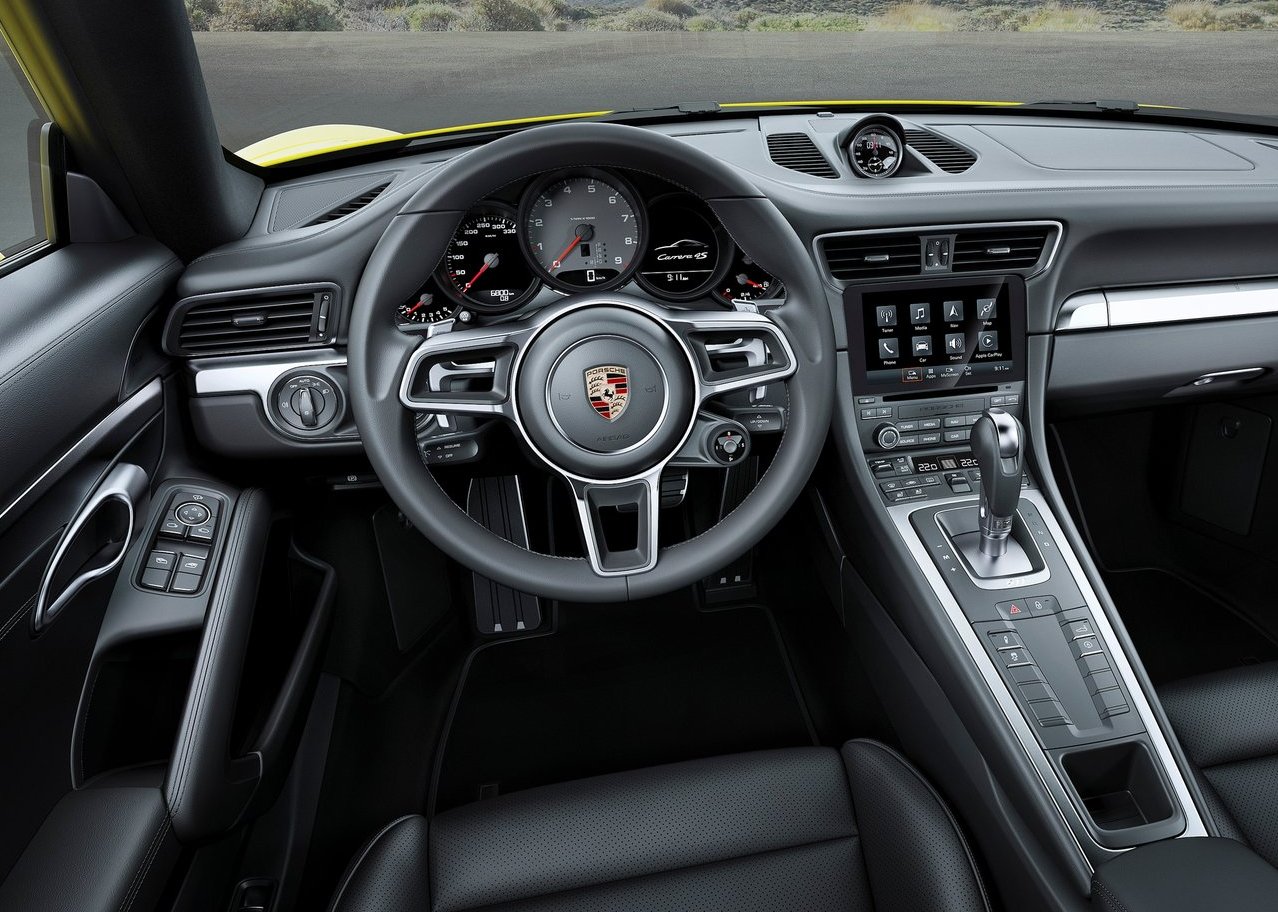
Despite the limited cargo space, the 911's thoughtful interior layout and modern amenities make it well suited to daily use. Navigation, smartphone and audio functions are easily accessed and operated through both the touchscreen interface and the numerous physical buttons that line the elevated center console, and there's also a handy stalk on the steering column that acts as a redundant multifunction controller.
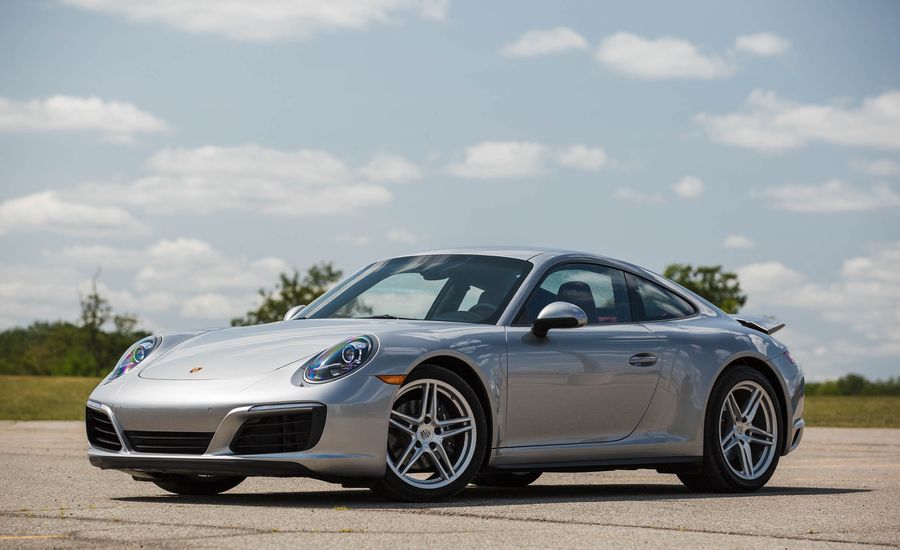
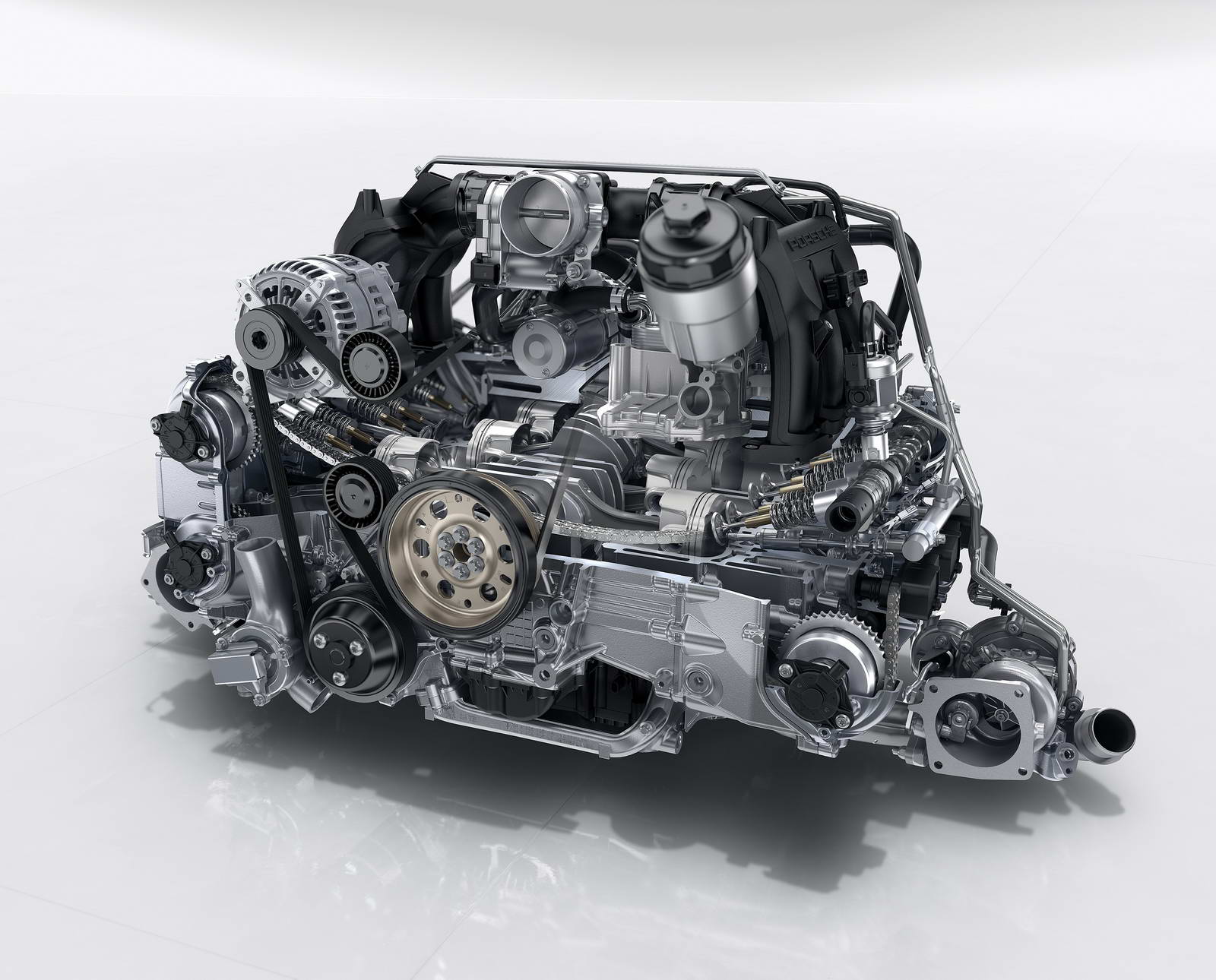
Hanging an engine over the rear axle creates a weight-and-balance reality no designer would choose today. The engine-aft layout has always enabled rear-wheel-drive (RWD) 911s to change direction eagerly but at the risk of spinning off the road if ham-handled. With each new platform, Porsche has sought to retain the benefits yet further control the liabilities of the unique layout. In the latest 911, the result is a quick, responsive and communicative car, but one that is also stable and confidence-inspiring. While the Porsche's race-ready engineering enables euphoric blasts up freeway onramps and down curvy roads, just as joyous is the 911's everyday comfort. The “base” Carrera engine’s 350 horsepower is plenty strong, but for even more, you can up your horsepower to 400 (Carrera S), 430 (GTS) 520 (Turbo), or 560 (Turbo S). The 911’s 7-speed manual gearbox (not available on Turbo models) works beautifully but we prefer Porsche’s spectacular 7-speed twin-clutch PDK automatic transmission. Targa models aim to blend the best of coupes and cabriolets, but we found compromise in its niggling rattles.
OPTIONS, OPTIONS, OPTIONSGood news/bad news: There's an arm's-length list of options for the 2015 Porsche 911, from speed-squashing carbon-ceramic brakes to an ear-popping Burmester audio system. Even the seatbelt pillars can be upgraded. The flipside of all this automotive candy? The thousands – or tens of thousands – it can add to the bottom line.PDK TWIN-CLUTCH TRANSMISSION Porsche’s delightful 7-speed PDK transmission can operate automatically or be shifted manually using either the shift lever or steering-wheel-mounted paddle shifters. This is simply the model of sporting, manually shifted automatics, changing ratios more cleanly and quickly than a human-operated stick and pedal.
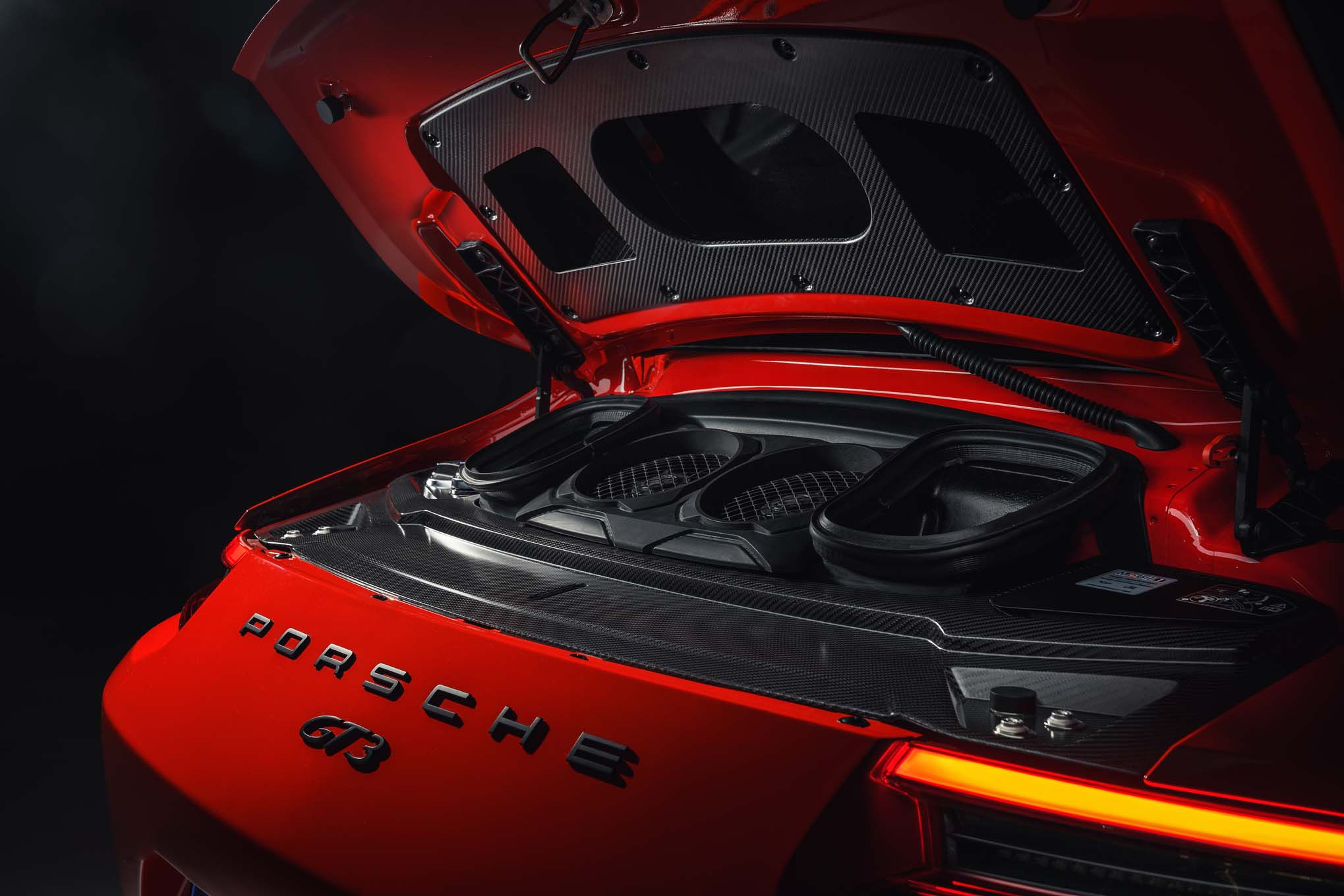
The 911's 4-place cockpit remains a low-slung exercise in luxury, sophistication and comfort – at least for the pilot and lucky front-seat passenger. The 911's tiny rear seats are suitable for only the briefest of trips with adults. Just fold them and use the space as a storage shelf, which you'll probably need to do anyway since the front trunk only accommodates 4.7 cubic feet of cargo (4.4 in Carrera 4 and 4S models). The optional 18-way sport front seats are supremely comfortable and supportive, and a tilt-and-slide sunroof improves headroom. Controls for audio, climate and navigation are small but easy to figure out. And don't forget: The ignition's on the left.
The 7th-generation platform that underlies the 2015 911 preserves the car's unmistakable appearance even though its roof is lower, the length and wheelbase have increased considerably, and detailing, fascias and lighting have been freshened. The car looks both sleeker and more muscular. Casual observers may find it difficult to distinguish the new 911 Turbo from its Carrera-badged counterparts, but the differences are actually quite dramatic. For instance, the 911 Turbo and higher-performing Turbo S variants are slightly longer and wider than a “wide-body” Carrera 4S. Targa models use an innovative power-operated system that lifts the entire rear glass roof to swallow the fabric-skinned fore section. It's impressive to watch in action, but the Targa is noisy on the road.
In base form as the Carrera coupe or cabriolet, the 2015 Porsche 911 includes 4-way power front seats with manual fore/aft adjustment, partial leather upholstery, a faux-suede headliner, bi-xenon headlights (xenon illumination for the low and high beam), dual-zone climate control, 19-inch wheels, and a 7-inch LCD navigation display and 9-speaker AM/FM/CD audio system with a USB input and Bluetooth phone connectivity. The 911 Carrera 4 and Turbo models offer all-wheel drive (AWD) as standard fare. In terms of safety, every 911 includes eight airbags, a wide array of electronic stability aids, and high-performance brakes comprising 4-piston calipers and 13-inch ventilated rotors.
As we've mentioned, there is a vast list of options available for the 2015 Porsche 911, in both individual and packaged forms. Among them are ventilated front seats, a 12-speaker Burmester audiophile system, ceramic-composite brakes, Porsche’s Active Suspension Management, and the Sport Chrono package with its launch-control programming (PDK transmission only) and overboost function (Turbo models only). For the enthusiast who desires the best of both worlds, we recommend Porsche’s Dynamic Chassis Control (PDCC) that essentially eliminates body roll through a multitude of sensors and hydraulic motors while also providing a more compliant ride in normal driving conditions.
All 2015 Porsche 911 models use a flat-6 engine in one of two sizes. The smaller is a naturally aspirated 3.4-liter that makes a robust 350 horsepower. Most 911s employ a 3.8-liter, available as a naturally aspirated engine in Carrera S, GTS and the GT3 models, or turbocharged in Turbo variants. Power ranges from the aforementioned 350 horsepower in Carrera, Carrera 4 and Targa 4 models to a neck-snapping 560 in the Turbo S. (An even larger, naturally aspirated 4.0-liter making 500 horsepower will arrive next model year in the track-oriented 2016 Porsche 911 GT3 RS.) Any of the engines can be paired with Porsche's excellent 7-speed PDK twin-clutch automatic transmission. The Carrera’s manual alternative is the 7-speed gearbox Porsche introduced for the 2012 model year. 3.4-liter flat-6 (911 Carrera and Carrera 4) 350 horsepower @ 7,400 rpm 287 lb-ft of torque @ 5,600 rpm EPA city/highway fuel economy: 19/27 mpg (RWD manual, coupe & cabriolet), 20/28 mpg (RWD automatic, coupe), 21/28 mpg (RWD automatic, cabriolet), 19/27 mpg (AWD manual, coupe), 20/28 mpg (AWD automatic, coupe), 19/26 (AWD manual, cabriolet), 20/27 mpg (AWD automatic, cabriolet), 18/26 mpg (AWD manual, Targa), 19/26 mpg (AWD automatic, Targa) 3.8-liter flat-6 (911 Carrera S and Carrera 4S) 400 horsepower @ 7,400 rpm 325 lb-ft of torque @ 5,600 rpm EPA city/highway fuel economy: 19/27 mpg (RWD manual and automatic, coupe & convertible), 18/26 mpg (AWD manual, coupe & cabriolet), 19/26 mpg (AWD automatic, coupe & cabriolet), 18/25 mpg (AWD manual, Targa), 18/26 mpg (AWD automatic, Targa) 3.8-liter flat-6 (911 Carrera GTS and Carrera 4 GTS) 430 horsepower @ 7,500 rpm 325 lb-ft of torque @ 5,750 EPA city/highway fuel economy: 18/26 mpg (RWD & AWD manual, coupe) 19/26 (RWD & AWD automatic, coupe), 18/25 mpg (RWD manual, cabriolet), 19/26 (RWD automatic, cabriolet), 18/25 mpg (AWD manual and automatic, cabriolet) 3.8-liter flat-6 (911 GT3) 475 horsepower @ 8,250 rpm 325 lb-ft of torque @ 5,600 rpm EPA city/highway fuel economy: 15/20 mpg (RWD automatic, coupe) 3.8-liter turbocharged flat-6 (911 Turbo) 520 horsepower @ 6,000-6,500 rpm 487 lb-ft of torque @ 1,950-5,000 rpm (524 lb-ft with overboost) EPA city/highway fuel economy: 17/24 mpg (AWD automatic, coupe & cabriolet) 3.8-liter turbocharged flat-6 (911 Turbo S) 560 horsepower @ 6,500-6,750 rpm 516 lb-ft of torque @ 2,100-4,250 rpm (553 lb-ft with overboost) EPA city/highway fuel economy: 17/24 mpg (AWD automatic, coupe & cabriolet)
With 19 variants, it's little wonder the 2015 Porsche 911 ranges vastly in price. At the bottom is the 911 Carrera coupe, beginning just over $ 85,000. At over $ 195,000, the most-expensive model is the 911 Turbo S Cabriolet. And keep in mind that options can add tens of thousands. Given this price chasm, the 911's competitors include everything from a Nissan GT-R and nicely dressed Jaguar F-Type to the Maserati GranTurismo, Mercedes-Benz AMG GT S Coupe and Audi R8. If having the most power for the least money is your objective, the 707-horsepower Dodge Challenger SRT Hellcat in the low-$ 60,000 range is the beast to beat. But if you're seriously considering a Porsche, you probably know there's more to performance than muscle. Before buying, check the Fair Purchase Price to see what others are paying. If owning and enjoying an automotive icon weren't enough, it's also good to know that 911s hold their value well.
2015 Porsche 911 Gt3 Base Exterior Colors
2015 Porsche 911 Gt3 Base Interior Colors
2015 Porsche 911 Engines
| Engine | Standard in Trim | Power | Torque | Fuel Consumption - City | Fuel Consumption - Highway | 0-100 km/h | Quarter Mile | Half Mile |
|---|---|---|---|---|---|---|---|---|
| 3.8L H6 twin-turbo DOHC 24-valve | RS | 700 hp @ 7000 rpm | 519 N.m | 11.8 L/100km | 7.5 L/100km | 2.7 s | 9.8 s | 16.3 s |
| 3.8L H6 DOHC 24-valve | S | 400 hp @ 7400 rpm | 519 N.m | 11.9 L/100km | 8.7 L/100km | 4.1 s | 11.8 s | 19.6 s |
| 3.8L H6 DOHC 24 valves | 4 S | 400 hp @ 7400 rpm | 519 N.m | 12.2 L/100km | 8.9 L/100km | 4.0 s | 10.5 s | 19.6 s |
| 3.8L H6 DOHC 24-valve | S Cabriolet | 400 hp @ 7400 rpm | 519 N.m | 12.2 L/100km | 8.7 L/100km | 4.1 s | 11.8 s | 19.6 s |
| 3.8L H6 DOHC 24-valve | GTS | 430 hp @ 7400 rpm | 519 N.m | 12.6 L/100km | 9.0 L/100km | 3.9 s | 11.5 s | 19.1 s |
| 3.8L H6 DOHC 24 valves | 4 GTS | 430 hp @ 7400 rpm | 519 N.m | 12.6 L/100km | 9.2 L/100km | 3.7 s | 10.2 s | 19.1 s |
| 3.8L H6 DOHC 24-valve | GTS Cabriolet | 430 hp @ 7400 rpm | 519 N.m | 12.6 L/100km | 9.2 L/100km | 3.9 s | 11.5 s | 19.1 s |
| 3.8L H6 DOHC 24-valve | Base | 475 hp @ 8250 rpm | 519 N.m | 16.0 L/100km | 11.5 L/100km | 3.6 s | 11.2 s | 18.5 s |
| 3.8L H6 DOHC 24-valve | S | 400 hp @ 7400 rpm | 519 N.m | 11.9 L/100km | 8.7 L/100km | 4.9 s | 12.8 s | 21.3 s |
| 3.8L H6 DOHC 24 valves | 4 S | 400 hp @ 7400 rpm | 519 N.m | 12.2 L/100km | 8.9 L/100km | 4.8 s | 11.4 s | 21.3 s |
2015 Porsche 911 Trims
2015 Porsche 911 Previous Generations
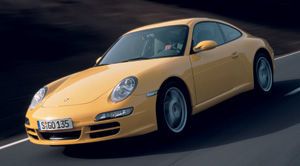

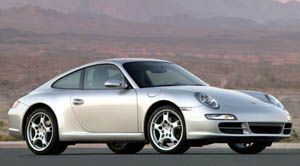
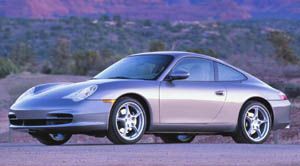

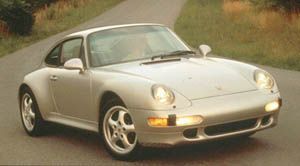
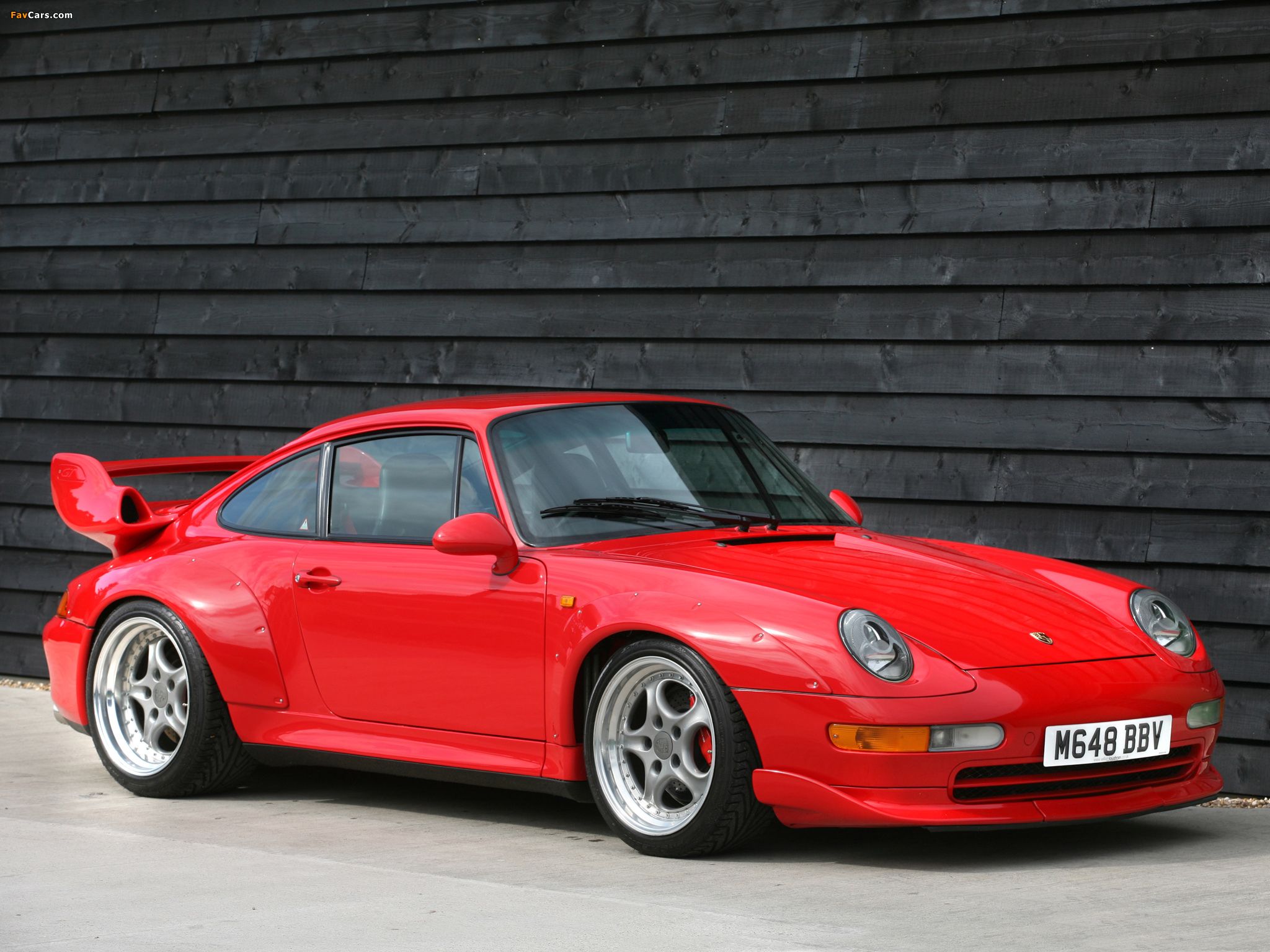
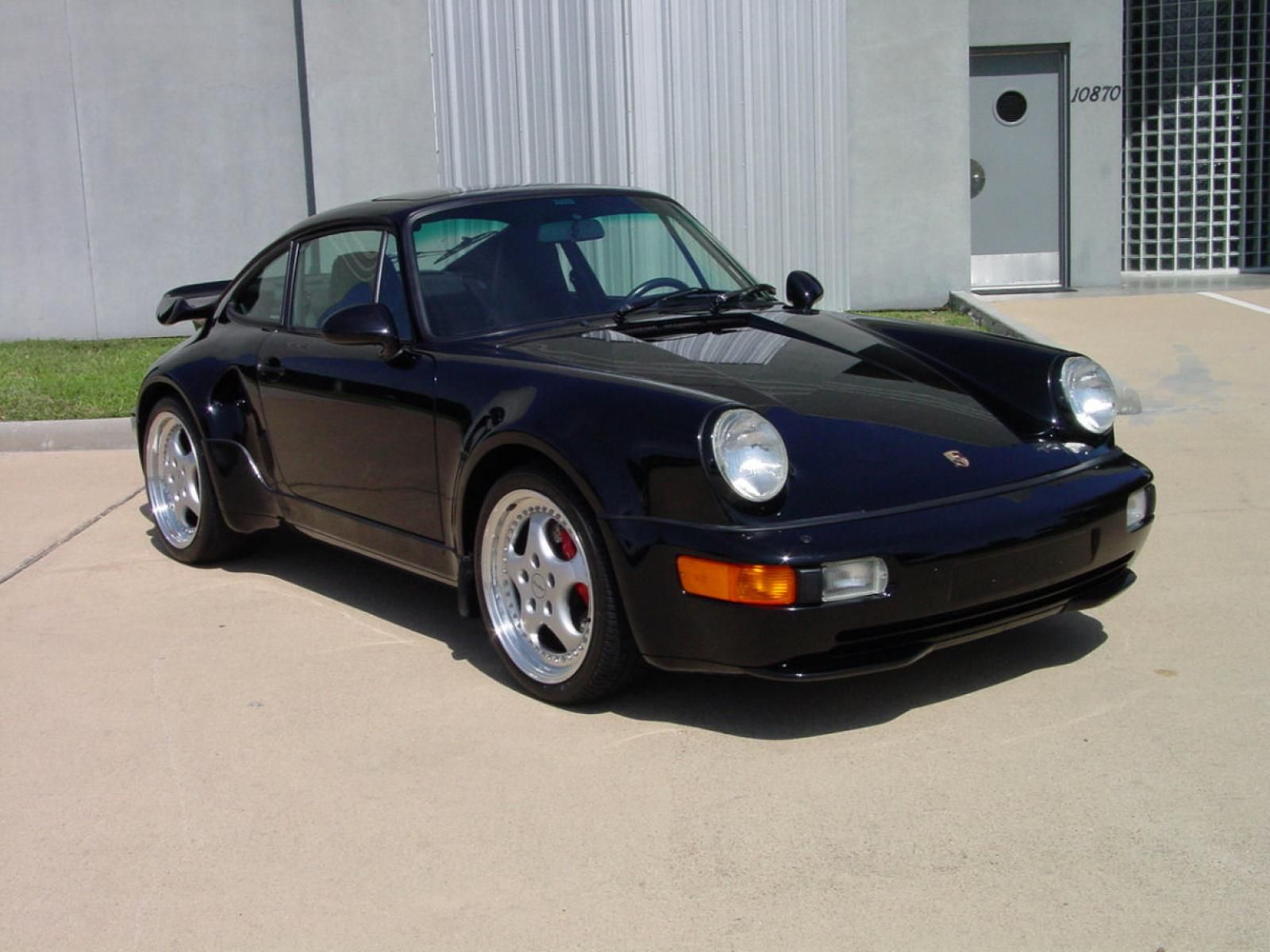
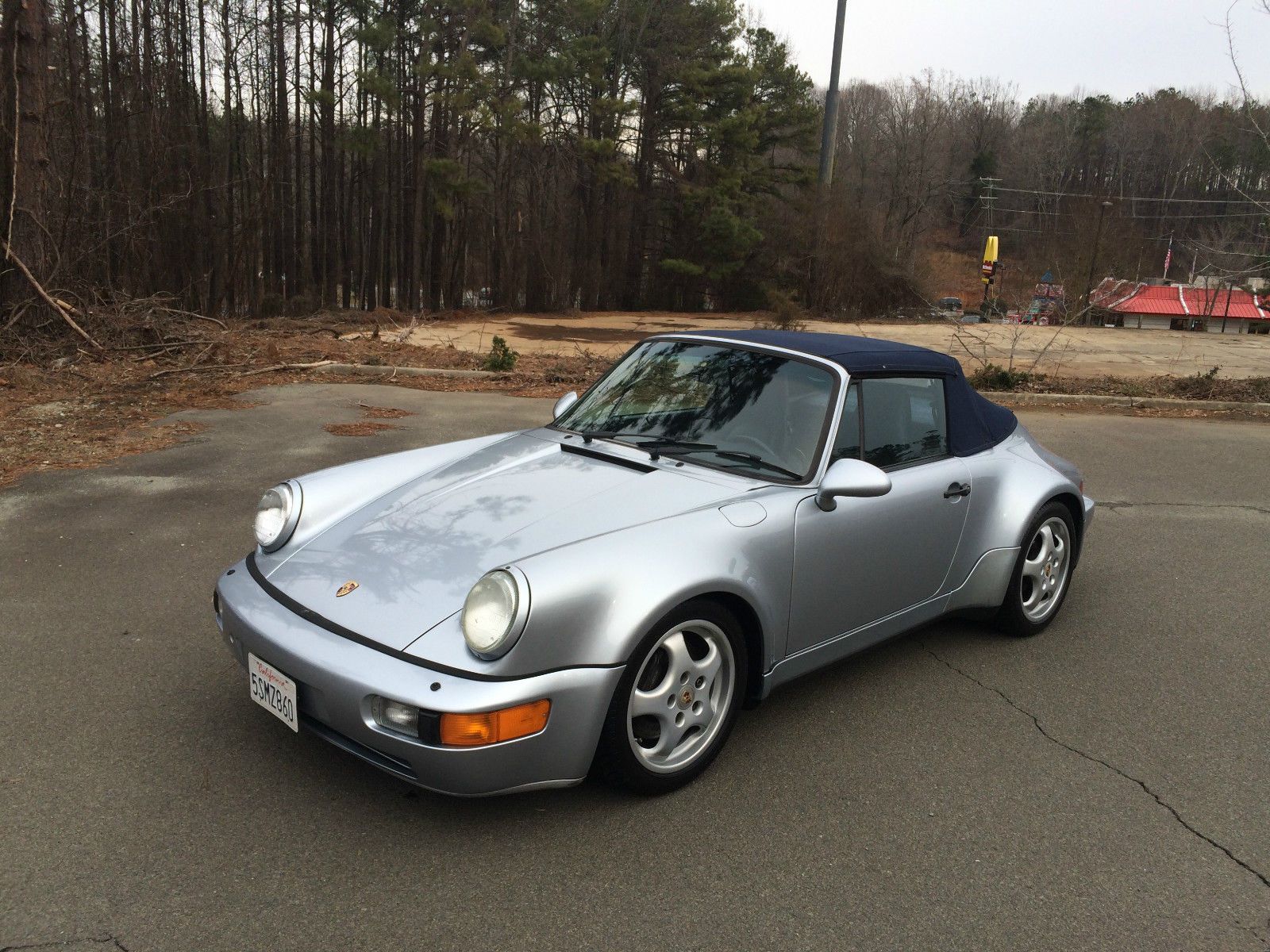
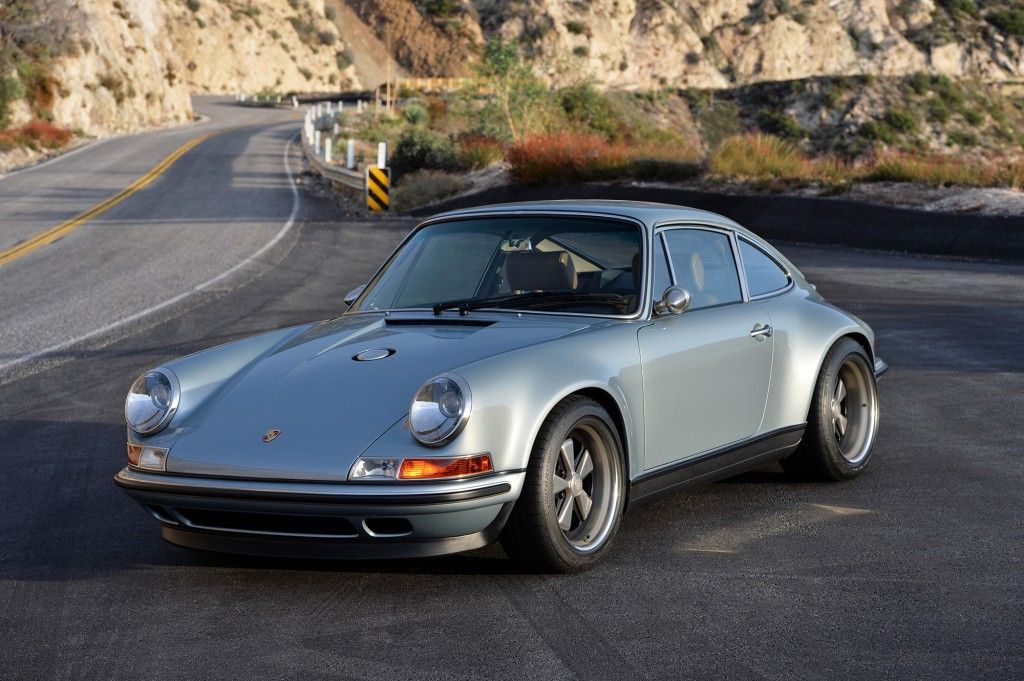
2015 Porsche 911 Future Generations

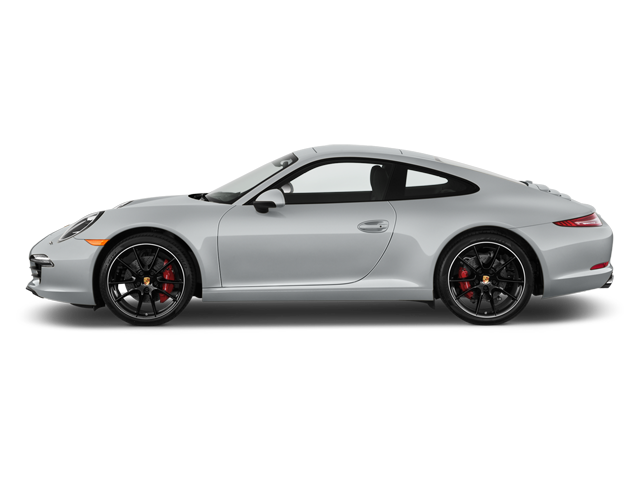
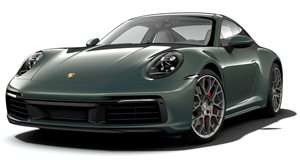

Porsche 911 Overview and History
Situated in downtown Stuttgart, Porsche's first contract of developing a people's car, a Volkswagen, appointed by the German government. The result was one of the most famous cars in history, one of the best sold and one of the most easily recognizable out there, the Beetle. Many features of the Beetle would find their place on the first ever Porsche, the 64, developed in 1939.
During WWII the Porsche factory turned to making vehicles for the German Army, such as the Kubelwagen and the Schwimmwagen as well as contributing to the production of Tiger and Elefant tanks. After the war Ferdinand was imprisoned for war crimes for 20 months and was during that time that his son, Ferry Porsche, decided to build a new car to suit his needs – the 356.
The success of the 356 and the death of Ferdinand Porsche in 1951 gave Ferry the confidence to follow in his father's footsteps and continue designing cars. One of his most famous designs was the Spyder 550, a car that would prove very successful in races.
By now, the general line of the company seemed evident, as in 1964 another sporty model, the 911, another car with a air-cooled, boxer, rear-mounted engine. The design team for this car was led by Ferry's oldest son, Ferdinand Alexander Porsche. this car would take the legacy of the 550 Spyder even further, winning races and rallies. Testimony to the success of the 911 is the fact that it's still in production today, despite being heavily modified.
Porsche was going to change its status in 1972 from a limited partnership to a public limited company, which meant that now Porsche would be run by a board of directors supervised by family members. In 1974, at the Paris Auto Show, Porsche unveils the new 911 Turbo, with exhaust turbocharger and pressure regulator.
When the 924 was entered in production in 1975, Porsche took a leap of faith because it had not experienced with front-mounted engines for a long time. By Porsche standards, the 928 was an oddity, with its front-mounted V8 engine made out of metal alloy. Then, in 1981, a new transaxle model is added to the Porsche line-up, the 944. The high-performance Porsche 959 is unveiled at the Frankfurt Auto Show in 1985. It will go on to win a lot of races and rallies, the best known being the Paris-Dakar.
A new technological leap was made in 1988 when the 911 Carrera 4 with all-wheel drive was introduced on the market. Then, in 1989, the “Tiptronic” automatic gearbox system is fitted on Porsches. In 1991, Porsche becomes the first car manufacturer to fit driver and passenger airbags on all its models.
The Boxter model is introduced in 1996 after 3 and a half years of development. That same year, Porsche celebrates 1million units being produced. Two years later, Ferry Porsche dies at the age of 88 but the company moves on and has a great season at Le Mans with the 911 GT1, coming in first and second. This was going to be only the beginning for Porsche, which continued with the very sporty and high-performance models Boxster S and the Carrera GT in 2000.
In 2002 Porsche entered the SUV market with the unconventional Cayenne and its later versions, the Cayenne Turbo and Turbo S. The next model on the line-up for Porsche, announced for 2009 is the Panamera, a four-door sedan. With this new model, Porsche seems set to take on a whole new market, directly competing with other luxury brands such as Mercedes, BMW and Audi.
2015 Porsche 911 Consumer Reviews
Compare Against Competitors
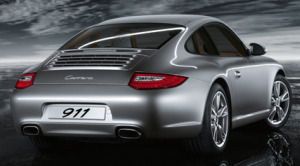
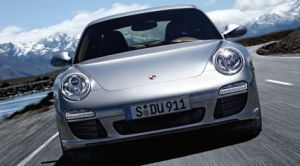
2015 Porsche 911 Gt3 Base Specifications
Base Comfort and Convenience
| AM/FM stereo radio | Yes |
|---|---|
| Air Conditionning | Dual-zone auto climate control |
| Audio Interface | Universal audio interface |
| Auxiliary input jack | Yes |
| Bluetooth Wireless Technology | Yes |
| Cellular Phone | Telephone preparation for mobile phone |
| Courtesy Dome Light | Footwell lighting |
| Cruise Control | Yes |
| Driver Vanity Mirror | Illuminated driver vanity mirror |
| Front Wipers | Adjustable intermittent and rain sensing wipe |
| Garage Door Opener | Homelink universal garage-door opener and remote |
| Heated Washer Nozzle | Heated windshield washer nozzles |
| Illuminated Entry | Illuminated entry with fade-out |
| Interior Air Filter | Carbon filter |
| MP3 Capability | Yes |
| Navigation System | Yes |
| Number of Speakers | 4 loudspeakers |
| Passenger Vanity Mirror | Illuminated passenger vanity mirror |
| Power Door Locks | Power door lock |
| Power Outlet | 3 12-volt power outlet |
| Power Windows | Power windows with driver one-touch down feature |
| Reading Light | Front reading lights |
| Remote Keyless Entry | Yes |
| Single CD | CD player |
| Steering Wheel Adjustment | Power tilt and telescopic steering wheel ajust |
| Trunk/Hatch Operation | Remote trunk hatch release |
Base Dimensions
| Cargo Capacity | 125 L |
|---|---|
| Curb Weight | 1430 kg |
| Fuel Tank Capacity | 64 L |
| Gross Vehicle Weight | 1720 kg |
| Height | 1269 mm |
| Length | 4545 mm |
| Maximum Cargo Capacity | 341 L |
| Wheelbase | 2457 mm |
| Width | 1852 mm |
Base Exterior Details
| Body Trim Badge | «Porsche» logo and «GT3» designation |
|---|---|
| Driving Lights | Daytime running lights and position lights (LED) |
| Exhaust | Brushed stainless steel exhaust tips |
| Exterior Decoration | Front luggage compartment lid, rear lid and doors in aluminium |
| Exterior Folding Mirrors | Folding outside mirrors |
| Exterior Mirrors Auto Dimming | Auto-dimming driver side exterior mirror |
| Headlight Type | Bi-xenon headlamps |
| Headlights Headlight Washers | Headlamps washing system |
| Headlights Leveling Headlights | Auto levelling headlights |
| Heated Exterior Mirrors | Heated outside mirrors |
| Perimeter Lighting | Welcome home lighting |
| Power Exterior Mirrors | Power-adjustable outside mirrors |
| Rear Fog Lights | Rear fog light |
| Rear Spoiler | Automatically controlled rear spoiler |
| Rear Window Defroster | Yes |
| Roof Rack | Preparation for roof transport system |
| Sunroof | Power glass sunroof |
| Taillights | LED taillights |
| Tinted Glass | Green tinted heat-insulating glass |
Base Interior Details
| Brake Pad Wear Warning | Yes |
|---|---|
| Driver Info Center | 4.8 inch TFT VGA display with on-board computer |
| Floor Mats | Yes |
| Folding Rear Seats | 50/50-split folding rear seat |
| Front Seats Driver Power Seats | Power front seats |
| Front Seats Front Seat Back Storage | Extra storage behind the rear seat backrests |
| Front Seats Front Seat Type | Sportbucket front seats |
| Front Seats Heated | Heated front seats |
| Glove Box | Large lockable glove compartment |
| Hand Brake Leather Trim | Leather-wrapped hand brake handle |
| Headliner | Alcantara roof liner |
| Interior Trim Doorsills | Door-sill guards |
| Low Fuel Warning | Yes |
| Luxury Dashboard Trim | Leather interior trim |
| Number of Cup Holders | 2 cupholders |
| Oil Pressure Gauge | Yes |
| Outside Temperature Gauge | Outside temperature display |
| Rear Seat Type | Rear bench seat |
| Seat Trim | Leather seats |
| Shifter Knob Trim | Leather-wrapped shift knob |
| Steering Wheel Trim | Lether-wrapped steering wheel |
| Tachometer | Yes |
| Trip Computer | On-board computer |
| Water Temperature Gauge | Coolant temperature gauge |
Base Mechanical
| Drive Train | Rear-wheel drive |
|---|---|
| Engine Name | 3.8L H6 DOHC 24-valve |
| Stability Control | Yes |
| Traction Control | Yes |
| Transmission | 7-speed automated sequential transmission with manual mode |
Base Overview
| Body | Coupe |
|---|---|
| Doors | 2 |
| Engine | 3.8L H6 DOHC 24-valve |
| Fuel Consumption | 16.0 (Automatic City)11.5 (Automatic Highway) |
| Power | 475 hp @ 8250 rpm |
| Seats | 4 |
| Transmission | 7-speed automated sequential transmission with manual mode |
| Warranties | Bumper-to-Bumper80000/km, 48/Months Powertrain80000/km, 48/Months Roadside Assistance80000/km, 48/Months Rust-throughUnlimited/km, 144/Months |
Base Safety
| Anti-Lock Brakes | ABS brakes |
|---|---|
| Anti-Theft Alarm | Alarm system |
| Brake Assist | Brake assist |
| Brake Type | 4-wheel disc |
| Brakes Brake Caliper Finish | Black |
| Driver Airbag | Driver side front airbag |
| Front Seat Belts | pre-tensioner |
| Hill Start Assist | Hill start assist |
| Ignition Disable | Electronic immobilizer |
| Parking Brake | Electric |
| Passenger Airbag | Passenger side front airbag |
| Rear Seat Belts | Center 3-point |
| Roof Side Curtain | Side curtain airbag |
| Side Airbag | Front side airbags |
| Tire Inflator Kit | Tire repair kit |
Base Suspension and Steering
| Drive Selection | «Race track» button |
|---|---|
| Front Anti-Roll Bar | Yes |
| Front Suspension | Front independent suspension |
| Front Tires | 245/35ZR20 front tires |
| Power Steering | Speed-sensitive power rack-and-pinion steering |
| Rear Anti-Roll Bar | Yes |
| Rear Suspension | Independent rear suspension |
| Rear Tires | 305/30ZR20 rear tires |
| Tire Pressure Monitoring System | Yes |
| Turning Circle | 11.1-meter turning circle diameter |
| Wheel Locks | Anti-theft wheel protection |
| Wheel Type | 20-inch GT3 alloy wheels |
Critics Reviews
New for 2015. The 2015 Porsche 911 adds the GTS model and an available rearview camera.. UPDATE – February 2015: The 911 Turbo and Turbo S are now available with an aero kit that includes a ...
The 2015 Porsche 911 is an enthusiast's dream, with excellent handling, comfort, and performance at every step through its range. Find out why the 2015 Porsche 911 is rated 9.0 by The Car ...
If you’re looking for information on a newer Porsche 911, we’ve published an updated review: 2019 Porsche 911 Review The 2015 Porsche 911 is probably Porsche's most recognized and coveted sports car. Whether you call it a 911 or simply a Carrera (Porsche uses both names), this model covers a wide array of trims and body styles, including the base 911 and the coveted GT3, GTS and Turbo S ...
2015 Porsche 911 Pricing The Manufacturer's Suggested Retail Price (MSRP) is the "sticker price" for this vehicle, including optional equipment, when it was new. The price range for the 2015 Porsche 911 is $ 69,403 - $ 132,888.
The 2015 Porsche 911 is ranked #6 in 2015 Luxury Sports Cars by U.S. News & World Report. See the full review, prices, and listings for sale near you!
Discussion and Comments
Share Your Comments