2005 Chevrolet Impala Base 0-60 Times, Top Speed, Specs, Quarter Mile, and Wallpapers
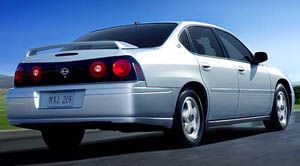
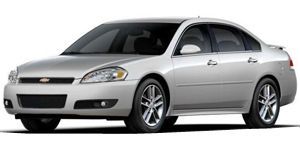
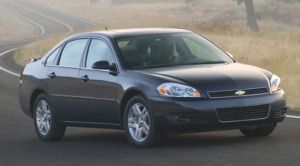
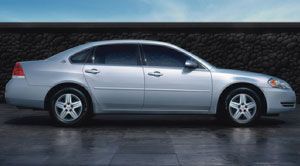
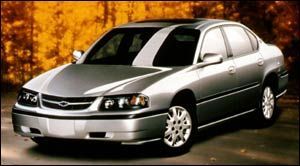
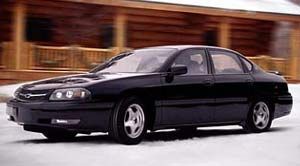
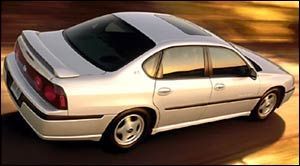
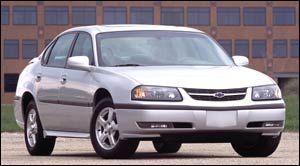
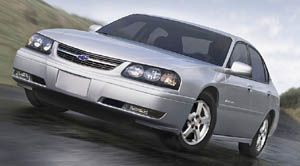
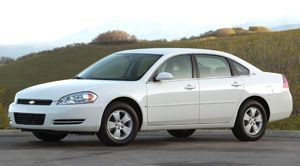
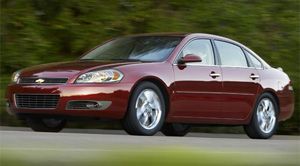
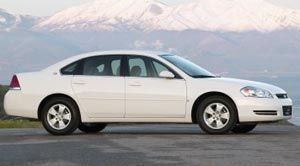
The 2005 Chevrolet Impala Base is a Front-wheel drive Sedan. It can accommodate up to 6 passengers. It has 4 Doors and is powered by a 3.4L V6 OHV 12 valves engine which outputs 180 hp @ 5200 rpm and is paired with 4 speed automatic transmission gearbox. The 2005 Chevrolet Impala Base has cargo capacity of 527 Liters and the vehicle weighs 1500 kg. In terms of ride assists, the 2005 Chevrolet Impala Base has stability control and traction control in addition to anti-lock brake system (ABS). The vehicle has an optional 3.8L V6 OHV 12 valves engine as well It offers and. Safety features also include Driver side front airbag and Passenger side front airbag. The front suspension is Front independent suspension while the rear suspension is Rear independent suspension. The car also features a It has 16'' steel wheel with covers as standard. Electronic features include Cruise Control. For convenience, the car has Power windows and Power door locks. There is also a remote keyless entry feature. Moreover, the car has. The steering wheel has audio control buttons. In terms of performance, the car has 196 N.m of torque and a top speed of 207 km/h. The 2005 Chevrolet Impala Base accelerates from zero to 60 mph in 8.9 seconds and hits quarter mile at 16.4 seconds. Fuel consumption is 11.1 L/100km in the city and 7.3 L/100km in the highway. The car price starts at $ 26,405
| Name | Base | |
|---|---|---|
| Price | $ 26,405 | |
| Body | Sedan | |
| Doors | 4 Doors | |
| Engine | 3.4L V6 OHV 12 valves | |
| Power | 180 hp @ 5200 rpm | |
| Number of Seats | 6 Seats | |
| Transmission | 4 speed automatic transmission | |
| Cargo Space | 527.0 L | |
| Maximum Cargo Space | 527.0 L | |
| Wheel Type | 16'' steel wheel with covers | |
| Series | ||
| Drivetrain | Front-wheel drive | |
| Horsepower | 180 HP | |
| Torque | 196 N.m | |
| Top Speed | 207 km/h | |
| Acceleration 0-100 km/h (0-60 mph) | 8.9 s | |
| Fuel Type | ||
| Fuel Consumption (City) | 11.1 L/100km | |
| Fuel Consumption (Highway) | 7.3 L/100km | |
| Gear Type | auto | |
| Weight | 1,500 KG | |
| Brand | Chevrolet | |
| Model | Impala | |
| 0-400m (Quarter Mile) | 16.4 s | |
| 0-400m (Quarter Mile) - Speed | 140.2 km/h | |
| 0-800m (Half Mile) | 27.2 s | |
| 0-800m (Half Mile) - Speed | 157.8 km/h | |
| Modifications (MODS) | ||
| Modifications Cost | $ 0 |
2005 Chevrolet Impala Used Price Estimates
Estimates based on a driving average of 12,000 miles per year| Used Condition | Trade In Price | Private Party Price | Dealer Retail Price |
|---|---|---|---|
| Outstanding | $ 1,607 | $ 2,509 | $ 3,002 |
| Clean | $ 1,446 | $ 2,261 | $ 2,705 |
| Average | $ 1,123 | $ 1,766 | $ 2,112 |
| Rough | $ 801 | $ 1,271 | $ 1,520 |
Although suitably quick in 240-horse SS form, Chevrolet's full-size sedan still lags behind the competition when it comes to driving dynamics and overall refinement.
The Impala was first introduced in 1958 as the top-of-the-line trim level of the Bel Air full-size coupe and convertible. A year later the Impala became a stand-alone model and its popularity skyrocketed with over 450,000 sold that year. For the '61 model year, the Impala ushered in an all-new design, and the 409 V8 and Super Sport package turned the Impala into GM's first true muscle car. Throughout the '60s, the Impala dominated the sales charts, culminating in 1965 when over one million were sold. The popularity of the smaller, midsize muscle cars slowly ate away at sales of the Impala, but it continued to sell in big numbers, registering as the best-selling car in America in 1973. The oil embargo of 1973 put a quick end to that for a while until a new, smaller and much lighter design debuted in 1977 that resurrected Impala sales to a respectable number once again. The Impala nameplate languished in the early '80s, eventually getting dropped in 1986 in favor of the Caprice designation. A revival of sorts occurred in 1994 when the Impala SS name was used again, this time for a high-performance version of the Caprice sedan. Sporting a monochrome paint scheme, an LT-1 V8 and bucket seats, the '94-'96 Impala SS recaptured the spirit of the original SS models and continues to be highly sought after today. The demise of the Caprice after the '96 model year meant no more Impalas once again until four years later when the all-new 2000 model arrived. With front-wheel drive and V6 power, the current Impala isn't exactly a tribute to the past, but it does continue the tradition of large, affordable Chevrolet family sedans. The move to smaller, more efficient V6 power plants gives family sedan buyers enough power when they need it while still providing respectable mileage -- never one of the Impala's strong points in previous generations. The addition of an SS model powered by a 240-horse supercharged V6 may not impress those who remember Impalas of yesteryear, but at least Chevy is trying. The fact that the base Impala can seat six in a pinch places it in the thinly populated category of large sedans, with the Ford Crown Victoria, Mercury Grand Marquis and Toyota Avalon as the only real competition. While the Impala offers a much lower price, at least in base and LS form, it lags behind the Ford and the Toyota when it comes to performance and overall refinement. And when compared to more mainstream family sedans like the Accord, Altima and Camry, the Impala gets outclassed again. GM's own Pontiac Grand Prix would be a better buy for those who want American-style performance but don't necessarily need a huge backseat. As you can probably tell, the current Impala is not one of our favorite cars, but even so, it's one of GM's top-selling nameplates.
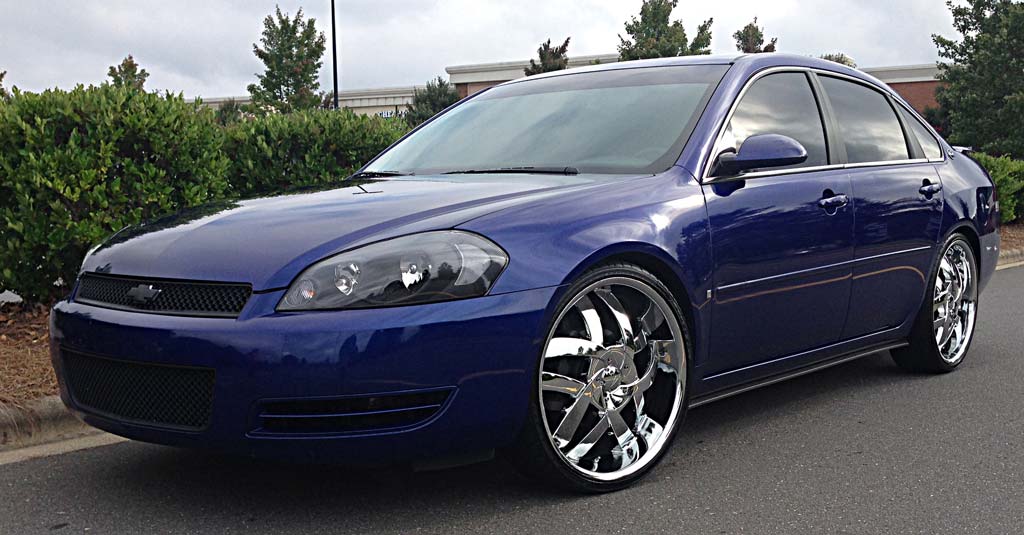
Available as a sedan only, the Impala comes in three trim levels -- base, LS and SS. Base models include 16-inch wheels; a front bench seat; dual-zone air conditioning; power locks, mirrors and windows; a tilt steering wheel and keyless entry. Moving up to the LS model adds ABS, alloy wheels, a floor console, cloth bucket seats with six-way power adjustment for the driver, a leather-wrapped steering wheel and a tire inflation monitor. The SS comes with monochromatic exterior paint and adds a lowered suspension, 17-inch wheels and leather upholstery. Optional equipment includes leather seating for the LS, a trip computer, an upgraded audio system with a CD player, satellite radio and a sunroof.
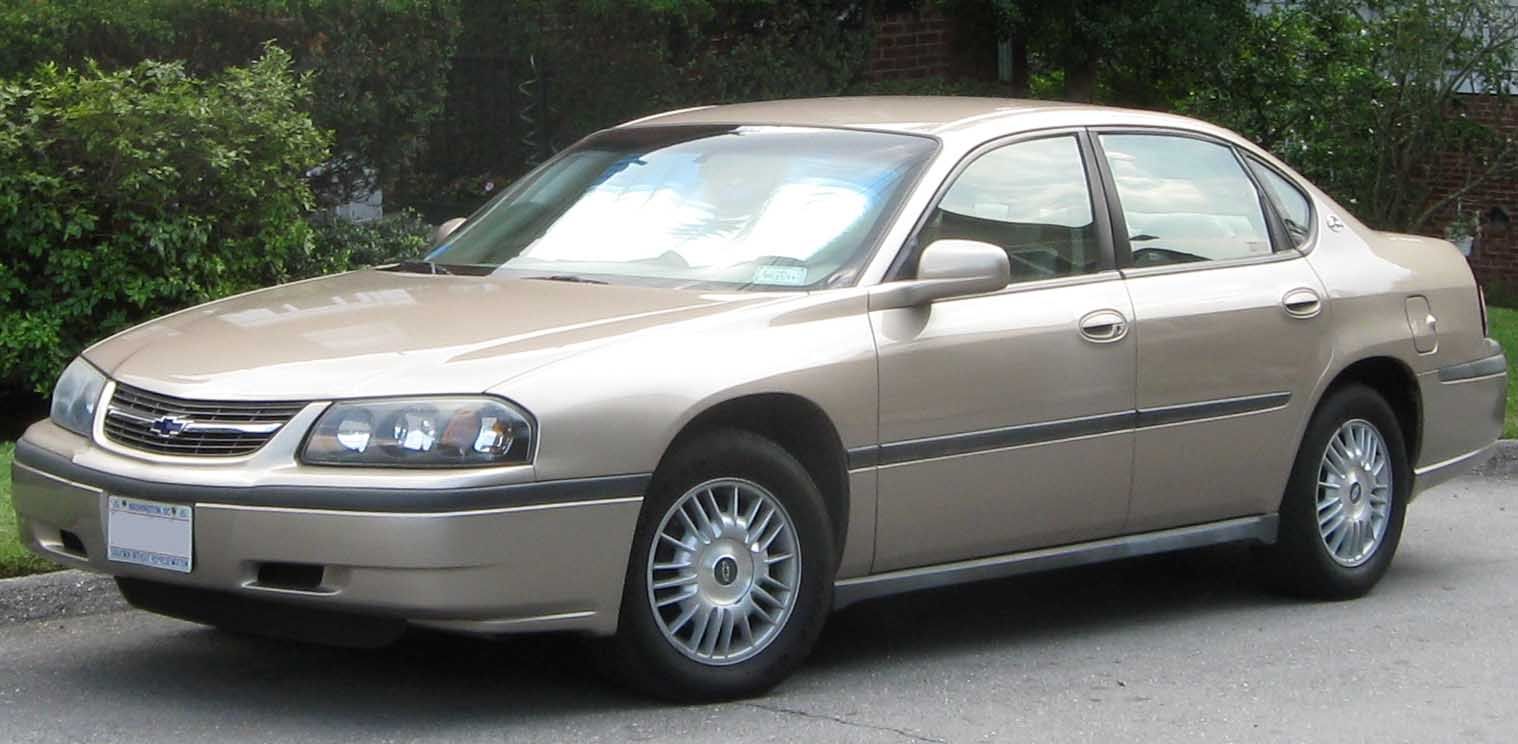
Base-model Impalas are powered by a 3.4-liter V6 engine that produces 180 horsepower and 205 pound-feet of torque. Stepping up to LS trim gets you a 3.8-liter V6 that makes 200 hp and 225 lb-ft of torque. Both models employ a responsive four-speed automatic transmission that sends the power through the front wheels. The SS has a supercharged version of the 3.8-liter V6 making an impressive 240 hp and 280 lb-ft of torque. To handle the extra power, the SS uses a heavy-duty version of GM's four-speed automatic.
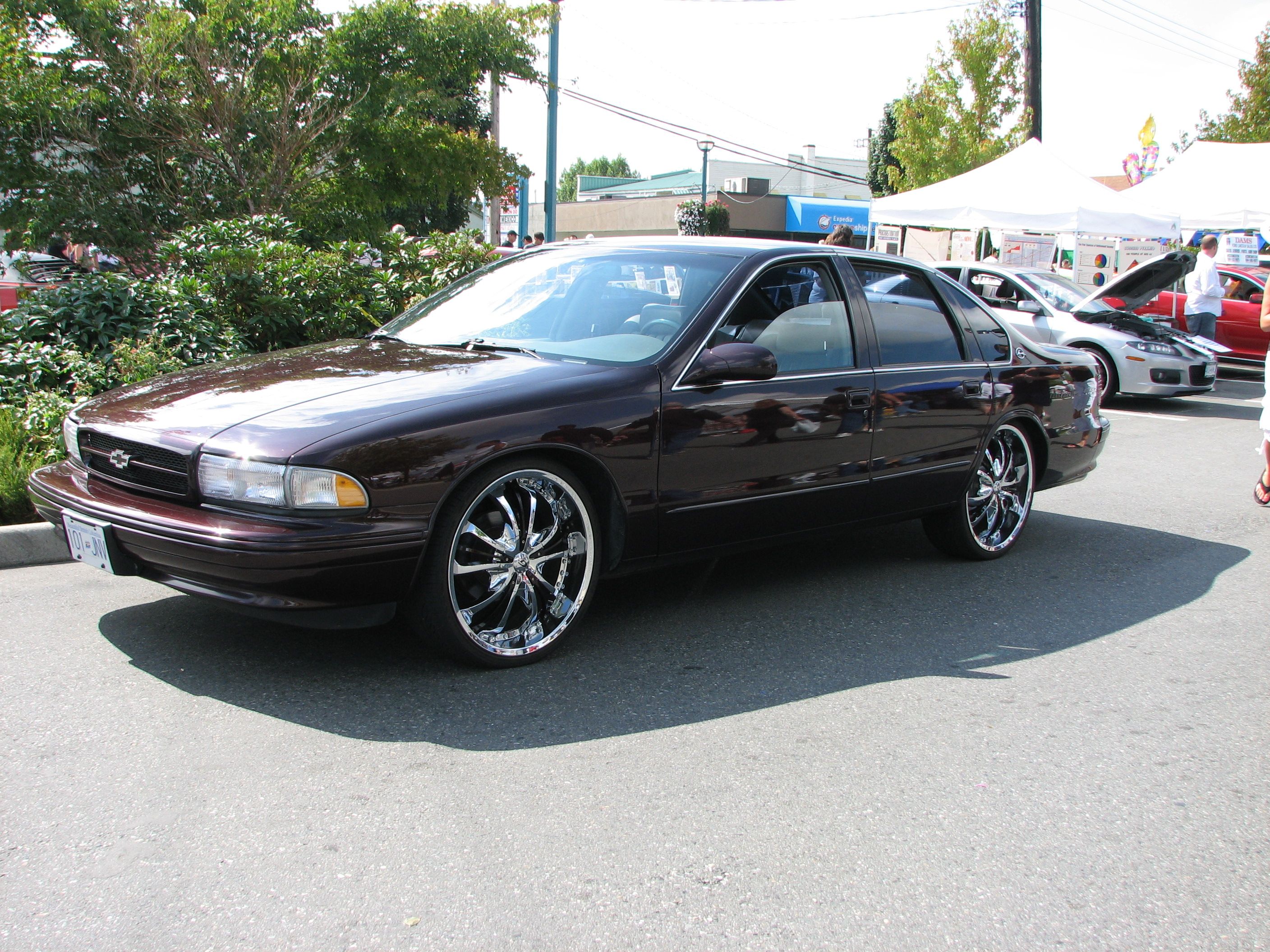
Occupant safety is a big selling point for the Impala. In crash tests conducted by the National Highway Traffic Safety Administration (NHTSA), the Impala earned five stars (out of five) for both the driver and front passenger in frontal impact testing, and four out of five stars in side-impact testing. In frontal offset crash testing, the Impala earned a "Good" rating, the highest possible. Antilock brakes and traction control are standard on the LS and SS, and optional on the base model. A side airbag for the driver only is optional on all Impalas.
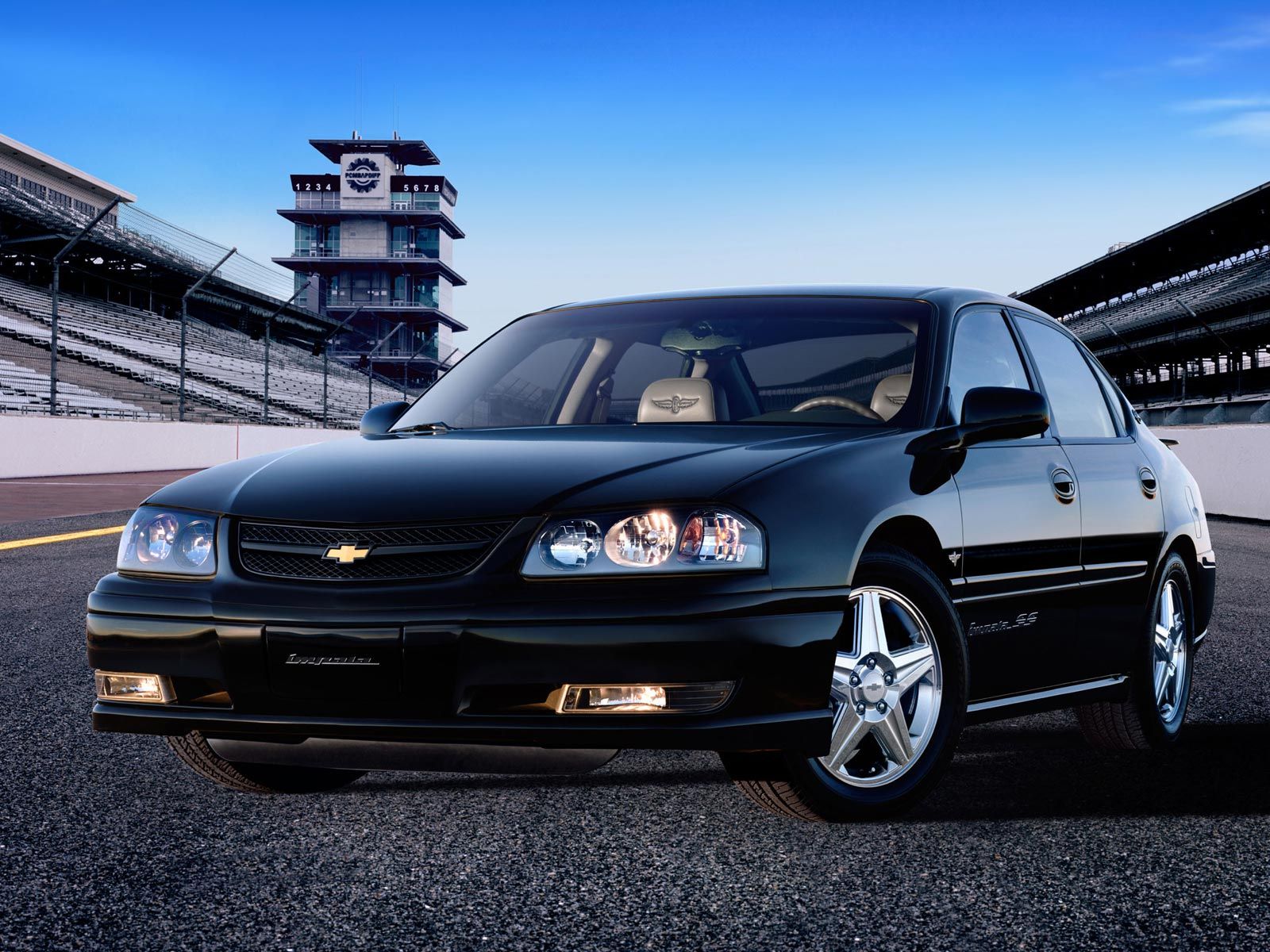
Despite its modest weight, the Impala still suffers in the handling department, at least in base and LS form. The way it floats and wallows through turns, you'd think you were in one of the enormous land yachts of the '60s. Vague steering and flat seats certainly don't add much to the driving experience. The V6 engines get it going at a reasonable rate, but refinement is not a strong point. The SS is the best choice for those who like to drive, as its supercharged engine offers brisk acceleration, while a reworked suspension and 17-inch wheels improve handling.
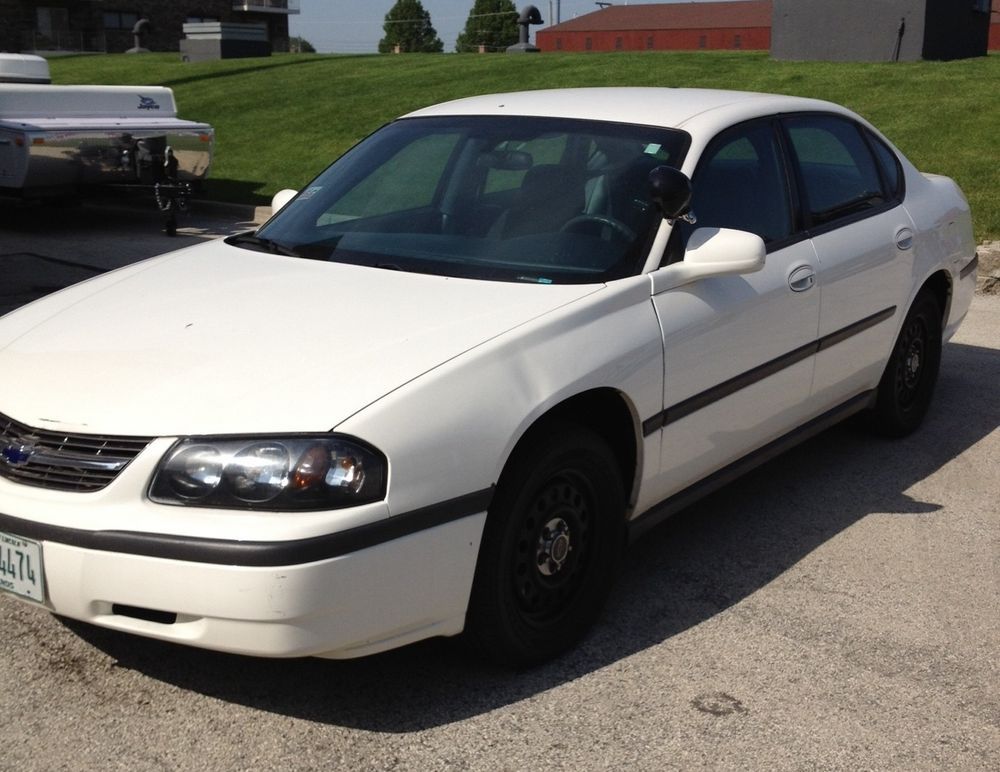
As one of the few six-passenger sedans on the market, the Impala does have an edge on the competition when it comes to interior space. That's about the only edge, however, as the rest of the interior is a mix of cheap plastics and bland design that pales in comparison to the more modern offerings from Toyota and Chrysler. Even the sporty SS provides no real styling upgrades, except for a new set of gauges and a few "SS" logos.
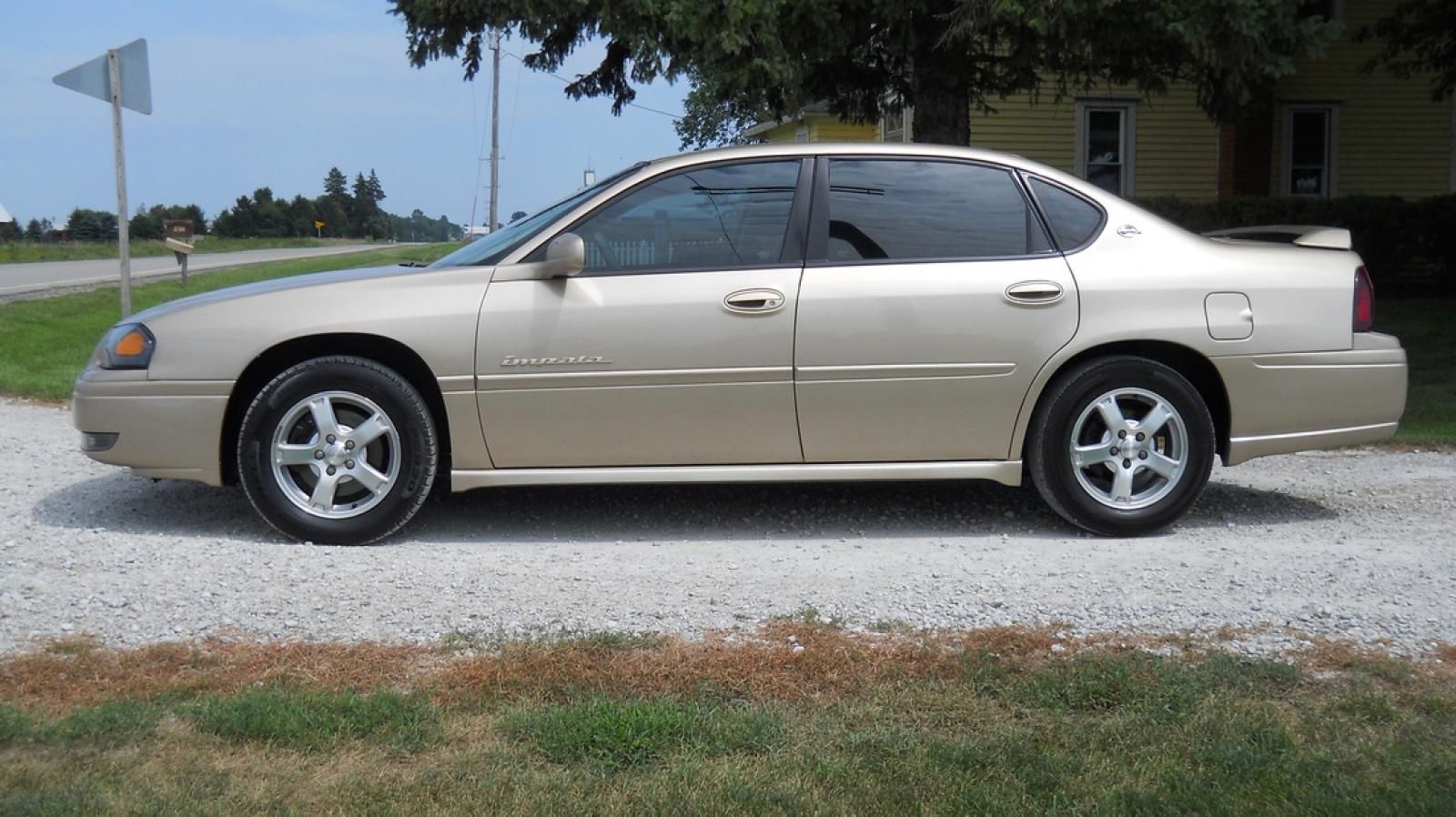
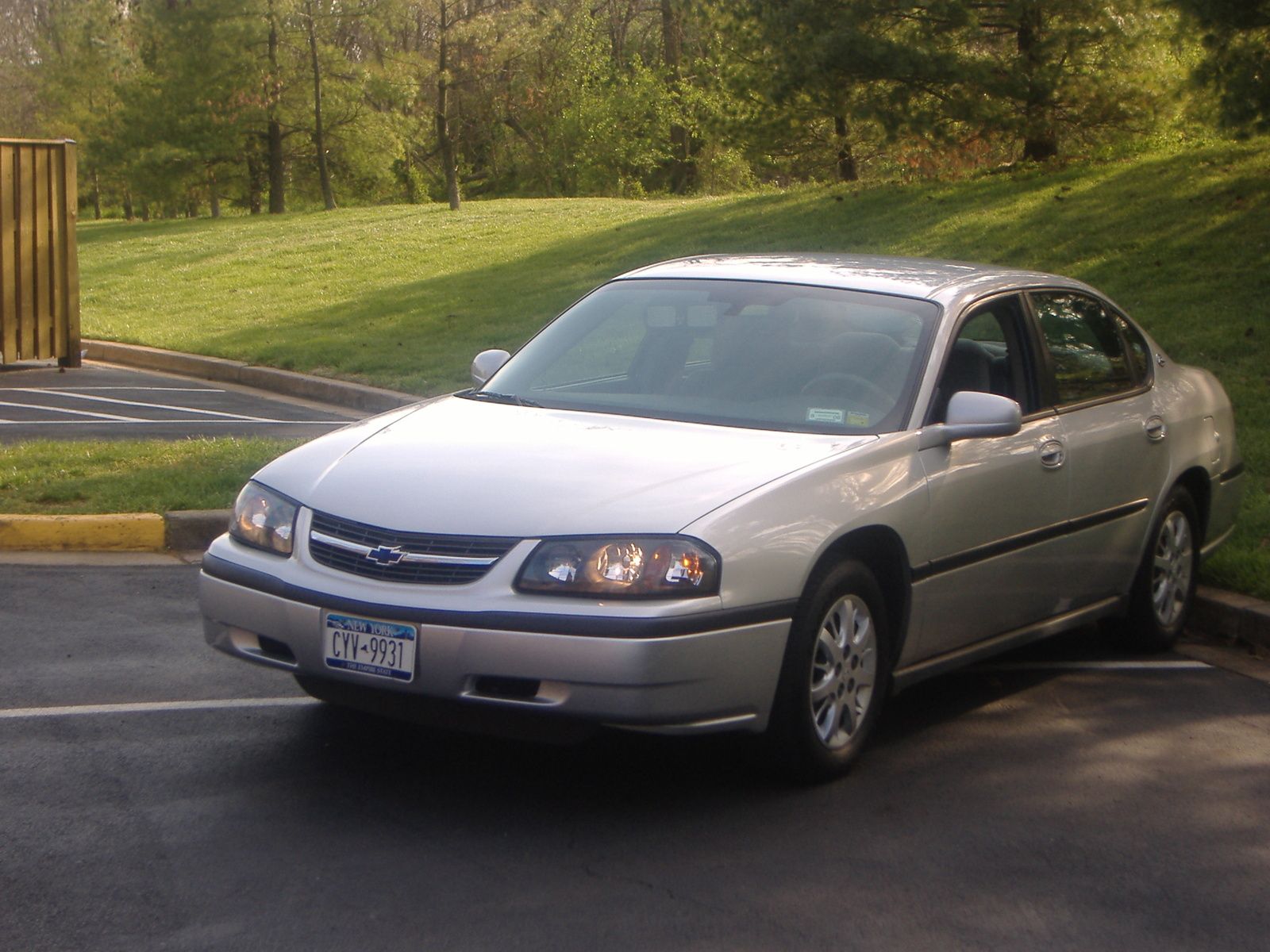
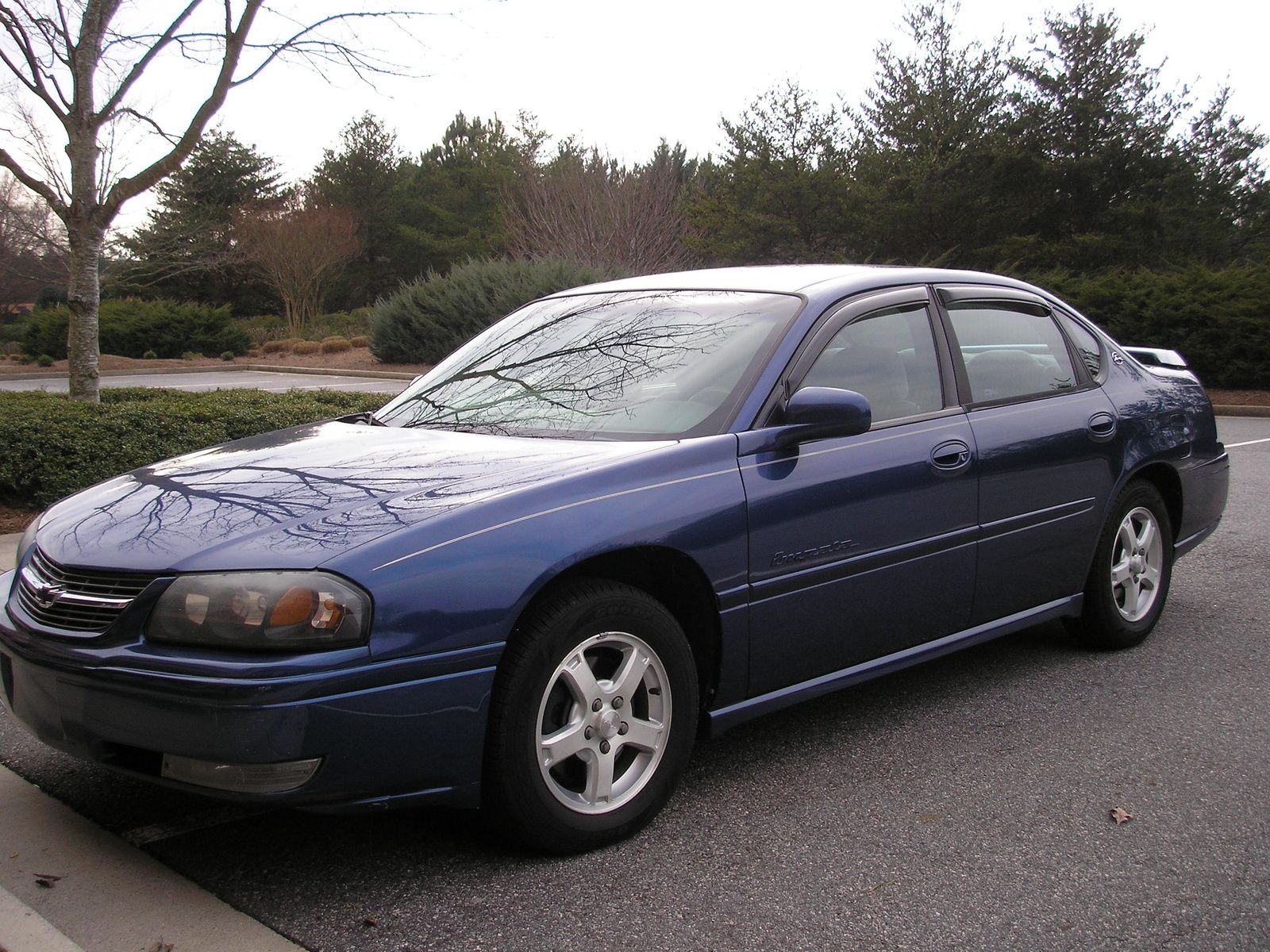
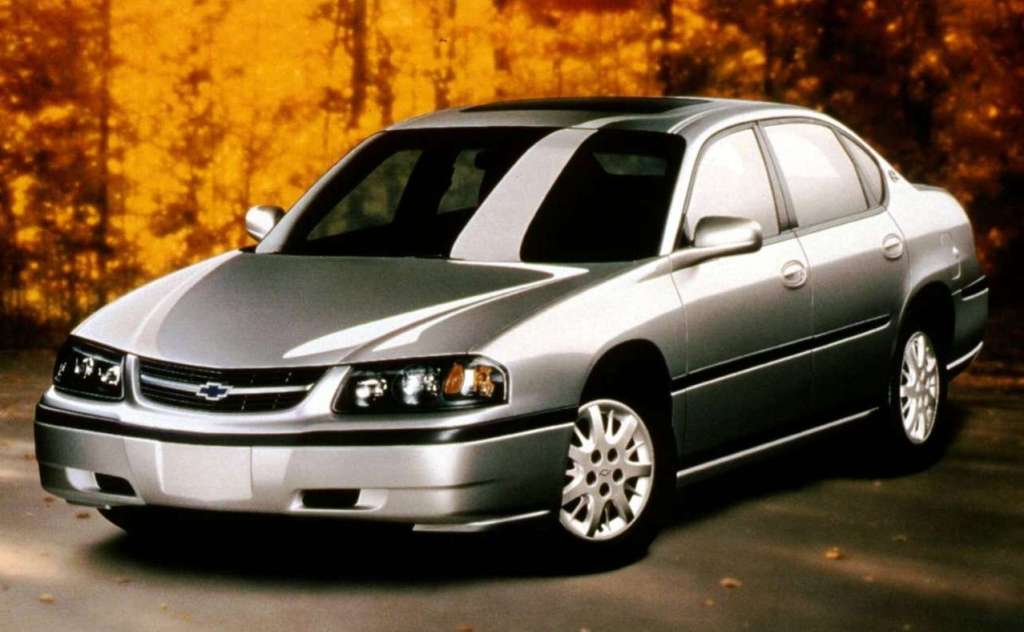
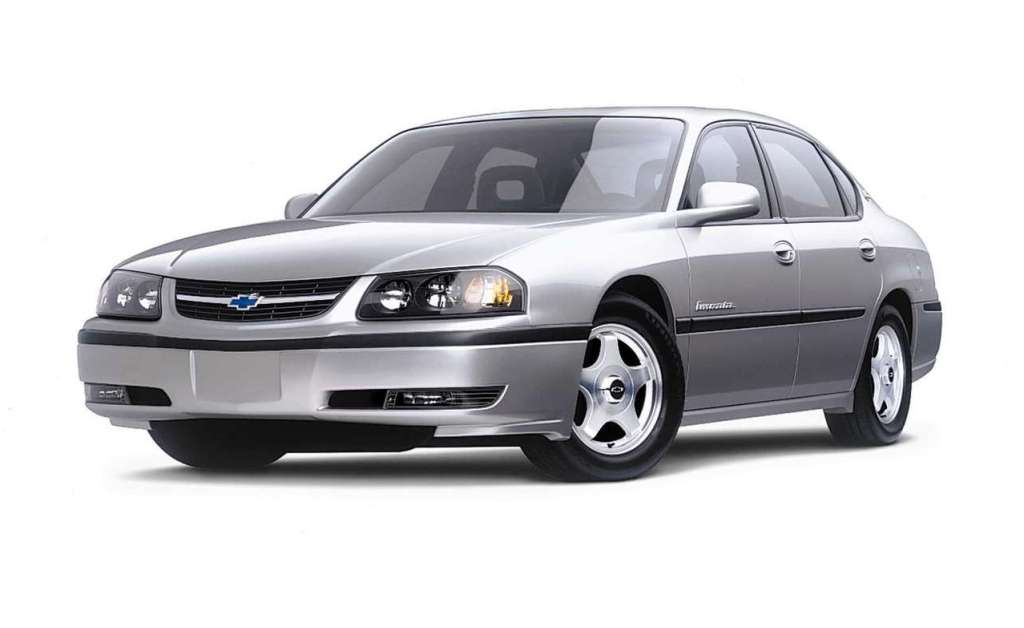
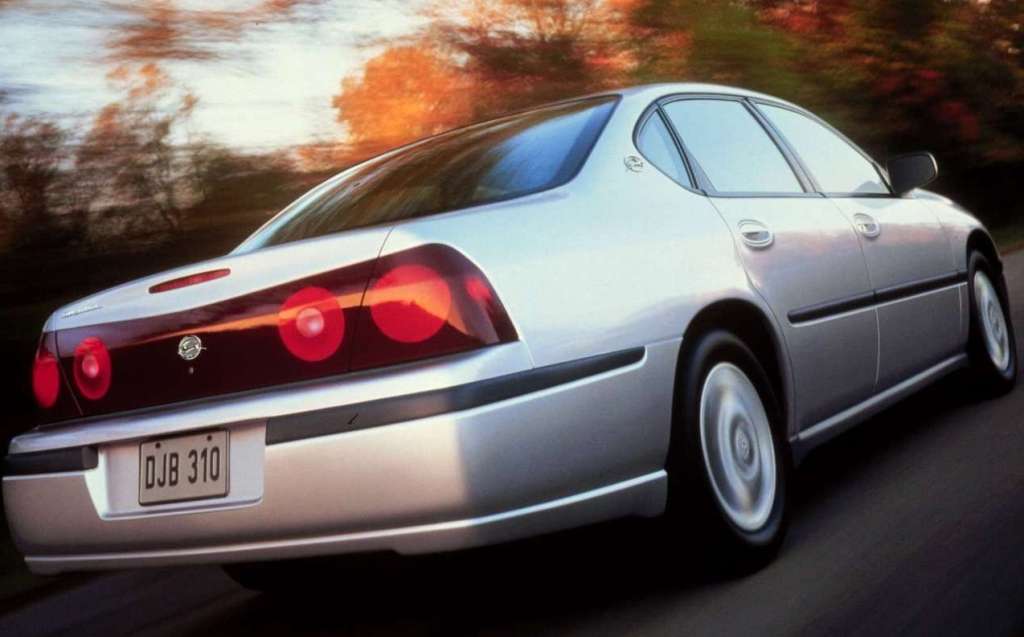
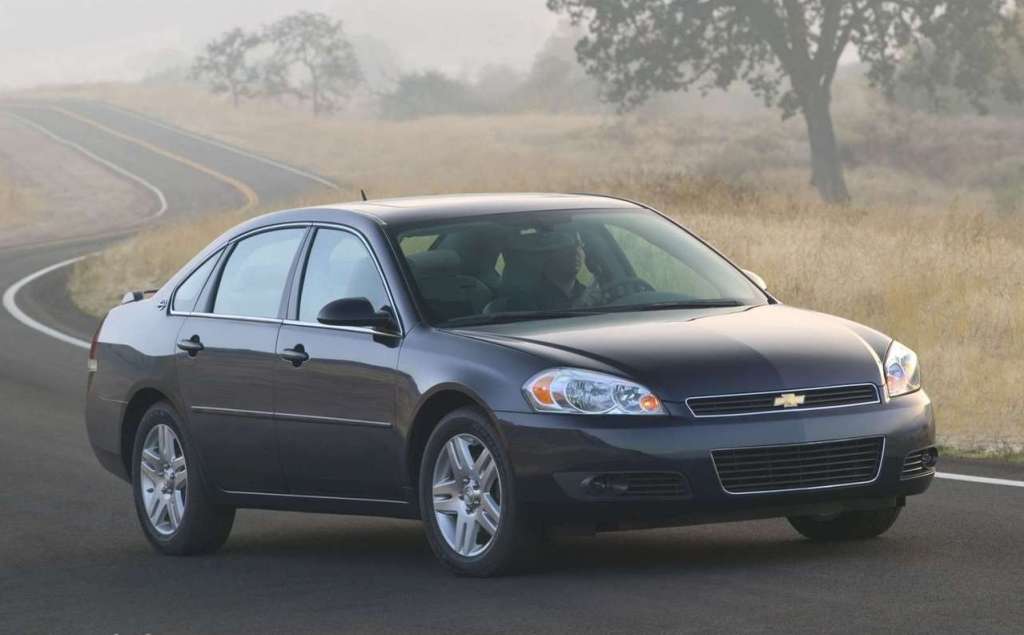
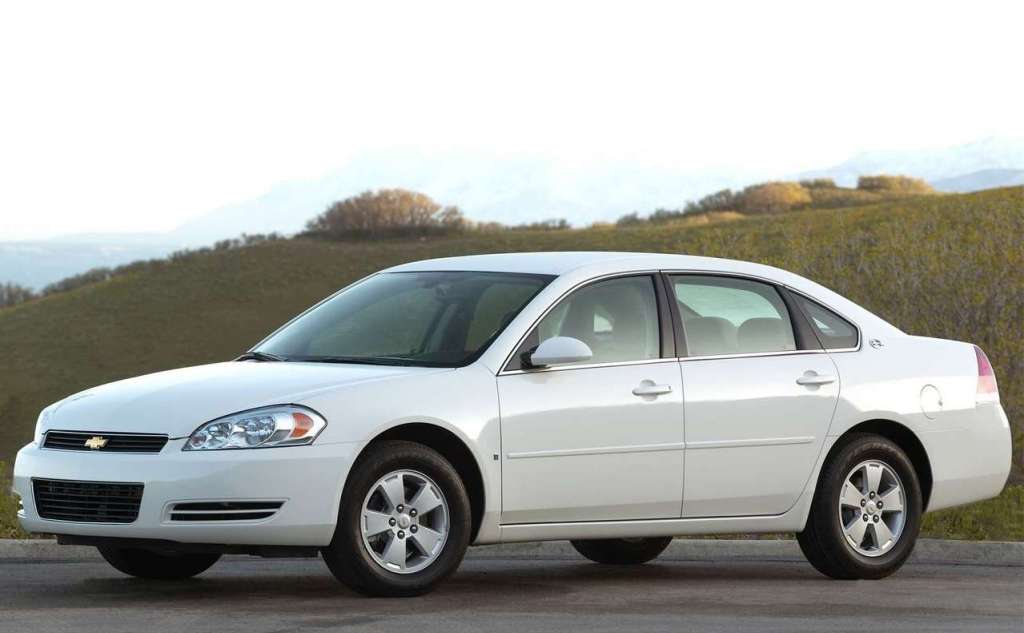
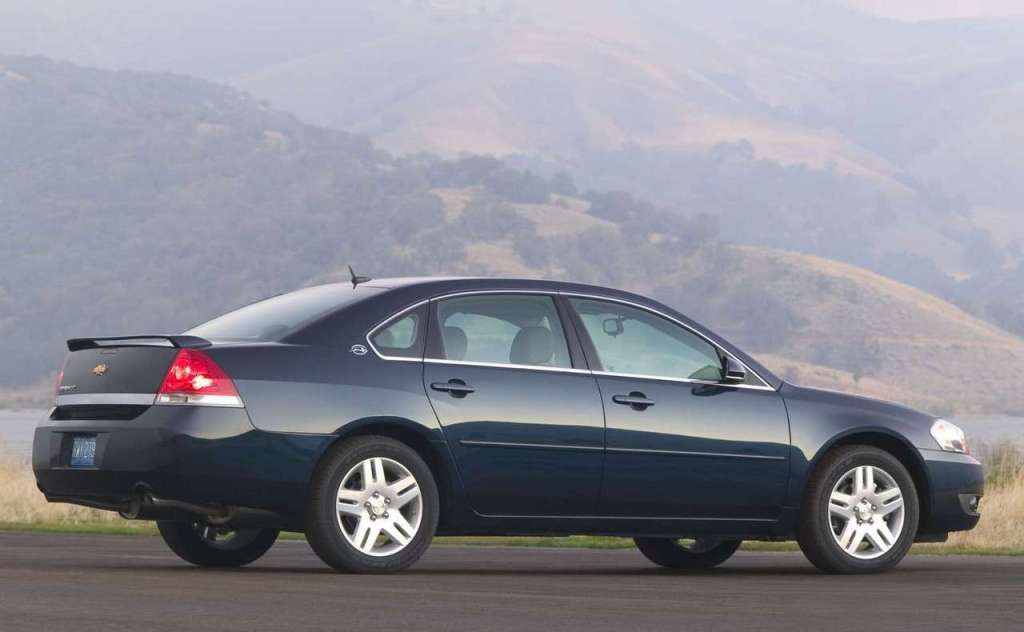
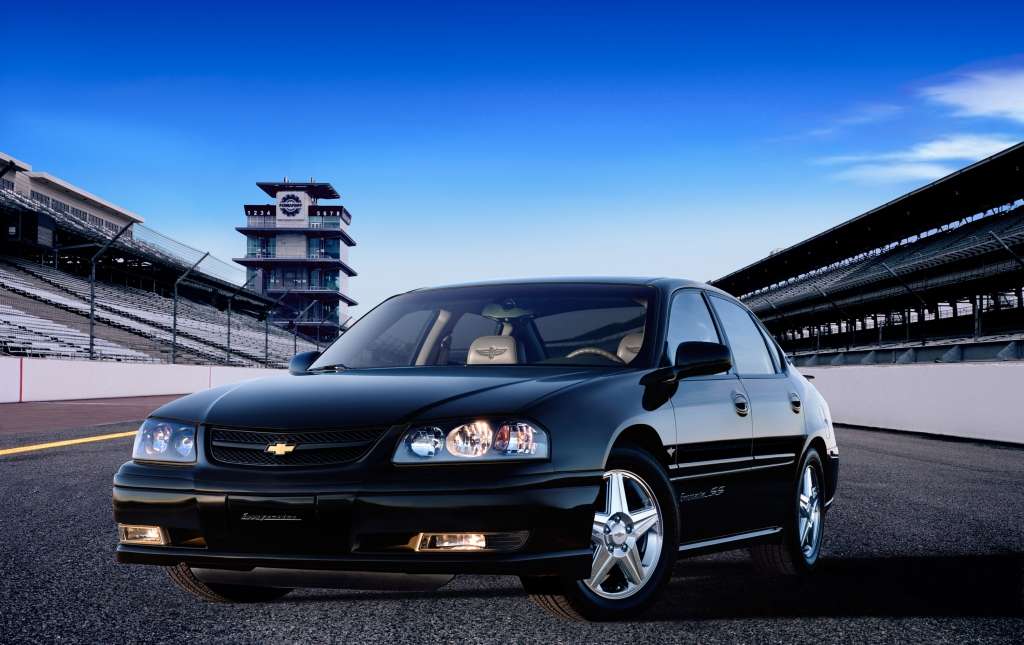
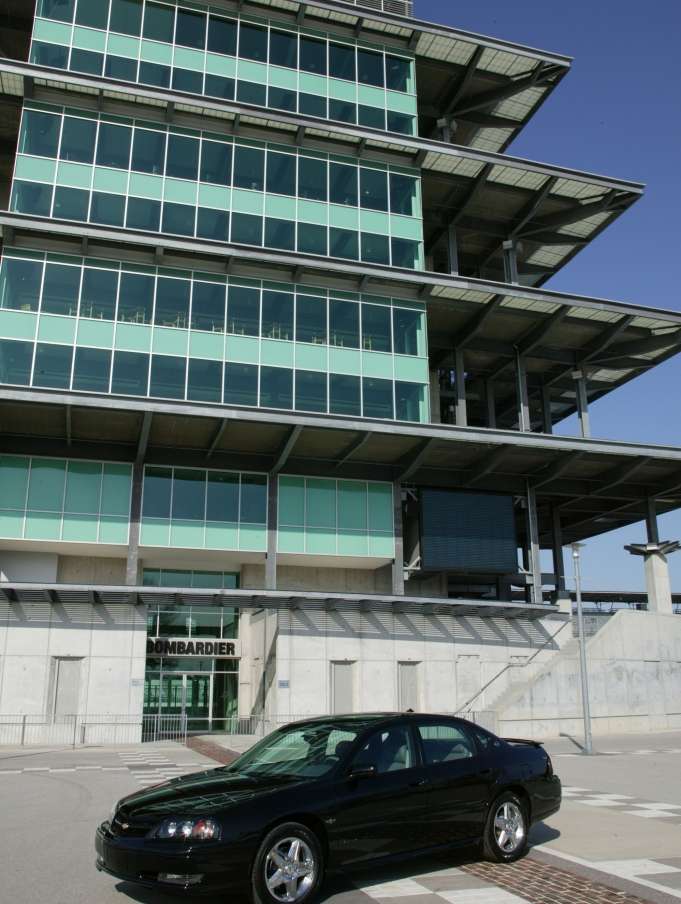
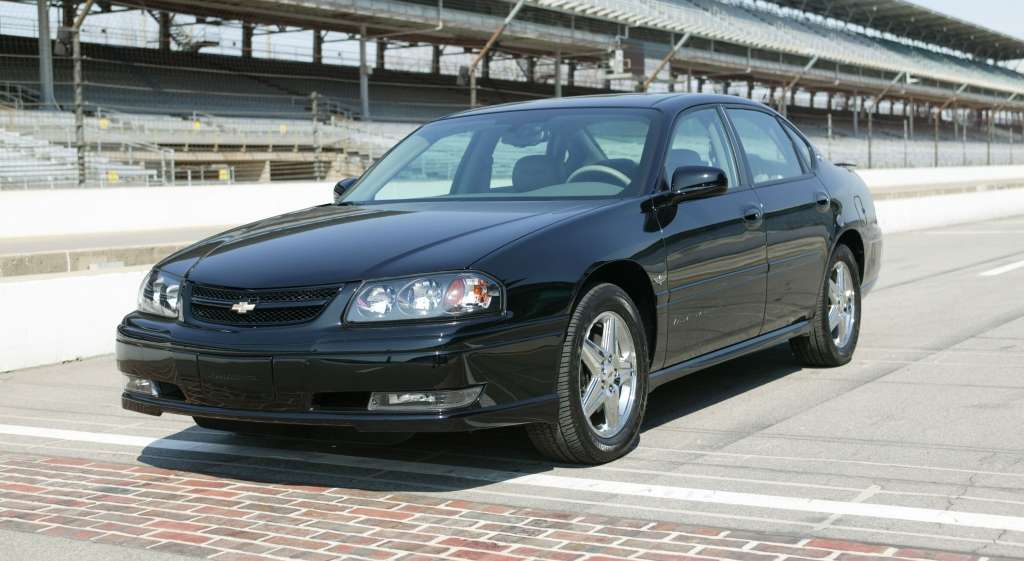
2005 Chevrolet Impala Base Exterior Colors
2005 Chevrolet Impala Base Interior Colors
2005 Chevrolet Impala Engines
| Engine | Standard in Trim | Power | Torque | Fuel Consumption - City | Fuel Consumption - Highway | 0-100 km/h | Quarter Mile | Half Mile |
|---|---|---|---|---|---|---|---|---|
| 3.8L V6 OHV 12 valves | LS | 200 hp @ 5200 rpm | 196 N.m | 11.9 L/100km | 7.3 L/100km | 8.2 s | 15.8 s | 26.3 s |
| 3.8L V6 OHV 12 valves Supercharged | SS | 240 hp @ 5200 rpm | 196 N.m | 13.4 L/100km | 7.3 L/100km | 7.1 s | 14.9 s | 24.7 s |
| 3.8L V6 OHV 12 valves | LS | 200 hp @ 5200 rpm | 196 N.m | 12.2 L/100km | 7.4 L/100km | 8.2 s | 15.8 s | 26.3 s |
| 3.8L V6 OHV 12 valves Supercharged | SS | 240 hp @ 5200 rpm | 196 N.m | 13.4 L/100km | 8.2 L/100km | 7.1 s | 14.9 s | 24.7 s |
| 3.8L V6 OHV 12 valves | Base | 200 hp @ 5200 rpm | 196 N.m | 11.0 L/100km | 7.4 L/100km | 8.2 s | 15.8 s | 26.3 s |
| 3.8L V6 OHV 12 valves | LS | 200 hp @ 5200 rpm | 196 N.m | 12.2 L/100km | 7.4 L/100km | 8.2 s | 15.8 s | 26.3 s |
| 3.8L V6 OHV 12 valves | LS | 200 hp @ 5200 rpm | 196 N.m | 12.7 L/100km | 7.4 L/100km | 8.2 s | 15.8 s | 26.3 s |
| 3.8L V6 OHV 12 valves | LS | 200 hp @ 5200 rpm | 196 N.m | 12.0 L/100km | 7.4 L/100km | 8.2 s | 15.8 s | 26.3 s |
2005 Chevrolet Impala Trims
2005 Chevrolet Impala Previous Generations
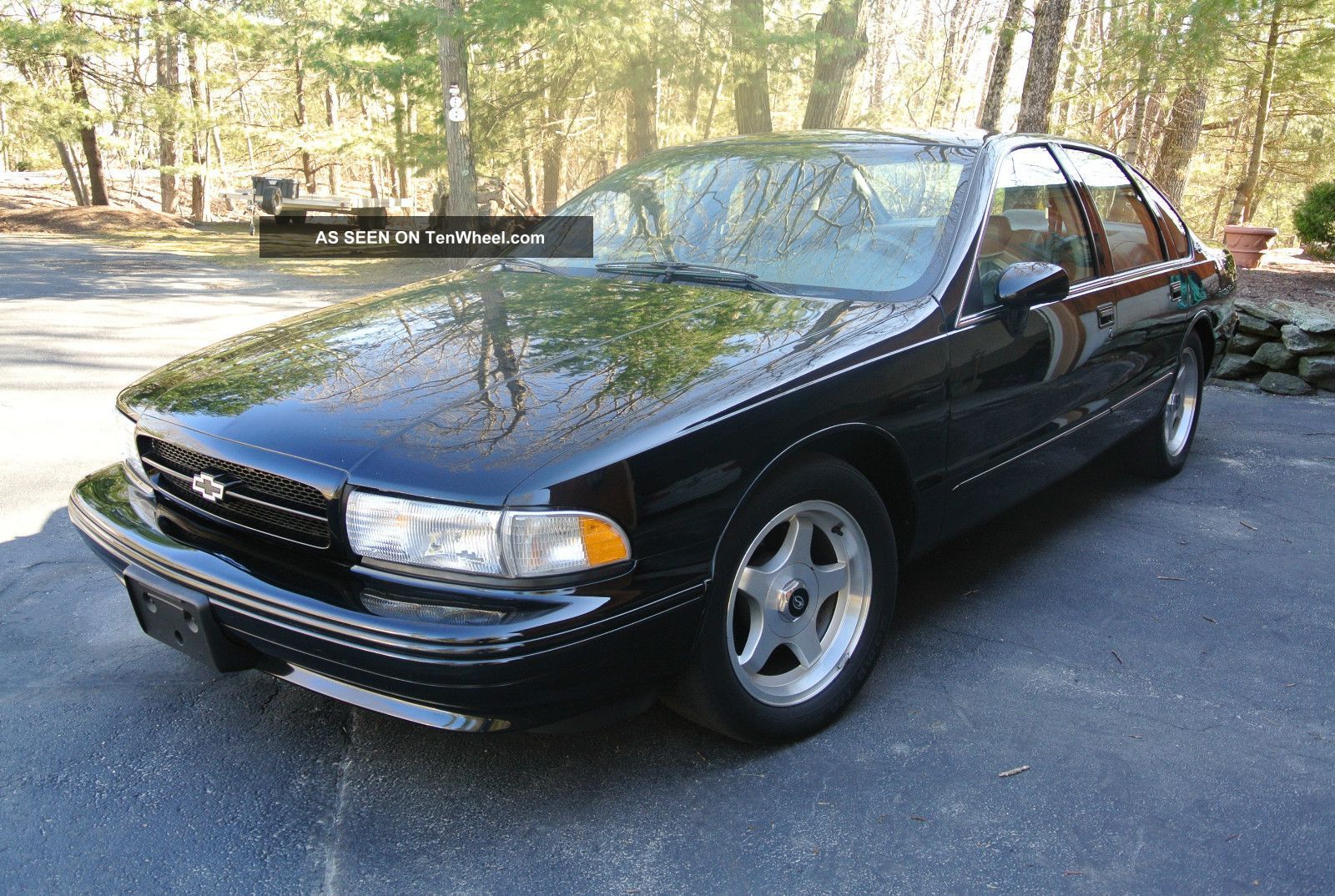
2005 Chevrolet Impala Future Generations
Chevrolet Impala Overview and History
The Chevy headquarters was set in Detroit and the newly formed brand was baptized, receiving its famous “bowtie” logo in 1913. There are several hypotheses as to how the logo design came to be, two of them being the closest to unanimous acceptance. One of the theories hints at the logo having been designed after a poster Durant had seen in a French hotel while the second claims the “bowtie” is actually a stylized representation of the Swiss flag cross.
No matter how it originated, the golden Chevy logo persisted. In fact, the brand grew at such a fast pace that it allowed Durant to regain ownership of GM in 1916. After having become wealthy enough, Durant bought a smashing 54.5 percent of GM's shares, reinstating himself as head of the auto empire.
Soon after the takeover, Chevrolet was absorbed into GM, becoming a separate division. Having gained even more strength after the merger, the newly formed entity was quick in starting off production and launched the model D in 1918. The V8 35 hp engines fitted on these cars were replaced by smaller 6 cylinder ones, that proved particularly successful on commercial vehicles. The engine gained reputation due to its high durability and earned the “cast iron wonder” nickname.
Only a few years later, Chevy revealed the SUV in its archaic form: the Suburban Carryall. Sporting rough terrain riding capabilities, seating for 8 and weighing around 1½ tons, it marked the beginning of Chevy's future SUV line-up.
The American producer continued its successful innovations streak by introducing the Powerglide transmission in 1950, becoming the first low-price competitor to equip its vehicles with automatic shifting. Shortly after the introduction of the fully automatic transmission, the legendary Corvette was born.
The Vette had such a good reception that it remained the longest running Chevy model in the brand's history, having also been the first American sports car to enter mass production. The Vette also premiered the usage of lightweight construction materials for the car's body, like plastic, at that time.
Following the acclaim garnered by the Vette's release, Chevy launched several other models, including the flashy Impala and the short lived air-cooled Corvair. During the 60's, Chevy reached its sales peak with 3 cars out of any 10 sold in the US. However, before such a performance was achieved, Chevy designed a new small-block V8 engine used to equip its '55 truck range.
This particular engine made it till today, going through plenty of modifications in the process ranging from lightweight, durable aluminum construction to ECU managed control and modern fuel injection for better dosage and increased power.
Although Chevy has been registering lower sales in the past few years due to uncontrolled brand extension, some of the “bowtie” emblazoned automobiles have become either cult classics or vintage collectibles, four wheeled icons as reminders of a past age of glory.
2005 Chevrolet Impala Consumer Reviews
Compare Against Competitors
2005 Chevrolet Impala Base Specifications
Base Comfort and Convenience
| AM/FM stereo radio | Yes |
|---|---|
| Air Conditionning | Dual-zone manual air conditioning |
| Antenna | Glass-printed antenna |
| Cargo Net (Option) | Rear cargo net |
| Cassette (Option) | AM/FM stereo radio with cassette and CD player |
| Communication System | OnStar communication system |
| Cruise Control | Yes |
| Driver Vanity Mirror | Illuminated driver vanity mirror |
| Engine Block Heater | Yes |
| Front Wipers | Variable intermittent wipers |
| Garage Door Opener (Option) | Garage door opener |
| Illuminated Entry | Illuminated entry with fade in/out feature |
| Interior Air Filter | Dust and pollen filter |
| Number of Speakers | 6 speakers |
| Number of Speakers (Option) | 6 premium speakers |
| Passenger Vanity Mirror | Illuminated passenger vanity mirror |
| Power Door Locks | Yes |
| Power Windows | Yes |
| Reading Light | Front and rear reading lamps |
| Rear Heating | Rear heater ducts |
| Rear View Mirror | Day/night rear view mirror |
| Rear View Mirror (Option) | Auto dimming rear view mirror |
| Remote Audio Controls (Option) | Audio controls on steering wheel + leather-wrapped steering wheel |
| Remote Keyless Entry | Yes |
| Single CD | CD player |
| Smoking Convenience | Lighter and ashtray |
| Steering Wheel Adjustment | Tilt steering wheel |
| Trunk Light | Yes |
| Trunk/Hatch Operation | Remote trunk release from inside and key module |
Base Dimensions
| Cargo Capacity | 527 L |
|---|---|
| Curb Weight | 1500 kg |
| Front Headroom | 995 mm |
| Front Legroom | 1072 mm |
| Fuel Tank Capacity | 64.3 L |
| Height | 1456 mm |
| Length | 5080 mm |
| Max Trailer Weight | 454 kg |
| Rear Headroom | 935 mm |
| Rear Legroom | 975 mm |
| Wheelbase | 2807 mm |
| Width | 1853 mm |
Base Exterior Details
| Bumper Colour | Body-color bumpers |
|---|---|
| Cornering Lamps | Yes |
| Door Handles | Body-color door handles |
| Exterior Mirror Colour | Body-color exterior mirrors |
| Grille | Black grille with chrome moulding |
| Headlight Type | Halogen headlamps |
| Headlights Sensor With Auto On | Auto-on headlamps |
| Heated Exterior Mirrors (Option) | Yes |
| Lower Side-Body Extension | Graphite rocker mouldings |
| Power Exterior Mirrors | Yes |
| Rear Spoiler (Option) | Yes |
| Side-Body Trim | Graphite side mouldings |
| Side-Body Trim (Option) | Body-color side mouldings |
| Tinted Glass | Yes |
Base Interior Details
| Clock | Digital clock |
|---|---|
| Compass (Option) | Digital compass |
| Door Trim | Cloth door trim |
| Driver Info Center (Option) | Yes |
| Floor Covering | Carpet floor covering |
| Floor Mats | Front and rear floor mats |
| Front Center Armrest | Front folding armrest with storage |
| Front Seats Driver Power Seats (Option) | 6 way power driver seat |
| Front Seats Front Seat Type | 60/40 front split bench |
| Front Seats Front Seat Type (Option) | Front bucket seats |
| Front Seats Passenger Power Seats (Option) | 6 way power passenger seat |
| Headliner | Cloth headliner |
| Instrumentation Type | Analog instrumentation |
| Luxury Dashboard Trim | Interior imitation wood trim |
| Number of Cup Holders | Dual front and rear cup holders |
| Outside Temperature Gauge (Option) | Outside temperature display |
| Rear Seat Type | Rear fixed bench |
| Seat Trim | Cloth seats |
| Seat Trim (Option) | Leather seats |
| Trip Computer (Option) | Yes |
| Water Temperature Gauge | Engine temperature gauge |
Base Mechanical
| Drive Train | Front-wheel drive |
|---|---|
| Engine Name | 3.4L V6 OHV 12 valves |
| Engine Name (Option) | 3.8L V6 OHV 12 valves |
| Traction Control (Option) | Yes |
| Transmission | 4 speed automatic transmission |
Base Overview
| Body | Sedan |
|---|---|
| Doors | 4 |
| Engine | 3.4L V6 OHV 12 valves |
| Fuel Consumption | 11.1 (Automatic City)7.3 (Automatic Highway) |
| Power | 180 hp @ 5200 rpm |
| Seats | 6 |
| Transmission | 4 speed automatic transmission |
| Warranties | Bumper-to-Bumper60000/km, 36/Months Powertrain60000/km, 36/Months Roadside Assistance60000/km, 36/Months Rust-through160000/km, 72/Months |
Base Safety
| Anti-Lock Brakes | Std |
|---|---|
| Anti-Theft Alarm | Audible and visible theft deterrent system |
| Brake Type | 4 wheel disc |
| Child Seat Anchor | None |
| Child-proof Locks | None |
| Driver Airbag | Driver side front airbag |
| Front Seat Belts | Height adjustable, pre-tensioner |
| Ignition Disable | Engine immobilizer |
| Panic Alarm | Panic button |
| Passenger Airbag | Passenger side front airbag |
| Rear Seat Belts | Center 3-point |
| Side Airbag | Driver side airbag |
Base Suspension and Steering
| Front Anti-Roll Bar | Front stabilizer bar |
|---|---|
| Front Suspension | Front independent suspension |
| Front Tires | P225/60R16 |
| Power Steering | Power assisted rack and pinion steering |
| Rear Anti-Roll Bar | Rear stabilizer bar |
| Rear Suspension | Rear independent suspension |
| Spare Tire | Compact spare tire |
| Wheel Type | 16'' steel wheel with covers |
| Wheel Type (Option) | 16'' 5-spoke alloy wheels |
Discussion and Comments
Share Your Comments