2003 Chevrolet Impala LS 0-60 Times, Top Speed, Specs, Quarter Mile, and Wallpapers
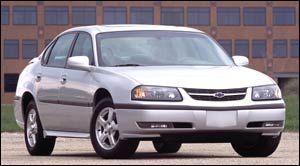
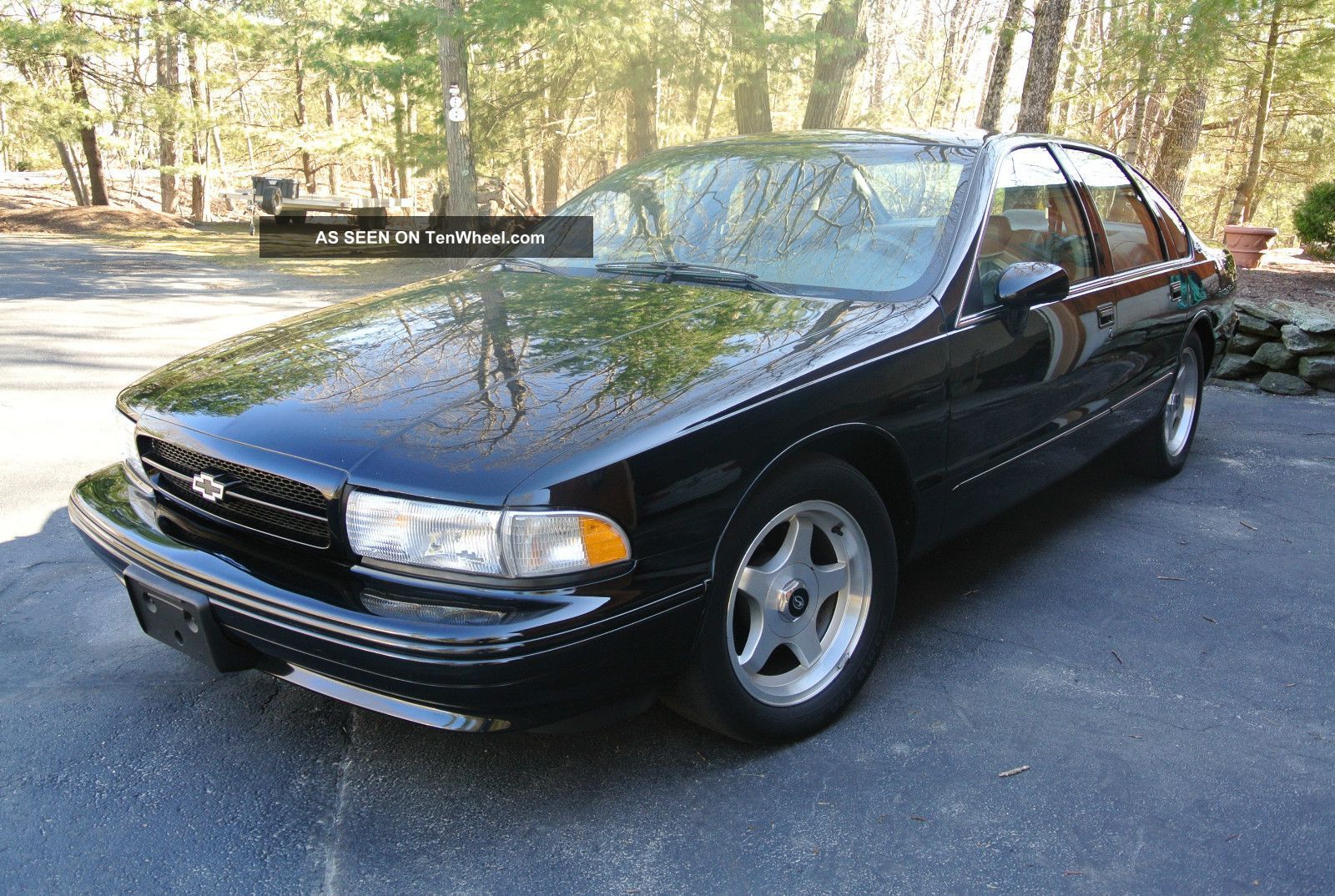
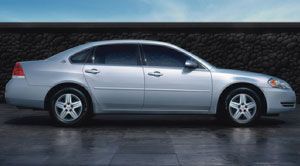
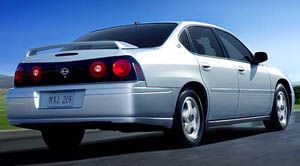
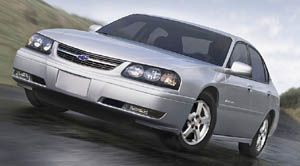
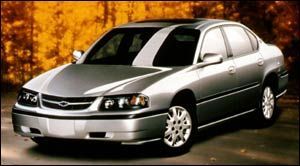
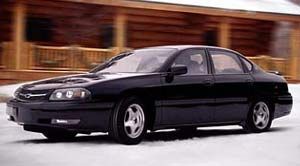
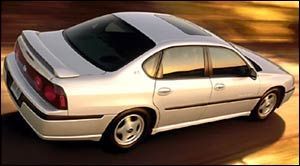
The 2003 Chevrolet Impala LS is a Front-wheel drive Sedan. It can accommodate up to 6 passengers. It has 4 Doors and is powered by a 3.8L V6 OHV 12 valves engine which outputs 200 hp @ 5200 rpm and is paired with 4 speed automatic gearbox. The 2003 Chevrolet Impala LS has cargo capacity of 527 Liters and the vehicle weighs 1565 kg. In terms of ride assists, the 2003 Chevrolet Impala LS has stability control and traction control in addition to anti-lock brake system (ABS). The vehicle has an optional engine as well It offers and. Safety features also include None and None. The front suspension is while the rear suspension is. The car also features a It has Machined aluminium wheels as standard. Electronic features include Cruise Control. For convenience, the car has Power windows and Power door locks. There is also a remote keyless entry feature. Moreover, the car has. The steering wheel has audio control buttons. In terms of performance, the car has 218 N.m of torque and a top speed of 215 km/h. The 2003 Chevrolet Impala LS accelerates from zero to 60 mph in 8.2 seconds and hits quarter mile at 15.8 seconds. Fuel consumption is 12.2 L/100km in the city and 7.4 L/100km in the highway. The car price starts at $ 30,160
| Name | LS | |
|---|---|---|
| Price | $ 30,160 | |
| Body | Sedan | |
| Doors | 4 Doors | |
| Engine | 3.8L V6 OHV 12 valves | |
| Power | 200 hp @ 5200 rpm | |
| Number of Seats | 6 Seats | |
| Transmission | 4 speed automatic | |
| Cargo Space | 527.0 L | |
| Maximum Cargo Space | 527.0 L | |
| Wheel Type | Machined aluminium wheels | |
| Series | Impala VIII (W) | |
| Drivetrain | Front-wheel drive | |
| Horsepower | 200 HP | |
| Torque | 218 N.m | |
| Top Speed | 215 km/h | |
| Acceleration 0-100 km/h (0-60 mph) | 8.2 s | |
| Fuel Type | Petrol (Gasoline) | |
| Fuel Consumption (City) | 12.2 L/100km | |
| Fuel Consumption (Highway) | 7.4 L/100km | |
| Gear Type | auto | |
| Weight | 1,500 KG | |
| Brand | Chevrolet | |
| Model | Impala | |
| 0-400m (Quarter Mile) | 15.8 s | |
| 0-400m (Quarter Mile) - Speed | 145.1 km/h | |
| 0-800m (Half Mile) | 26.3 s | |
| 0-800m (Half Mile) - Speed | 163.4 km/h | |
| Modifications (MODS) | ||
| Modifications Cost | $ 0 |
2003 Chevrolet Impala LS 0-60 MPH
2003 Chevrolet Impala stock top speed.
2003 Chevrolet Impala Used Price Estimates
Estimates based on a driving average of 12,000 miles per year| Used Condition | Trade In Price | Private Party Price | Dealer Retail Price |
|---|---|---|---|
| Outstanding | $ 1,455 | $ 2,292 | $ 2,740 |
| Clean | $ 1,292 | $ 2,040 | $ 2,441 |
| Average | $ 968 | $ 1,537 | $ 1,845 |
| Rough | $ 643 | $ 1,035 | $ 1,249 |
It might be called the Impala, but this disappointing front-wheel-drive family sedan has little in common with the V8-powered rear-wheel drive models of the past. Skip it in favor of the more refined offerings from Ford, Chrysler and Toyota.
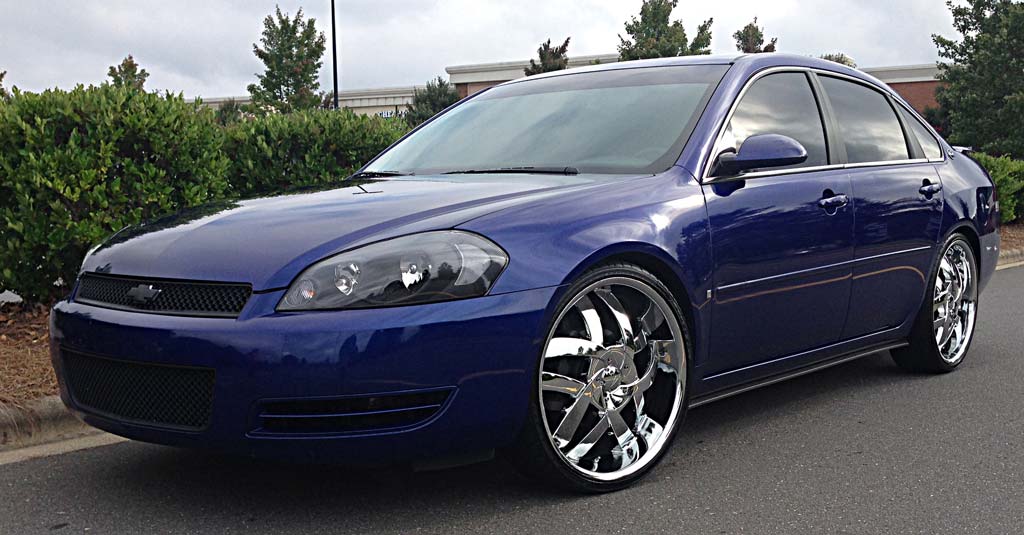
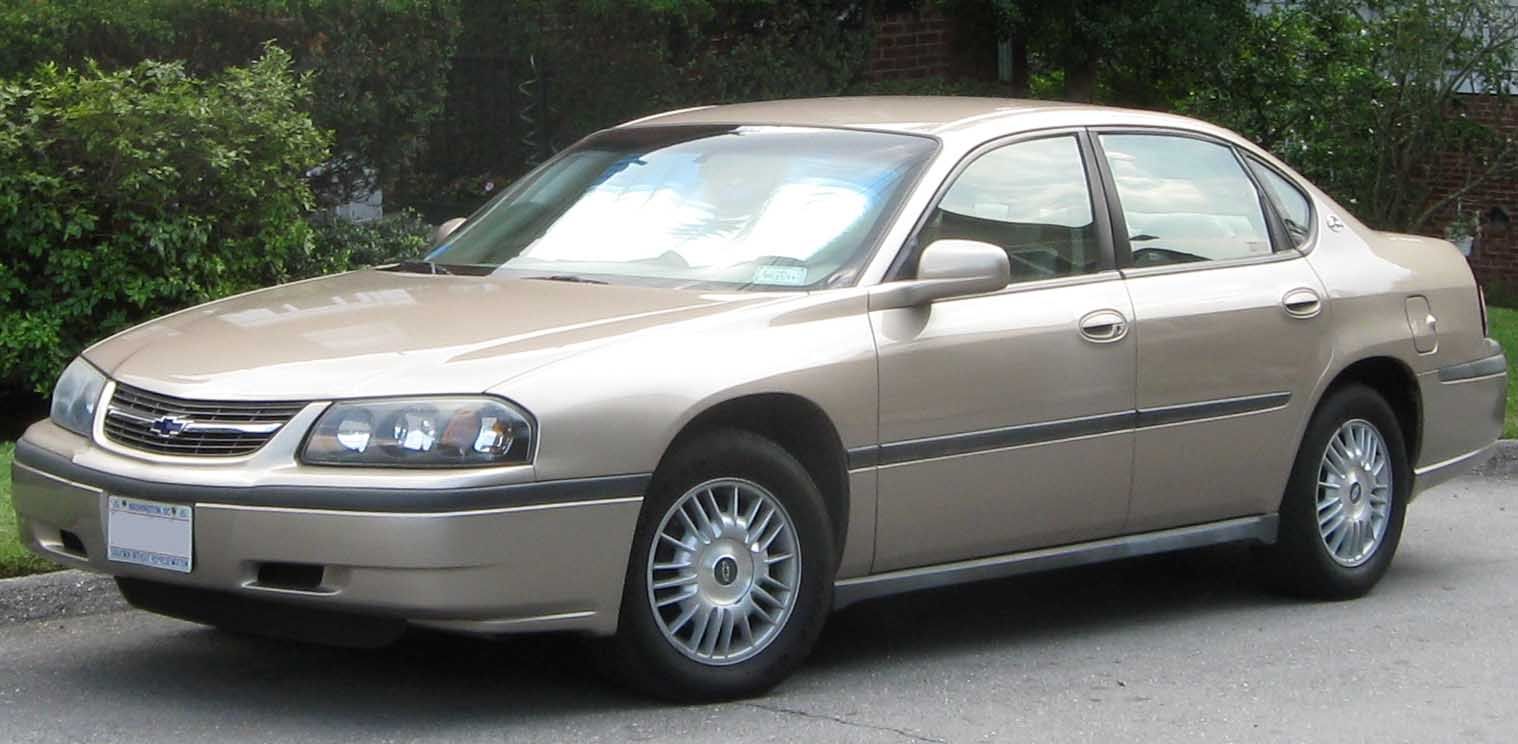
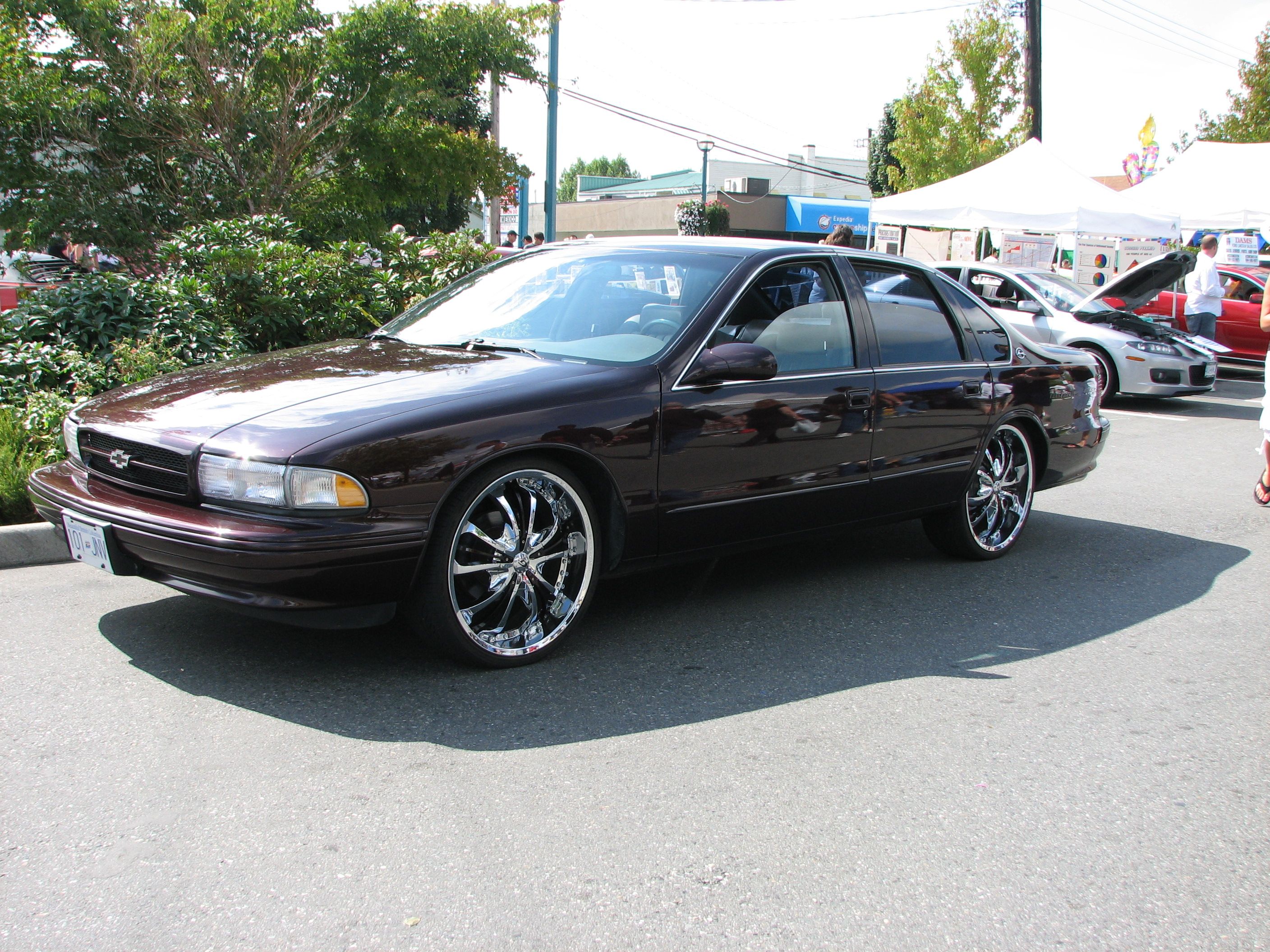
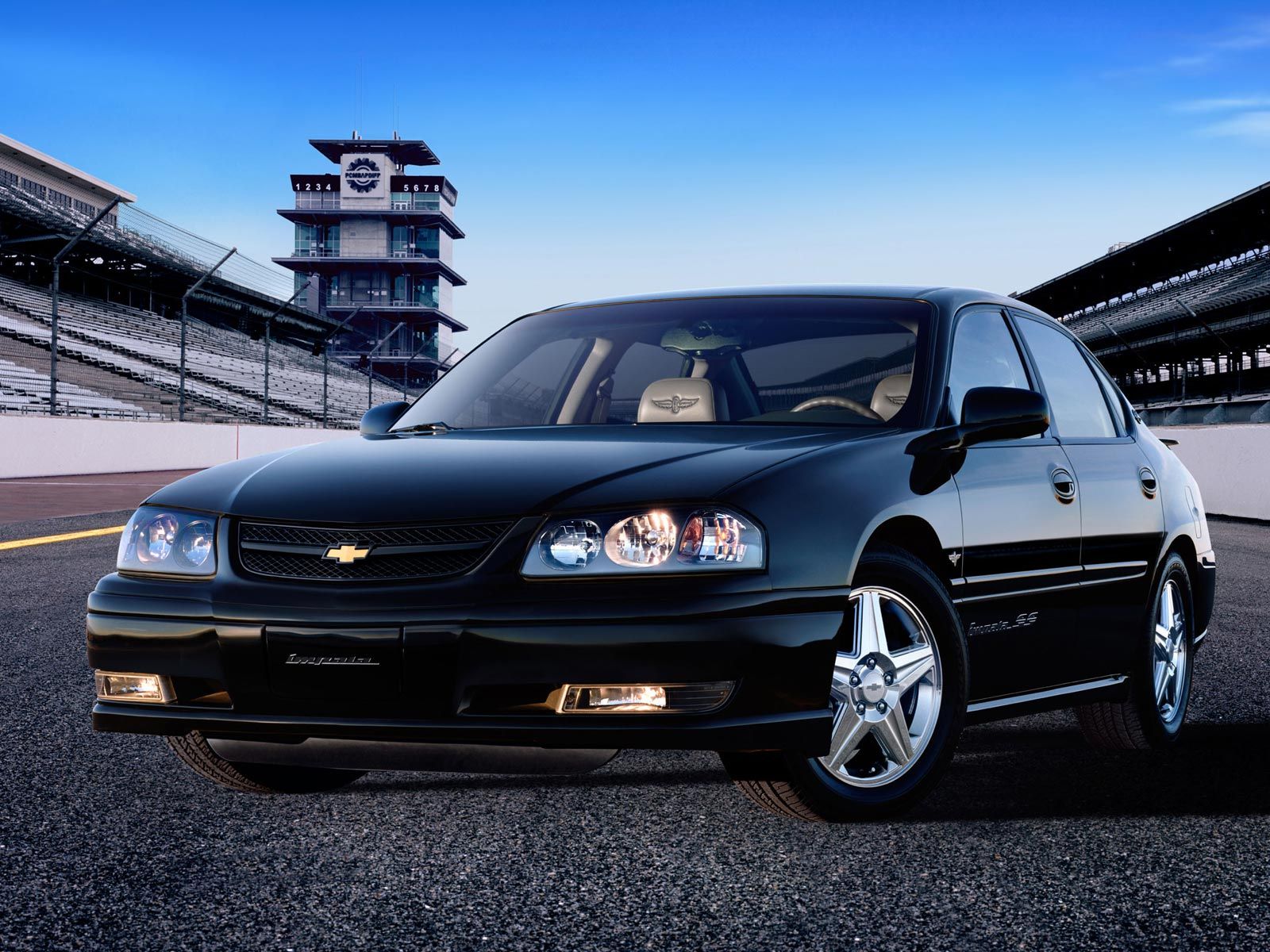
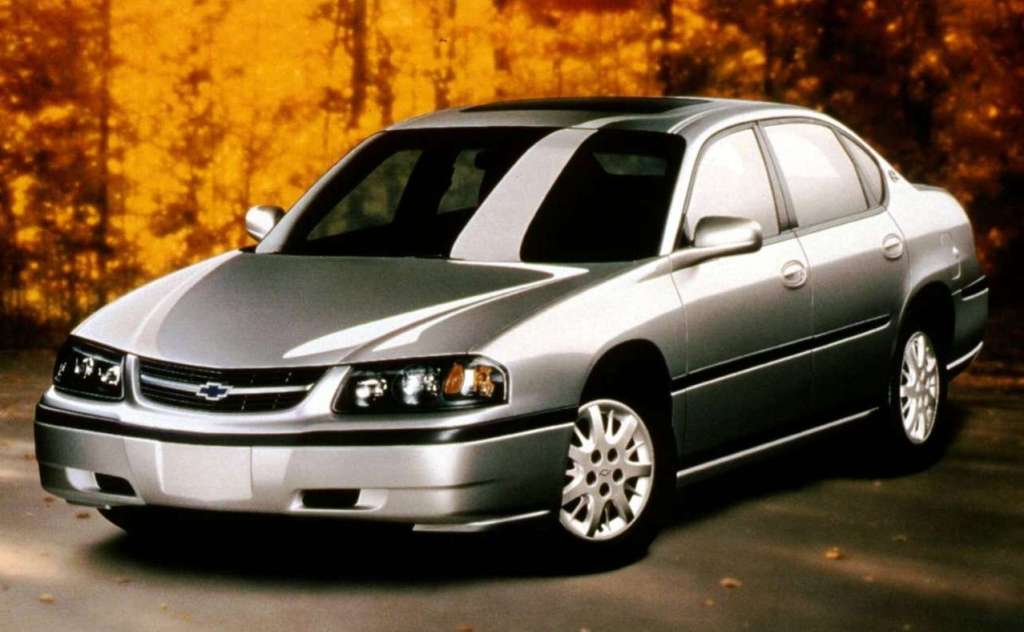
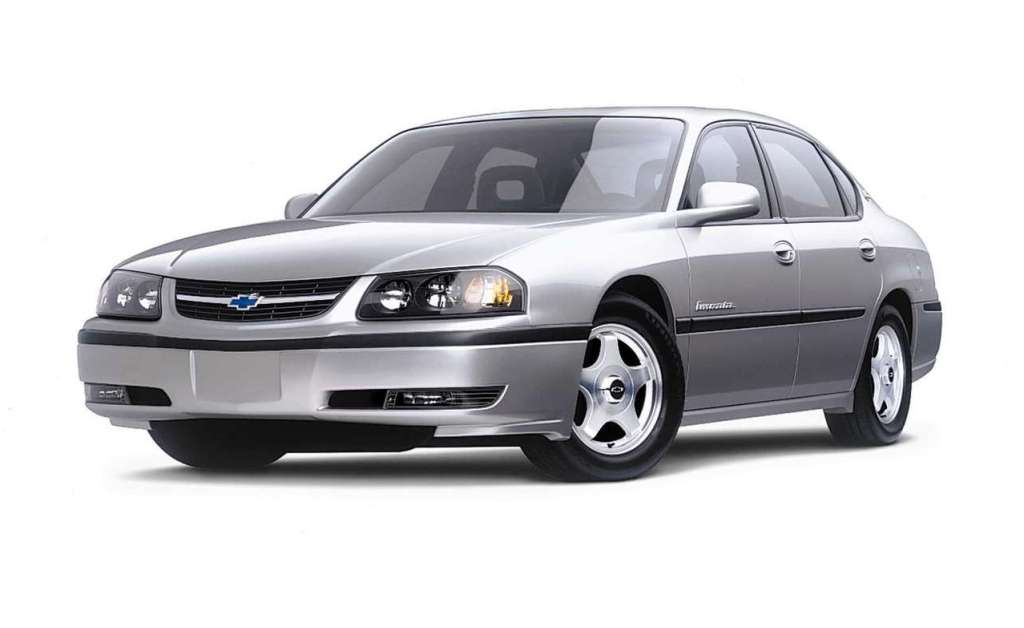
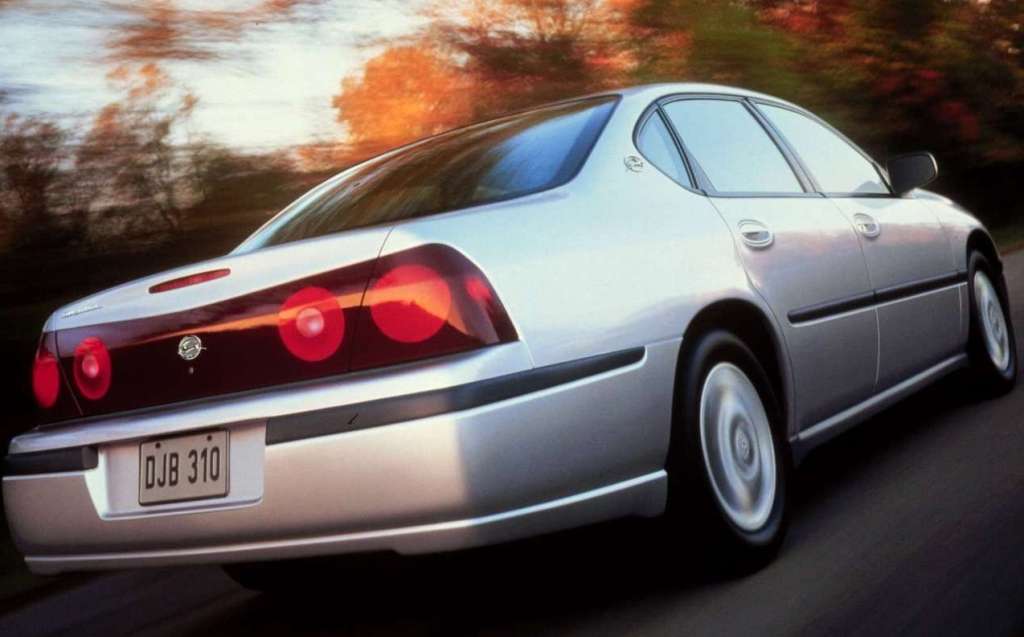
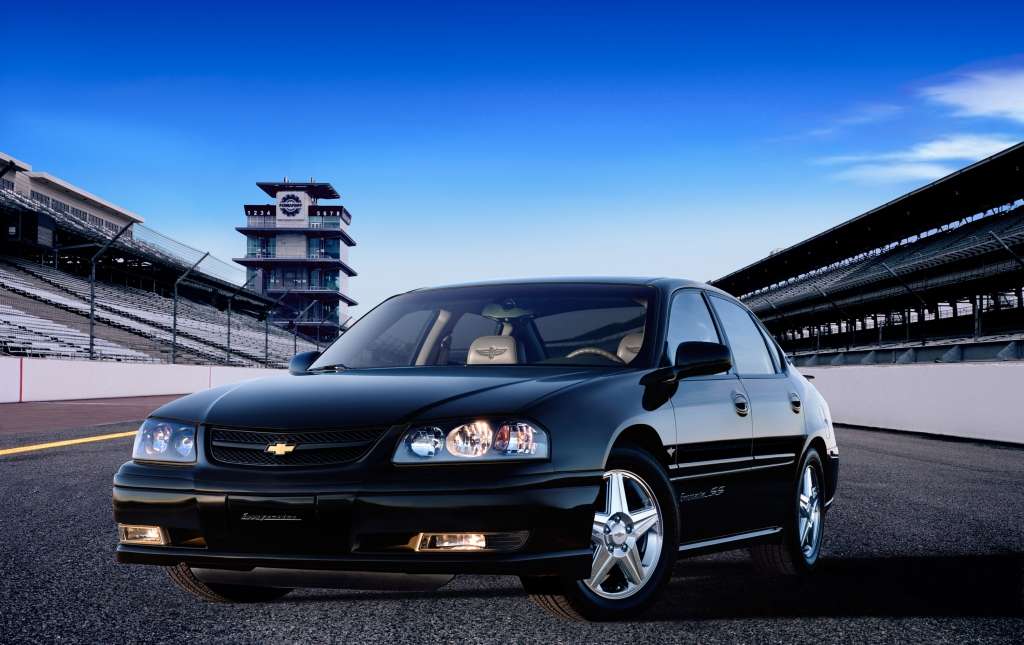
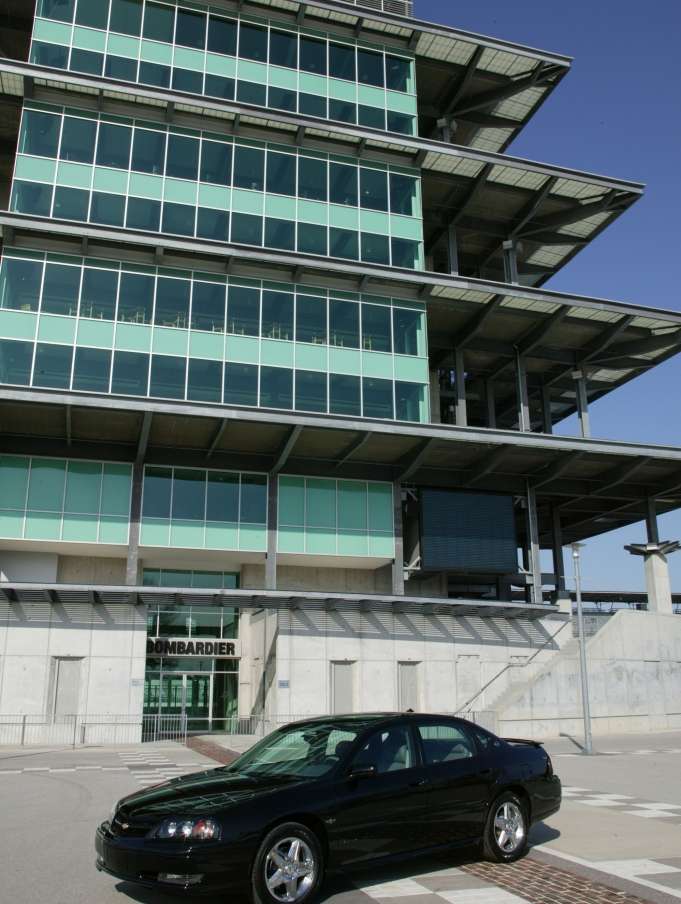
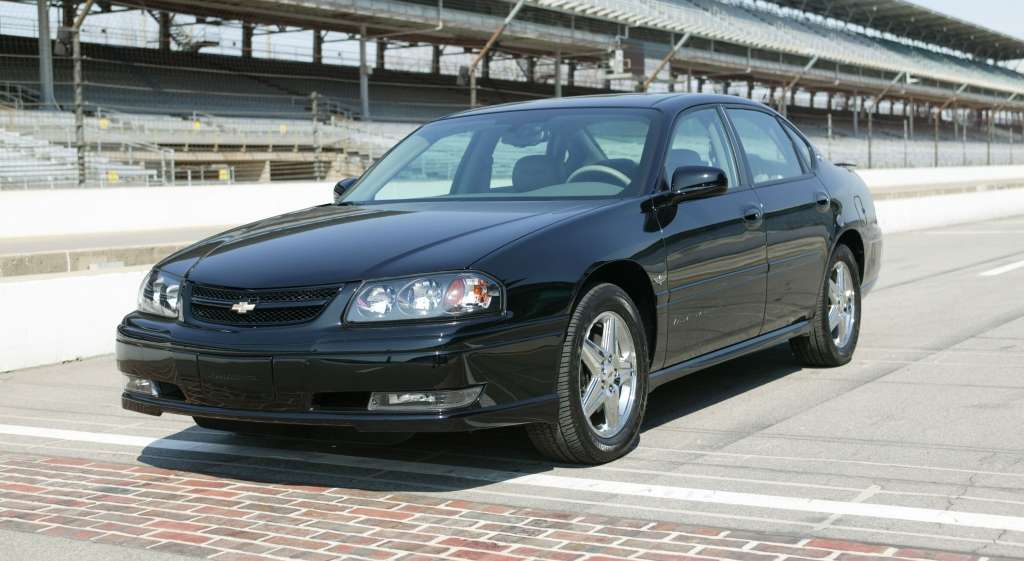
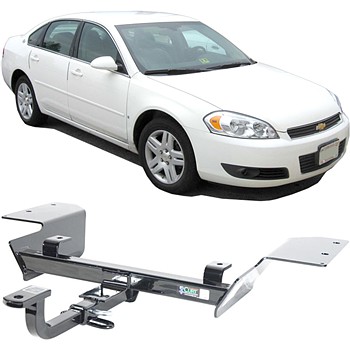

2003 Chevrolet Impala LS Exterior Colors
2003 Chevrolet Impala LS Interior Colors
2003 Chevrolet Impala Engines
| Engine | Standard in Trim | Power | Torque | Fuel Consumption - City | Fuel Consumption - Highway | 0-100 km/h | Quarter Mile | Half Mile |
|---|---|---|---|---|---|---|---|---|
| 3.8L V6 OHV 12 valves | Base | 200 hp @ 5200 rpm | 218 N.m | 11.0 L/100km | 7.4 L/100km | 8.2 s | 15.8 s | 26.3 s |
| 3.8L V6 OHV 12 valves | LS | 200 hp @ 5200 rpm | 218 N.m | 12.2 L/100km | 7.4 L/100km | 8.2 s | 15.8 s | 26.3 s |
| 3.8L V6 OHV 12 valves | LS | 200 hp @ 5200 rpm | 218 N.m | 12.7 L/100km | 7.4 L/100km | 8.2 s | 15.8 s | 26.3 s |
| 3.8L V6 OHV 12 valves | LS | 200 hp @ 5200 rpm | 218 N.m | 12.0 L/100km | 7.4 L/100km | 8.2 s | 15.8 s | 26.3 s |
2003 Chevrolet Impala Trims
2003 Chevrolet Impala Previous Generations
2003 Chevrolet Impala Future Generations
Chevrolet Impala Overview and History
The Chevy headquarters was set in Detroit and the newly formed brand was baptized, receiving its famous “bowtie” logo in 1913. There are several hypotheses as to how the logo design came to be, two of them being the closest to unanimous acceptance. One of the theories hints at the logo having been designed after a poster Durant had seen in a French hotel while the second claims the “bowtie” is actually a stylized representation of the Swiss flag cross.
No matter how it originated, the golden Chevy logo persisted. In fact, the brand grew at such a fast pace that it allowed Durant to regain ownership of GM in 1916. After having become wealthy enough, Durant bought a smashing 54.5 percent of GM's shares, reinstating himself as head of the auto empire.
Soon after the takeover, Chevrolet was absorbed into GM, becoming a separate division. Having gained even more strength after the merger, the newly formed entity was quick in starting off production and launched the model D in 1918. The V8 35 hp engines fitted on these cars were replaced by smaller 6 cylinder ones, that proved particularly successful on commercial vehicles. The engine gained reputation due to its high durability and earned the “cast iron wonder” nickname.
Only a few years later, Chevy revealed the SUV in its archaic form: the Suburban Carryall. Sporting rough terrain riding capabilities, seating for 8 and weighing around 1½ tons, it marked the beginning of Chevy's future SUV line-up.
The American producer continued its successful innovations streak by introducing the Powerglide transmission in 1950, becoming the first low-price competitor to equip its vehicles with automatic shifting. Shortly after the introduction of the fully automatic transmission, the legendary Corvette was born.
The Vette had such a good reception that it remained the longest running Chevy model in the brand's history, having also been the first American sports car to enter mass production. The Vette also premiered the usage of lightweight construction materials for the car's body, like plastic, at that time.
Following the acclaim garnered by the Vette's release, Chevy launched several other models, including the flashy Impala and the short lived air-cooled Corvair. During the 60's, Chevy reached its sales peak with 3 cars out of any 10 sold in the US. However, before such a performance was achieved, Chevy designed a new small-block V8 engine used to equip its '55 truck range.
This particular engine made it till today, going through plenty of modifications in the process ranging from lightweight, durable aluminum construction to ECU managed control and modern fuel injection for better dosage and increased power.
Although Chevy has been registering lower sales in the past few years due to uncontrolled brand extension, some of the “bowtie” emblazoned automobiles have become either cult classics or vintage collectibles, four wheeled icons as reminders of a past age of glory.
2003 Chevrolet Impala Consumer Reviews
Compare Against Competitors
2003 Chevrolet Impala LS Specifications
LS Comfort and Convenience
| Air Conditionning | Dual-zone manual A/C |
|---|---|
| Cargo Net (Option) | Yes |
| Cassette (Option) | Cassette and CD player |
| Communication System (Option) | On Star communication system |
| Garage Door Opener (Option) | Garage door opener |
| Number of Speakers (Option) | Premium 6 speakers |
| Rear View Mirror (Option) | Electrochromic inside rear view mirror |
| Remote Audio Controls (Option) | Audio control on steering wheel |
LS Dimensions
| Cargo Capacity | 527 L |
|---|---|
| Curb Weight | 1565 kg |
| Front Headroom | 995 mm |
| Front Legroom | 1072 mm |
| Fuel Tank Capacity | 64.3 L |
| Height | 1456 mm |
| Length | 5081 mm |
| Max Trailer Weight | 454 kg |
| Rear Headroom | 935 mm |
| Rear Legroom | 975 mm |
| Wheelbase | 2807 mm |
| Width | 1853 mm |
LS Exterior Details
| Exterior Decoration (Option) | Embossed front license plate frame |
|---|---|
| Front Spoiler (Option) | Front lower fascia extension |
| Heated Exterior Mirrors (Option) | Heated power mirrors |
| Rear Spoiler | Yes |
| Rear Spoiler (Option) | Deleted rear spoiler |
| Sunroof (Option) | Power glass sunroof |
LS Interior Details
| Floor Mats (Option) | Unique floor mats |
|---|---|
| Front Seats Driver Power Seats | 6 way power driver seat |
| Front Seats Front Seat Type | Front bucket seats |
| Front Seats Front Seat Type (Option) | Front split bench |
| Front Seats Heated (Option) | Front heated seats |
| Front Seats Passenger Power Seats (Option) | 6 way power passenger seat |
| Luxury Dashboard Trim (Option) | Graphite interior trim |
| Outside Temperature Gauge (Option) | Outside temperature display + compass |
| Seat Trim (Option) | Leather seats |
| Steering Wheel Trim (Option) | Leather-wrapped steering wheel |
| Trip Computer (Option) | Yes |
LS Mechanical
| Drive Train | Front-wheel drive |
|---|---|
| Engine Name | 3.8L V6 OHV 12 valves |
| Traction Control | Yes |
| Transmission | 4 speed automatic |
LS Overview
| Body | Sedan |
|---|---|
| Doors | 4 |
| Engine | 3.8L V6 OHV 12 valves |
| Fuel Consumption | 12.2 (Automatic City)7.4 (Automatic Highway) |
| Power | 200 hp @ 5200 rpm |
| Seats | 6 |
| Transmission | 4 speed automatic |
| Warranties | Bumper-to-Bumper60000/km, 36/Months Powertrain60000/km, 36/Months Roadside Assistance60000/km, 36/Months Rust-through160000/km, 72/Months |
LS Safety
| Anti-Lock Brakes | 4 wheel ABS brakes |
|---|---|
| Anti-Theft Alarm | Theft deterrent system |
| Brake Type | 4 wheel disc brakes |
| Child Seat Anchor | None |
| Child-proof Locks | None |
| Driver Airbag | None |
| Ignition Disable | None |
| Panic Alarm | None |
| Passenger Airbag | None |
| Side Airbag | Side airbag for driver |
LS Suspension and Steering
| Front Tires | P225/60R16 |
|---|---|
| Suspension Category | Touring suspension |
| Wheel Type | Machined aluminium wheels |
| Wheel Type (Option) | Diamond cut alloy wheels |
Discussion and Comments
Share Your Comments