2016 Toyota Mirai Base 0-60 Times, Top Speed, Specs, Quarter Mile, and Wallpapers
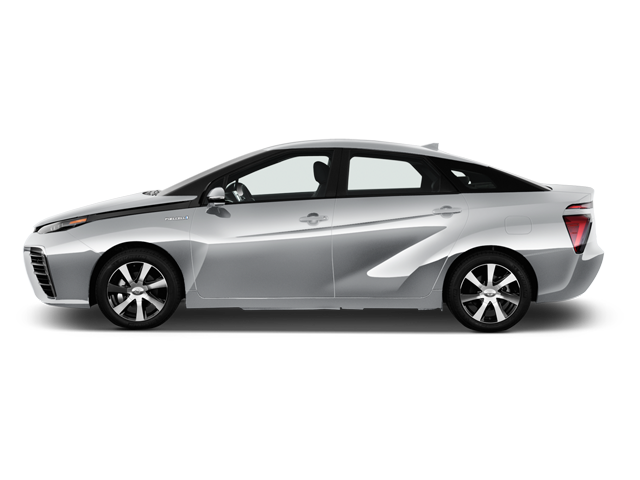
The 2016 Toyota Mirai Base is a Sedan. It has 4 Doors and is powered by a Electric motor engine which outputs and is paired with gearbox. The 2016 Toyota Mirai Base has cargo capacity of Liters and the vehicle weighs 1850 kg. In terms of ride assists, the 2016 Toyota Mirai Base has stability control and traction control in addition to anti-lock brake system (ABS). The vehicle has an optional engine as well It offers and. Safety features also include and. The front suspension is while the rear suspension is. The car also features a It has as standard. Electronic features include Cruise Control. For convenience, the car has Power windows and Power door locks. There is also a remote keyless entry feature. Moreover, the car has. The steering wheel has audio control buttons. Fuel consumption is 4 L/100km in the city and 4.2 L/100km in the highway. The car price starts at $ 0
| Name | Base | |
|---|---|---|
| Price | $ 0 | |
| Body | Sedan | |
| Doors | 4 Doors | |
| Engine | Electric motor | |
| Power | ||
| Number of Seats | N/A Seats | |
| Transmission | ||
| Cargo Space | L | |
| Maximum Cargo Space | L | |
| Wheel Type | ||
| Series | ||
| Drivetrain | ||
| Horsepower | 0 HP | |
| Torque | 0 N.m | |
| Top Speed | 0 km/h | |
| Acceleration 0-100 km/h (0-60 mph) | 0 s | |
| Fuel Type | ||
| Fuel Consumption (City) | 4.0 L/100km | |
| Fuel Consumption (Highway) | 4.2 L/100km | |
| Gear Type | ||
| Weight | 1,850 KG | |
| Brand | Toyota | |
| Model | Mirai | |
| 0-400m (Quarter Mile) | 0 s | |
| 0-400m (Quarter Mile) - Speed | 0.0 km/h | |
| 0-800m (Half Mile) | 0 s | |
| 0-800m (Half Mile) - Speed | 0.0 km/h | |
| Modifications (MODS) | ||
| Modifications Cost | $ 0 |
2016 Toyota Mirai Used Price Estimates
Estimates based on a driving average of 12,000 miles per year| Used Condition | Trade In Price | Private Party Price | Dealer Retail Price |
|---|---|---|---|
| Outstanding | $ 14,428 | $ 14,697 | $ 15,106 |
| Clean | $ 13,882 | $ 14,150 | $ 14,511 |
| Average | $ 12,789 | $ 13,056 | $ 13,322 |
| Rough | $ 11,697 | $ 11,962 | $ 12,133 |
The 2016 Toyota Mirai is a comfortable, high-tech sedan with more range than any plug-in electric vehicle, but its hydrogen fuel-cell power system limits initial availability to certain regions of California.
If Toyota has its way, the 2016 Mirai hydrogen fuel-cell car could go down in popular history as the car that brought the future to us. Its name, after all, means "the future" in Japanese. Forget the Prius, the Tesla Model S and the BMW i3, Toyota executives say; the Mirai and its hydrogen fuel-cell technology is the first step in the next century of the automobile.

If you ask Toyota, the 2016 Mirai signals that the future is now.
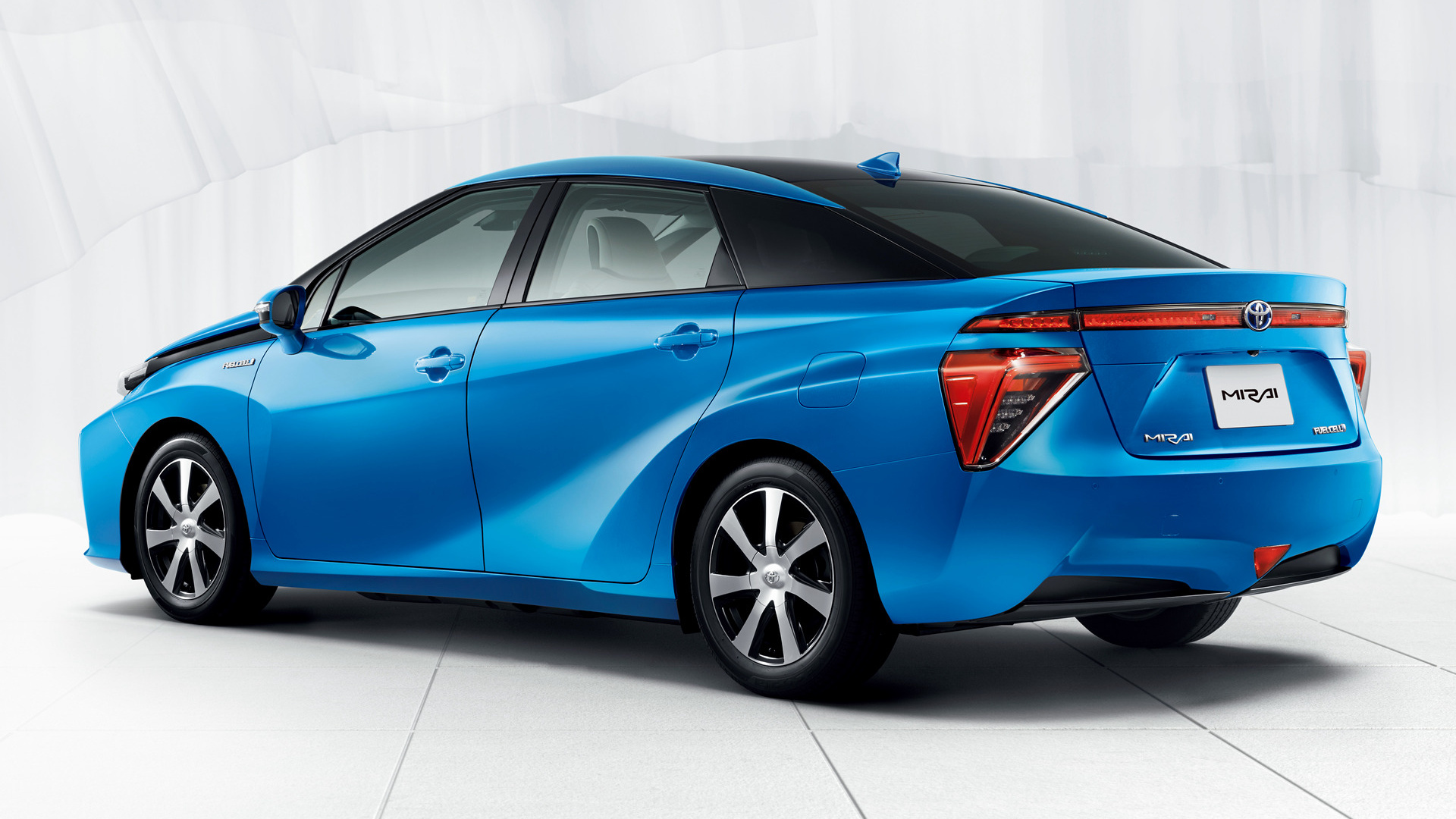
The beauty of hydrogen fuel-cell cars is that they deliver all of the benefits of electric cars without being limited by a charging cord. The all-new 2016 Toyota Mirai sedan seeks to optimize this formula, promising a fuel-cell system that is lighter, smaller and less expensive than anything that's come before it. On the road, the Mirai delivers 300 miles of range, putting most plug-in electric cars to shame.
At the moment, however, the future is mostly confined to California, where the majority of just a handful of current public hydrogen stations are located. So it is with the 2016 Mirai, which is only available in the Golden State. Toyota says it has plans to sell the Mirai in the Northeast, too, pending the construction of new hydrogen stations between Massachusetts and New Jersey. But for the time being, California residence is a must for Mirai ownership.
If you've got that part down, and you're not overly concerned about hydrogen fuel safety (you shouldn't be), this Toyota is certainly a car worth considering. One question, of course, is how you feel about the polarizing exterior styling. Toyota designed the Mirai to stand out from the crowd, and it does so with a daring shape marked by radical angles, scoops, curves and accent lines. Inside, the Mirai's spaceship-like instrument layout makes another strong impression. There are just four seats, though; engineers decreed that the added weight of a fifth passenger would hurt both range and performance, so there's no middle seat in the back.
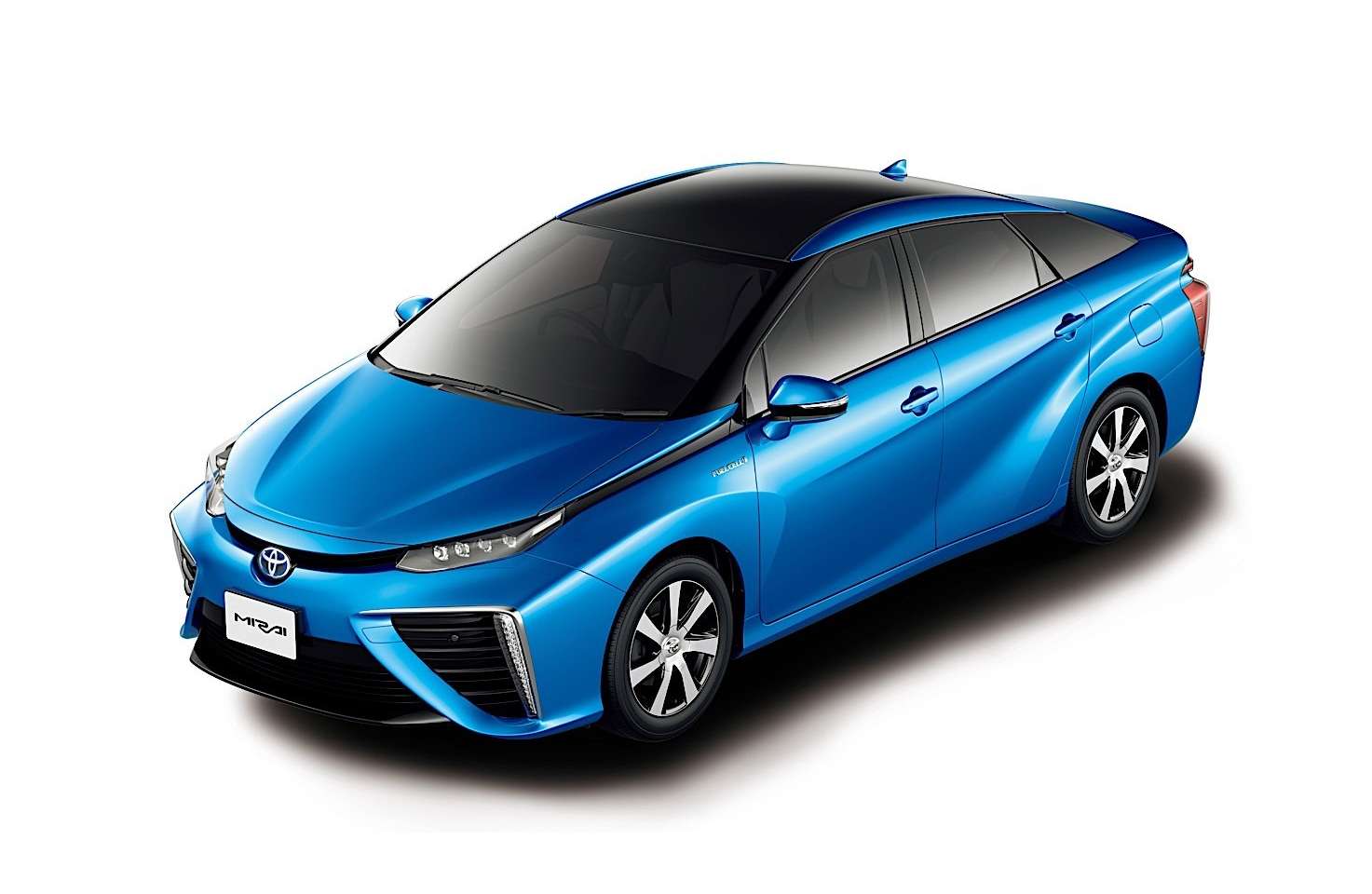
If you want your next car to have "hydrogen" written all over it, the Mirai is pretty much without competition. The only other fuel-cell vehicle in the retail market right now is the California-only Hyundai Tucson FCEV, and supplies are very limited. Honda plans to launch its own fuel-cell sedan sometime in 2016, but the next batch of fuel-cell vehicles will require a longer wait. For now, at least, the "B" rated 2016 Toyota Mirai is indeed "the future" of hydrogen-powered cars.
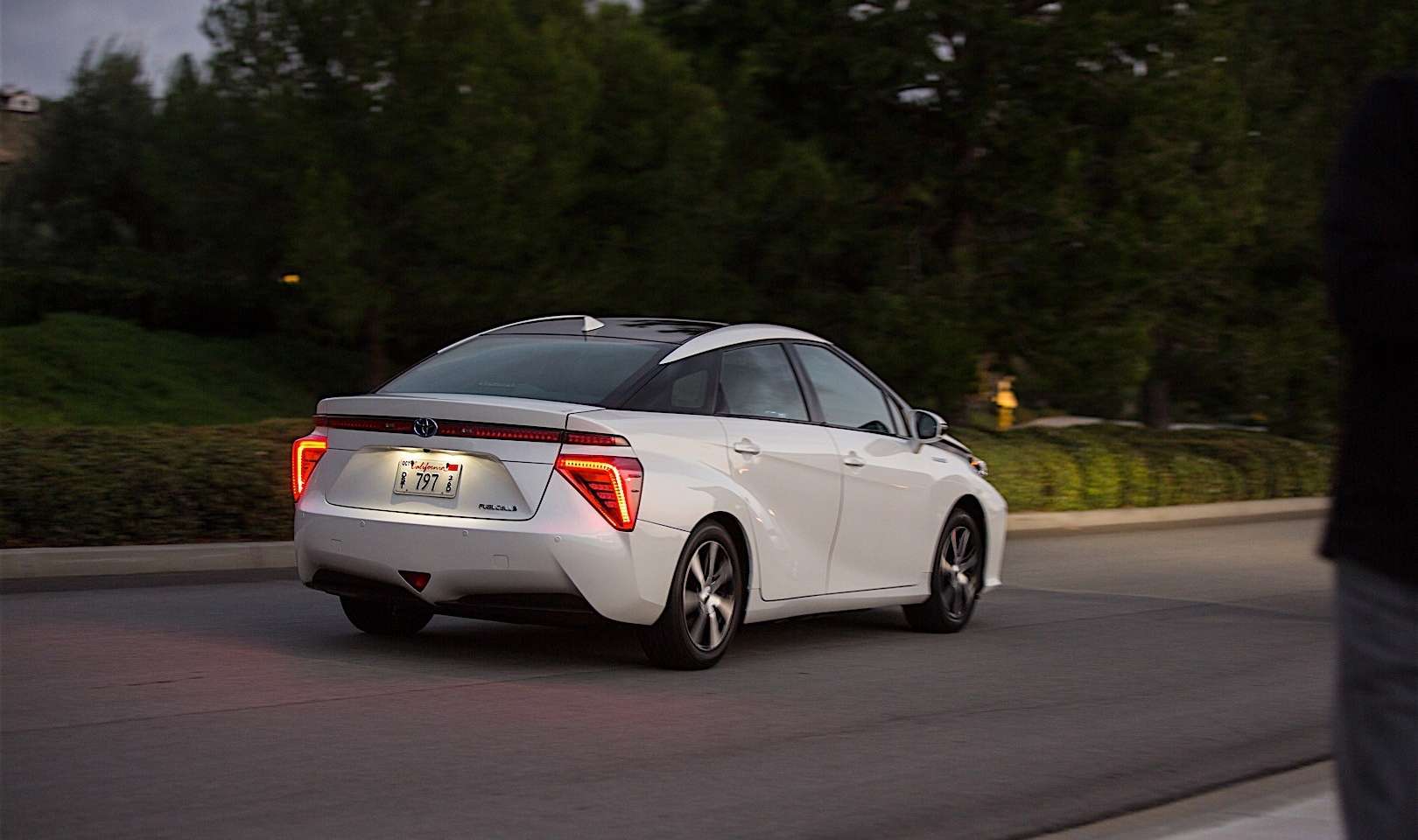
The 2016 Toyota Mirai is a four-door sedan with seating for four. It's available in a single trim level.
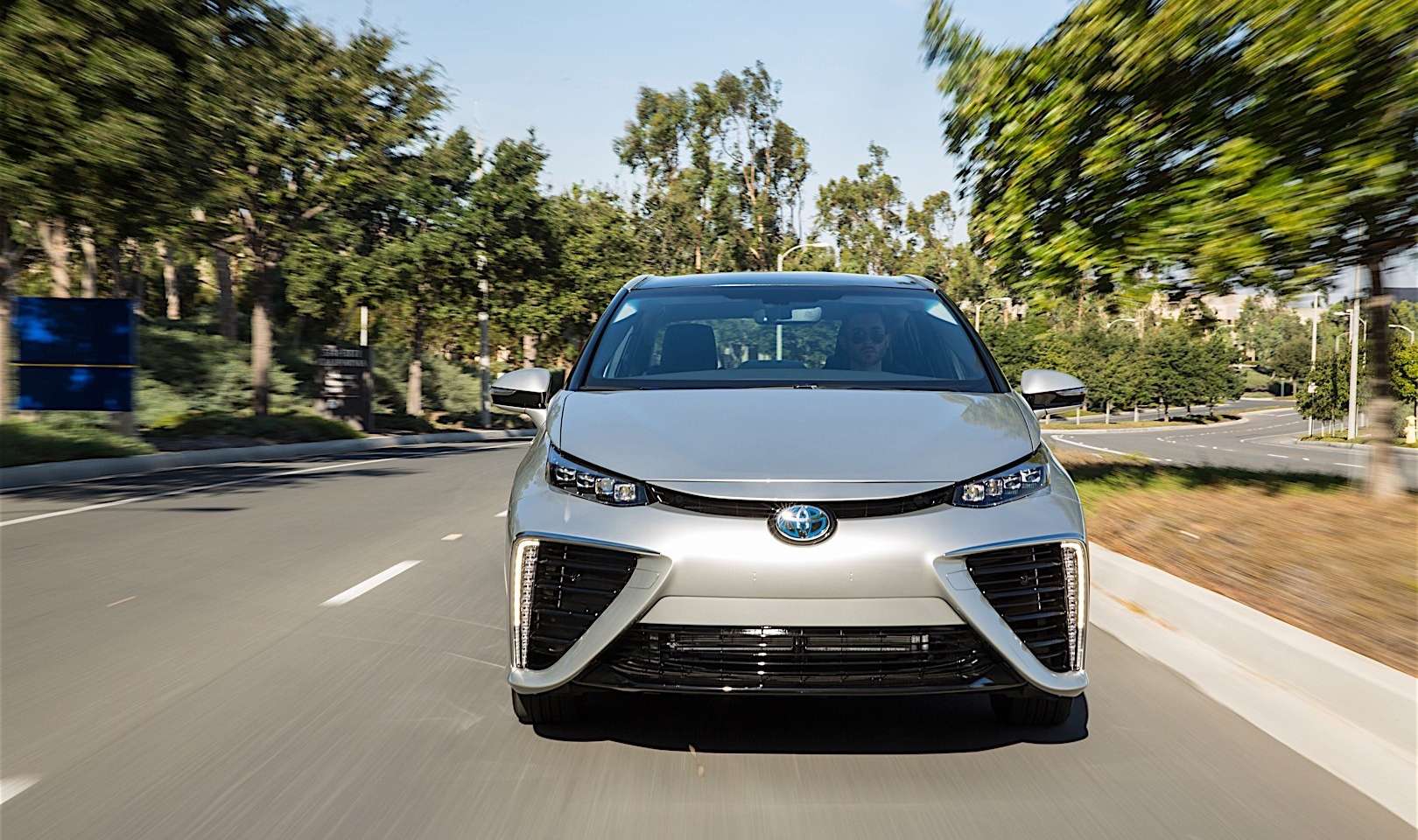
An official list of features was not available as of this writing, but we expect standard equipment on the 2016 Mirai to include 17-inch aluminum wheels, LED headlights, cruise control, dual-zone automatic climate control, neoprene-look cloth upholstery, eight-way heated power front seats with power lumbar adjustments, heated rear seats, a heated tilt-and-telescoping steering wheel, an 8-inch touchscreen, a rearview camera, a navigation system with a fuel-station finder, Bluetooth audio and phone connectivity and a JBL audio system with satellite radio, a USB port and an auxiliary jack.
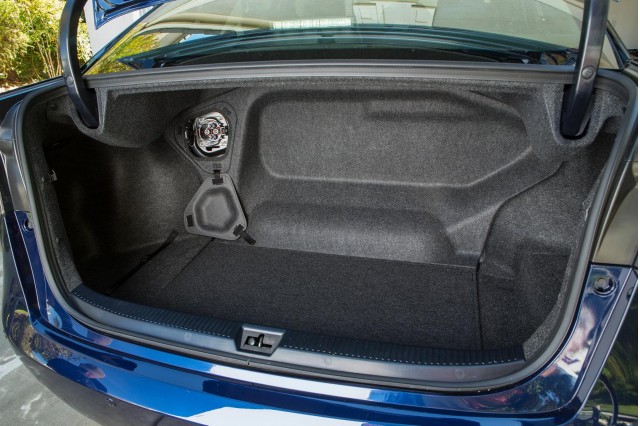
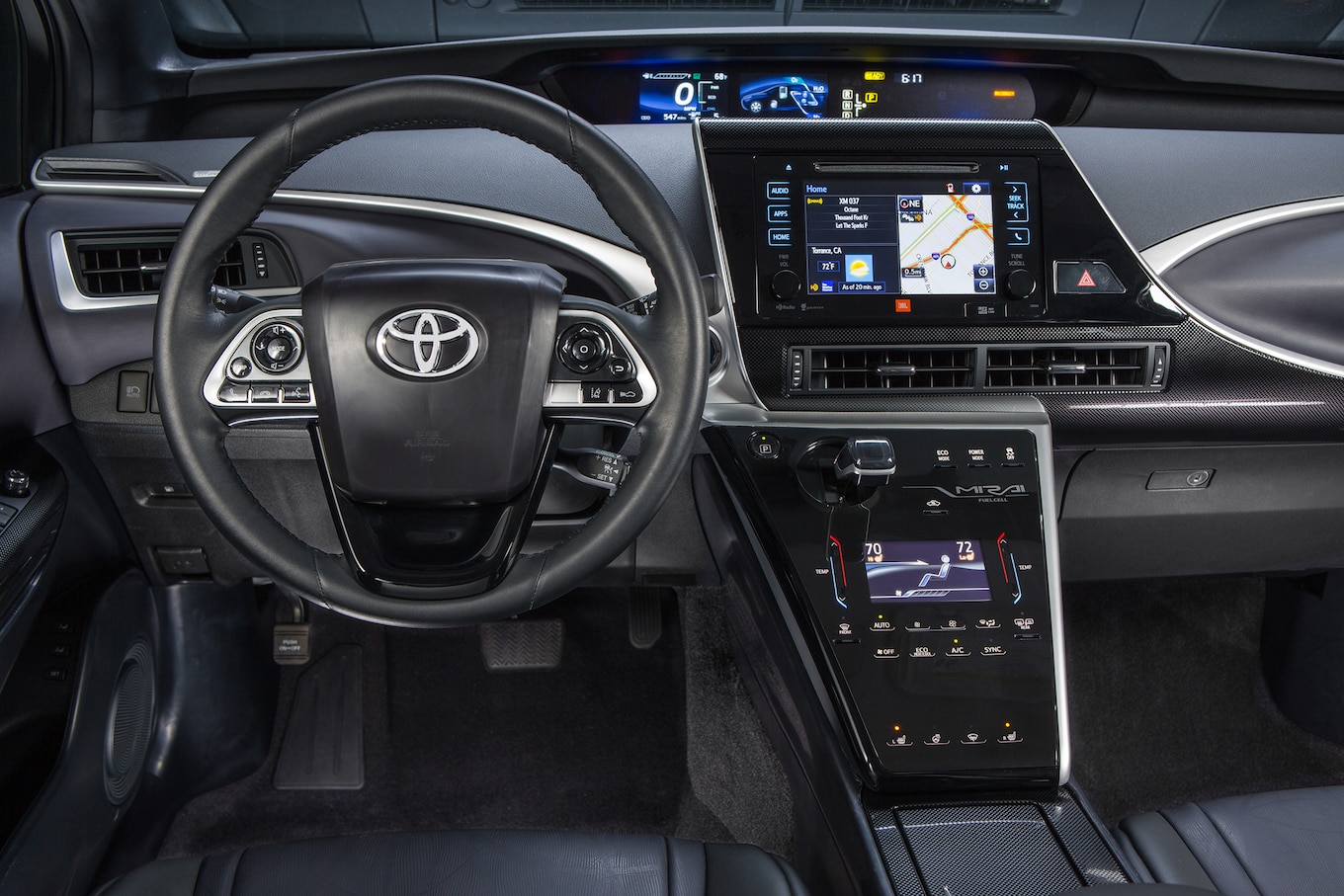
The Mirai's standard equipment list appropriately includes a number of high-tech items, including an 8-inch touchscreen interface.
Also standard are a 24-hour concierge service, 24-hour roadside service, three years of free maintenance and an 8-year or 100,000-mile warranty on all fuel-cell system components.
The sole option is a trunk-mounted power take-off system that enables the Mirai to serve as an emergency generator, providing up to 60 kilowatt-hours of electricity from a full load of hydrogen, sufficient to power a small home for up to a week, Toyota says.
Driving the front wheels of the 2016 Toyota Mirai is a front-mounted electric motor that delivers 151 horsepower and 247 pound-feet of torque. A Prius-sized 1.6-kWh nickel-metal hydride battery mounted behind the rear seats stores some of the juice generated by the fuel-cell system for use when an extra burst of power is needed.
In track testing, a 2016 Mirai accelerated from zero to 60 mph in 8.7 seconds, beating the 2016 Prius by 1.1 seconds. Top speed is 111 mph. Toyota says the Mirai can travel about 300 miles on the 5 kilograms (11 pounds) of pressurized hydrogen it carries. With 1 kilogram of hydrogen delivering the same amount of energy as a gallon of regular gasoline, that's a fuel-efficiency equivalent of 60 mpg.
Standard safety equipment on the 2016 Mirai includes antilock disc brakes, traction and stability control, front and rear side airbags and a rearview camera. Active safety equipment includes lane-departure alert, a blind-spot monitor, adaptive cruise control and a frontal collision mitigation system with automatic braking. Special hydrogen sensors will issue warnings and shut down the hydrogen tanks' stop valves if they detect a hydrogen leak.
In brake testing, a 2016 Mirai stopped from 60 mph in 130 feet, a longish distance that's nonetheless not unusual among hybrids and EVs.
Ride quality in the 2016 Toyota Mirai is smooth and comfortable. Thanks in part to the weight of the low-slung fuel-cell stack, the Mirai feels secure around the turns. Steering and suspension feedback are pretty numb, but this isn't a car you buy for the thrill of tearing through corners or dancing along tortuous mountain routes.
As in any electric car, all of the 2016 Toyota Mirai's torque is available as soon as you start pressing the accelerator, so the car feels rather quick from zero to 40 mph. Things slow down after that, so acceleration during highway passing can be relatively sluggish, but we suspect most drivers will be just fine with the Mirai's level of performance.
Some might find the 2016 Mirai's styling a bit too adventurous, but it certainly stands out in a crowd.
The brakes feel firm and sure, though, and while the Mirai's rather mild regenerative braking system won't let you slow the car almost to a dead stop without applying the brake pedal (as is the case with some electric cars), it also won't alarm you with an abrupt jerk when you lift off the accelerator pedal.
Without the background noise of an internal combustion engine, the Mirai's cabin remains fairly quiet. At lower speeds, the clicking hydrogen injectors, humming hydrogen pump and whining air compressor are faintly audible, but never intrusive.
Toyota lavished Lexus-like quality on the Mirai's cabin, with soft-touch materials at all the places where people come into contact with interior surfaces. Fit and finish is excellent. The instrumentation and controls are generally user-friendly, although the instrument panel can take a little getting used to, as it floats directly above the center stack on the top level of the Prius-like two-tier dash. There's nothing behind the steering wheel where the gauges usually reside.
There's a lot going on with the 2016 Mirai's dashboard.
The supportive front seats are roomy but still grippy, and there's plenty of head-, leg- and hiproom in all four seating positions. A large armrest with an integrated storage bin separates the heated rear seats. On the downside, the center console's storage compartments are fairly small, and the expanse of glossy plastic surrounding the climate controls is a magnet for fingerprints.
Because the car was designed from the start to be a fuel-cell vehicle, the bulky fuel tanks and battery don't intrude much into either cabin or trunk space. The Mirai's trunk isn't as large as that of most conventional cars its size, but it's still roomy enough to handle typical chores like grocery shopping or runs to Target.
Despite having such a leading-edge powertrain, driving the 2016 Toyota Mirai is a surprisingly normal experience. If you have ever driven a Prius, this is similar. The Mirai is a passenger car, and basically an electric car. It has a push-button start, with a similar console-mounted transmission shifter. Once in Drive, the Mirai moves quietly, at a quick pace. Acceleration is brisk, and the ride is comfortable. While there is a screen that shows usage and range, there are familiar sights in the cabin like Toyota's Entune connectivity, air vents, and a new take on the slider-based climate control system. It is easy to forget that you aren't driving a typical electric car. The Mirai is not some weird science experiment – it's a normal car, and that may be the best way to gain acceptance.
MOBILE GENERATORThis isn't a feature within the Mirai. Rather, it's what the Mirai can become. There is an optional PTO (Power Take-Off) device that allows the Mirai to become an electric-power generator in an emergency situation. It can power basic needs in a house for up to a week.24/7 CAREToyota offers 24/7 concierge service with people who are knowledgeable about fuel cells, enhanced roadside assistance, a loaner vehicle for seven days a year for longer drives, and a hydrogen station map app, all of which can help put hydrogen newbies' minds at ease.
The Toyota Mirai's interior is similar to what you would see in the company's other cars. There is a regular steering wheel with stereo and menu controls. At the very top of the dashboard is information about speed, vehicle range and power usage. The Mirai has Toyota's Entune connectivity system, and below that are the snub-nosed transmission shifter, much like you would find in a Prius, and a combination of push-button and slider controls for the climate system.
While the Mirai's styling is intentionally futuristic, there are specific elements that are there out of necessity. Two large intakes in front pull in air to get heat out of the Mirai's three radiators. The airflow is also key to the Mirai's aerodynamics. While Toyota explained that the design theme of the Mirai is that of flowing water, with a rear end resembling a catamaran, most people will most likely be too amazed by the Mirai's looks to notice the water theme.
The Mirai comes with numerous features as standard, many of which are aimed at making hydrogen life easier. Hydrogen fill-ups are free for three years. There is 24/7 concierge service as well as 24/7 roadside assistance. Toyota Care maintenance is free for three years. Entune comes standard, along with three years of Safety Connect (including the hydrogen station map app).
With a vehicle this specialized and with a premium price, it should come as no surprise that there are relatively few options. In fact, there's only one: The Power Take-Off unit, available in 2016, could be a lifesaver in case of emergency. It turns the Mirai into a generator that can power a typical-size house's basic electrical needs for up to a week.
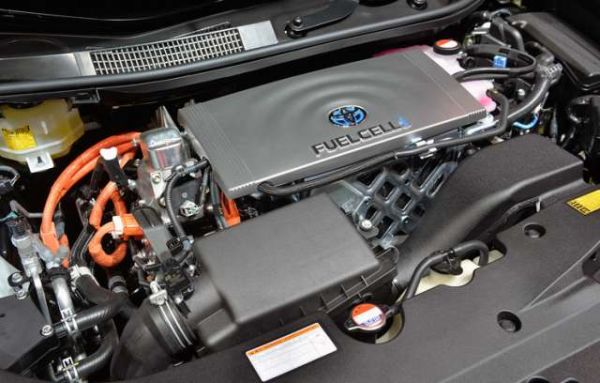
The Toyota Mirai doesn’t use an engine. At its heart it's an electric car, but instead of plugging into an outlet, owners fill the tank with hydrogen. That combines with oxygen to produce electricity, which powers the car's motor. The Mirai's electric motor uses an ECVT, a continuously variable automatic transmission, like the Prius.Fuel cell stack, electric motor153 horsepower247 lb-ft of torqueEPA city/highway fuel economy: 67 mpge (estimated), 312-mile range
As is the case with many fuel-cell vehicles, there is an option to lease. In the case of the 2016 Toyota Mirai, $ 3,649 will be due at signing, and the lease is $ 499 a month for 36 months. Unlike other FCVs, however, you can buy the new Mirai. While buying one would cost $ 58,335, there are incentives of up to $ 13,000, bringing the price closer to $ 45,000.
2016 Toyota Mirai Base Exterior Colors
2016 Toyota Mirai Base Interior Colors
2016 Toyota Mirai Engines
| Engine | Standard in Trim | Power | Torque | Fuel Consumption - City | Fuel Consumption - Highway | 0-100 km/h | Quarter Mile | Half Mile |
|---|
2016 Toyota Mirai Trims
2016 Toyota Mirai Previous Generations
2016 Toyota Mirai Future Generations

Toyota Mirai Overview and History
The government encouraged such a bold decision mostly because making their own cars would be cheaper and they also needed vehicles for the war with China. Just a year after its foundation in 1933, the Toyota Motor Company created its first engine, the Type A, placed in the Model A1 passenger car and the G1 truck.
During WWII, Toyota was committed to making trucks for the army and only the premature ending of the conflict saved the company's factories in Aichi from a scheduled Allied bomb raid. After the war, Toyota resumed car making but found more success in building trucks and buses than with cars. Still, it didn't give up on cars for good and in 1947 it came up with the Model SA, also known as the Toyopet, a name which later was applied to other models as well.
A little more successful was the Model SF which also had a taxi version but the same 27 horsepower engine as its predecessor. A more powerful model, the RH, which had 48 HP came out shortly after. Production went up rather fast and by 1955, Toyota was turning out 8400 cars a year. That year, Toyota diversified their production, adding the Jeep-like Land Cruiser and the luxury sedan, the Crown.
With numbers growing and with several models under their belt, Toyota now had its eyes set on the international market. The first dealership outside Japan was in America in 1957 an the first plant in Brazil in 1959. An interesting strategy from Toyota ensured that all models were somehow unique to the region where they were produced (they were adapted to the respective market).
The big break for Toyota on the American market came with the 70s when rising gas prices forced local producers to make smaller cars. These were thought of as entry-level and as a consequence lacked in quality of finishings. In contrast, Toyota already had several fuel-efficient models that were also of better quality. The Corolla is the best example in this sense, soon becoming America's favorite compact car.
But as far as the luxury market went, Toyota still had trouble with selling the Crown and the Cressida. At the dawn of the 80s, the entire luxury market in America was entering a downwards slope, with all the other manufacturers finding it difficult to keep up sales, and that's when Toyota came up with Lexus, a new company that would make luxury cars.
By the beginning of the 90s, Toyota vehicles became synonymous with reliability and low-cost maintenance which made them very popular all over the world. A bid for winning over the younger audience was made with the launch of models like the MR2 and the Celica.
Presently, Toyota is at the forefront of the environmental battle, with its successful hybrid model, the Toyota Prius and now announcing a plug-in electric car that will be called Toyota Plug-in HV, which will run on standard electricity powered by a lithium-ion battery pack.
2016 Toyota Mirai Consumer Reviews
2016 Toyota Mirai Base Specifications
Base Mechanical
| Engine Name | Electric motor |
|---|
Base Overview
| Body | Sedan |
|---|---|
| Doors | 4 |
| Engine | Electric motor |
| Fuel Consumption | 4.0 (Automatic City)4.2 (Automatic Highway) |
| Seats | N/A |
Discussion and Comments
Share Your Comments