1998 Mercury Villager LS 0-60 Times, Top Speed, Specs, Quarter Mile, and Wallpapers

The 1998 Mercury Villager LS is a Front-wheel drive MiniVan. It can accommodate up to 5 passengers. It has 3 Doors and is powered by a 3.0L V6 SOHC 12 valves engine which outputs 151 hp @ 4800 rpm and is paired with 4 speed automatic gearbox. The 1998 Mercury Villager LS has cargo capacity of 3568 Liters and the vehicle weighs 1816 kg. In terms of ride assists, the 1998 Mercury Villager LS has stability control and traction control in addition to anti-lock brake system (ABS). The vehicle has an optional engine as well It offers and. Safety features also include None and None. The front suspension is while the rear suspension is. The car also features a It has as standard. Electronic features include Cruise Control. For convenience, the car has Power windows and Power door locks. There is also a remote keyless entry feature. Moreover, the car has. The steering wheel has audio control buttons. In terms of performance, the car has 165 N.m of torque and a top speed of 195 km/h. The 1998 Mercury Villager LS accelerates from zero to 60 mph in 11.7 seconds and hits quarter mile at 18.5 seconds. Fuel consumption is 13.6 L/100km in the city and 9.2 L/100km in the highway. The car price starts at $ 29,295
| Name | LS | |
|---|---|---|
| Price | $ 29,295 | |
| Body | MiniVan | |
| Doors | 3 Doors | |
| Engine | 3.0L V6 SOHC 12 valves | |
| Power | 151 hp @ 4800 rpm | |
| Number of Seats | 5 Seats | |
| Transmission | 4 speed automatic | |
| Cargo Space | 3,568.0 L | |
| Maximum Cargo Space | 3,568.0 L | |
| Wheel Type | ||
| Series | Villager I | |
| Drivetrain | Front-wheel drive | |
| Horsepower | 151 HP | |
| Torque | 165 N.m | |
| Top Speed | 195 km/h | |
| Acceleration 0-100 km/h (0-60 mph) | 11.7 s | |
| Fuel Type | Petrol (Gasoline) | |
| Fuel Consumption (City) | 13.6 L/100km | |
| Fuel Consumption (Highway) | 9.2 L/100km | |
| Gear Type | auto | |
| Weight | 1,816 KG | |
| Brand | Mercury | |
| Model | Villager | |
| 0-400m (Quarter Mile) | 18.5 s | |
| 0-400m (Quarter Mile) - Speed | 124.0 km/h | |
| 0-800m (Half Mile) | 30.8 s | |
| 0-800m (Half Mile) - Speed | 139.7 km/h | |
| Modifications (MODS) | ||
| Modifications Cost | $ 0 |
1998 Mercury Villager Used Price Estimates
Estimates based on a driving average of 12,000 miles per year| Used Condition | Trade In Price | Private Party Price | Dealer Retail Price |
|---|---|---|---|
| Outstanding | $ 1,130 | $ 2,123 | $ 2,620 |
| Clean | $ 1,030 | $ 1,935 | $ 2,398 |
| Average | $ 830 | $ 1,560 | $ 1,954 |
| Rough | $ 631 | $ 1,185 | $ 1,511 |
Mercury entered the minivan market in 1993 as part of a joint venture with Nissan. Designed in California and built at the same factory in Ohio, Mercury Villagers and Nissan Quests share plenty of sleek styling touches and on-the-road traits. Four Villager models grace showrooms: GS and LS wagons, a glitzy Nautica edition (attractively trimmed to remind occupants of the sea - or overpriced clothing, depending on your orientation), plus a lower-cost cargo van.
Car-like characteristics were a priority when the Villager and Quest were created, and the result is impressive. Even though you're sitting taller than in a passenger car, behind a rather high steering wheel, it's easy enough to forget that this is a minivan. The driver's seat is supportive and comfortable, and there's plenty of space up front. Standard gauges are small but easy to read (optional digital instruments are not). You get fairly nimble handling, plus a smooth, quiet ride from the absorbent suspension. Only one powertrain is available--Nissan's 151-horsepower, 3.0-liter V6 hooked to a four-speed automatic transmission--but that's a smoothie, too.

Four-wheel antilock braking is standard on the LS and Nautica models; optional on the GS. Villagers offer ample space for five, and many are fitted to seat seven, in a flexible interior configuration. The far rear seat on seven-passenger models slides forward and back on a set of tracks, and center seats lift out. Be warned, though: those "removable" seats aren't lightweights. A full load of storage bins and cubbyholes augment the Villager's practical appeal.
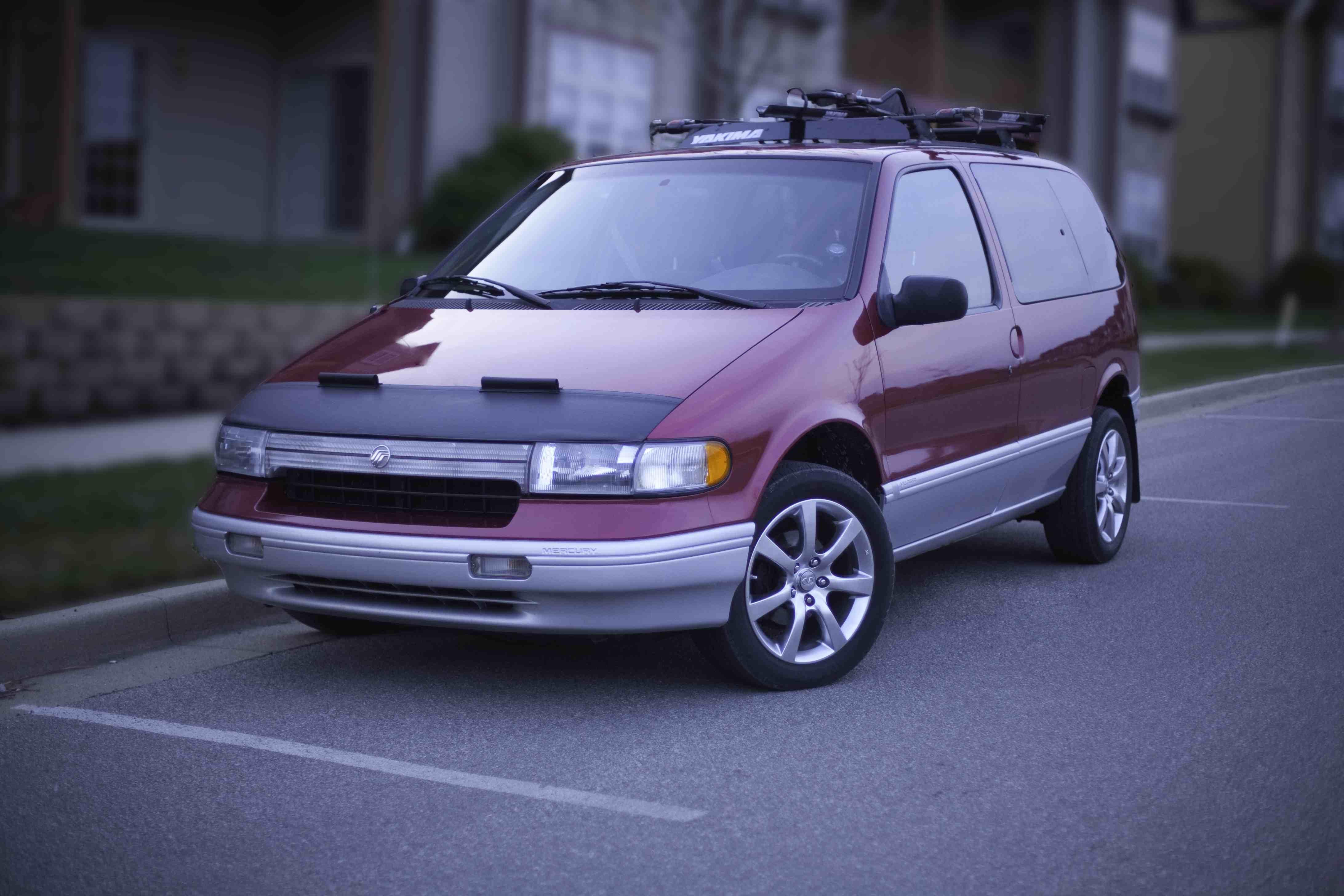
Villager blends comfort and convenience into one tidy package, and while we have been cheerleaders for this van in the past, it doesn't look like a smart buy when compared to what next year's Villager promises to be. If a driver's side sliding door and more refinement are on your list, you should definitely wait.
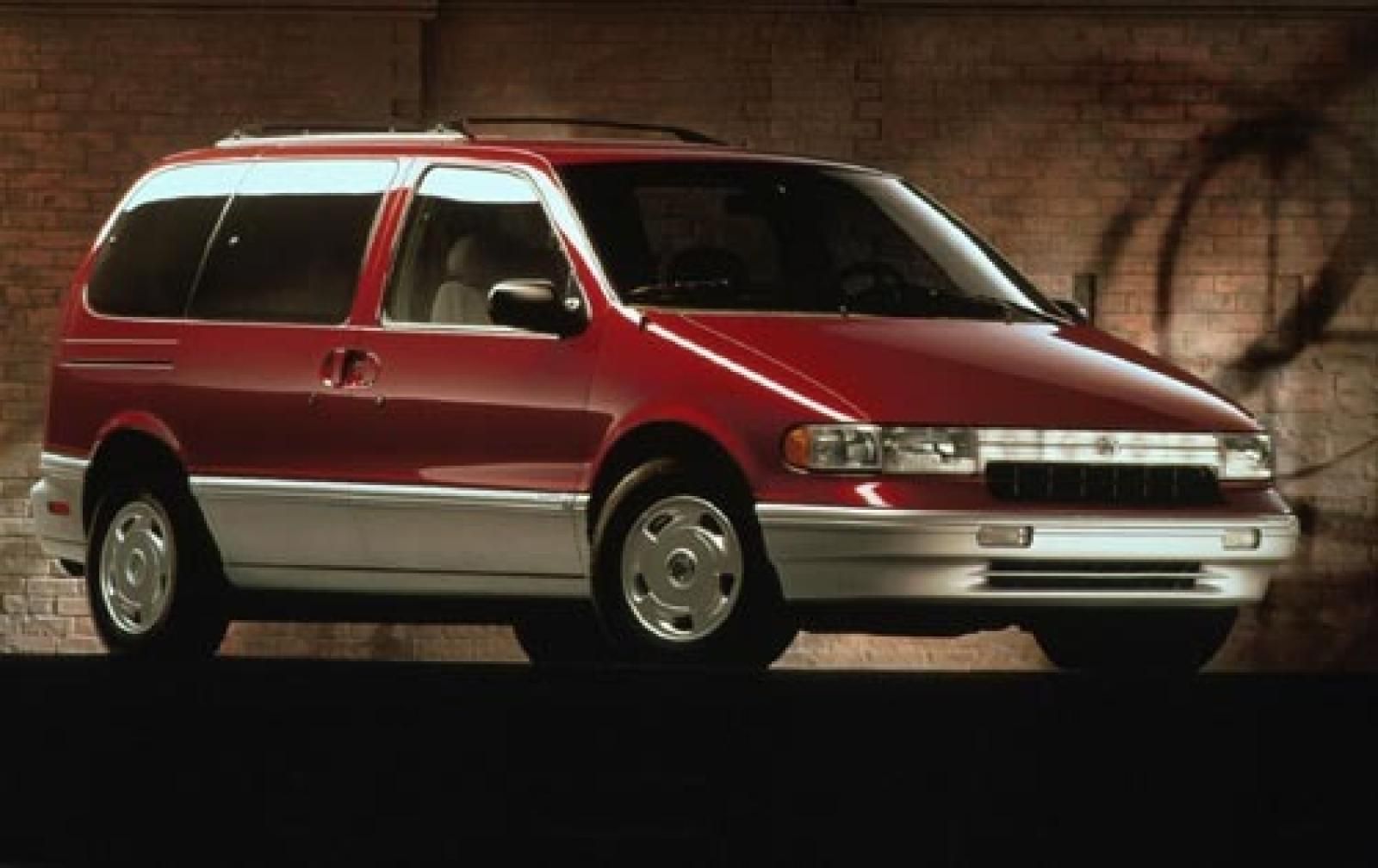
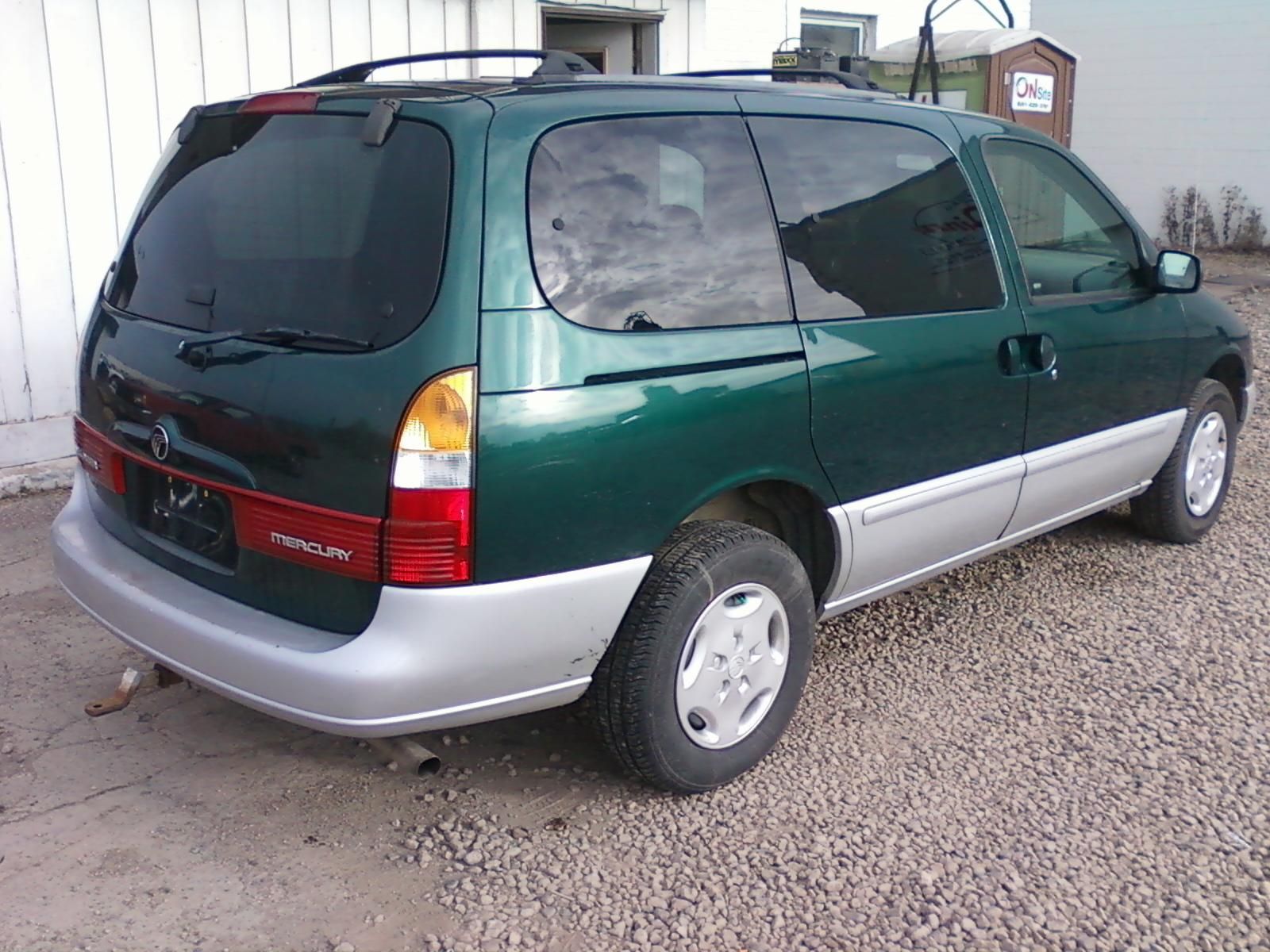
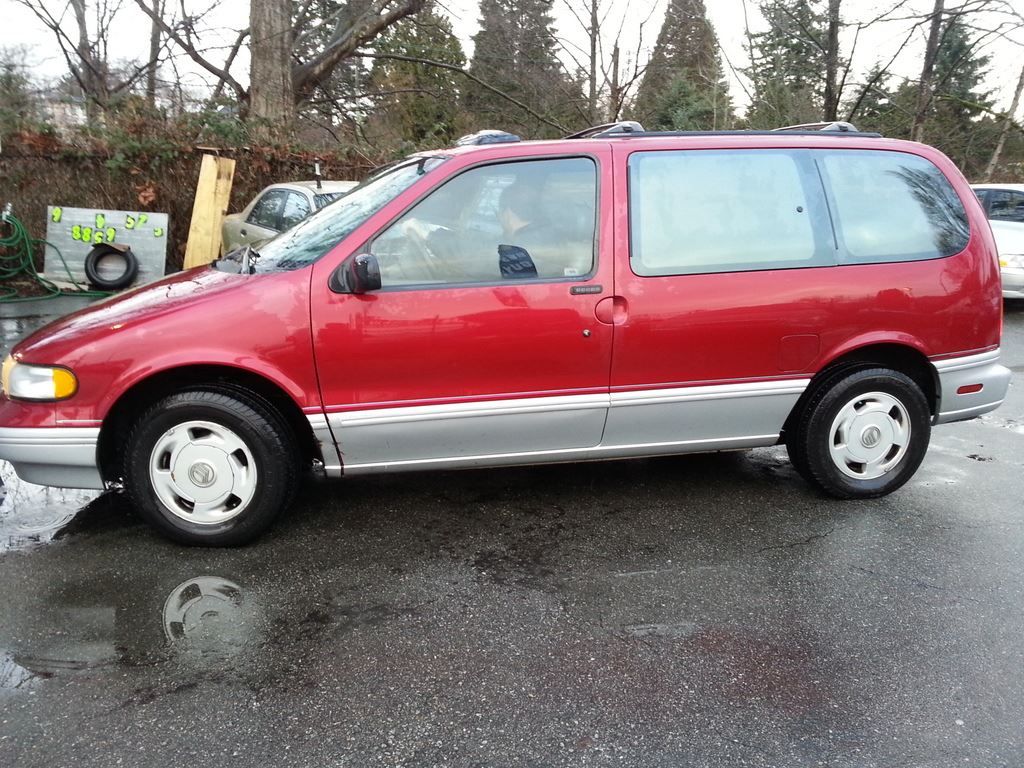
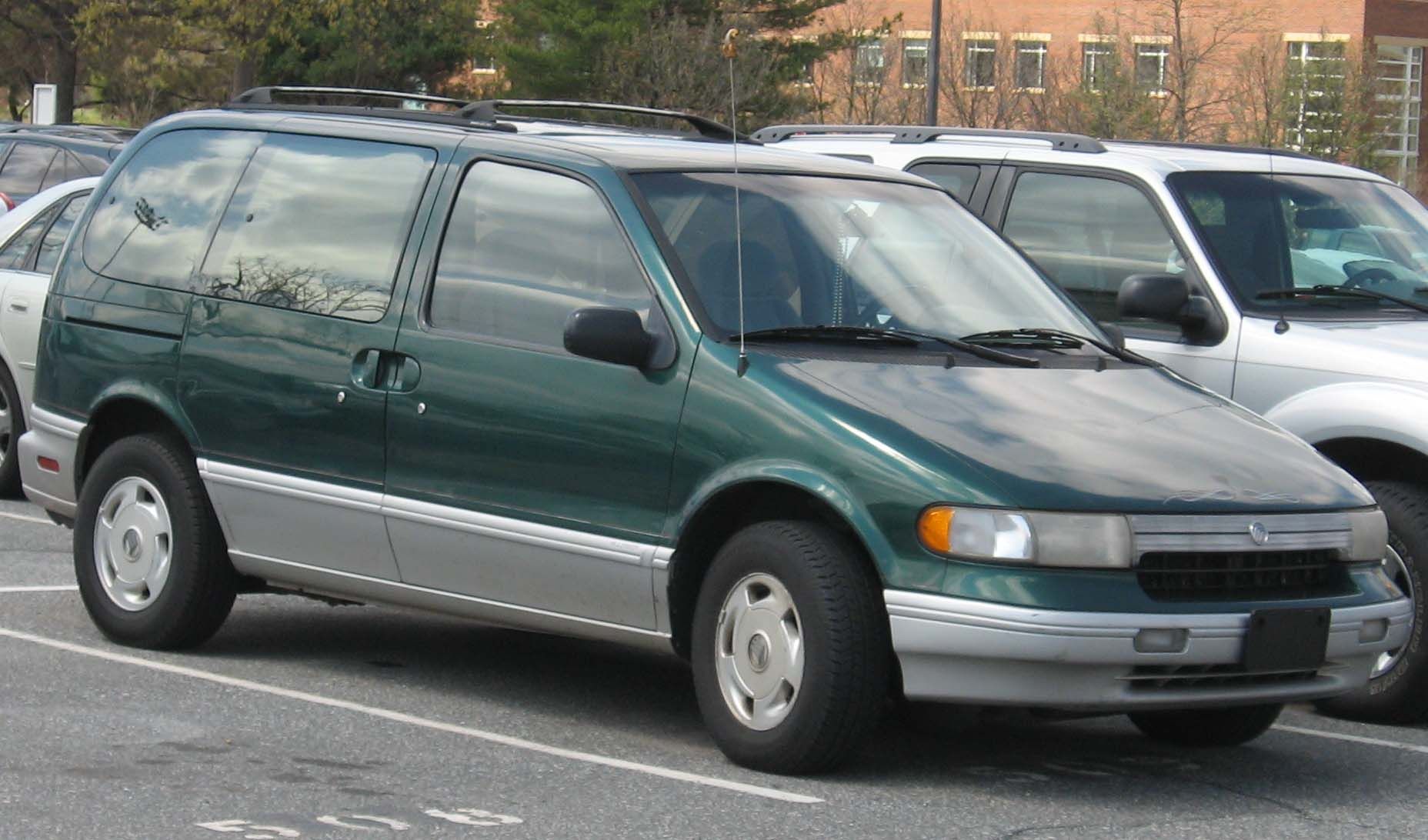
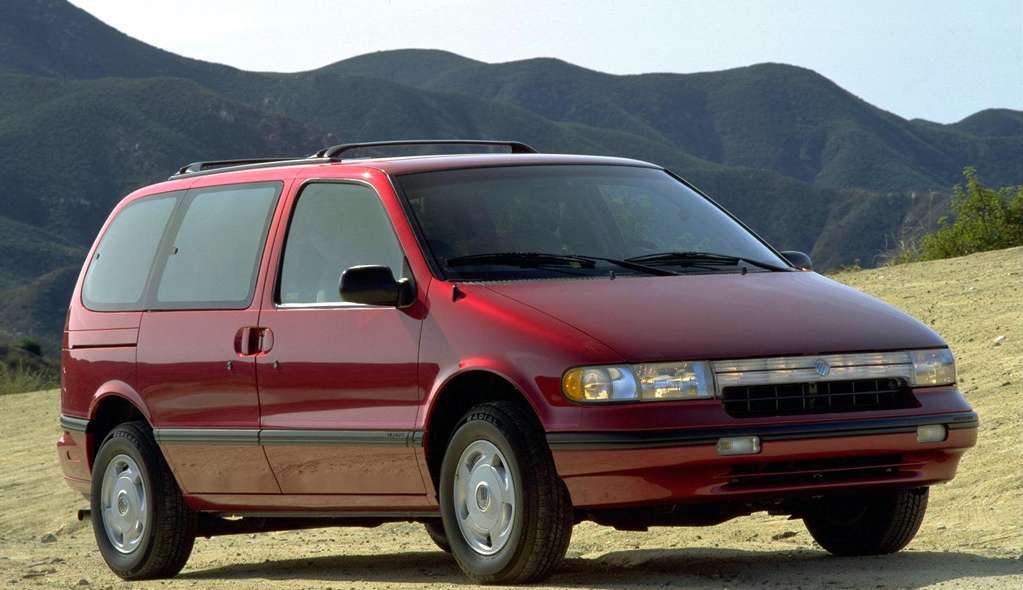
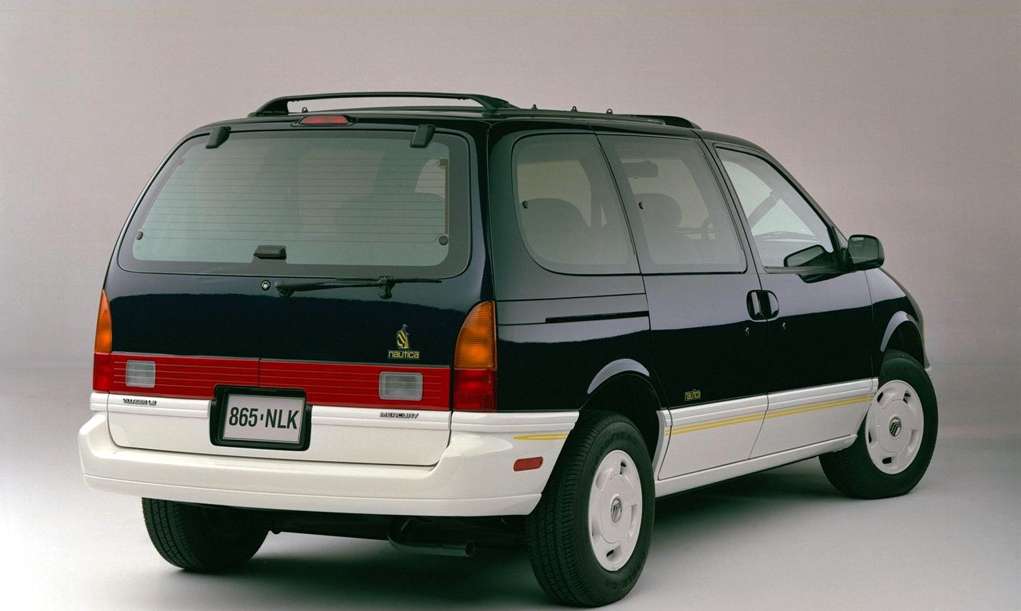
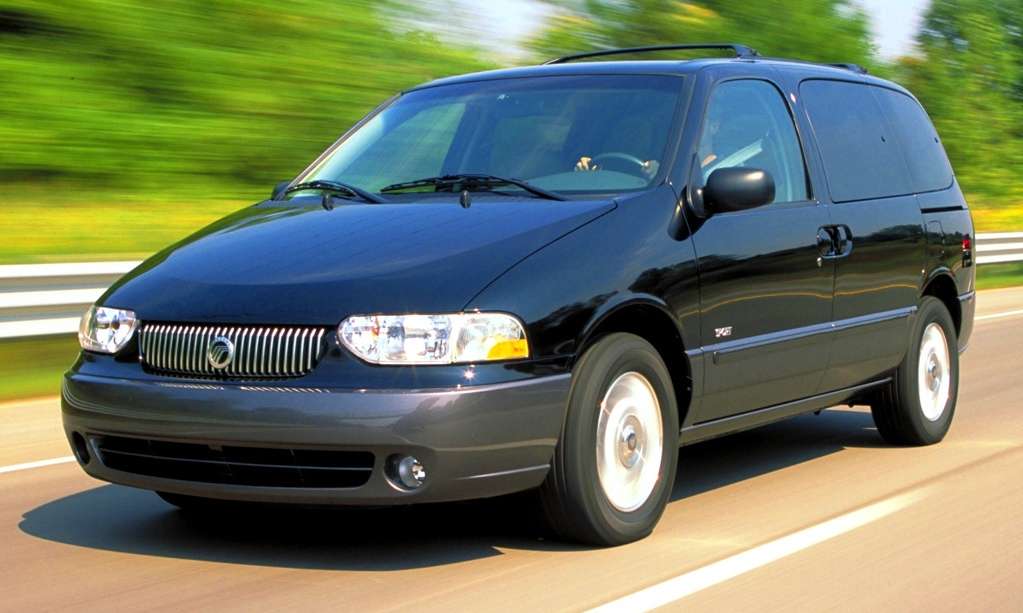
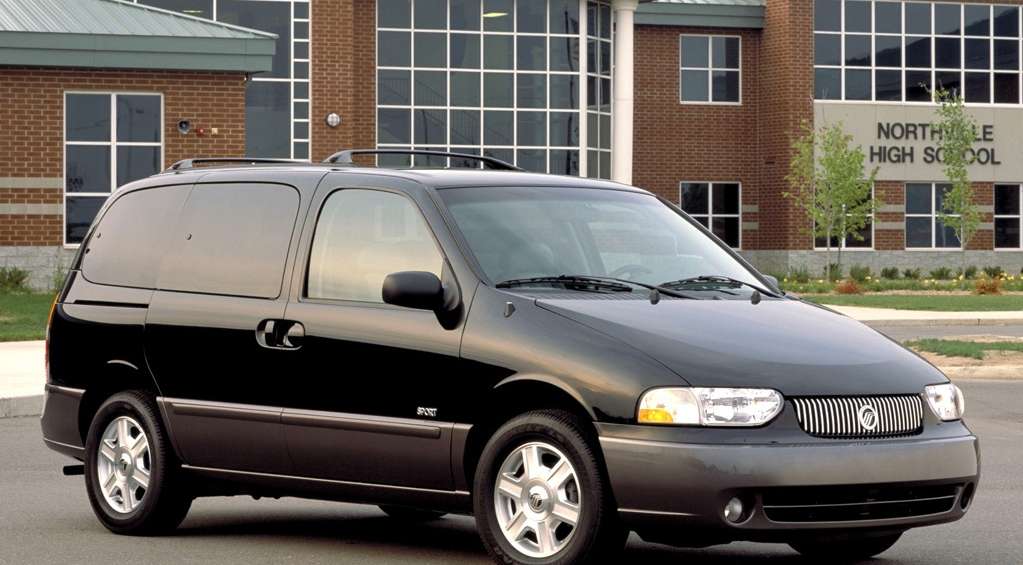
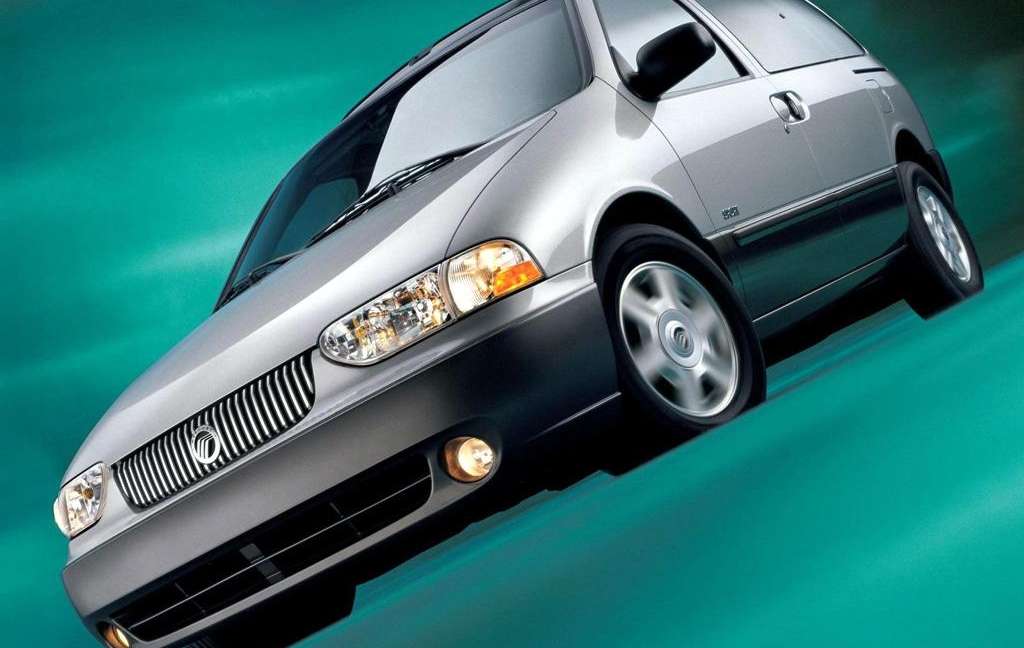
1998 Mercury Villager LS Exterior Colors
1998 Mercury Villager LS Interior Colors
1998 Mercury Villager Engines
| Engine | Standard in Trim | Power | Torque | Fuel Consumption - City | Fuel Consumption - Highway | 0-100 km/h | Quarter Mile | Half Mile |
|---|---|---|---|---|---|---|---|---|
| 3.0L V6 SOHC 12 valves | Nautica | 151 hp @ 4800 rpm | 165 N.m | 13.6 L/100km | 9.2 L/100km | 11.7 s | 18.5 s | 30.8 s |
| 3.0L V6 SOHC 12 valves | Nautica | 151 hp @ 4800 rpm | 165 N.m | 13.8 L/100km | 9.5 L/100km | 11.7 s | 18.5 s | 30.8 s |
| 3.0L V6 SOHC 12 valves | Nautica | 151 hp @ 4800 rpm | 165 N.m | 13.4 L/100km | 9.3 L/100km | 11.7 s | 18.6 s | 30.8 s |
1998 Mercury Villager Trims
1998 Mercury Villager Previous Generations
1998 Mercury Villager Future Generations
Mercury Villager Overview and History
The name Mercury actually seems to be of good augury, considering that the main line of activity of the Roman god Mercury was commerce. So you could say that in giving this name to the brand, Ford was trying to appease the gods and make it big in the car business.
The first design, of course made by Ford's development department, was the Mercury Eight or the Super Ford, which had a 95hp engine and a design that was hailed as being the most aerodynamic of its time. This was the first car which was first designed using a clay model. From 1930 when it was first launched and up until 1938, production already reached 17,000 units.
This radical increase in production was the result of an unexpected rise in demand, so much so in fact, that by 1940, Ford was struggling to keep up. Figures reached the 155,000 mark. But pretty soon things were going to come to a screeching halt due to WWII, during 1942 and 1945.
In 1946, production resumed but with a slightly modified version of the 1942 model Eight. By 1950, there were 1 million Mercurys rolling on the roads. It was now time to push things forward from an innovative point of view, and this is why Mercury launched its first automatic transmission, the Merc-O-Matic on all its models starting with 1951. Cars also underwent a few stylish changes, like “frenched” headlamps with sheet metal surround or behind grille, airfoil bumpers, jet scoop hoods and instrument gauges aviation style.
During the mid 50s, Mercury cars were just about the wickedest things on the road, and a testament of that is the fact that a customized Mercury was featured in the movie “Rebel Without a Cause” starring James Dean. Towards the end of the decade, Mercury also entered the racetrack circuit.
1960 would see the introduction of two new models: the Comet and the Meteor. Whereas the Comet was a stylish compact, the Meteor was a somewhat smaller car, an indication of the fact that America was downsizing. The Comet showed its mettle on the Daytona Speedway Track where it showed remarkable stamina as a fleet of Mercury cars ran for 100,000 at an average speed of 105 mph. As the 60s drew to an end, a new model was added to the lineup, the Cougar, which joined the Mercury family in 1967.
When the oil crisis of the 70s hit, Mercury responded by introducing smaller, European-made cars, the Mercury Capri and the Bobcat. But that doesn't mean that older models weren't selling anymore. On the contrary, a redesigned Cougar XR-7 caused sales to go through the roof. Sales figures for Mercury continued to climb well into the 80s.
It was during the 80s that Mercury tried to capture a wider section of the market and came out with new models, the Lynx and the Grand Marquis. But the car that stands out in this decade is the 1986 Mercury Sable. It had a very low drag coefficient which made it fuel efficient.
Mercury's expansion continued all through the 90s. This time it would be a minivan that would be added to the fleet, Mercury Villager, soon to be followed in 1997 by the SUV Mountaineer which managed to attract a more younger market.
With the dawn of the new century, Mercury sought to improve on performance but also on fuel efficiency and emissions. Also, in an effort to unify the brand, all cars began to share certain design features as the front grille and the updated badge lettering. New models from this period include the Milan and Mariner.
Recently though sales began to show lower number and many people wondered about the future of the brand. Ford was quick to dismiss any rumors that it would burry Mercury and in 2008 announced that it would be making the company part of its small car strategy.
1998 Mercury Villager Consumer Reviews
Compare Against Competitors
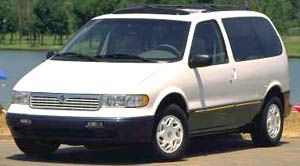
1998 Mercury Villager LS Specifications
LS Dimensions
| Cargo Capacity | 3568 L |
|---|---|
| Curb Weight | 1816 kg |
| Fuel Tank Capacity | 76 L |
| Height | 1717 mm |
| Length | 4831 mm |
| Max Trailer Weight | 1588 kg |
| Wheelbase | 2850 mm |
| Width | 1872 mm |
LS Mechanical
| Drive Train | Front-wheel drive |
|---|---|
| Engine Name | 3.0L V6 SOHC 12 valves |
| Transmission | 4 speed automatic |
LS Overview
| Body | MiniVan |
|---|---|
| Doors | 3 |
| Engine | 3.0L V6 SOHC 12 valves |
| Fuel Consumption | 13.6 (Automatic City)9.2 (Automatic Highway) |
| Power | 151 hp @ 4800 rpm |
| Seats | 5 |
| Transmission | 4 speed automatic |
| Warranties | Bumper-to-Bumper60000/km, 36/Months Powertrain60000/km, 36/Months Roadside Assistance60000/km, 36/Months Rust-throughUnlimited/km, 60/Months |
LS Safety
| Anti-Lock Brakes | Std |
|---|---|
| Anti-Theft Alarm | None |
| Brake Type | Front disc/rear drum |
| Child-proof Locks | None |
| Driver Airbag | None |
| Passenger Airbag | None |
LS Suspension and Steering
| Front Tires | P205/75R15 |
|---|
Discussion and Comments
Share Your Comments