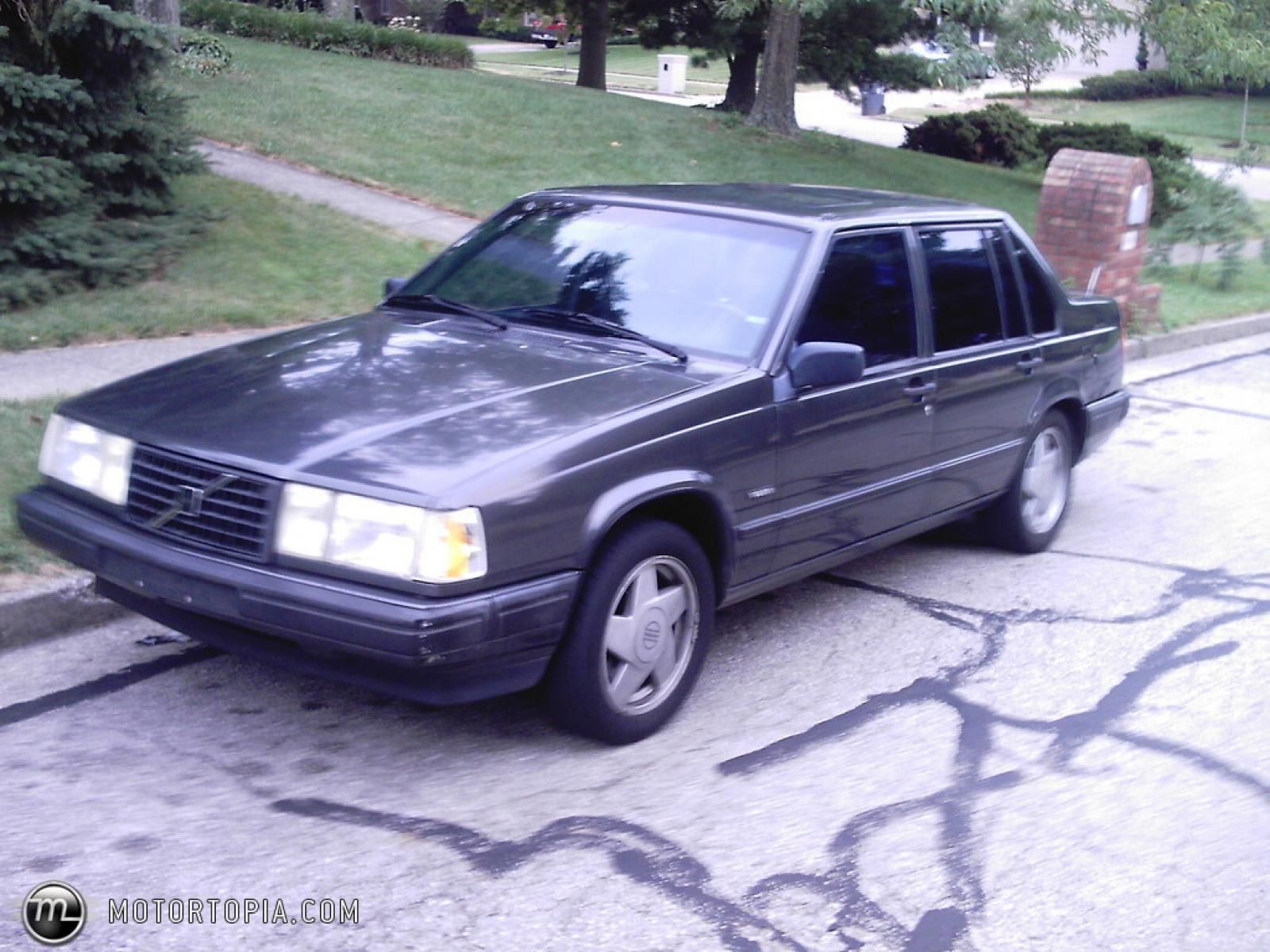
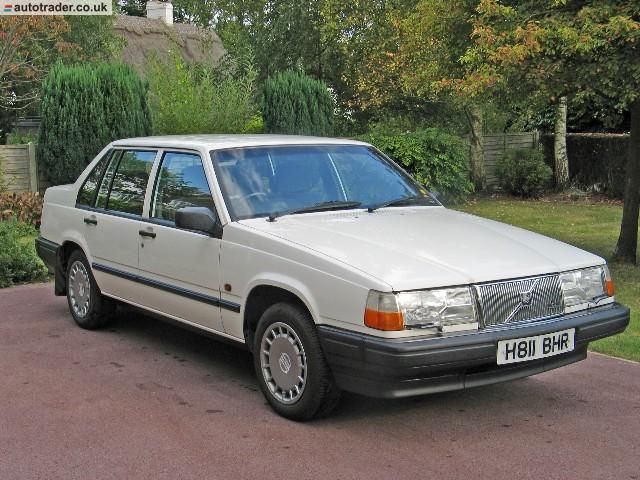
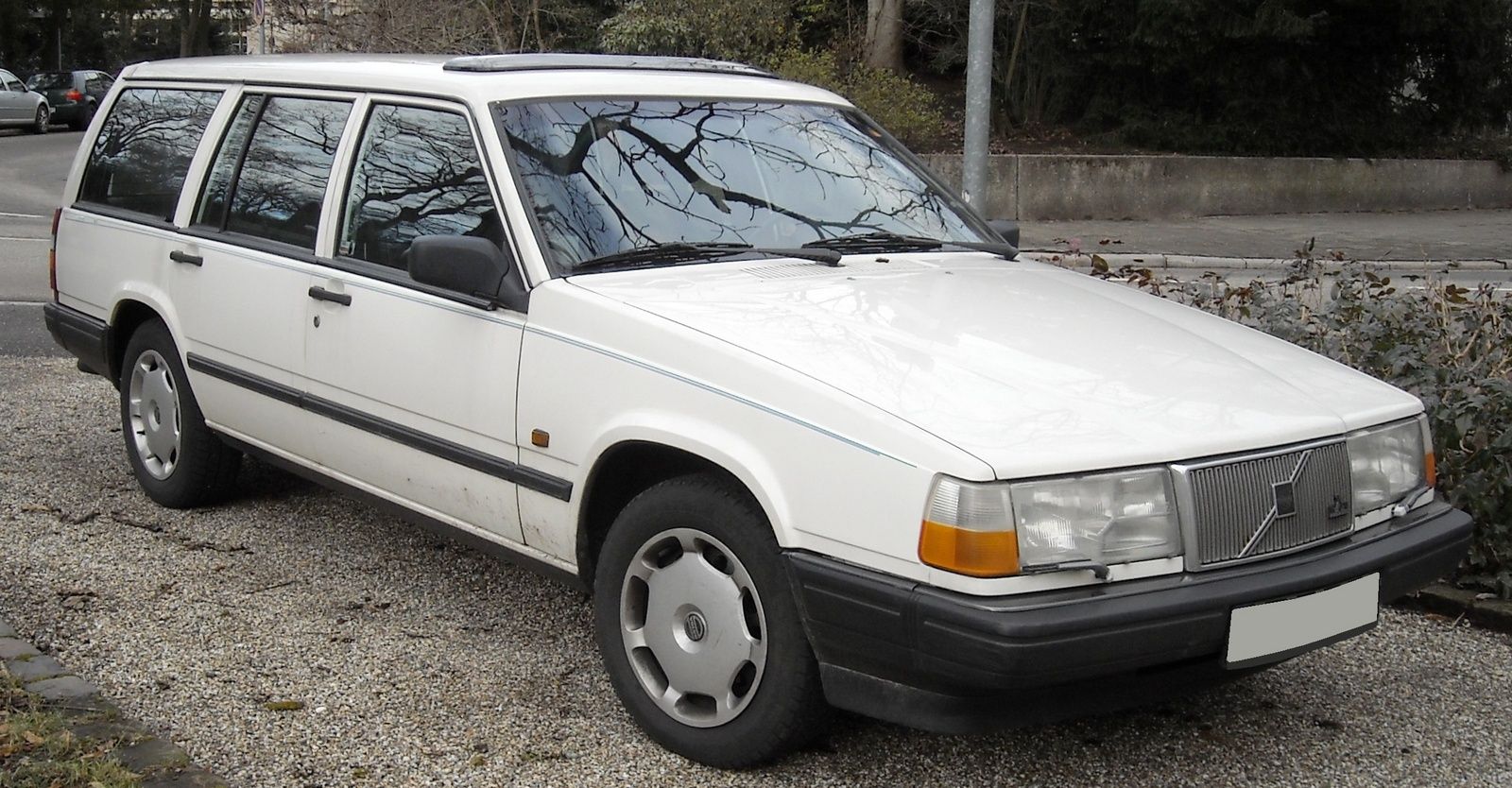
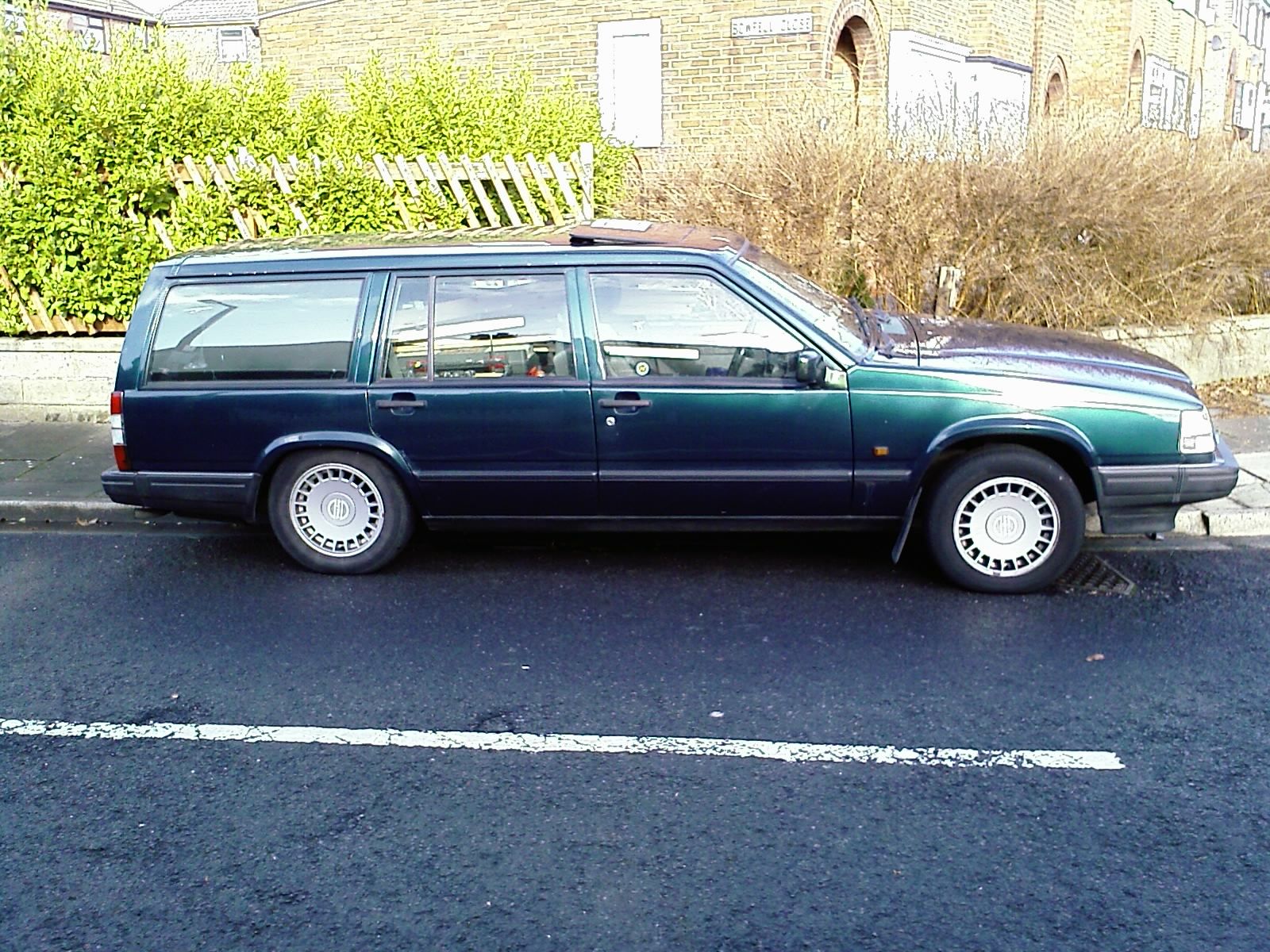
The 1994 Volvo 940 Wagon Base is a Wagon. It has 4 Doors and is powered by a engine which outputs 111 hp and is paired with gearbox. The 1994 Volvo 940 Wagon Base has cargo capacity of Liters and the vehicle weighs 1370 kg. In terms of ride assists, the 1994 Volvo 940 Wagon Base has stability control and traction control in addition to anti-lock brake system (ABS). The vehicle has an optional engine as well It offers and. Safety features also include and. The front suspension is while the rear suspension is. The car also features a It has as standard. Electronic features include Cruise Control. For convenience, the car has Power windows and Power door locks. There is also a remote keyless entry feature. Moreover, the car has. The steering wheel has audio control buttons. In terms of performance, the car has 121 N.m of torque and a top speed of 176 km/h. The 1994 Volvo 940 Wagon Base accelerates from zero to 60 mph in 14.9 seconds and hits quarter mile at 20.7 seconds. Fuel consumption is L/100km in the city and L/100km in the highway. The car price starts at $ 27,995
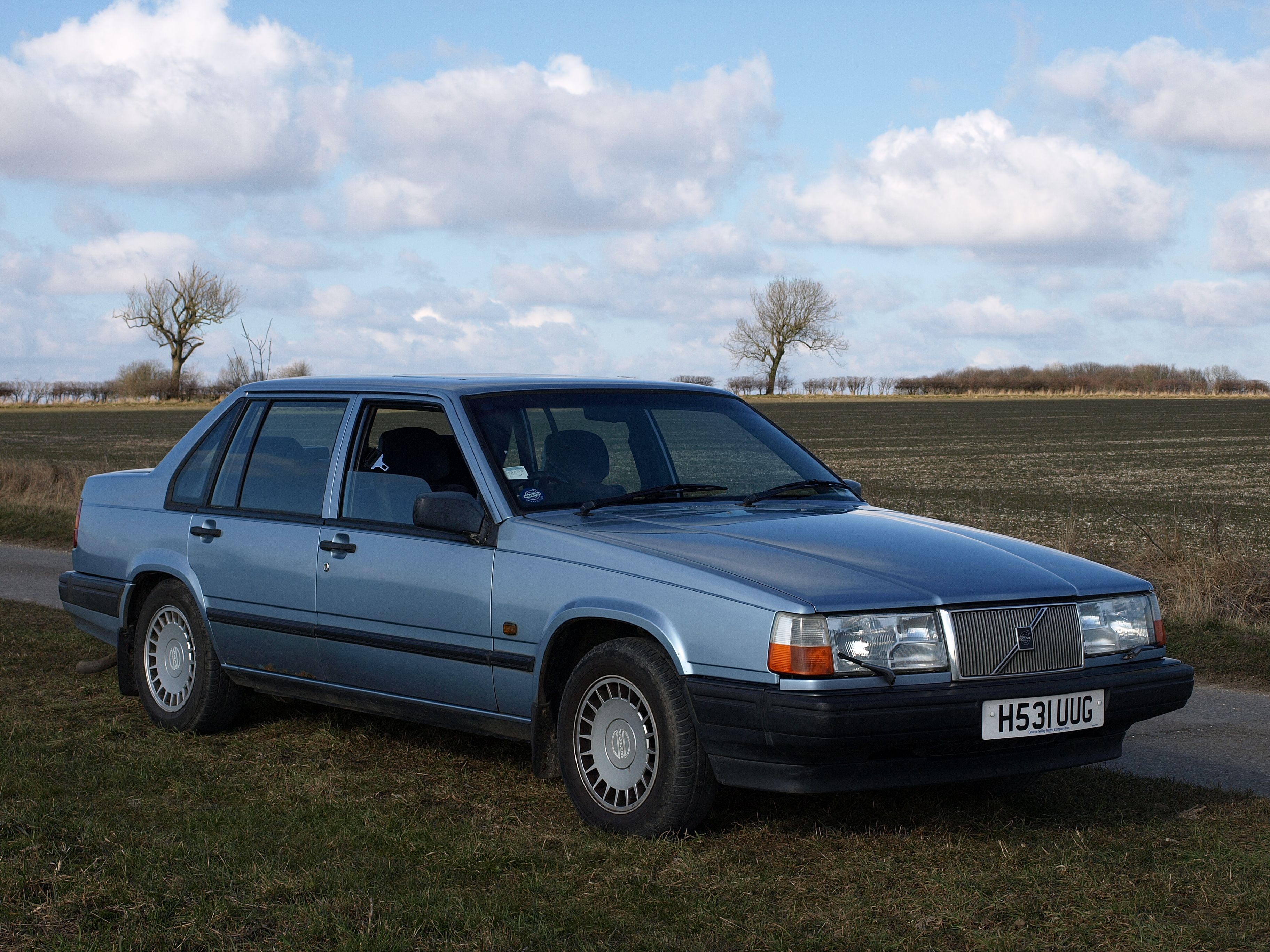
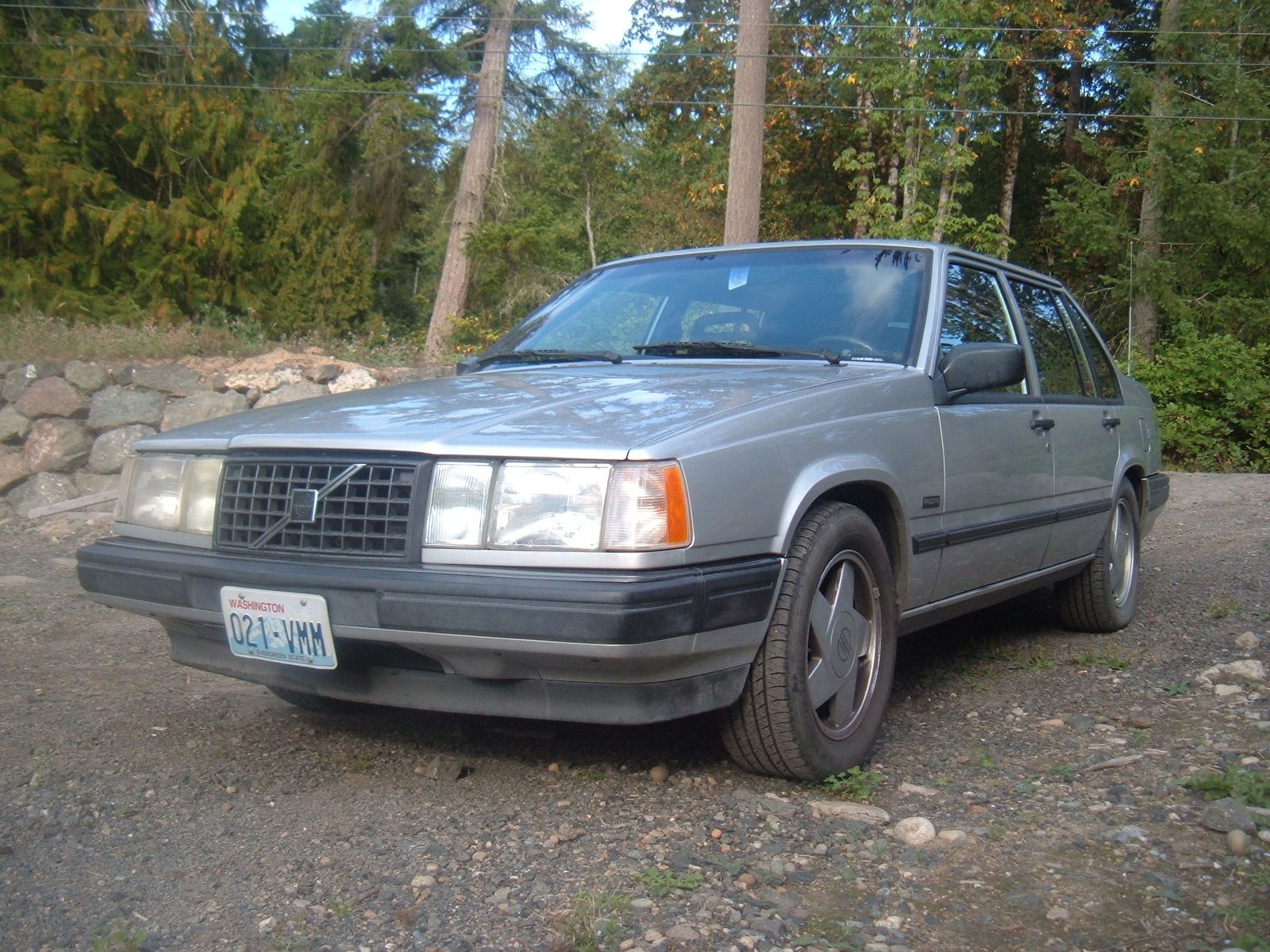
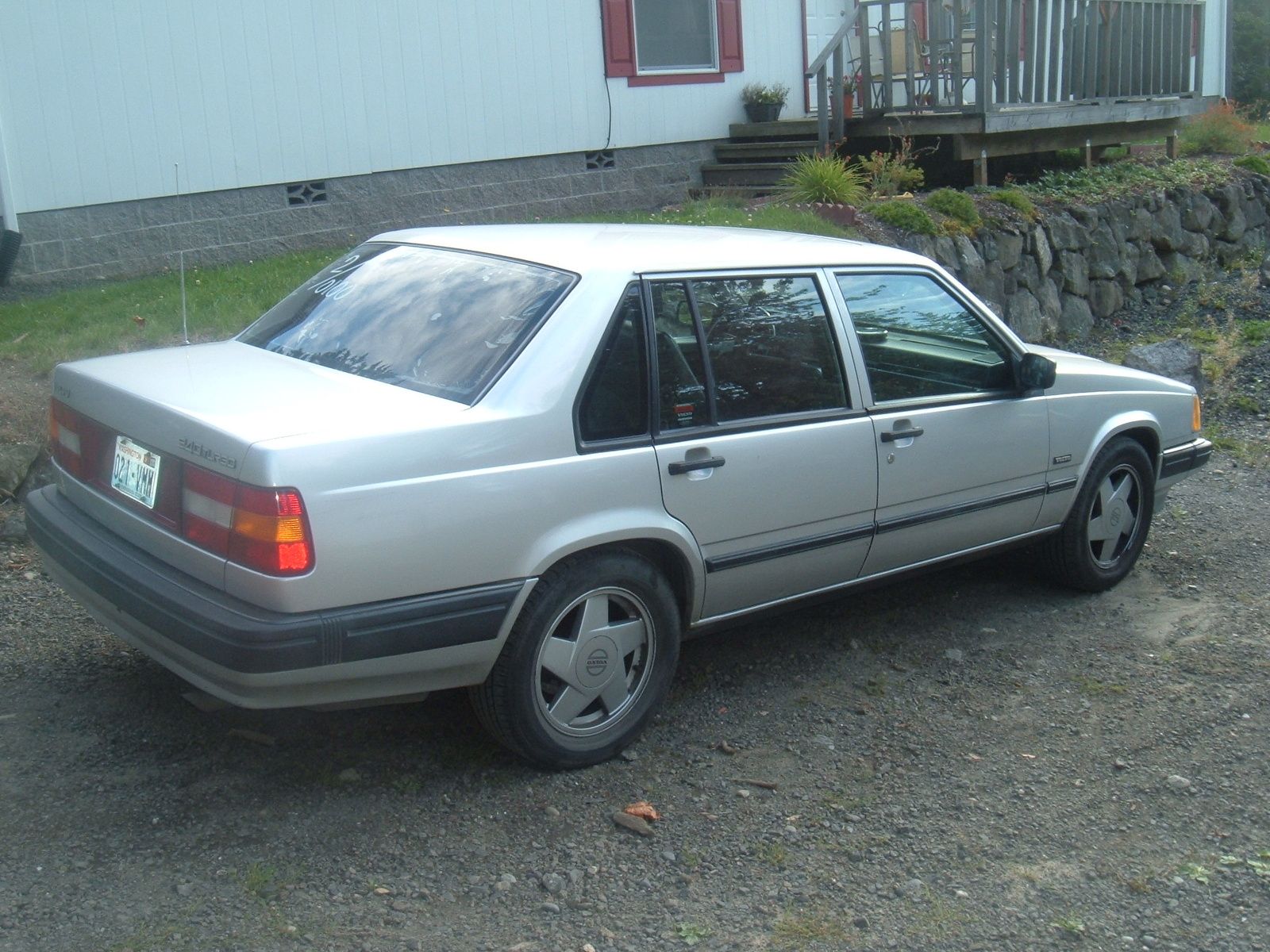
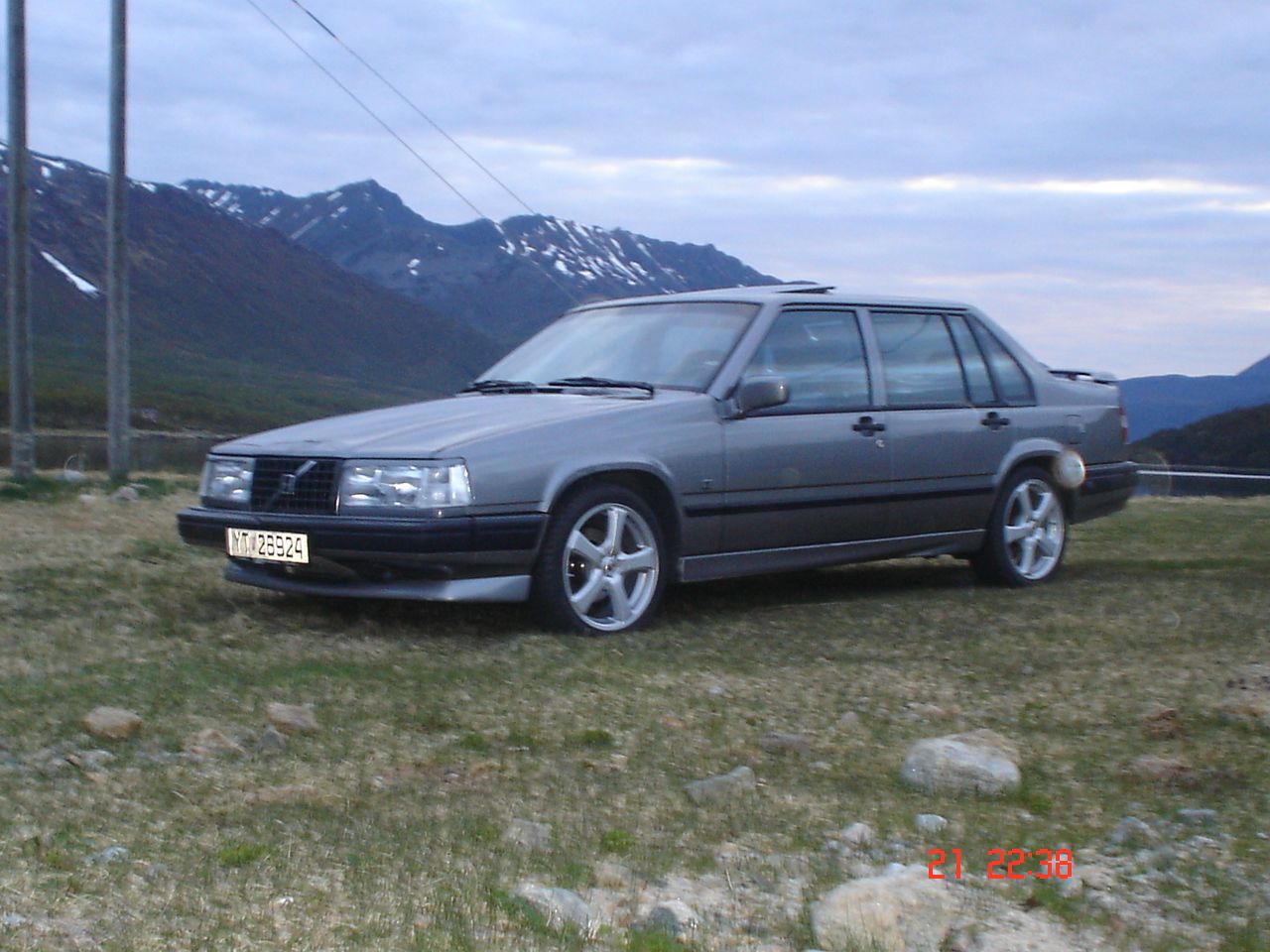
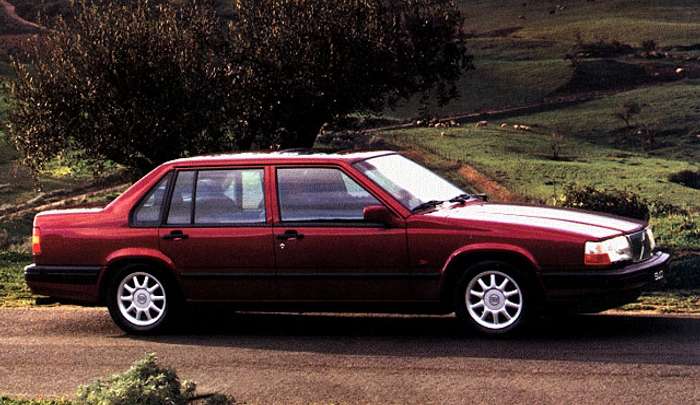
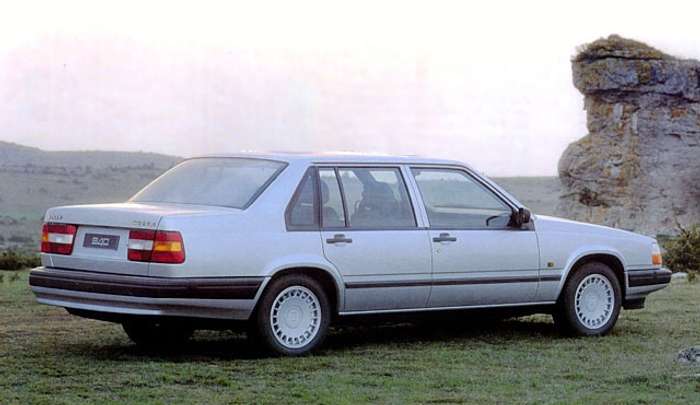
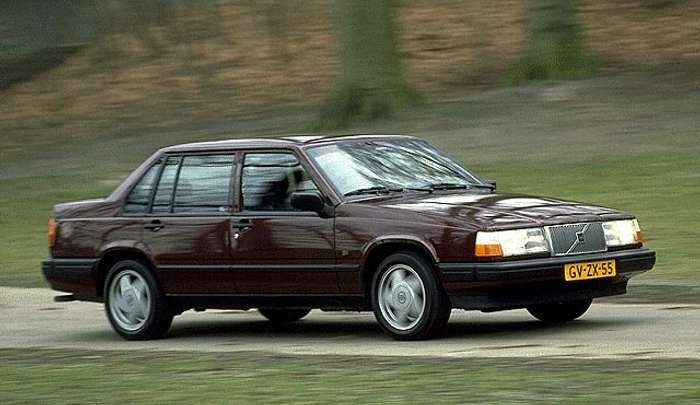
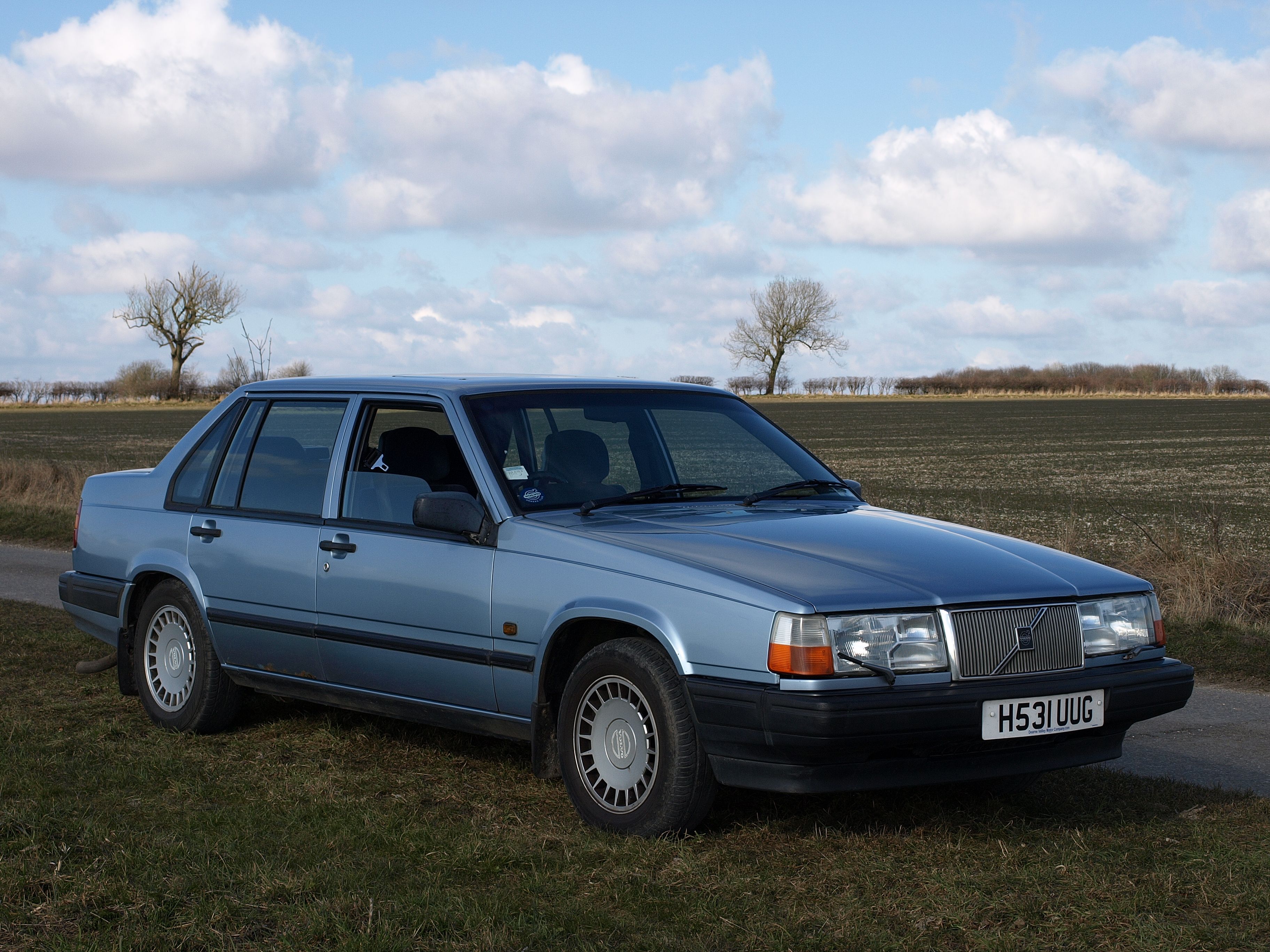
The Volvo 940 is a 4-door sedan which was introduced in autumn 1990 and, just like many other Volvo models, it amazed the world with its safety features.
AB Volvo is a world-leading Swedish manufacturer of commercial vehicles, trucks, buses and construction equipment, drive systems for marine and industrial applications, aerospace components and financial services. But it did start out as a car manufacturer, founded by Assar Gabrielsson and Gustaf Larsson. The main purpose of the company was to produce the safest cars possible, following the death of Assar's wife in a car crash. The automaker was founded April 14, 1927 in the city of Gothenburg, as a spin-off from roller ball bearing maker SKF (Svenska Kullagerfabriken AB).
The name Volvo was originally registered in May 1915 as a separate company within SKF AB and as a registered trademark with the intention to be used for a special series of ball bearing, but this idea was only used for a short period of time and SKF decided to use "SKF" as the trademark for all its bearing products. Volvo AB began to function on the 10th of August 1926 when the SKF Sales Manager Assar Gabrielsson and Engineer Gustav Larson, started production of 10 prototypes and set up the car-manufacturing business Volvo AB within SKF group. Volvo AB was introduced at the Stockholm stock exchange in 1935 and SKF then decided to sell its shares in the company.
The first series produced Volvo automobile, called 'ÖV4' left the factory on 14 April 1927. Just 996 cars were produced between 1927-1929. 'ÖV4' was replaced by model PV651 in April 1929. Its success on the market helped Volvo buy out their engine manufacturer and thus become a serious car producer. By 1931, it was already returning its first dividend to shareholders.
After it reached a production milestone of 10,000 cars in May 1932, Volvo then targeted a new demographic segment, aiming to make their cars cheaper, a car “for the people”. This was going to be the PV 51 which came out in 1936 which was a smaller version of the PV36.
The PV444 was one of the most significant cars of the war era, the first true small car, a mixture of American flair and European size, it would become a resonant success and the best sold model throughout the 60s. The P1800 was Volvo's first sports car, made in the early 60s and it was so popular that it was featured in the hit TV series “The Saint” starring Roger Moore.
Safety and quality were still paramount for Volvo and that's why the 240 series which replaced the 140 had even more safety innovations in that department, like crumple zones, rear facing child seats and collapsible steering columns. Together with the smaller 340 models, they would make for most of the sales during the 70s and 80s for Volvo.
The 90s brought with them a totally new model, the 850, a front-wheel drive, executive car which won numerous awards for handling and safety features. By now, productions costs were mounting up and Volvo was one of the few independent producers out there, after a proposed deal with Renault fell through in 1993. This forced the company to seek new marketing strategies and that's how the sleeker S40 and V40 models were introduced in the factory's production line.
The new models brought a breath of fresh air, just like the C70 coupe and convertible, which are responsible for revitalizing the Volvo image while keeping in tune with the old tradition of safety and quality.
The buyout of Volvo Cars was announced on January 28, 1998. Until then, Volvo Cars was owned by AB Volvo (the commercial vehicles group). In the following year acquisition for Volvo Cars by American car maker Ford Motor Co. was completed at a price of $ 6.45 billion USD. Volvo used the funds from the sale of the automobile division to finance the purchase of Scania, another leading Swedish truck manufacturer, but the deal was stopped for competition reasons by the European Union. Instead Volvo acquired the commercial vehicles division of French Renault and the American truck manufacturer Mack Trucks (which was owned by Renault at the time). As part of the arangement to buy Renault Trucks, the former parent company, Renault, bought in turn 20 percent in shares in AB Volvo. Among the reasons why Volvo took the initiative to sell the automobile manufacturing was the increasing development costs for new car models, coupled with the fact that it was a relatively small producer. The strategy was instead to grow as a truck manufacturer where it had a stronger market position.
Volvo Automotive's motto is "Volvo for life" attributed to the reliability and safety of their cars. Volvo means "I roll" in Latin. Combined with their company symbol, (commonly mistaken for the male symbol) which actually stands for iron ore and according to the company, represents "Rolling Strength".
1994 Volvo 940 Consumer Reviews
flyablepursuable, 01/22/2011
The Brick
I have been in the automotive industry for over thirty years and I can say that this wagon, if properly maintained will not fail you or yours. The piece of mind you receive in terms of safety has no equal.
I've seen these cars rolled, samashed and crushed and 99% of them had room to live.
These cars have a time tested history of safety and reliability. Forget buying one after 1994.
Rwd drive is the way to go as all the drive componets are in alignment.
A very simplistic approach to good enginneering and design.
It is not unusual to see these cars still on the road with over 400K on them.
Make a wise choice, buy one with maint. history and love it and it will go as long as you wish.
swooshjackberry, 06/24/2016
4dr Sedan
Among the very best gasoline automobiles ever made
This is my 3rd 940, and just the 940 I really want. The 1st was a 1994 Turbo sedan with sunroof, great car. Plenty of acceleration, reasonable highway fuel economy, around 26 MPG. Best seats of any car I have ever sat upon. Got it with 125,000 miles, put 200,00 on it and gave it to a young family member. Routine maintenance at an Independent Volvo shop was very reasonable, maybe $ 450 - $ 500 / year. A few things were a chunk of money: Replace head gasket / valve job / head surfacing = $ 1,200. This was at a private (unlicensed) mechanic. Strut: About $ 400, licensed Independent Volvo shop. Front wheel bearing, also about $ 400. A real winner of a car. 2nd 940 was a 1995 940 non-turbo, no sun roof. About $ 2,000 in necessary repairs at purchase, then it gave good service for 100,000 miles when I gave it to yet another young family member. One night around 2:30 AM while traveling South on Interstate 5 from Oregon to California, I hit a dead moose (cow, deer, Bigfoot) at 65 MPH. The car was launched airborne - all 4 wheels off the pavement and into the (unoccupied) next lane. During the slight instant of panic I thought: "Relax, you're in a Volvo". Sure enough, hit the pavement in the next lane and kept driving. A few miles further down I-5 there was a California Highway Patrol truck inspection station so I stopped in and reported the dead whatever in the slow lane about 2 miles back. They have guys in orange trucks that deal with this sort of thing. Something to note regarding the 1995 940 Volvo: The main fuel pump is inside the gas tank. Volvo 940's prior to 1995 have a pre-pump in the gas tank, and the main fuel pump is between the structural framework underneath the car just aft of the driver's seat. This main fuel pump is right next to the main fuel filter so everything is neat, safe, and easy to get to. Alas, the heavy landing from the moose / Bigfoot incident damaged my fuel sending unit so effectively I had no gas gauge. If you are going to replace a sender unit, you might as well also replace the pre-pump and the main fuel pump while the access port is open. The access port is located inside the trunk at the forward end, so you do not have to drop the gas tank to service the gas tank. This is a big plus in the sense that you can avoid the genuine hassle of dropping a gas tank, but then you must work within a (cramped) trunk. They give you this, but you pay for that.... My 3rd Volvo 940 is a 1994, non-turbo, no sunroof, and so Base that it does not even have heated seats. This is the first Volvo without heated seats that I have seen. The good / bad part: This car belonged to a close friend who had taken care of the routine maintenance. It did blow a head gasket at 226,000 miles, though. I got the car for the cost of towing, $ 320. So this, the latest and perhaps last Volvo 940 of my life, was put into my favorite Independent Volvo Repair shop where it sat for 3 months. During that time both the mechanics and myself searched for a suitable replacement engine. Finally a good engine was found on the 3rd or 4th try. This engine lived on an engine stand for a month and a half while the guys worked on it in their spare time. All seals were replaced, new timing belt and timing belt tensioner, water pump, distributor rebuild kit; any consumable or wear item that could be serviced was replaced with new. New motor mounts, transmission mount, struts, shocks....this 1994 Volvo 940 approaches "new" in all of the important ways. It is everything I want in a car, and nothing that I do not want - there is an absolute minimum of electronic stuff which always fails, eventually. Safe, reliable with inexpensive routine maintenance, very easy to drive with excellent visibility. I have found that at 2750 RPM (the RPM of "maximum torque", where the engine is at it's highest efficiency), 65 MPH, I get a solid 29 MPG on a fairly flat roadway. The steering and handling are always very predictable, at any speed. It is easy to imagine the "RPM Committee" at Volvo deciding to set the transmission and final drive gear ratios to achieve 65 MPH on flat ground at 2750 RPM. After all, 65 MPH is the speed limit so why would one go any faster ? For a gasoline car, these Volvo 940's will go down in Automotive History as among the very best. Someday, I guess these cars will be gone forever, so I will enjoy mine while I may.
pulsestreese, 09/06/2014
So uncool, it's cool.
This being among the last of the classic RWD chassis, Volvo really did their homework.
It's tight, refined and quite possible one of the finest production cars of the 1990's.
Even a basic Turbo model will have power seats, A/C, rear child booster seats and the wagon can fit up to seven.
Avoid the non-turbo if you can. 114 HP in a 3,300# vehicle will make you understand the phrase, "Volvos don't accelerate, they gain momentum." Turbo gets you 162 HP with only slightly less MPG. (worth it)
With proper maintenance they can last a long long time (mine is now 20 years old) With a little skill and $ $ they can easily be made to perform well (just ask David Letterman)
aridstreak, 03/06/2017
4dr Sedan
Keeps on ticking!!!!
I bought my base 1994 non turbo sedan in a rush (after a car accident) I immediately did tires, brakes, changed fluids and some smog stuff to pass in CA. it came with 160,000 miles. I paid $ 1200 and with everything including an updated stereo/speakers, I'm in $ 2800. I have nothing but praises for this car I've driven 15,000 miles in 6 months. One major month long roadtrip from Southern Cal, to Washington state, Idaho and back thru Utah state parks to LA. Everything works, its comfortable, its safe. Yeah the airconditioning is not the worlds best, the heater on the other hand is the best (Its a Swedish car!) The gas gauge needle now sometimes works, I'll have it fixed. I've had her at 100/110 in the desert, stable, safe, and I've sat in bumper to bumper traffic. For a 23 yr old car, everything people told me about this era Volvo is true. I had bought her as a filler, till ins. came thru on my accident. Damn if I'm not keeping her, Classically cool. She's a keeper, I hear 350,000/400,000. Well at 175,000 now, not a drop of oil, runs like she's brand new. Everything but the gas gauge works well.
Two yrs later! Still have her! She has had oil changed every 3k miles. She has been tuned twice, and I've replaced a crank shaft solenoid ($ 100) Still runs awesome. Oh had the airconditioning purged and refilled ($ 250) Still runs awesome!
snakejax, 12/18/2017
1993 Volvo 940
"Old but good"
I bought this car about 10 years ago for 2500 and put 1500 into immediate repairs. Since then, I spend 500-1000 yearly on various things including the usual tires and oil changes. I am not sure of the mileage because I replaced the odometer twice but I would guess it is 300000. I fix anything and everything that breaks or goes wrong and it has been a wonderful car. I think it will last another 10 years easily if I baby it. Last year, I drove to the west coast and back (over 4000 miles) with no problems. It gets 30 miles to the gallon on the open road and 25 or so in town.
bordermatcher, 11/15/2016
1993 Volvo 940
"24 years old, it still out performs/lasts new cars"
I bought mine used for $ 300, running and driving, very easy to DIY work on (I've replaced the heater core, pads, calipers, and rotors all around, as well as some other stuff)
Runs perfectly smooth, fast, handles amazingly well
Very reliable, after 24 years of northern winters, it barely has any rust underneath
dryeastward, 02/21/2016
1993 Volvo 940
"Best Used Car Ever!!!"
We bought our 1993 Volvo Station Wagon, Dory (she is blue, and she "just keeps swimming" ) used about 14 years ago (2002) when she had about 145,000 miles. She is about to reach 250,000 miles. When we purchased her we paid.....drum roll....$ 3,000. We use her for mostly around town, though lately my husband has been driving her round trip to his work, 20 miles each way. Dory is a very comfortable car for her age, and the car fits both him and myself well - he is 6'5" and I am 5'5" - she has had her issues - we recently put in about $ 2,500 worth of fixes, which included the drive chain (it rusted through) new brakes, something to do with the steering, and a bunch of other small electrical items, but we are trying to eke out her last years while we have two in college.
She is now driving with a much tighter feel in her steering since the fixes, and it is fun to drive her. Even though she is rear wheel drive, she does fine with snow tires in the Winter. I have noticed that parts of her are rusting (I can see rust inside the door where it meets the frame when closed - you can't see it when the door is closed.) While Volvos are known to be very safe, it is getting to the point where newer cars have many more safety features, like Electronic Stability Control, and a passenger air bag. We have bought other used cars, but she is the one who just keeps on going. It was great when our kids were young, and as a car to learn driving in for our kids. She needs attention, just like any other car, but the transmission and engine have been fantastic, and for such an old car in New England, her body is holding up well. This is a great car!Read less
I have owned and still have a 2009 Kia amanti it is now 2024 I have 51000 miles on this car excellent handling in all weather except ice and deep snow very fast in traffic I think the handling is tight and responsive. My spouse has driven this on the interstate frequently and the first thing he did was get it up to 220 mph at this speed is floaty but under 80 mph just a pleasure to drive *****


Discussion and Comments
Share Your Comments