2024 Maserati Quattroporte Maserati Quattroporte Modena Ultima Q4 0-60 Times, Top Speed, Specs, Quarter Mile, and Wallpapers

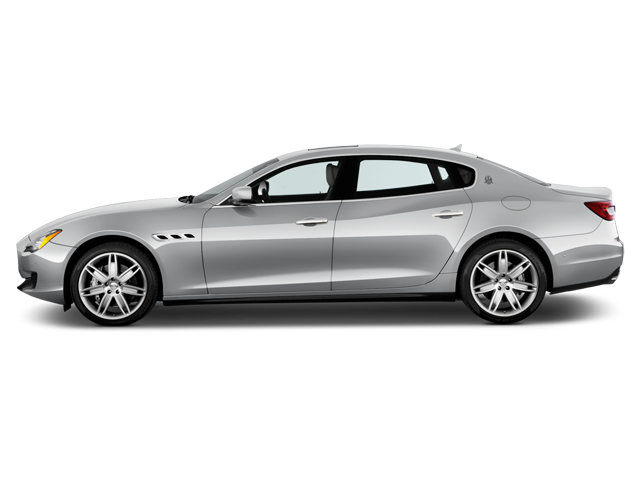
The 2024 Maserati Quattroporte Maserati Quattroporte Modena Ultima Q4 is a AWD Sedan. It can accommodate up to 5 passengers. It has 4 Doors and is powered by a V6, Twin Turbo, 3.0 Liter engine which outputs 424 @ 5750 RPM and is paired with Automatic, 8-Spd w/Manual Mode gearbox. In terms of ride assists, the 2024 Maserati Quattroporte Maserati Quattroporte Modena Ultima Q4 has stability control and traction control in addition to anti-lock brake system (ABS). The vehicle has an optional V6, Twin Turbo, 3.0 Liter engine as well It offers Yes and Yes. Safety features also include Yes and Yes. In terms of performance, the car has 463 N.m of torque and a top speed of 276 km/h. The 2024 Maserati Quattroporte Maserati Quattroporte Modena Ultima Q4 accelerates from zero to 60 mph in 5.5 seconds and hits quarter mile at 13.2 seconds. Fuel consumption is 17 L/100km in the city and 25 L/100km in the highway. The car price starts at $ 140,995
| Name | Maserati Quattroporte Modena Ultima Q4 | |
|---|---|---|
| Price | $ 140,995 | |
| Body | Sedan | |
| Doors | 4 Doors | |
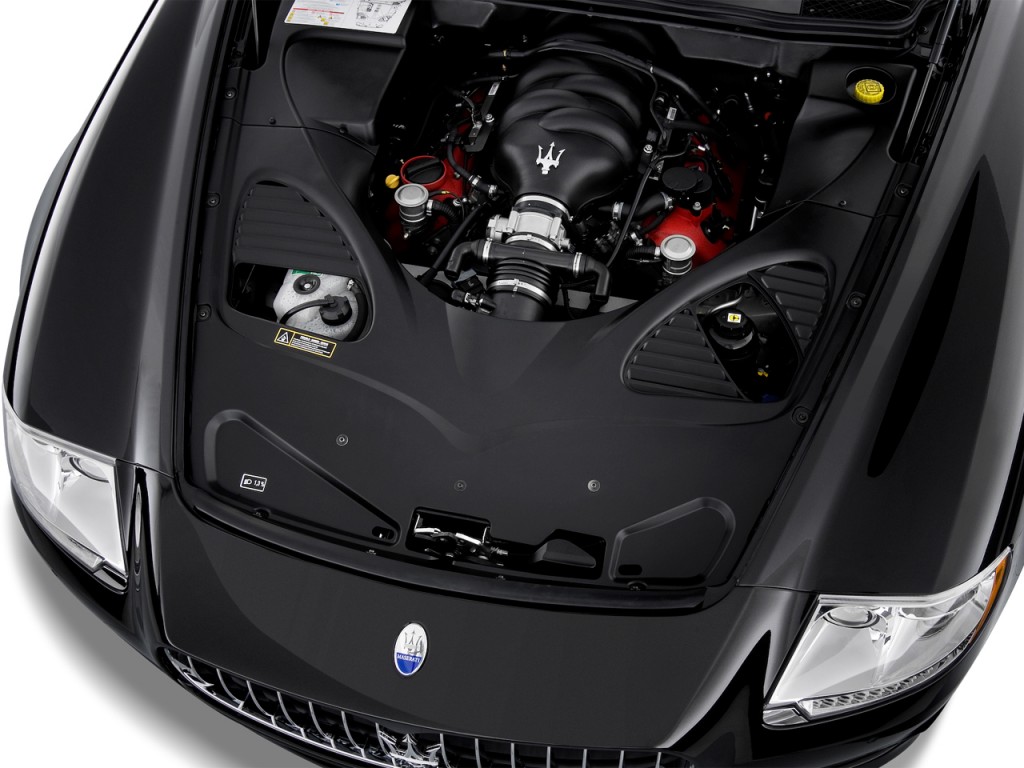
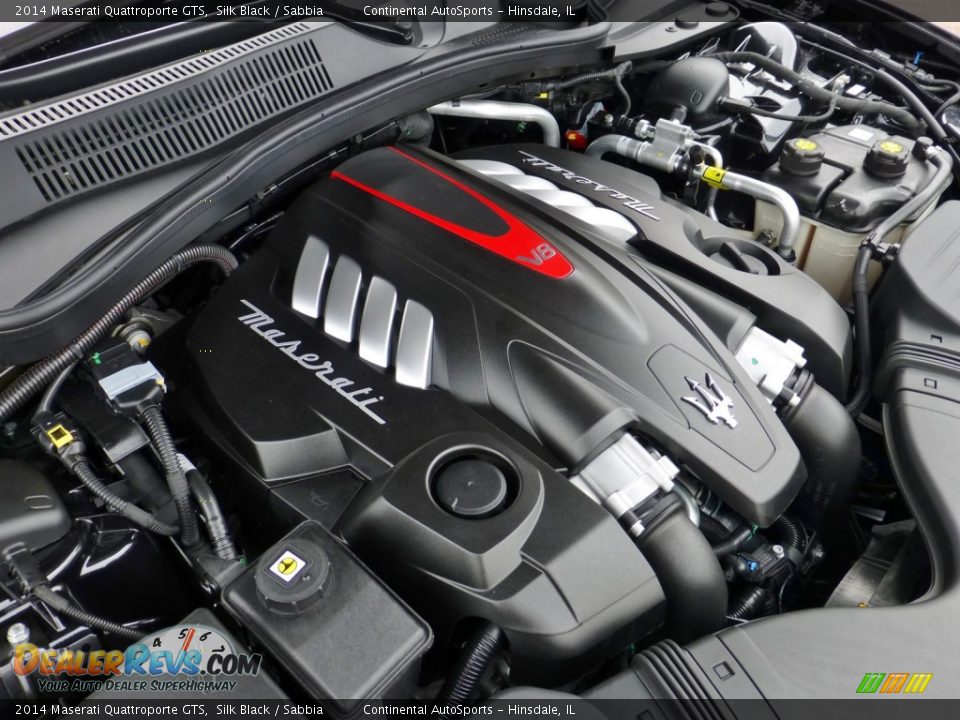
| Engine | V6, Twin Turbo, 3.0 Liter | |
| Power | 424 @ 5750 RPM | |
| Number of Seats | 5 Seats | |
| Transmission | Automatic, 8-Spd w/Manual Mode | |
| Cargo Space | 529.5 L | |
| Maximum Cargo Space | 529.5 L | |
| Wheel Type | Alloy Wheels | |
| Series | ||
| Drivetrain | AWD | |
| Horsepower | 424 HP | |
| Torque | 463 N.m | |
| Top Speed | 276 km/h | |
| Acceleration 0-100 km/h (0-60 mph) | 5.5 s | |
| Fuel Type | Gas | |
| Fuel Consumption (City) | 17.0 L/100km | |
| Fuel Consumption (Highway) | 25.0 L/100km | |
| Gear Type | auto | |
| Weight | 1,850 KG | |
| Brand | Maserati | |
| Model | Quattroporte | |
| 0-400m (Quarter Mile) | 13.2 s | |
| 0-400m (Quarter Mile) - Speed | 173.9 km/h | |
| 0-800m (Half Mile) | 21.9 s | |
| 0-800m (Half Mile) - Speed | 195.7 km/h | |
| Modifications (MODS) | ||
| Modifications Cost | $ 0 |
2024 Maserati Quattroporte Used Price Estimates
Estimates based on a driving average of 12,000 miles per year| Used Condition | Trade In Price | Private Party Price | Dealer Retail Price |
|---|

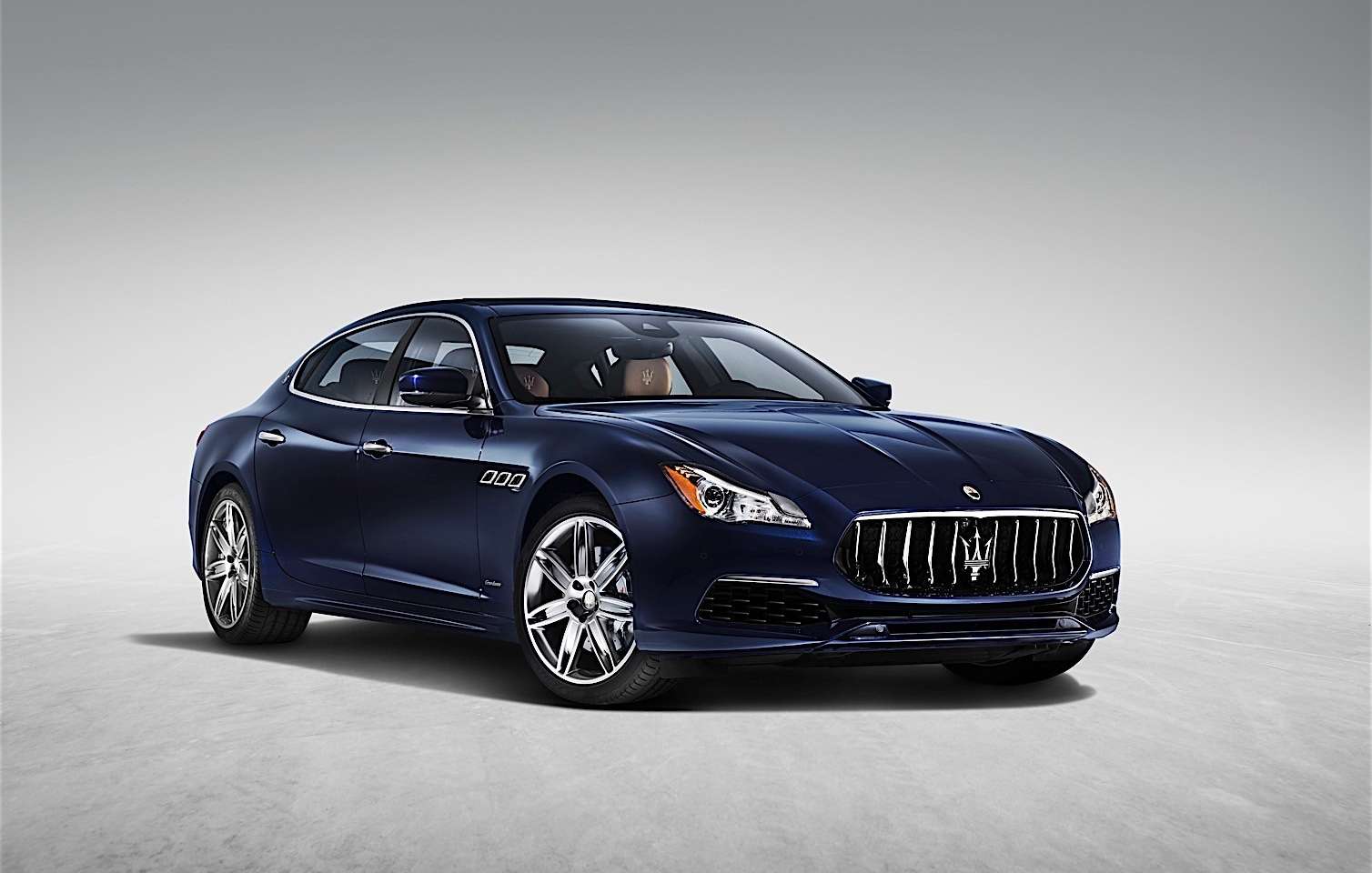
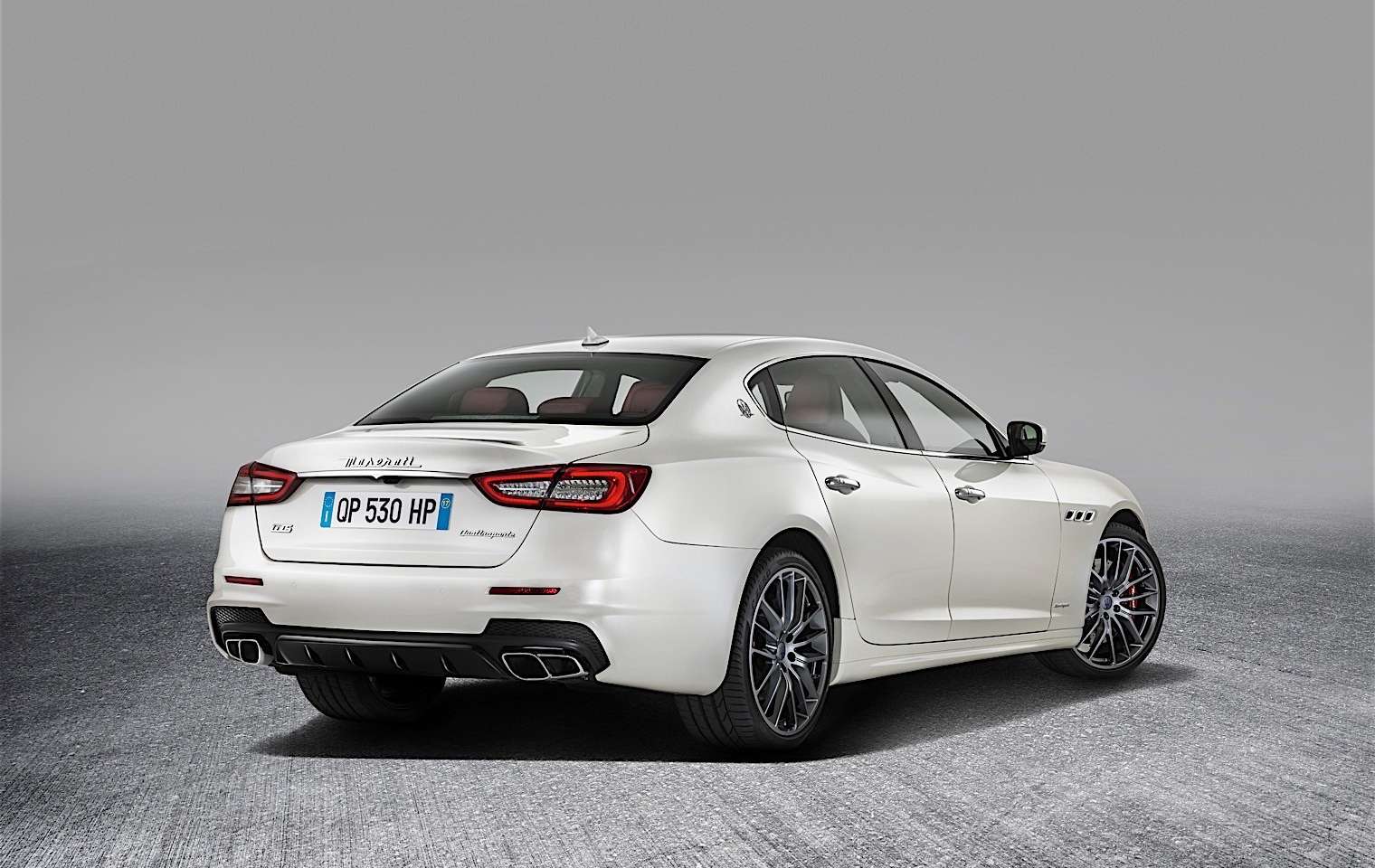
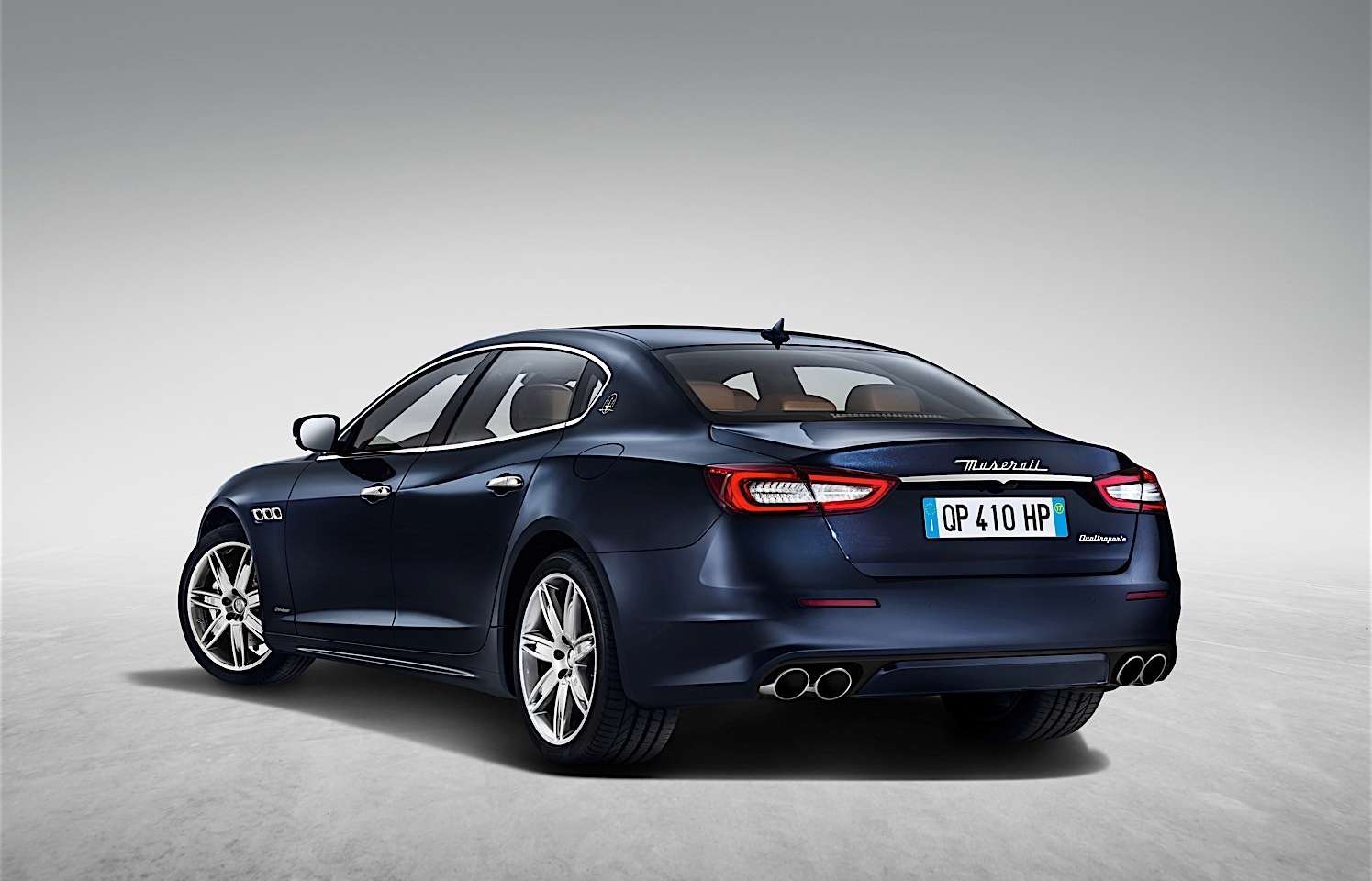

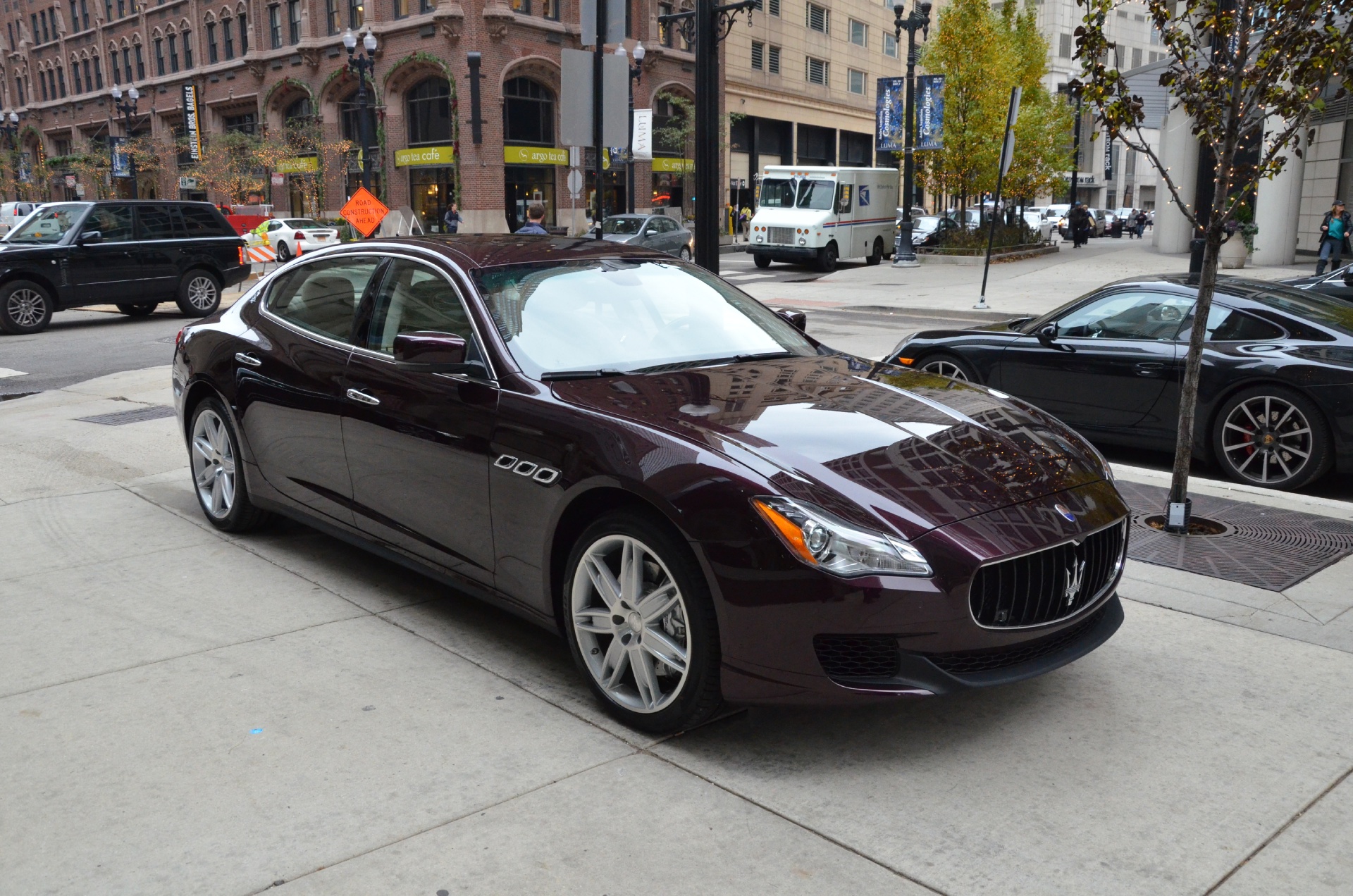

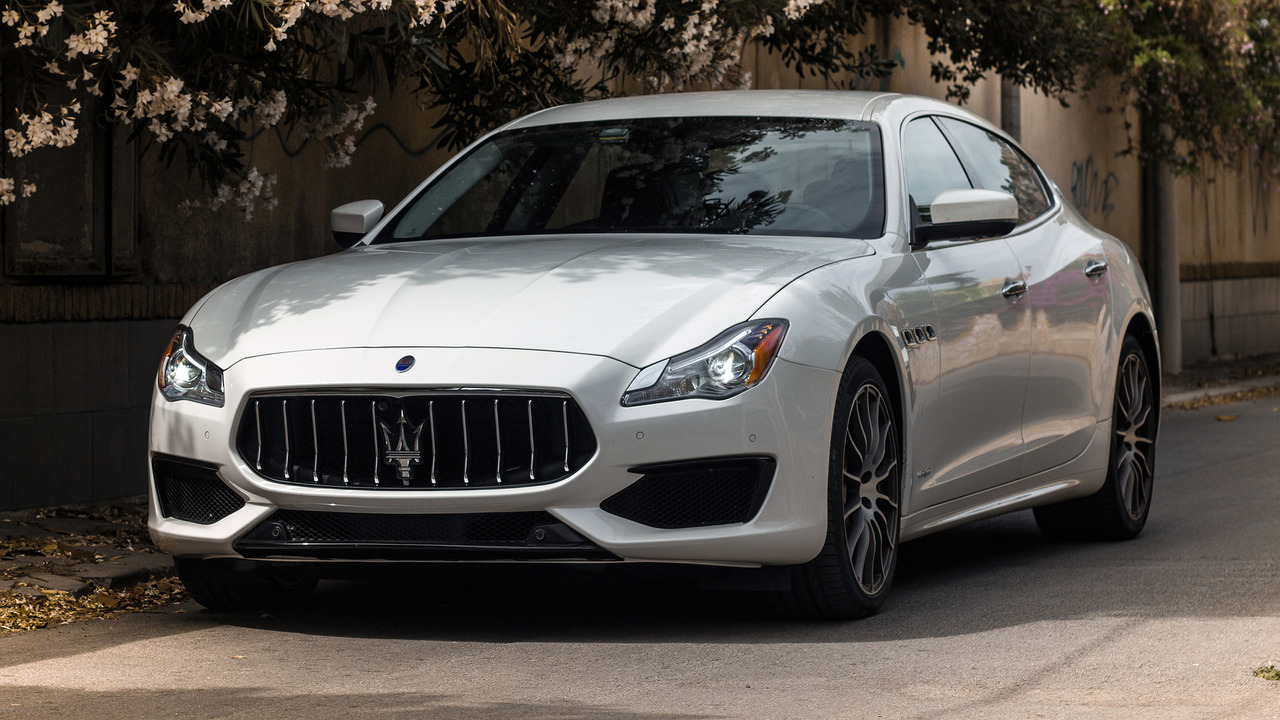
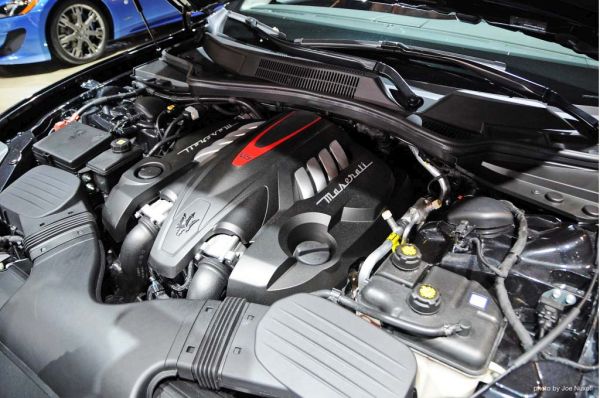
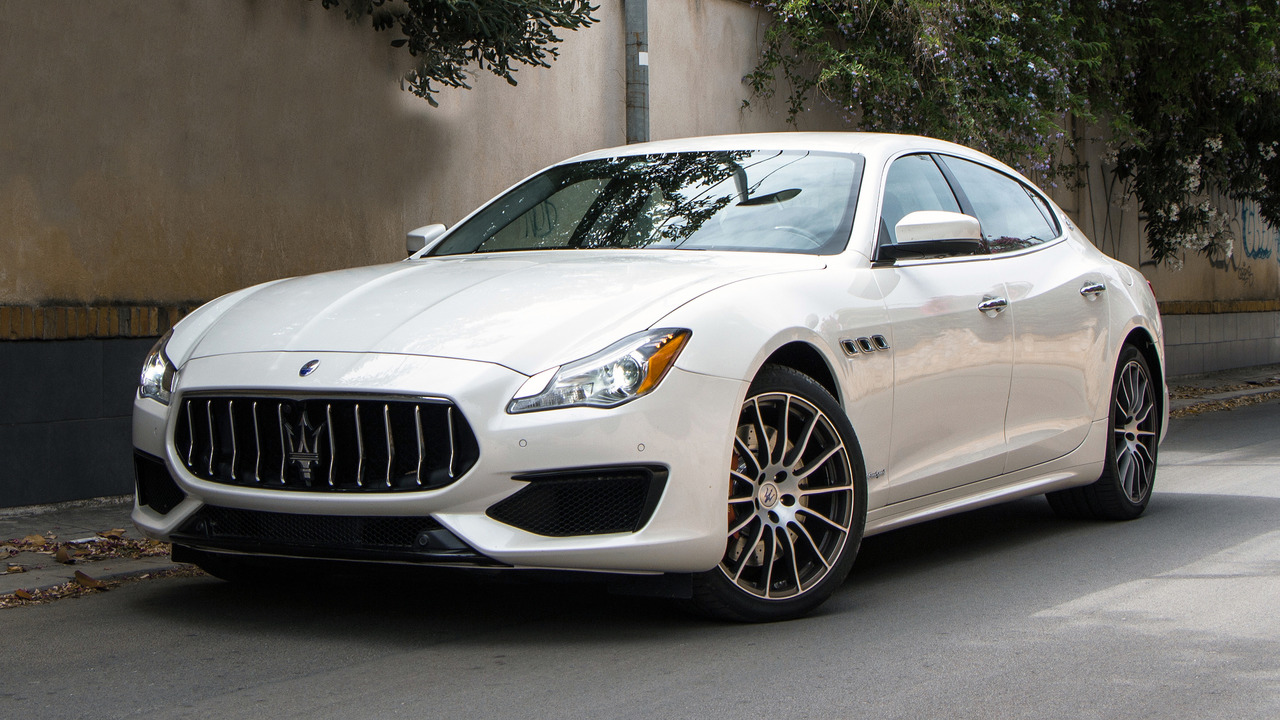
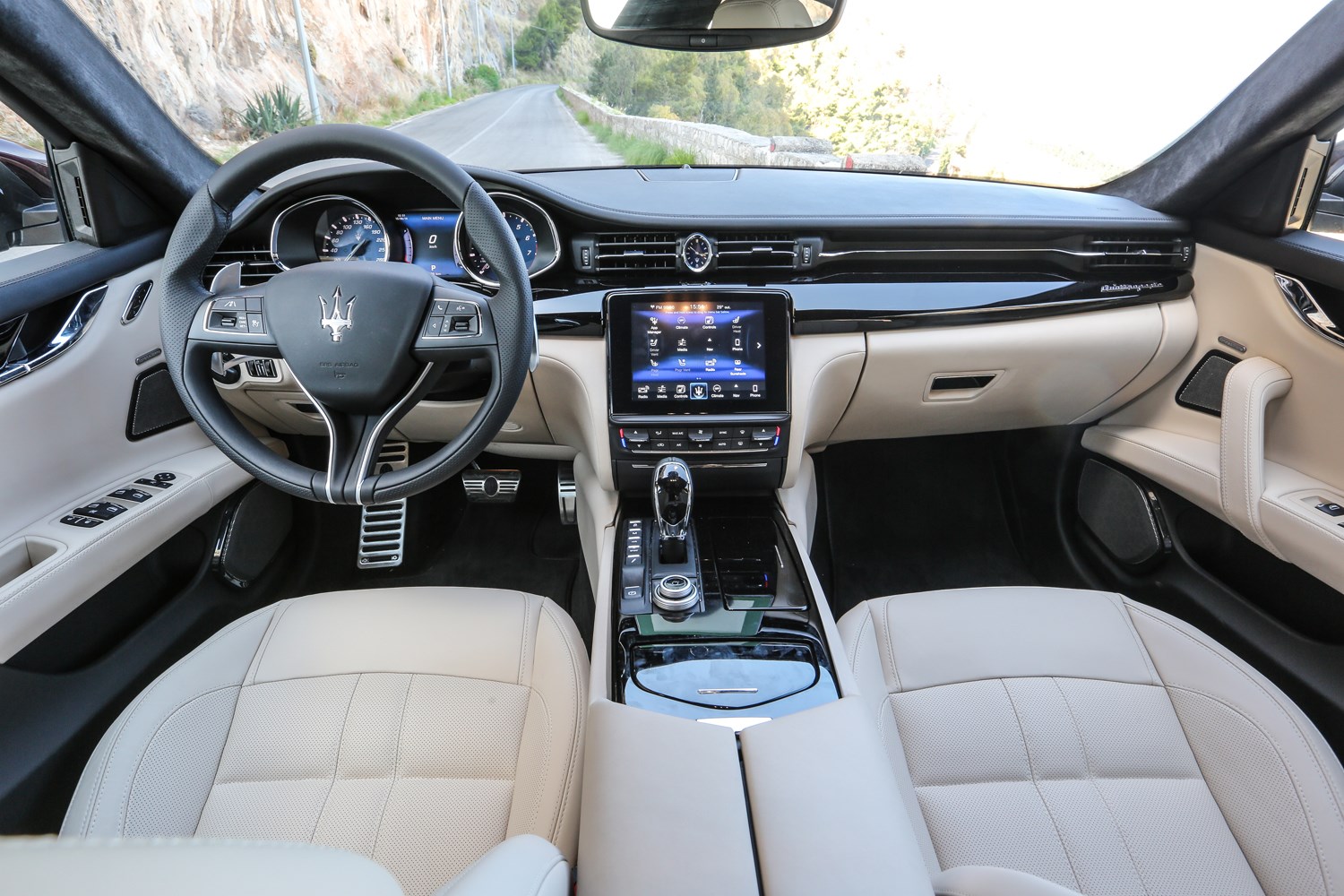
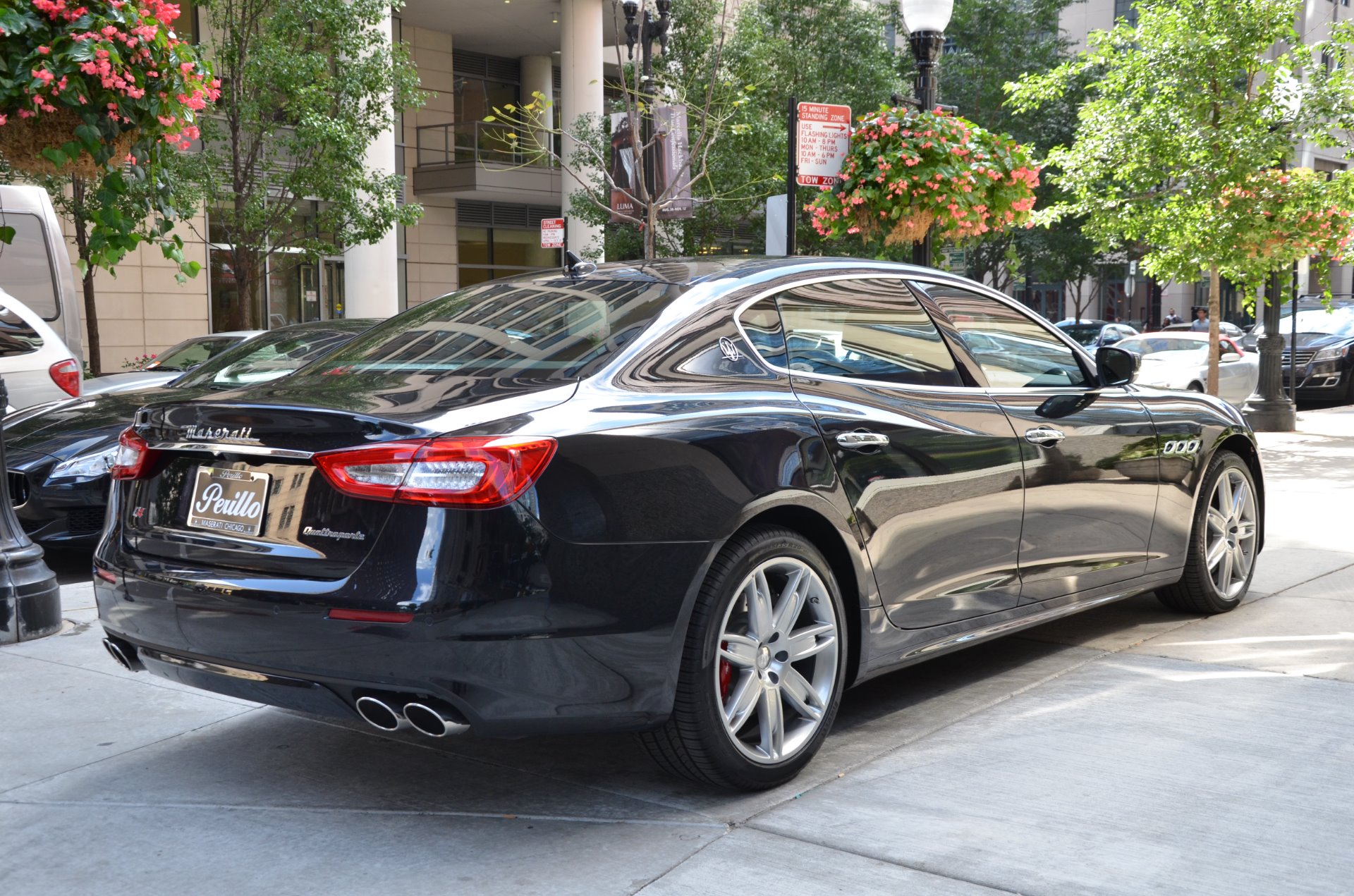
2024 Maserati Quattroporte Maserati Quattroporte Modena Ultima Q4 Exterior Colors
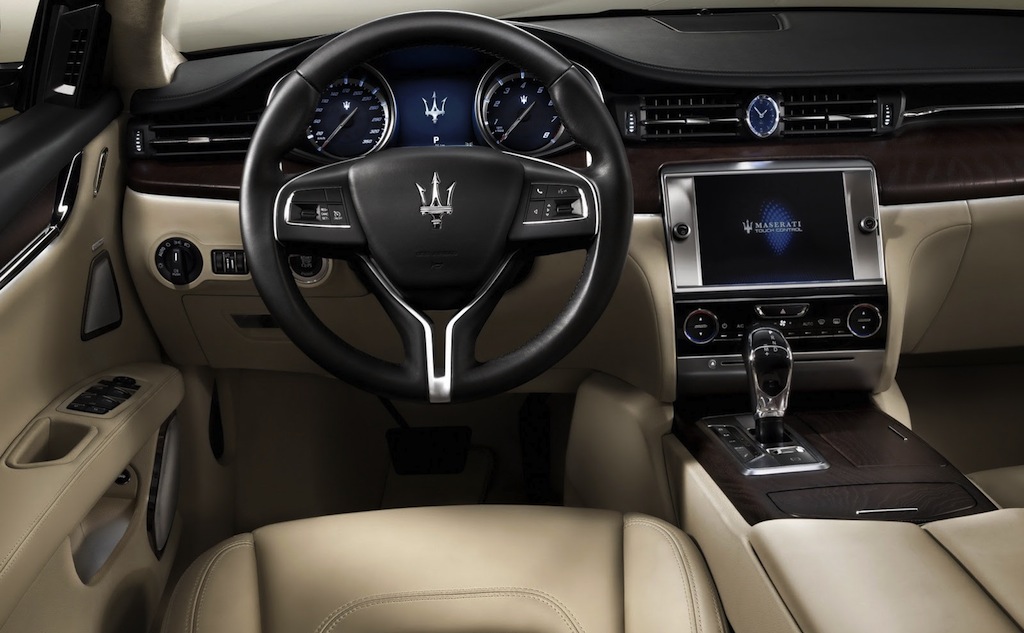
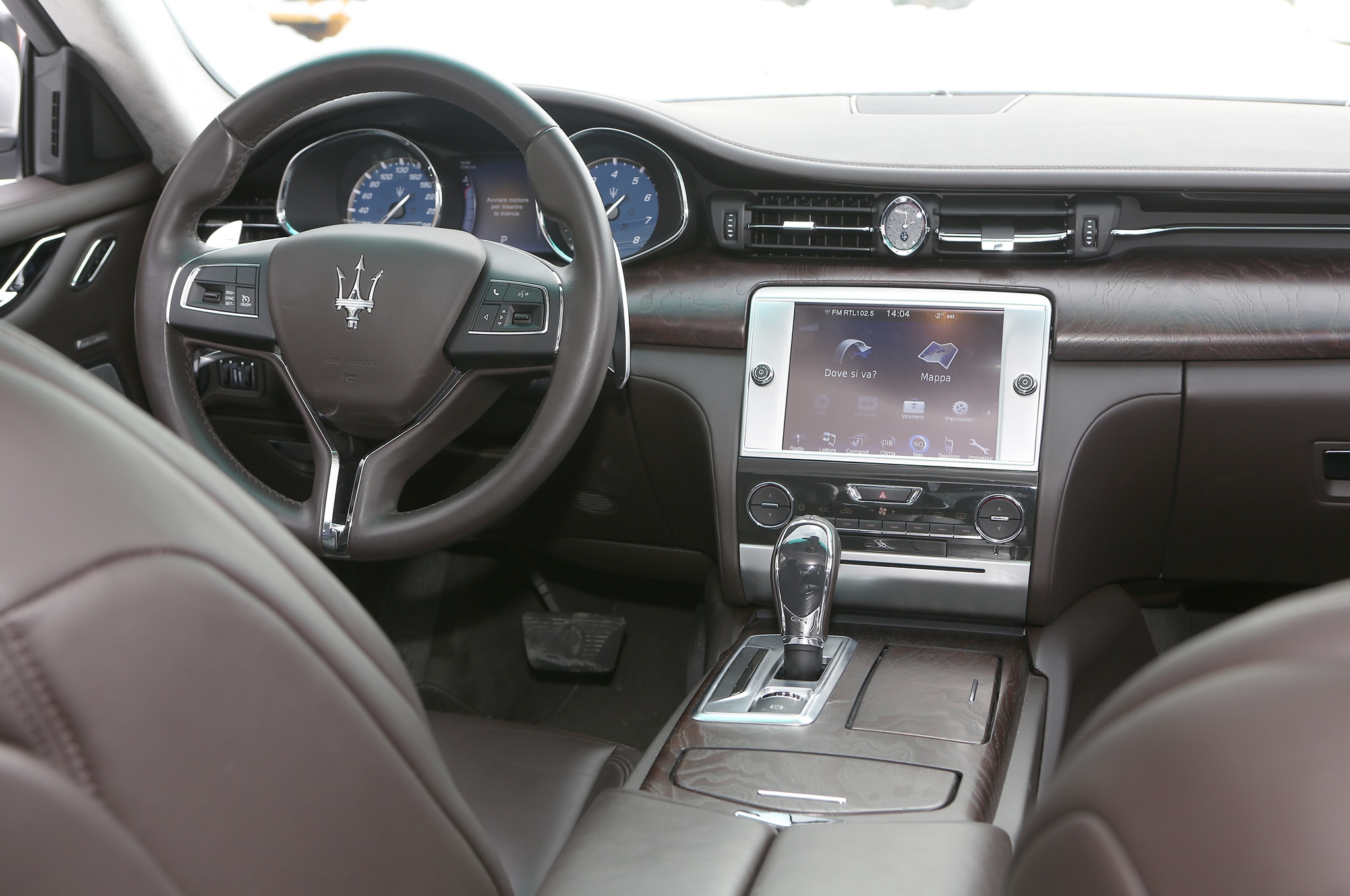
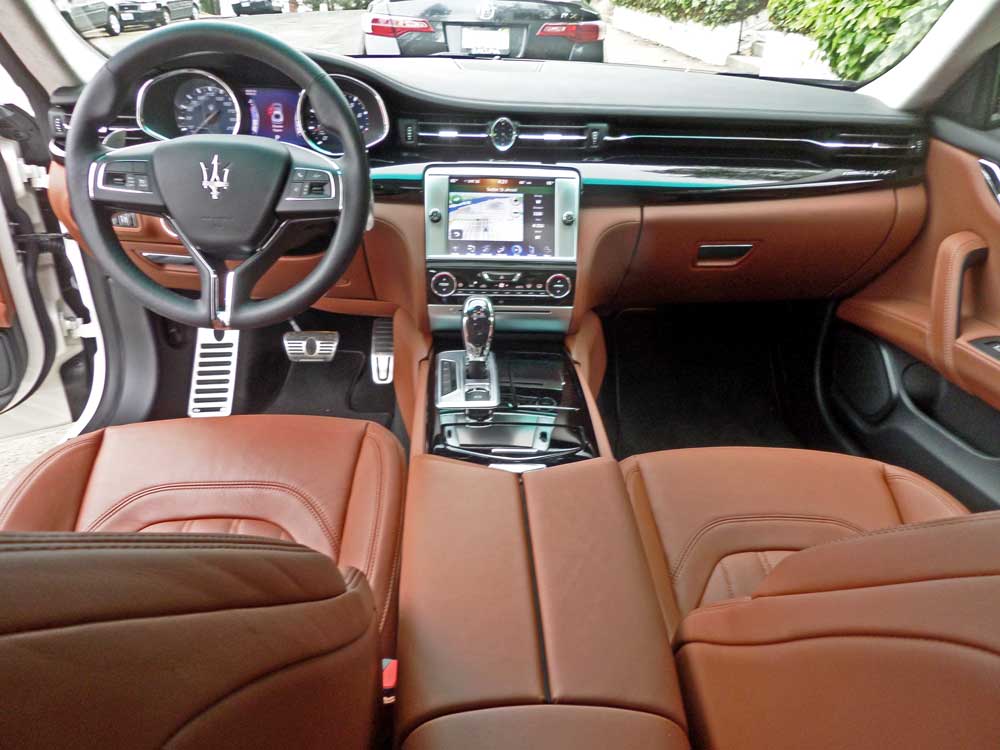
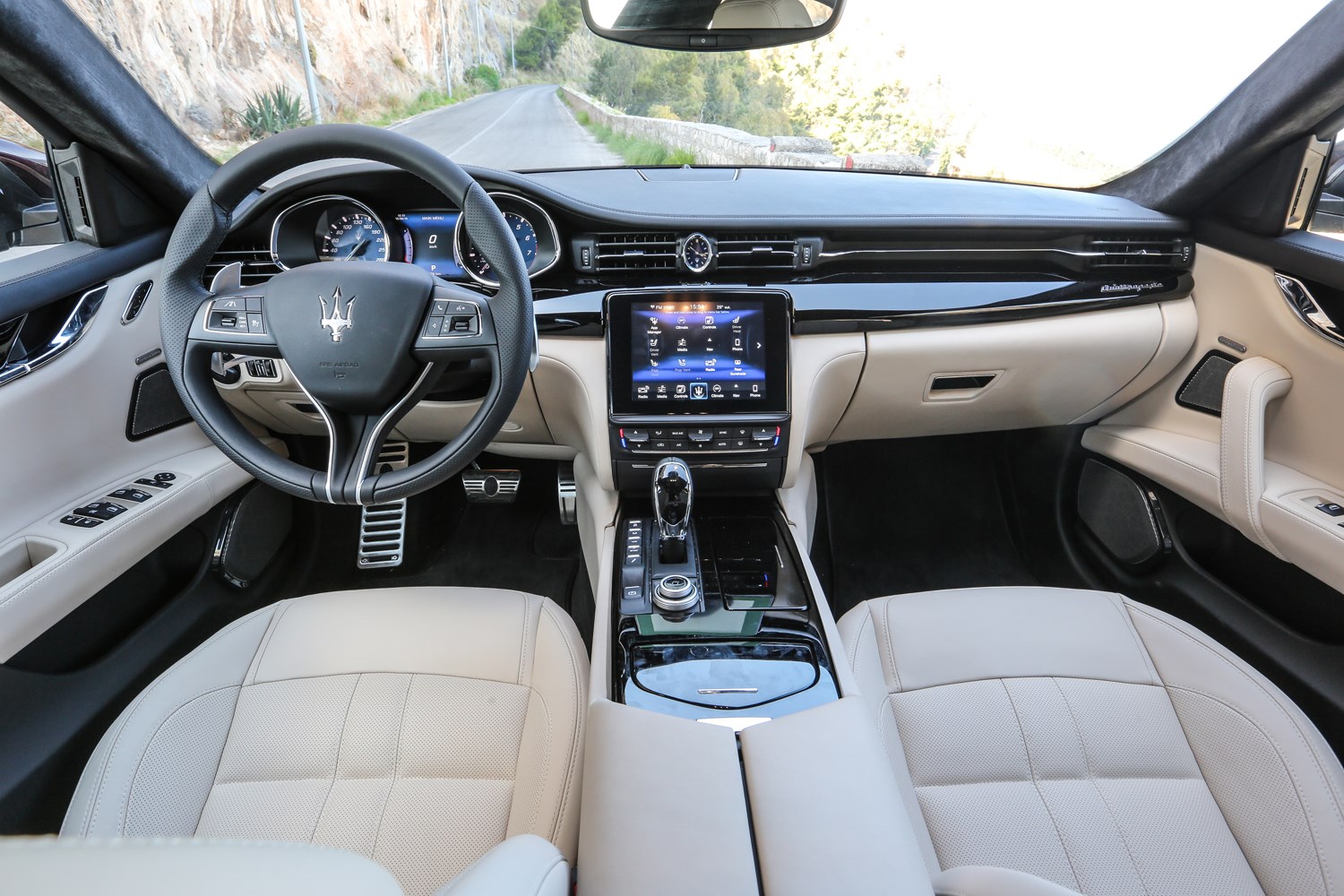
2024 Maserati Quattroporte Maserati Quattroporte Modena Ultima Q4 Interior Colors
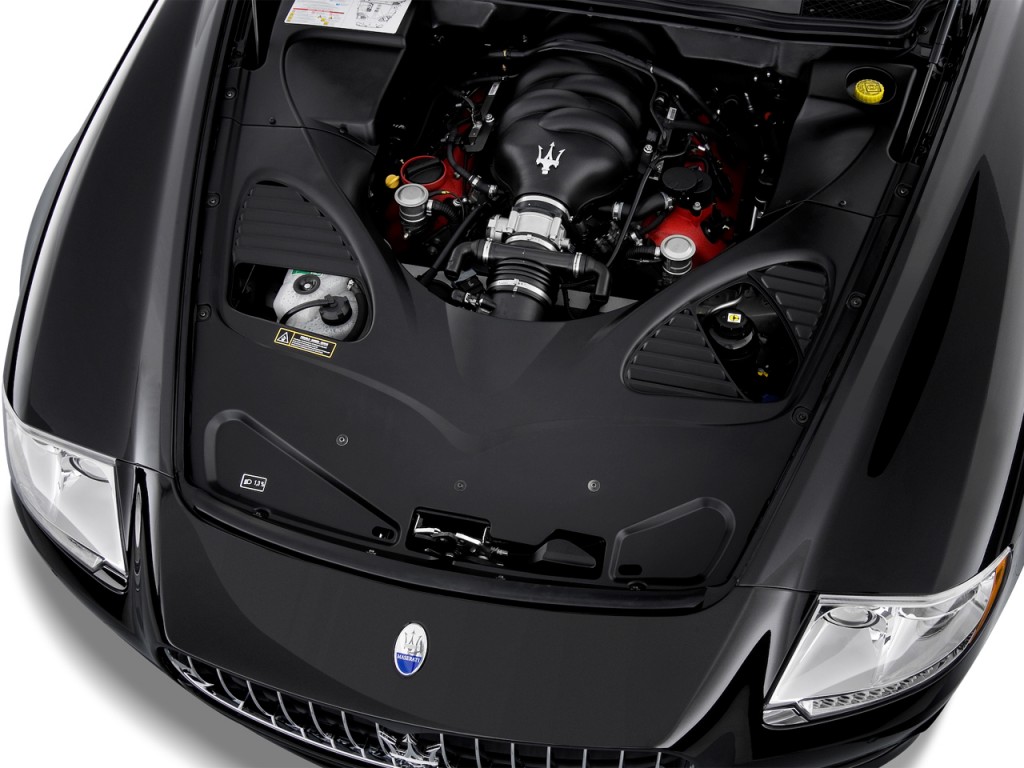
2024 Maserati Quattroporte Engines
| Engine | Standard in Trim | Power | Torque | Fuel Consumption - City | Fuel Consumption - Highway | 0-100 km/h | Quarter Mile | Half Mile |
|---|---|---|---|---|---|---|---|---|
| V6, Twin Turbo, 3.0 Liter | Maserati Quattroporte Modena Ultima Q4 | 424 @ 5750 RPM | 463 N.m | 17.0 L/100km | 25.0 L/100km | 5.5 s | 13.2 s | 21.9 s |
2024 Maserati Quattroporte Trims
2024 Maserati Quattroporte Previous Generations


2024 Maserati Quattroporte Future Generations
Maserati Quattroporte Overview and History
On December 1, 1914, Maserati was established in the town of Bologna, Italy and shortly after it began building different racing cars. 3 of the Maserati brothers built racing cars for Diatto but when in 1926 production was suspended, they decided to make on their own models. Apparently, they knew a thing or two about how to put a car together for a race because one of their first creations won the Targa Florio race that same year.
Maserati cars quickly became more powerful, upgrading their engines from 4 cylinders to 6, then 8 and eventually 16 (two 8 cylinders engines mounted in parallel). The trident logo is believed to have been created by Mario, regarded as the artist in the family.
When Alfieri Maserati died 1932, the other brothers kept the company going and continued to build cars and race them. Five years later, in 1937, they sold their shares of the company to the Adolfo Orsi family but kept thier jobs in the company. One of the more important changes that occurred under Orsi management was the relocation of the company in Modena, Italy, where it still can be found to this day.
By now, Maserati cars were showing their mettle on the racing circuit, holding up to the likes of Mercedes, culminating with a win in 1939 of the Indianapolis 500 and again the next year. Their efforts were interrupted by the war, during which time the most notable endeavor was a plan to build V16 town car for Benito Mussolini faster than Porsche could build one for Hitler.
After the war, production resumed with the A6 series which was again destined for the racing circuit. The next step was to assemble a team that would build cars to rival Ferrari and Alfa Romeo on the circuit. In order to achieve this, new engines and chassis were required. It would be this team that will eventually come up with one of the most successful cars: the Maserati A6GCM.
With Juan-Miguel Fangio and other drivers at the wheel, Maserati managed to win the world championship in 1957 in the Maserati 250F. After that year, the company retired from racing after the Guidizzolo accident, but it still continued to build cars for racing customers. Instead, they turned their attention toward street cars.
The first model from this new range was the Maserati 3500 coupe which had an aluminum body and used the same chassis as the Maserati 5000. during the 60s, a few new models came out: the Vignale in 1962, the Mistral Coupe in 1963, the Spider in 1964 and the Ghibli coupe in 1967.
Come 1968, the company was going to change hands yet again, this time it was going to be the French over at Citroen who upped the number of cars that were coming out of production. Overall, it was a good trade, because Citroen took from Maserati its engine technology and Maserati took hydraulics over from them. Models from the 70s include the Bora (1971), Merak and Khamsin.
When the fuel crisis hit in the 70s, Maserati and Citroen suffered a decrease in demand and Citroen went bankrupt. Maserati was taken over by the newly formed PSA Peugeot Citroen group which declared the Italian company in liquidation. Only with help from the government did the company manage to survive.
In 1975 the company was brought back to life by former racing driver Alessandro de Tomaso which also controlled the Benelli motorcycle group. During his time as head of the company models became bulkier and moved from mid-placed engines, to front-mounted and rear-driven.
Not until 1993 and the taking over by Fiat would Maserati truly get back its glory. Fiat bought the company in 1993 and make large investments. They launched in 1999 the 3200 GT, a two-door coupe powered by a 3.2 L twin-turbocharged engine. The transmission was designed and produced by Ferrari which had since bought 50% of the company (despite the fact that Ferrari itself was controlled by Fiat). Ferrari decided to change Maserati into a luxury brand.
In 2005, Fiat bought back Maserati from Ferrari, after the maker from Modena made huge investments in a whole new plant which is one of the most technologically advanced in the world thanks to its high tech devices. Under Fiat, Maserati declared its first profitable quarter for 17 years in 2007.
2024 Maserati Quattroporte Consumer Reviews
2024 Maserati Quattroporte Maserati Quattroporte Modena Ultima Q4 Specifications
Critics Reviews
In production since 2004, the 2013 Maserati Quattroporte is an aging product due to be replaced by a new, updated model.
The 2013 Maserati Quattroporte performs with some of the verve of a sports car, and aims to make new converts from those who drive stodgy luxury cars. Find out why the 2013 Maserati Quattroporte ...
Discussion and Comments
Share Your Comments