2013 Lotus Evora S 0-60 Times, Top Speed, Specs, Quarter Mile, and Wallpapers

The 2013 Lotus Evora S is a Rear-wheel drive Coupe. It can accommodate up to 2 passengers. It has 2 Doors and is powered by a 3.5L V6 DOHC 24-valve - Supercharge engine which outputs 345 hp @ 7000 rpm and is paired with 6-speed manual transmission gearbox. The 2013 Lotus Evora S has cargo capacity of Liters and the vehicle weighs 1436 kg. In terms of ride assists, the 2013 Lotus Evora S has stability control and traction control in addition to anti-lock brake system (ABS). The vehicle has an optional engine as well It offers and. Safety features also include Driver-side front airbag and Passenger-side front airbag. The front suspension is Independent front suspension while the rear suspension is Independent rear suspension. The car also features a Yes It has 18'' front and 19'' rear alloy wheels as standard. Electronic features include Cruise Control. For convenience, the car has Power windows and Power door locks. There is also a remote keyless entry feature. Moreover, the car has. The steering wheel has audio control buttons. In terms of performance, the car has 377 N.m of torque and a top speed of 258 km/h. The 2013 Lotus Evora S accelerates from zero to 60 mph in 5.1 seconds and hits quarter mile at 13 seconds. Fuel consumption is 14.2 L/100km in the city and 7.5 L/100km in the highway. The car price starts at $ 89,200
| Name | S | |
|---|---|---|
| Price | $ 89,200 | |
| Body | Coupe | |
| Doors | 2 Doors | |
| Engine | 3.5L V6 DOHC 24-valve - Supercharge | |
| Power | 345 hp @ 7000 rpm | |
| Number of Seats | 2 Seats | |
| Transmission | 6-speed manual transmission | |
| Cargo Space | L | |
| Maximum Cargo Space | L | |
| Wheel Type | 18'' front and 19'' rear alloy wheels | |
| Series | Evora S | |
| Drivetrain | Rear-wheel drive | |
| Horsepower | 345 HP | |
| Torque | 377 N.m | |
| Top Speed | 258 km/h | |
| Acceleration 0-100 km/h (0-60 mph) | 5.1 s | |
| Fuel Type | Petrol (Gasoline) | |
| Fuel Consumption (City) | 14.2 L/100km | |
| Fuel Consumption (Highway) | 7.5 L/100km | |
| Gear Type | auto | |
| Weight | 1,442 KG | |
| Brand | Lotus | |
| Model | Evora | |
| 0-400m (Quarter Mile) | 13.0 s | |
| 0-400m (Quarter Mile) - Speed | 176.5 km/h | |
| 0-800m (Half Mile) | 21.6 s | |
| 0-800m (Half Mile) - Speed | 198.6 km/h | |
| Modifications (MODS) | ||
| Modifications Cost | $ 0 |
2013 Lotus Evora S Acceleration
Lotus Evora S Sports Racer vs 2013 BMW M5 F10 drag race (DriveClub)
2013 Lotus Evora Used Price Estimates
Estimates based on a driving average of 12,000 miles per year| Used Condition | Trade In Price | Private Party Price | Dealer Retail Price |
|---|
The 2013 Lotus Evora offers super-sharp handling, but its nearly useless rear seats and ergonomic issues greatly reduce the car's overall appeal.
In the recent past, Lotus' cars, the Elise and Exige, were primarily known for providing plenty of entertainment for their drivers but also not much in the way of practicality. The 2013 Lotus Evora also puts driving thrills first, though it is more civilized. By Lotus standards, anyway.

The Evora is bigger than those older Lotus models, but it is by no means large. The seats in the rear of the Lotus Evora barely classify as seats and the car certainly won't hold four full-size adults. Given the premium price for such a small car, Lotus buyers will be quickly asking what additional features are available. The Evora does not disappoint, though, with its well-appointed interior and high-class materials.
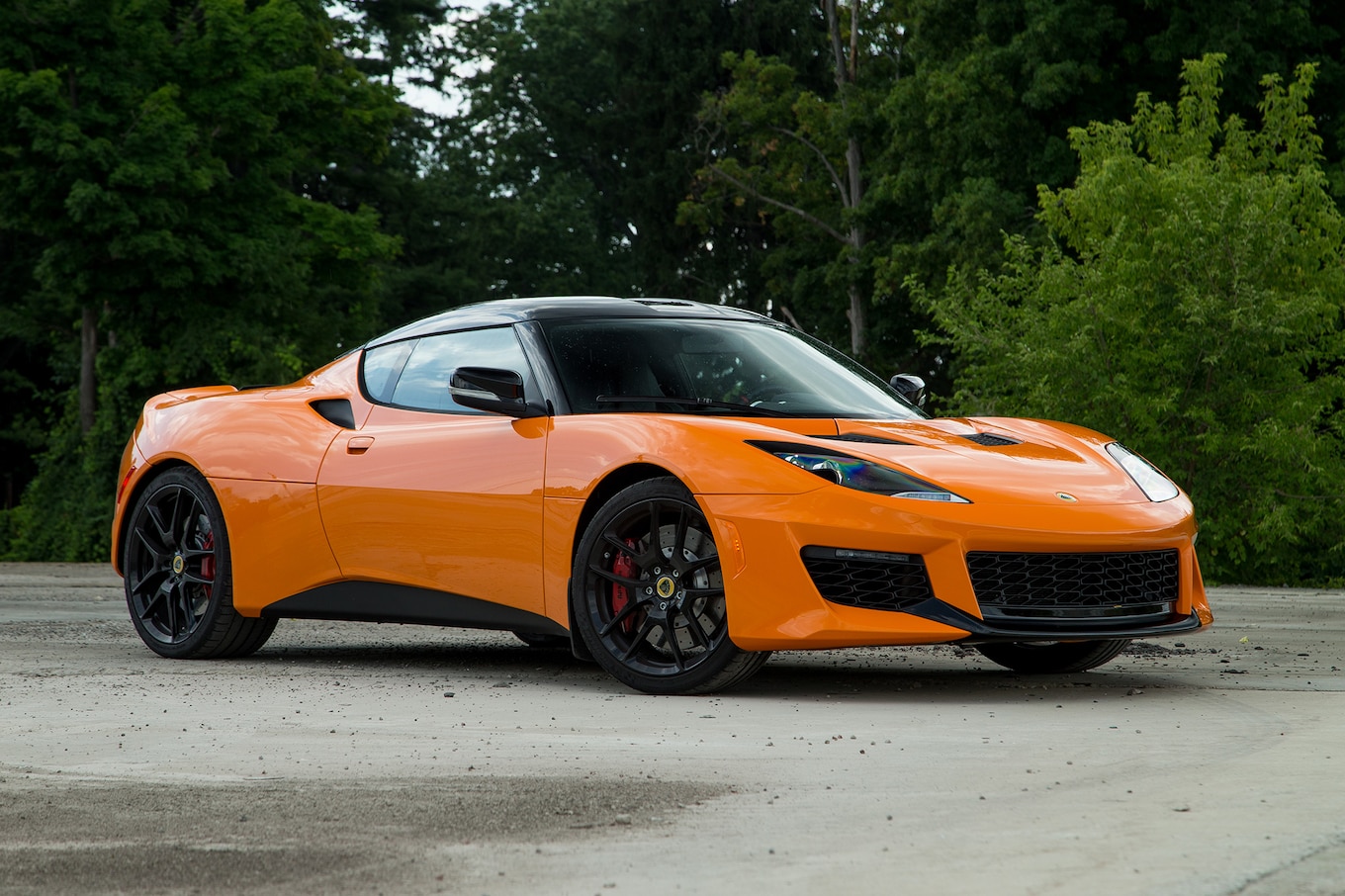
As expected given Lotus' reputation, the Evora is still a lightweight car at around 3,100 pounds. As such, even the base Lotus Evora's 276-horsepower V6 provides quick acceleration, while the S model has a supercharged version of that V6 giving it another 75 hp.
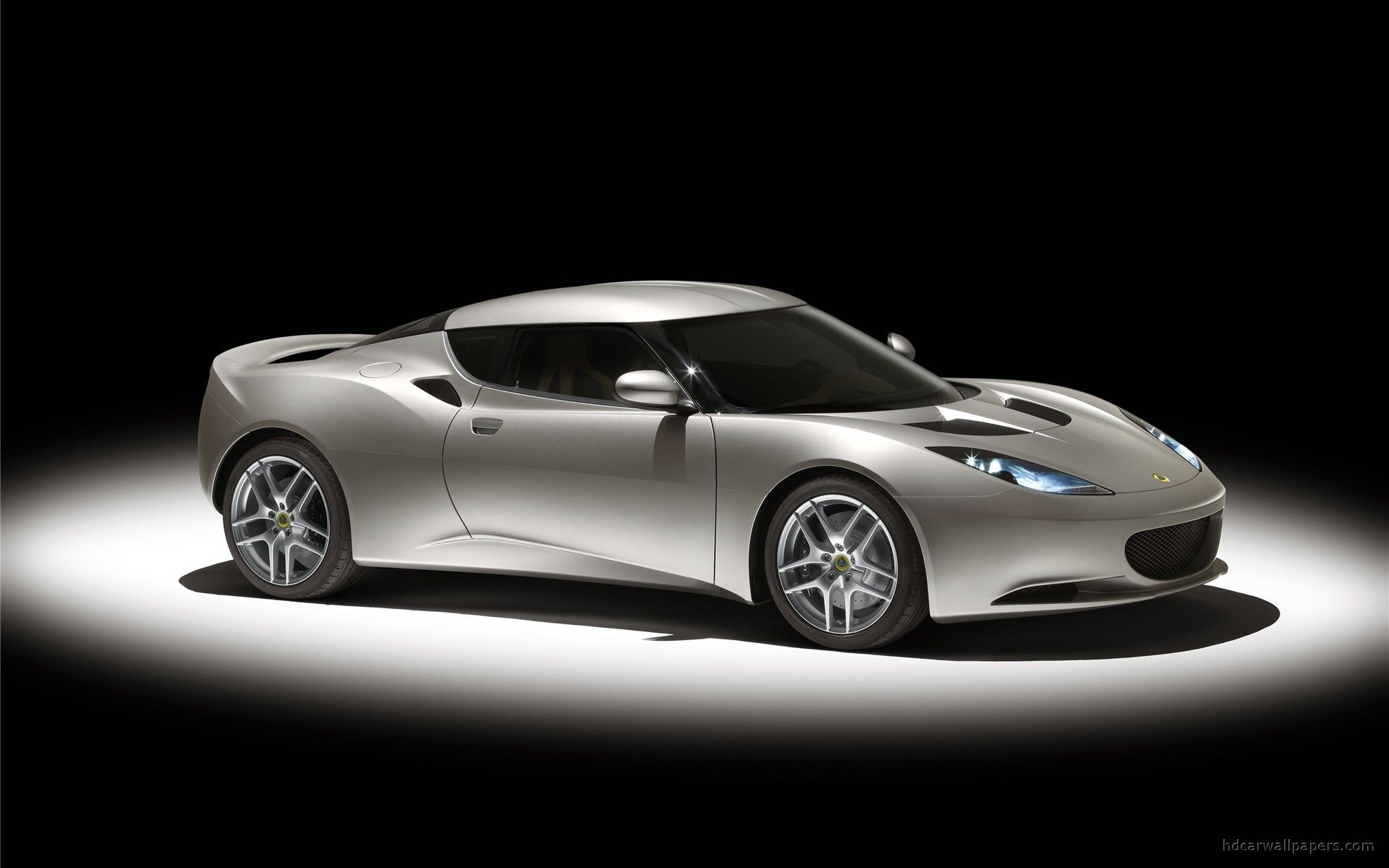
Taking the rear seats out of the equation (as they are essentially a glorified shelf), the Evora suddenly sees few very real competitors, the biggest being the Porsche Cayman. The Cayman also offers excellent handling while also being more refined than the Lotus. For a larger car with its engine in the front, the BMW M3 is a very attractive option given its superior practicality. But if sharp driving dynamics and rarity are top priorities for you, the 2013 Lotus Evora should work out well.
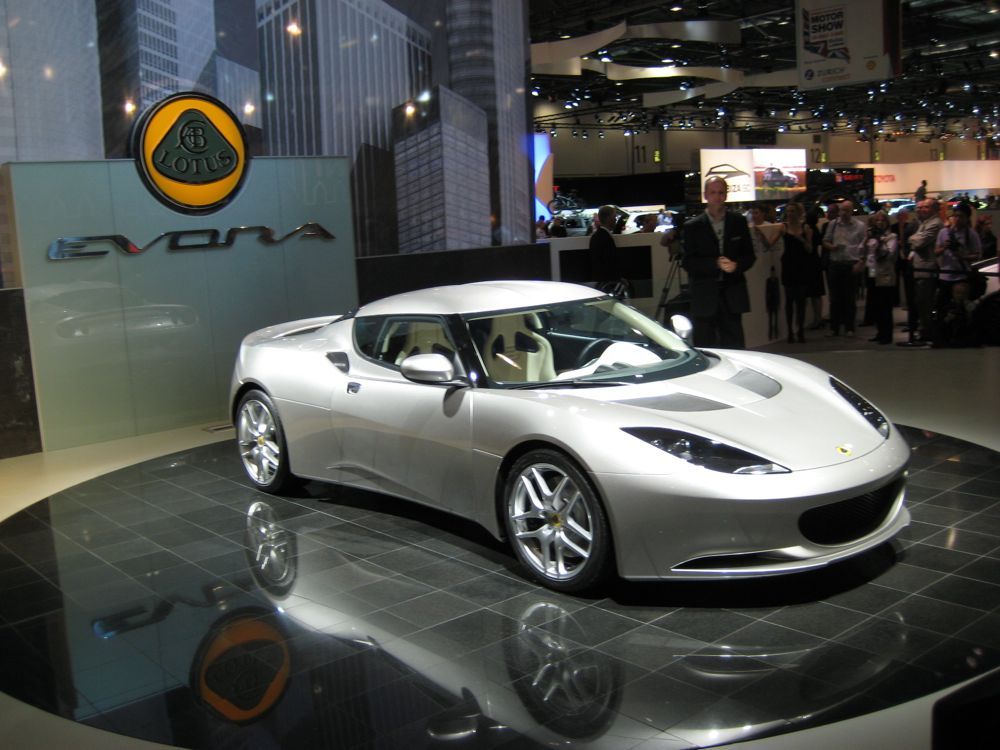
The 2013 Lotus Evora is a 2+2 sport coupe that is offered in base and Evora S trim levels.
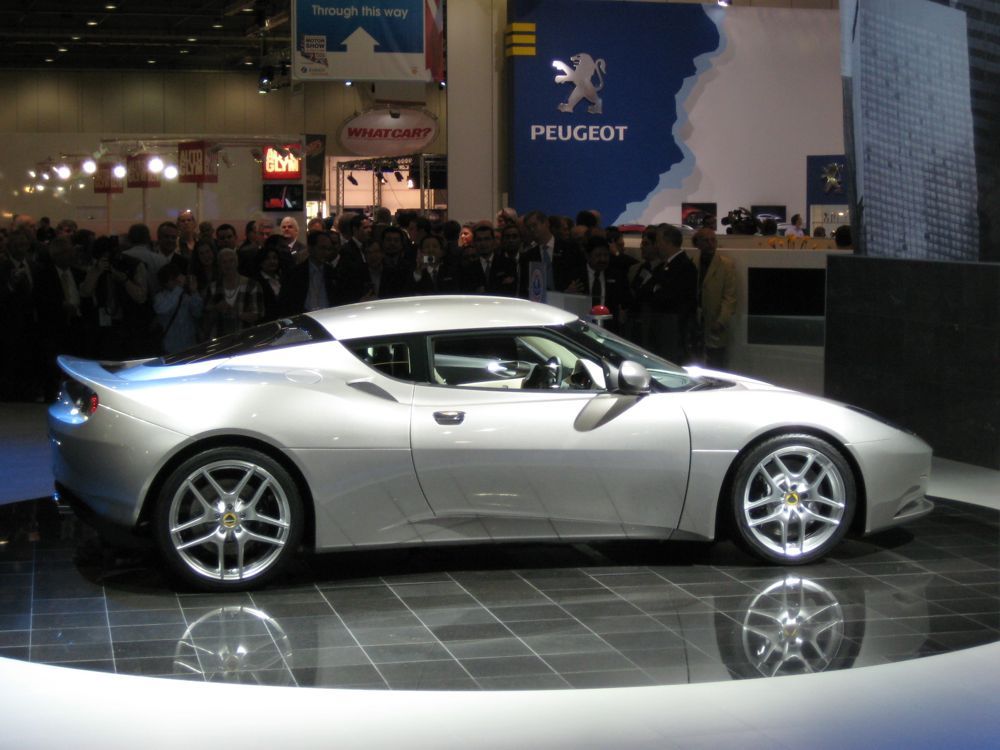
Standard equipment includes 19-inch wheels, bi-xenon headlights, heated exterior mirrors, air-conditioning, leather-upholstered front seats, cloth-upholstered rear seats, a tilt-and-telescoping steering wheel, power windows, a leather-wrapped gearshift knob and hand brake, a trip computer and a CD player with iPod integration and auxiliary audio jack.
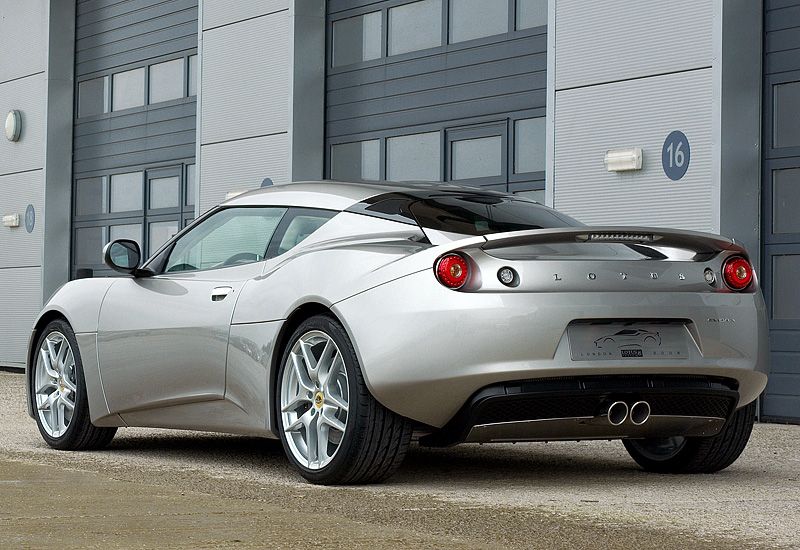
There are three main option groups available. The Premium package adds accent lighting, heated front seats, a center armrest, premium floor mats and leather trim throughout the cabin. The Sport package features selectable sport modes, enhanced throttle response, a higher rpm limit, a rear underbody diffuser, titanium exhaust tips and cross-drilled brake rotors with black-painted calipers. The Technology package includes cruise control, rear parking sensors, Bluetooth and an upgraded sound system with a 7-inch touchscreen display, navigation and a USB port. A SuedeTex option adds faux suede interior trim elements.
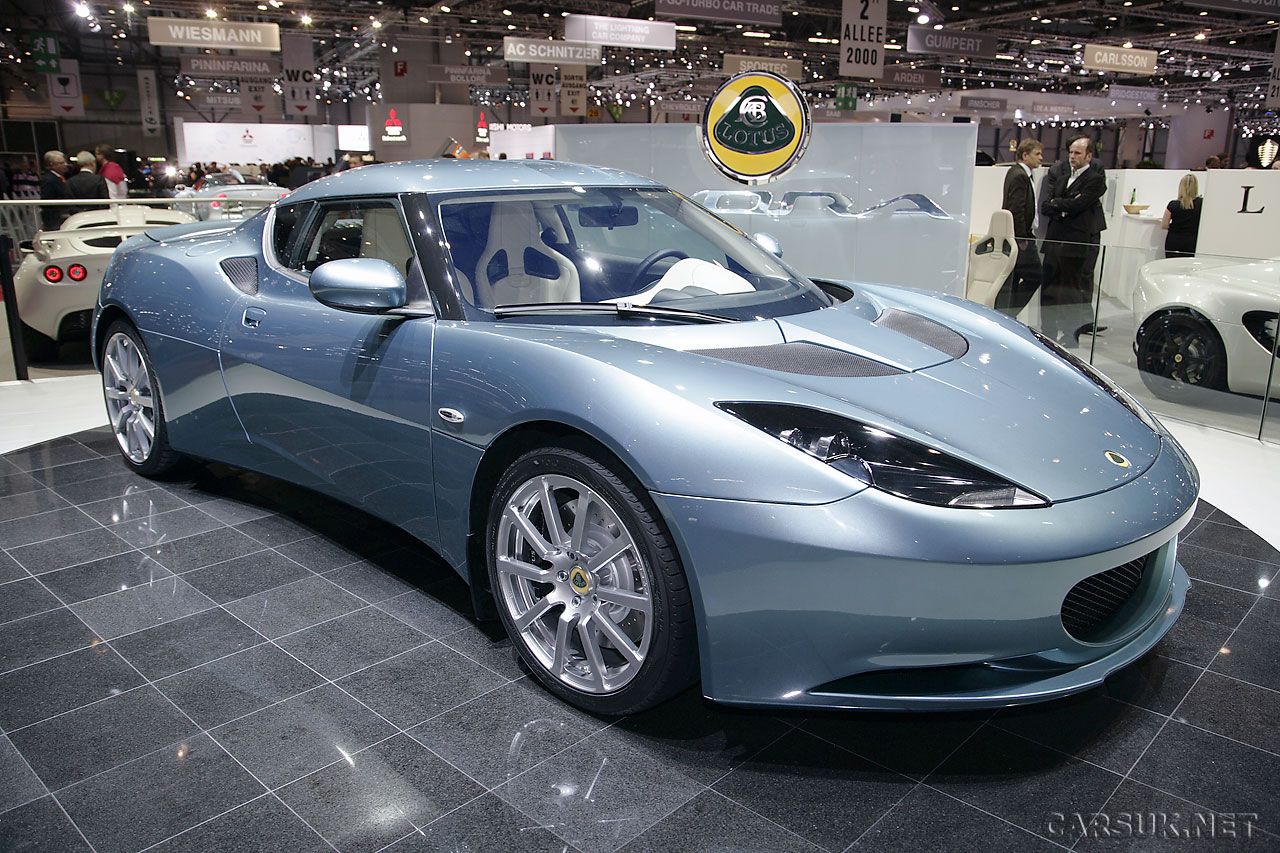
Stand-alone options include a sports ratio gearbox, a rearview camera, power-folding mirrors, various wheel options, clear paint protection film and a premium audio system. Buyers can also opt to delete the rear seats in favor of a rear parcel area.
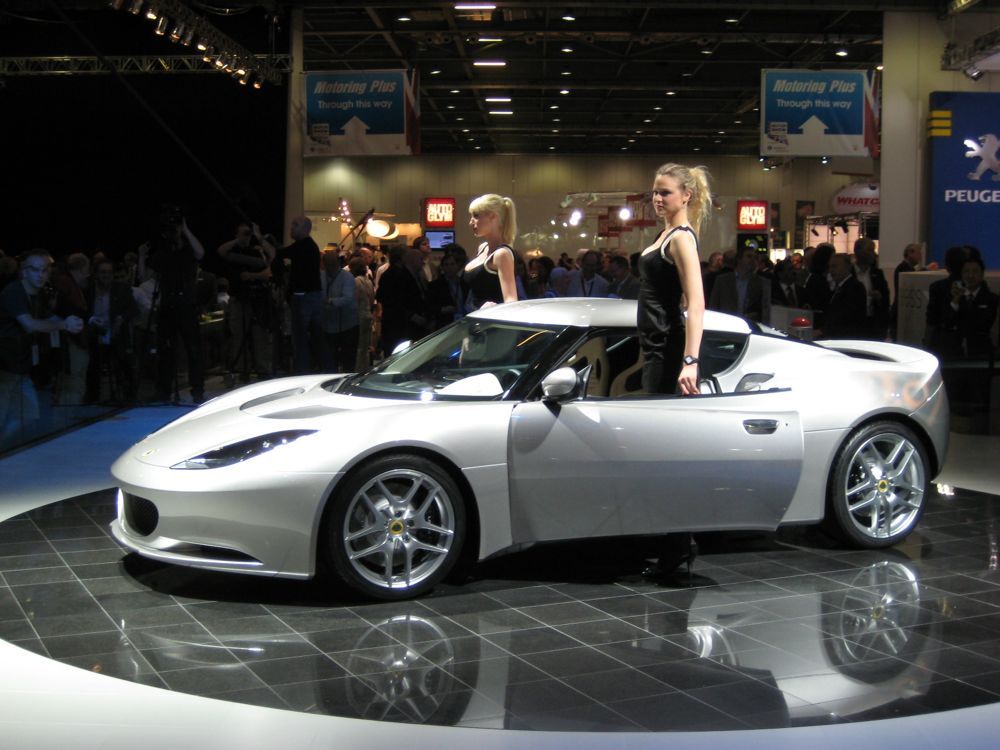
The Evora S receives more power thanks to its supercharged engine, and the powertrain also features an exhaust bypass valve that opens in Sport mode, a heavy-duty clutch and a close-ratio transmission. Also included are all the items from the Sport package along with a sportier suspension tune and a more aggressive rear aero diffuser.
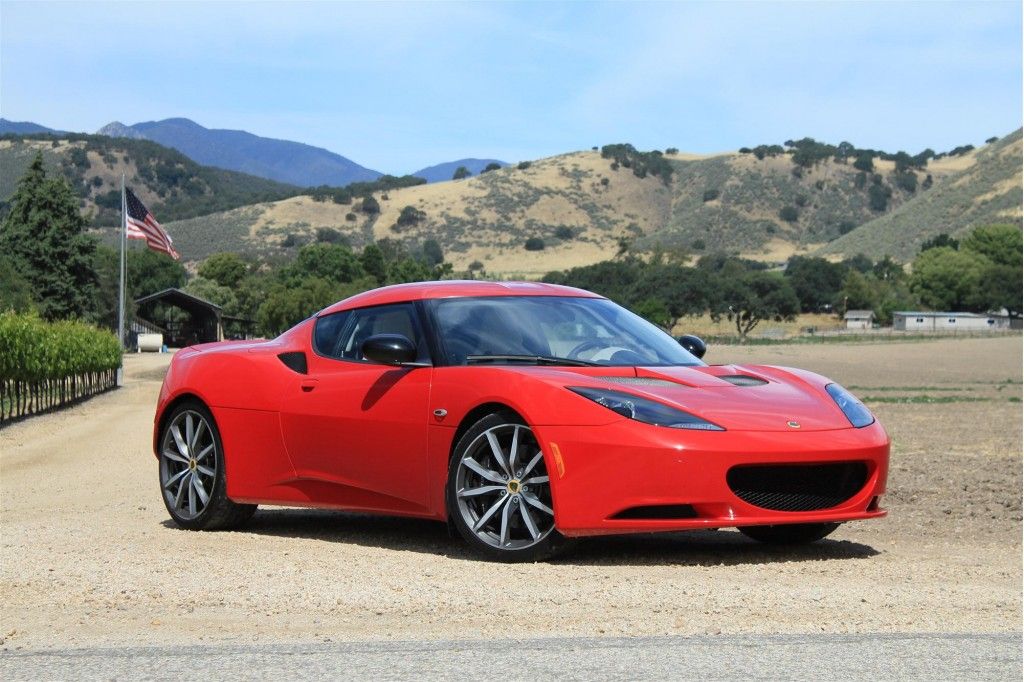
The 2013 Lotus Evora is powered by a mid-mounted 3.5-liter Toyota V6 that produces 276 hp and 258 pound-feet of torque. The only standard transmission is a traditional six-speed manual, while a six-speed automatic with shift paddles is available as an option. The Evora S gains a supercharger and increases power output to 345 hp and 295 lb-ft of torque.
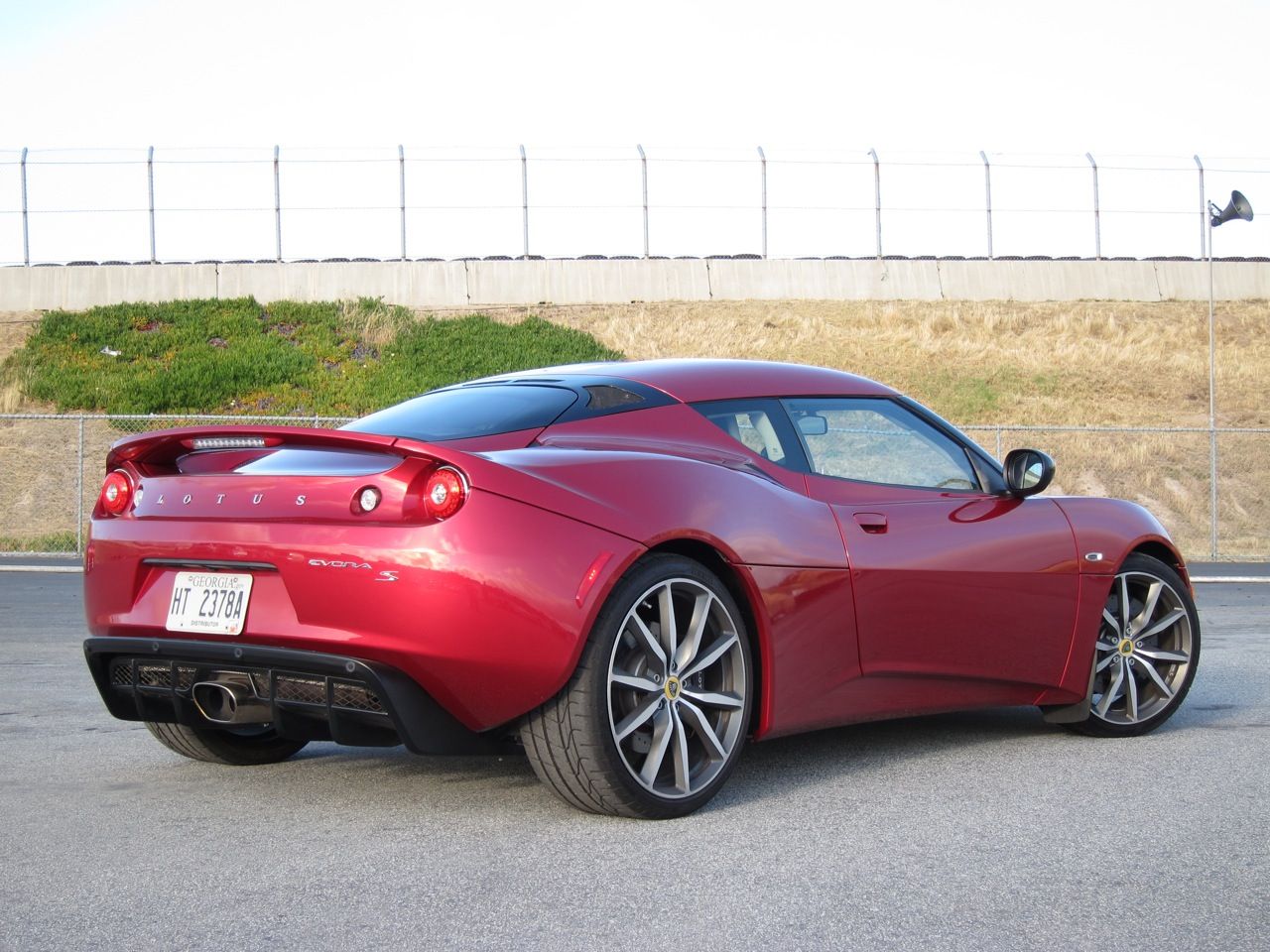
Lotus estimates the 0-60-mph run at around 4.9 seconds for the base Evora, with a stated top speed of 162 mph. The Evora S should hit 60 mph in 4.6 seconds, and our testing validates this claim with our own 4.7-second result. In terms of fuel economy, the base Evora is expected to achieve 18 mpg city/26 mpg highway for the standard manual, while the automatic gearbox should get 20 mpg city and 28 mpg highway. If you opt for the supercharged Evora S, your fuel economy will remain almost exactly the same.
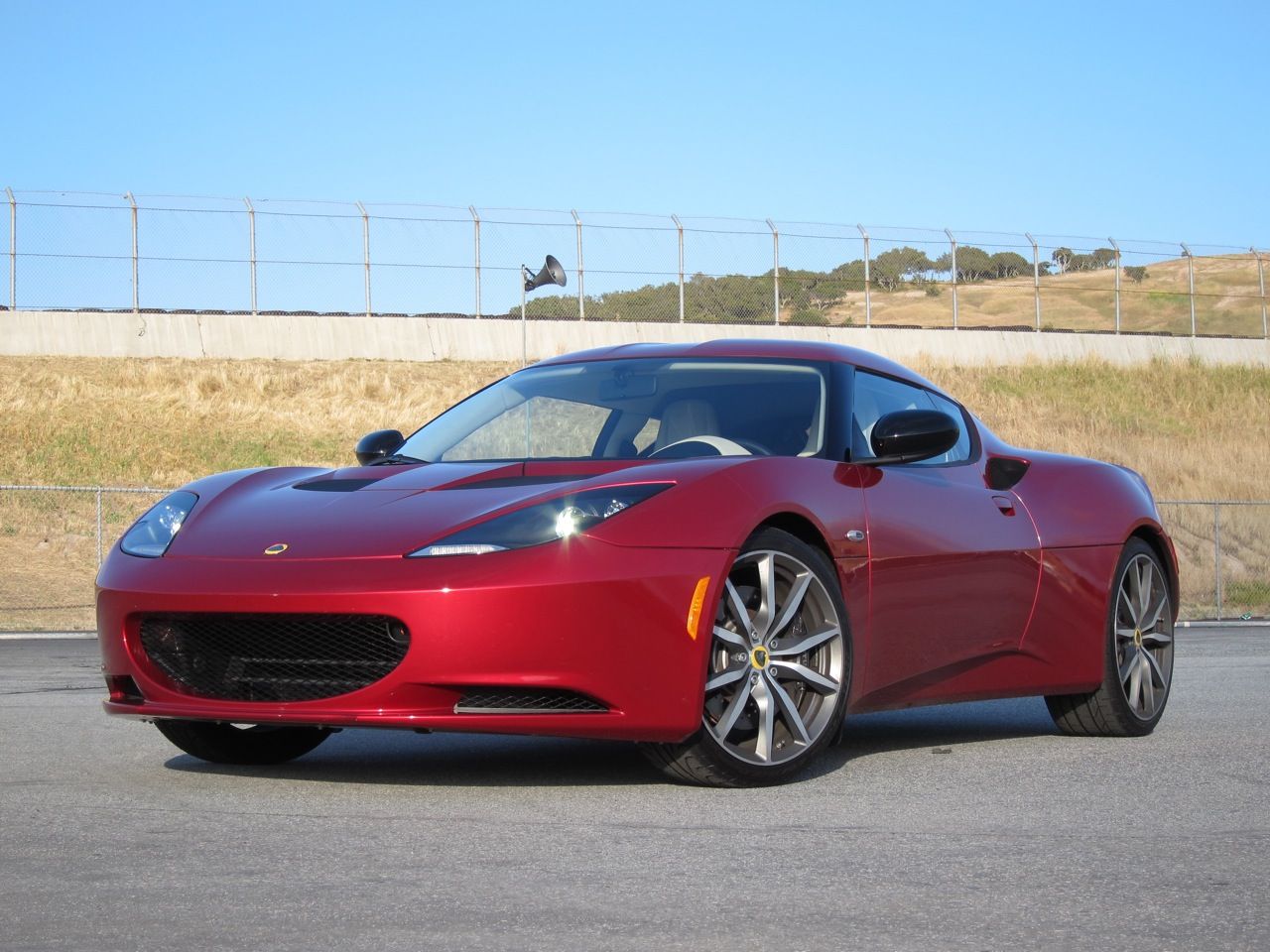
The 2013 Lotus Evora is noticeably sparse when it comes to safety equipment. Antilock brakes and traction/stability control are included, but no type of side airbags are available. At our test track, logged repeated 105-foot stops from 60 mph, as a true sports car should.
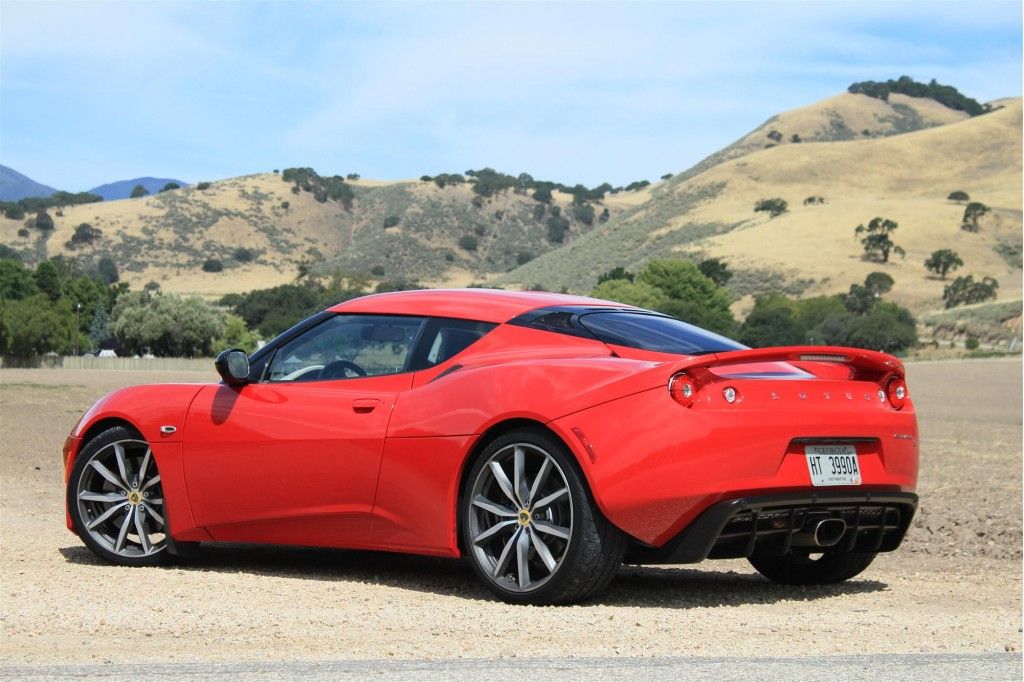
The 2013 Lotus Evora is most at home on tight, twisting roads or a genuine racetrack. With the handling characteristics of smaller, lighter cars, the Evora knifes through turns with uncommon precision and otherworldly levels of grip. The Evora provides a relatively serene cabin with few squeaks and rattles, plenty of sound insulation and a suspension that reduces pothole effects to "normal" car standards.
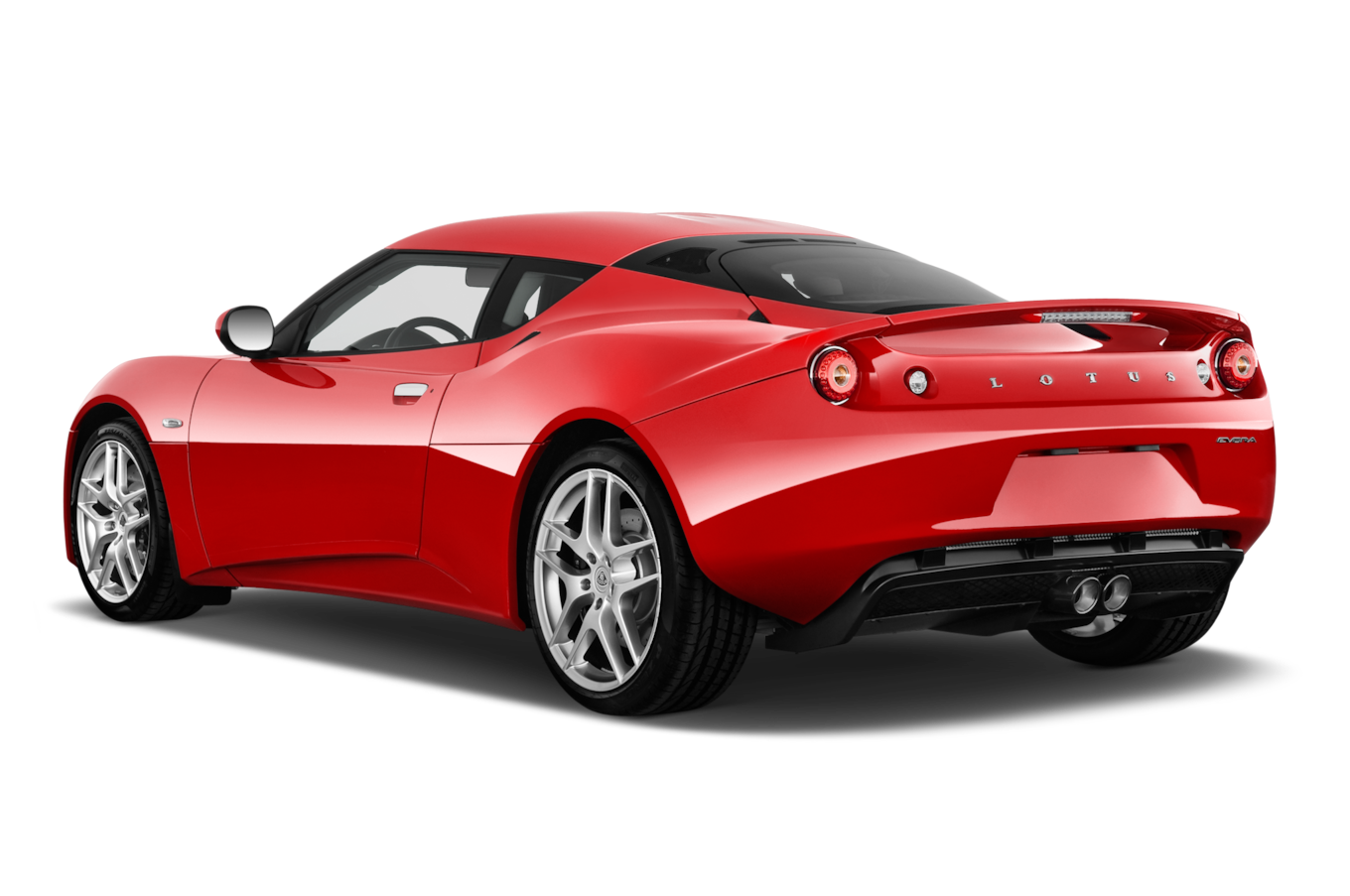
In the base Evora, power is plentiful throughout the rev range and the transmission features well-spaced gears to make the most of the V6's output. We were pleased to find that the supercharged Evora S also provided surprisingly linear power delivery; however, the closer-ratio gearing kept us busy shifting more often. Steering feel is as good as it gets, some even say "magical" for any car, and the power steering makes maneuvering in tight spots effortless. We were also extremely impressed with Lotus' sophisticated traction control system that in certain circumstances, acts as a highly effective stability control system.
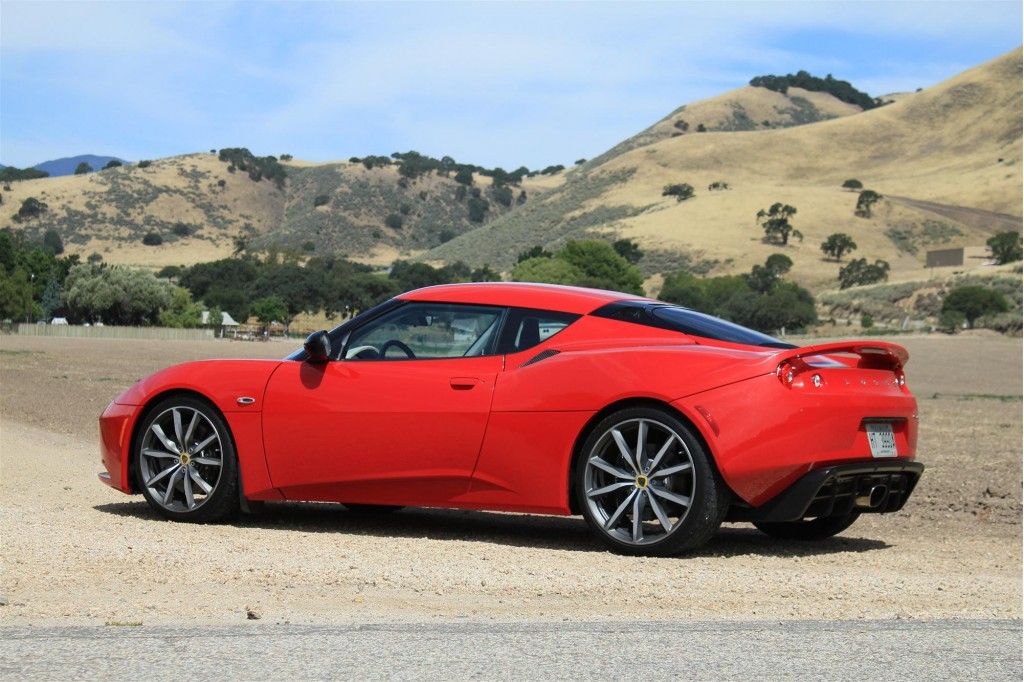
The Evora's interior is quite a departure from the hard-core sports cars in the Lotus lineup, sporting a modern cockpit with rich leather surfaces, carpeting and significantly more creature comforts than what were offered in Lotus' past. The relatively few knobs and buttons are within easy reach and are elegantly styled and placed.
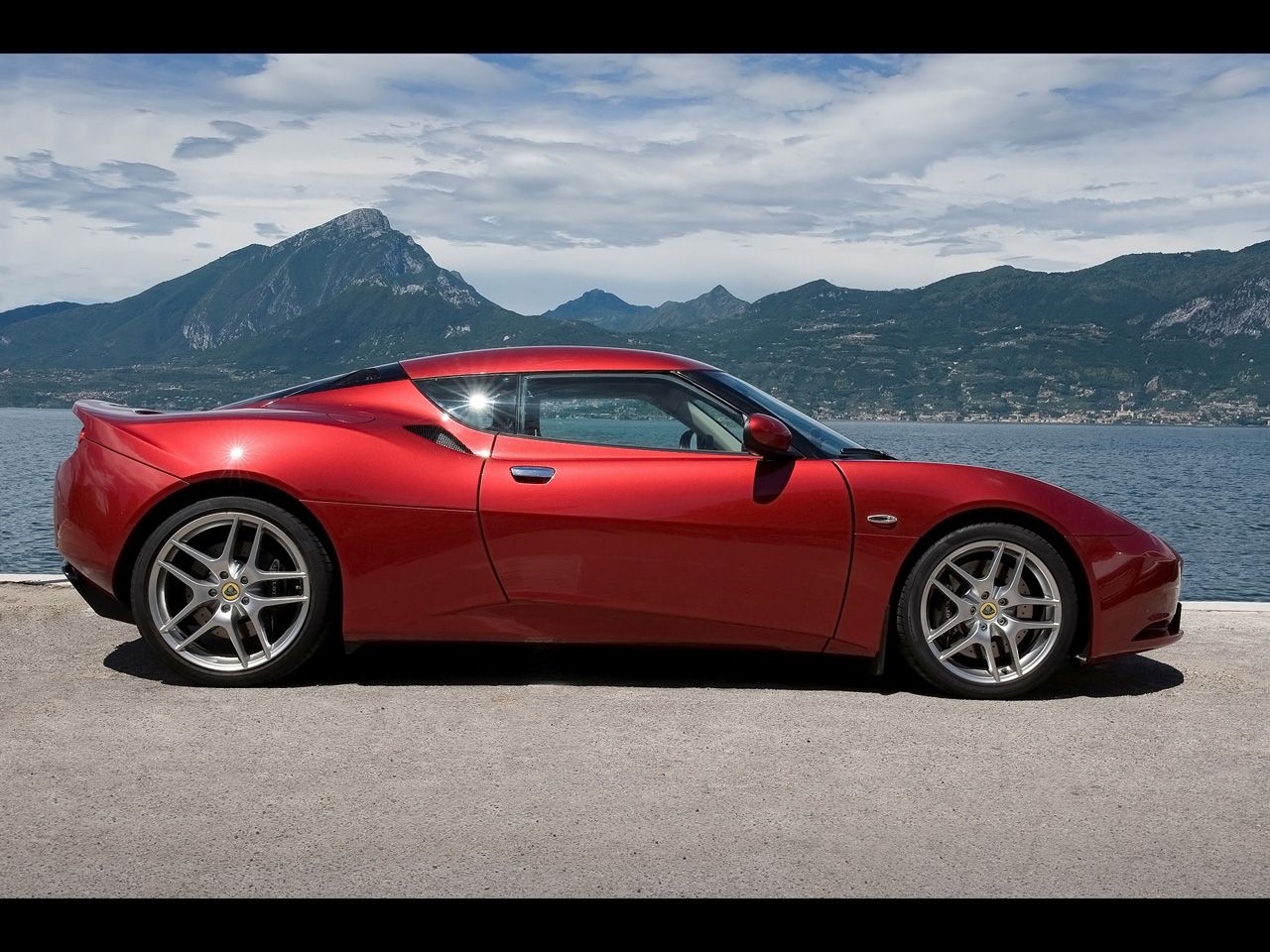
Entry and exit from the front seats is civilized, thanks to a shorter and narrower side sill and larger door openings. Once seated, there is enough space up front to comfortably accommodate 6-foot-plus adults. Unfortunately, though, the front wheelwell intrudes on foot space. As a result, the clutch pedal is shifted an inch or so to the right, which can be awkward for some drivers. We had bigger issues with the lack of a functional dead pedal, however. A small ledge that can only fit a few toes is all that is provided, and its placement is painfully uncomfortable.
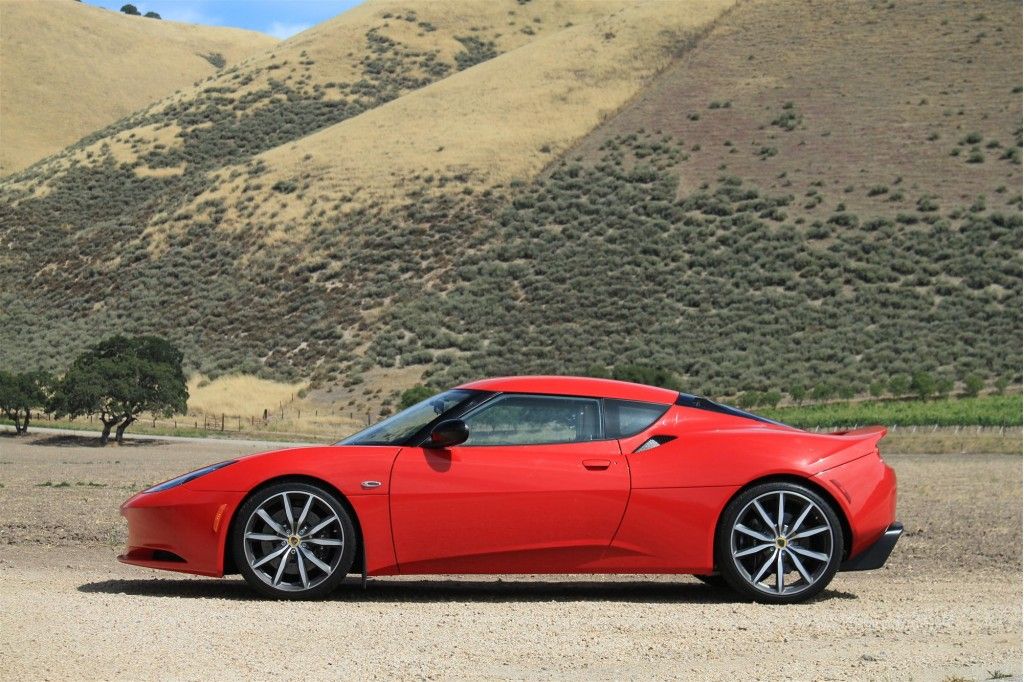
The rear seats don't fare any better, and are really no more than an upholstered package shelf with seatbelts. Rear space is almost nonexistent, and may even be uncomfortable for small children. In a pinch, these seats might come in handy, but we'd probably opt for the rear-seat delete. Rear visibility is laughable, but fortunately, a rearview camera is available as an option. As for the trunk, Lotus claims the Evora can hold up to 5.7 cubic feet but its narrow shape drastically limits what you can store back there.
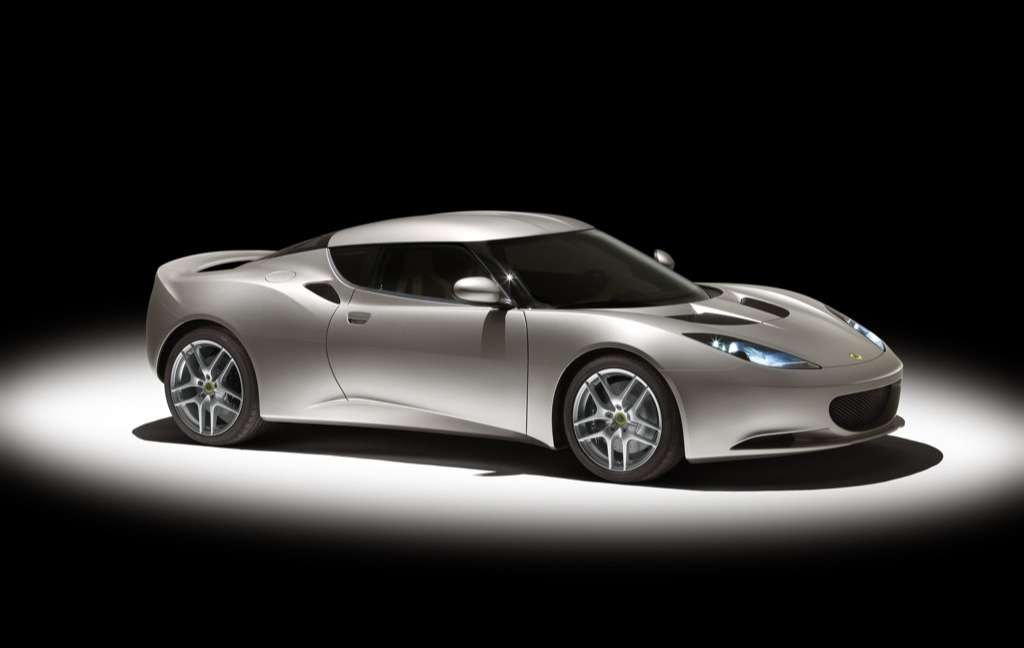
For those who love the thrill of racing on a track, the Lotus Evora is supremely satisfying. With its strong V6 propelling a lightweight body, the Evora is very quick, hitting 60 mph in five seconds or less and supercharged Evora S models reaching that speed in the mid-4-second range. But the Evora embraces its character most when tackling twisty roads. Precision is the name of the game here. The Evora has an almost telepathic ability to respond to driver input. Steering feel is splendid, and the wheel provides constant and accurate feedback. Brake and throttle reaction are equally instantaneous. Unfortunately, the Evora's 6-speed manual transmission is a bit clunky and has long throws. The optional 6-speed automatic is smoother but far from the best out there. Potential Evora owners should know that getting in and out of the low vehicle requires acts of dexterity, and that rear blind spots are pronounced.
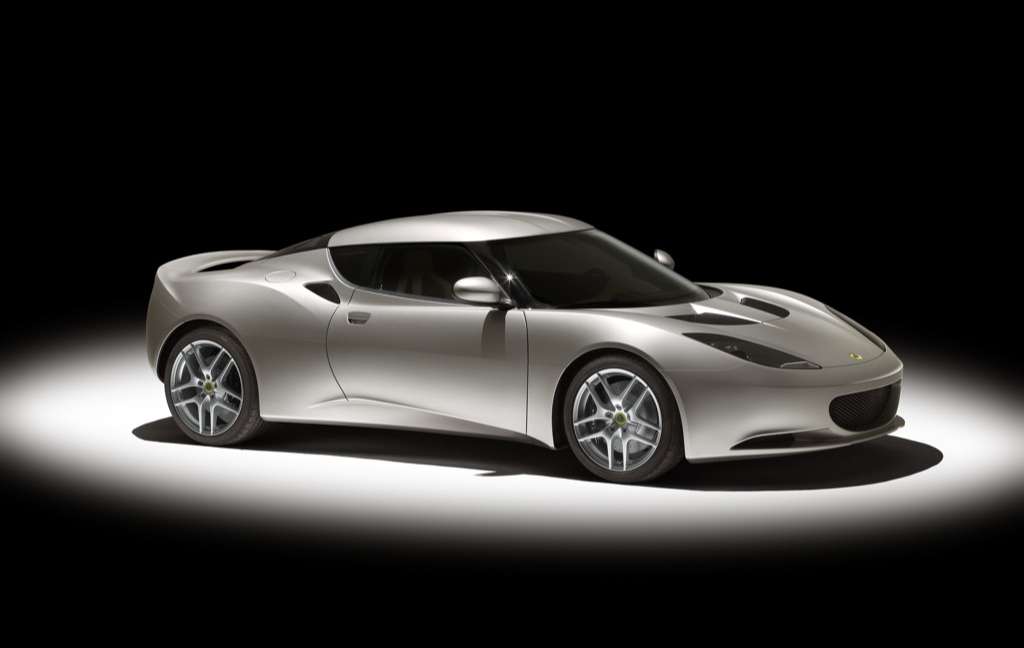
V6 ENGINEFor this larger car, Lotus went with a larger engine, straying from the 4-cylinder units used in past cars. This V6 comes from Toyota and is a relative to the one used in America's best-selling car, the Camry. That's good news when it comes to reliability.EXTERIOR DESIGNWith its striking wedge-like profile, the 2013 Lotus Evora looks like nothing else on the road. Add to that the fact that Evoras are rare to begin with, and you get a car that's an immediate attention-grabber and conversation starter. Expect a prized spot in the valet line.
Judging by its tidy proportions, it should come as no shock that the Evora's cabin could euphemistically be called "cozy." Potential owners may want to practice yoga to get used to the bending required to enter and exit, but once inside, driver and front passenger will find well-bolstered leather Recaro seats. The Evora is available as a 2+2, but the rear seats are extremely cramped. Just consider it storage area. Up front, buttons for everything from seat heat to putting the car in drive are classy but, like the rest of the cabin, rather Spartan. A tiny rear window and thick pillars hinder visibility.
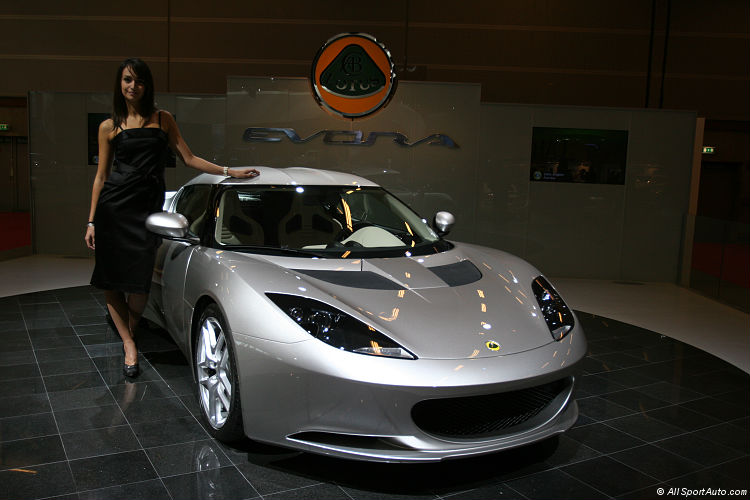
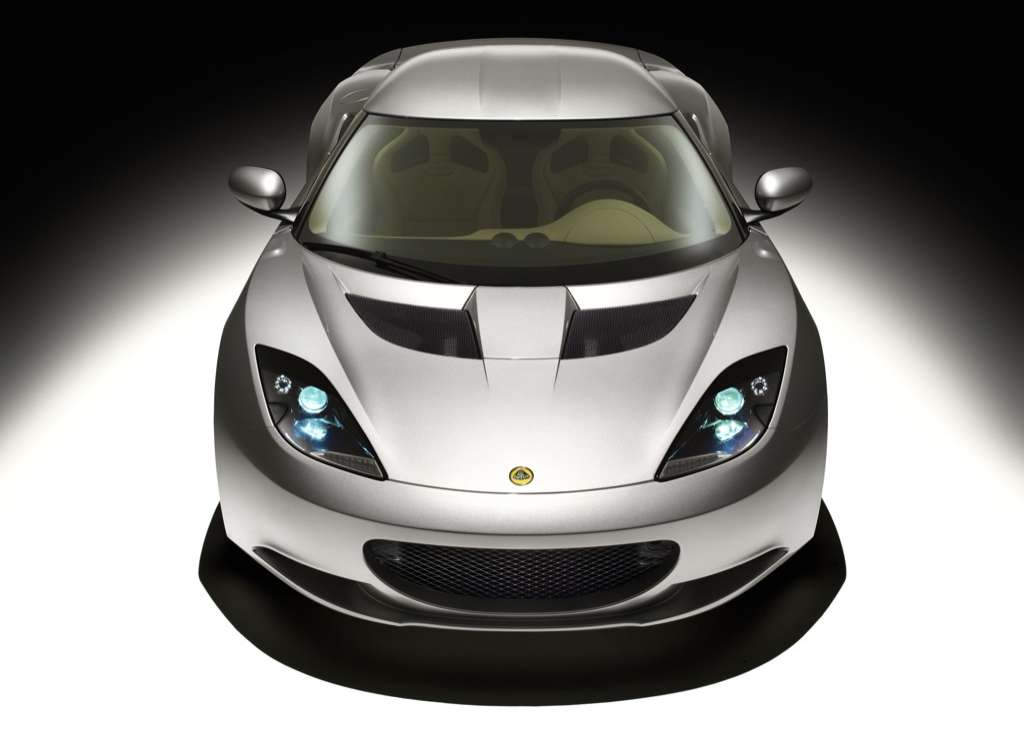
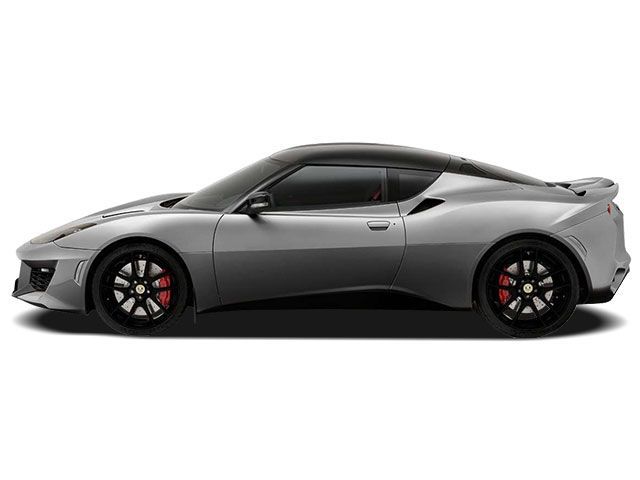
At about 171 inches in length, the 2012 Evora is large for a Lotus, but still small by U.S. car standards. For comparison, it's about eight inches shorter than a Honda Civicsedan. The Evora is low and wide, similar to the race cars that inspired it. Elongated headlight housings create visual drama up front even when the Evora's bright bi-xenon headlights are off. Large side air ducts sit directly behind each door, while the Evora's rear haunches extend to lend this little car a more muscular look. A built-in spoiler beautifully arcs across the rear end, bookended by circular taillights with built-in turn indicators.
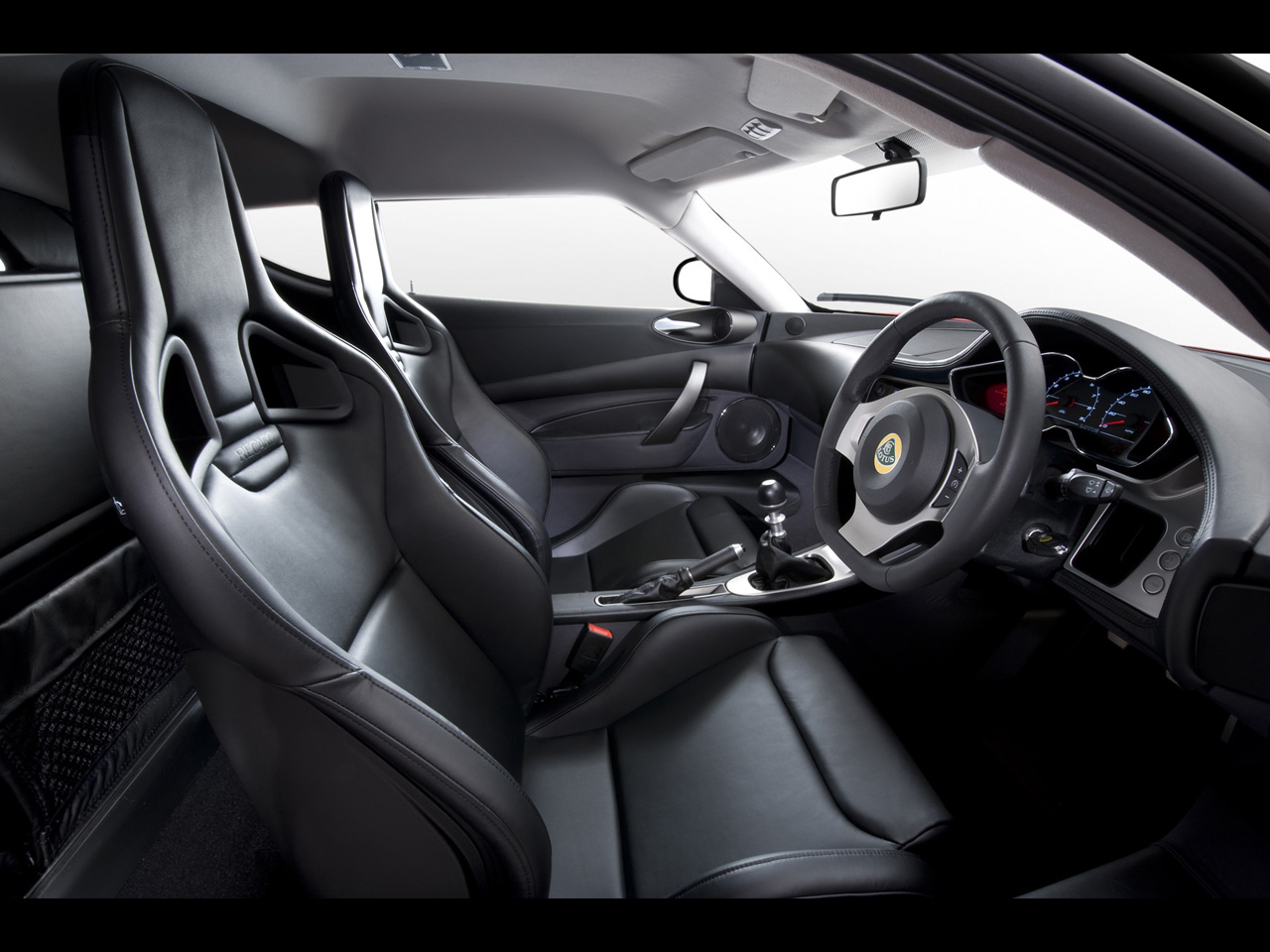
The 2013 Evora's emphasis is on tearing up twisty roads, not coddling passengers with the latest creature comforts. That said, Evora owners won't feel totally deprived while ripping up asphalt. The Evora comes with leather-trimmed Recaro sport seats in front, Alpine AM/FM/CD player with iPod connectivity, AP Racing 4-piston brake calipers, and 18-inch wheels up front and 19-inch wheels in the rear. Performance-oriented Pirelli P-Zero tires are also standard issue for this corner-carver. Evora S models feature a Harrop supercharger for additional power, black door mirrors, and the Sport Pack with cross-drilled brakes and switchable Sport mode for quicker throttle response.

Upgrades for the 2013 Lotus Evora include the 2+2 configuration that adds a pair of tiny rear seats, a 6-speed automatic transmission, larger wheels, heated front seats, rearview camera, and several sport packages with visual and performance enhancements. A Tech Pack includes a navigation system, 7-inch touch-screen display, upgraded 100-watt audio system with DVD player, Bluetooth connectivity, cruise control and parking sensors.
All 2013 Lotus Evora models use a Toyota-sourced 3.5-liter V6. The regular Evora model's engine makes 276 horsepower, while the Evora S employs a supercharger that brings the pony count to a robust 345. All Evora models have a mid-engine, rear-drive layout. Top speed for the naturally aspirated Evora is 163 mph, while supercharged models max out at 178 mph. The optional 6-speed automatic transmission with Intelligent Precision Shift (IPS) increases fuel economy but slightly lowers acceleration time and top speed.3.5-liter V6276 horsepower @ 6,400 rpm258 lb-ft of torque @ 4,600 rpmEPA city/highway fuel economy: 18/26 mpg (manual), 20/28 mpg (automatic)3.5-liter supercharged V6345 horsepower @ 7,000 rpm295 lb-ft of torque @ 4,500 rpmEPA city/highway fuel economy: 17/26 mpg (manual), 19/28 mpg (automatic)
A 2013 Lotus Evora with the naturally aspirated V6 and two seats has a Manufacturer's Suggested Retail Price (MSRP) of $ 68,285. The higher-powered Evora S with the supercharged engine adds over $ 10,000 to the bottom line for an MSRP of $ 78,585. At these prices, even an entry Evora costs thousands more than a Porsche Cayman S, BMW M3 and Audi S5, and is in line with the fire-breathing Audi RS5. While the Evora may offer an air of exclusivity not found in those rivals, it has far fewer creature comforts. If last year's version of this low-volume model is any indicator, the Fair Purchase Price isn't far off from what the manufacturer is asking. The Lotus Evora is a rare vehicle introduced just three years ago, and its resale value is difficult to predict. So far, though, past models' values are holding up well.
2013 Lotus Evora S Exterior Colors
2013 Lotus Evora S Interior Colors
2013 Lotus Evora Engines
| Engine | Standard in Trim | Power | Torque | Fuel Consumption - City | Fuel Consumption - Highway | 0-100 km/h | Quarter Mile | Half Mile |
|---|---|---|---|---|---|---|---|---|
| 3.5L V6 DOHC 24-valve | Base | 276 hp @ 6400 rpm | 377 N.m | 13.2 L/100km | 7.1 L/100km | 6.2 s | 14.0 s | 23.3 s |
| 3.5L V6 DOHC 24-valve - Supercharge | S | 345 hp @ 7000 rpm | 377 N.m | 14.2 L/100km | 7.5 L/100km | 5.3 s | 13.0 s | 21.6 s |
| 3.5L V6 DOHC 24-valve | Base | 276 hp @ 6400 rpm | 377 N.m | 12.1 L/100km | 6.3 L/100km | 6.2 s | 14.0 s | 23.3 s |
| 3.5L V6 DOHC 24-valve | S | 345 hp @ 7000 rpm | 377 N.m | 14.6 L/100km | 7.6 L/100km | 5.3 s | 13.0 s | 21.6 s |
| 3.5L V6 DOHC 24-valve | Base | 276 hp @ 6400 rpm | 377 N.m | 12.4 L/100km | 6.5 L/100km | 6.0 s | 13.9 s | 23.0 s |
2013 Lotus Evora Trims
2013 Lotus Evora Previous Generations
2013 Lotus Evora Future Generations
Lotus Evora Overview and History
It's a long way for the brand which was first established when Colin Chapman, a graduate of University College, London, built his first car in a lock-up garage behind his girlfriend's car. The year was 1946 and the car was dubbed by its creator as the Austin Seven Special. He entered it in a couple of races in 1948 and managed to snag some victories.
The first car that he called a Lotus was built in 1949 and it had a more powerful Ford engine. While this model was powerful enough to beat a Bugatti Type 37 in the Silverstone race. After this victory Champan decided to focus on sports cars that would run in the Formula 750.
He teamed up with Michael and Nigel Allen and together they formed Lotus Engineering Company in 1952. The first production car was the Lotus Mark VI which was running on the new 1.5 Ford Consul engine. This car too proved successful on the racing circuit and by 1955, enough orders of the car had been made to allow Chapman and his team to fully dedicate themselves to the company.
That same year they entered the Lotus Mark IX at the Le Mans race but they were disqualified when Chapman reversed. Undeterred and ready for bigger things, Chapman created new Lotus models, including the updated version of the Mark VI called The Seven. This car was to achieve cult status, being in production to this day under the name Caterham Seven.
Outgrowing its facilities, Lotus was forced to move to a new facility at Chestnut in 1959.
It was at this factory that the all new Lotus Elite was to be built, with its integral glass fibre body and chassis. Lotus had already entered Formula in 1958 and by 1959 they'd already won their first grand prix with Stirling Moss at the wheel.
Lotus went on to win two world championships with Jim Clark and still had time to develop a car that is thought to be the best sports vehicle of all time - the Ford Cortina.With the introduction of Lotus Europa Chapman was ready to ditch his kit car image (for which reason he sold the Seven model to Caterham).
In the 70s, after the unsuccessful release of the Lotus 30 and 40v almost killed sports car racing for Lotus, but in the F1 circuit Lotus still managed to dominate.. Models from this period include the Eclat, the Esprit (two seat coupe) and the Sumbeam which actually won the World Rally Championship in 1981.
When Colin Chapman died in 1982 at the age of 54, for many car enthusiasts it was the end of an era. The company was bought by GM in 1986 but later sold off to A.C.B.N Holdings of Luxembourg in 1993. In 1996 the Malaysian car maker Proton bought the brand from them and is still controlling it today.
Lotus withdrew from Formula in 1995 but it still manages to maintain its reputation as a sports car builder, with the Lotus Elise, Exige (and its S variant), Europa (also with a turbocharged S variant) and the newly released Evora.
2013 Lotus Evora Consumer Reviews
Compare Against Competitors
2013 Lotus Evora S Specifications
S Comfort and Convenience
| AM/FM stereo radio | AM/FM stereo radio with auxiliary input jack |
|---|---|
| Air Conditionning | Air conditioning |
| Number of Speakers | 4 speakers |
| Power Door Locks | Yes |
| Power Outlet | 2 12-volt power outlets |
| Power Windows | Yes |
| Premium Sound System | Alpine audio system |
| Remote Keyless Entry | Yes |
| Single CD | CD/MP3/WMA player |
| Special Feature | IPod integration |
| Steering Wheel Adjustment | Tilt steering wheel |
| Trunk/Hatch Operation | Remote trunk release |
S Dimensions
| Curb Weight | 1436 kg |
|---|---|
| Fuel Tank Capacity | 60 L |
| Gross Vehicle Weight | 1782 kg |
| Height | 1229 mm |
| Length | 4362 mm |
| Wheelbase | 2575 mm |
| Width | 2047 mm |
S Exterior Details
| Door Handles | Black door handles |
|---|---|
| Exterior Mirror Colour | Black outside mirrors |
| Front Spoiler | Front spoiler |
| Headlight Type | Bi-xenon headlights |
| Headlights Headlight Washers | Headlight washers |
| Heated Exterior Mirrors | Heated outside mirrors |
| Power Exterior Mirrors | Power-adjustable outside mirrors |
| Rear Spoiler | Body-color rear spoiler |
| Rear Window Defroster | Yes |
S Interior Details
| Driver Info Center | Driver information center |
|---|---|
| Front Seats Front Seat Type | Sport bucket front seats |
| Hand Brake Leather Trim | Leather-wrapped handbrake lever |
| Number of Cup Holders | 2 cupholders |
| Seat Trim | Recaro Leather seats |
| Shifter Knob Trim | Leather-wrapped shift knob |
| Steering Wheel Trim | Leather-wrapped steering wheel |
| Trip Computer | Yes |
S Mechanical
| Drive Train | Rear-wheel drive |
|---|---|
| Engine Name | 3.5L V6 DOHC 24-valve - Supercharge |
| Transmission | 6-speed manual transmission |
S Overview
| Body | Coupe |
|---|---|
| Doors | 2 |
| Engine | 3.5L V6 DOHC 24-valve - Supercharge |
| Fuel Consumption | 14.2 (Manual City)7.5 (Manual Highway) |
| Power | 345 hp @ 7000 rpm |
| Seats | 2 |
| Transmission | 6-speed manual transmission |
| Warranties | Bumper-to-Bumper60000/km, 36/Months Powertrain60000/km, 36/Months Rust-throughUnlimited/km, 96/Months |
S Safety
| Anti-Lock Brakes | Anti-lock brakes |
|---|---|
| Anti-Theft Alarm | Alarm system |
| Brake Assist | Brake assist |
| Brake Type | 4-wheel disc |
| Child Seat Anchor | ISOFIX child seat anchors |
| Driver Airbag | Driver-side front airbag |
| Electronic brake force distribution | Electronic brake force distrbution |
| Passenger Airbag | Passenger-side front airbag |
| Stolen Vehicle Recovery | Stolen Vehicle Recovery |
S Suspension and Steering
| Front Anti-Roll Bar | Yes |
|---|---|
| Front Suspension | Independent front suspension |
| Front Tires | 225/40ZR18 |
| Power Steering | Lotus-tuned Power rack-and-pinion steering |
| Rear Anti-Roll Bar | Yes |
| Rear Suspension | Independent rear suspension |
| Rear Tires | 255/35ZR19 rear tires |
| Special feature | Lotus Dynamic Performance Management |
| Tire Pressure Monitoring System | Yes |
| Wheel Type | 18'' front and 19'' rear alloy wheels |
Critics Reviews
The Lotus Evora S takes everything that is good about the standard Evora and adds more power. Read the full review along and see test numbers and photos at Car and Driver.
Motor Trend reviews the 2011 Lotus Evora where consumers can find detailed information on specs, fuel economy, transmission and safety. Find local 2011 Lotus Evora prices online.
Discussion and Comments
Share Your Comments