2012 Mitsubishi Lancer GT 0-60 Times, Top Speed, Specs, Quarter Mile, and Wallpapers

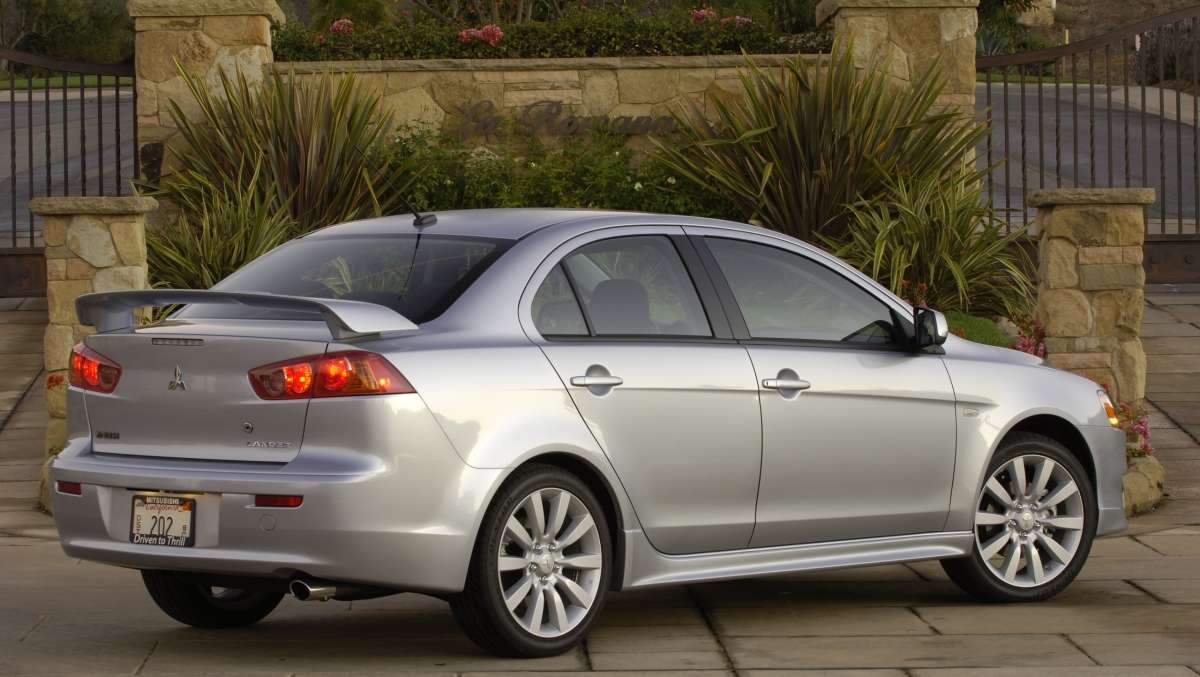
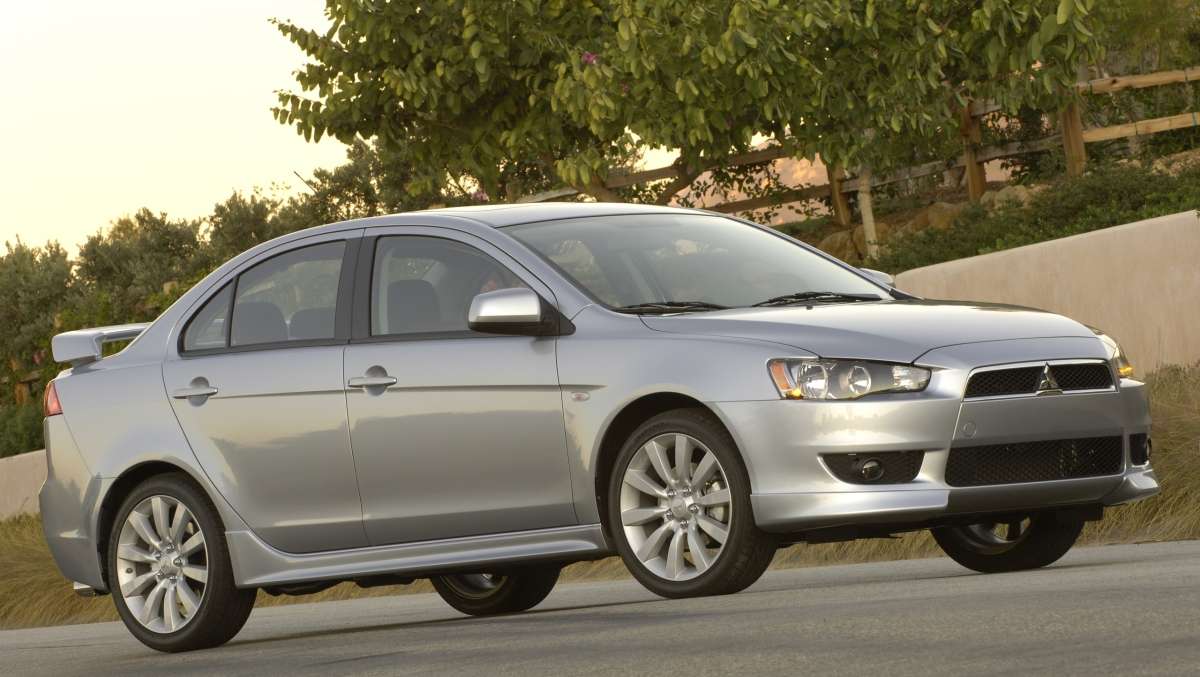
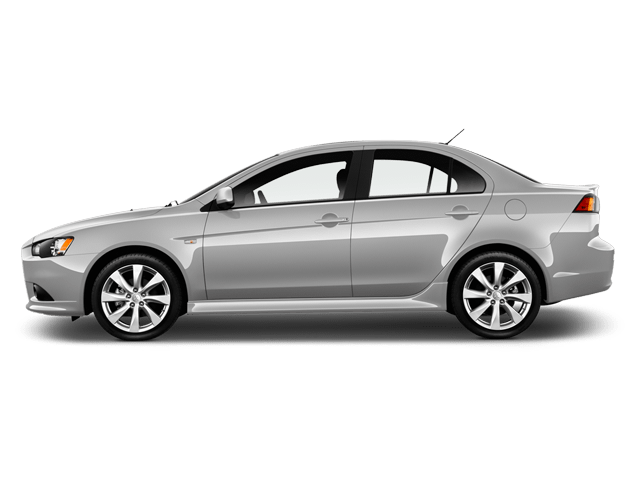
The 2012 Mitsubishi Lancer GT is a Front-wheel drive Sedan. It can accommodate up to 5 passengers. It has 4 Doors and is powered by a 2.0L L4 DOHC 16-valve engine which outputs 148 hp @ 6000 rpm and is paired with Continuously variable transmission gearbox. The 2012 Mitsubishi Lancer GT has cargo capacity of 334 Liters and the vehicle weighs 1300 kg. In terms of ride assists, the 2012 Mitsubishi Lancer GT has stability control and traction control in addition to anti-lock brake system (ABS). The vehicle has an optional engine as well It offers and. Safety features also include Driver side front airbag and. The front suspension is Front independent suspension while the rear suspension is Rear independent suspension. The car also features a Yes It has 16'' alloy wheels as standard. Electronic features include Cruise Control. For convenience, the car has Power windows and Power door locks. There is also a remote keyless entry feature. Moreover, the car has. The steering wheel has audio control buttons. In terms of performance, the car has 161 N.m of torque and a top speed of 194 km/h. The 2012 Mitsubishi Lancer GT accelerates from zero to 60 mph in 9 seconds and hits quarter mile at 16.5 seconds. Fuel consumption is 7.9 L/100km in the city and 5.8 L/100km in the highway. The car price starts at $ 23,998
| Name | GT | |
|---|---|---|
| Price | $ 23,998 | |
| Body | Sedan | |
| Doors | 4 Doors | |
| Engine | 2.0L L4 DOHC 16-valve | |
| Power | 148 hp @ 6000 rpm | |
| Number of Seats | 5 Seats | |
| Transmission | Continuously variable transmission | |
| Cargo Space | 334.0 L | |
| Maximum Cargo Space | 334.0 L | |
| Wheel Type | 16'' alloy wheels | |
| Series | Lancer X | |
| Drivetrain | Front-wheel drive | |
| Horsepower | 148 HP | |
| Torque | 161 N.m | |
| Top Speed | 194 km/h | |
| Acceleration 0-100 km/h (0-60 mph) | 9.0 s | |
| Fuel Type | Petrol (Gasoline) | |
| Fuel Consumption (City) | 7.9 L/100km | |
| Fuel Consumption (Highway) | 5.8 L/100km | |
| Gear Type | manual | |
| Weight | 1,260 KG | |
| Brand | Mitsubishi | |
| Model | Lancer | |
| 0-400m (Quarter Mile) | 16.5 s | |
| 0-400m (Quarter Mile) - Speed | 139.2 km/h | |
| 0-800m (Half Mile) | 27.4 s | |
| 0-800m (Half Mile) - Speed | 156.6 km/h | |
| Modifications (MODS) | ||
| Modifications Cost | $ 0 |
2012 Mitsubishi Lancer Ralliart 0-100
2012 Mitsubishi Lancer 2.4L AWD 0-60 MPH Drive and Review
2012 Mitsubishi Lancer | Mile High Mitsubishi | Denver, Colorado
2012 Mitsubishi Lancer Used Price Estimates
Estimates based on a driving average of 12,000 miles per year| Used Condition | Trade In Price | Private Party Price | Dealer Retail Price |
|---|---|---|---|
| Outstanding | $ 3,467 | $ 4,895 | $ 6,050 |
| Clean | $ 3,246 | $ 4,587 | $ 5,652 |
| Average | $ 2,803 | $ 3,972 | $ 4,856 |
| Rough | $ 2,360 | $ 3,357 | $ 4,059 |
The 2012 Mitsubishi Lancer is a sporty alternative to conventional and more conservative economy sedans, but lacks the refinement and fuel economy that most shoppers are looking for.
There was a time when owning an economy sedan resulted in being consigned to a dull and lifeless experience. For years, the Mitsubishi Lancer bucked that trend, infusing the segment with a much-needed dose of driving excitement and aggressive styling. Unfortunately, these admirable traits also came with drawbacks and in the face of new rivals, it is no longer unique among sedans.
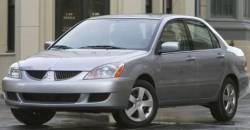
A few improvements to the 2012 Mitsubishi Lancer lineup bolster its standing, but only slightly. Most notably, a new Lancer SE trim allow buyers to select the midrange engine with all-wheel drive. Previously, AWD was only offered in the sporty range-topping Ralliart model. Furthering the Lancer's cause is the addition of optional soft-touch door panels, which partially addresses our prior complaint of too much interior hard plastic.
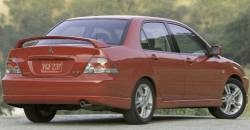
Sadly, many of the Mitsubishi Lancer's faults are left untouched. The base 2.0-liter engine lacks adequate power and the continuously variable automatic transmission (CVT) further compounds this issue. Upgrading to the more powerful engines helps, but the penalty in fuel economy may be enough to scare some shoppers off.
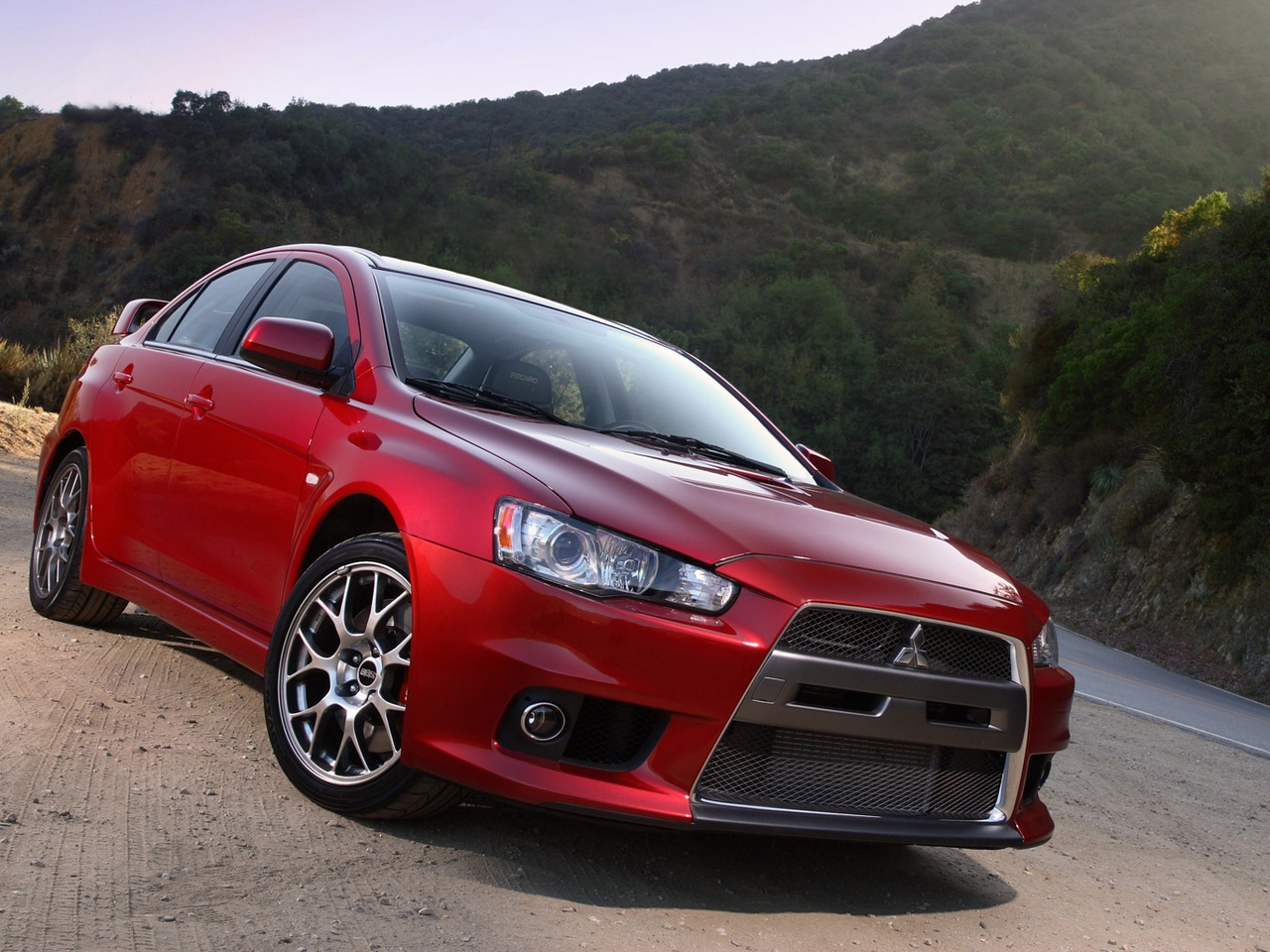
Most people, we suspect, will be happier with one of the newer choices for a small sedan. The Mazda 3, for instance, is similarly fun to drive but gets better fuel economy. We would also steer buyers toward the popular Chevrolet Cruze, the refined Ford Focus and the stylish Hyundai Elantra. For those who need all-wheel drive, there's also the redesigned Subaru Impreza to consider.
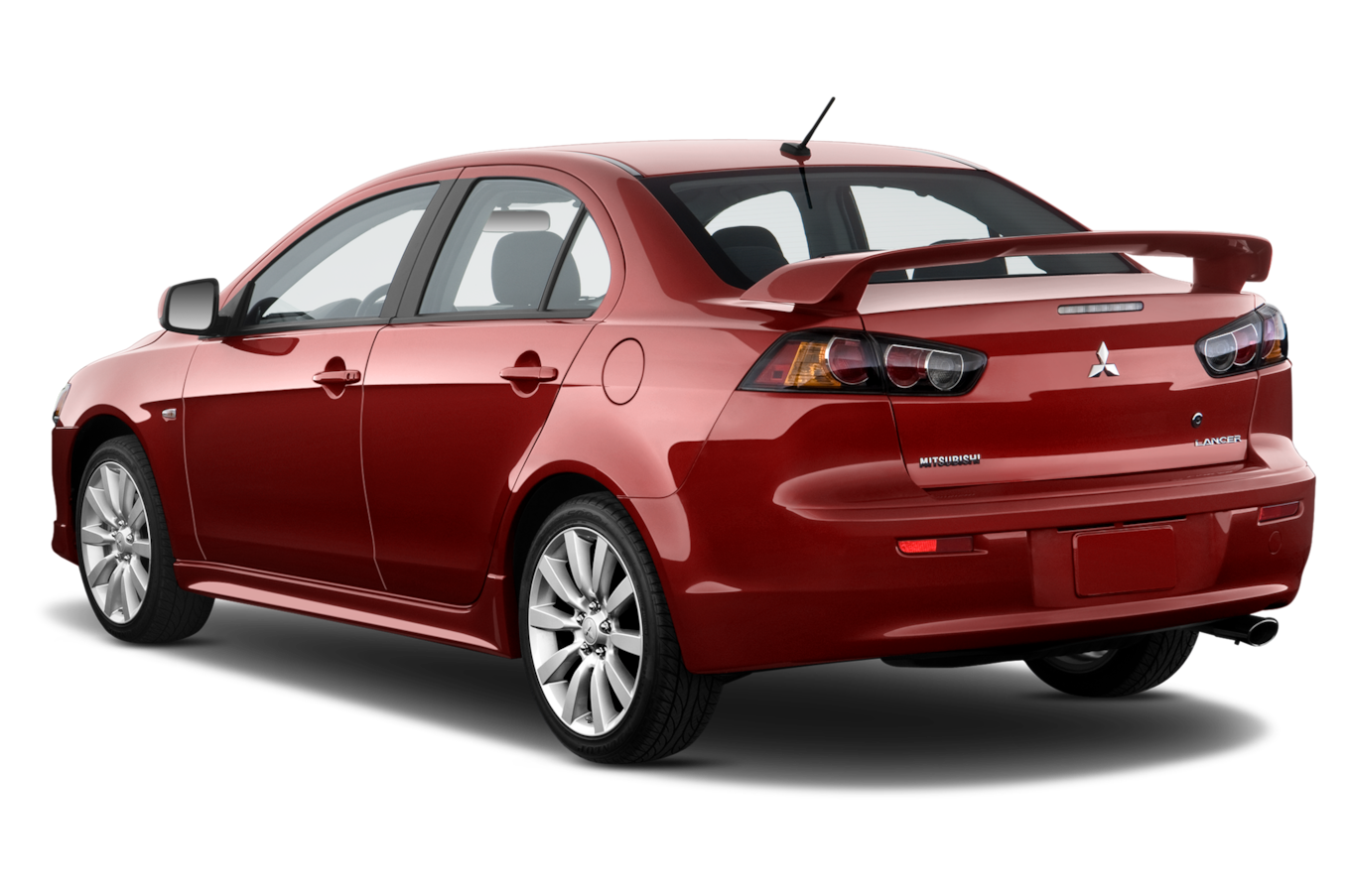
Unfortunately for Mitsubishi, the small sedan segment is better than ever, and the 2012 Lancer has been left near the back of the pack.
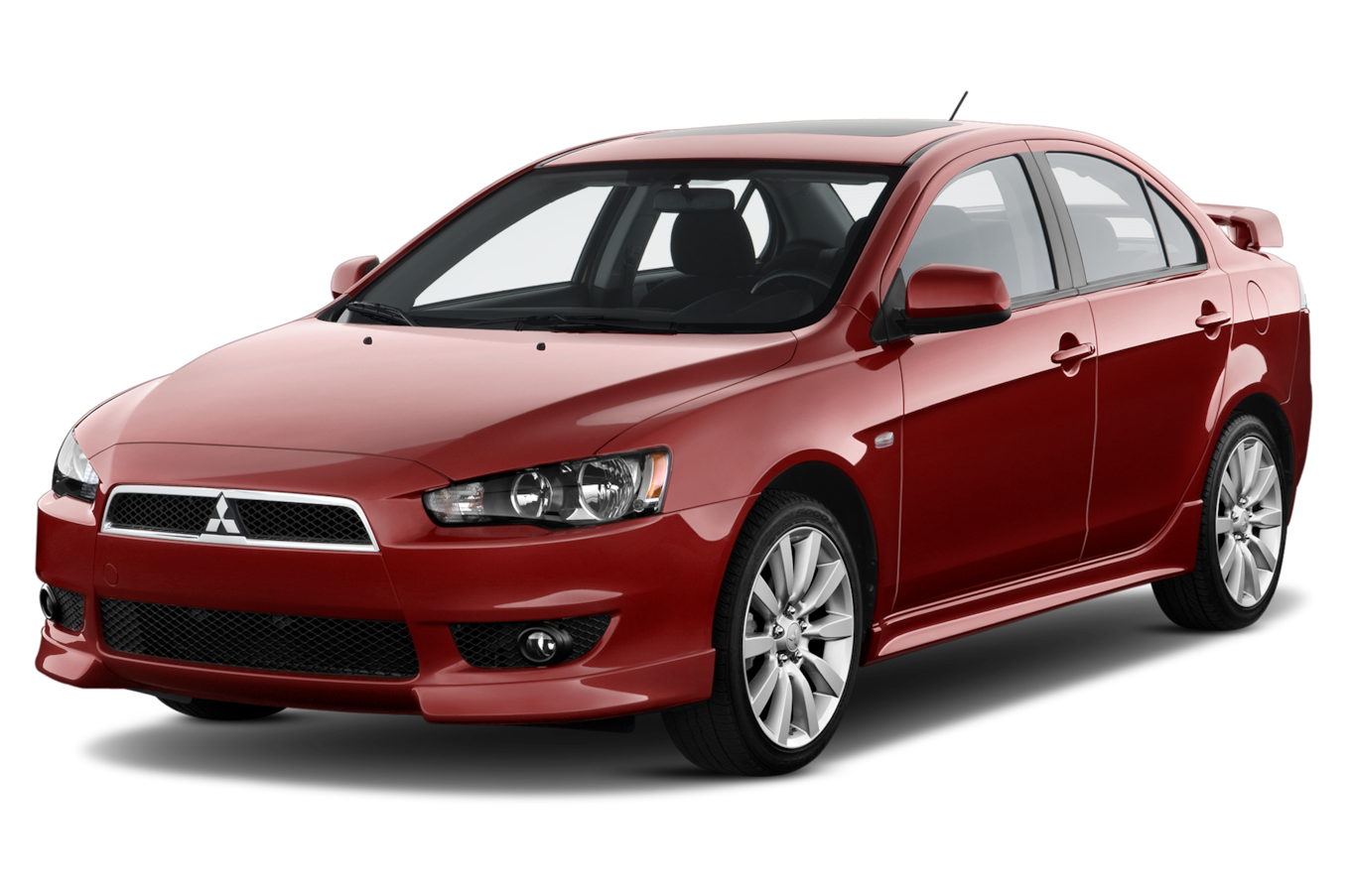
The 2012 Mitsubishi Lancer is a compact sedan available in DE, ES, SE, GT and Ralliart trim levels (the Lancer Evolution and Sportback are reviewed separately).
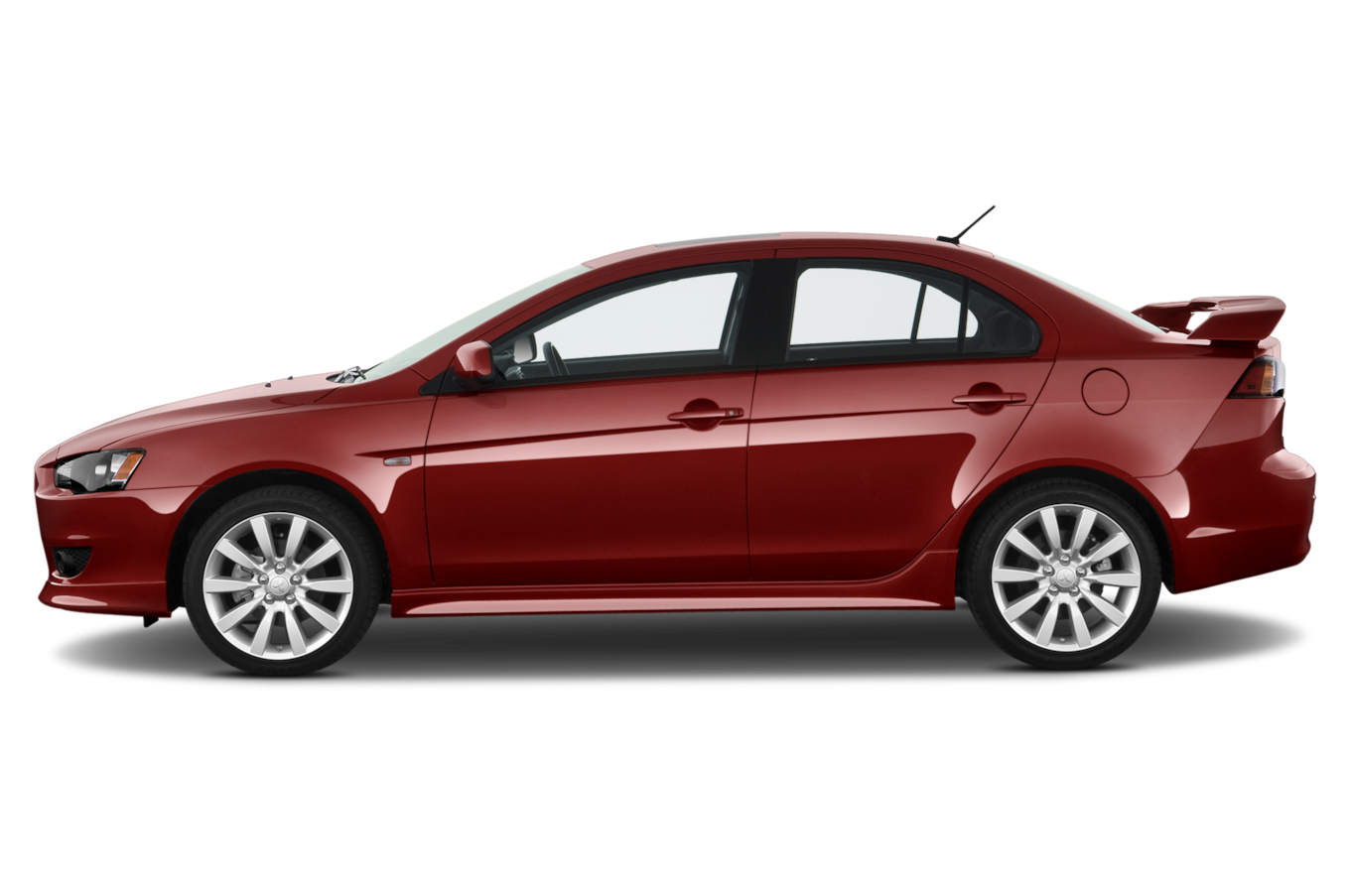
The base DE comes with 16-inch steel wheels, automatic headlights, a tilt-only steering wheel, full power accessories, a trip computer and a four-speaker sound system with a CD player. The ES comes with all the aforementioned items and adds chrome exterior accents, air-conditioning, cruise control, keyless entry, upgraded cloth upholstery, a 60/40-split rear seat, front and rear center armrests, a height-adjustable driver seat, steering-wheel audio controls and an auxiliary audio jack. The Alloy Wheel package adds 16-inch alloy wheels to the ES trim along with rear disc brakes (instead of drums) and a rear stabilizer bar.
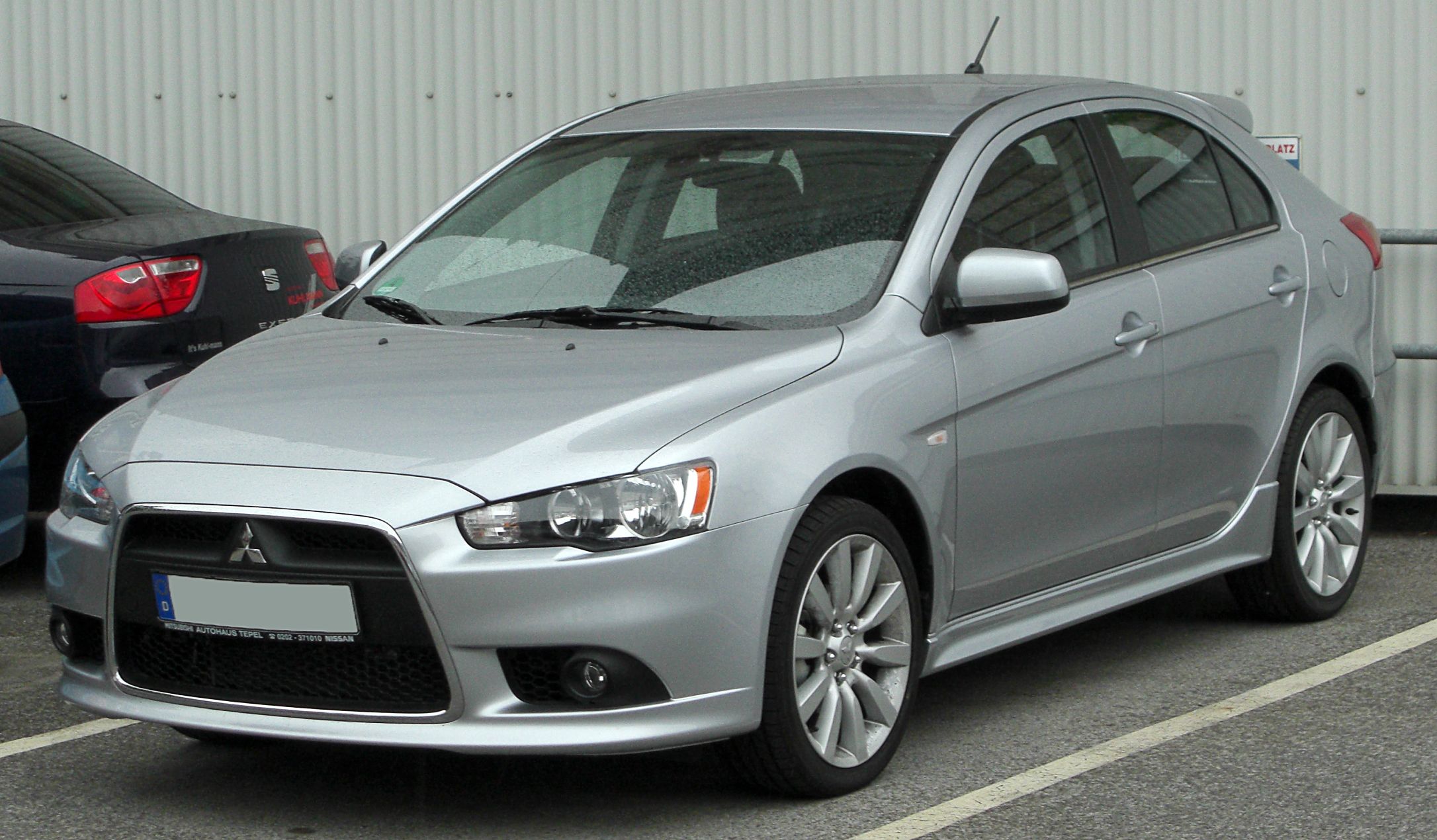
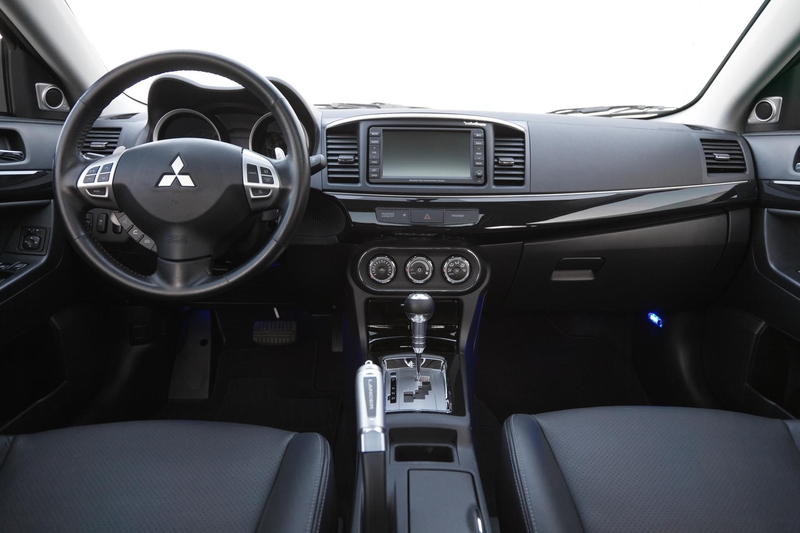
The SE trim gains a more powerful engine, all-wheel drive and the Alloy Wheel package. The GT is similar to the SE, but is front-wheel-drive only and adds 18-inch alloy wheels, foglights, a sporty front fascia, a rear spoiler, keyless ignition/entry, automatic climate control, upgraded sport upholstery, a leather-wrapped steering wheel and shift knob, shift paddles (with the CVT), an auto-dimming rearview mirror, a rearview camera, the Fuse voice-activated electronics interface, a color driver information display, Bluetooth and a six-speaker sound system with a USB jack.
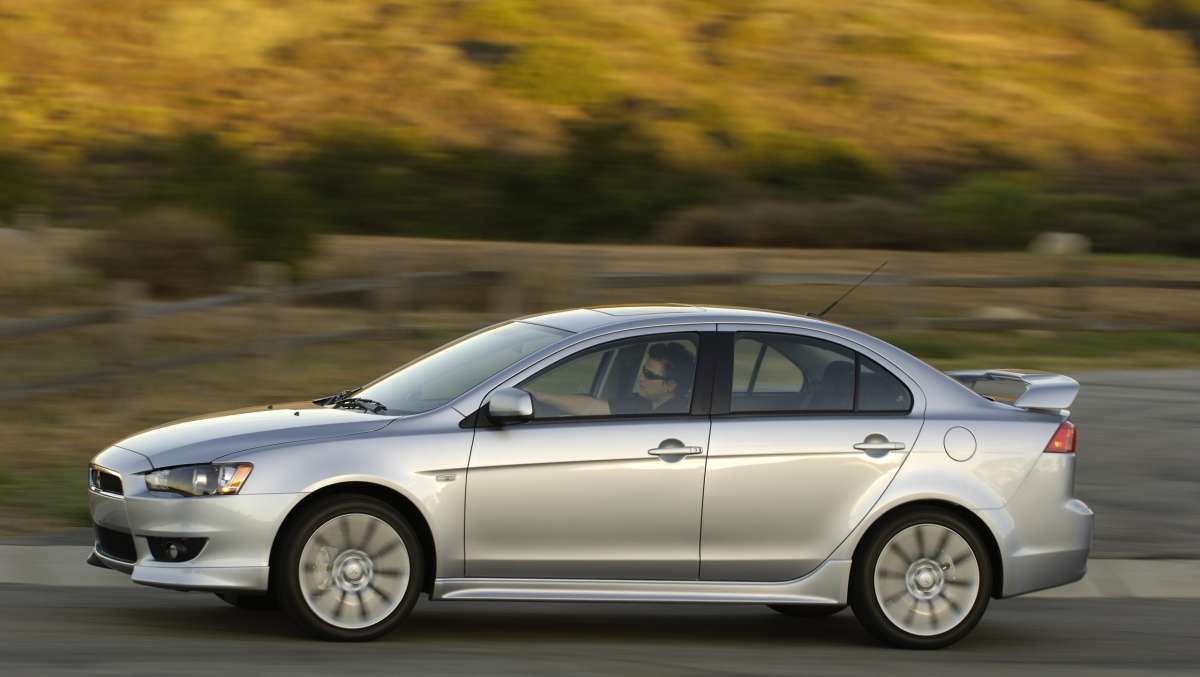
The all-wheel-drive Ralliart ups the performance ante with a turbocharged engine, an automated dual-clutch manual transmission (with shift paddles), hill-start assist, front and rear limited-slip differentials, additional sport exterior treatments, a sport-tuned suspension, a sport steering wheel, unique upholstery, aluminum pedals and satellite radio.
Some features listed are also available on lower trim cars as stand-alone options or as part of packages. Several cosmetic and aerodynamic enhancement options are also available for the DE and ES trims.
A Touring package is available for GT and Ralliart trims and features xenon headlights, a sunroof, a smaller rear spoiler, rain-sensing wipers, leather seats and a nine-speaker Rockford Fosgate sound system with an in-dash six-CD changer and satellite radio. Also optional on GT and Ralliart trims is a navigation system that features a 40GB hard drive capable of storing digital music files and a larger rearview camera monitor relocated to the touchscreen display (versus the rearview mirror). A new Deluxe package for the SE trim adds most of the GT's interior upgrades, along with soft-touch door trim panels.
The 2012 Mitsubishi Lancer DE and ES are powered by a 2.0-liter four-cylinder engine that produces 148 horsepower and 145 pound-feet of torque. A five-speed manual is standard, while a CVT is optional. In performance testing, the combination of the base engine and five-speed delivered a time of 8.8 seconds to 60 mph, which is a tad slow for the class. The CVT delivered a slower performance of 9.1 seconds, but this is actually average among automatic-equipped cars. In terms of fuel economy, the 2.0-liter achieves an EPA-estimated 26 mpg city/34 mpg highway and 29 mpg combined with the automatic transmission, an average rating for this class of car.
The Lancer SE and GT upgrade to a 2.4-liter four that makes 168 hp and 167 lb-ft of torque. The SE comes standard with a CVT and all-wheel drive, and it is the only choice for the SE (optional on the ES and GT). The GT gets front-wheel drive and the five-speed manual standard, while its optional CVT features manual mode with simulated gear ratios operated via shift paddles on the steering wheel. In testing, a GT with a manual transmission accelerated from zero to 60 mph in 7.7 seconds, which is quick for this class. The 2.4-liter gets 23 city/30 highway and 26 combined with the automatic. The manual transmission delivers nearly identical fuel efficiency.
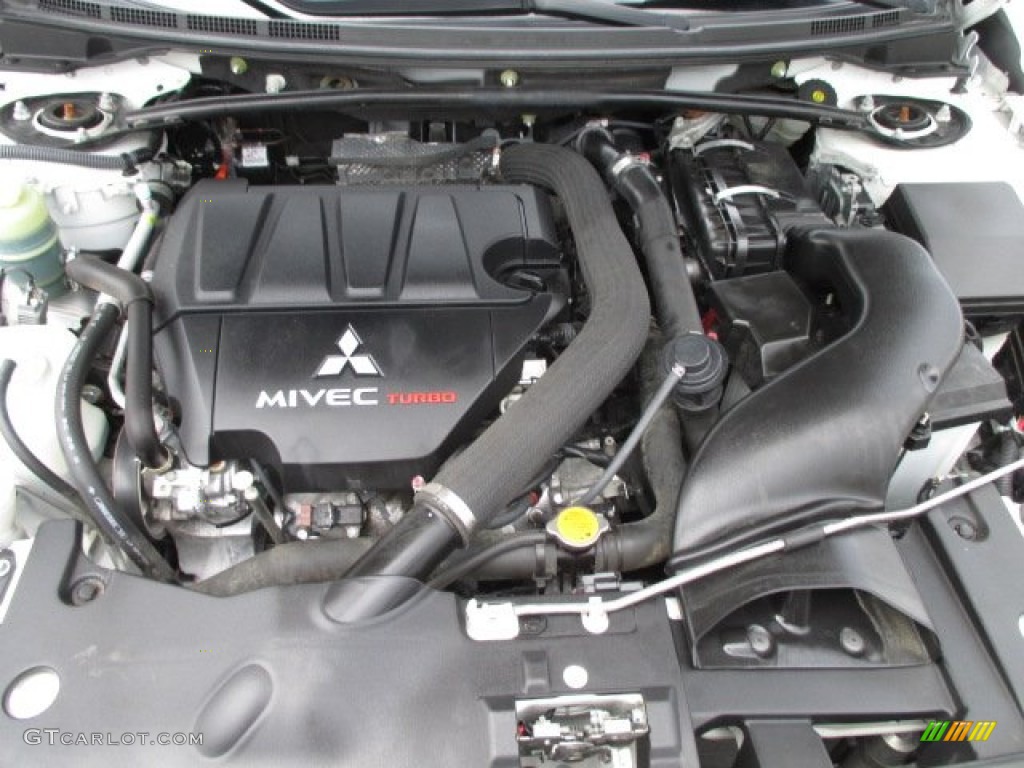
The Ralliart features a turbocharged 2.0-liter inline-4 that thumps out 237 hp and 253 lb-ft. Power is sent to all four wheels through an automated dual-clutch manual transmission with shift paddles and an active center differential. The Ralliart dispatches the 0-60 dash in a sizzling 5.8 seconds. It has notably poorer fuel efficiency, with a rating of 18/25/20.
Standard safety features on all 2012 Mitsubishi Lancers include front-seat side airbags, full-length head curtain airbags and a driver knee airbag. Antilock brakes and stability control are standard across the board, but four-wheel disc brakes are standard only on the SE, GTS and Ralliart. The DE and ES trims get by with rear drum brakes. In brake testing, a Lancer GT stopped from 60 mph in an excellent 115 feet. Surprisingly, the Ralliart and its summer tires delivered a disappointing stop of 126 feet.
The Insurance Institute for Highway Safety awarded the Lancer a top score of "Good" in the organization's frontal-offset, side-impact and roof-strength tests.
With a decent amount of comfort and a quiet cabin, a 2012 Mitsubishi Lancer equipped with the base 2.0-liter engine is fine for the daily commute. Unfortunately, this engine seems to generate more noise than horsepower, especially when saddled with the CVT. For those seeking a bit more excitement on a budget, the SE or GT are better alternatives thanks to more low-end engine power and a suspension that responds better to spirited driving.
The Ralliart bridges the gap to the high-performance Lancer Evolution model with turbocharged power, sharp handling and rapid-fire gearchanges from the dual-clutch transmission. Mechanically, the Ralliart provides plenty of fun around corners, but in our testing we've found its tires to be a bit too economy-minded considering the car's strong performance potential.
While the 2012 Mitsubishi Lancer's chiseled exterior lends an air of aggression, its interior design and materials drag down the vehicle's overall appeal. On the whole, the cabin design is uninspiring and rife with hard plastic elements. This year's addition of optional soft-touch door panels helps, but the lingering downmarket feeling persists.
Taller drivers will likely bemoan the lack of a telescoping steering wheel and the lack of under-thigh support. On the other hand, the rear seats are quite comfortable, with a generous amount of legroom. These 60/40-split seats fold flat to accommodate bulky items, which is advantageous considering the Lancer's rather small 11.6-cubic-foot trunk.
Much like Ford's Sync system, Mitsubishi's Fuse voice-activation system assists in selecting a destination or your favorite music. The Fuse system lacks some of Sync's functions and commands, but for the most part it works pretty well.
The Lancer Evolution is, in a word, fast. But because it uses a small, turbocharged engine instead of a larger naturally-aspirated one, power feels like it’s delivered in a burst instead of a smooth line. All 291 of the engine’s horses require 6,500 rpm to come to full stampede, and maximum torque doesn’t arrive until 4,000 rpm, meaning you have to keep the revs high and the motor buzzing for full strength. This also takes its toll on fuel economy. The Evo has excellent grip thanks to its high-tech all-wheel-drive system that can be tailored to maintain optimum traction on tarmac, snow, or gravel. The Lancer Evolution’s ultra-stiff suspension also helps it stick to pavement like gum on a shoe, but the compromise – and it’s a big one – is a lack of comfort for driver and passengers. Roll over even the slightest deviation in pavement, and you’ll feel it. If you plan to regularly travel rough roads in this, put your chiropractor on speed dial.
6-SPEED AUTO-SHIFTING TRANSMISSIONIn Mitsubishi’s parlance, it’s a TC-SST, that alphabet soup standing for Twin-Clutch Sportronic Shift Transmission. To us it’s just an excellent automatic (with manual-shift mode) that rifles through gears faster than we ever could.TOURING PACKAGEThis option makes the Evo a bit more livable as a commuter car with features like rain-sensing wipers, heated seats, auto-dimming rear-view mirror, glass sunroof and – at least Mitsubishi contends – enhanced sound dampening.
Climb into the 2012 Lancer Evo and you’ll soon figure out its cost went into marvelous engineering, not creature comforts or interior design. The standard Recaro front bucket seats are supportive for sure, but with no adjustment for height – and a steering wheel that does not telescope – you’ll either fit in this car or you won’t. Dials and gauges are plain but easy to locate and use, and the colorful LCD instrument display and optional navigation system do about as much as possible to spruce up an otherwise dark and plain cabin. Rear-seat room is compact-car tight, and trunk space (and the ability to fold the rear seats) is compromised because components, including the battery, have been placed in the trunk for better weight distribution.
Evolution models take the 2012 Lancer’s sporting looks to another level. Yet while performance-oriented attributes, such as an aluminum hood with prominent air vents, distinguish Lancer Evolutions from their lower-level siblings, Evos – especially in MR form without the rear wing – can almost be called sleepers. Keener observers, however, will quickly differentiate Evos, which feature a gaping front grille with black mesh up front, heat-extractor vents on the side and twin tail pipes at the rear. GSR models feature a large rear spoiler, while MR models are more subtle with a smaller trunk lip. Evos come with 18-inch alloy wheels, with GSR models riding on Enkei versions and MR models getting BBS.
As you might expect, the Lancer Evolution’s standard equipment that deserves mention skews toward the performance front. To that end, all Evos come with Brembo brakes, Recaro front bucket seats and Yokohama high-grip tires wrapped around 18-inch wheels. Creature comforts are minimal but include a 140-watt AM/FM/CD player with six speakers, cruise control, automatic climate control and hands-free phone system.
Evos can be spruced up with a hard-drive-based navigation system and music server, heated leather seats, power sunroof and a booming 710-watt, 9-speaker Rockford-Fosgate sound system that includes a 10-inch subwoofer.
Here’s where the heart of the Evo lies, and a powerful one it is: A small, turbocharged 4-cylinder engine that cranks out 291 horsepower. All 2012 Mitsubishi Lancer Evolution models feature all-wheel-drive with selectable road settings. GSR models use a 5-speed manual transmission, while MR models have a twin-clutch automatically-shifting transmission with paddles for manual control. While the engine is small, it’s not very fuel-efficient. Though rated up to 23 mpg, you’ll be hard-pressed to attain that figure with the kind of aggressive driving for which this car is made.2.0-liter turbocharged inline-4291 horsepower @ 6,500 rpm300 lb-ft of torque @ 4,000 rpmEPA city/highway fuel economy: 17/23 mpg (manual), 17/22 mpg (automatic)
Once hailed as a performance bargain, Lancer Evolution models have climbed in price over the years. They still offer tremendous performance for the buck but, with a Manufacturer’s Suggested Retail Price (MSRP) over $ 35,000, they are not inexpensive, and a far cry from a Lancer DE, whose price – like its horsepower rating – is roughly half that of an Evo. Fully loaded, a 2012 Lancer Evolution is nearly $ 46,000, which could buy a well-equipped BMW 3-Series. The Evo’s starting price is slightly more than the Subaru WRX STI and the Volkswagen Golf R (both just under $ 35,000). And keep this in mind: Like the higher-performance Lancer Ralliart, the Evolution’s warranty is shorter than that of other Mitsubishi vehicles. The Evo’s basic warranty is 3 years/36,000 miles and the powertrain is 5 years/60,000 miles, compared with 5 years/60,000 and 10 years/100,000, respectively, for other Mitsubishis. To see what buyers in your area are paying for the 2012 Mitsubishi Lancer Evolution, be sure to check the Kelley Blue Book Fair Purchase Price. As for resale value, the Lancer Evo falls short of the Subaru Impreza WRX STI.
2012 Mitsubishi Lancer GT Exterior Colors
2012 Mitsubishi Lancer GT Interior Colors
2012 Mitsubishi Lancer Engines
| Engine | Standard in Trim | Power | Torque | Fuel Consumption - City | Fuel Consumption - Highway | 0-100 km/h | Quarter Mile | Half Mile |
|---|---|---|---|---|---|---|---|---|
| 2.0L L4 DOHC 16-valve | DE | 148 hp @ 6000 rpm | 161 N.m | 9.6 L/100km | 6.9 L/100km | 9.0 s | 16.5 s | 27.4 s |
| 2.0L L4 DOHC 16-valve | GT | 148 hp @ 6000 rpm | 161 N.m | 9.2 L/100km | 6.9 L/100km | 9.0 s | 16.5 s | 27.4 s |
| 2.0L L4 turbo DOHC 16-valve | GSR | 291 hp @ 6500 rpm | 161 N.m | 14.0 L/100km | 10.3 L/100km | 5.1 s | 11.7 s | 21.9 s |
| 2.0L L4 turbo DOHC 16-valve | Final Edition | 303 hp @ 6500 rpm | 161 N.m | 14.0 L/100km | 10.3 L/100km | 4.9 s | 11.6 s | 21.6 s |
| 2.0L L4 turbo DOHC 16-valve | MR | 291 hp @ 6500 rpm | 161 N.m | 14.2 L/100km | 10.5 L/100km | 5.1 s | 11.7 s | 21.9 s |
| 2.0L I4 turbo DOHC 16-valve | Base | 237 hp @ 6000 rpm | 161 N.m | 13.4 L/100km | 9.4 L/100km | 5.9 s | 12.5 s | 23.4 s |
| 2.0L L4 DOHC 16-valve | GT | 148 hp @ 6000 rpm | 161 N.m | 9.6 L/100km | 7.3 L/100km | 9.5 s | 16.9 s | 28.1 s |
2012 Mitsubishi Lancer Trims
2012 Mitsubishi Lancer Previous Generations
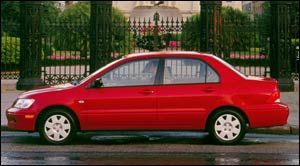
2012 Mitsubishi Lancer Future Generations
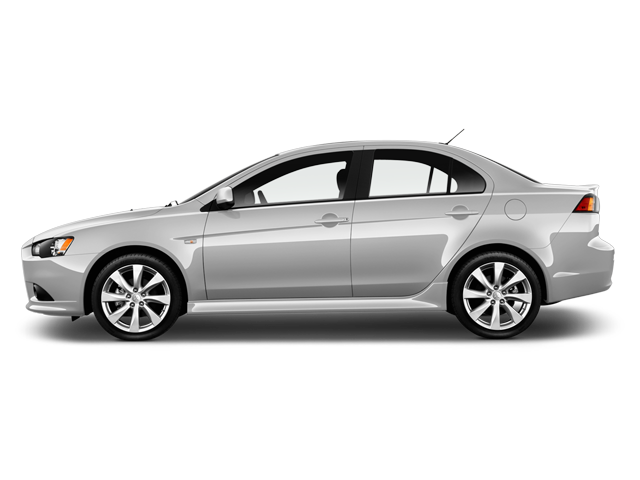
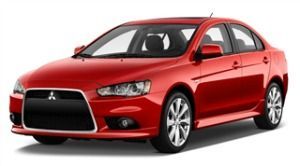
Mitsubishi Lancer Overview and History
True production begins after the merger of Mitsubishi Shipbuilding and Mitsubishi Aircraft Co. in 1934. Concentrated on building aircraft, ships, and railroad cars, the company found time to make a prototype sedan in 1937 which it called the PX33. Sadly, it was mainly for military use as the war approached.
Only after the war did the company really got into car production with a small three-vehicle vehicle, the Mizushima and a scooter with a funny name, the Silver Pigeon. Then came the split of the former conglomerate, because the conquering Allies did not see with favorable eyes Japan's industrial development.
A decade later, things in Japan were looking up and personal transportation became an issue again as more and more families afforded cars. Enter the Mitsubishi 500, a sedan for the masses, and later the Minica small car and the Colt 1000 in 1963. With sales rising, the remnants of the Mitsubishi conglomerate were united once again in 1970.
The next step for the company was to ally itself with a foreign company, Chrysler in this case, which bought 15% of the Mitsubishi, which afforded the Japanese manufacturer the license to sell rebadged Galants as Dodge Colts in the States and as Chrysler Scorpions in Australia.
In this way, Mitsubishi was able to raise numbers in production and set up a series of dealerships around Europe. But if for Mitsubishi things were looking up, the same could not be said about its American partner which was forced to sell the Australian manufacturing division in 1980.
Two years later, Mitsubishi would enter the American market under its own name with the Tredia sedan, the Cordia and the Starion coupe. The car quota was established at 30,000 vehicles but the Japanese were keen to increase that number and they began a campaign of active advertising. By the end of the 80s, Mitsubishi had achieved 1,5 million units produced worldwide.
In order to bypass the strict import regulations and to ease the tensions between the two companies, Mitsubishi and Chrysler founded a new vehicle manufacturing company in Normal, Illinois under the name Diamond-Star Motors which started production in 1987. The models that came out of this plant include the Mitsubishi Eagle, the Eagle Talon and the Plymouth Laser.
In 1988 the company changed its status from being privately owned to public. Mitsubishi industries remained the largest stockholder with 25% of the company, while Chrysler upped its share to 20 %. Later, in 1992, it reduced the equity to just 3% and even sold its interest in Diamond-Star Motors, leaving Mitsubishi as the sole owner.
In 1995, Mitsubishi Motors changed its name to the current on from DSM as it was previously known on the American market. Also, it opened up a new North American Manufacturing Division in 2002.
In 2000, Mitsubishi sought a new partnership with the newly formed Daimler-Chrysler concern which cost the German-American group $ 1.9 billion, $ 200 million less than the original price once the defect cover-up scandal came out. It seems that Mitsubishi had systematically covered up defects in its production cars as far back as 1977, involving anything from failing brakes to faulty clutch systems. When the news was disclosed, the company was forced to recall 163,707 vehicles for free repairs.
That, coupled with a economic crisis in the Asian region caused Mitsubishi a loss in profit and even the need to downsize in order to cope with falling demand. A new breed of cars, revitalized models and forward thinking was what brought Mitsubishi back on track. The Mitsubishi i, a small car perfect for the Asian market and the new Lancer and Outlander were enough to put the company back on the market. This lead to the first profitable quarter at Mitsubishi in four year to be declared in 2006.
2012 Mitsubishi Lancer Consumer Reviews
Compare Against Competitors
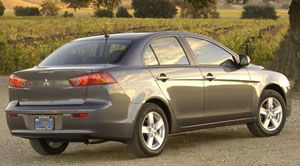
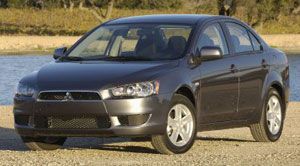

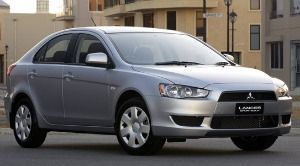
2012 Mitsubishi Lancer GT Specifications
GT Comfort and Convenience
| AM/FM stereo radio | 140-watt AM/FM stereo radio |
|---|---|
| Air Conditionning | Air conditioning |
| Antenna | Rear roof-mounted antenna |
| Bluetooth Wireless Technology | Yes |
| Driver Vanity Mirror | Driver-side vanity mirror |
| Front Wipers | Intermittent windshield wipers |
| Interior Air Filter | Cabin air filter |
| Multi-CD Changer | In-dash 6-CD changer |
| Number of Speakers | 8 speakers |
| Passenger Vanity Mirror | Front passenger-side vanity mirror |
| Power Door Locks | Yes |
| Power Outlet | 2 12-volt power outlets |
| Power Windows | Power windows with driver one-touch down feature |
| Premium Sound System | 710-watt Rockford-Fosgate Punch premium sound system |
| Rear Heating | Rear heater floor ducts |
| Remote Audio Controls | Steering wheel mounted audio controls |
| Remote Keyless Entry | FAST-key with panic alarm feature (Free hand Advanced Security Transmitter) |
| Smoking Convenience | Ashtray |
| Special Feature | SIRIUS satellite radio with 6-month subscription |
| Subwoofer | 1 10-inch subwoofer |
| Trunk Light | Yes |
GT Dimensions
| Cargo Capacity | 334 L |
|---|---|
| Curb Weight | 1300 kg |
| Front Headroom | 980 mm |
| Front Legroom | 1075 mm |
| Fuel Tank Capacity | 59 L |
| Gross Vehicle Weight | 1800 kg |
| Ground Clearance | 140 mm |
| Height | 1480 mm |
| Length | 4570 mm |
| Rear Headroom | 935 mm |
| Rear Legroom | 915 mm |
| Wheelbase | 2636 mm |
| Width | 1760 mm |
GT Exterior Details
| Door Handles | Body-color door handles |
|---|---|
| Driving Lights | Daytime running lights |
| Exterior Folding Mirrors | Folding outside mirrors |
| Exterior Mirror Colour | Body-color exterior mirrors |
| Front Fog Lights | Front fog lamps |
| Grille | Front Ralliart grille with chrome surround |
| Headlight Type | Halogen headlights |
| Headlights Auto Off | Auto-off headlights |
| Rear Window Defroster | Yes |
| Sunroof | Power sunroof |
GT Interior Details
| Driver Info Center | Driver info center with LCD screen |
|---|---|
| Floor Console | Centre floor console with armrest lid |
| Floor Mats | Front and rear floor mats |
| Front Seats Front Seat Back Storage | Driver-side seatback storage |
| Front Seats Heated | Heated front seats |
| Maintenance Interval Reminder | Maintenance reminder |
| Number of Cup Holders | 2 front cupholders |
| Outside Temperature Gauge | Outside temperature display |
| Rear Center Armrest | Rear center armrest with cupholders |
| Seat Trim | Leather seats |
| Shifter Knob Trim | Leather shift knob |
| Steering Wheel Trim | Leather-wrapped steering wheel |
GT Mechanical
| Drive Train | Front-wheel drive |
|---|---|
| Engine Name | 2.0L L4 DOHC 16-valve |
| Stability Control | Yes |
| Traction Control | Yes |
| Transmission | 5 speed manual |
| Transmission (Option) | Continuously variable transmission |
GT Overview
| Body | Sedan |
|---|---|
| Doors | 4 |
| Engine | 2.0L L4 DOHC 16-valve |
| Fuel Consumption | 7.9 (Automatic City)5.8 (Automatic Highway)8.4 (Manual City)5.8 (Manual Highway) |
| Power | 148 hp @ 6000 rpm |
| Seats | 5 |
| Transmission | Continuously variable transmission |
| Warranties | Bumper-to-Bumper100000/km, 60/Months Emissions130000/km, 96/Months Powertrain160000/km, 120/Months Roadside AssistanceUnlimited/km, 60/Months Rust-throughUnlimited/km, 60/Months |
GT Safety
| Anti-Lock Brakes | 4-wheel ABS |
|---|---|
| Anti-Theft Alarm | Anti-theft alarm system |
| Brake Assist | Brake assist |
| Brake Type | 4-wheel disc |
| Child Seat Anchor | LATCH child seat anchors |
| Child-proof Locks | Child safety rear door locks |
| Driver Airbag | Driver side front airbag |
| Electronic brake force distribution | Electronic brake force distrbution |
| Ignition Disable | Engine immobilizer |
| Knee Airbags | Driver-side knee airbag |
| Panic Alarm | Panic alarm |
| Roof Side Curtain | Side-curtain airbags |
| Side Airbag | Side aibags |
GT Suspension and Steering
| Front Anti-Roll Bar | Front stabilizer bar |
|---|---|
| Front Suspension | Front independent suspension |
| Front Tires | P205/60R16 |
| Power Steering | Electric-assist power rack-and-pinion steering |
| Rear Suspension | Rear independent suspension |
| Spare Tire | Compact spare tire |
| Tire Pressure Monitoring System | Yes |
| Wheel Type | 16'' alloy wheels |
Critics Reviews
The 2008 Mitsubishi Lancer is a basic but sporty sedan with some tech features not often offered in this class. Find out why the 2008 Mitsubishi Lancer is rated 7.8 by The Car Connection experts.
2008 Mitsubishi Lancer Review by U.S. News Best Cars Staff | February 17, 2009 Note: This review was created when the 2008 Mitsubishi Lancer was new. The Lancer offers some of the most attractive exterior styling and balanced handling in its class, combined with some tech features that are usually reserved for luxury cars.
Discussion and Comments
Share Your Comments