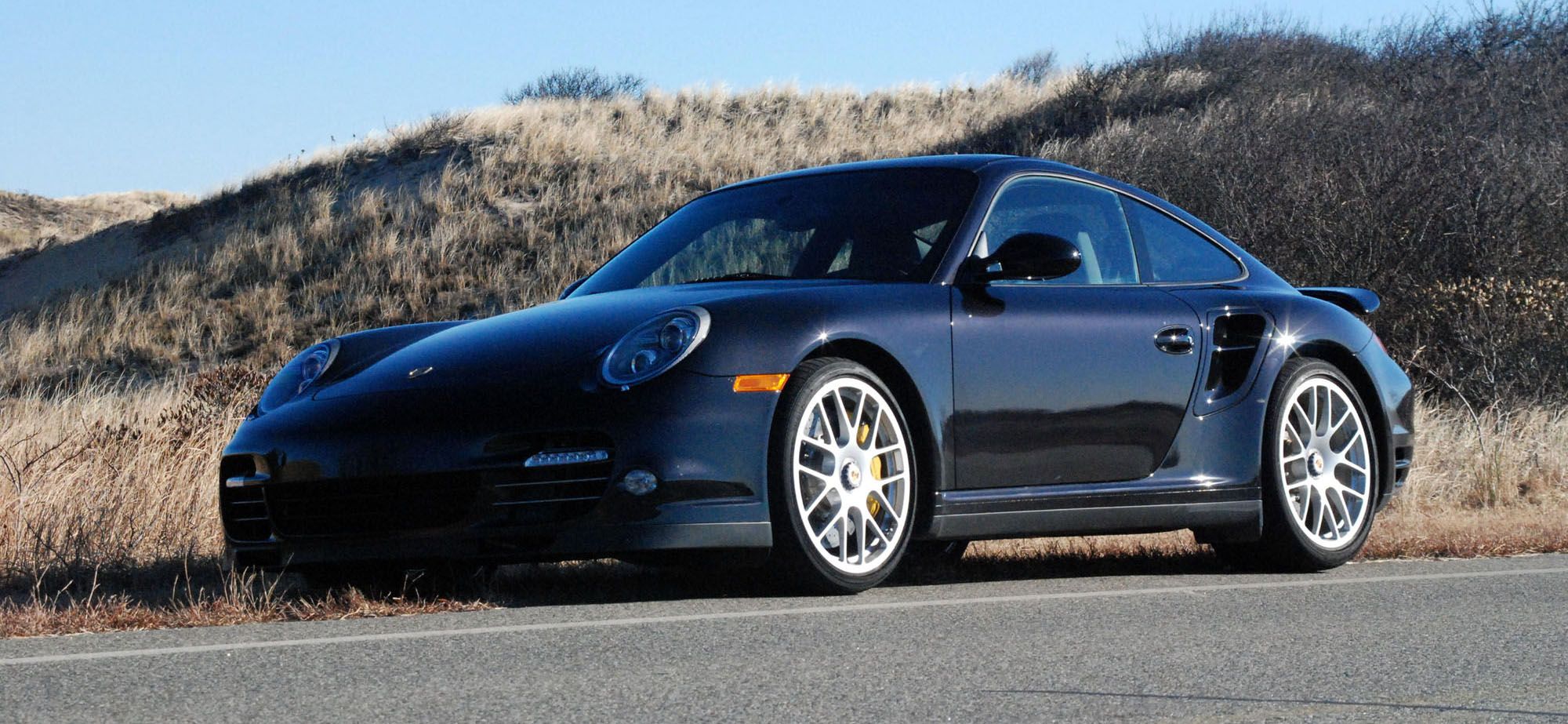
2011 Porsche 911 Turbo Base 0-60 Times, Top Speed, Specs, Quarter Mile, and Wallpapers
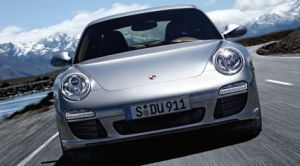
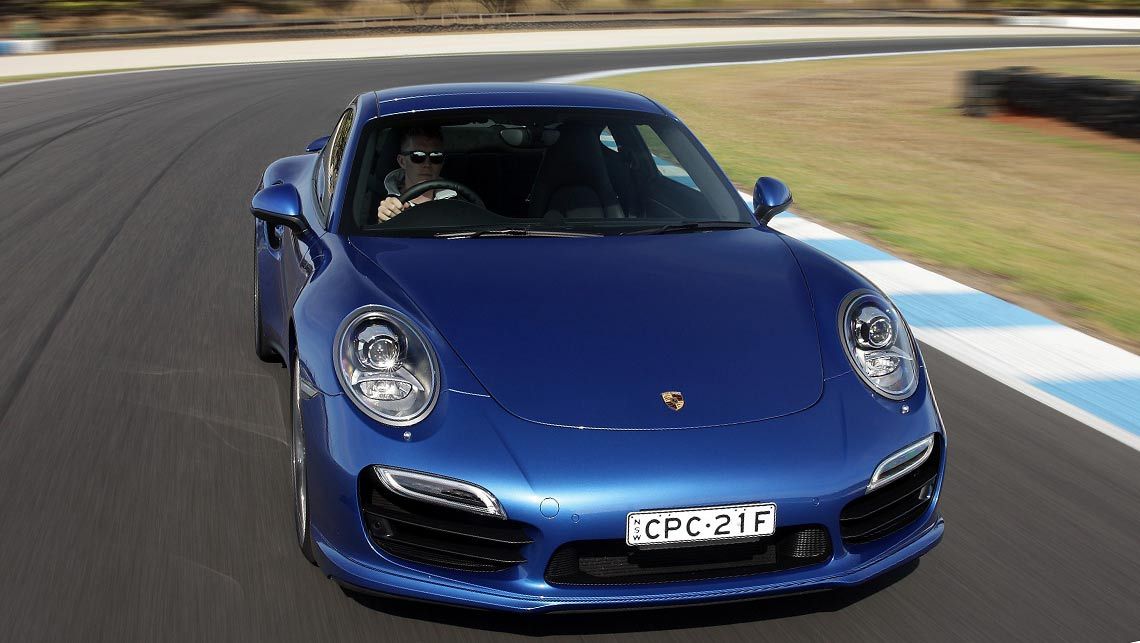
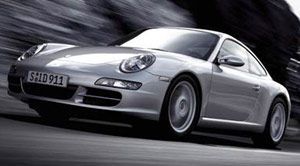
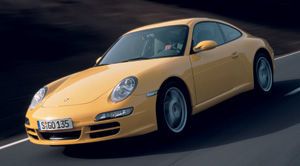
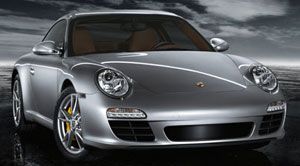
The 2011 Porsche 911 Turbo Base is a All-wheel drive Coupe. It can accommodate up to 4 passengers. It has 2 Doors and is powered by a 3.8L H6 twin-turbo DOHC 24-valve engine which outputs 385 hp @ 6500 rpm and is paired with 7-speed automated manual transmission gearbox. The 2011 Porsche 911 Turbo Base has cargo capacity of 105 Liters and the vehicle weighs 1570 kg. In terms of ride assists, the 2011 Porsche 911 Turbo Base has stability control and traction control in addition to anti-lock brake system (ABS). The vehicle has an optional engine as well It offers and. Safety features also include Driver-side front airbag and Passenger-side front airbag. The front suspension is Independent front suspension while the rear suspension is Independent rear suspension. The car also features a Yes It has 19'' alloy wheels as standard. Electronic features include Cruise Control. For convenience, the car has Power windows and Power door locks. There is also a remote keyless entry feature. Moreover, the car has. The steering wheel has audio control buttons. In terms of performance, the car has 421 N.m of torque and a top speed of 267 km/h. The 2011 Porsche 911 Turbo Base accelerates from zero to 60 mph in 4.5 seconds and hits quarter mile at 11.1 seconds. Fuel consumption is 11.3 L/100km in the city and 7.5 L/100km in the highway. The car price starts at $ 159,400
| Name | Base | |
|---|---|---|
| Price | $ 159,400 | |
| Body | Coupe | |
| Doors | 2 Doors | |
| Engine | 3.8L H6 twin-turbo DOHC 24-valve | |
| Power | 385 hp @ 6500 rpm | |
| Number of Seats | 4 Seats | |
| Transmission | 7-speed automated manual transmission | |
| Cargo Space | 105.0 L | |
| Maximum Cargo Space | 105.0 L | |
| Wheel Type | 19'' alloy wheels | |
| Series | 911 | |
| Drivetrain | All-wheel drive | |
| Horsepower | 385 HP | |
| Torque | 421 N.m | |
| Top Speed | 267 km/h | |
| Acceleration 0-100 km/h (0-60 mph) | 4.5 s | |
| Fuel Type | Petrol (Gasoline) | |
| Fuel Consumption (City) | 11.3 L/100km | |
| Fuel Consumption (Highway) | 7.5 L/100km | |
| Gear Type | auto | |
| Weight | 1,420 KG | |
| Brand | Porsche | |
| Model | 911 | |
| 0-400m (Quarter Mile) | 11.1 s | |
| 0-400m (Quarter Mile) - Speed | 184.0 km/h | |
| 0-800m (Half Mile) | 20.7 s | |
| 0-800m (Half Mile) - Speed | 207.0 km/h | |
| Modifications (MODS) | ||
| Modifications Cost | $ 0 |
2011 Porsche 911 Turbo test (0-100 km/s)
LAUNCH SERIES: 0-60 2011 Porsche 911 Turbo S
Porsche 911 Turbo S 2011 Acceleration
2013 Nissan GTR vs 2011 Porsche 911 Turbo S Drag Race
2011 Porsche 911 Used Price Estimates
Estimates based on a driving average of 12,000 miles per year| Used Condition | Trade In Price | Private Party Price | Dealer Retail Price |
|---|---|---|---|
| Outstanding | $ 62,571 | $ 75,154 | $ 85,086 |
| Clean | $ 58,954 | $ 70,867 | $ 79,938 |
| Average | $ 51,720 | $ 62,293 | $ 69,642 |
| Rough | $ 44,486 | $ 53,719 | $ 59,346 |
The 2011 Porsche 911 remains the quintessential sports car that only gets better with every passing year.
Saying "I want a 2011 Porsche 911" is like going to the Cheesecake Factory and telling the waitress, "I'll have the food, please." You'll need to be more descriptive to discern which of the 19 models -- differentiated by body style, engine, driven wheels and performance tuning -- will suit you. There's also an options list that challenges the federal budget in length, including match-to-sample paint and leather colors. To quote another restaurant chain, you can have it your way.
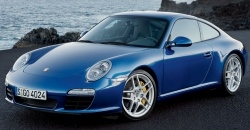
But do you even want one in the first place? Buying such a pricey automotive toy is seldom a rational affair, but as much as the 911 is a lust-worthy item (regardless of the particular variant you may choose), it also makes a lot of sense. A Carrera S will hit 60 mph in 4.2 seconds, yet also return 27 mpg. It'll humble just about any mountain road, but also take you in comfort from Phoenix to Vegas with a golf bag and a weekend's worth of luggage. The Porsche 911 has also been around so long in its most basic form that its engineers have simply been perfecting perfection.
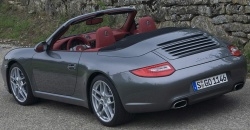
If this seems like we're blowing smoke up the 911's engine-filled bum, you'd be right. But what other choice do we have when every single one of its 19 variations is so darned good?
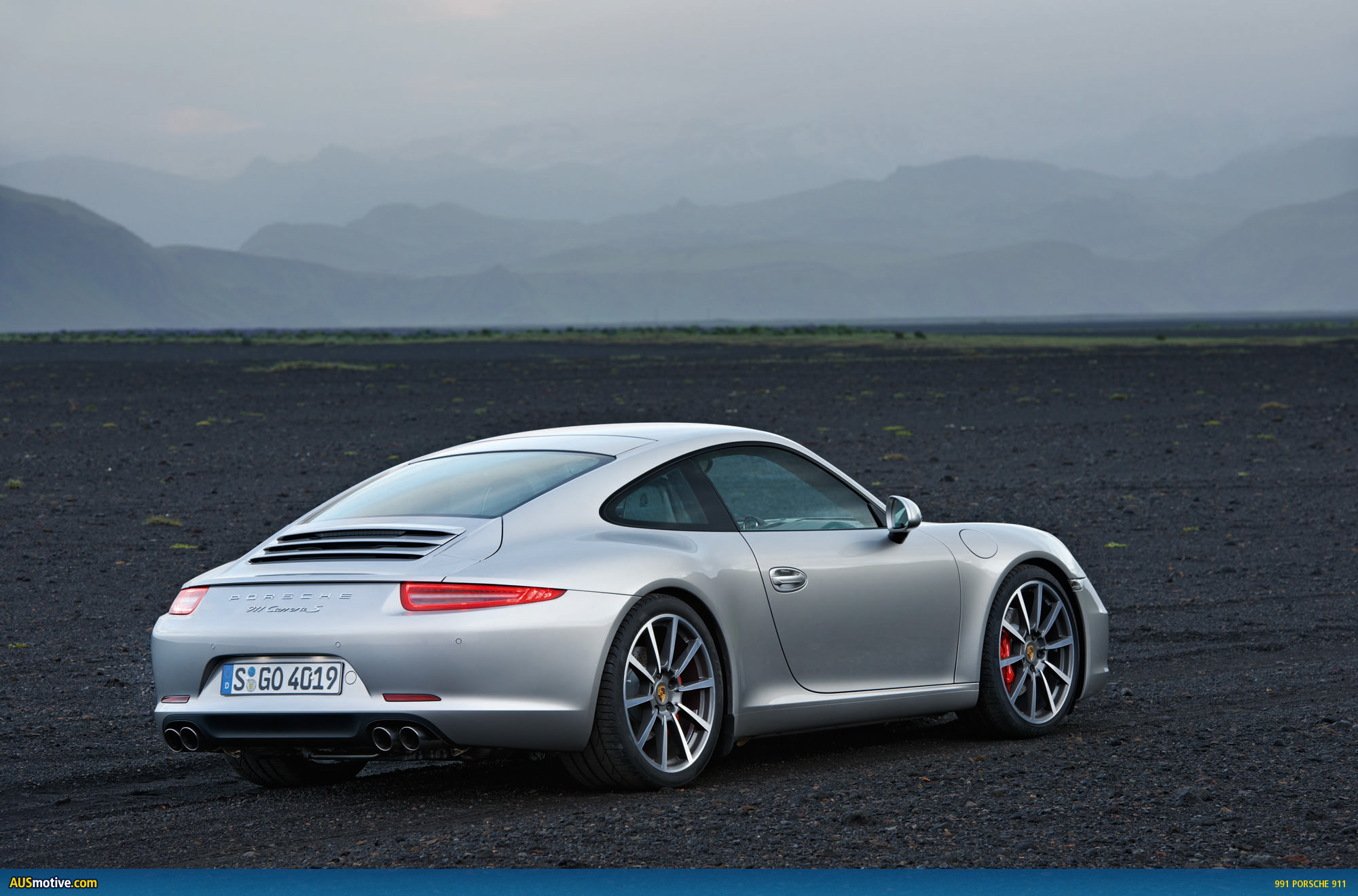
Frankly, we'd be happy with a plain, old base-model 911 Carrera, which gives up very little to its siblings with longer names. But when the 911 Turbo became capable of reaching 60 mph in a shocking 3.2 seconds, we were absolutely smitten. Now for 2011, an even more powerful Turbo S model has arrived along with several models intended for more dedicated drivers or even track use. The GT2 RS in particular is one of the wildest and demanding cars on the road, adding power to the Turbo S engine while subtracting the security of all-wheel drive.
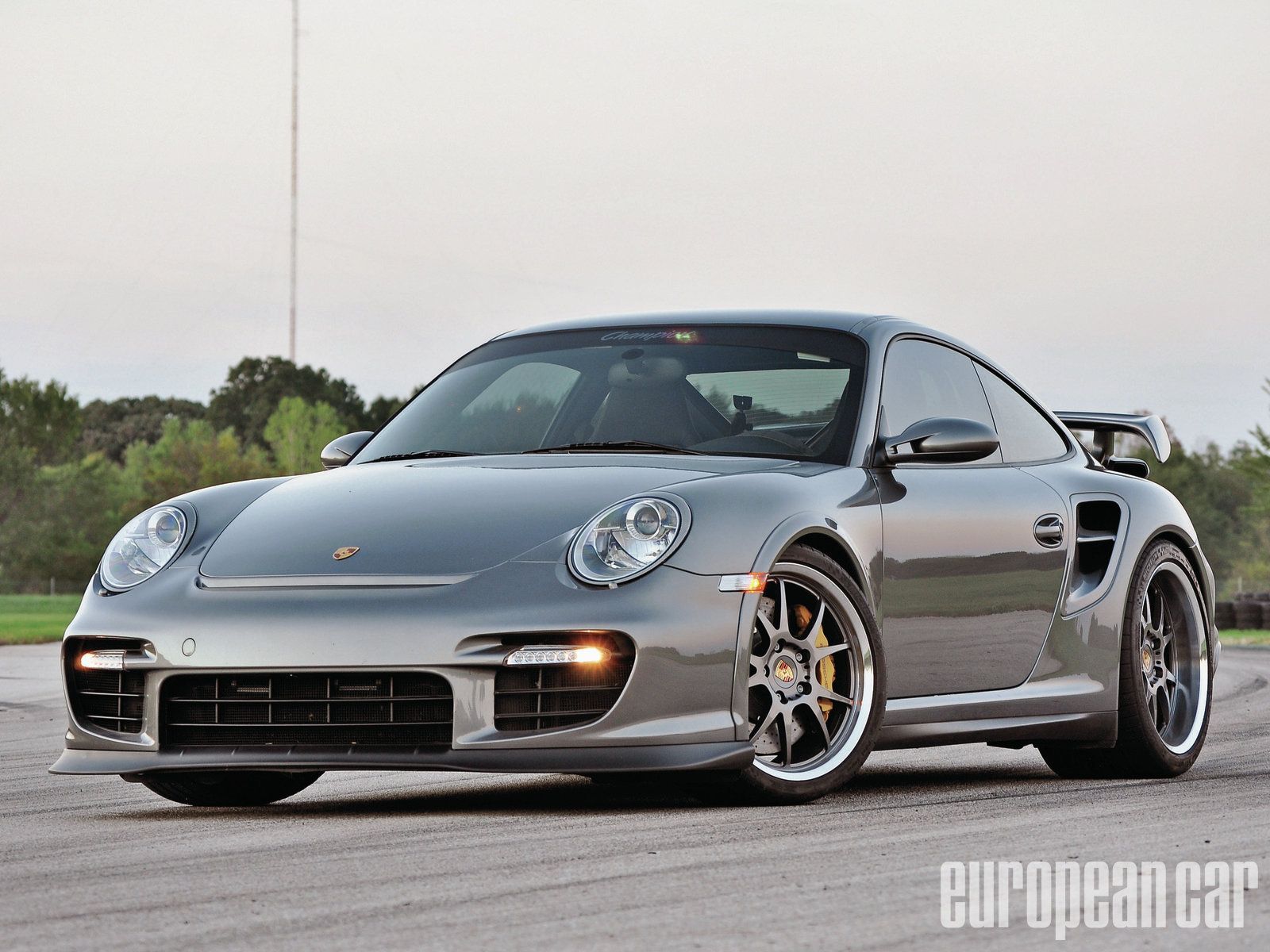
Despite our adoration for the many shades of Porsche 911, there are, of course, several competitors targeting its myriad models. We can't exactly argue against a list that includes the 2011 Aston Martin V8 Vantage, 2011 Audi R8, 2011 Jaguar XK, 2011 Lotus Evora, Maserati GranTurismo, Mercedes-Benz SLS AMG and 2011 Nissan GT-R. But for those seeking purity, simplicity, practicality and, yes, variety, the 911 will always prevail.
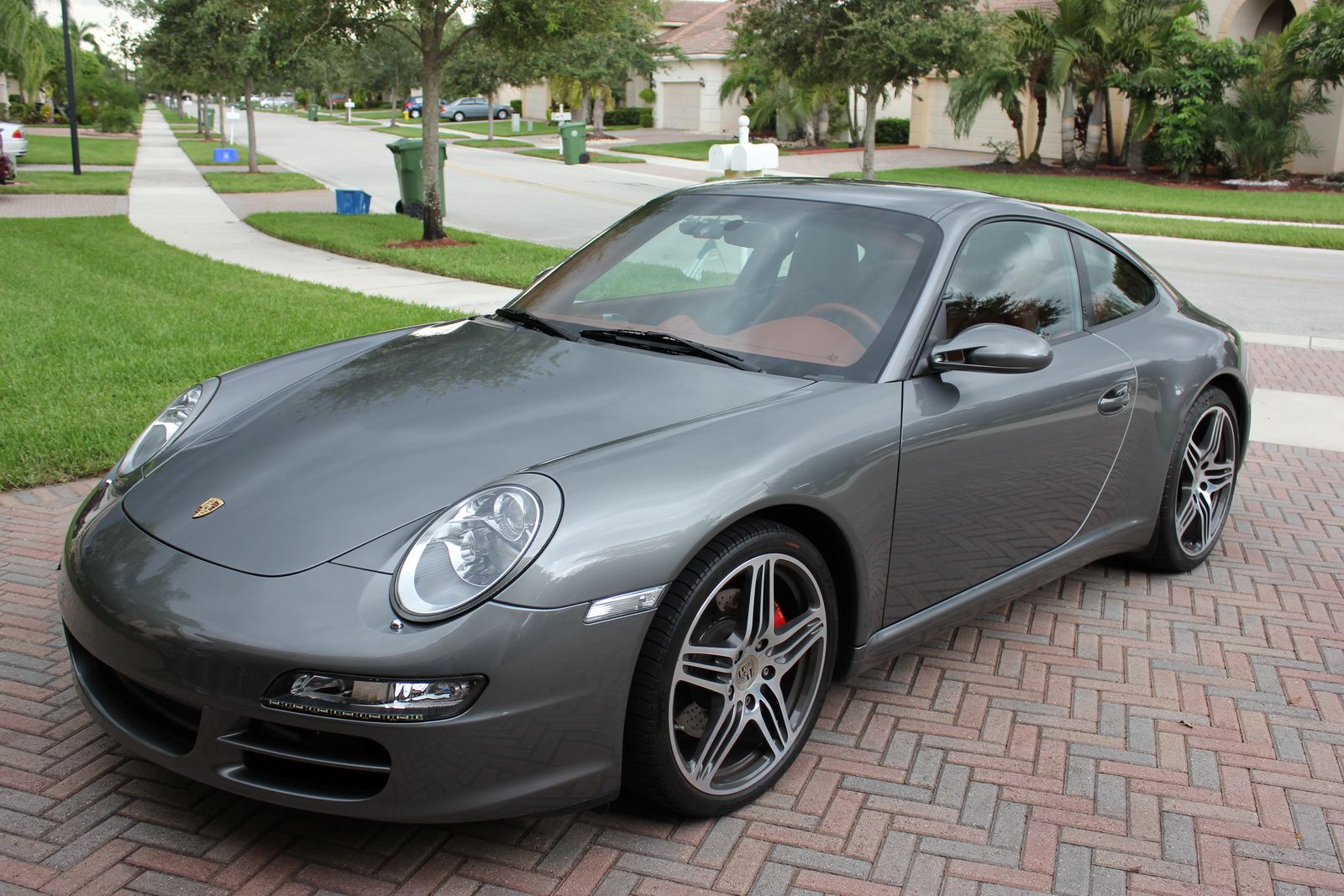
The 2011 Porsche 911 is available in 19 different variations. The Carrera and Turbo models are available in coupe and convertible (Cabriolet) body styles, while the Targa model is essentially a hatchback coupe with a large sunroof and rear hatch made from glass. All-wheel drive and larger rear fenders are added to the Turbo models and any 911 with "4" in its name. The bigger rear fenders are also found on the GTS and Speedster. The GT3, GT3 RS, GT3 RS 4.0 and GT2 RS are coupe only, while the 911 Speedster is convertible only.
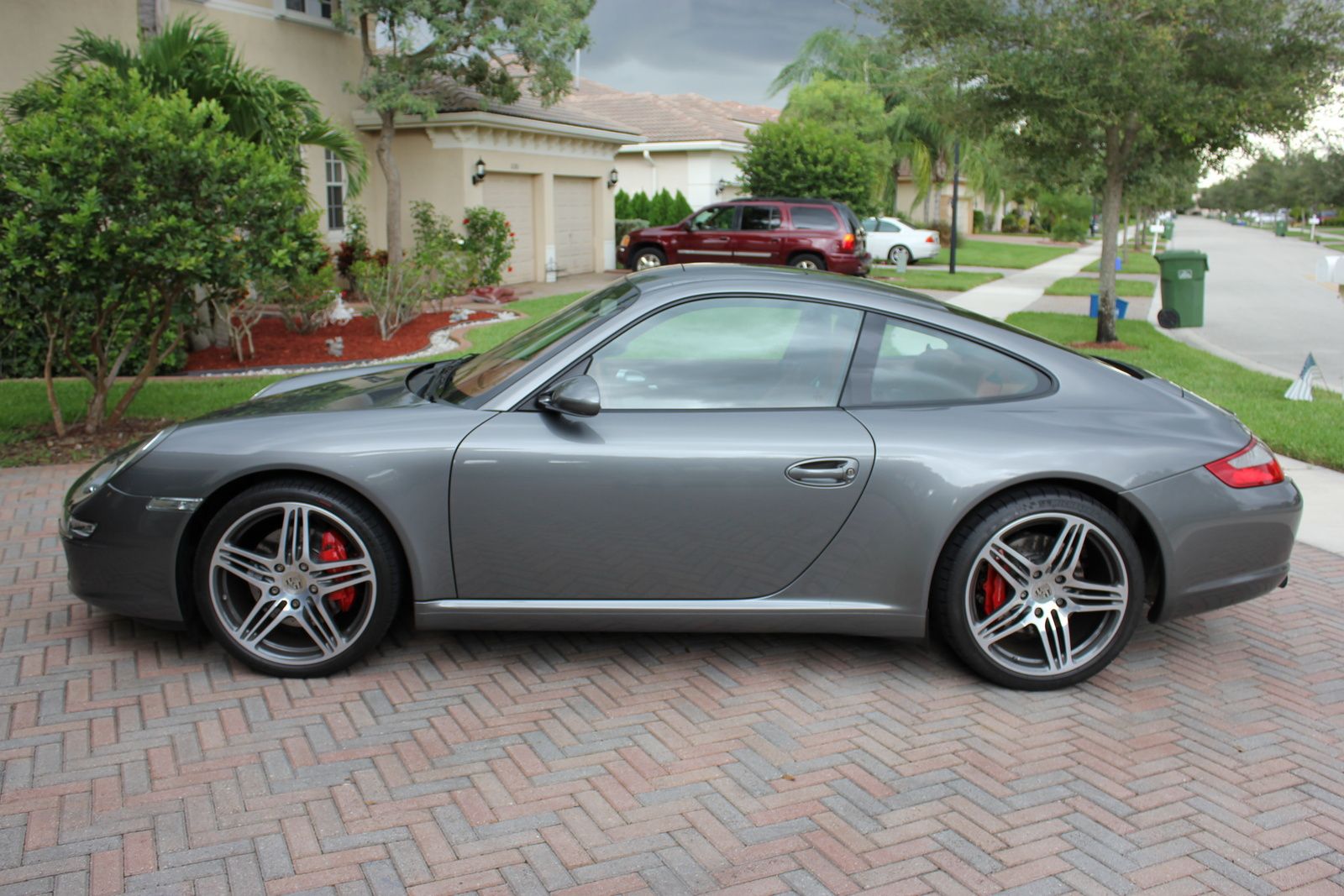
The Carrera and Targa trims come standard with 18-inch wheels, performance tires, bi-xenon headlights, LED running lights, automatic wipers, a steel sunroof, cruise control, automatic climate control, leather upholstery, power-reclining front seats (with manual fore-aft and height adjustment), split-folding rear seats and a tilt-and-telescoping steering wheel. Also standard is a touchscreen electronics interface, Bluetooth and a nine-speaker stereo with CD/DVD player, an auxiliary audio jack and an iPod/USB audio interface.
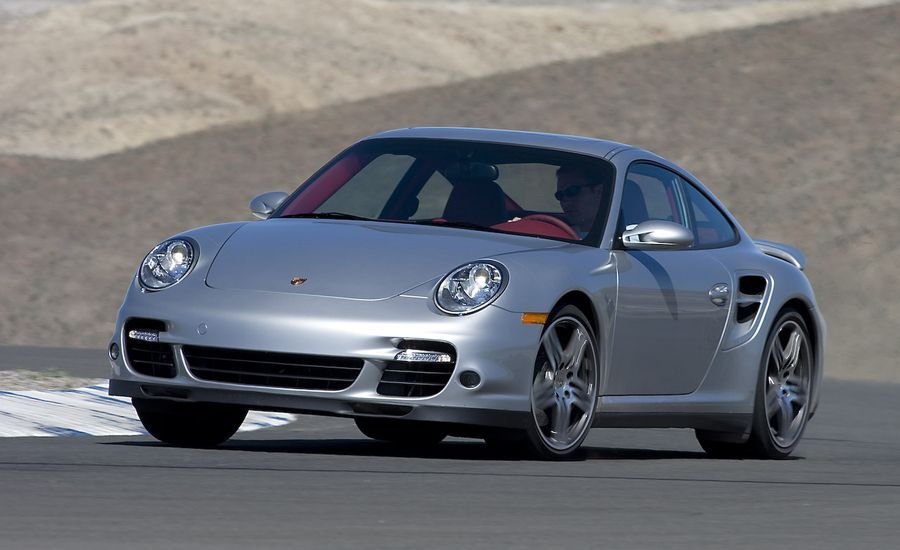
The Cabriolet includes a power soft top, while the Targa includes a bigger, more complex sunroof and a rear hatch, both made from glass. The S trims add a more powerful engine, 19-inch wheels, an adaptive suspension and a smaller-diameter steering wheel. The GTS gets more power, special wheels and unique design flourishes for the exterior, plus faux-suede trim for the seats, shift lever and steering wheel. The 911 Speedster is essentially a Carrera S Cabriolet with almost all of the available options, plus more power and special exterior and interior trim.
The Turbo adds to the Carrera a turbocharged engine, 19-inch forged wheels, a more aggressive suspension tune, unique body styling, full power front seats, a full leather interior, auto-dimming interior and driver-side mirrors and a 13-speaker Bose surround-sound system. The Turbo S adds more power, an automated manual transmission, carbon-ceramic brakes, adaptive sport seats and the availability of special two-tone interior color schemes.
Besides engine and body style attributes, most extra features available on upper trims are optional on lower trims. The rest of the options list is enormous, featuring an endless number of customizable features that will let you paint the exterior any color or wrap just about anything in leather. Regular options include different wheels, a limited-slip differential, adaptive headlights, shift paddles for the PDK automated manual transmission (standard on Turbo), a sport exhaust, parking sensors, sport seats (in three different designs), heated seats, ventilated seats, a heated steering wheel, different steering wheel designs, a navigation system, a six-CD/DVD changer, voice controls and satellite radio.
The ultra-high-performance 911 variations delete the rear jump seats. The GT3 gets 19-inch center-lock wheels, a limited-slip differential, enhanced suspension and brakes, a unique body kit, full underbody paneling, manual-adjustable sport seats and faux-suede trim for the seats, steering wheel and shifter. Certain luxury and convenience features like Bluetooth and the iPod/USB audio interface revert back to the options list, while the sound system is a downgraded four-speaker unit. The GT3 RS gets more horsepower, even more aggressive suspension tuning, a plastic rear window (for weight reduction), a fixed carbon-fiber rear wing and unique bodywork flourishes.
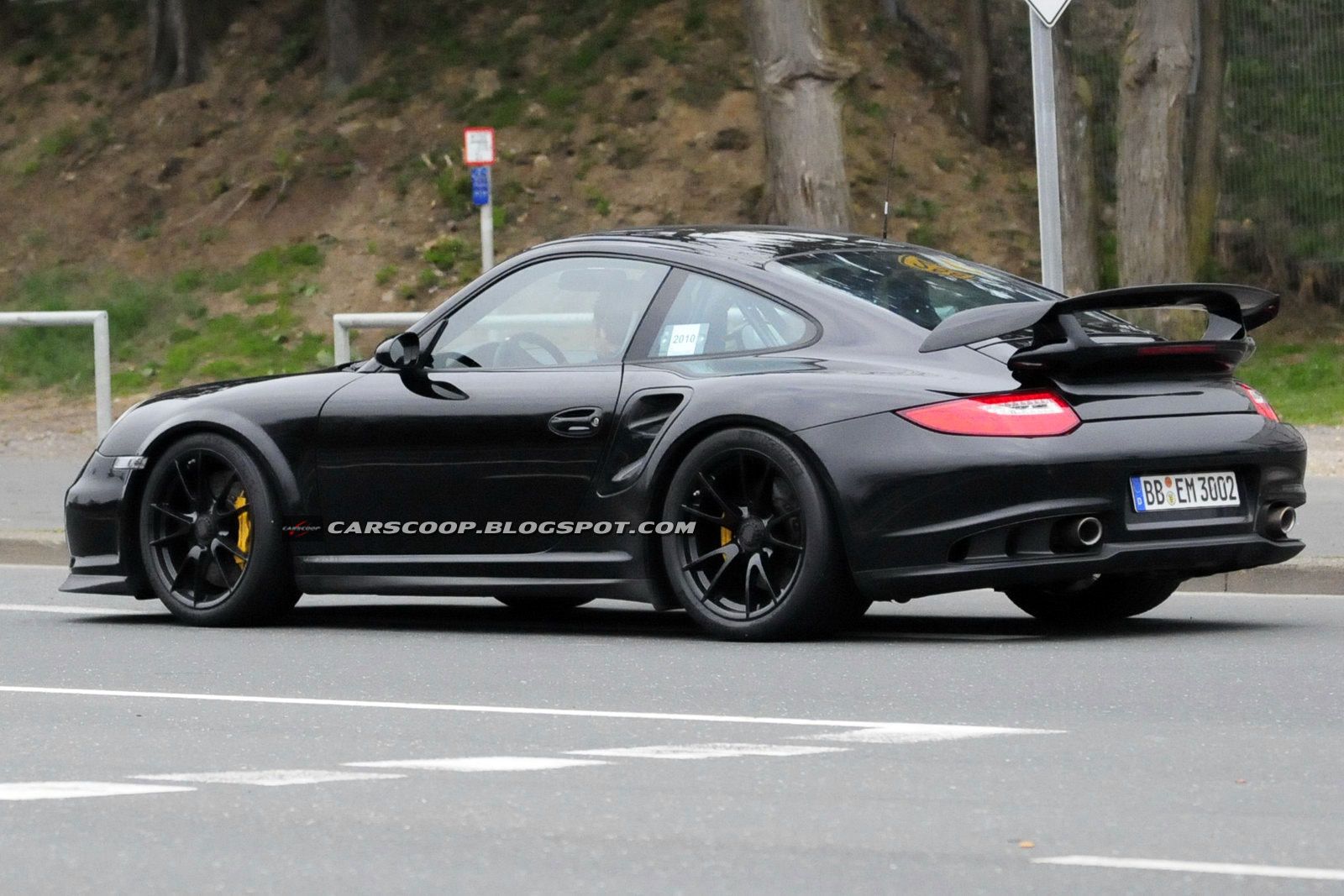
The top-of-the-line GT2 RS essentially takes the GT3 RS and adds a more powerful version of the Turbo's engine -- albeit with rear-wheel drive. Also included are carbon-ceramic brakes, a more aggressive aero package, carbon-fiber body panels and styling flourishes. The GT3 RS 4.0 is similar, but gets a bigger engine.
The GT2 and both examples of the GT3 can be equipped with many of the regular 911's optional items, but not all. The optional upgraded stereo for these cars is the Carrera's base nine-speaker system, and there are a number of further performance upgrades available as well.
Every 2011 Porsche 911 is powered by a horizontally opposed six-cylinder engine. A six-speed manual transmission is standard on most models, while a seven-speed dual-clutch automated manual known as PDK is standard on the Turbo S and Speedster and optional on all but GT3 models. All-wheel drive is included on the Turbo, Turbo S and any model with 4 in its name.
The Carrera and Targa get a 3.6-liter unit with 345 horsepower and 288 pound-feet of torque. The S models get a 3.8-liter unit with 385 hp and 310 lb-ft of torque. This engine gets bumped up to 408 hp in the Carrera GTS and Speedster or when equipped with the Carrera S Powerkit. Expect these 911s to go from zero to 60 mph in about 4.5 seconds or less.
The Turbo has a twin-turbocharged version of the Carrera S engine that produces 500 hp and 480 lb-ft of torque. An overboost function cranks that up to 516 lb-ft. In performance testing with a PDK-equipped car, this engine was enough to hit 60 in a staggering 3.2 seconds -- quicker than just about everything not called Bugatti Veyron. The Turbo S should be even quicker, with 530 hp, 516 lb-ft of torque and standard PDK.
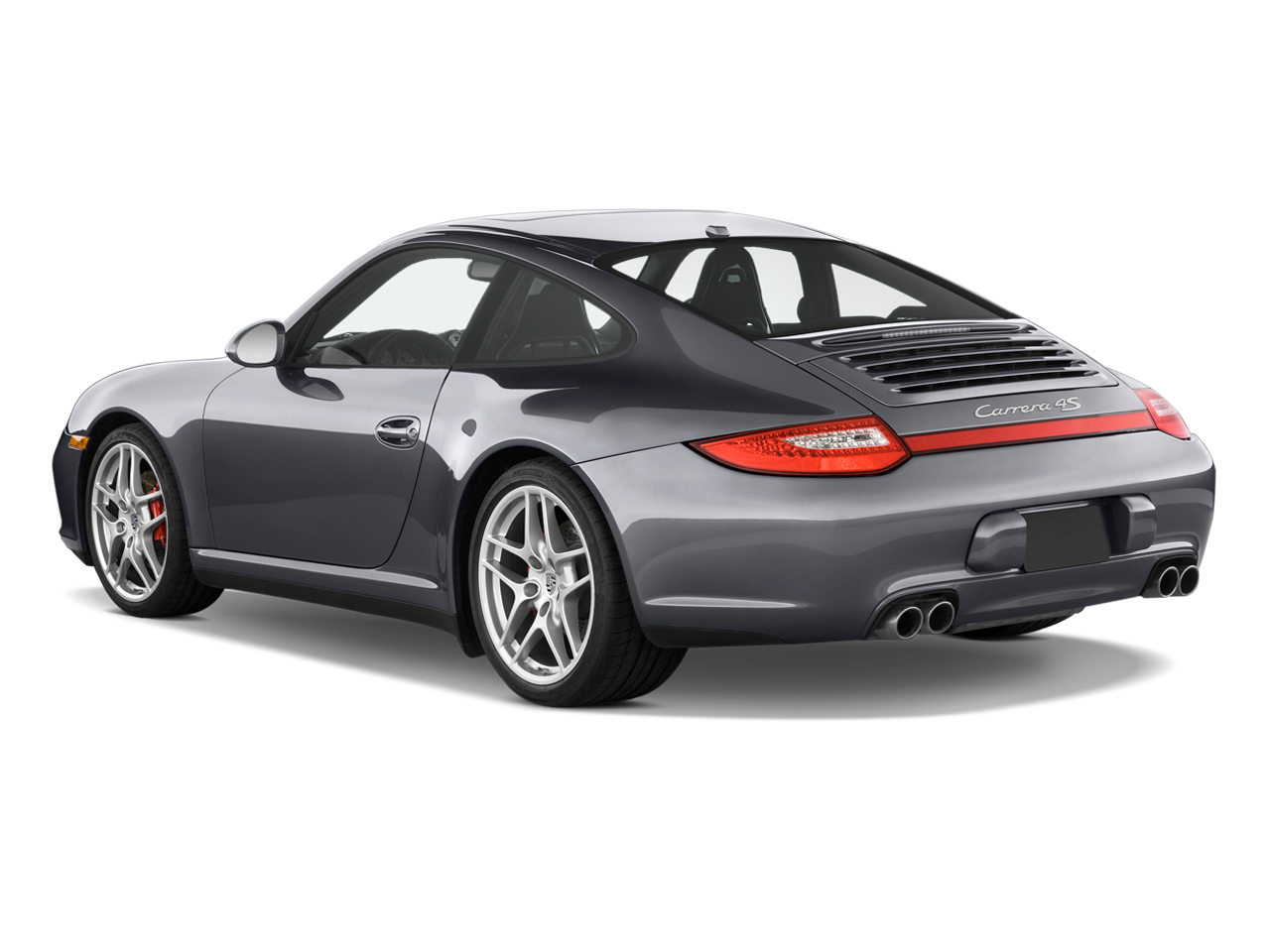
The GT3 reverts to a naturally aspirated 3.8-liter good for 435 hp and 317 lb-ft of torque. As in all the high-performance GT 911s, a six-speed manual is mandatory. In performance testing, it hit 60 mph in 4 seconds flat. The GT3 RS gets a bump up to 450 hp, while the GT3 RS 4.0 gets a 4.0-liter flat-6 that produces 500 hp and 339 lb-ft of torque.
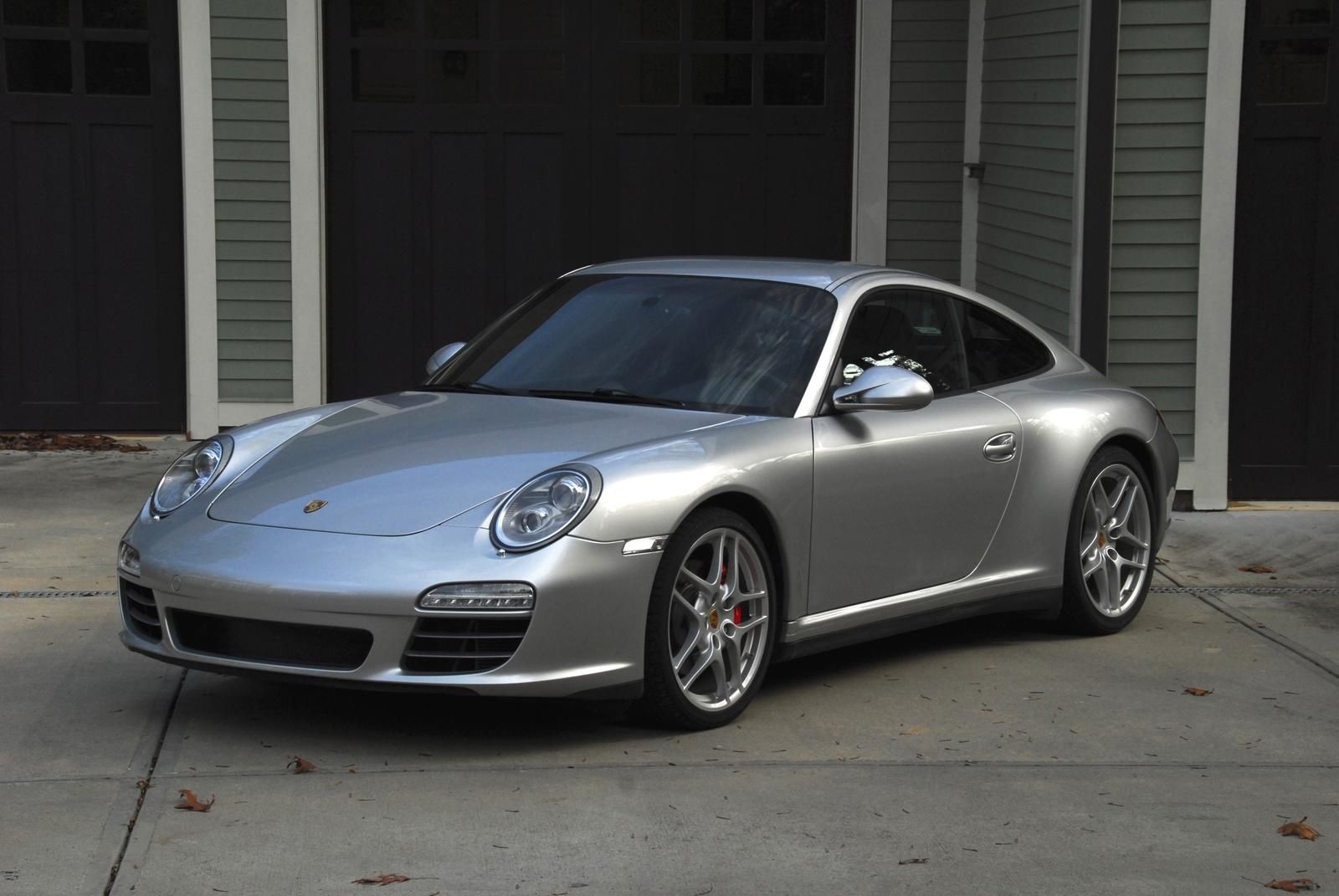
Finally, the GT2 RS gets a version of the Turbo S engine, but with a whopping 620 hp. Given that it only has the rear wheels for traction and the manual standard, expect it to be about equal to the Turbo in a straight line.
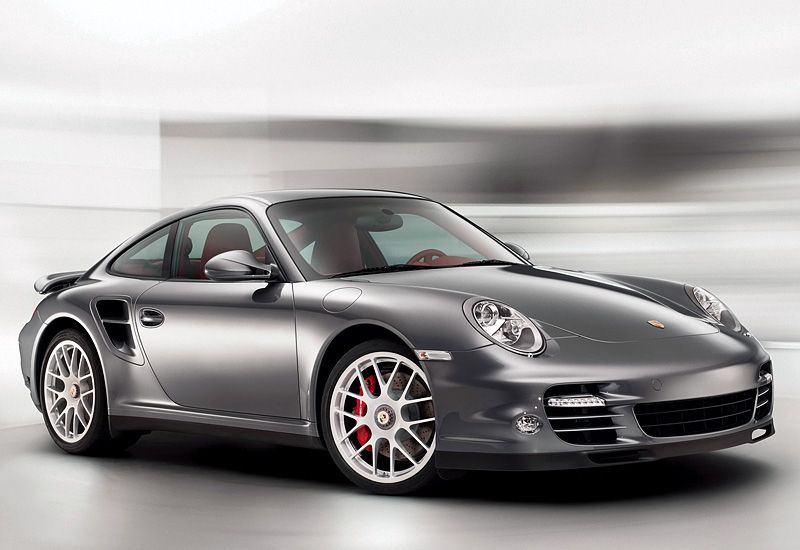
Every 2011 Porsche 911 comes with antilock ventilated disc brakes, stability control and front, side and side curtain airbags. In brake testing, the Carrera 4 and the Turbo came to a stop from 60 mph in 104 feet. The GT3 stopped in 99 feet. Given this excellent performance, you'd only need the available ceramic composite brakes if you frequent high-performance driving events.
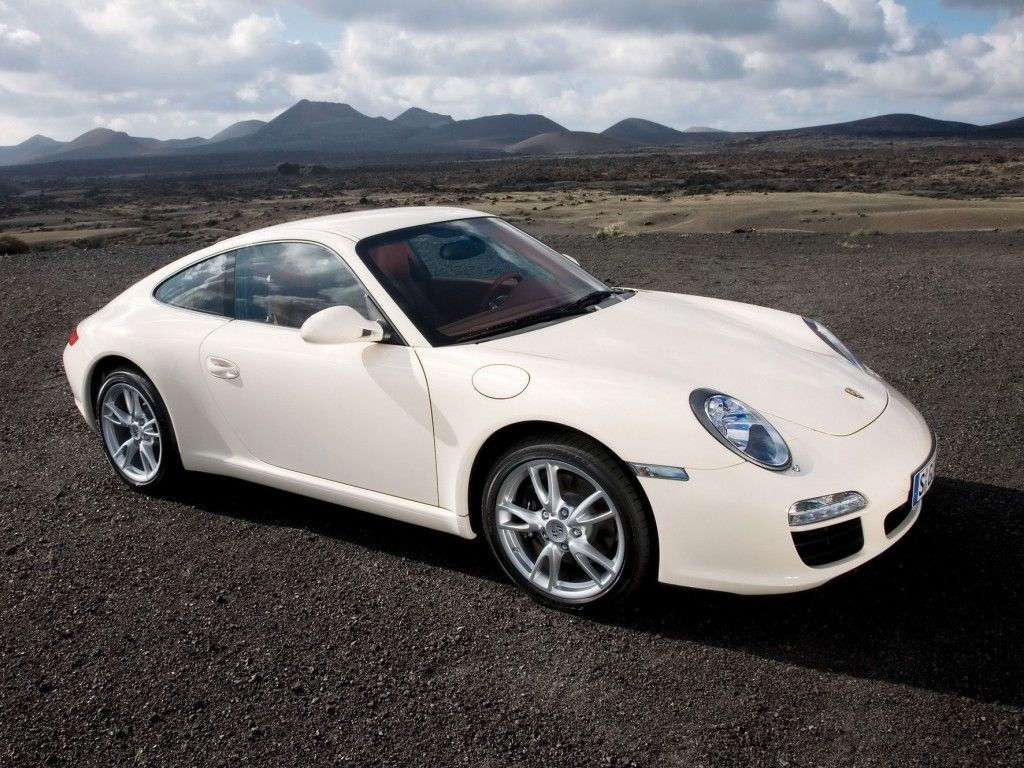
For a car with an exaggerated rear weight bias, it's always impressive how beautifully composed this classically designed Porsche remains in corners. While 911s of yore earned a reputation for tricky at-the-limit handling, with the exception of the hard-core GT2 RS, those demons have long been exorcised -- especially when you get an AWD model. The 2011 Porsche 911 is all about composure and man-machine communication (that goes double for the phenomenal GT3), and it has a lightweight finesse to it that no bruising Nissan GT-R can match.
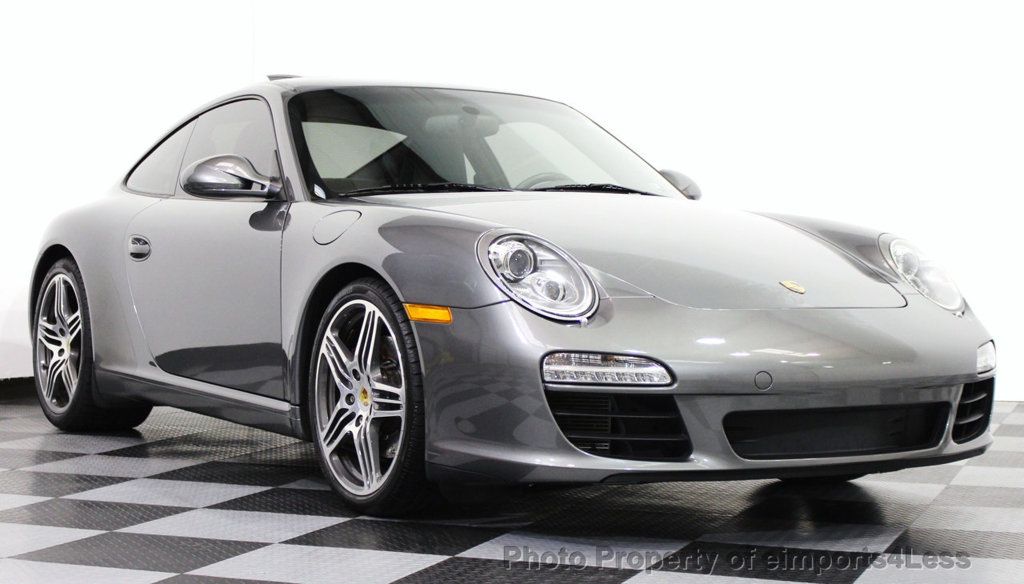
The PDK transmission is a welcome happy medium for those who desire the traffic-friendly nature of not having a clutch, yet still want the rapid shift performance of a traditional manual. However, we're not fans of the awkward standard shift buttons found on all but the Turbo. That gets more intuitive shift paddles, which are at least optional on the other trims.
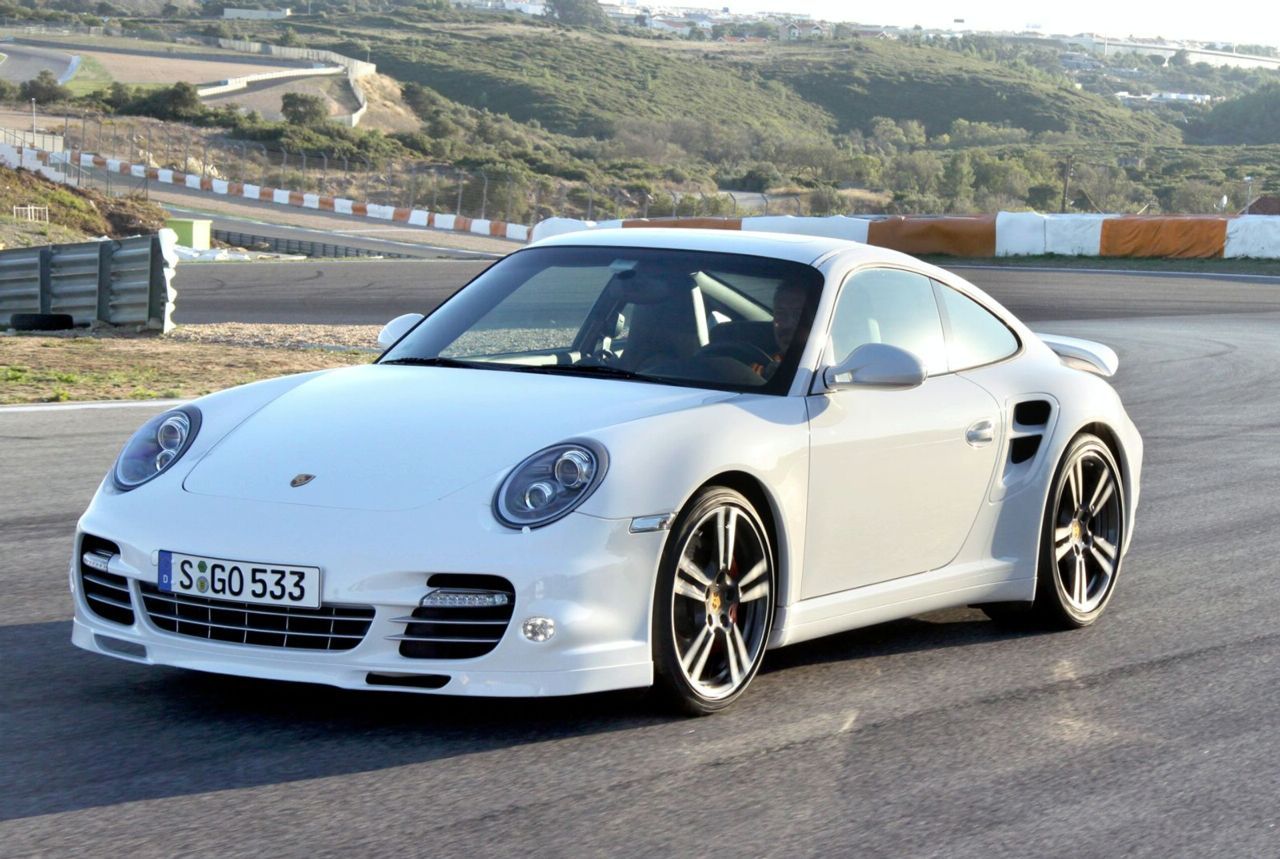
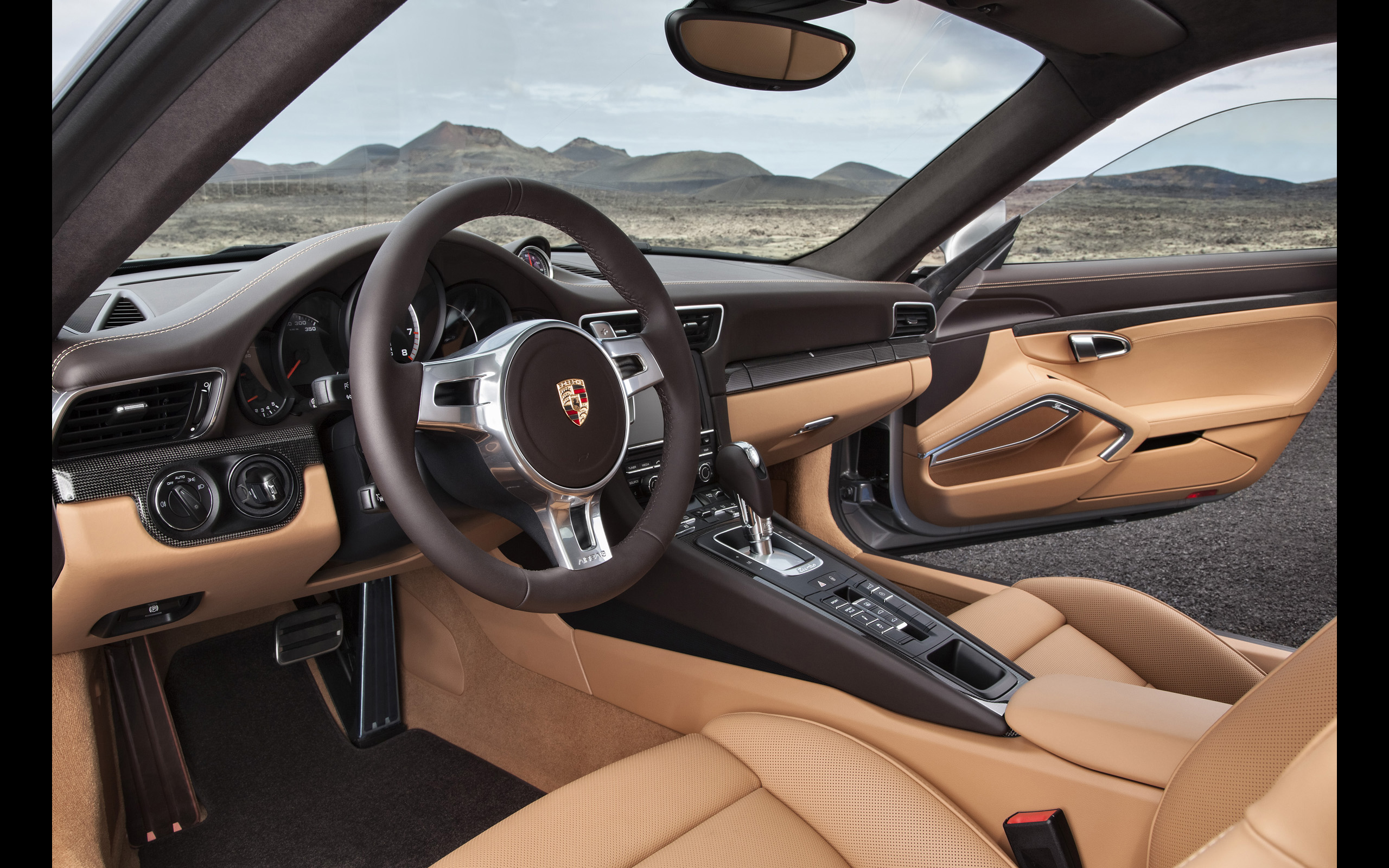
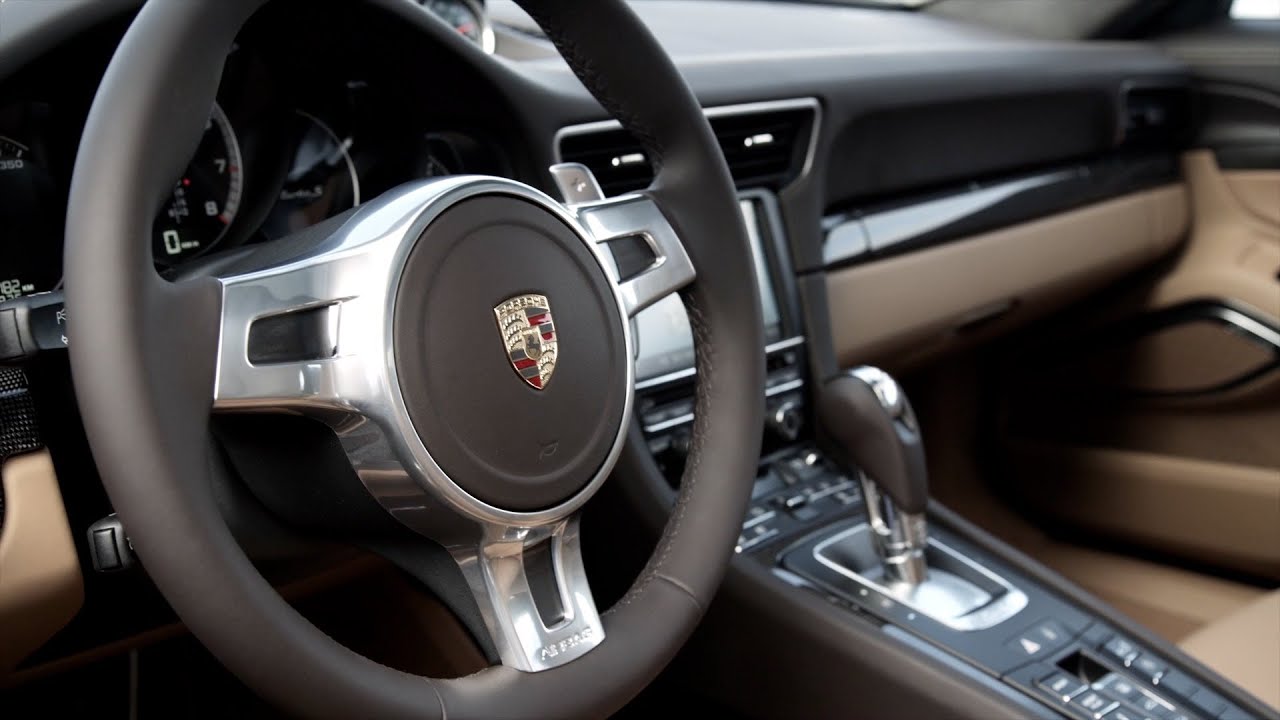
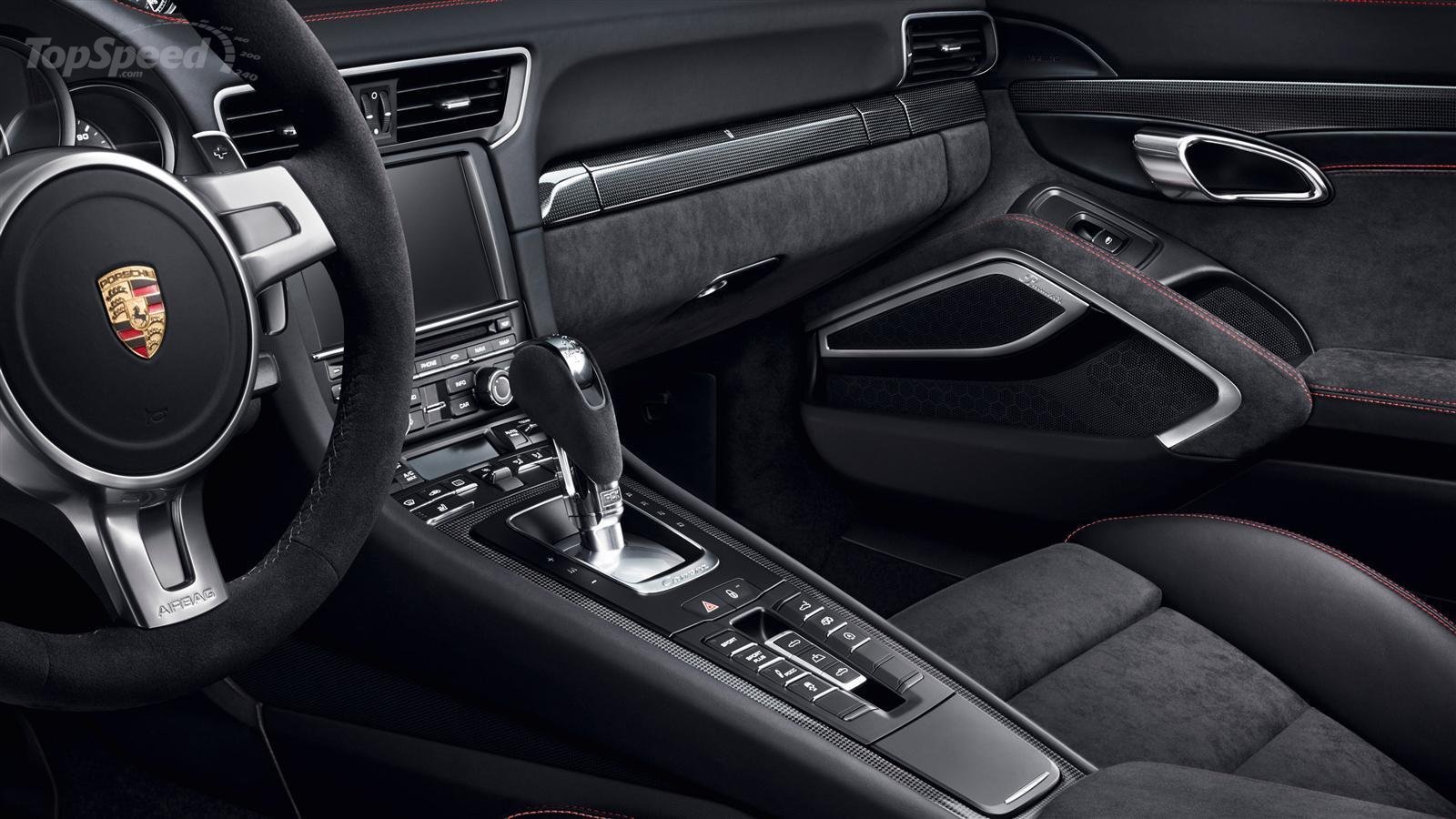
Build quality is exceptional in the 2011 Porsche 911. Even those surfaces not swathed in soft hide are made with material that's pretty consistent with the cow-sourced stuff. Other material highlights include a standard Alcantara headliner and deep carpet that extends up onto the doors, eliminating the possibility of scuffing any sort of lower door plastic.
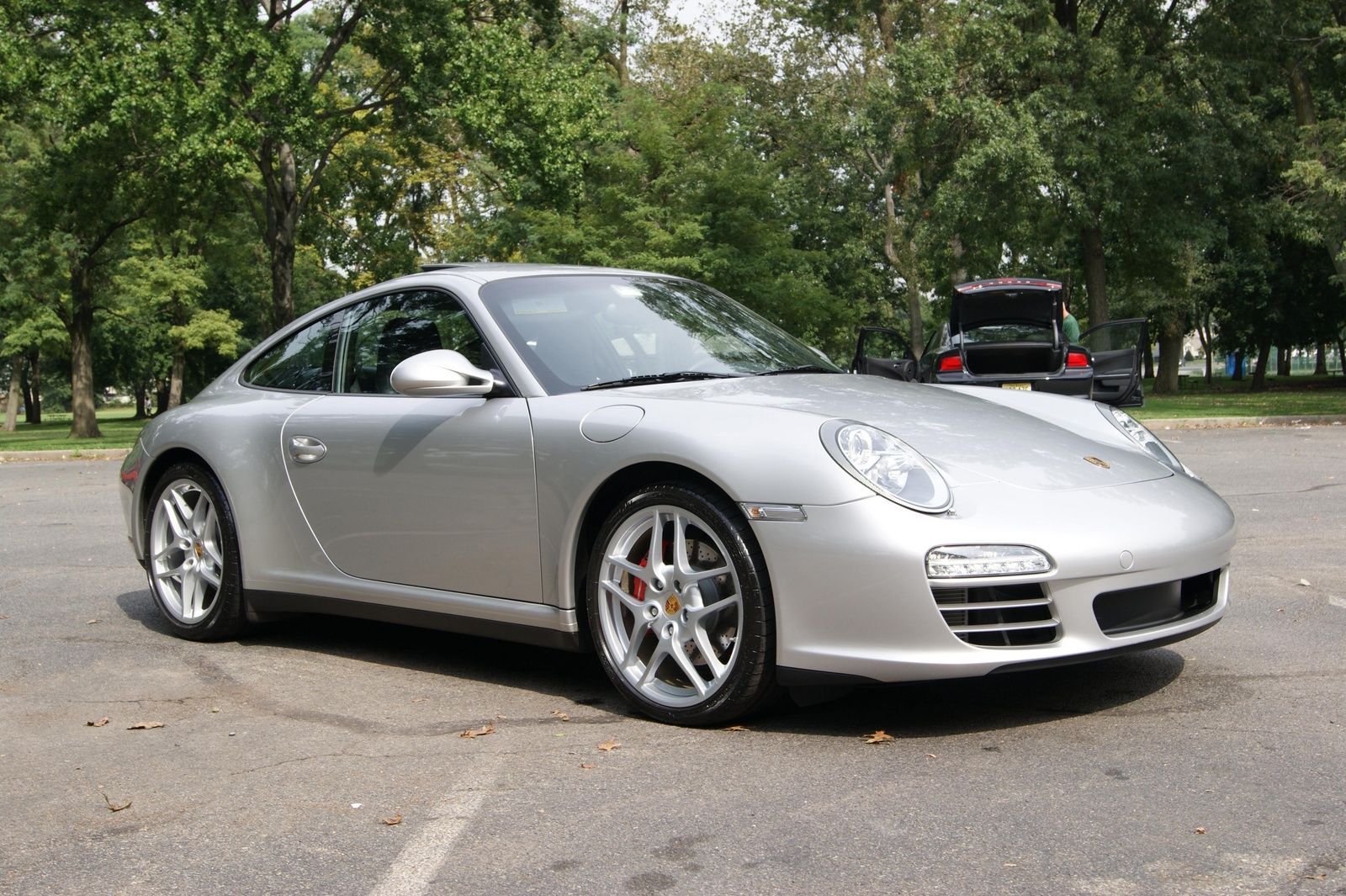
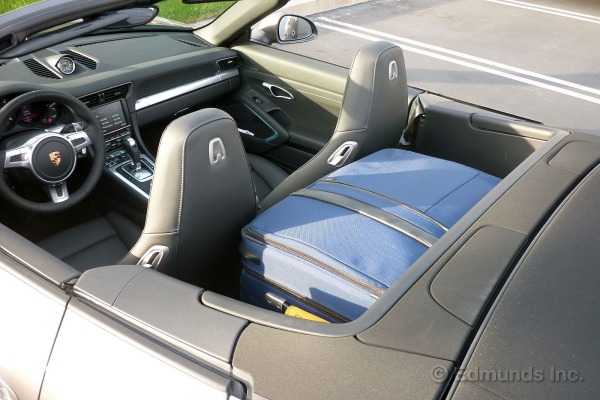
As far as interior space goes, it doesn't get much better in the sports car realm. Sure, the 2+2 rear seats are mostly useless, but when folded, they provide a large cargo space that complements the frunk (front trunk). Up front, the supportive bucket seats do a great job of holding both driver and passenger in place while cornering.
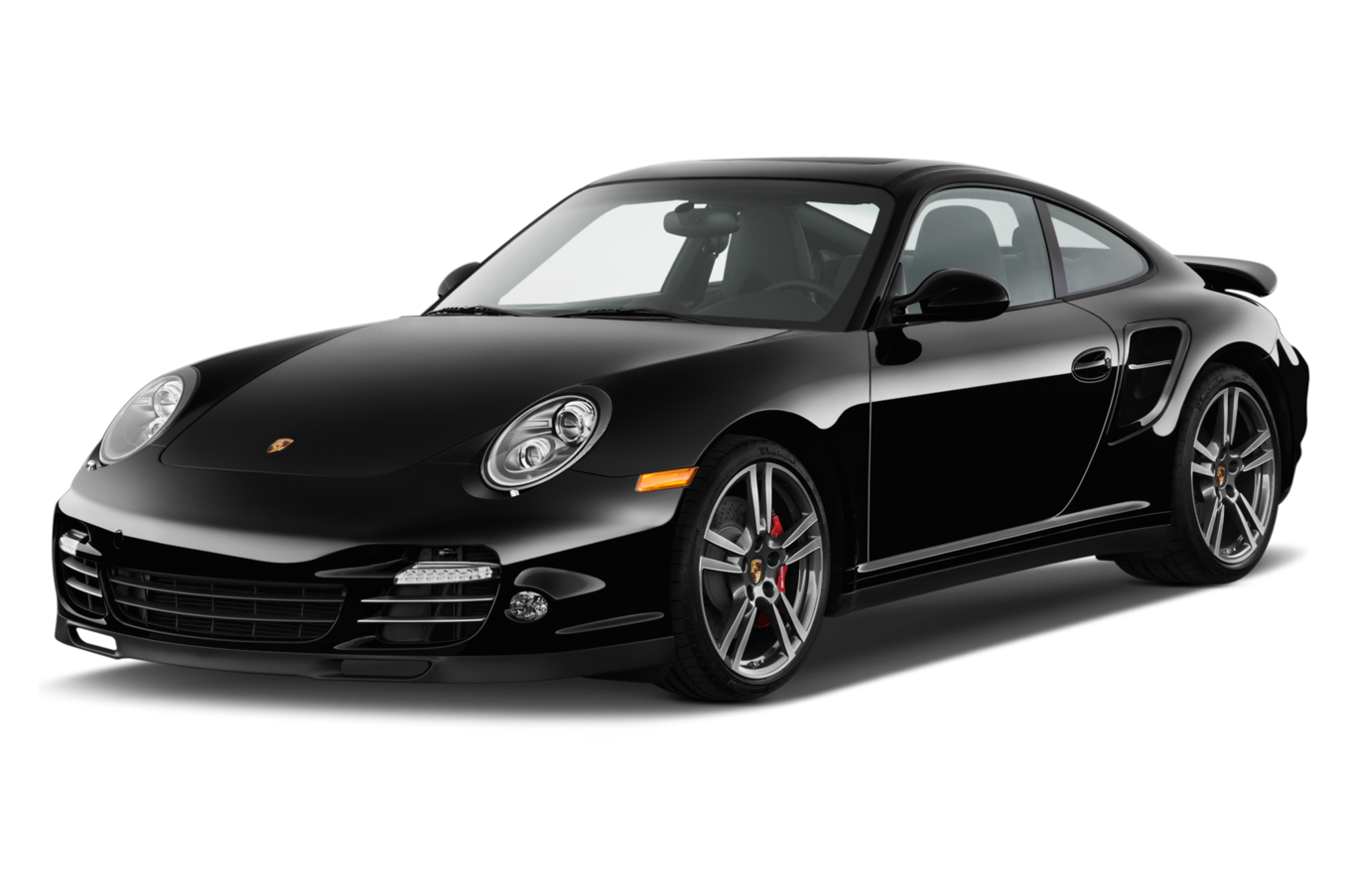
Roomy footwells and a tilt-and-telescoping steering wheel mean the 911 can accommodate drivers of nearly all sizes. Interior controls are relatively simple to operate, and items like navigation, Bluetooth, the iPod interface and ventilated seats help make this sports car a viable daily driver.

The Porsche 911 had a reputation as a fast car that could catch inexperienced and over-enthusiastic (and irresponsible) drivers off-guard. But whatever fickleness might have been exhibited by previous generations has been routed from the current 911. On the race track the Porsche 911 is a supremely controllable car that rewards more experienced drivers while simultaneously encouraging novices behind the wheel. Handling limits are high and stability at the upper limits of the speedometer is all you might reasonably expect. The brakes are powerful and as good as it gets in feel and fade-resistance. Acceleration is strong in both Carrera and Carrera S trims and the optional PDK transmission actually helps deliver faster acceleration than available with manual-equipped cars. All-wheel-drive Carrera 4 models provide improved traction in slippery conditions, albeit at the cost of slightly slower acceleration. Despite its on-track excellence, the 911 is actually quite livable on public streets, providing a reasonably plush ride during long stints on the highway.
PDK TransmissionThe proper name for the optional twin-clutch seven-speed automatic transmission in the 911 and 911 Turbo is Porsche-Doppelkupplungsgetriebe. Simply called PDK here in America, it offers the direct feel and control of a manual with quicker shifts than any driver could achieve. With all the best traits of an automatic and a manual transmission and without the need for a clutch pedal, we'd think twice about passing up PDK.Touch-screen audio systemThe Porsche 911's intuitive new touch-screen interface makes controlling the audio system or a connected MP3 player far easier than the confusing array of buttons found in previous models.
With a complete generational change just around the corner, Porsche has kept the interior of the 911 and 911 Turbo identical to 2010 models. That is, buyers will still find interior appointments that are acceptably luxurious. Optional ventilated seats are available, as is an intuitive touch-screen based audio system. Inside, there's room for two adults and their coats, thanks to the traditional 2+2 seating configuration. We wouldn't recommend trying to subject anyone you like to the rear seats.
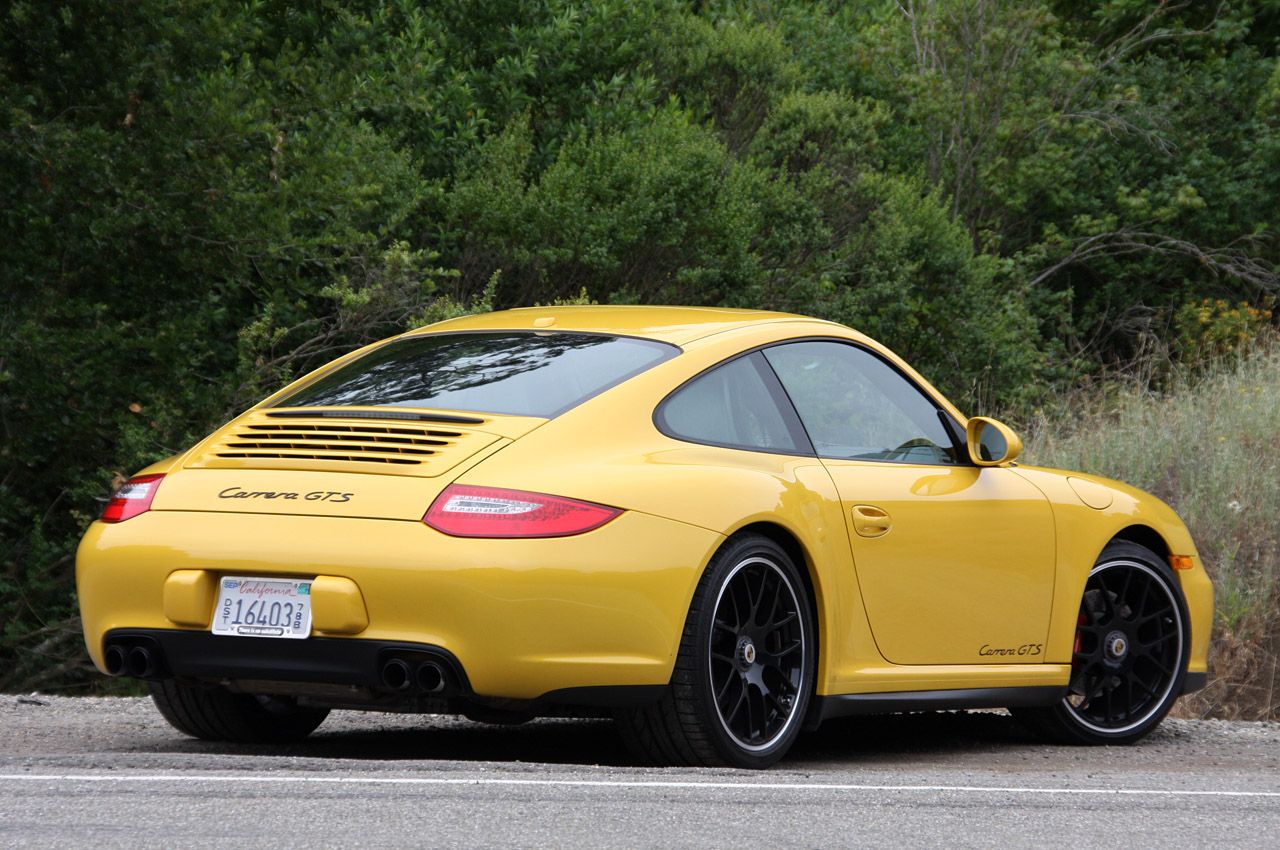
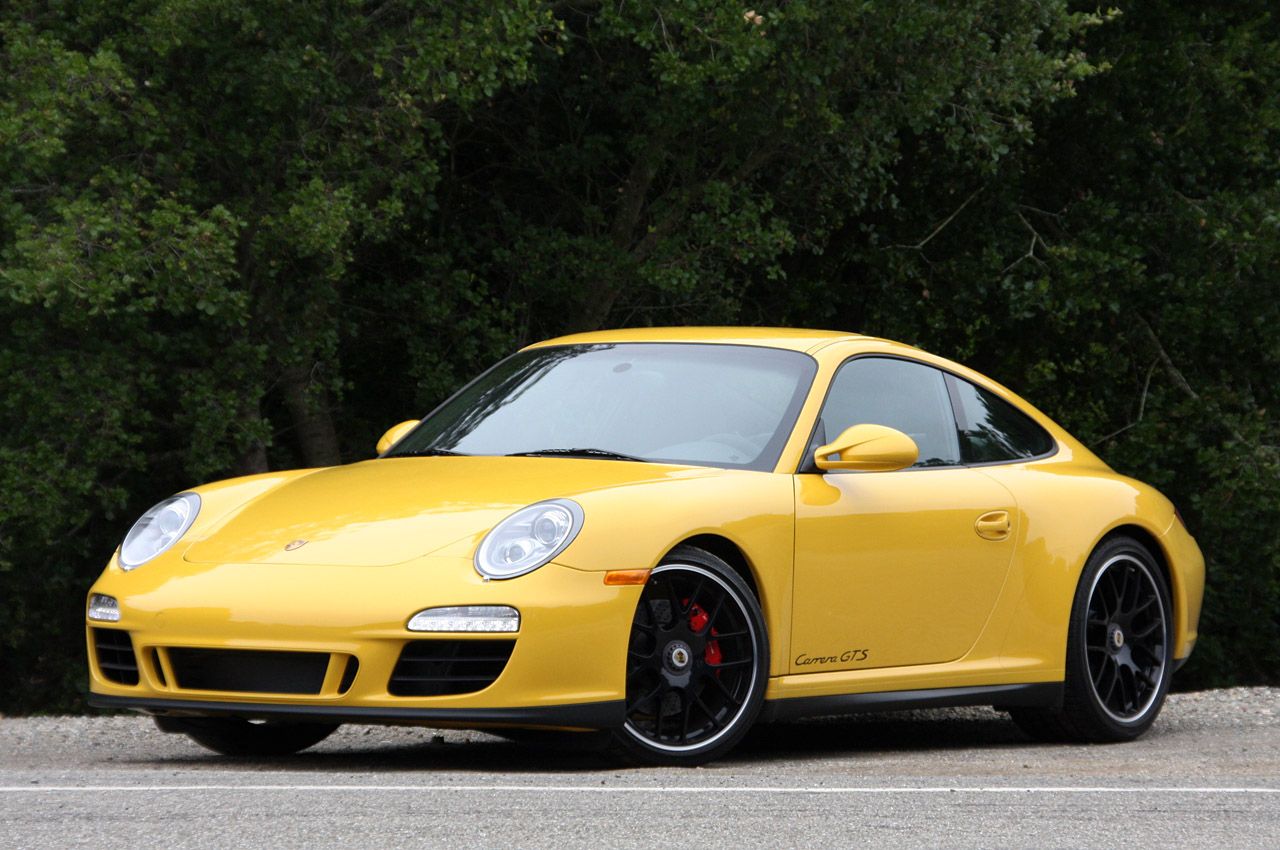
Porsche is a company that trades heavily on its heritage, and that shines through in a purely positive way in the 911. It's clear that the design department prefers evolution over revolution, and the years have delivered a series of gradual changes that have culminated in the 2011 model. The logical progression carries round headlights, an inset hood, a sloping roof line and pronounced rear fenders (all carry-overs from 2010). Bi-xenon headlights, flashy LED daytime running lights and LED taillights all add a technological flair to a profile that can trace its roots all the way back to 1964.
The 2011 Porsche 911 features bi-xenon headlights with washers, 18-inch wheels, LED daytime running lights, LED taillights, automatic climate control, cruise control, rain-sensing windshield wipers and a nine-speaker audio system with 6.5-inch touch screen display. Standard safety features include tire pressure monitoring, six airbags and Porsche's PSM electronic stability control, which includes the functions of anti-lock brakes and traction control. The Turbo model, in addition to its more powerful engine and other features, is fitted with 19-inch wheels and tires.
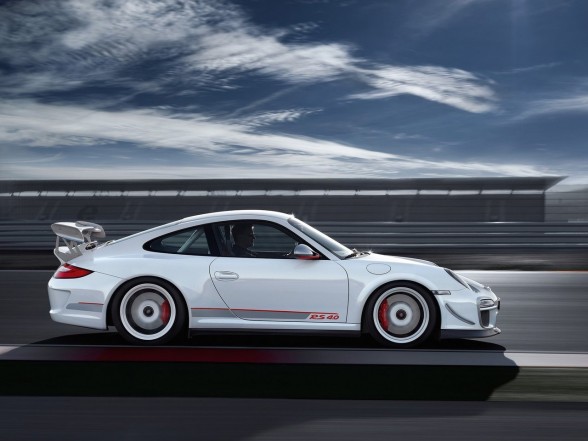
Buyers can outfit both the 911 and the 911 Turbo with a number of optional features, including rear parking sensors, auto dimming mirrors, heated seats, ventilated seats, a heated steering wheel, navigation, sport seats and an audio interface with auxiliary and USB inputs. Additional performance is available thanks to an optional limited-slip differential and the company's PDK dual-clutch transmission and active suspension management. Those looking to take their vehicles to the track will likely want to choose the incredibly expensive ceramic composite brake system. A number of aesthetic options are also available, including wheel designs, paint colors and interior customization selections.

The 2011 Porsche 911 delivers between 345 and 385 horsepower from either a 3.6-liter opposed-six-cylinder engine or a 3.8-liter opposed-six. While more than fast enough, the base 911 is trumped by the 500-horsepower turbocharged 3.8-liter six-cylinder engine in the 911 Turbo. Both models feature a standard six-speed manual transmission or Porsche's optional PDK twin-clutch seven-speed automatic transmission. Zero-to-sixty-mph acceleration times vary from 4.7 seconds in a manual transmission-equipped Carrera to 3.4 seconds in the 911 Turbo with the PDK. Rear-wheel drive is standard for the Porsche 911 while all-wheel drive is included on Carrera 4 and Targa models.3.6-liter Horizontally opposed-6 345 horsepower at 6,500 rpm288 lb.-ft. of torque at 4,400 rpmEPA city/highway fuel economy: 18/25 (manual), 19/27 (PDK)3.8-liter Horizontally opposed-6 385 horsepower at 6,500 rpm310 lb.-ft. of torque at 4,400 rpmEPA city/highway fuel economy: 18/25 (manual), 19/26 (PDK)3.8-liter Turbocharged Horizontally opposed-6500 horsepower at 6,000 rpm480 lb.-ft. of torque at 1,950-5000 rpmEPA city/highway fuel economy: 16/24 (manual), 17/25 (PDK)

The 2011 Porsche 911 Carrera starts at a little under $ 79,000, while the 911 Turbo is around $ 134,000. Adding all-wheel drive or a convertible top to either vehicle will see those numbers jump considerably, with the 911 Turbo Cabriolet being around $ 145,000. Going from the Coupe to the Cabriolet on the standard 911 adds about $ 11,000. To compare the actual transaction prices for the Porsche 911, be sure to check the New Car Blue Book Value. Porsche's typically hold their value quite well over time and the latest 911 is no exception, with projected residual values on par with the best in the business.
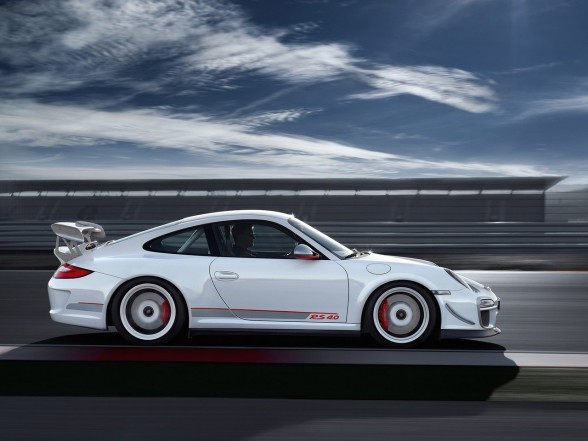




2011 Porsche 911 Turbo Base Exterior Colors
2011 Porsche 911 Turbo Base Interior Colors
2011 Porsche 911 Engines
| Engine | Standard in Trim | Power | Torque | Fuel Consumption - City | Fuel Consumption - Highway | 0-100 km/h | Quarter Mile | Half Mile |
|---|---|---|---|---|---|---|---|---|
| 3.8L H6 DOHC 24-valve | Carrera S | 385 hp @ 6500 rpm | 421 N.m | 11.1 L/100km | 7.5 L/100km | 4.8 s | 12.7 s | 21.1 s |
| 3.8L H6 DOHC 24-valve | Carrera 4S | 385 hp @ 6500 rpm | 421 N.m | 11.4 L/100km | 7.7 L/100km | 4.7 s | 11.3 s | 21.1 s |
| 3.8L H6 DOHC 24-valve | Carrera S | 385 hp @ 6500 rpm | 421 N.m | 11.1 L/100km | 7.5 L/100km | 4.8 s | 12.8 s | 21.2 s |
| 3.8L H6 DOHC 24-valve | Carrera 4S | 385 hp @ 6500 rpm | 421 N.m | 11.3 L/100km | 7.5 L/100km | 4.8 s | 11.5 s | 21.4 s |
| 3.8L H6 DOHC 24-valve | Base | 435 hp @ 7600 rpm | 421 N.m | 15.2 L/100km | 9.7 L/100km | 4.6 s | 12.2 s | 20.3 s |
| 3.8L H6 DOHC 24-valve | RS | 450 hp @ 7900 rpm | 421 N.m | 15.2 L/100km | 9.7 L/100km | 4.5 s | 12.1 s | 20.1 s |
| 3.8L H6 DOHC 24-valve | 4S | 385 hp @ 6500 rpm | 421 N.m | 11.3 L/100km | 7.5 L/100km | 4.7 s | 11.3 s | 21.1 s |
| 3.8L H6 DOHC 24-valve | Carrera S | 355 hp @ 6600 rpm | 421 N.m | 11.9 L/100km | 8.3 L/100km | 5.1 s | 13.1 s | 21.7 s |
| 3.8L H6 DOHC 24-valve | Carrera S | 355 hp @ 6600 rpm | 421 N.m | 11.9 L/100km | 8.3 L/100km | 4.9 s | 12.8 s | 21.2 s |
| 3.8L H6 DOHC 24-valve | Carrera 4S | 355 hp @ 6600 rpm | 421 N.m | 12.3 L/100km | 8.6 L/100km | 5.1 s | 11.8 s | 22.0 s |
2011 Porsche 911 Trims
2011 Porsche 911 Previous Generations


2011 Porsche 911 Future Generations

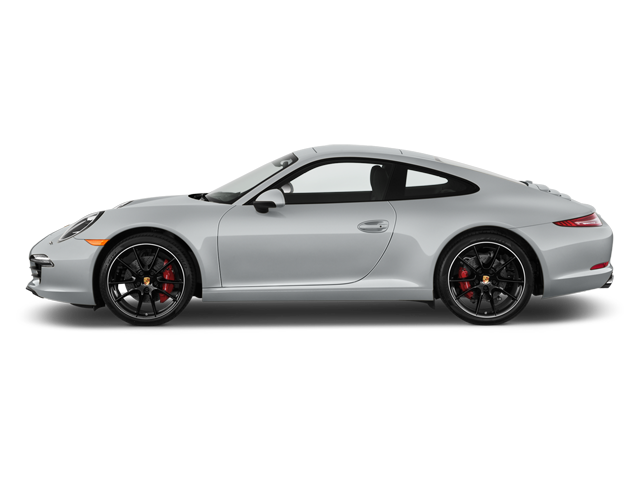
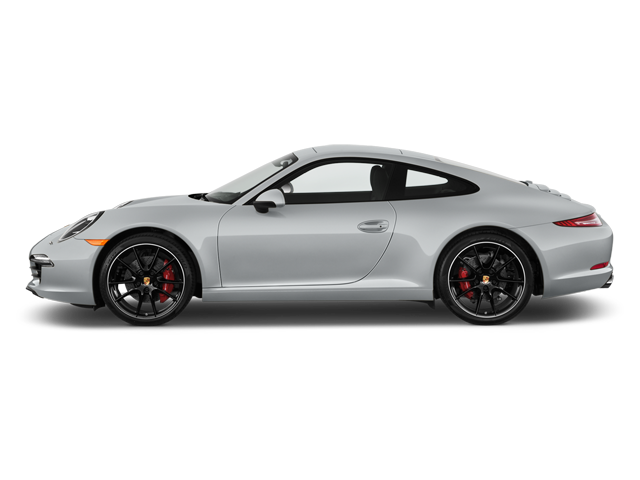
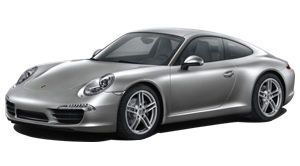
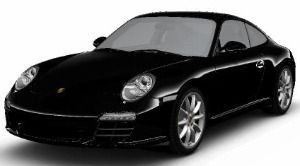
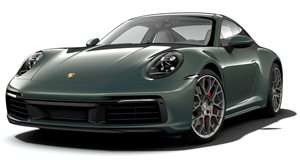

Porsche 911 Overview and History
Situated in downtown Stuttgart, Porsche's first contract of developing a people's car, a Volkswagen, appointed by the German government. The result was one of the most famous cars in history, one of the best sold and one of the most easily recognizable out there, the Beetle. Many features of the Beetle would find their place on the first ever Porsche, the 64, developed in 1939.
During WWII the Porsche factory turned to making vehicles for the German Army, such as the Kubelwagen and the Schwimmwagen as well as contributing to the production of Tiger and Elefant tanks. After the war Ferdinand was imprisoned for war crimes for 20 months and was during that time that his son, Ferry Porsche, decided to build a new car to suit his needs – the 356.
The success of the 356 and the death of Ferdinand Porsche in 1951 gave Ferry the confidence to follow in his father's footsteps and continue designing cars. One of his most famous designs was the Spyder 550, a car that would prove very successful in races.
By now, the general line of the company seemed evident, as in 1964 another sporty model, the 911, another car with a air-cooled, boxer, rear-mounted engine. The design team for this car was led by Ferry's oldest son, Ferdinand Alexander Porsche. this car would take the legacy of the 550 Spyder even further, winning races and rallies. Testimony to the success of the 911 is the fact that it's still in production today, despite being heavily modified.
Porsche was going to change its status in 1972 from a limited partnership to a public limited company, which meant that now Porsche would be run by a board of directors supervised by family members. In 1974, at the Paris Auto Show, Porsche unveils the new 911 Turbo, with exhaust turbocharger and pressure regulator.
When the 924 was entered in production in 1975, Porsche took a leap of faith because it had not experienced with front-mounted engines for a long time. By Porsche standards, the 928 was an oddity, with its front-mounted V8 engine made out of metal alloy. Then, in 1981, a new transaxle model is added to the Porsche line-up, the 944. The high-performance Porsche 959 is unveiled at the Frankfurt Auto Show in 1985. It will go on to win a lot of races and rallies, the best known being the Paris-Dakar.
A new technological leap was made in 1988 when the 911 Carrera 4 with all-wheel drive was introduced on the market. Then, in 1989, the “Tiptronic” automatic gearbox system is fitted on Porsches. In 1991, Porsche becomes the first car manufacturer to fit driver and passenger airbags on all its models.
The Boxter model is introduced in 1996 after 3 and a half years of development. That same year, Porsche celebrates 1million units being produced. Two years later, Ferry Porsche dies at the age of 88 but the company moves on and has a great season at Le Mans with the 911 GT1, coming in first and second. This was going to be only the beginning for Porsche, which continued with the very sporty and high-performance models Boxster S and the Carrera GT in 2000.
In 2002 Porsche entered the SUV market with the unconventional Cayenne and its later versions, the Cayenne Turbo and Turbo S. The next model on the line-up for Porsche, announced for 2009 is the Panamera, a four-door sedan. With this new model, Porsche seems set to take on a whole new market, directly competing with other luxury brands such as Mercedes, BMW and Audi.
2011 Porsche 911 Consumer Reviews
Compare Against Competitors
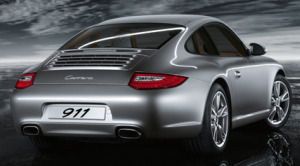
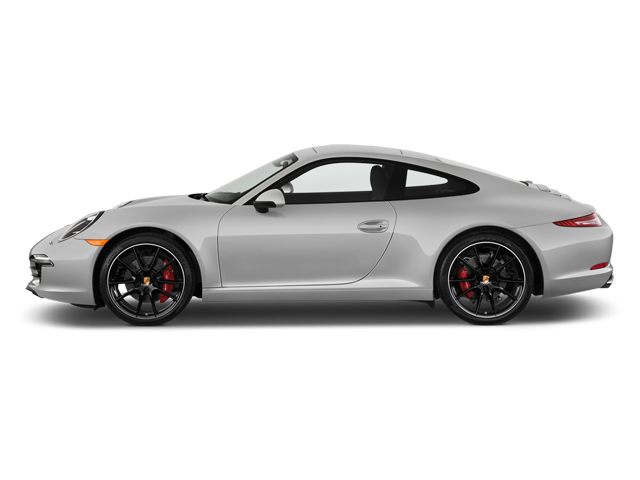
2011 Porsche 911 Turbo Base Specifications
Base Comfort and Convenience
| AM/FM stereo radio | Yes |
|---|---|
| Air Conditionning | Automatic climate control |
| Cruise Control | Yes |
| Driver Vanity Mirror | Driver-side illuminated vanity mirror |
| Front Wipers | Rain-sensing variable intermittent windshield wipers |
| Garage Door Opener | Homelink universal garage-door opener and remote |
| Heated Washer Nozzle | Heated washer fluid nozzles |
| Illuminated Entry | Illuminated entry with fade-out |
| Interior Air Filter | Cabin air filter |
| Multi-CD Changer (Option) | In-dash 6-CD/DVD-Audio/MP3 changer |
| Number of Speakers | 13 speakers |
| Passenger Vanity Mirror | Front passenger-side illuminated vanity mirror |
| Power Door Locks | Yes |
| Power Windows | Power windows with one-touch up/down feature |
| Premium Sound System | 385-watt Bose surround sound system |
| Rear View Mirror | Auto-dimming day/night rear view mirror |
| Remote Keyless Entry | Yes |
| Single CD | CD/DVD-Audio/MP3 player |
| Special Feature | Sport Chono Package |
| Steering Wheel Adjustment | Tilt and telescopic steering wheel |
Base Dimensions
| Cargo Capacity | 105 L |
|---|---|
| Curb Weight | 1570 kg |
| Fuel Tank Capacity | 67 L |
| Height | 1300 mm |
| Length | 4450 mm |
| Wheelbase | 2350 mm |
| Width | 1852 mm |
Base Exterior Details
| Driving Lights | LED driving lights |
|---|---|
| Exterior Decoration | Chrome exhaust tips |
| Exterior Mirrors Auto Dimming | Auto-dimming driver's side outside mirror |
| Front Fog Lights | Fog lights |
| Headlight Type | Bi-xenon headligjhts |
| Headlights Headlight Washers | Headlight washers |
| Headlights Leveling Headlights | Levelling headlights |
| Power Exterior Mirrors | Power-adjustable outside mirrors |
| Rear Spoiler | Automatically extendable rear spoiler |
| Rear Window Defroster | Yes |
| Sunroof | Power glass sunroof |
Base Interior Details
| Brake Pad Wear Warning | Yes |
|---|---|
| Clock | Digital clock |
| Driver Info Center | Driver information center |
| Folding Rear Seats | 50/50-split folding rear bench seat |
| Front Seats Driver Power Seats | 10-way power driver's seat |
| Front Seats Driver Seat Memory | Position memory feature for driver's seat |
| Front Seats Front Seat Type | Sport bucket front seats |
| Front Seats Heated | Heated front seats |
| Front Seats Passenger Power Seats | 10-way power front passenger seat |
| Headliner | Alcantara headliner |
| Instrumentation Type | Digital and analog instrumentation |
| Luxury Dashboard Trim | Aluminum finish interior trim |
| Number of Cup Holders | 2 cupholders |
| Oil Pressure Gauge | Oil pressure display |
| Outside Temperature Gauge | Outside temperature display |
| Seat Trim | Leather seats |
| Tachometer | Yes |
| Trip Computer | Yes |
| Water Temperature Gauge | Engine temperature display |
Base Mechanical
| Drive Train | All-wheel drive |
|---|---|
| Engine Name | 3.8L H6 twin-turbo DOHC 24-valve |
| Stability Control | Yes |
| Traction Control | Yes |
| Transmission | 6-speed manual transmission |
| Transmission (Option) | 7-speed automated manual transmission |
Base Overview
| Body | Coupe |
|---|---|
| Doors | 2 |
| Engine | 3.8L H6 twin-turbo DOHC 24-valve |
| Fuel Consumption | 11.3 (Automatic City)7.5 (Automatic Highway)11.9 (Manual City)8.1 (Manual Highway) |
| Power | 385 hp @ 6500 rpm |
| Seats | 4 |
| Transmission | 7-speed automated manual transmission |
| Warranties | Bumper-to-Bumper80000/km, 48/Months Emissions128000/km, 96/Months Powertrain80000/km, 48/Months Roadside Assistance80000/km, 48/Months Rust-throughUnlimited/km, 120/Months |
Base Safety
| Anti-Lock Brakes | Anti-lock brakes |
|---|---|
| Anti-Theft Alarm | Alarm system |
| Brake Type | 4-wheel disc |
| Child Seat Anchor | ISOFIX child seat anchors |
| Driver Airbag | Driver-side front airbag |
| Front Seat Belts | Height adjustable |
| Ignition Disable | Theft-deterrent engine immobilizer |
| Passenger Airbag | Passenger-side front airbag |
| Roof Side Curtain | Side-curtain airbags |
| Side Airbag | Front side airbags |
Base Suspension and Steering
| Front Anti-Roll Bar | Front stabilizer bar |
|---|---|
| Front Suspension | Independent front suspension |
| Front Tires | 235/35R19 |
| Power Steering | Speed-sensitive power rack-and-pinion steering |
| Rear Anti-Roll Bar | Rear stabilizer bar |
| Rear Suspension | Independent rear suspension |
| Rear Tires | 305/30R19 performance rear tires |
| Spare Tire | Tire repair kit |
| Special feature | Porsche Active Suspension Management system |
| Tire Pressure Monitoring System | Yes |
| Wheel Locks | Yes |
| Wheel Type | 19'' alloy wheels |
Critics Reviews
2011 Porsche 911 Review by U.S. News Best Cars Staff | September 22, 2015 Note: This review was created when the 2011 Porsche 911 was new. The Porsche 911 Carrera continues into the 2011model year with plenty of refinement and speed.
Motor Trend reviews the 2011 Porsche 911 where consumers can find detailed information on specs, fuel economy, transmission and safety. Find local 2011 Porsche 911 prices online.
For 2011, a 911 GT2 RS joins the lineup, but all 500 units have been sold. Also, 2011 Porsche 911 Carrera models come with more standard equipment than before. Bluetooth and a universal audio interface for MP3 players come standard on all 2011 911 models, and options have been bundled into new packages.
You'll be dazzled by the 2011 Porsche 911's unending driving joy, and maybe stunned by its passenger comfort and even its fuel economy. Find out why the 2011 Porsche 911 is rated 9.2 by The Car ...
Read the review and see photos of the 2011 Porsche 911 Turbo S at Car and Driver. Yet another 911 variant, with still more improvements. ... And, of course, Porsche’s own 911 Turbo, which the ...
Discussion and Comments
Share Your Comments