2011 Buick Lucerne CXL 1SA Package 0-60 Times, Top Speed, Specs, Quarter Mile, and Wallpapers
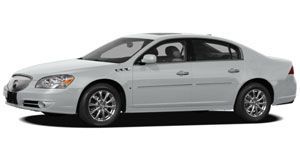
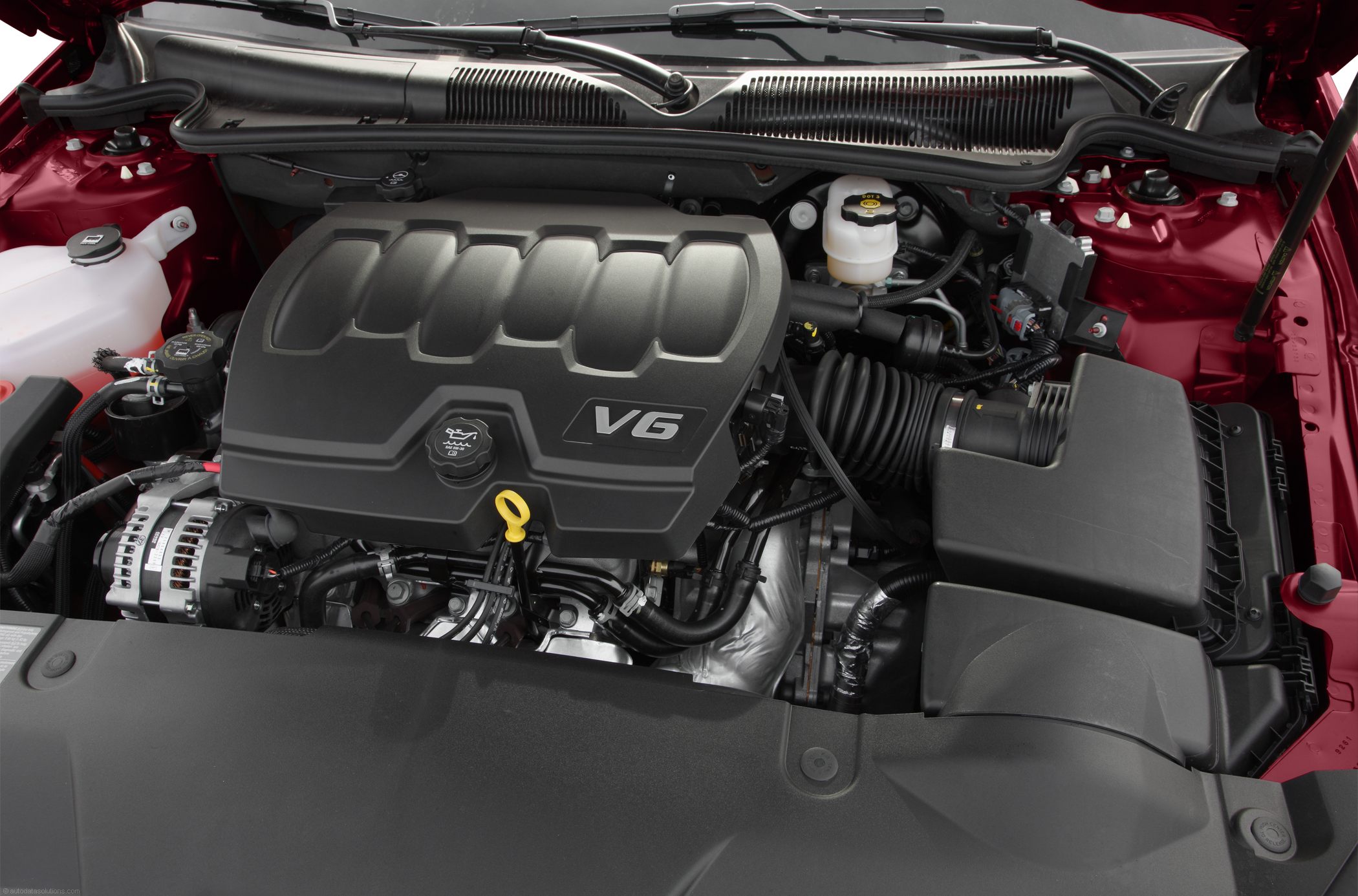
The 2011 Buick Lucerne CXL 1SA Package is a Front-wheel drive Sedan. It can accommodate up to 5 passengers. It has 4 Doors and is powered by a 3.9L V6 OHV 12-valve engine which outputs 227 hp @ 5700 rpm and is paired with 4-speed automatic transmission gearbox. The 2011 Buick Lucerne CXL 1SA Package has cargo capacity of 481 Liters and the vehicle weighs 1726 kg. In terms of ride assists, the 2011 Buick Lucerne CXL 1SA Package has stability control and traction control in addition to anti-lock brake system (ABS). The vehicle has an optional engine as well It offers Rear park distance sensor and. Safety features also include Driver-side front airbag and Passenger-side front airbag. The front suspension is Independent front suspension while the rear suspension is Independent rear suspension. The car also features a Yes It has 17" painted alloy wheels as standard. Electronic features include Cruise Control. For convenience, the car has Power windows and Power door locks. There is also a remote keyless entry feature. Moreover, the car has. The steering wheel has audio control buttons. In terms of performance, the car has 248 N.m of torque and a top speed of 224 km/h. The 2011 Buick Lucerne CXL 1SA Package accelerates from zero to 60 mph in 8.3 seconds and hits quarter mile at 16 seconds. Fuel consumption is 12 L/100km in the city and 7.4 L/100km in the highway. The car price starts at $ 36,730
| Name | CXL 1SA Package | |
|---|---|---|
| Price | $ 36,730 | |
| Body | Sedan | |
| Doors | 4 Doors | |
| Engine | 3.9L V6 OHV 12-valve | |
| Power | 227 hp @ 5700 rpm | |
| Number of Seats | 5 Seats | |
| Transmission | 4-speed automatic transmission | |
| Cargo Space | 481.0 L | |
| Maximum Cargo Space | 481.0 L | |
| Wheel Type | 17" painted alloy wheels | |
| Series | ||
| Drivetrain | Front-wheel drive | |
| Horsepower | 227 HP | |
| Torque | 248 N.m | |
| Top Speed | 224 km/h | |
| Acceleration 0-100 km/h (0-60 mph) | 8.3 s | |
| Fuel Type | ||
| Fuel Consumption (City) | 12.0 L/100km | |
| Fuel Consumption (Highway) | 7.4 L/100km | |
| Gear Type | auto | |
| Weight | 1,745 KG | |
| Brand | Buick | |
| Model | Lucerne | |
| 0-400m (Quarter Mile) | 16.0 s | |
| 0-400m (Quarter Mile) - Speed | 144.0 km/h | |
| 0-800m (Half Mile) | 26.5 s | |
| 0-800m (Half Mile) - Speed | 162.1 km/h | |
| Modifications (MODS) | ||
| Modifications Cost | $ 0 |
2011 Buick Lucerne Used Price Estimates
Estimates based on a driving average of 12,000 miles per year| Used Condition | Trade In Price | Private Party Price | Dealer Retail Price |
|---|---|---|---|
| Outstanding | $ 5,836 | $ 7,874 | $ 9,388 |
| Clean | $ 5,454 | $ 7,366 | $ 8,760 |
| Average | $ 4,690 | $ 6,349 | $ 7,502 |
| Rough | $ 3,926 | $ 5,332 | $ 6,245 |
We spent quality time on freeways, around town and on challenging two-lanes in both base V6 and top-line V8 Super Lucernes and found much to like and little to criticize. The standard car allows relatively spirited driving (more aggressive than its buyers will likely attempt) with adequate power, good control and solid braking. Only its ultra-light power steering disappointed us, yet it might please typical buyers. The V8-powered Super would be our choice for its full complement of features and outstanding ride and handling – although its magnetic power steering also struck us as a bit light and devoid of feel. Especially impressive were the unusually low noise levels inside both cabins, thanks to Buick's standard QuietTuning.
Magnetic Ride Control (with StabiliTrak and Brake Assist)Using magnetically charged particles suspended in a synthetic fluid, the Lucerne's shocks continually adjust to varying road surfaces and driving conditions, this remarkable feature responds far faster than conventional valve-damping systems to provide the rare combination of exceptional twisty-road handling and silky smooth highway ride. Remote Vehicle StartGM's remote start lets you start the engine and warm or cool the cabin (while the car stays securely locked) well in advance of departing. Once you've tried it you won't want to live without it.
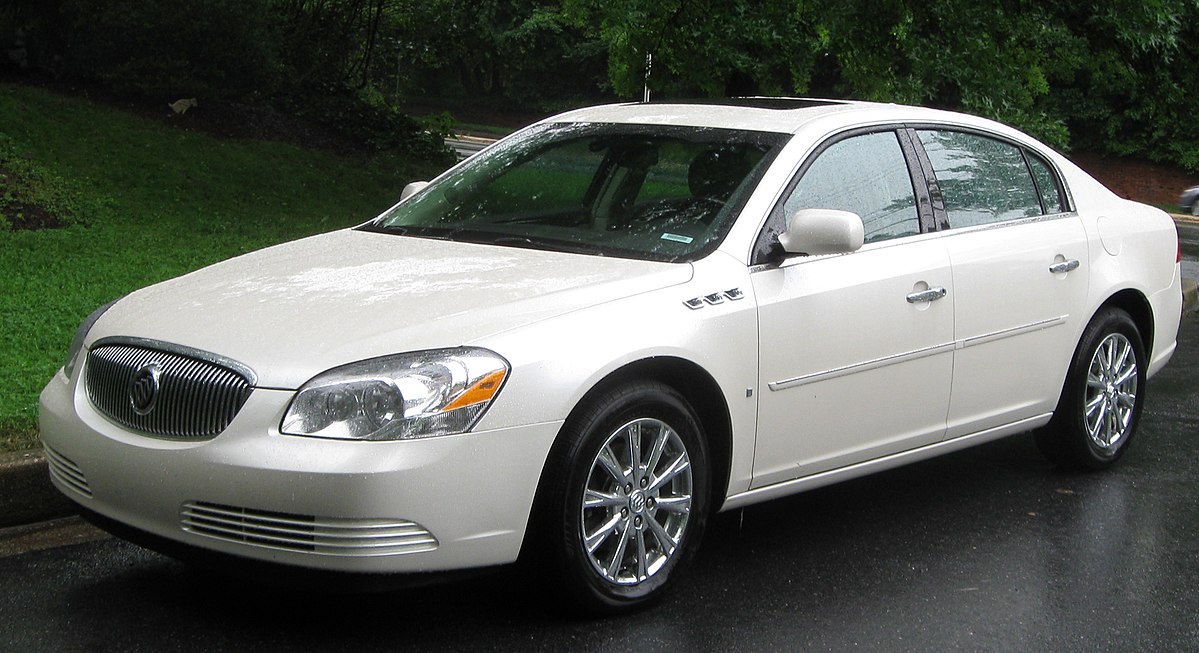
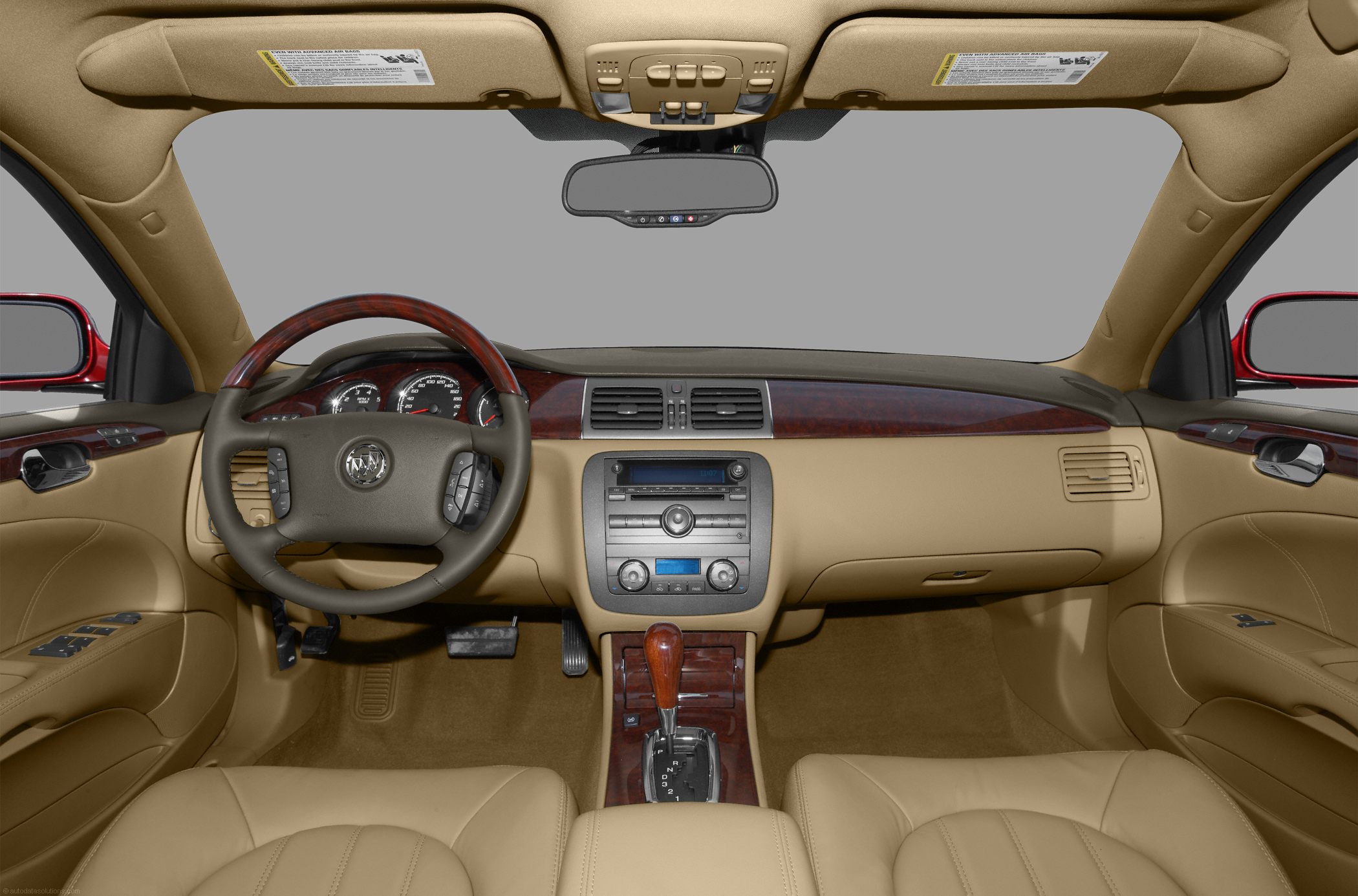
The Lucerne's 203.2-inch overall length gives Buick engineers plenty of leeway in designing a roomy, spacious interior. Compared with the old Park Avenue known to so many Buick loyalists, the Lucerne offers an inch more rear legroom as well as more supportive seating. This compares well to Chrysler's 300C and Ford's Taurus, as well as the much pricier Lexus GS. The Lucerne is also one of the last cars to offer a 60/40 split bench front seat. The highly refined interior fits are tight – materials and finishes are premium with excellent attention to detail – and Buick's "QuietTuning" substantially reduces most road, wind and powertrain noise.
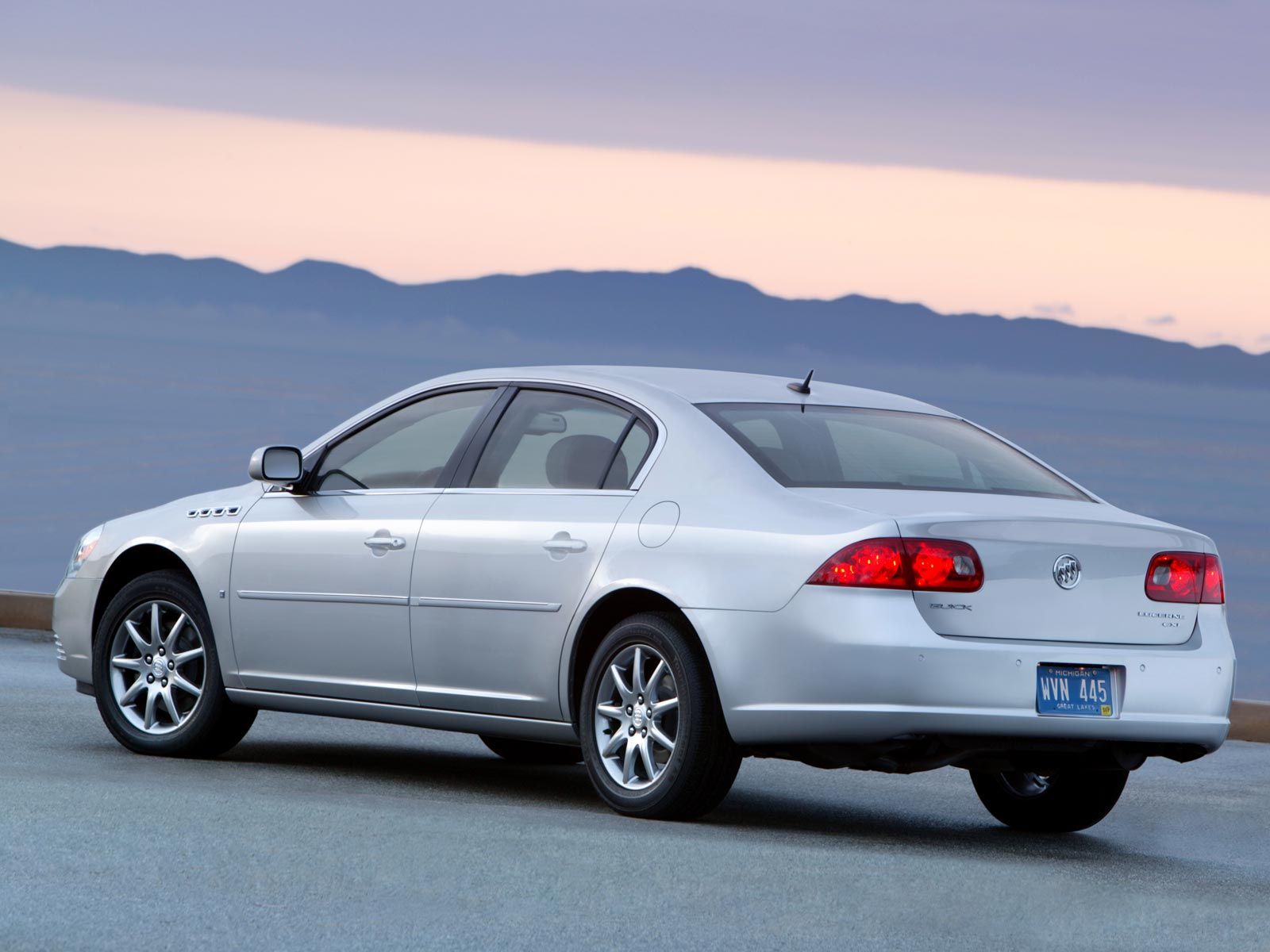
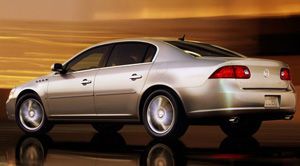
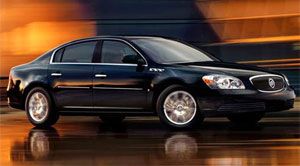
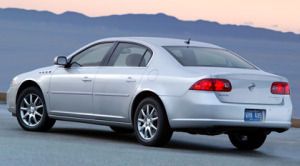
Compared to the new Regal and LaCrosse, the 2011 Buick Lucerne's once ground-breaking styling now appears a bit subdued. The shapely interpretation of the marque's signature waterfall grille is flanked by jewel-like projector-beam headlamps, while the taut sheetmetal is athletic, graceful and upscale American with a touch of Lexus. Twin under-the-bumper front air intakes sport a single horizontal chrome rib apiece, while traditional Buick portholes (non-functional) adorn the front fenders. The sleek roofline holds a distinctively-shaped rear pillar. The wheels fill their wells for a muscular stance, and the portholes are set at a slight angle to accentuate the body's wedgy profile.
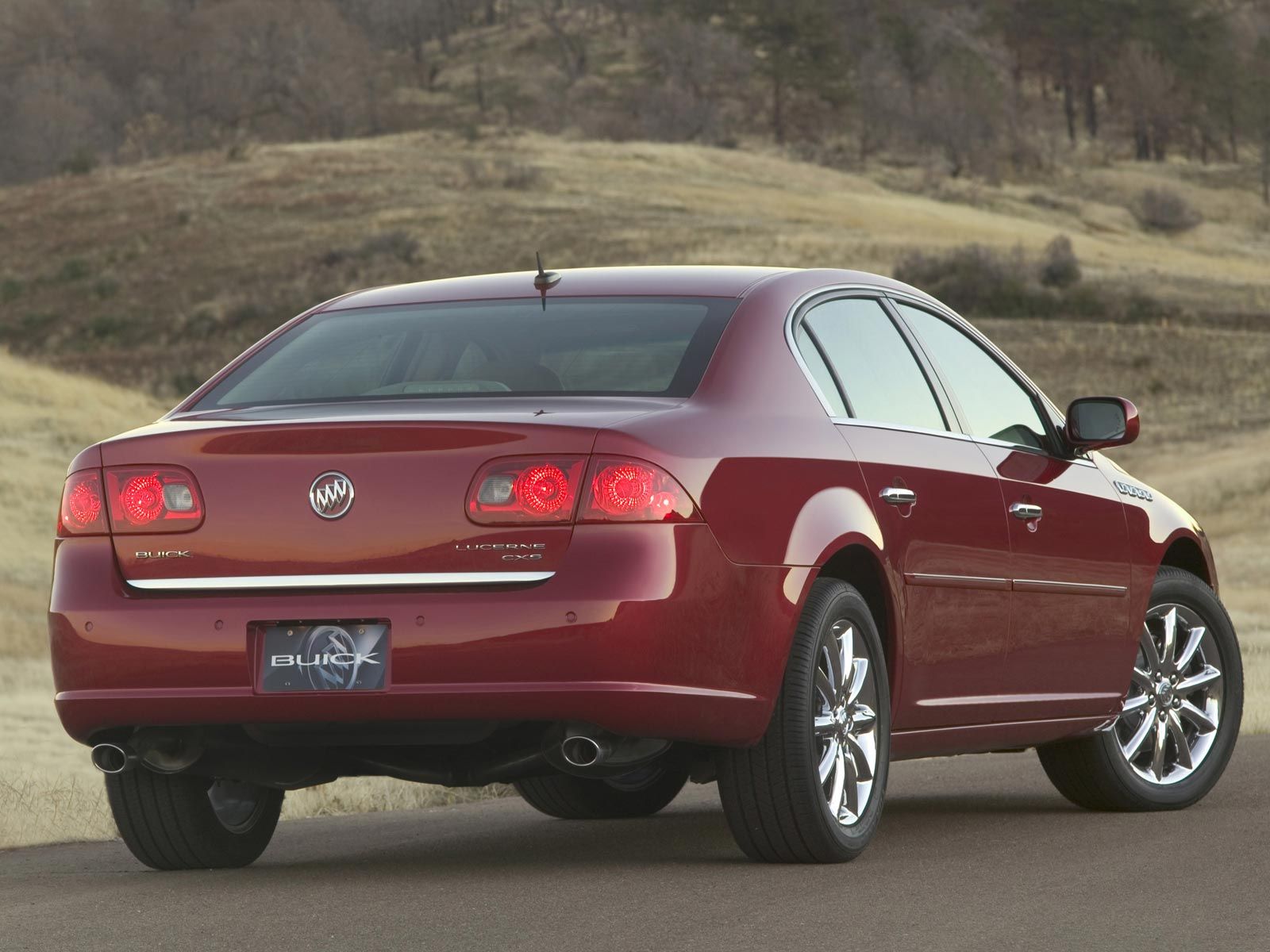
Lucerne's six standard airbags include side-impact thorax and roof-rail air-curtain bags, a dual-stage driver bag and a GM-patented dual-depth front passenger bag. Also standard are a power driver's and passenger seat, power windows, mirrors and door locks with remote keyless entry, six-speaker AM/FM/CD with auxiliary input jack, XM Satellite Radio, four-spoke tilt steering wheel with speed and audio controls, PASS-Key III theft-deterrent system, 17-inch alloy wheels and tires with tire pressure monitoring, four-wheel anti-lock disc brakes (ABS), traction and stability control, Buick's QuietTuning (which includes laminated steel and laminated windshield and side glass) and GM's OnStar convenience and security system.
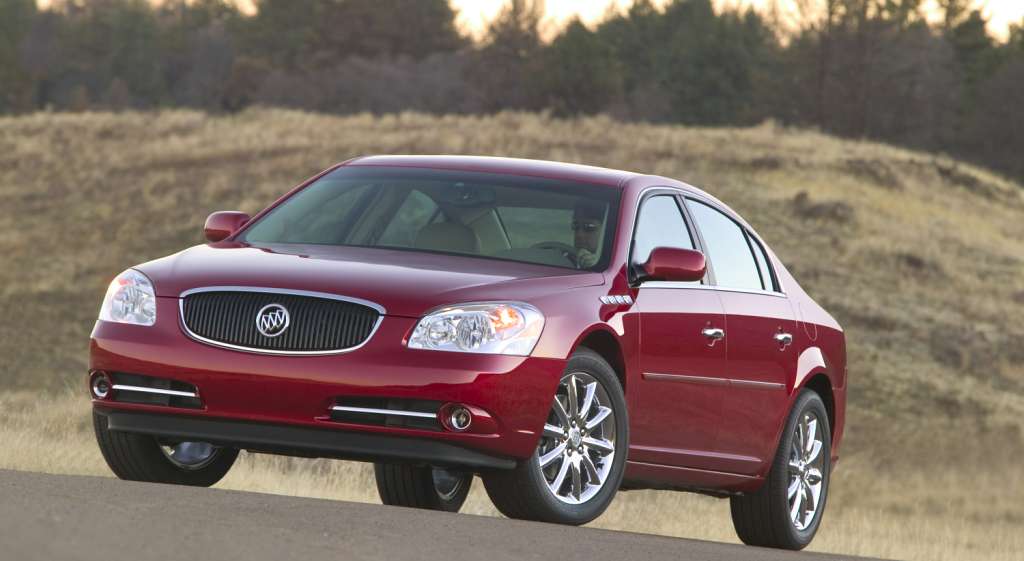
The mid-range CXL adds automatic climate control, eight way power and heated front seats with power lumbar support and a heated leather steering wheel, while the EXL adds to this the Driver Confidence Package with ultrasonic rear park assist and remote start. The Super boasts the Northstar V8, 18-inch wheels and tires, Magnetic Ride Control, heated and cooling front seats, heated steering wheel and rear park assist. Beyond the trim-level equipment, stand alone options include remote start, Bluetooth hands-free phone connectivity, six-passenger seating (with a 40/20/40 split front seat), power sunroof, touch-screen navigation and Side Blind Zone Alert and Land Departure Warning (available in conjunction with the Driver's Confidence package.
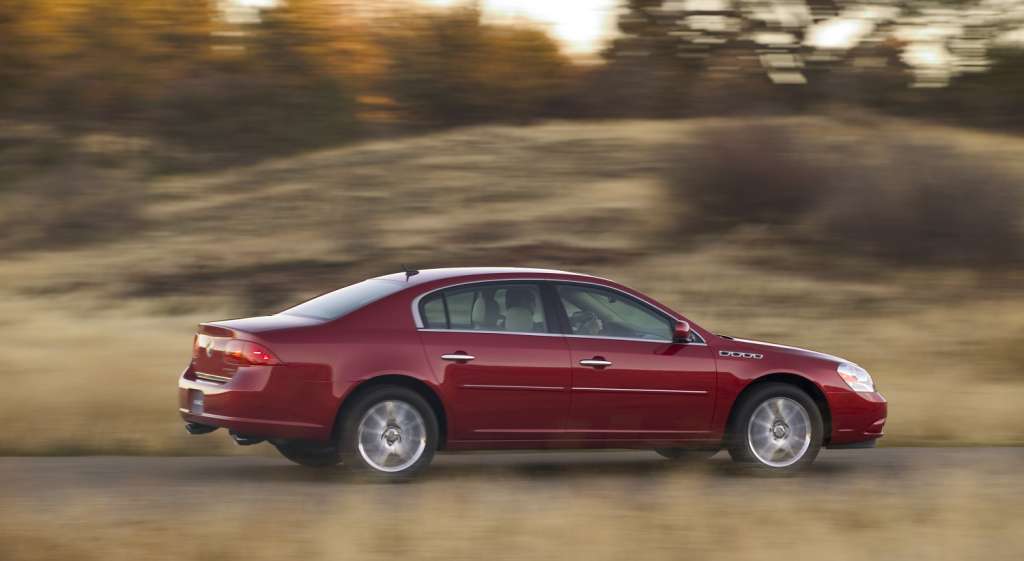
GM's 3.9-liter overhead-valve V6 provides an acceptable balance between power and fuel economy, while its FlexFuel component allows the engine use E85, a blend of gasoline and ethanol. In a rare appearance outside of a Cadillac, the smooth and powerful 292-horsepower dual-overhead cam Northstar V8 offers substantially stronger performance at a one- to two-mile-per-gallon sacrifice in fuel economy. The standard four-speed automatic could use another ratio or two to better compete with the five- and six-speed automatics found in upper-level imports and some domestics. 3.9-liter V6227 horsepower @ 5700 rpm237 lb.-ft. of torque @ 3200 rpmEPA city/highway fuel economy: 17/26 (gasoline), 13/20 (E85)4.6-liter V8 (Exclusive to Super)292 horsepower @ 6300 rpm288 lb.-ft. of torque @ 4500 rpmEPA city/highway fuel economy: 15/22
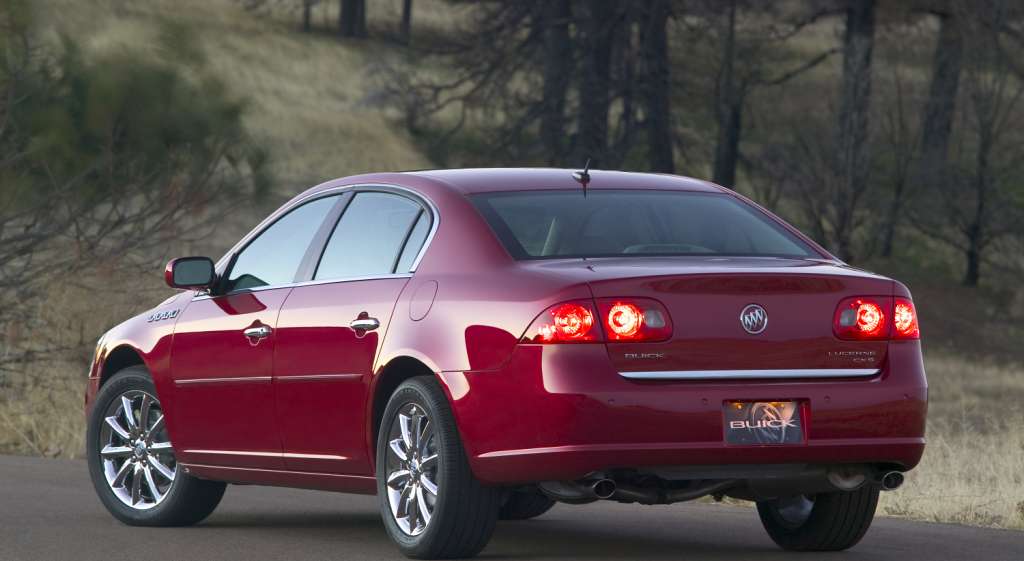
The 2011 Lucerne has a Manufacturer's Suggested Retail Price (MSRP) ranging from around $ 30,500 for the base CX to nearly $ 46,000 for a loaded Super. Given its features and options, the Lucerne more then matches a similarly-equipped Chrysler 300, Acura RL and even Volvo S80, but faces tough competition from the Hyundai Genesis and Lincoln MKS. To ensure you make your best deal, be sure to click on the Fair Purchase Price on kbb.com to see what consumers are actually paying for their Lucerne. In terms of resale value, the Lucerne is projected to fare about as well as its domestic competitors, but do worse than its more expensive import-brand competitors.
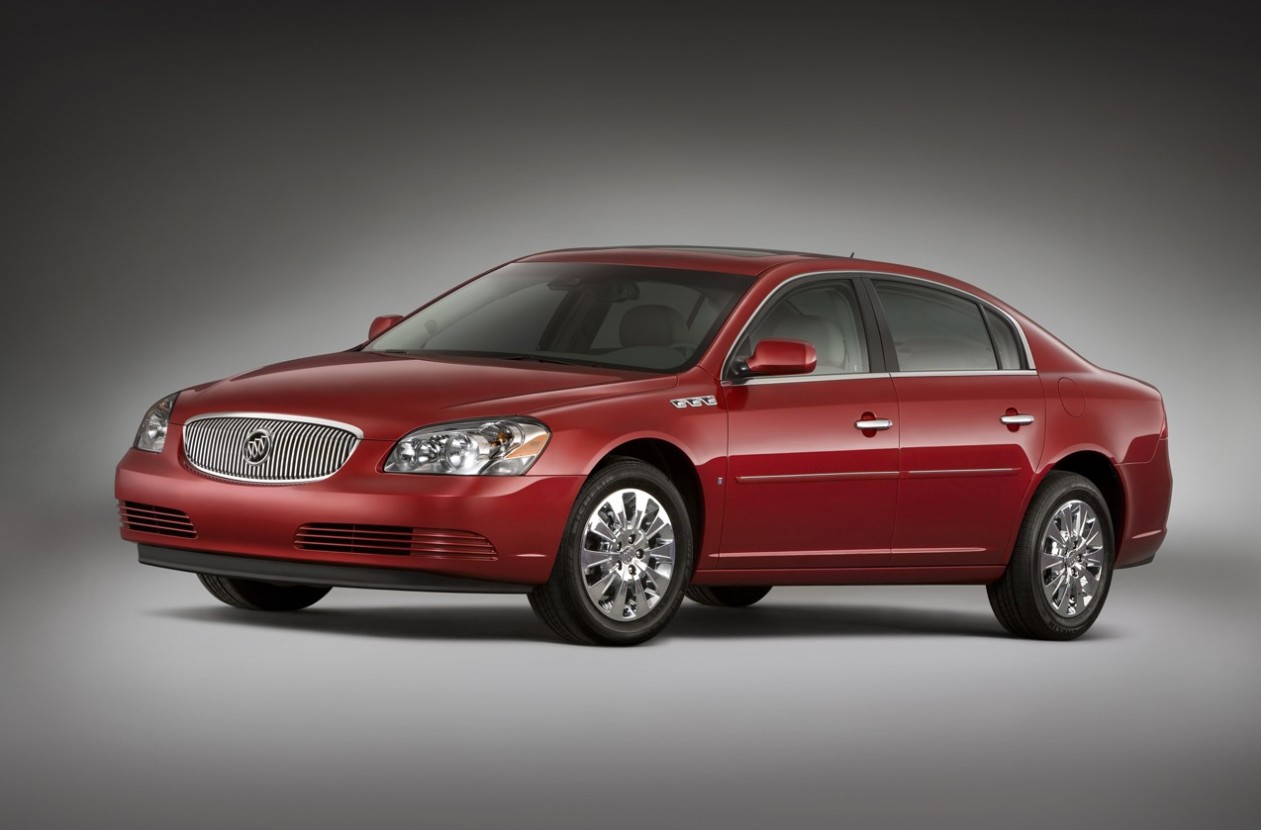
2011 Buick Lucerne CXL 1SA Package Exterior Colors
2011 Buick Lucerne CXL 1SA Package Interior Colors
2011 Buick Lucerne Engines
| Engine | Standard in Trim | Power | Torque | Fuel Consumption - City | Fuel Consumption - Highway | 0-100 km/h | Quarter Mile | Half Mile |
|---|---|---|---|---|---|---|---|---|
| 4.6L DOHC V8 Northstar 32 valve | Super | 292 hp @ 6300 rpm | 248 N.m | 13.8 L/100km | 8.7 L/100km | 6.9 s | 14.7 s | 24.4 s |
| 4.6L V8 OHV 16-valve | Super | 292 hp @ 5700 rpm | 248 N.m | 13.8 L/100km | 8.7 L/100km | 6.9 s | 14.7 s | 24.4 s |
| 4.6L V8 DOHC 32-valve | Super | 292 hp @ 6300 rpm | 248 N.m | 13.8 L/100km | 8.7 L/100km | 6.9 s | 14.7 s | 24.4 s |
| 4.6L V8 DOHC 32-valve | CXS | 275 hp @ 6000 rpm | 248 N.m | 13.9 L/100km | 9.1 L/100km | 7.2 s | 15.0 s | 24.9 s |
| 4.6L V8 DOHC 32-valve | CXS | 275 hp @ 5600 rpm | 248 N.m | 13.8 L/100km | 8.8 L/100km | 7.2 s | 15.0 s | 24.9 s |
| 4.6L V8 DOHC 32-valve | CXS | 275 hp @ 5600 rpm | 248 N.m | 13.8 L/100km | 8.7 L/100km | 7.2 s | 15.0 s | 24.9 s |
| 3.8L V6 OHV 12-valve | CX | 197 hp @ 5200 rpm | 248 N.m | 12.2 L/100km | 7.4 L/100km | 9.3 s | 16.8 s | 27.8 s |
| 3.8L V6 OHV 12-valve | CXL V6 | 197 hp @ 5200 rpm | 248 N.m | 13.8 L/100km | 8.8 L/100km | 9.3 s | 16.8 s | 27.8 s |
| 3.8L V6 OHV 12-valve | CX | 197 hp @ 5200 rpm | 248 N.m | 12.2 L/100km | 7.3 L/100km | 9.3 s | 16.8 s | 27.8 s |
| 3.8L V6 OHV 12-valve | CXL V6 | 197 hp @ 5200 rpm | 248 N.m | 11.8 L/100km | 8.1 L/100km | 9.3 s | 16.8 s | 27.8 s |
2011 Buick Lucerne Trims
2011 Buick Lucerne Previous Generations
2011 Buick Lucerne Future Generations
Buick Lucerne Overview and History
However, this choice of name lacked the powerful resonance of its founder's name, which was quick to replace it by 1903 - when the company pinned a brand new name tag to its chest: the Buick Manufacturing Co. During the same year, the company's heads went for further simplifying the name by dropping the 'Manufacturing' from the label.
Once corporate identity and appearance issues were satisfactory solved, Buick started focusing on car-engine development. The emphasis Buick put on his work would soon pay back, the genesis of the overhead valve engine having brought the company a generous amount of acclaim.
This was mostly thanks to the positioning of the valves, which allowed Buick engines to be fitted into tighter spaces while granting drivers easy access to maintenance - unlike the majority of the car engines at the time (which sported angle-mounted valves). Although Buick and his top engineering duo, Eugene Richard and Walter L. Marr, were successful in avoiding some major engine-building related intricacies, the brand entered a stage of slow-sales paradox.
Such were the financial difficulties encountered that, by September 1903, David Buick and his financial backer Benjamin Briscoe Jr. sold the firm to a wagon-making group in Flint, Michigan, 60 miles from Detroit (the former headquarters of the Buick factory). Luckily, the Buick plant was moved entirely to Flint, which allowed David Buick, who had been kept as manager, to further focus on his work.
Despite the 1904 construction of the first Flint Buick, the Model B, the by now one-year old Flint-Buick merger was inches away from hitting against the bulk of a metaphorical harassing Mr. Financial Trouble. And it did. The impact left the company with no other alternative than to seek help.
James H. Whiting, manager of the Flint Wagon Works, approached William C. “Billy” Durant, Flint-carriage king and future GM boss, on the company's status. Durant's nose for business as well as his uncanny intuition and promotional skills would later drag Buick from the pits of tar it had fallen into, straight to flashy auto-show glamour, inked front page wows and racing domination.
Although Durant was not a big automobile fan, he immediately recognized the sales-potential of the Buicks. It was the torque and rugged suspension of the cars Buick had built so far that convinced Durant that he had struck gold.
Thanks to the easiness and sturdiness Buicks proved in hill climbing and muddy terrain, Durant ordered a staggering 1000 units before the company had reached the 40 threshold. Though a series of production increase oriented moves, such as the construction of a new Flint-based plant and a partnership with Charles Stewart Mott (axle supplier and future GM head), Durant saved Buick from near extinction.
Durant didn't settle for just ensuring the success of the Buick brand and went farther to conquer racing grounds as well. His team, formed of Louis Chevrolet and Wild Bob Burman (among others), snatched a total of 500 trophies only between 1908 and 1910. The reason to why Buick had so much success was that by 1908 it had become the country's leading automobile producer with 8,820 cars produced. As if this wasn't enough, the new model 10 had topped all the other company's sales, with 4,002 units produced. The success registered by the Buick name grew enough to provide Durant with the grounds for spawning a large holding company. Thus, General Motors was born.
When the 20's came, Buick was numbly bathing in refreshing popularity as it had become the top choice car brand for world leaders. In breaks between garnering acclaim, Buick was busy crossing finish lines and popping champagnes from the height of first-place racing podiums across the world.
In fact, Buick had virtually conquered the world, with automobiles having taken part in major expeditions and crossings, such as the Lowel Thomas-led first motorized trip into Afghanistan, 1923.
However, the end of the 20's brought along not-so-great news, as the Great Depression swept the country, destroying lots of companies in the process. Buick was able to withstand the fund-consuming Depression, having displayed a range of fully rejuvenated models sporting performance Dynaflow automatic transmissions, aircraft inspired portholes, or Ventiports, and renewed style elements such as flashy vertical grilles and meticulously executed finishing touches.
With its growth uninterrupted, Buick continued to hold its position as the all-leading American car producer throughout the 90's with an emphasis on sedans. The Y2K year inoculated a fresh take on the car with Buick extending its activity in developing new convertible and crossover concepts. The reshaping process undergone by Buick has left the company focusing on a new range of automobiles, currently flaunting the three premium LaCrosse, Lucerne and Enclave models.
2011 Buick Lucerne Consumer Reviews
Compare Against Competitors
2011 Buick Lucerne CXL 1SA Package Specifications
CXL 1SA Package Comfort and Convenience
| AM/FM stereo radio | AM/FM stereo radio with RDS and auxiliary input jack |
|---|---|
| Air Conditionning | Air conditioning |
| Air Conditionning (Option) | Dual-zone automatic air conditioning |
| Antenna | Glass-imprinted antenna |
| Bluetooth Wireless Technology (Option) | Yes |
| Cargo Net (Option) | Trunk cargo net |
| Cargo Organizer (Option) | Cargo Area Tray |
| Communication System | OnStar communication system with turn-by-turn navigation and 1-year service |
| Courtesy Dome Light | Rear courtesy lights |
| Cruise Control | Yes |
| Driver Vanity Mirror | Driver-side illuminated vanity mirror |
| Front Wipers | Intermittent windshield wipers |
| Front Wipers (Option) | Rain-sensing variable intermittent windshield wipers |
| Garage Door Opener (Option) | Universal garage-door opener |
| Illuminated Entry | Illuminated entry with fade-out |
| Interior Air Filter | Cabin air filter |
| Number of Speakers | 6 speakers |
| Passenger Vanity Mirror | Front passenger-side illuminated vanity mirror |
| Power Door Locks | Yes |
| Power Outlet | 12-volt power outlet |
| Power Windows | Power windows with driver one-touch down feature |
| Reading Light | Front and rear reading lights |
| Rear View Mirror | Auto-dimming day/night rear view mirror |
| Remote Audio Controls | Steering wheel-mounted audio controls |
| Remote Keyless Entry | Yes |
| Remote Starter (Option) | Remote engine starter |
| Single CD | CD/MP3 player |
| Special Feature | XM satellite radio with 3-month subscription |
| Steering Wheel Adjustment | Tilt steering wheel |
| Trunk/Hatch Operation | Power remote trunk release |
CXL 1SA Package Dimensions
| Cargo Capacity | 481 L |
|---|---|
| Curb Weight | 1726 kg |
| Front Headroom | 1004 mm |
| Front Legroom | 1079 mm |
| Fuel Tank Capacity | 70 L |
| Height | 1473 mm |
| Length | 5161 mm |
| Max Trailer Weight | 454 kg |
| Rear Headroom | 957 mm |
| Rear Legroom | 1051 mm |
| Wheelbase | 2936 mm |
| Width | 1874 mm |
CXL 1SA Package Exterior Details
| Exterior Decoration | Chrome exhaust tip |
|---|---|
| Exterior Folding Mirrors | Folding outside mirrors |
| Exterior Mirror Colour | Body-color outside mirrors |
| Exterior Mirrors Auto Dimming | Auto-dimming driver's side outside mirror |
| Front Fog Lights | Fog lights |
| Grille | Chrome grille |
| Headlight Type | Halogen headlights |
| Headlights Auto Off | Auto-off headlights |
| Heated Exterior Mirrors | Heated outside mirrors |
| Mudguard (Option) | Front and rear splash guards |
| Power Exterior Mirrors | Power-adjustable outside mirrors |
| Rear Window Defroster | Yes |
| Side-Body Trim | Body-color side mouldings with chrome accent |
| Sunroof (Option) | Power glass sunroof |
| Tinted Glass | Yes |
CXL 1SA Package Interior Details
| Clock | Digital clock |
|---|---|
| Compass | Yes |
| Driver Info Center | Driver information center |
| Floor Console | Yes |
| Floor Mats | Front and rear floor mats |
| Floor Mats (Option) | Ebony All Weather Front and rear floor mats |
| Front Center Armrest | Front center armrest with storage |
| Front Seats Climate (Option) | Climate front seats |
| Front Seats Driver Lombar (Option) | Driver's seat power lumbar support |
| Front Seats Driver Power Seats | 6-way power driver's seat |
| Front Seats Front Seat Type | Bucket front seats |
| Front Seats Front Seat Type (Option) | Front bench seat for 6-passenger capacity |
| Front Seats Heated (Option) | Heated front seats |
| Front Seats Passenger Lombar (Option) | Front passenger's seat power lumbar support |
| Front Seats Passenger Power Seats | 6-way power front passenger seat |
| Instrumentation Type | Analog instrumentation |
| Luxury Dashboard Trim | Burl walnut woodgrain dashboard trim |
| Number of Cup Holders | 4 cupholders |
| Rear Center Armrest | Rear-seat fold-down armrest |
| Rear Seat Pass-Through | Yes |
| Rear Seat Type | Rear bench seat |
| Seat Trim | Cloth seats |
| Seat Trim (Option) | Perforated leather seats |
| Steering Wheel Trim | Leather-wrapped steering wheel |
| Tachometer | Yes |
CXL 1SA Package Mechanical
| Drive Train | Front-wheel drive |
|---|---|
| Engine Name | 3.9L V6 OHV 12-valve |
| Stability Control (Option) | Yes |
| Traction Control | Yes |
| Transmission | 4-speed automatic transmission |
CXL 1SA Package Overview
| Body | Sedan |
|---|---|
| Doors | 4 |
| Engine | 3.9L V6 OHV 12-valve |
| Fuel Consumption | 12.0 (Automatic City)7.4 (Automatic Highway) |
| Power | 227 hp @ 5700 rpm |
| Seats | 5 |
| Transmission | 4-speed automatic transmission |
| Warranties | Bumper-to-Bumper80000/km, 48/Months Emissions130000/km, 96/Months Powertrain160000/km, 60/Months Roadside Assistance160000/km, 60/Months Rust-throughUnlimited/km, 72/Months |
CXL 1SA Package Safety
| Anti-Lock Brakes | Anti-lock brakes |
|---|---|
| Anti-Theft Alarm | Alarm system |
| Brake Assist | Brake assist |
| Brake Type | 4-wheel disc |
| Child Seat Anchor | LATCH child seat anchors |
| Child-proof Locks | Rear-door child safety locks |
| Driver Airbag | Driver-side front airbag |
| Ignition Disable | Theft-deterrent engine immobilizer |
| Parking Distance Sensor | Rear park distance sensor |
| Passenger Airbag | Passenger-side front airbag |
| Roof Side Curtain | Side-curtain airbags |
| Side Airbag | Front side airbags |
| Stolen Vehicle Recovery | Stolen Vehicule Recovery |
CXL 1SA Package Suspension and Steering
| Front Suspension | Independent front suspension |
|---|---|
| Front Tires | P235/55R17 |
| Power Steering | Power rack-and-pinion steering |
| Rear Suspension | Independent rear suspension |
| Spare Tire | Compact spare tire |
| Suspension Self-Levelling | Load-levelling front and rear suspension |
| Tire Pressure Monitoring System | Yes |
| Turning Circle | 12.9-meter turning circle diameter |
| Wheel Type | 17" painted alloy wheels |
Discussion and Comments
Share Your Comments