2008 Toyota Prius Base 0-60 Times, Top Speed, Specs, Quarter Mile, and Wallpapers
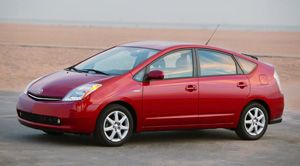
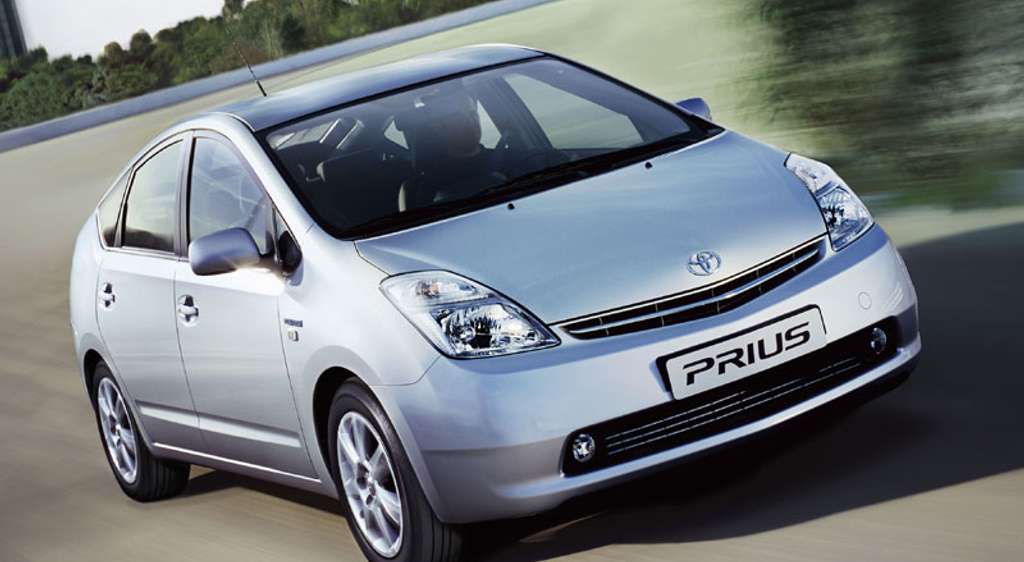
The 2008 Toyota Prius Base is a Front-wheel drive Sedan. It can accommodate up to 5 passengers. It has 5 Doors and is powered by a 1.5L L4 DOHC 16-valve + 67 HP Electric Engine engine which outputs 110 hp @ 5000 rpm and is paired with Continuously Variable Transmission (CVT) gearbox. The 2008 Toyota Prius Base has cargo capacity of 456 Liters and the vehicle weighs 1335 kg. In terms of ride assists, the 2008 Toyota Prius Base has stability control and traction control in addition to anti-lock brake system (ABS). The vehicle has an optional engine as well It offers and Rearview camera. Safety features also include Driver side front airbag and Passenger side front airbag. The front suspension is Suspension indépendante à l'avant while the rear suspension is Torsion-beam rear suspension. The car also features a Yes It has 16'' alloy wheels as standard. Electronic features include Cruise Control. For convenience, the car has Power windows and Power door locks. There is also a remote keyless entry feature. Moreover, the car has. The steering wheel has audio control buttons. In terms of performance, the car has 120 N.m of torque and a top speed of 176 km/h. The 2008 Toyota Prius Base accelerates from zero to 60 mph in 11.7 seconds and hits quarter mile at 18.6 seconds. Fuel consumption is 4 L/100km in the city and 4.2 L/100km in the highway. The car price starts at $ 27,600
| Name | Base | |
|---|---|---|
| Price | $ 27,600 | |
| Body | Sedan | |
| Doors | 5 Doors | |
| Engine | 1.5L L4 DOHC 16-valve + 67 HP Electric Engine | |
| Power | 110 hp @ 5000 rpm | |
| Number of Seats | 5 Seats | |
| Transmission | Continuously Variable Transmission (CVT) | |
| Cargo Space | 456.0 L | |
| Maximum Cargo Space | 456.0 L | |
| Wheel Type | 16'' alloy wheels | |
| Series | Prius II (NHW20) | |
| Drivetrain | Front-wheel drive | |
| Horsepower | 110 HP | |
| Torque | 120 N.m | |
| Top Speed | 176 km/h | |
| Acceleration 0-100 km/h (0-60 mph) | 11.7 s | |
| Fuel Type | Petrol (Gasoline) | |
| Fuel Consumption (City) | 4.0 L/100km | |
| Fuel Consumption (Highway) | 4.2 L/100km | |
| Gear Type | ||
| Weight | 1,335 KG | |
| Brand | Toyota | |
| Model | Prius | |
| 0-400m (Quarter Mile) | 18.6 s | |
| 0-400m (Quarter Mile) - Speed | 123.7 km/h | |
| 0-800m (Half Mile) | 30.9 s | |
| 0-800m (Half Mile) - Speed | 139.2 km/h | |
| Modifications (MODS) | ||
| Modifications Cost | $ 0 |
Toyota prius 2008 acceleration 0-100
2008 Toyota Prius 0-60
Toyota prius 2008 acceleration 0-100
2008 Toyota Prius Used Price Estimates
Estimates based on a driving average of 12,000 miles per year| Used Condition | Trade In Price | Private Party Price | Dealer Retail Price |
|---|---|---|---|
| Outstanding | $ 3,243 | $ 4,692 | $ 5,458 |
| Clean | $ 2,939 | $ 4,254 | $ 4,953 |
| Average | $ 2,330 | $ 3,378 | $ 3,944 |
| Rough | $ 1,721 | $ 2,502 | $ 2,934 |
The 2008 Toyota Prius is a full-featured midsize car that just so happens to be the most fuel-efficient car on the market. The fact that it now starts at less than $ 21,000 is icing on the green-colored cake.
The 2008 Toyota Prius should be considered more than just a rolling personal statement declaring, "Ahoy there you scummy SUV driver! I'm part of the solution, not the problem." Of course, people buy cars to make statements all the time. A stately luxury car can say, "Look world, I'm successful." Buying a Hummer can say, "This enormous 6,000-pound truck is synonymous with my (delusional) sense of personal machismo." Yet despite being the poster child for environmental awareness, the Prius should be closely considered for all the real, tangible ways it provides daily transportation. You don't have to bleed green to appreciate its virtues.

Even without its innovative and revolutionary hybrid power plant, the Prius would be a sensible, functional-first midsize sedan. It may look small, but the well-packaged and airy interior is spacious for passengers and cargo alike. Plus, a long list of standard and optional features allows the Prius to serve both customers in search of a low-priced conveyance and those in need of more luxurious trappings.
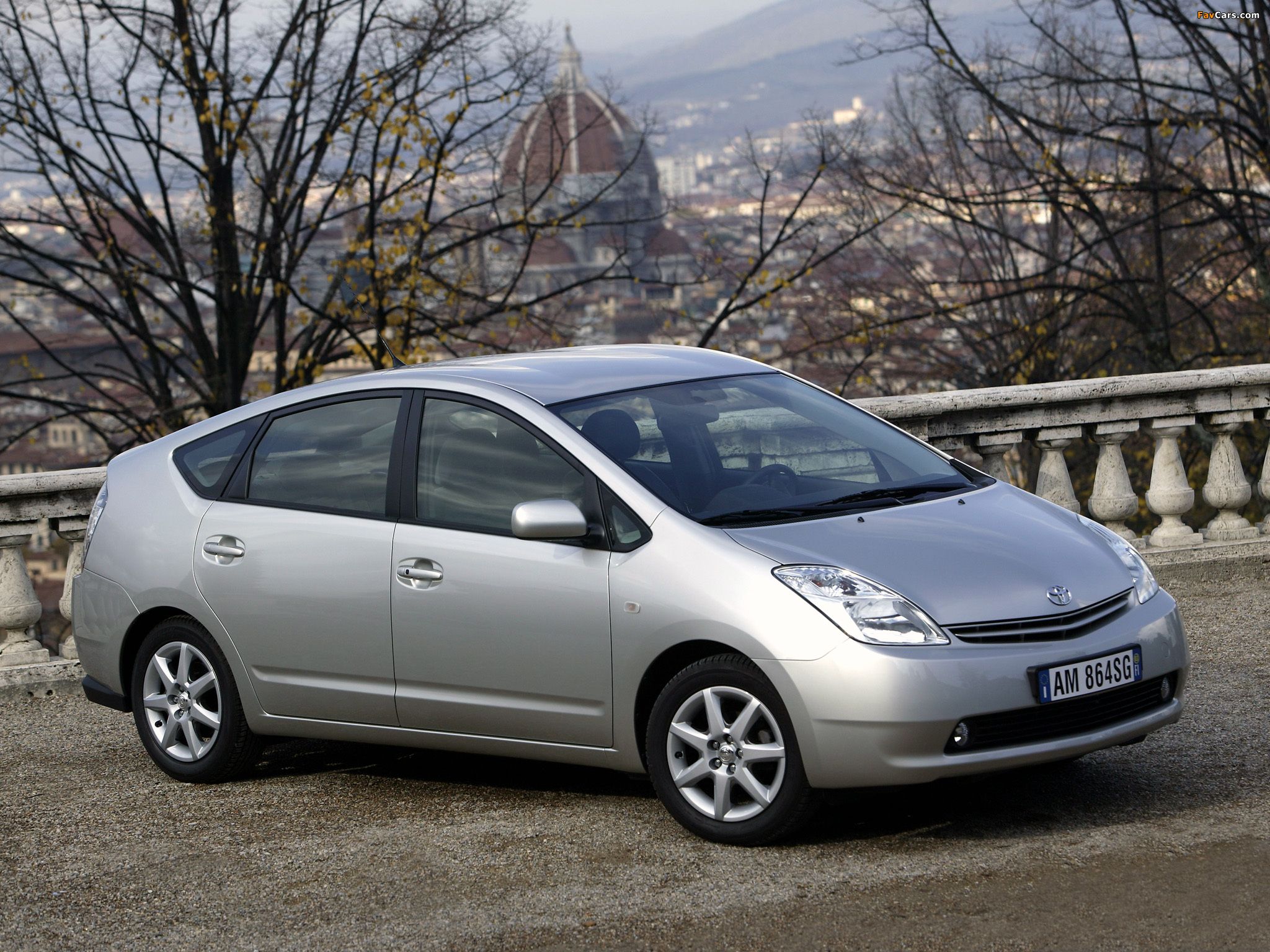
Of course, the Prius is first and foremost a hybrid -- and the benchmark upon which all others are based. Capable of running on electricity alone or in concert with the small gasoline four-cylinder engine, the Prius is capable of fuel economy that no current mainstream car can match -- even with the lower, revised 2008 EPA estimates. Like most hybrids, the 2008 Toyota Prius is best suited to drivers whose travels rarely take them farther than the city limits. Around town and in stop-and-go traffic, the Prius' electric motors and regenerative braking are optimized to provide superior fuel economy and optimal power delivery. It's OK on the freeway, but without consistent braking or coasting, the battery runs down, forcing the anemic four-cylinder engine to carry most of the load.
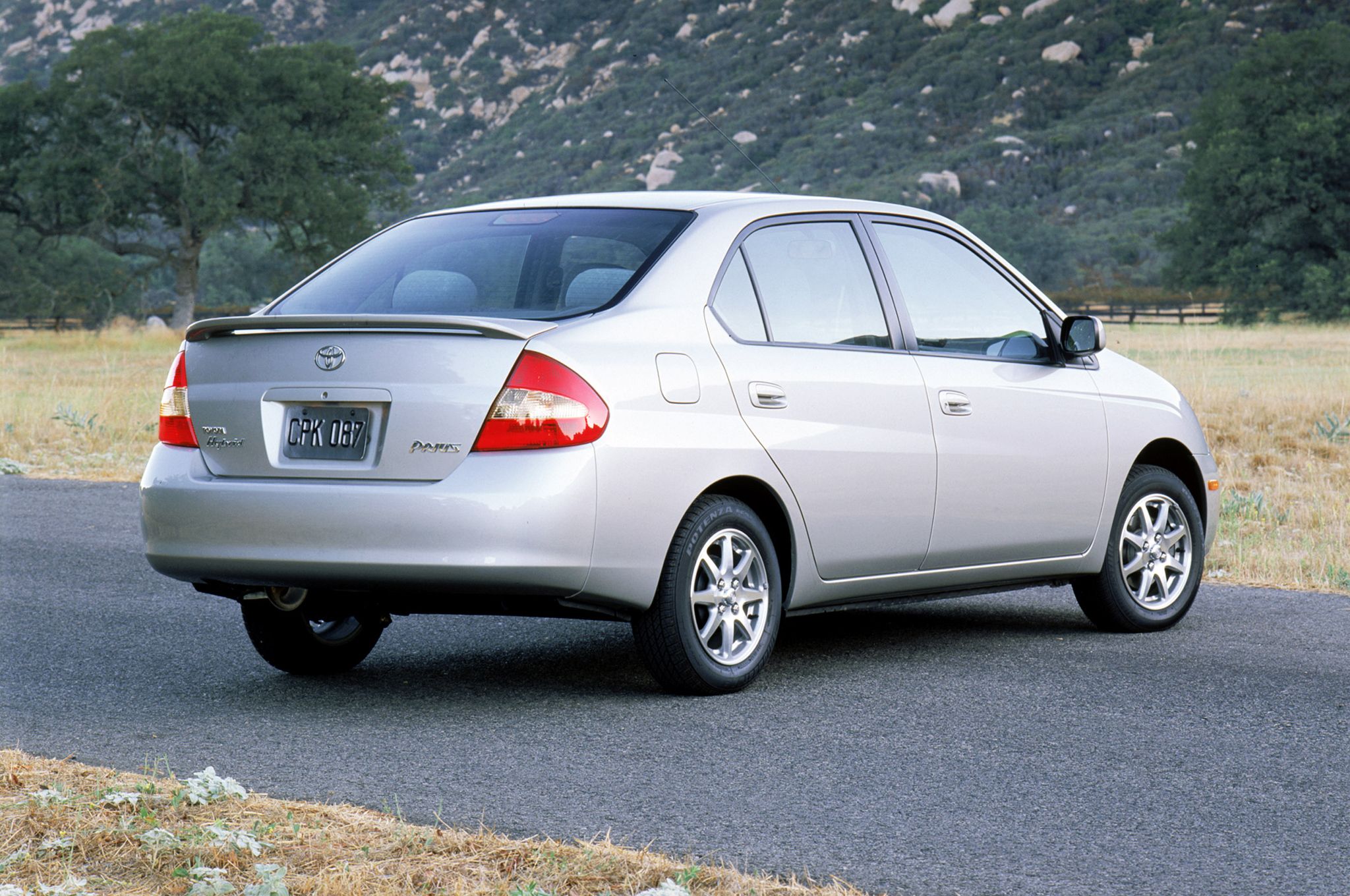
In a few short years, the Toyota Prius has gone from low-volume oddity to being one of the 10 best-selling cars in America. With that popularity have come a slew of new hybrid models that generally trade a few miles per gallon for a more traditional body style. Toyota's own Camry Hybrid and the Nissan Altima Hybrid have gas-electric systems similar to the one in the Prius, but offer a more regular car-driving experience. The Altima can even be described as fun to drive, something few other hybrids --including the Prius -- can boast. The Honda Civic Hybrid is also a similarly priced alternative, providing more rewarding handling and a higher-quality interior.
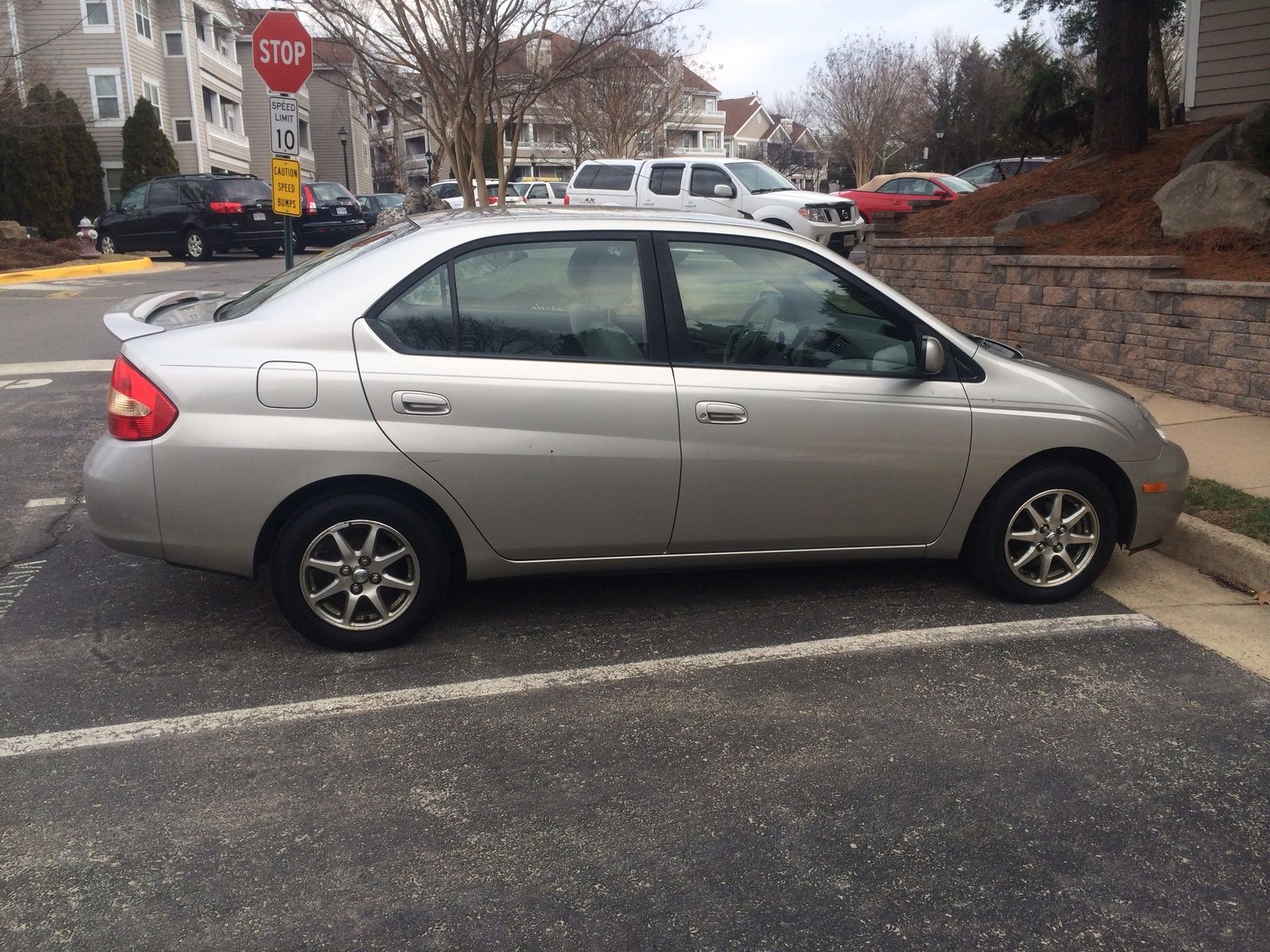
Despite this competition, though, nobody comes close to beating the Prius' mix of fuel economy, interior versatility and for 2008, a base price under $ 21,000. Plus, for better or worse, nothing else can make a better environmental statement.
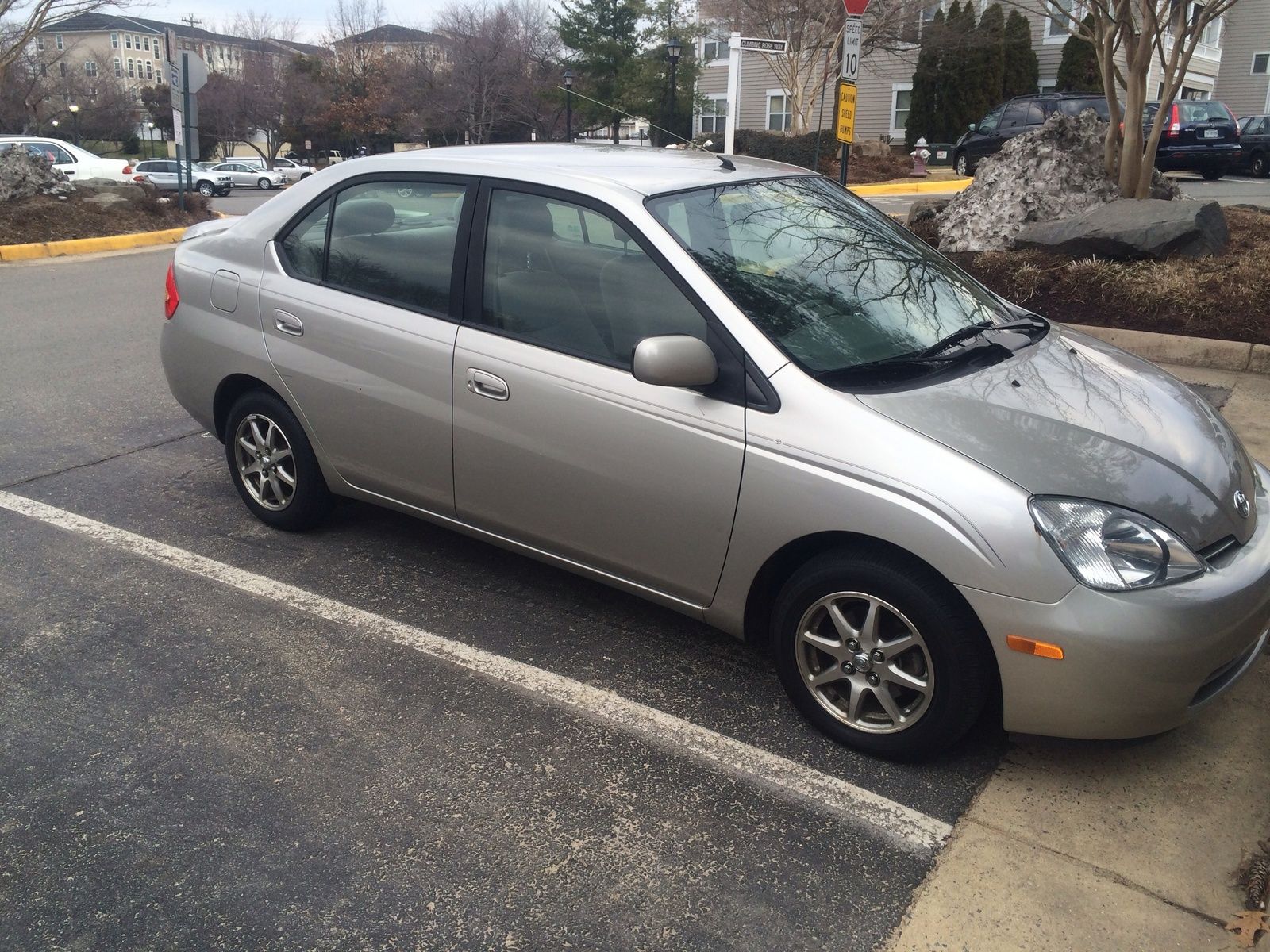
The 2008 Toyota Prius is a midsize hatchback sedan available in three body styles: standard, base and Touring. The new standard model comes with 15-inch alloy wheels, keyless entry, full power accessories, tilt steering wheel, touchscreen controls, a hybrid system display and a six-speaker stereo with CD player. The base model (in name only) adds cruise control, different wheels and heated sideview mirrors. The Touring model adds a sportier suspension, 16-inch wheels and xenon headlights. The latter item is available on the base model.
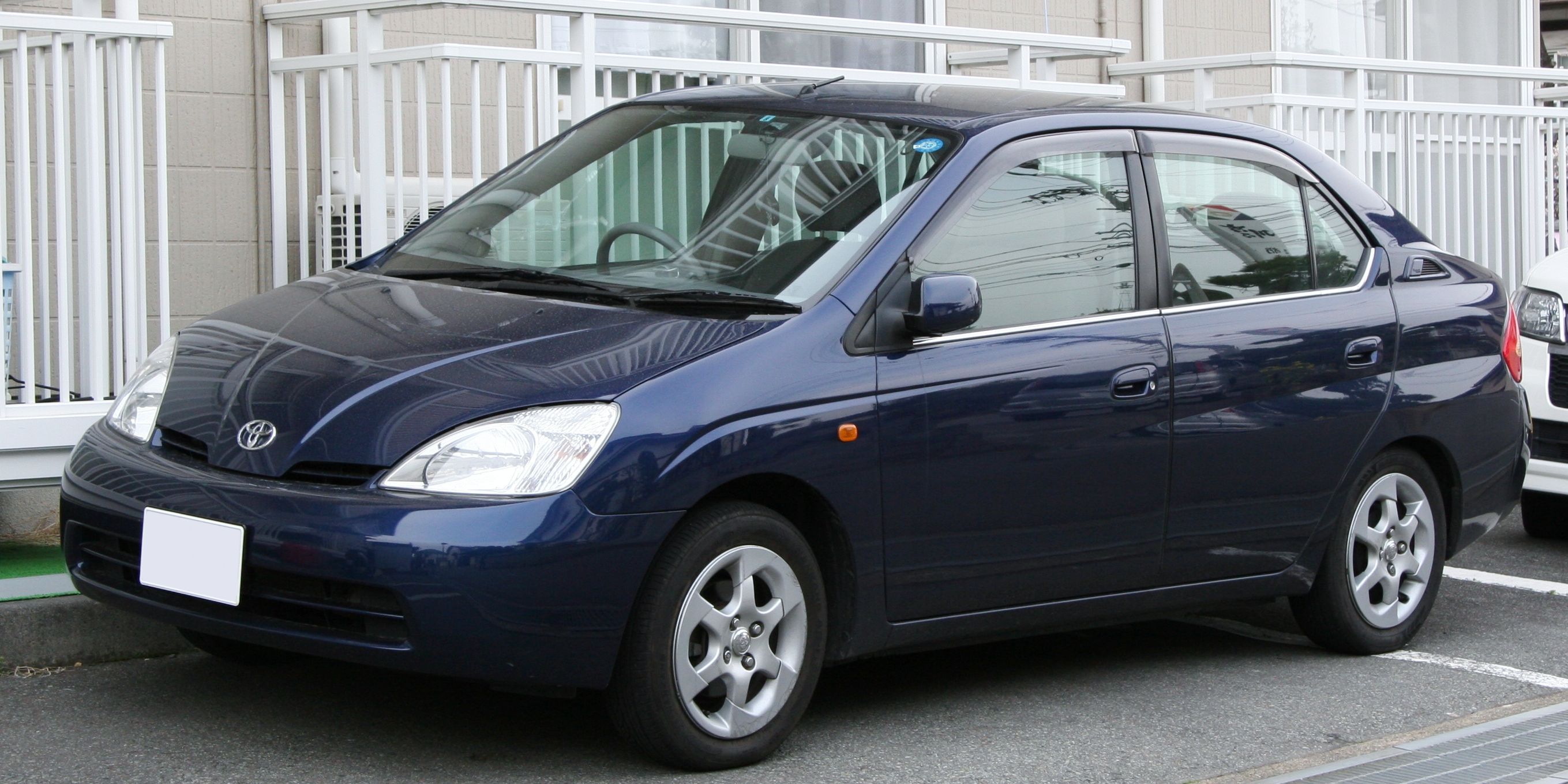
The Prius options list is extensive, capable of transforming this hybrid from an economy car to a near-luxury sedan. There are five packages available on the base and Touring trims (Packages 2 through 6 -- there is no Package 1), which bundle features that include a rearview camera, keyless ignition, HomeLink, foglamps, an auto-dimming mirror, leather upholstery and steering wheel, auxiliary audio jack, MP3 playback, Bluetooth, a navigation system and a nine-speaker JBL premium sound system with an in-dash six-CD changer. A choice of satellite radio providers is a stand-alone, dealer-installed option.
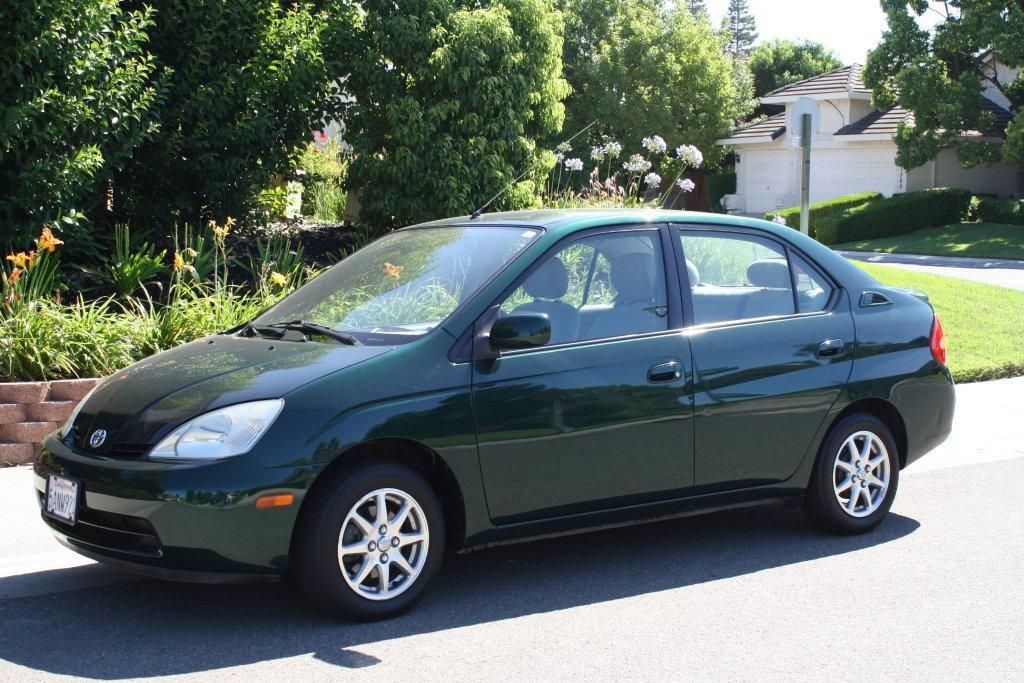
Powering the revolutionary Prius is what Toyota calls Hybrid Synergy Drive. This drivetrain consists of a 1.5-liter gasoline engine and two electric motors, one of which helps drive the front wheels and the other of which functions solely as a generator (recharging the car's battery pack). The gas engine produces 76 horsepower and 82 pound-feet of torque, while the electric-drive motor produces the equivalent of 67 hp and 295 lb-ft of torque. Net peak horsepower is 110, mainly because the two power sources hit their peaks at different times. Regardless, power delivery is smooth and consistent from rest all the way to top speed. The Prius features a simplified continuously variable transmission of sorts. It provides the ease of a conventional automatic transmission, but there are no gears to shift, drive belts, torque converter or clutch. In performance testing, the Prius sauntered up to 60 mph in a leisurely 10.9 seconds.
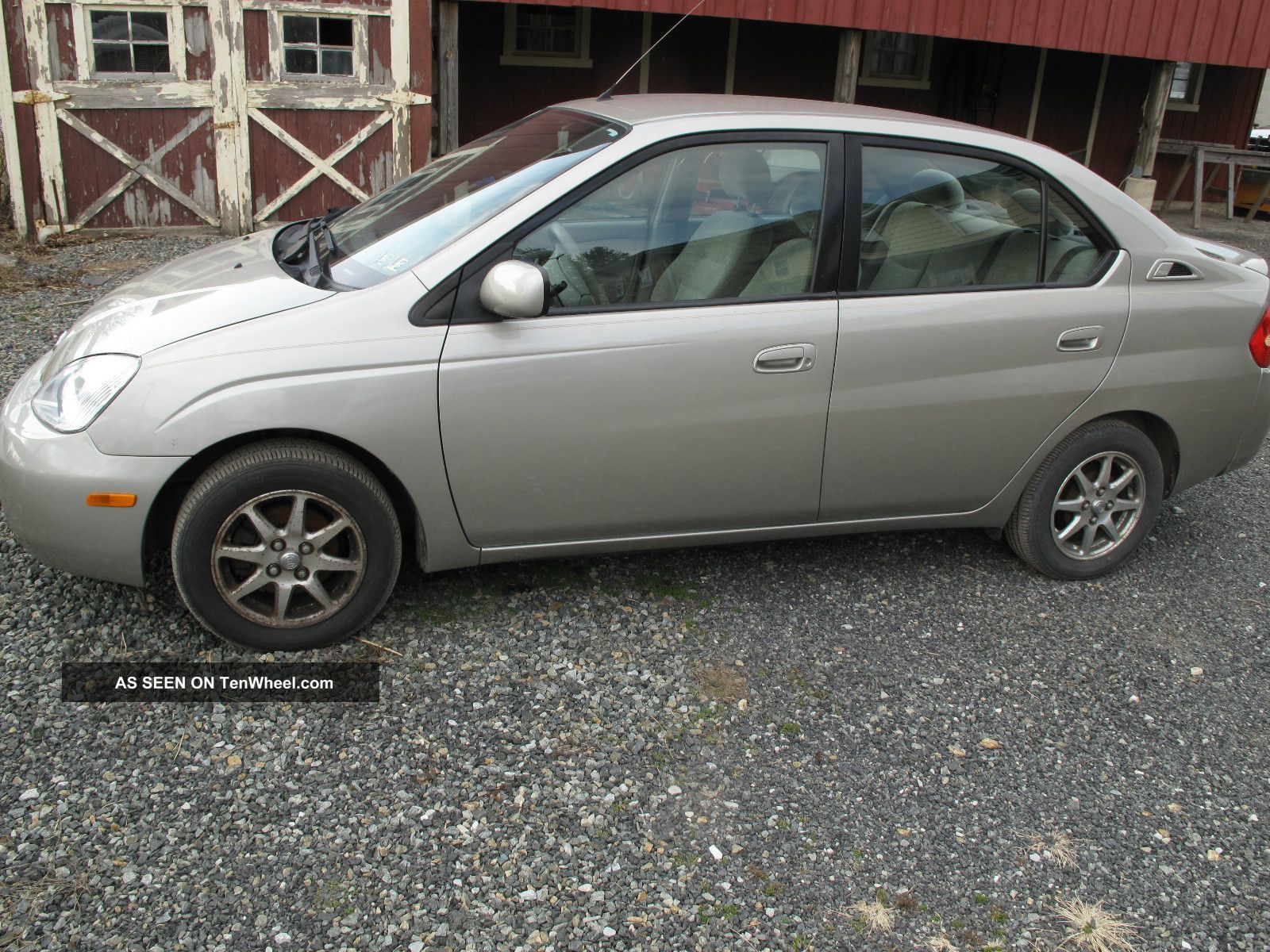
After the EPA revised its fuel economy testing procedures for 2008, the Prius and other hybrids suffered a perceived hit in gas mileage ratings. The Prius is now rated at 48 mpg city and 45 mpg highway. This is a far cry from the ridiculously optimistic former numbers (61 city), but they still represent the most fuel-efficient mainstream car money can buy.
Every 2008 Toyota Prius comes standard with antilock brakes with brake assist, traction control, front-seat side airbags and full-length side curtain airbags. Stability control is a package option. In government crash tests, Toyota's hybrid car earned four stars out of five for driver and front-passenger protection in frontal impacts. In side-impact testing, it earned five stars for front-occupant protection and four stars for the rear. In Insurance Institute for Highway Safety testing, the Prius earned the top rating of "Good" for its protection in frontal-offset and side-impact crashes.

Driving a Prius is different. There is no engine start-up, just an instrument panel light that says "Ready." The transmission selector is a stubby electronic knob. Thanks to its Hybrid Synergy Drive, the Prius can accelerate up to about 25 mph using only electric power, which can make it sound like a huge golf cart. It's all very different, but that's not necessarily a bad thing. Star Wars was once pretty different, too. Aside from its idiosyncrasies, the Prius features minimal cabin noise and a suspension that provides an acceptably smooth ride despite the car's weight-saving chassis components. The Prius makes a fine highway companion, but it is best suited to the city, where its light electric steering, tight turning circle, excellent visibility and available rearview camera make it easy to park and maneuver through traffic. Also, this hybrid returns its best gas mileage in stop-and-go driving, as it's able to spend more time in full-electric mode.
The overall look of the 2008 Prius is upscale, if not a little oddball. The dash is flat and wide, with a large touchscreen, digital gauges, stubby electronic shifter and plenty of steering wheel buttons. Climbing inside, you tend to feel as if you're about to take a trip inside Epcot's "Car of the Future." Fit and finish is very tight and materials are pretty good, although some plastics are starting to seem a little cheap. We've complained before about centrally located instrument clusters, but the Prius' electronic gauges are at least crystal-clear and easy to see.
Although the front seats are relatively roomy, the driving position in the Prius is somewhat awkward, as the driver seat is not height-adjustable and the steering wheel does not telescope. The backseat offers ample room for adults and rear-facing infant seats, while the 14.4-cubic-foot rear hatchback trunk can accommodate several roller suitcases or a double stroller. Plus, the folding seatbacks provide an uninterrupted cargo area that most sedans can't match.
The 2008 Toyota Prius is a very technologically advanced machine that employs a 1.5-liter gasoline engine rated at 76 horsepower and a battery-powered electric motor that generates 50 kilowatts (67 horsepower). The Prius emits no sound when started. One simply pushes the start button, selects D from the dash-mounted shifter and depresses the accelerator. The Prius moves forward in utter silence because initially the electric motor is doing all the work. As the Prius gets up to speed, the car's computer brain signals the gasoline engine to switch on, at which point the electric motor surrenders control in a seamless operation that is virtually undetectable. The differences between driving the Prius and a conventional gasoline-engine car are very subtle -- silent acceleration from rest and gasoline-engine shutdown at stops.
Push-Button StartAlthough offered on more and more vehicles at all price levels, push-button start still qualifies as one of our favorite features.Graphic Power DisplayThe graphic power display lets the driver monitor the interaction between the gasoline engine and electric motor, even when you can't feel it.
The Prius's long wheelbase provides 112-cubic feet of interior space, nearly matching the mid-size Camry. However, with its rear 60/40-split bench seat folded down, the hatchback Prius can undoubtedly carry far more cargo than Toyota's bread-and-butter sedan. The center dash houses a large LCD screen that shows the power transfer map between the gasoline engine and electric motor, as well as the display for the climate, rear backup camera and navigation systems. There is even an optional remote key fob transponder that tells the Prius you are its owner, allowing the doors to be unlocked and the car to be started without the use of a key.
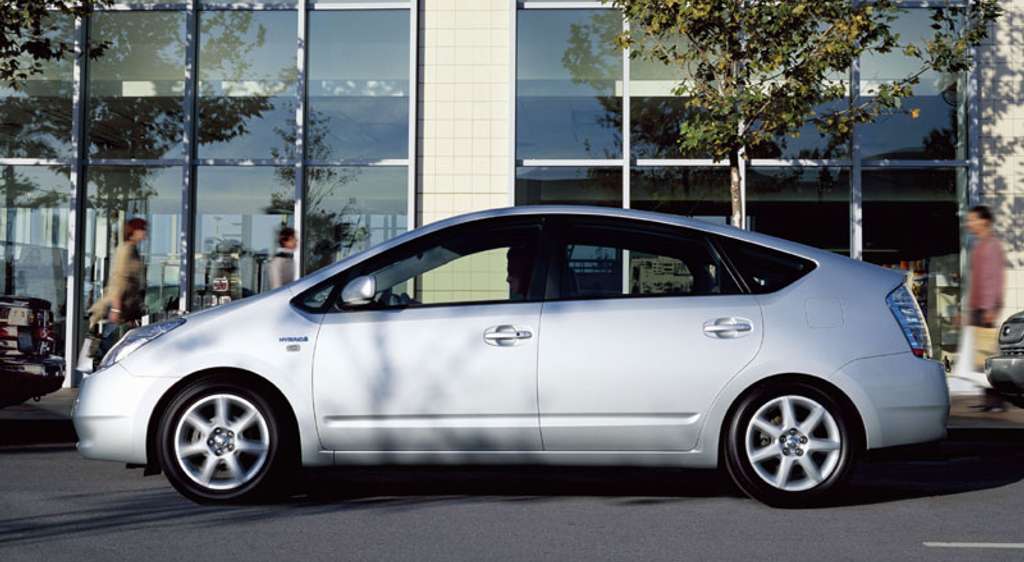
The Prius' design is still unconventional, but somehow palatable to the everyday consumer. Compared to the first Prius, the 2008 model is much larger, with a fastback rear hatch design, bigger wheels and tires and a wider stance. A generous serving of side glass makes for good visibility, and the big rear hatch opening can swallow a 25-inch TV with no problem.
Every Prius features a 76-horsepower 1.5-liter gasoline engine teamed to a 50-kilowatt (67-horsepower) electric motor. Also along for the ride is a CVT automatic transmission, anti-lock brake system (ABS), air conditioning, rear defroster, power locks, power windows, power mirrors, illuminated remote keyless entry, AM/FM stereo with CD, front side-impact airbags, front and rear side-curtain airbags, tilt-wheel with touch controls, rear wiper/washer, traction control, a tire pressure monitoring system and alloy wheels. The Touring trim adds 16-inch alloy wheels, a larger rear spoiler, xenon headlamps and fog lights.
Options include DVD navigation, JBL audio with Bluetooth hands-free communications, xenon headlights, leather seats, satellite radio, six-disc CD/MP3 changer, auxiliary audio input jack, garage door opener, Vehicle Stability Control (VSC), rear backup camera, Smart entry and starting system and an auto-dimming rearview mirror.
It may look nice and simple, but beneath the Prius' hood is a complex array of computers, wiring and mechanical intricacy. Do-it-yourselfers will be lost. The engine itself is a basic Toyota four-cylinder internal combustion unit, aided by the electric motor that delivers its power in the form of impressive torque. Power to accelerate and pass is surprisingly strong, and the Prius rarely feels bogged down, even with a full crew onboard.1.5-liter in-line 4 with 50-kilowatt Permanent Magnetic Synchronous Electric Motor76 horsepower @ 5000 rpm/67 horsepower @ 1200-1540 rpm (110 net horsepower)82 lb.-ft. of torque @ 4200 rpm/295 lb.-ft. of torque @ 0-1200 rpmEPA city/highway fuel economy: 48/45
We can tell you the Manufacturer's Suggested Retail Price (MSRP) for the Prius begins at just under $ 22,000, but there is no guarantee you'll find one for that price. Demand last year nearly outstripped supply, and this year consumers with lots of cash on their hands may bid up prices as fuel costs continue to rise. A look at the Fair Purchase Price shows that typically the Prius is selling for about MSRP, but again that number may vary depending on where you live. The Prius is a hot commodity in California and other states where it qualifies for a coveted HOV-lane sticker and thus allows single commuters into the carpool lanes. We expect the Prius to retain a good portion of its original value, although not as high as its big rival, the Honda Civic Hybrid.
2008 Toyota Prius Base Exterior Colors
2008 Toyota Prius Base Interior Colors
2008 Toyota Prius Engines
| Engine | Standard in Trim | Power | Torque | Fuel Consumption - City | Fuel Consumption - Highway | 0-100 km/h | Quarter Mile | Half Mile |
|---|---|---|---|---|---|---|---|---|
| 1.5L L4 DOHC 16-valve + 67 HP Electric Engine | Base | 110 hp @ 5000 rpm | 120 N.m | 4.0 L/100km | 4.2 L/100km | 11.7 s | 18.6 s | 30.9 s |
| 1.5L L4 DOHC 16-valve + 67 HP Electric Engine | Base | 76 hp @ 5000 rpm | 120 N.m | 4.0 L/100km | 4.2 L/100km | 15.5 s | 21.0 s | 34.9 s |
| 1.5L L4 DOHC 16-valve + 67 HP Electric Engine | Base | 76 hp @ 5000 rpm | 120 N.m | 4.0 L/100km | 4.2 L/100km | 15.3 s | 20.9 s | 34.7 s |
| 1.5L L4 DOHC 16 valves + 67 HP Electric Engine | Base | 76 hp @ 5000 rpm | 120 N.m | 4.0 L/100km | 4.2 L/100km | 15.3 s | 20.9 s | 34.7 s |
| 1.5L L4 DOHC 16 valves VVT-i + IEMS | Base | 70 hp @ 4500 rpm | 120 N.m | 4.5 L/100km | 4.7 L/100km | 15.7 s | 21.2 s | 35.1 s |
2008 Toyota Prius Trims
2008 Toyota Prius Previous Generations
2008 Toyota Prius Future Generations
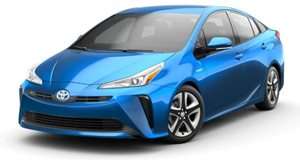
Toyota Prius Overview and History
The government encouraged such a bold decision mostly because making their own cars would be cheaper and they also needed vehicles for the war with China. Just a year after its foundation in 1933, the Toyota Motor Company created its first engine, the Type A, placed in the Model A1 passenger car and the G1 truck.
During WWII, Toyota was committed to making trucks for the army and only the premature ending of the conflict saved the company's factories in Aichi from a scheduled Allied bomb raid. After the war, Toyota resumed car making but found more success in building trucks and buses than with cars. Still, it didn't give up on cars for good and in 1947 it came up with the Model SA, also known as the Toyopet, a name which later was applied to other models as well.
A little more successful was the Model SF which also had a taxi version but the same 27 horsepower engine as its predecessor. A more powerful model, the RH, which had 48 HP came out shortly after. Production went up rather fast and by 1955, Toyota was turning out 8400 cars a year. That year, Toyota diversified their production, adding the Jeep-like Land Cruiser and the luxury sedan, the Crown.
With numbers growing and with several models under their belt, Toyota now had its eyes set on the international market. The first dealership outside Japan was in America in 1957 an the first plant in Brazil in 1959. An interesting strategy from Toyota ensured that all models were somehow unique to the region where they were produced (they were adapted to the respective market).
The big break for Toyota on the American market came with the 70s when rising gas prices forced local producers to make smaller cars. These were thought of as entry-level and as a consequence lacked in quality of finishings. In contrast, Toyota already had several fuel-efficient models that were also of better quality. The Corolla is the best example in this sense, soon becoming America's favorite compact car.
But as far as the luxury market went, Toyota still had trouble with selling the Crown and the Cressida. At the dawn of the 80s, the entire luxury market in America was entering a downwards slope, with all the other manufacturers finding it difficult to keep up sales, and that's when Toyota came up with Lexus, a new company that would make luxury cars.
By the beginning of the 90s, Toyota vehicles became synonymous with reliability and low-cost maintenance which made them very popular all over the world. A bid for winning over the younger audience was made with the launch of models like the MR2 and the Celica.
Presently, Toyota is at the forefront of the environmental battle, with its successful hybrid model, the Toyota Prius and now announcing a plug-in electric car that will be called Toyota Plug-in HV, which will run on standard electricity powered by a lithium-ion battery pack.
2008 Toyota Prius Consumer Reviews
2008 Toyota Prius Base Specifications
Base Comfort and Convenience
| AM/FM stereo radio | Yes |
|---|---|
| Air Conditionning | Automatic climate control |
| Antenna | Fixed antenna |
| Bluetooth Wireless Technology (Option) | Bluetooth communication system |
| Cargo Cover | Yes |
| Cargo Net | Trunk cargo net |
| Cruise Control | Yes |
| Driver Vanity Mirror | Illuminated driver and passenger vanity mirrors |
| Front Wipers | Variable intermittent wipers |
| Garage Door Opener | Universal garage door opener |
| Illuminated Entry | Yes |
| Intelligent Key System (Option) | Yes |
| Multi-CD Changer (Option) | In-dash 6-CD changer |
| Navigation System (Option) | DVD based navigation system |
| Number of Speakers | 6 Speakers |
| Number of Speakers (Option) | 9 Speakers |
| Power Door Locks | Yes |
| Power Windows | Yes |
| Premium Sound System (Option) | Premium JBL audio sound system |
| Reading Light | Reading lamps |
| Rear Heating | Rear-seat heater ducts |
| Rear View Mirror | Electrochimic day/night rearview mirror |
| Rear Wipers | IntermittentRear wiper |
| Remote Audio Controls | Audio controls on steering wheel |
| Remote Keyless Entry | Yes |
| Single CD | CD player |
| Special Feature (Option) | Audio auxilary input jack |
| Steering Wheel Adjustment | Manual tilt steering wheel |
Base Dimensions
| Cargo Capacity | 456 L |
|---|---|
| Curb Weight | 1335 kg |
| Front Headroom | 994 mm |
| Front Legroom | 1065 mm |
| Fuel Tank Capacity | 45 L |
| Gross Vehicle Weight | 1721 kg |
| Height | 1475 mm |
| Length | 4445 mm |
| Rear Headroom | 942 mm |
| Rear Legroom | 980 mm |
| Wheelbase | 2700 mm |
| Width | 1725 mm |
Base Exterior Details
| Bumper Colour | Body-color bumpers |
|---|---|
| Door Handles | Body-color door handles |
| Front Fog Lights | Yes |
| Grille | Body-color front grille |
| Headlight Type | Halogen headlamps |
| Heated Exterior Mirrors | Heated outside mirrors |
| Mudguard | Front and rear mud guards |
| Power Exterior Mirrors | Yes |
| Rear Spoiler | Body-color rear spoiler |
| Rear Window Defroster | Yes |
| Tinted Glass | Yes |
Base Interior Details
| Driver Info Center | Multifunction screen |
|---|---|
| Floor Console | Front floor console with armrest |
| Floor Covering | Carpet floor covering |
| Front Seats Front Seat Back Storage | Front seat back pockets |
| Front Seats Front Seat Type | Front bucket seats |
| Number of Cup Holders | Front and rear cupholders |
| Outside Temperature Gauge | Outside temperature display |
| Overhead Console | Yes |
| Rear Center Armrest | Rear folding center armrest |
| Rear Seat Type | 60/40 split folding Rear bench |
| Seat Trim | Cloth seats |
Base Mechanical
| Drive Train | Front-wheel drive |
|---|---|
| Engine Name | 1.5L L4 DOHC 16-valve + 67 HP Electric Engine |
| Stability Control (Option) | Yes |
| Traction Control | Yes |
| Transmission | Continuously Variable Transmission (CVT) |
Base Overview
| Body | Sedan |
|---|---|
| Doors | 5 |
| Engine | 1.5L L4 DOHC 16-valve + 67 HP Electric Engine |
| Fuel Consumption | 4.0 (Automatic City)4.2 (Automatic Highway) |
| Power | 110 hp @ 5000 rpm |
| Seats | 5 |
| Transmission | Continuously Variable Transmission (CVT) |
| Warranties | Bumper-to-Bumper60000/km, 36/Months Emissions130000/km, 96/Months Powertrain100000/km, 60/Months Rust-throughUnlimited/km, 60/Months |
Base Safety
| Anti-Lock Brakes | Anti-lock brakes |
|---|---|
| Brake Type | 4-wheel disc |
| Child Seat Anchor | Child seat anchor |
| Driver Airbag | Driver side front airbag |
| Electronic brake force distribution | Electronic brake force distribution |
| Ignition Disable | Anti-theft engine immobilizer |
| Passenger Airbag | Passenger side front airbag |
| Rear View Camera | Rearview camera |
| Roof Side Curtain | Side curtain airbags in front |
| Side Airbag | Front side airbags |
Base Suspension and Steering
| Front Suspension | Suspension indépendante à l'avant |
|---|---|
| Front Tires | P195/55R16 |
| Power Steering | Electric power assisted rack-and-pinion steering |
| Rear Suspension | Torsion-beam rear suspension |
| Spare Tire | Compact spare tire |
| Tire Pressure Monitoring System | Yes |
| Wheel Locks | Yes |
| Wheel Type | 16'' alloy wheels |
Discussion and Comments
Share Your Comments