2016 Jaguar XE 20d Prestige 0-60 Times, Top Speed, Specs, Quarter Mile, and Wallpapers
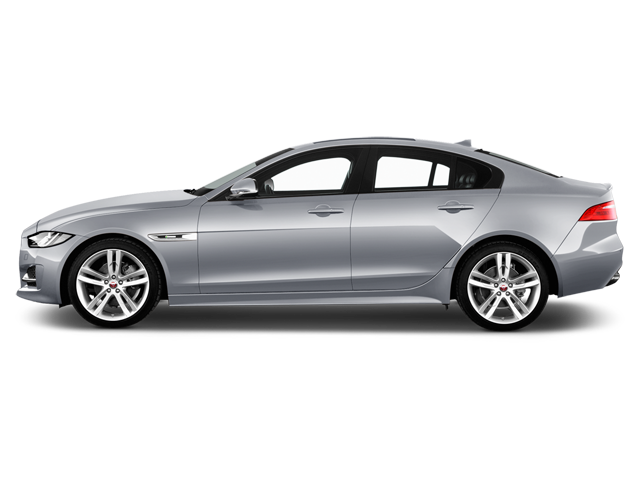
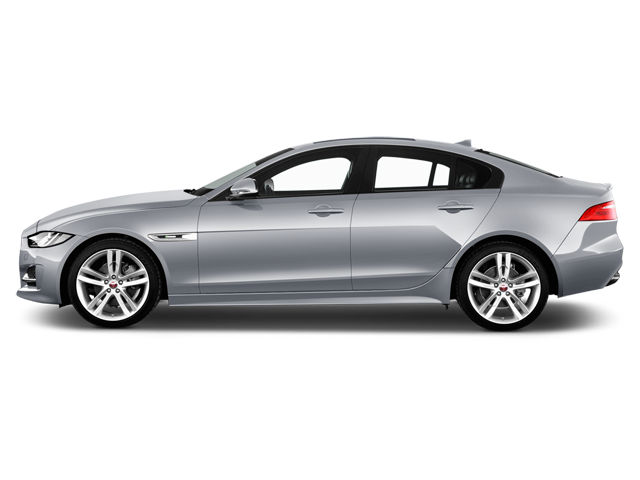
The 2016 Jaguar XE 20d Prestige is a All-wheel drive Sedan. It can accommodate up to 5 passengers. It has 4 Doors and is powered by a 2.0L L4 turbo diesel DOHC 16-valve engine which outputs 180 hp @ 4000 rpm and is paired with 8-speed automatic transmission with manual mode gearbox. The 2016 Jaguar XE 20d Prestige has cargo capacity of Liters and the vehicle weighs 1615 kg. In terms of ride assists, the 2016 Jaguar XE 20d Prestige has stability control and traction control in addition to anti-lock brake system (ABS). The vehicle has an optional engine as well It offers Front and rear parking aid and Rear view camera parking aid with guidance lines on display. Safety features also include Driver side front airbag and Passenger side front airbag. The front suspension is Independent front suspension while the rear suspension is Independent rear suspension. The car also features a Yes It has 18-inch arm 6 spoke wheels as standard. Electronic features include Cruise Control. For convenience, the car has Power windows and Power door locks. There is also a remote keyless entry feature. Moreover, the car has. The steering wheel has audio control buttons. In terms of performance, the car has 196 N.m of torque and a top speed of 207 km/h. The 2016 Jaguar XE 20d Prestige accelerates from zero to 60 mph in 8.9 seconds and hits quarter mile at 15.1 seconds. Fuel consumption is 7.8 L/100km in the city and 5.8 L/100km in the highway. The car price starts at $ 49,500
| Name | 20d Prestige | |
|---|---|---|
| Price | $ 49,500 | |
| Body | Sedan | |
| Doors | 4 Doors | |
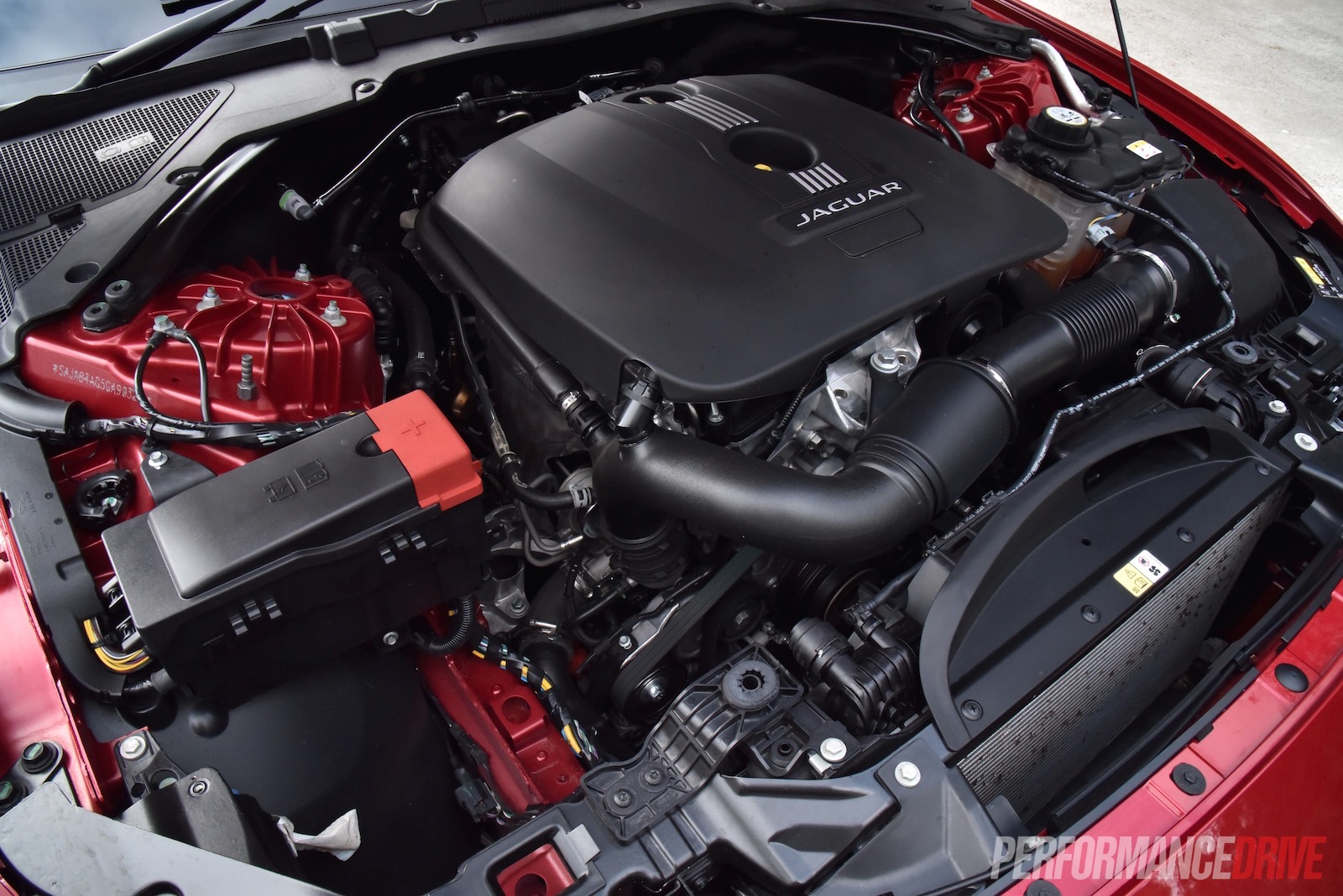
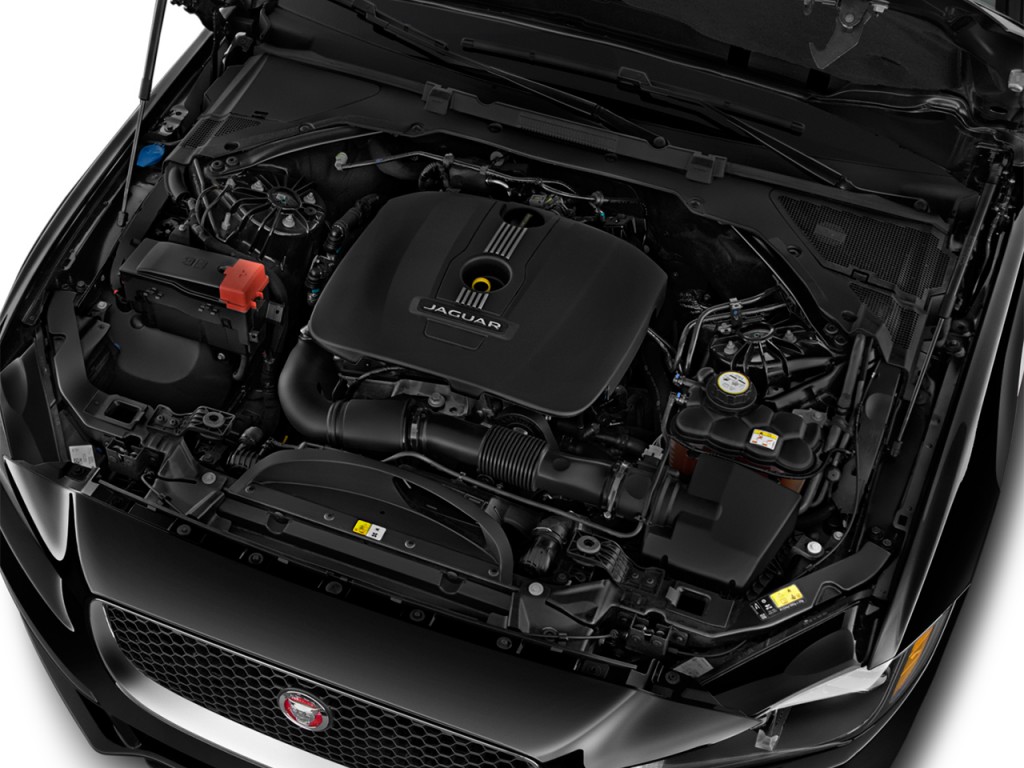
| Engine | 2.0L L4 turbo diesel DOHC 16-valve | |
| Power | 180 hp @ 4000 rpm | |
| Number of Seats | 5 Seats | |
| Transmission | 8-speed automatic transmission with manual mode | |
| Cargo Space | L | |
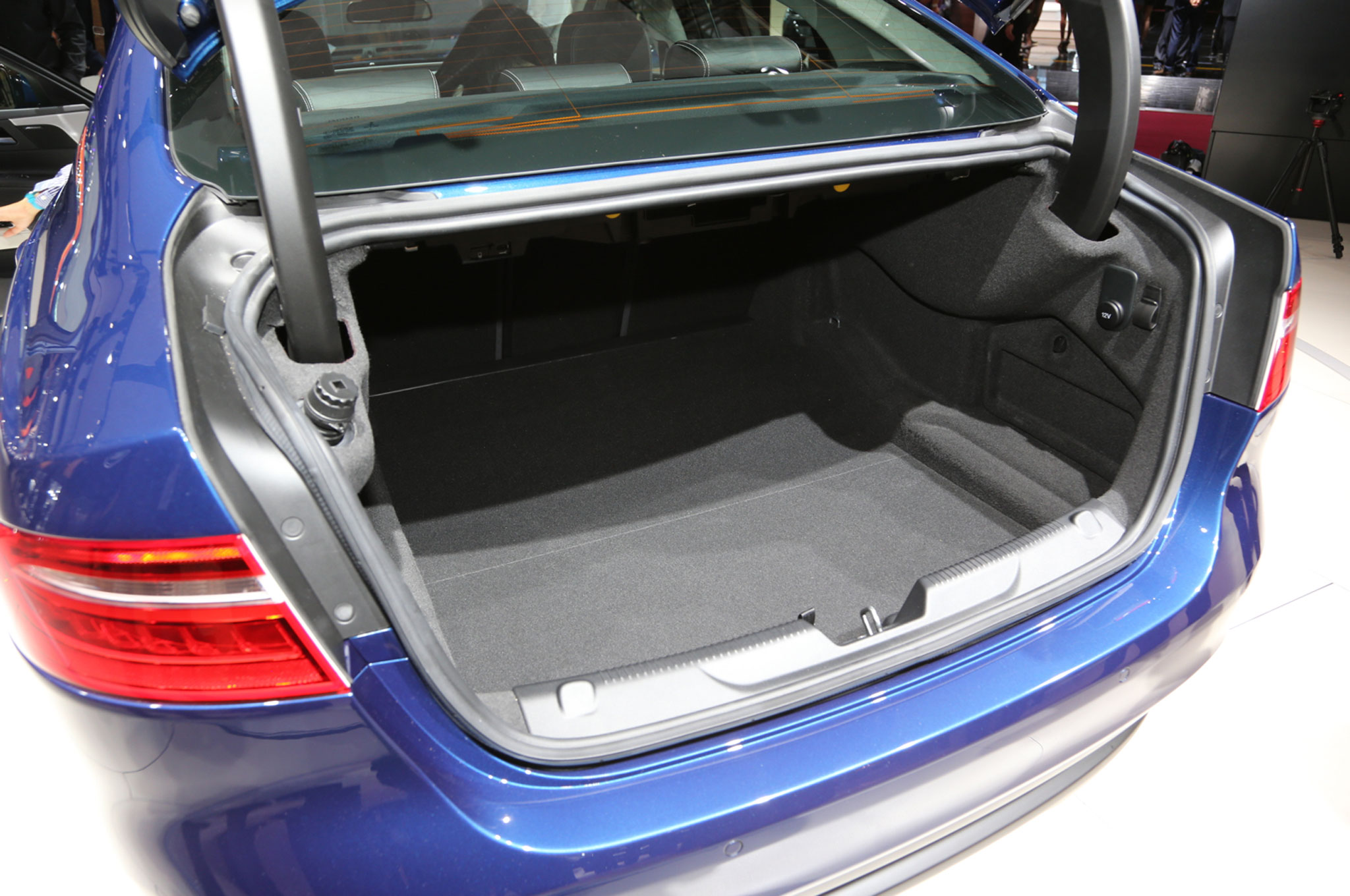
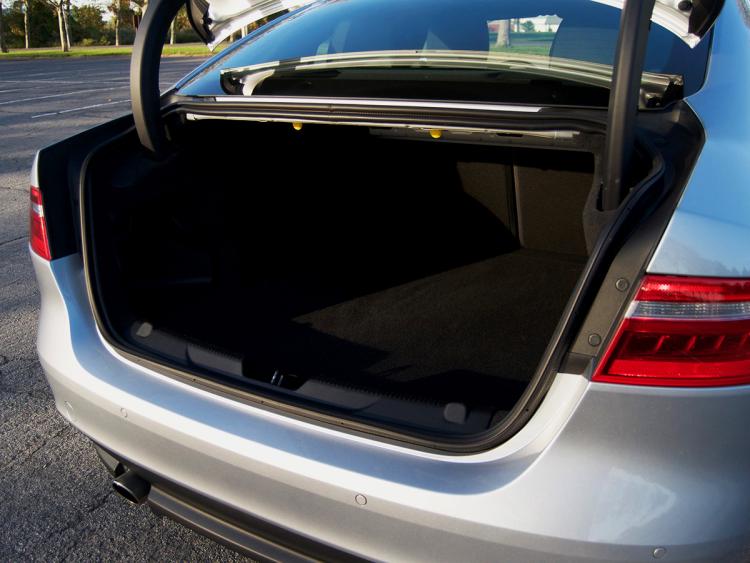
| Maximum Cargo Space | 450.0 L | |
| Wheel Type | 18-inch arm 6 spoke wheels | |
| Series | XE (X760) | |
| Drivetrain | All-wheel drive | |
| Horsepower | 180 HP | |
| Torque | 196 N.m | |
| Top Speed | 207 km/h | |
| Acceleration 0-100 km/h (0-60 mph) | 8.9 s | |
| Fuel Type | Diesel | |
| Fuel Consumption (City) | 7.8 L/100km | |
| Fuel Consumption (Highway) | 5.8 L/100km | |
| Gear Type | auto | |
| Weight | 1,660 KG | |
| Brand | Jaguar | |
| Model | XE | |
| 0-400m (Quarter Mile) | 15.1 s | |
| 0-400m (Quarter Mile) - Speed | 135.5 km/h | |
| 0-800m (Half Mile) | 28.2 s | |
| 0-800m (Half Mile) - Speed | 152.5 km/h | |
| Modifications (MODS) | ||
| Modifications Cost | $ 0 |
2016 Jaguar XE R-Sport (20t) 0-100km/h & engine sound
340HP 2016 Jaguar XE S : 0-60 mph time of 4.9 seconds
Speed 2016 Jaguar XE 20D Acceleration 0-215 km⁄h
2016 Jaguar XE Used Price Estimates
Estimates based on a driving average of 12,000 miles per year| Used Condition | Trade In Price | Private Party Price | Dealer Retail Price |
|---|---|---|---|
| Average | $ 700 | $ 1,300 | $ 1,060 |
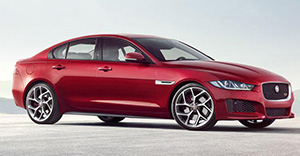
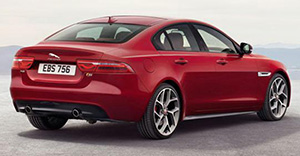
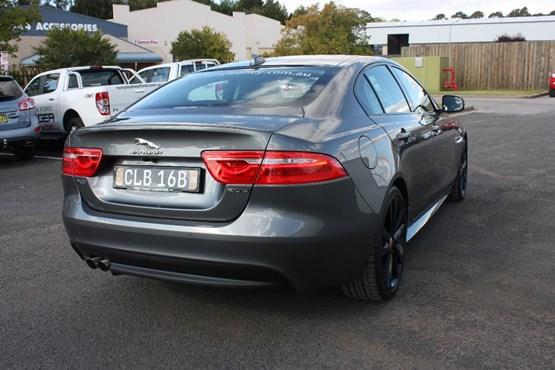
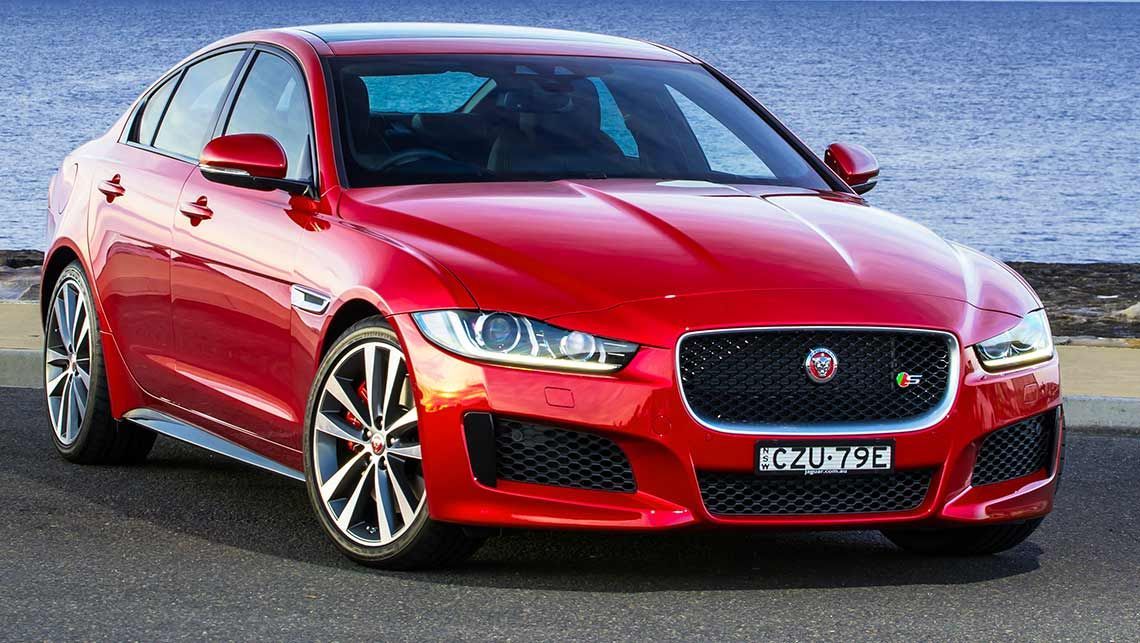
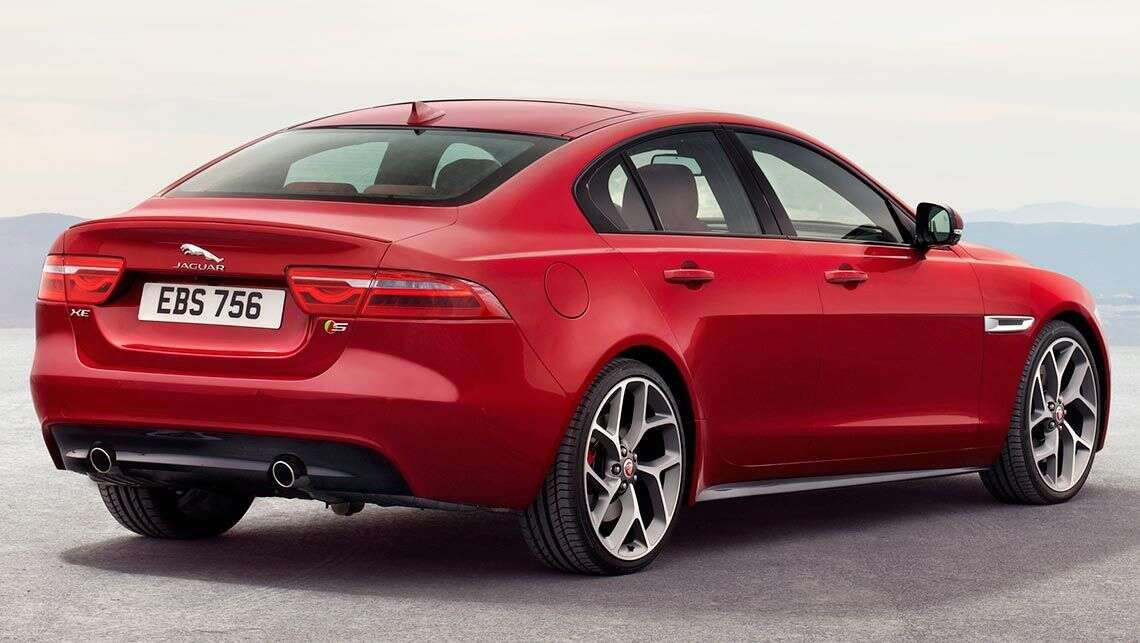
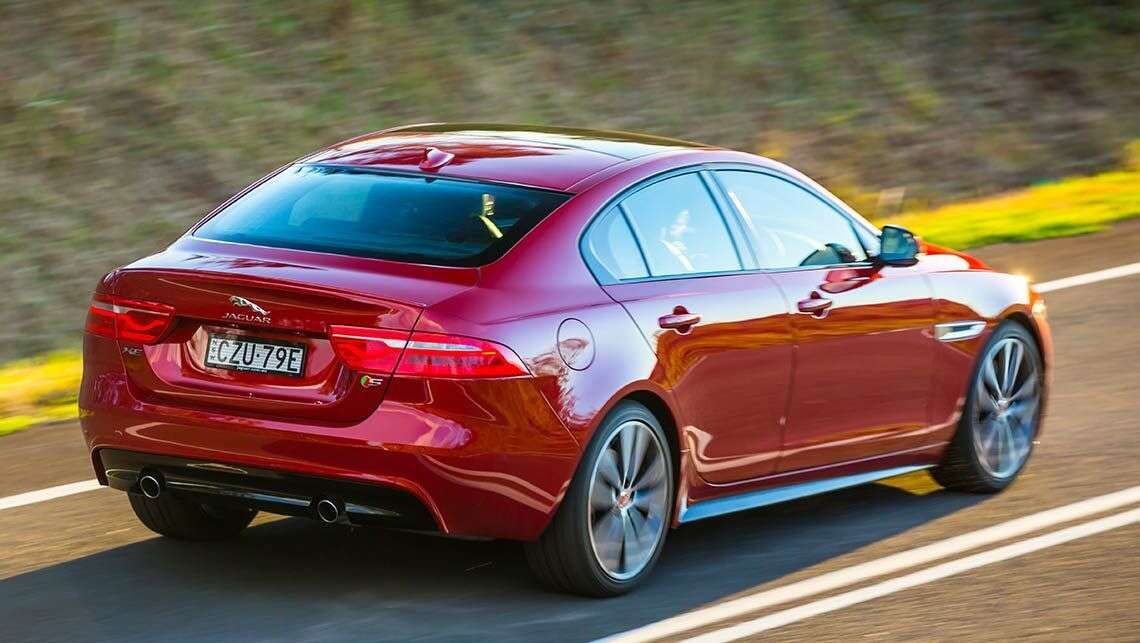
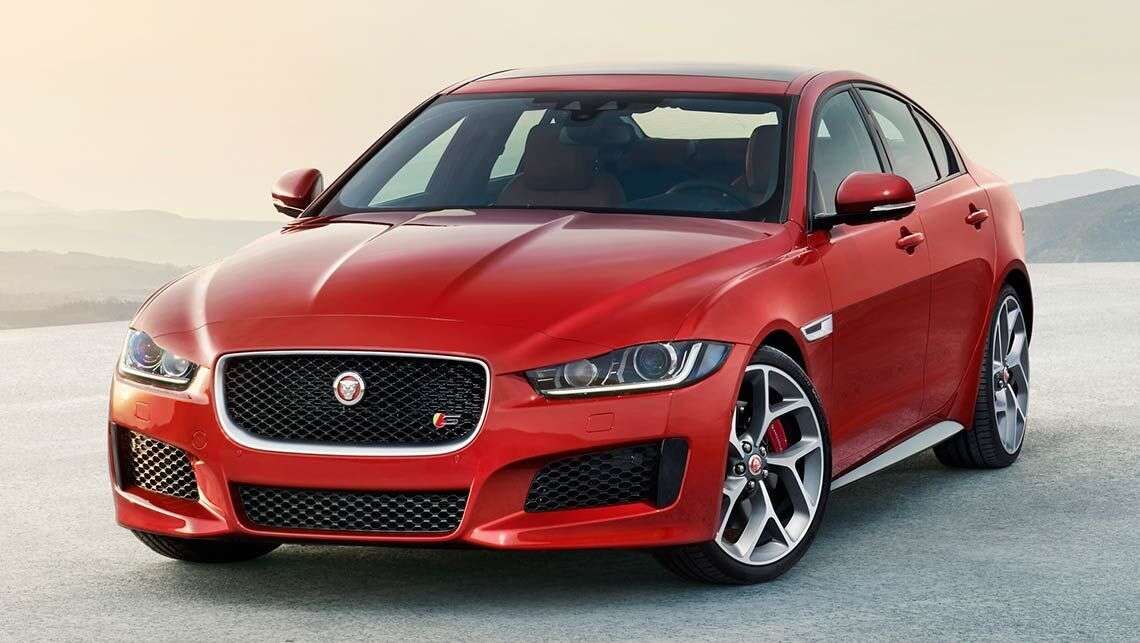
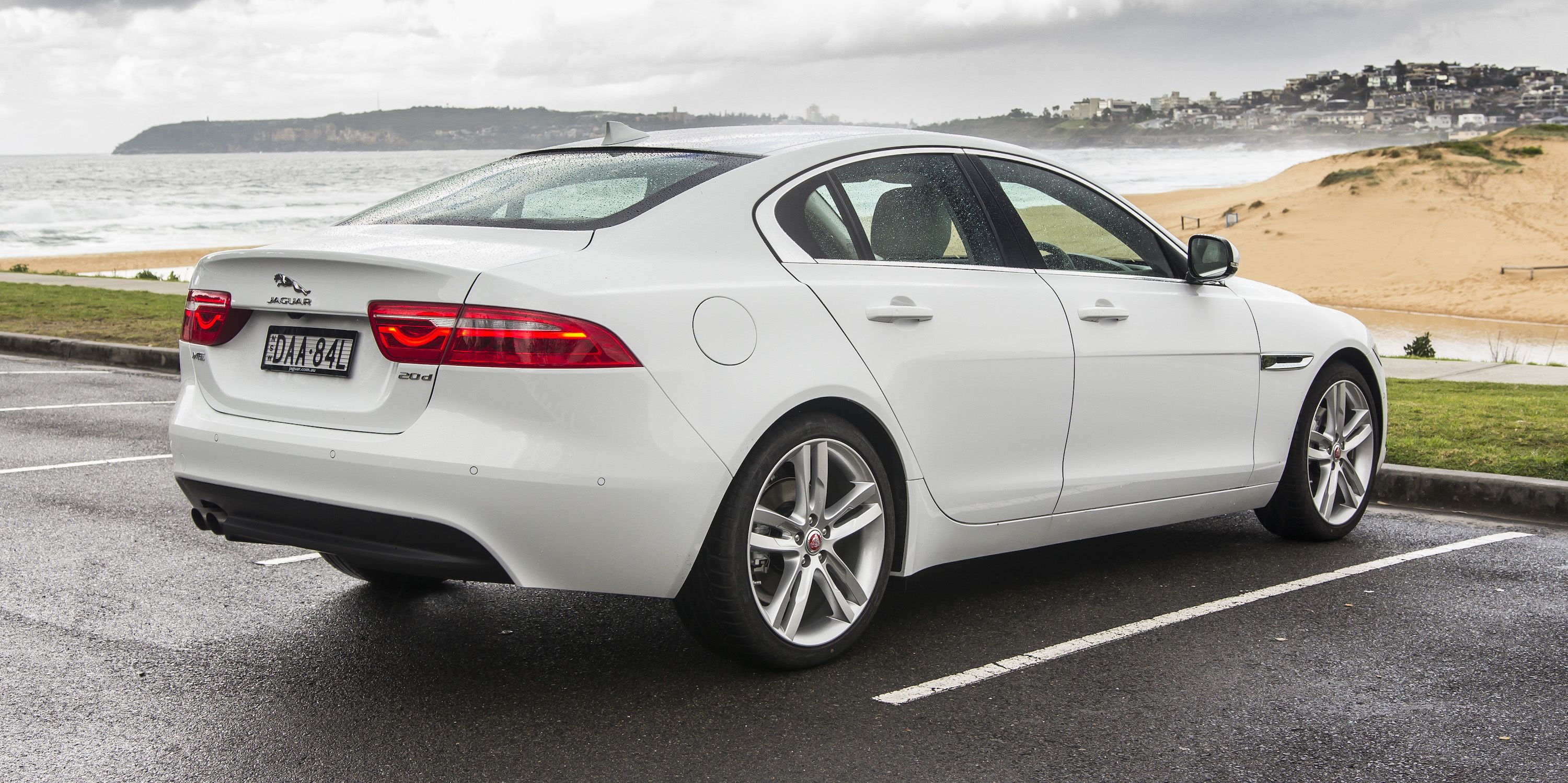

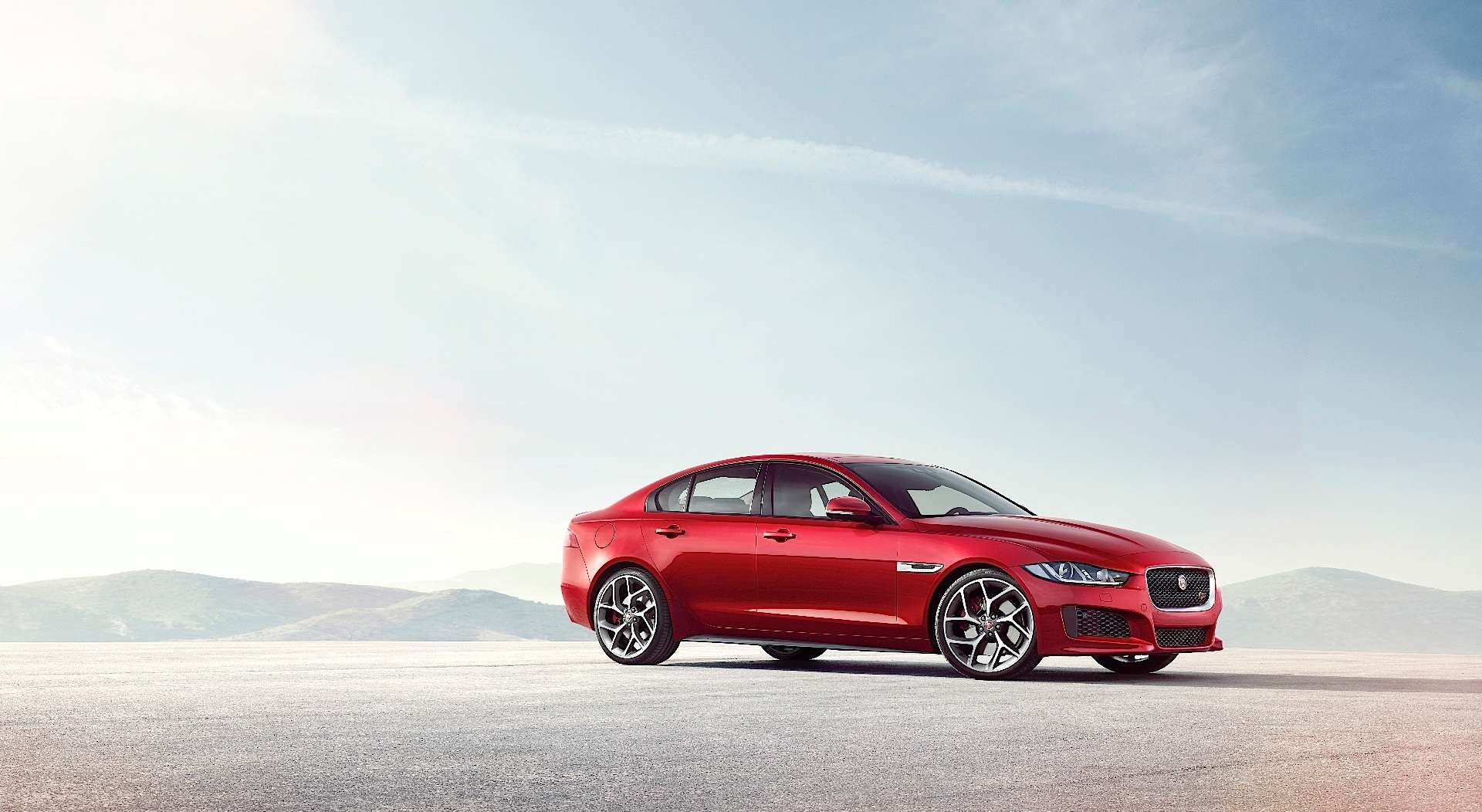
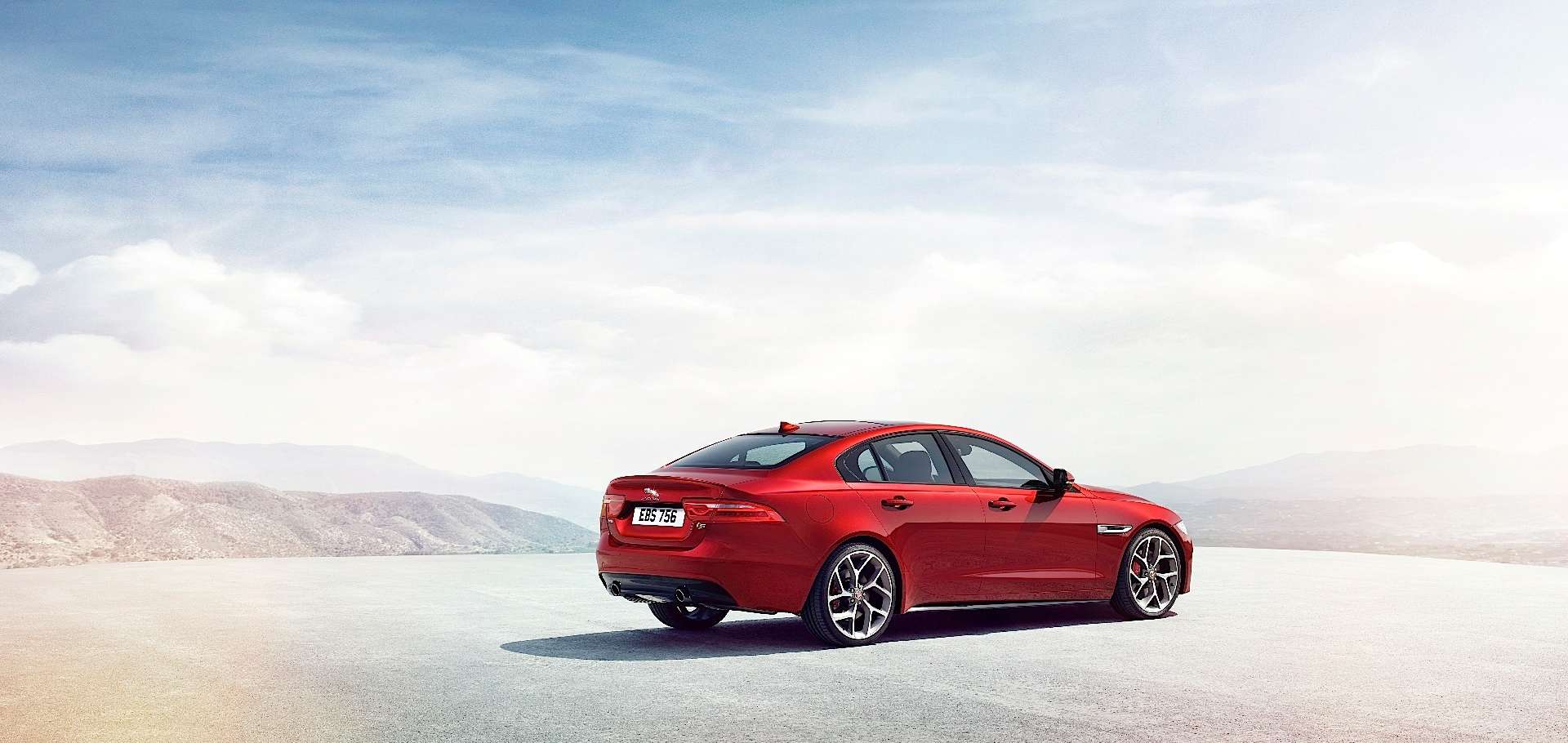
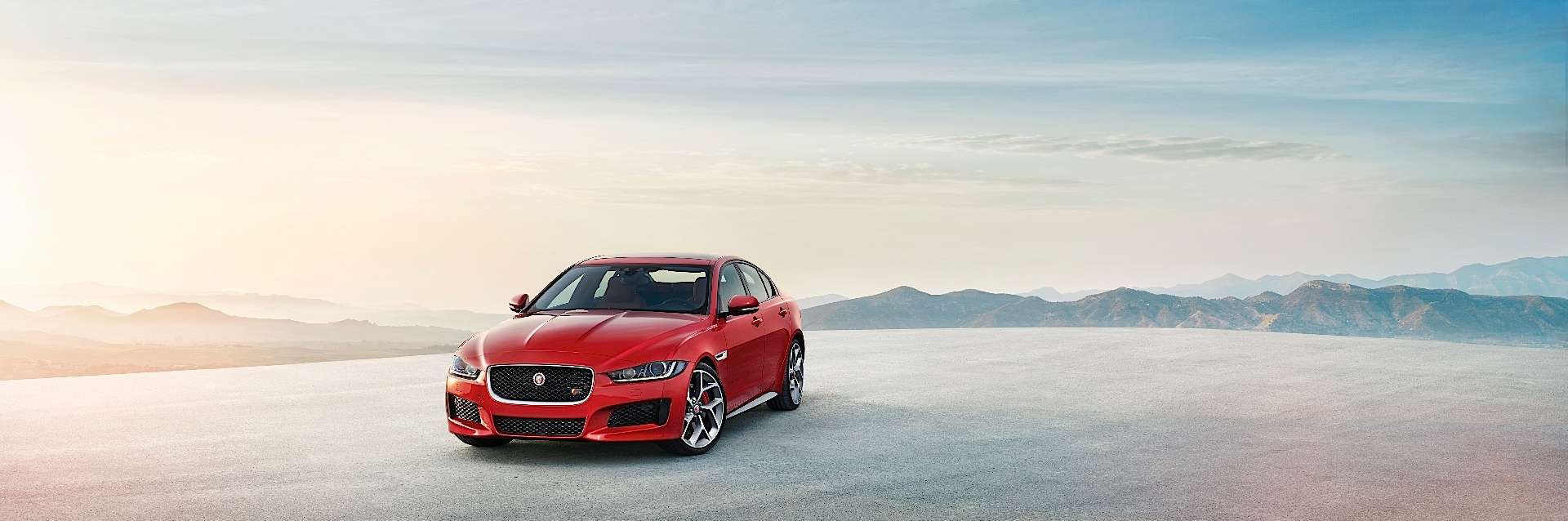

2016 Jaguar XE 20d Prestige Exterior Colors
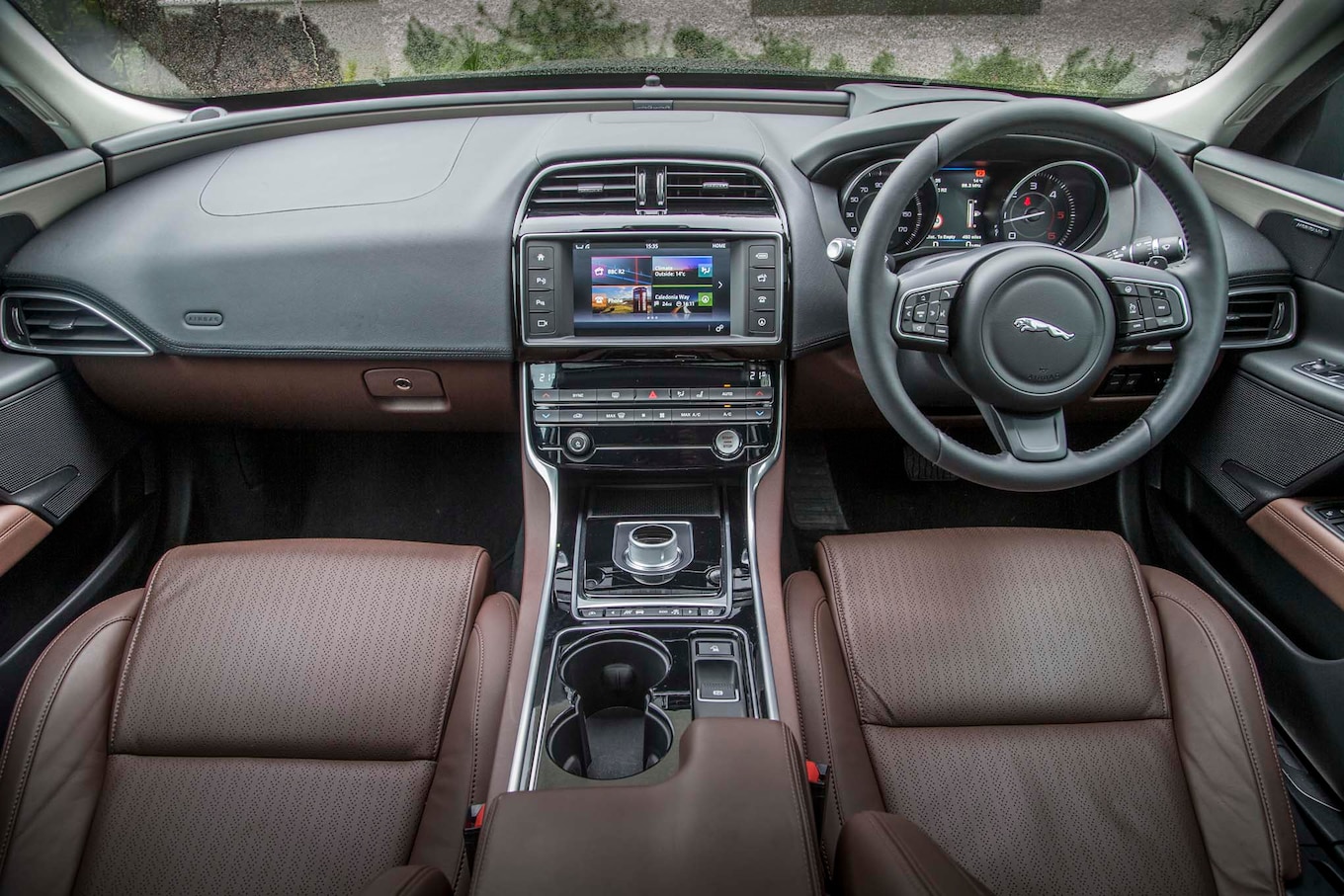
2016 Jaguar XE 20d Prestige Interior Colors
2016 Jaguar XE Engines
| Engine | Standard in Trim | Power | Torque | Fuel Consumption - City | Fuel Consumption - Highway | 0-100 km/h | Quarter Mile | Half Mile |
|---|---|---|---|---|---|---|---|---|
| 3.0L V6 Supercharged DOHC 24-valve | 35t Prestige | 340 hp @ 6500 rpm | 196 N.m | 11.6 L/100km | 8.2 L/100km | 5.6 s | 12.2 s | 22.8 s |
| 3.0L V6 Supercharged DOHC 24-valve | 35t R-Sport | 340 hp @ 6500 rpm | 196 N.m | 11.8 L/100km | 8.2 L/100km | 5.6 s | 12.2 s | 22.8 s |
| 2.0L L4 turbo diesel DOHC 16-valve | 20d R-Sport | 180 hp @ 4000 rpm | 196 N.m | 7.8 L/100km | 5.8 L/100km | 8.9 s | 15.1 s | 28.2 s |
2016 Jaguar XE Trims
2016 Jaguar XE Previous Generations
2016 Jaguar XE Future Generations
Jaguar XE Overview and History
A sight not as rare as it used to be, Jaguars appeared in 1922 under a different company name and profile. Founded as the Swallow Sidecar company by William Lyons and William Walmsley, the company later dropped the production of sidecars to take on coach building that would eventually lead to the launch of the first Jaguar automobile in 1932. Until 1945, all Lyons & Walmsley made cars bore the SS initials, a reminder of the company's side-car making roots, when the lettering was dropped because of resemblances to WWII nazi troops labels. Jaguar was picked as the new name.
During the pre-Jaguar period, the company produced multiple models, beautifully styled cars that garnered as much acclaim as they did criticism. Indeed, some voices insisted that Jaguar was more about glam and style rather than pure performance and reliability. Headquartered in Coventry, Great Britan up to this day, the main Jaguar plant dealt more with bodywork design and assembly rather than going through all car-production stage. The engines and chassises were supplied by the Standard Motor Company while the first were later modified to fit Jaguar designs by William Heynes and Harry Weslake, two racing enthusiasts and passionate engine developers.
After having build a number of luxurious saloon cars throughout the 30's, such as the 1932 SS1 and the sporty SS90, Jaguar amazed the automotive industry with the launch of the XK120, the fastest production car at the time. Sporting a 3.4 liter engine capable of delivering some 180 hp, the XK could reach a top sped of over 125 mph and accelerate from 0 to 60 in less than 5 seconds. Its sheer performance, affordability and sporty slim oval-shaped grille turned the car into an icon. The Jaguar had finally smiled, displaying a wonderful row of competition-puncturing fangs.
Sparking interest in other countries as well, the XK 120 has enjoyed a great deal of popularity having been built in over 10,000 units and becoming Jaguar's first export model. Upgrades of the 120 followed withe the XK 140 and 150.
During the 50's, Jaguar shifted emphasis on building large saloon cars. The Mk VII was the first of a completely new line-up. Despite having been powered by the acclaimed XK engines, the new vehicles were not as successful. the Mk ii however, a smaller and differently styled saloon proved otherwise, becoming Jaguar's second best selling car at the time, having been produced in some 123,000 units.
By the time the 60's came, Jaguar had already build a strong reputation that was further strengthened with the launch of the ferocious E-type. Officially revealed at the Geneva Auto Show in March 1961, the E-type was the ultimate eye-candy and record breaker. Beautifully styled and incredibly fast, the car could reach an amazing 150 mph. Heir of the C and D-type legacy, the new model was unlike anything the world had seen.
The E-type was more technology improved than its predecessors, sporting an overhead cam engine, four wheel disc brakes and independent rear suspension, features that have turned it into a champ car and racing track nightmare for Ferrari who has lost several times against the British producer.
After having been built in over 70,000 units, production of the E-type ceased in 1975 when it was replaced by the not so successful XJS. William Lyons' retirement in 72' was a blow for the company who could not rise to the standards set by its founder. It was save from bankruptcy by the Leyland company. By 1984, Jaguar bought its way out but failed to make an impressive comeback since it had lost its former appeal. 1989 was the year when Jaguar became part of the Ford Motor Company alongside British Land Rover. Ford's tutelage only lasted until 2008 when Jaguar and Land Rover were sold to Indian group Tata Motors. Jaguar's current line-up consists of luxury sedans such as the XJ models, the executive and fresh XF as a replacement of the S-type, the burgeois X-Type and the sporty XK.
2016 Jaguar XE Consumer Reviews
Compare Against Competitors
2016 Jaguar XE 20d Prestige Specifications
20d Prestige Comfort and Convenience
| AM/FM stereo radio | Yes |
|---|---|
| Air Conditionning | Automatic climate control |
| Ambient Lighting | Blue halo illumination on front/ rear door signature lines and front/ rear door release |
| Audio Monitor | InControl touch 8-inch capacitive touch-screen display |
| Audio Volume | Dynamic volume control |
| Auxiliary input jack | Auxiliary power socket in centre console |
| Bluetooth Wireless Technology | Bluetooth wireless technology for cell phone and audio streaming |
| Communication System (Option) | Pro services for warranty period |
| Cruise Control | All surface progress control |
| Driver Vanity Mirror | Driver's side sun visors with illuminated vanity mirrors |
| Front Wipers | Rain-sensing variable intermittent dual wipers |
| Garage Door Opener | HomeLink system - compatible three-channel garage-door/entry-gate opener |
| Heated Washer Nozzle (Option) | Heated washer jets |
| Heated Steering Wheel | Heated steering wheel |
| Heated Steering Wheel (Option) | Heated steering wheel |
| Intelligent Key System | Jaguar smart key system |
| Internet | 12V power sockets - located in rear and in trunk |
| Internet (Option) | InControl Wi-Fi |
| Navigation System | Navigation system with SD card-based mapping2 |
| Navigation System (Option) | Yes |
| Number of Speakers | 11 speakers |
| Passenger Vanity Mirror | Passenger's side sun visors with illuminated vanity mirrors |
| Power Door Locks | Central locking with drive-away door locking (touch screen programmable) |
| Power Windows | Front and rear electric windows with one-touch open/close and anti-trap |
| Premium Sound System | Meridian sound system |
| Premium Sound System (Option) | Meridian digital surround sound system |
| Reading Light | Front map light |
| Rear Sunscreen (Option) | Electric rear window sunblind |
| Rear View Mirror | Auto dimming rear view mirror |
| Remote Audio Controls | Audio controls on steering wheel |
| Remote Keyless Entry | Keyless entry |
| Sirius XM satellite radio (Option) | Sirius XM satellite radio only |
| Steering Wheel Adjustment | Power tilt/telescopic steering wheel with memory |
| Trunk Light | Yes |
| Trunk Cargo Cargo Area Tie Down Hooks | Shopping bag hook in trunk |
| Trunk Cargo Power Trunk Tailgate (Option) | Powered tailgate |
| USB i Pod Connector | Front media interface (USB et iPod) |
| Voice Recognition System | Voice control |
| Wiper Defroster (Option) | Heated front windshield |
20d Prestige Dimensions
| Curb Weight | 1615 kg |
|---|---|
| Fuel Tank Capacity | 63 L |
| Gross Vehicle Weight | 2230 kg |
| Ground Clearance | 110 mm |
| Height | 1416 mm |
| Length | 4761 mm |
| Maximum Cargo Capacity | 450 L |
| Wheelbase | 2835 mm |
| Width | 1967 mm |
20d Prestige Exterior Details
| Automatic Headlights (Option) | Auto high beam assist |
|---|---|
| Body Trim Badge (Option) | Delete powertrain badging |
| Bumper Colour | Body-colour bumpers |
| Exhaust | Exhaust tips |
| Exterior Decoration | Dark satin brushed aluminum finisher |
| Exterior Decoration (Option) | Gloss black side power vents |
| Exterior Folding Mirrors | Power folding exterior mirrors |
| Exterior Mirror Colour | Body-color exterior mirrors |
| Exterior Mirrors Lamp | Exterior mirrors with puddle lights |
| Exterior Mirrors Memory | Memory function with 2 settings for exterior mirrors |
| Exterior Mirrors Mirror Tilt Parking Aid | Passenger side exterior mirror dip in reverse |
| Grille | Grained black mesh insert with chrome surround front grille |
| Grille (Option) | Gloss black grille insert with gloss black surround |
| Headlight Type | Reflector halogen headlights |
| Headlight Type (Option) | Adaptive bi-function xenon headlamps |
| Headlights Daytime Running Lights | Daytime running Lights |
| Headlights Daytime Running Lights (Option) | LED 'J' blade daytime running lights |
| Headlights Headlight Washers (Option) | Headlamp powerwash |
| Heated Exterior Mirrors | Yes |
| Heated Windshield | Heated rear window |
| Lower Side-Body Extension | Grained black rear valance |
| Perimeter Lighting | Approach illumination |
| Power Exterior Mirrors | Power exterior mirrors with clear side turn indicators |
| Sunroof | Electric sunroof with tilt/slide one touch operation and electric blind |
| Taillights | LED tail lights with hazard lights under heavy braking |
20d Prestige Interior Details
| Driver Info Center | Physical dials with 5-inch full colour TFT-LCD display |
|---|---|
| Floor Mats | Front and rear carpet mats |
| Front Seats Climate (Option) | Climate front seats with heated rear seats |
| Front Seats Driver Headrest | Passive front head restraints (whiplash reduction system) |
| Front Seats Driver Lombar | 4-way power driver lumbar |
| Front Seats Driver Power Seats | 12-way power driver's seat |
| Front Seats Driver Seat Memory | Memory function with 2 settings for driver's seat |
| Front Seats Front Seat Back Storage | Front seatback map pockets |
| Front Seats Front Seat Type | Front bucket seats |
| Front Seats Heated | Heated front seats |
| Front Seats Heated (Option) | Heated front seats |
| Front Seats Passenger Lombar | 4-way power front passenger lumbar support |
| Front Seats Passenger Power Seats | 12-way power front passenger's seat |
| Glove Box | Lockable glove box illumination |
| Head-Up Display (Option) | Yes |
| Headliner | Morzine Oyster headliner |
| Interior Accents | Dark satin brushed aluminum veneer trim |
| Interior Accents (Option) | Gloss figured ebony veneer |
| Interior Trim Doorsills | Metal with Jaguar lettering doors sill |
| Number of Cup Holders | 4 cup holders |
| Outside Temperature Gauge | Yes |
| Overhead Console | Sunglasses holder in overhead console |
| Rear Center Armrest | Rear folding armrest |
| Rear Seat Type | Rear-folding seat 40/20/40 split |
| Seat Trim | Taurus seat trim |
| Shifter Knob Trim | Bright chrome finish JaguarDrive rotary gear selector |
| Steering Wheel Trim | Softgrain leather steering wheel |
| Steering Wheel Trim (Option) | Multi-function softgrain leather steerin wheel |
| Trip Computer | Dual function trip computer in driver message centre |
20d Prestige Mechanical
| Drive Train | All-wheel drive |
|---|---|
| Engine Name | 2.0L L4 turbo diesel DOHC 16-valve |
| Stability Control | Yes |
| Start button | Yes |
| Transmission | 8-speed automatic transmission with manual mode |
| Transmission Paddle Shift | Yes |
20d Prestige Overview
| Body | Sedan |
|---|---|
| Doors | 4 |
| Engine | 2.0L L4 turbo diesel DOHC 16-valve |
| Fuel Consumption | 7.8 (Automatic City)5.8 (Automatic Highway) |
| Power | 180 hp @ 4000 rpm |
| Seats | 5 |
| Transmission | 8-speed automatic transmission with manual mode |
| Warranties | Bumper-to-Bumper80000/km, 48/Months Emissions130000/km, 96/Months Powertrain80000/km, 48/Months Roadside Assistance80000/km, 48/Months Rust-throughUnlimited/km, 72/Months |
20d Prestige Safety
| Anti-Lock Brakes | 4-wheel ABS |
|---|---|
| Anti-Theft Alarm | Antitheft engine immobilizer |
| Blind Spot Warning | Yes |
| Child Seat Anchor | ISOFIX Child seat tethered-anchorages |
| Child-proof Locks | Power operated child locks |
| Driver Airbag | Driver side front airbag |
| Front Seat Belts | Regular |
| Hill Start Assist | Hill launch assist |
| Parking Brake | Electric |
| Parking Distance Sensor | Front and rear parking aid |
| Passenger Airbag | Passenger side front airbag |
| Rear View Camera | Rear view camera parking aid with guidance lines on display |
| Side Airbag | Full length side-impact curtain airbags for front and rear |
20d Prestige Suspension and Steering
| Active Suspension (Option) | Adaptive dynamics |
|---|---|
| Drive Selection | JaguarDrive control ( normal, eco and dynamic modes) |
| Front Suspension | Independent front suspension |
| Front Tires | 225/45R18 tires |
| Power Steering | Speed-sensitive power rack-and-pinion steering |
| Rear Suspension | Independent rear suspension |
| Spare Tire | Alloy space saver spare wheel |
| Tire Pressure Monitoring System | Yes |
| Turning Circle | 11.7-meter turning circle diameter |
| Wheel Type | 18-inch arm 6 spoke wheels |
| Wheel Type (Option) | 18-inch Matrix 7 twin-spoke with black finish wheels |
Critics Reviews
The Jaguar XE gives the rejuvenated brand a real presence in the mid-sized luxury market. It might even set a new dynamic benchmark… Much has been made of the all-new Jaguar XE already. The ...
If sensibility and civility were the only things that mattered, the 2019 Jaguar XE would be in trouble, since it puts driving enjoyment and its high-fashion appearance on the highest pedestal.
Jaguar’s XE has been on sale for over a year, and it’s won praise left, right and centre – not least from Auto Express, as we’ve crowned it Best Compact Executive Car at our New Car Awards ...
The 2016 Jaguar XF is a midsize luxury sports sedan that slots above the upcoming XE and the full-size XJ. Rear- and all-wheel-drive configurations will be available in the 2016 XF.
Editor's note: You may want to read more of Autotrader's model vs. model comparison car reviews as well as the 2016 Jaguar XF review and the 2017 Jaguar XE review. It's a busy year for Jaguar. In addition to rolling out a new SUV, the brand is debuting two totally new sedans: ...
So much praise was lavished upon the Jaguar XE when it launched back in 2015. Its brand-new, lightweight mechanicals endowed it with a deft driving experience that embarrassed every single one of ...
Discussion and Comments
Share Your Comments