2003 Volvo S60 2.4 1 0-60 Times, Top Speed, Specs, Quarter Mile, and Wallpapers
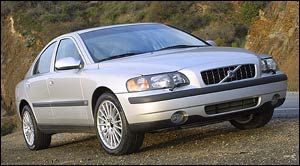
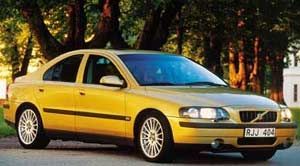
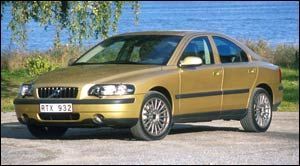
The 2003 Volvo S60 2.4 1 is a Front-wheel drive Sedan. It can accommodate up to 5 passengers. It has 4 Doors and is powered by a 2.4L L5 DOHC 20 valves engine which outputs 168 hp @ 6000 rpm and is paired with 5-speed automatic transmission gearbox. The 2003 Volvo S60 2.4 1 has cargo capacity of 13.9 Liters and the vehicle weighs 3276 kg. In terms of ride assists, the 2003 Volvo S60 2.4 1 has stability control and traction control in addition to anti-lock brake system (ABS). The vehicle has an optional engine as well It offers and. Safety features also include None and None. The front suspension is while the rear suspension is. The car also features a It has as standard. Electronic features include Cruise Control. For convenience, the car has Power windows and Power door locks. There is also a remote keyless entry feature. Moreover, the car has. The steering wheel has audio control buttons. In terms of performance, the car has 183 N.m of torque and a top speed of 203 km/h. The 2003 Volvo S60 2.4 1 accelerates from zero to 60 mph in 9.5 seconds and hits quarter mile at 16.9 seconds. Fuel consumption is 22 L/100km in the city and 30 L/100km in the highway. The car price starts at $ 26,370
| Name | 2.4 1 | |
|---|---|---|
| Price | $ 26,370 | |
| Body | Sedan | |
| Doors | 4 Doors | |
| Engine | 2.4L L5 DOHC 20 valves | |
| Power | 168 hp @ 6000 rpm | |
| Number of Seats | 5 Seats | |
| Transmission | 5-speed automatic transmission | |
| Cargo Space | 13.9 L | |
| Maximum Cargo Space | 13.9 L | |
| Wheel Type | ||
| Series | S60 | |
| Drivetrain | Front-wheel drive | |
| Horsepower | 168 HP | |
| Torque | 183 N.m | |
| Top Speed | 203 km/h | |
| Acceleration 0-100 km/h (0-60 mph) | 9.5 s | |
| Fuel Type | Petrol (Gasoline) | |
| Fuel Consumption (City) | 22.0 L/100km | |
| Fuel Consumption (Highway) | 30.0 L/100km | |
| Gear Type | auto | |
| Weight | 1,533 KG | |
| Brand | Volvo | |
| Model | S60 | |
| 0-400m (Quarter Mile) | 16.9 s | |
| 0-400m (Quarter Mile) - Speed | 136.0 km/h | |
| 0-800m (Half Mile) | 28.1 s | |
| 0-800m (Half Mile) - Speed | 153.1 km/h | |
| Modifications (MODS) | ||
| Modifications Cost | $ 0 |
2003 Volvo S60 2.0T 0-60 KM/H Acceleration on LPG
Volvo S60 V70 Acceleration Stall/Start problems Fuel related - FPS and PEM 2003-2009
2003 Volvo S60 Used Price Estimates
Estimates based on a driving average of 12,000 miles per year| Used Condition | Trade In Price | Private Party Price | Dealer Retail Price |
|---|---|---|---|
| Outstanding | $ 1,699 | $ 2,607 | $ 3,112 |
| Clean | $ 1,501 | $ 2,305 | $ 2,750 |
| Average | $ 1,104 | $ 1,702 | $ 2,025 |
| Rough | $ 708 | $ 1,099 | $ 1,300 |
Is it an elegant luxury sedan or a sleek sport sedan? Surprise, it can be both.
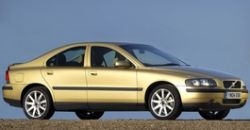
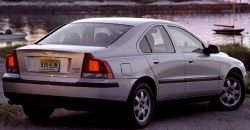
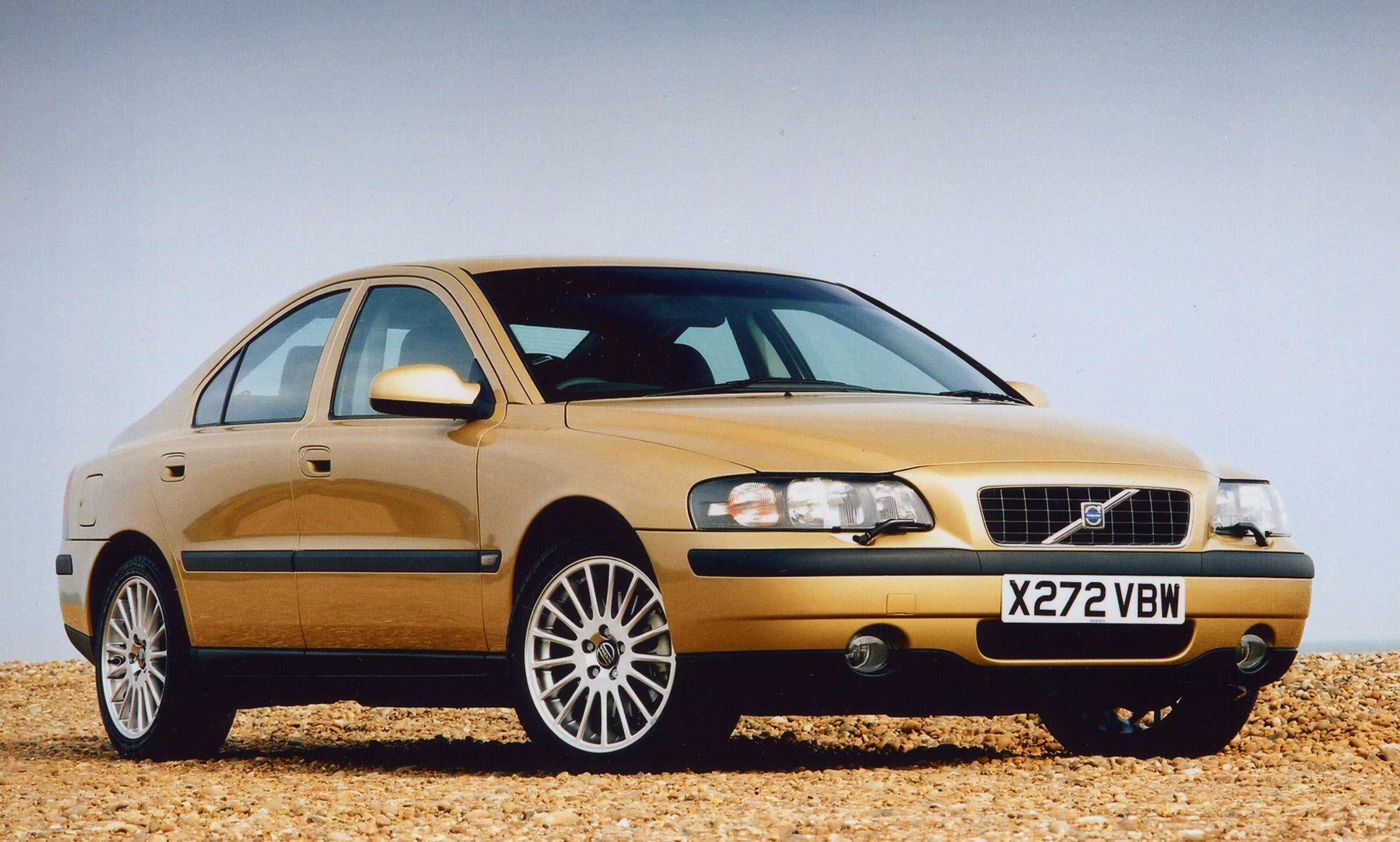
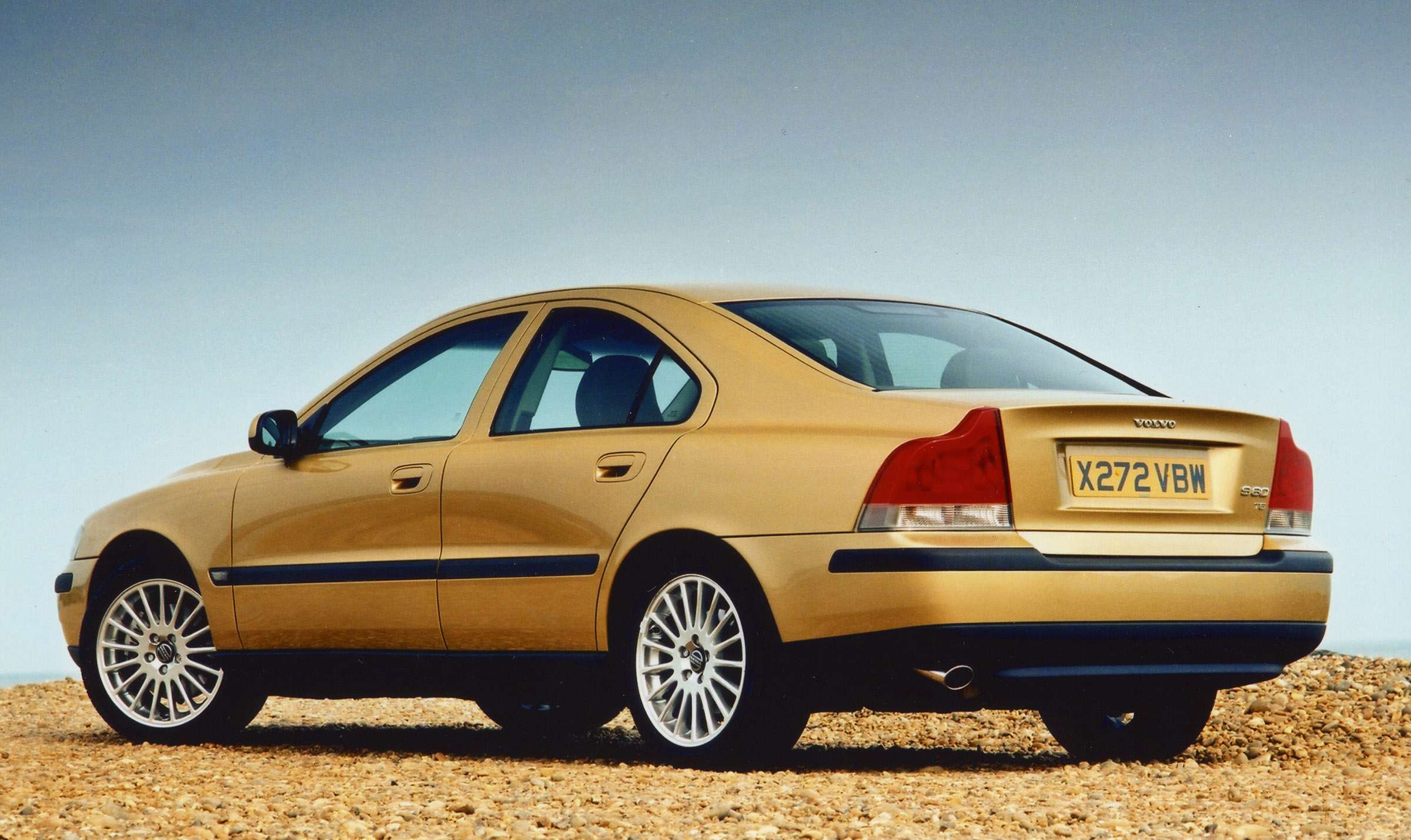
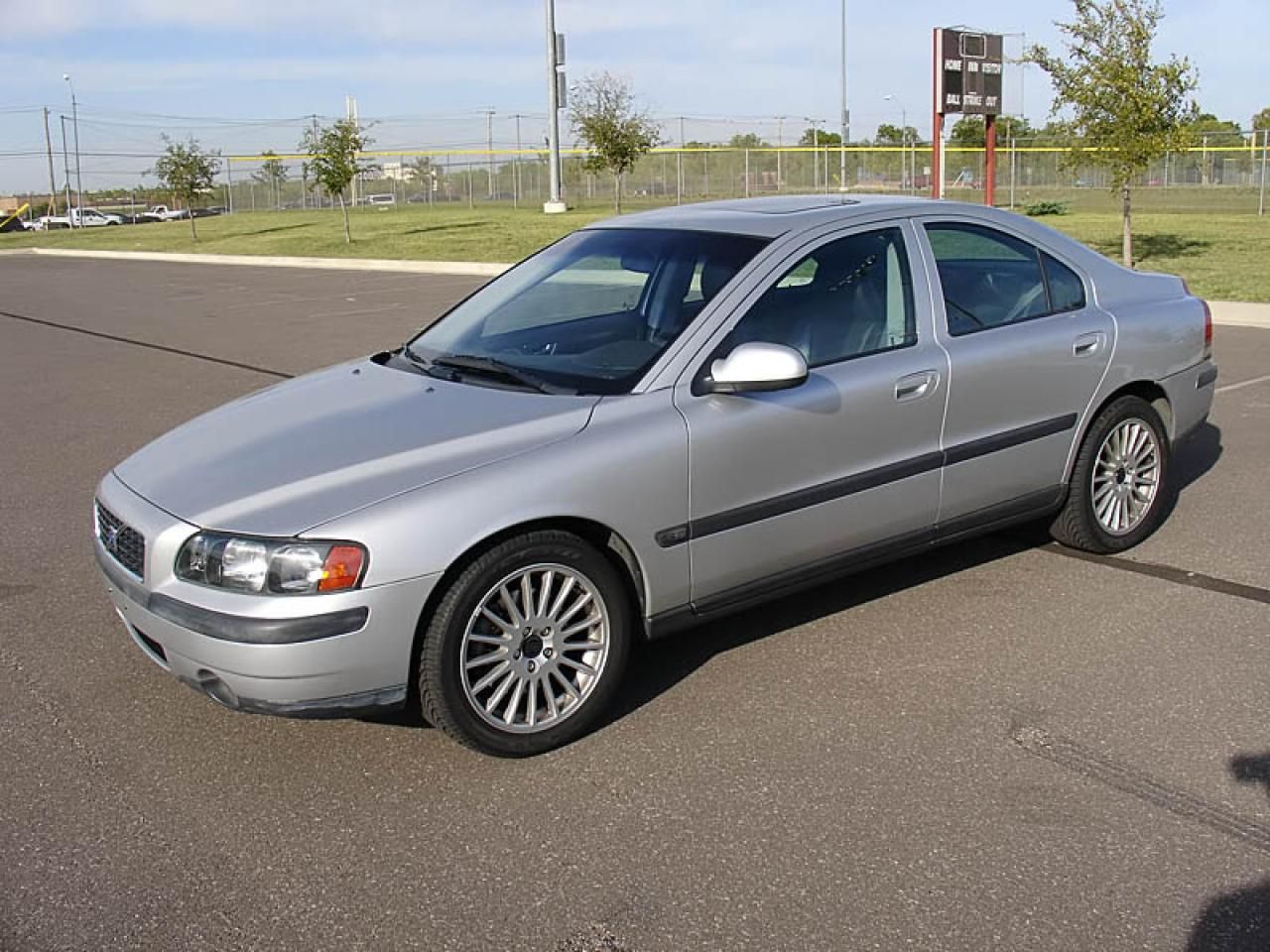
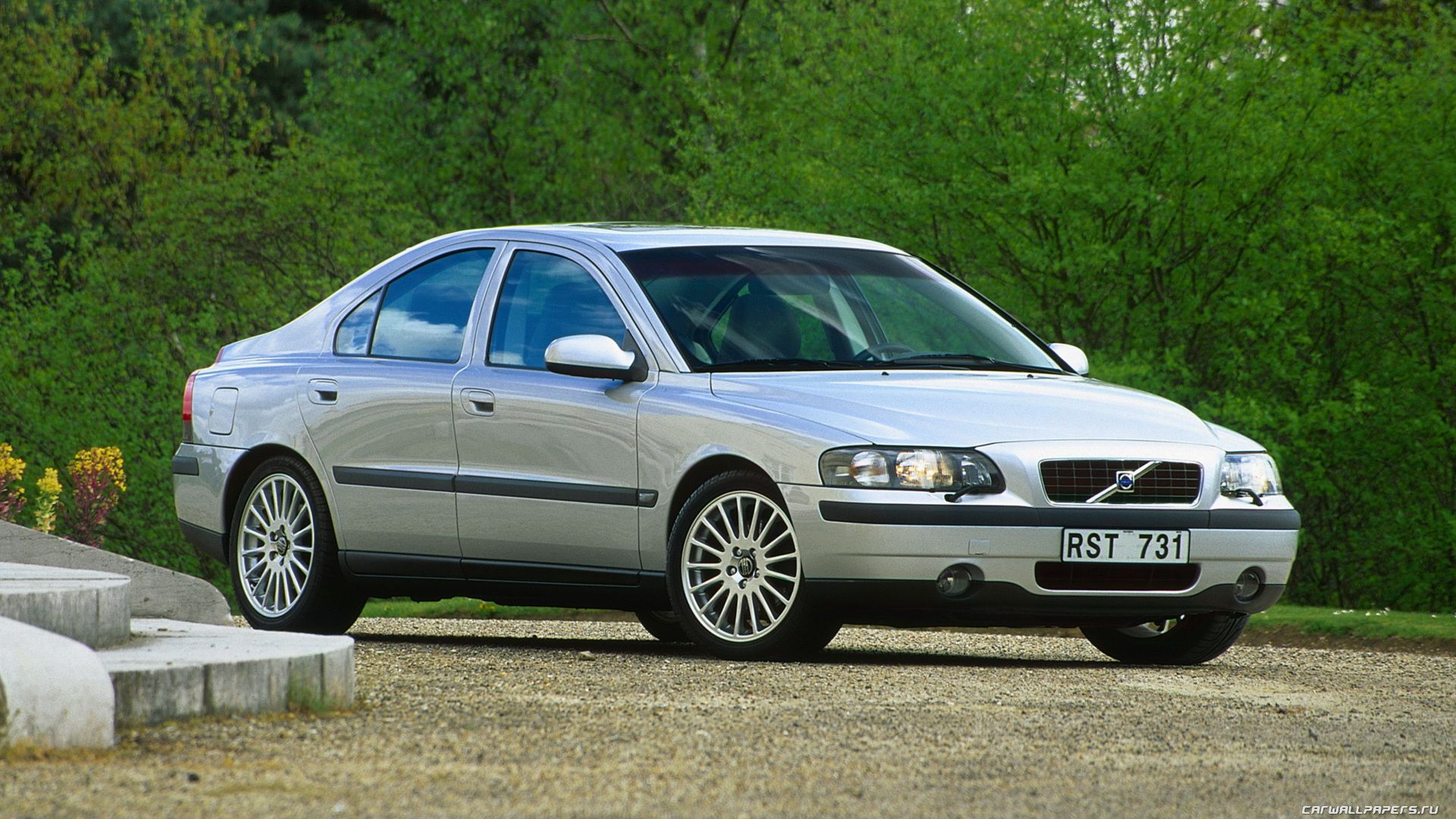
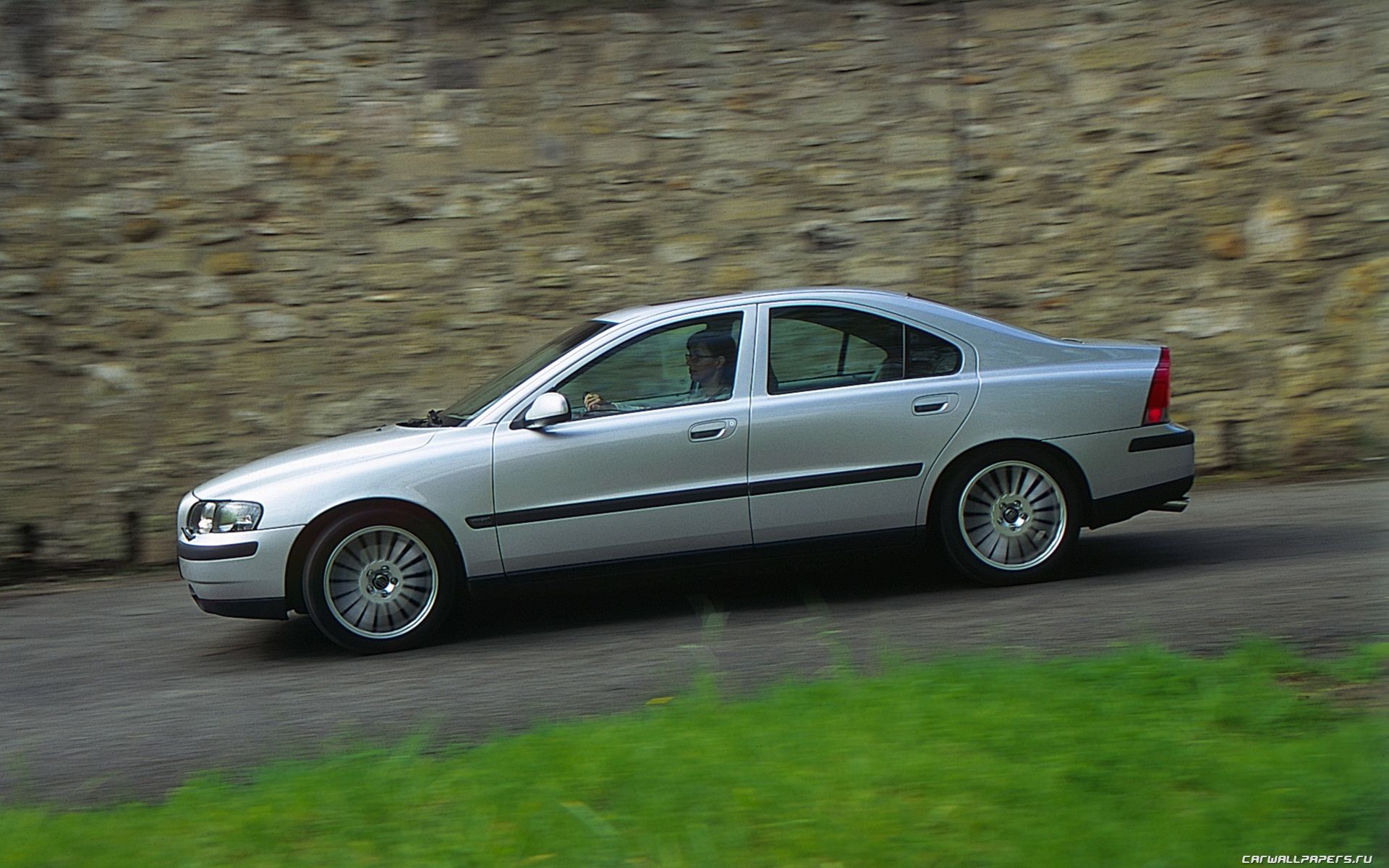
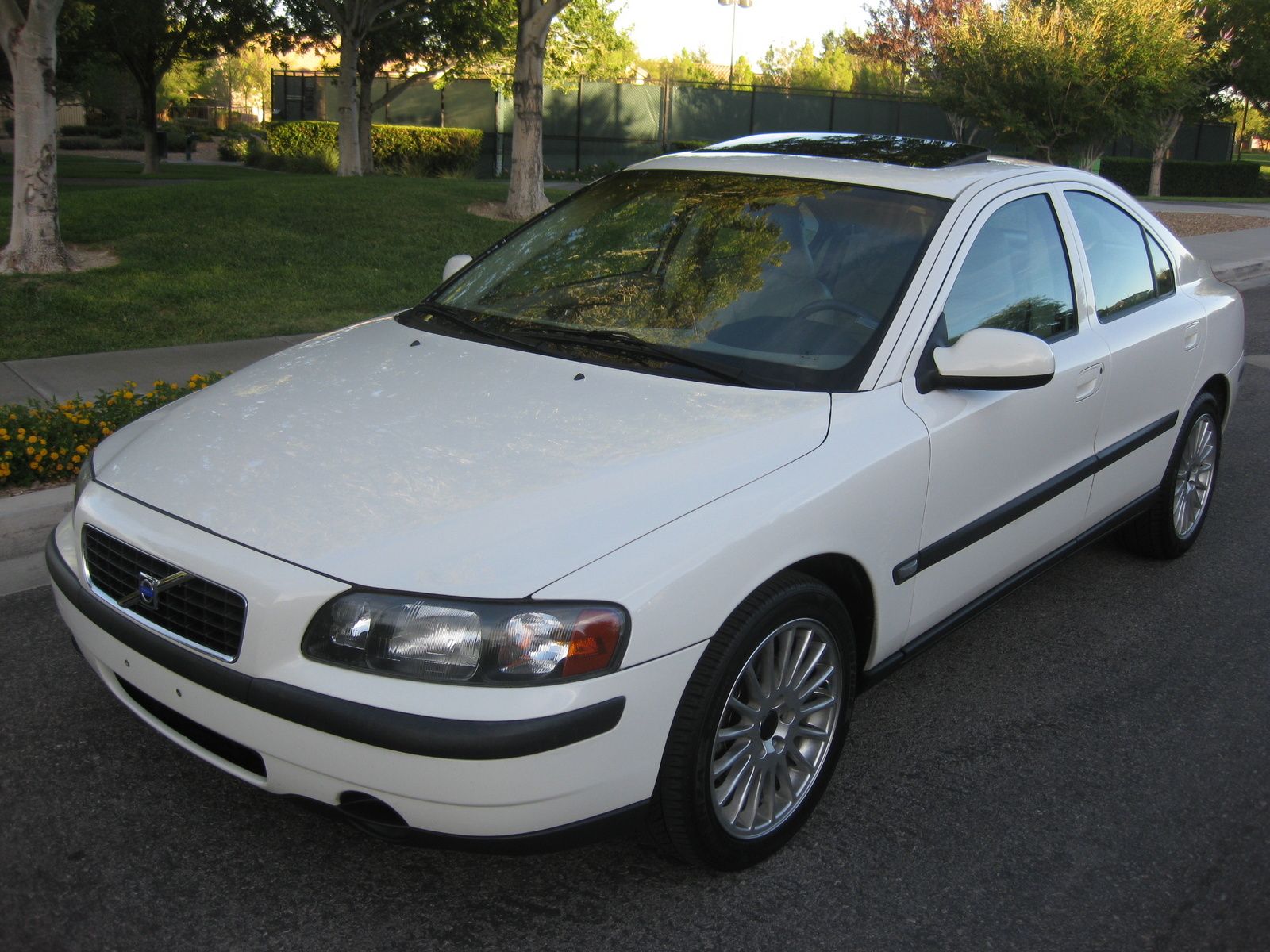
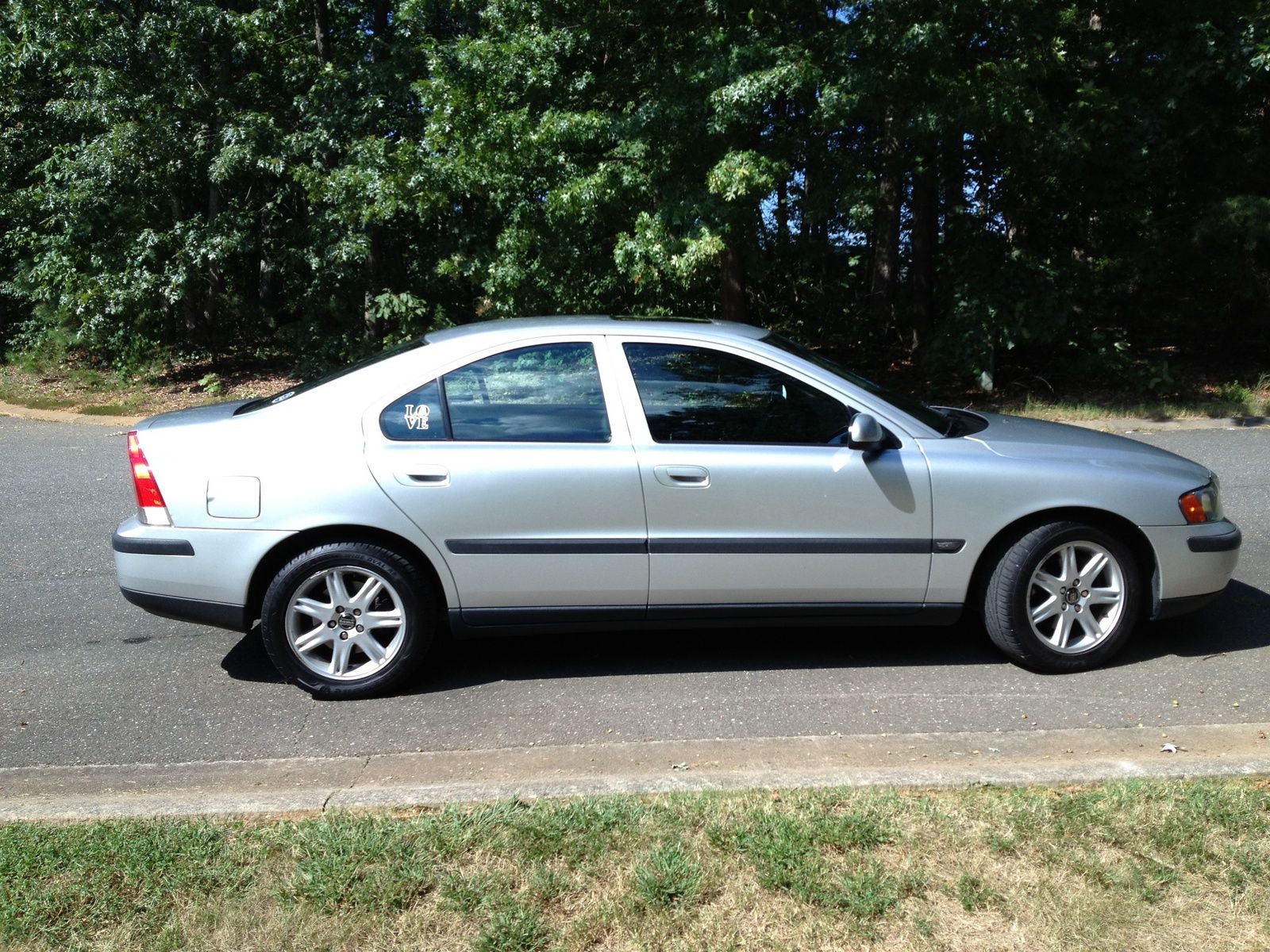
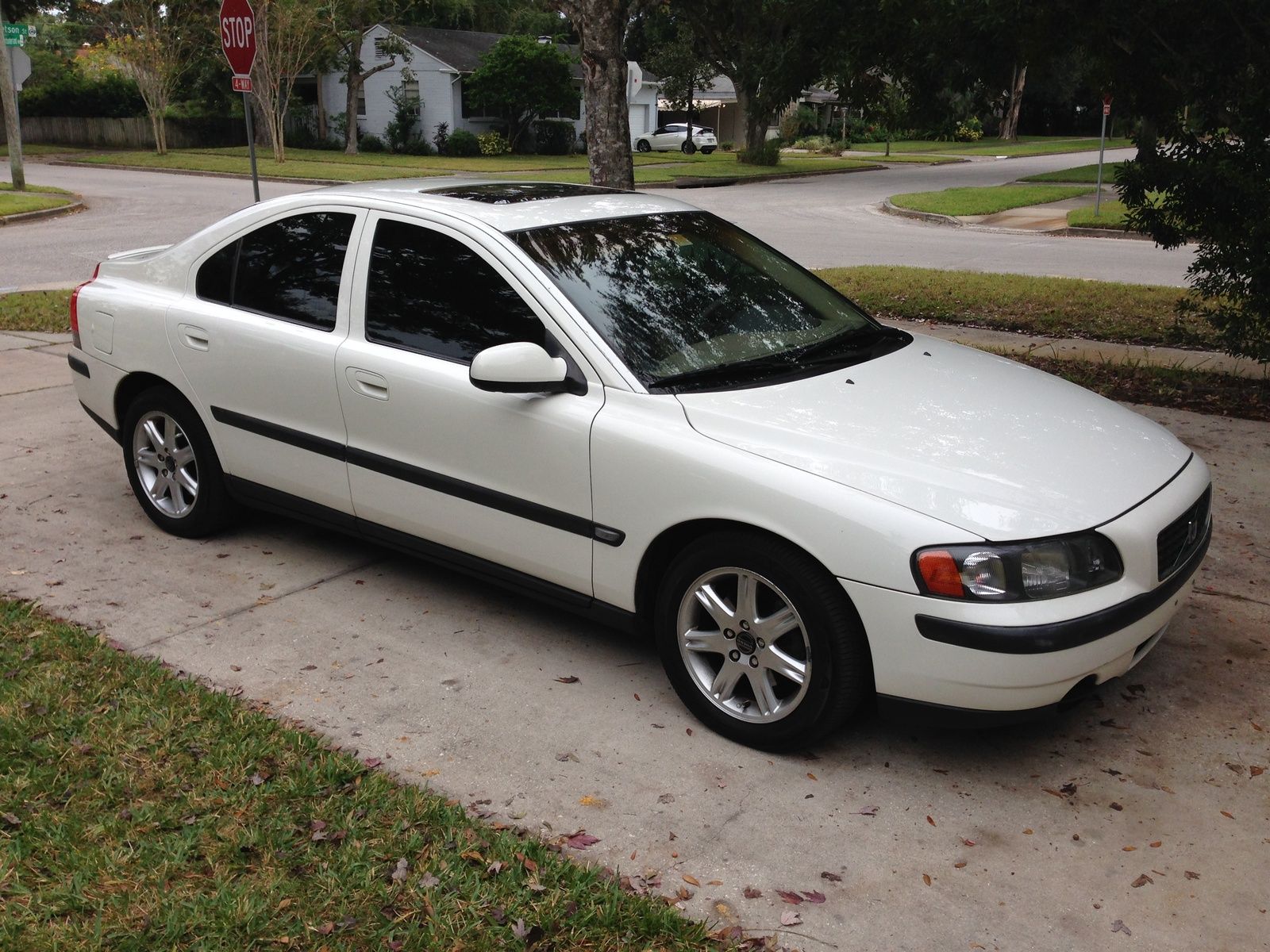
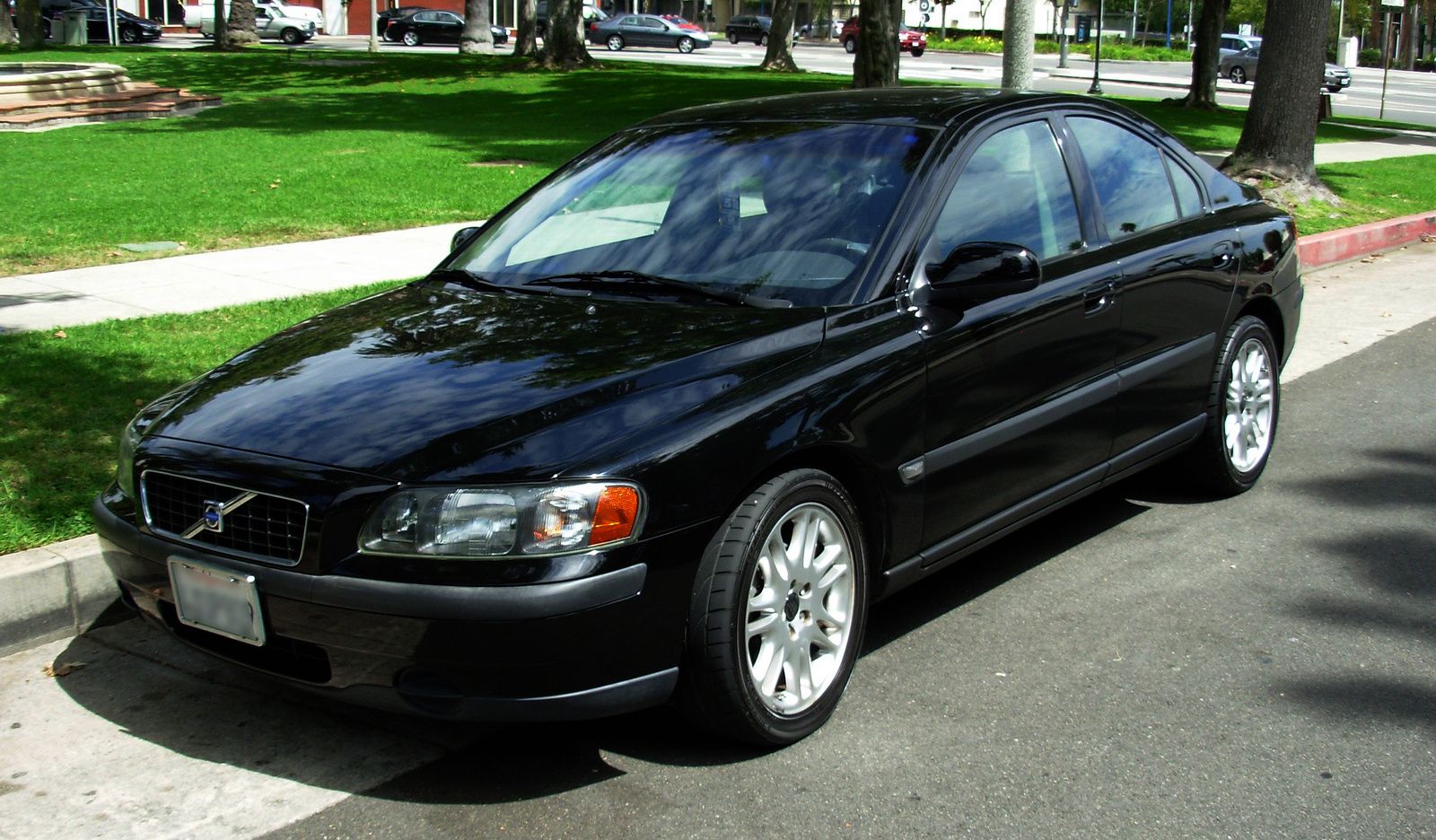
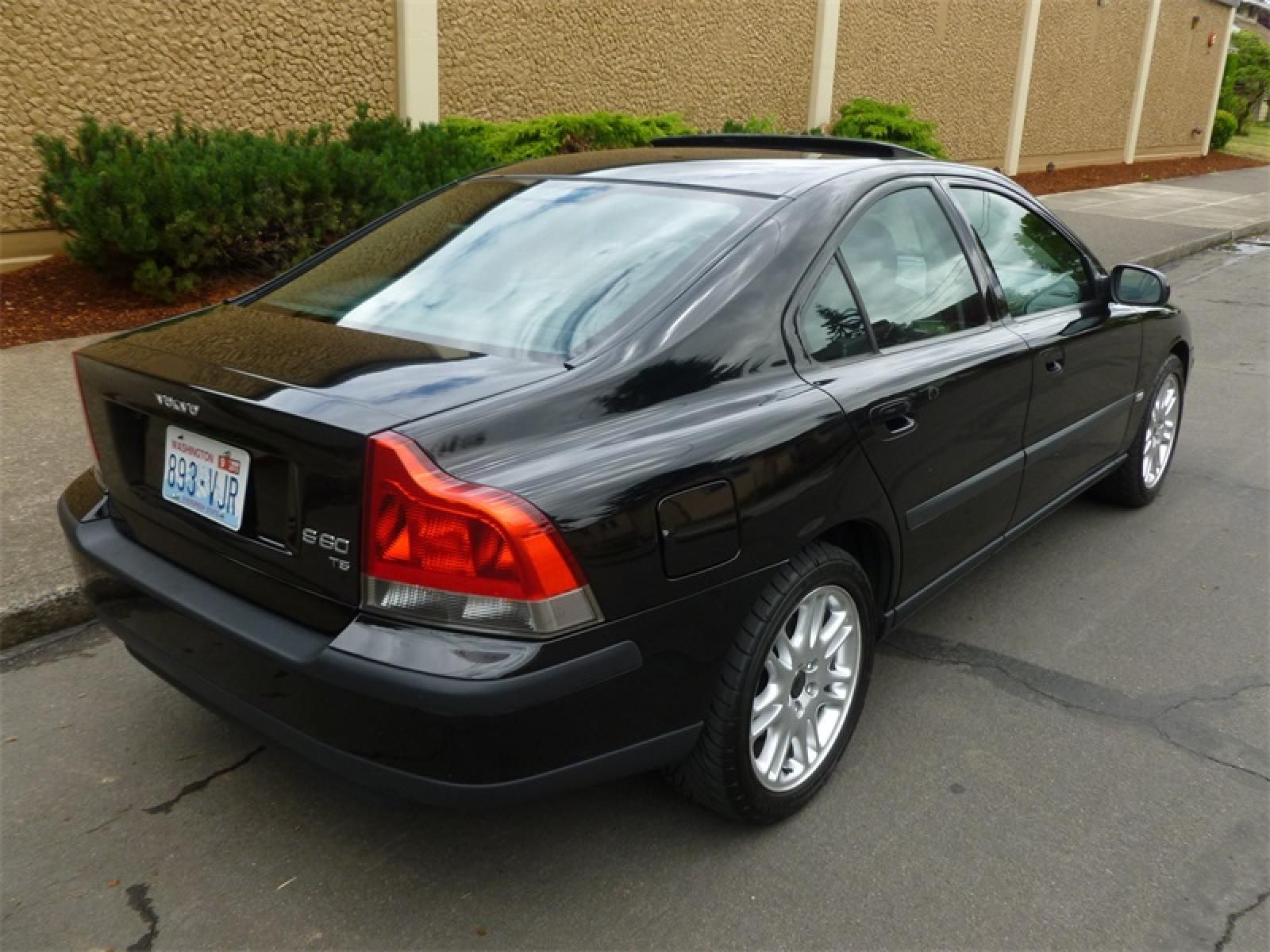
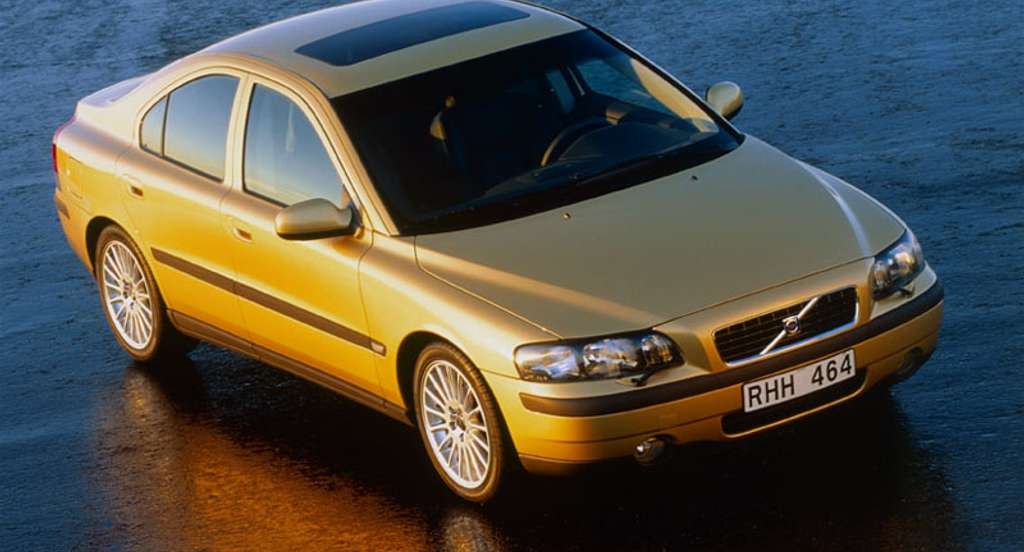
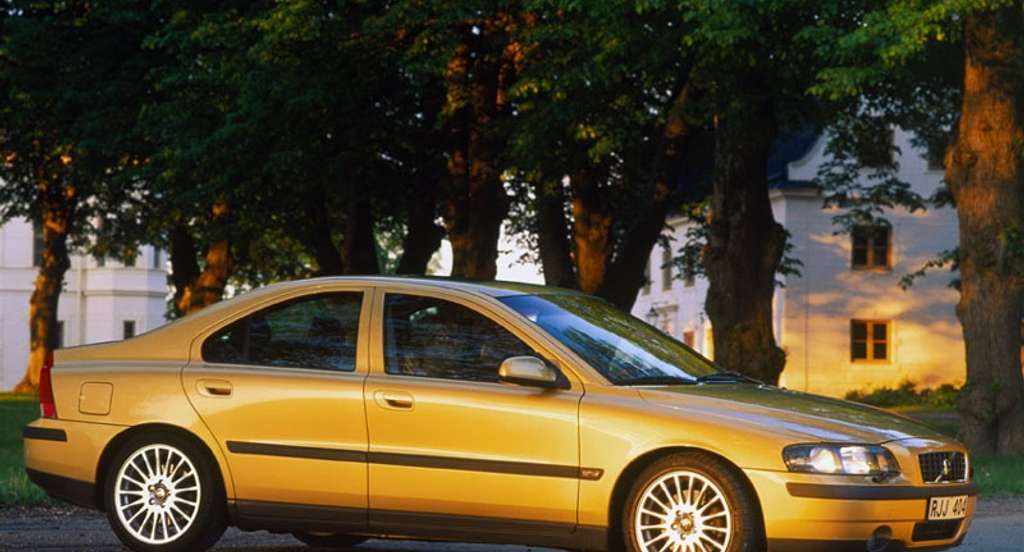
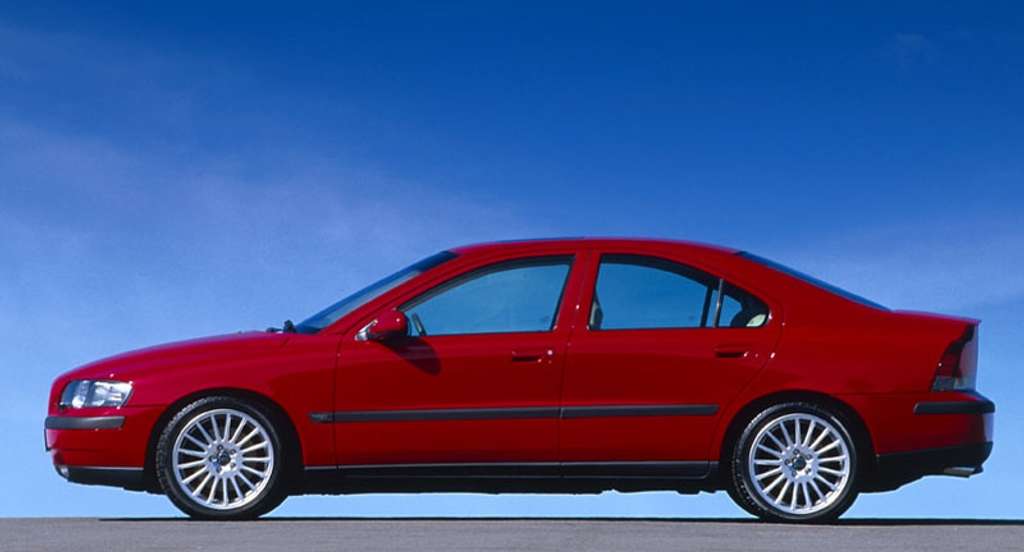
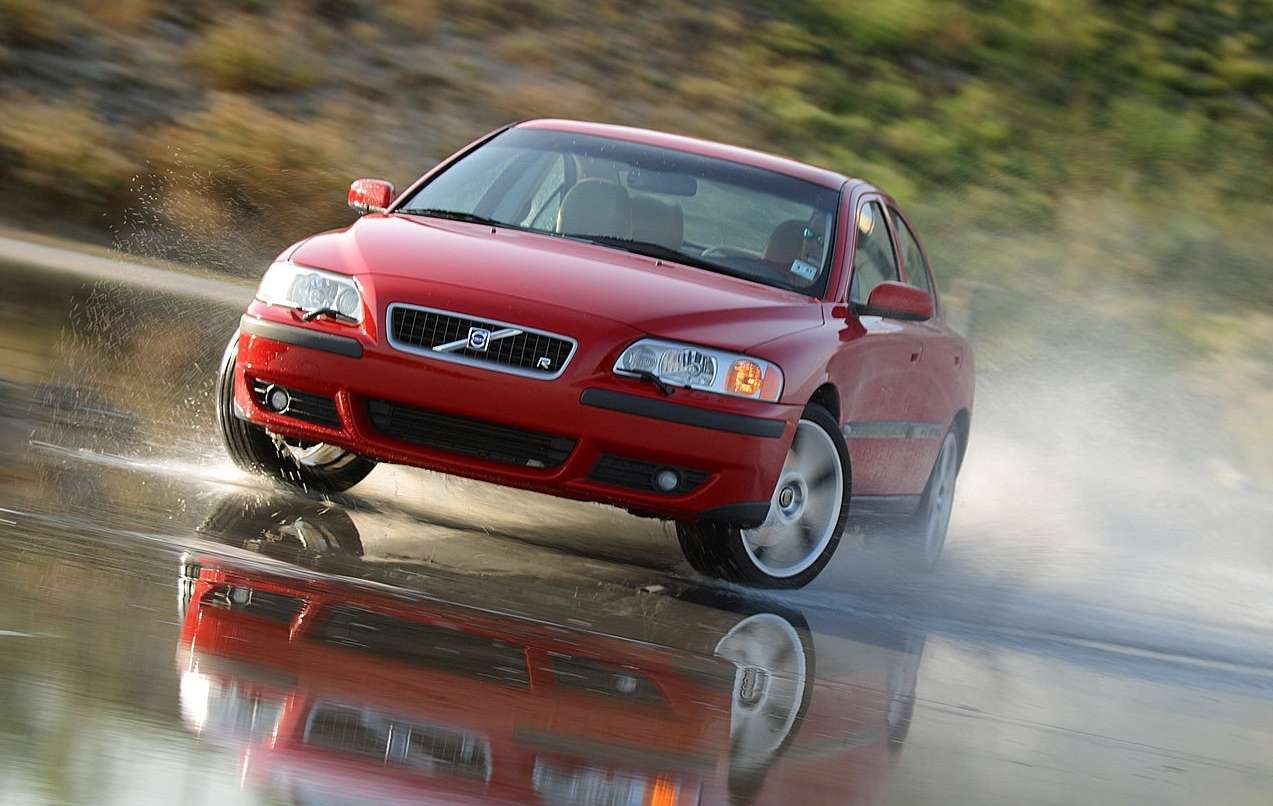
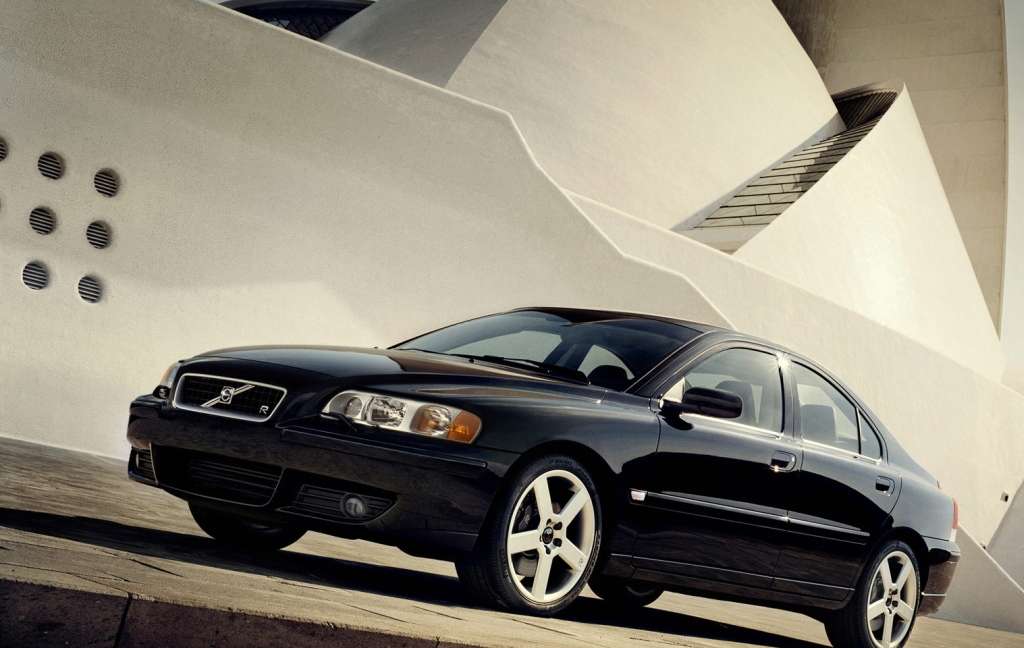
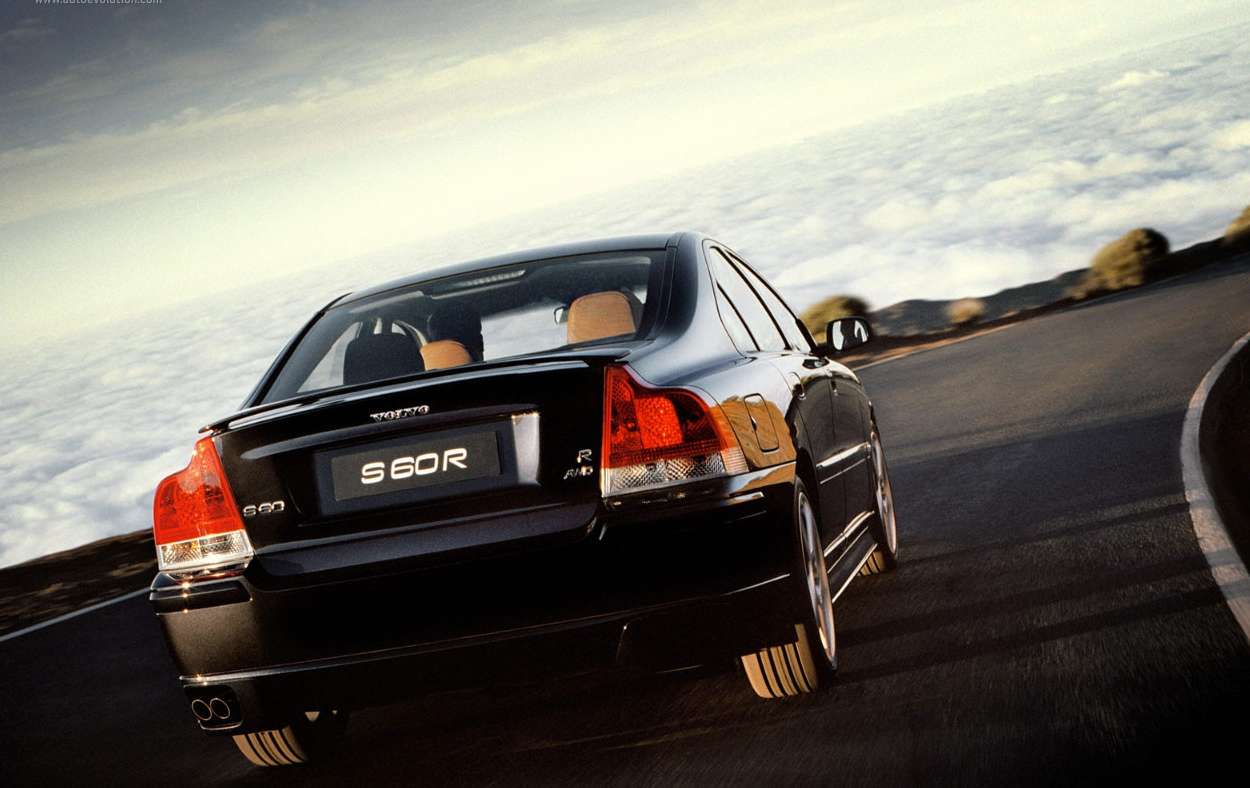
2003 Volvo S60 2.4 1 Exterior Colors
2003 Volvo S60 2.4 1 Interior Colors
2003 Volvo S60 Engines
| Engine | Standard in Trim | Power | Torque | Fuel Consumption - City | Fuel Consumption - Highway | 0-100 km/h | Quarter Mile | Half Mile |
|---|---|---|---|---|---|---|---|---|
| 2.3L L5 Turbo DOHC 20 valves | T5 | 247 hp @ 5200 rpm | 183 N.m | 11.6 L/100km | 7.8 L/100km | 7.1 s | 14.9 s | 24.7 s |
| 2.3L L5 DOHC 20 valves CVVT Turbo | T5 1 | 247 hp @ 5200 rpm | 183 N.m | 21.0 L/100km | 29.0 L/100km | 7.1 s | 14.9 s | 24.7 s |
| 2.3L L5 DOHC 20 valves CVVT Turbo | T5 | 247 hp @ 5200 rpm | 183 N.m | 11.6 L/100km | 7.8 L/100km | 7.1 s | 14.9 s | 24.7 s |
| 2.3L Turbo L5 DOHC 20 valves | T5 | 247 hp @ 5200 rpm | 183 N.m | 11.8 L/100km | 8.1 L/100km | 7.1 s | 14.9 s | 24.7 s |
| 2.3L, 5 cyl, DOHC, 20 valves | T5 | 247 hp @ 5200 rpm | 183 N.m | 14.5 L/100km | 7.5 L/100km | 7.1 s | 14.9 s | 24.7 s |
| 2.5L L5 DOHC 20 valves CVVT Turbo | 2.5T AWD 1 | 208 hp @ 5000 rpm | 183 N.m | 19.0 L/100km | 26.0 L/100km | 7.6 s | 14.0 s | 26.1 s |
| 2.5L L5 DOHC 20 valves CVVT Turbo | 2.5T AWD | 208 hp @ 5000 rpm | 183 N.m | 12.7 L/100km | 8.6 L/100km | 7.6 s | 14.0 s | 26.1 s |
| 2.4L L5 DOHC 20 valves | 2.4 | 168 hp @ 5900 rpm | 183 N.m | 10.7 L/100km | 7.0 L/100km | 9.5 s | 16.9 s | 28.1 s |
| 2.4L L5 DOHC 20 valves | 2.4 1 | 168 hp @ 6000 rpm | 183 N.m | 22.0 L/100km | 30.0 L/100km | 9.5 s | 16.9 s | 28.1 s |
| 2.4L L5 DOHC 20 valves CVVT Turbo | 2.4T 1 | 197 hp @ 6000 rpm | 183 N.m | 21.0 L/100km | 28.0 L/100km | 8.4 s | 16.0 s | 26.6 s |
2003 Volvo S60 Trims
2003 Volvo S60 Previous Generations
2003 Volvo S60 Future Generations
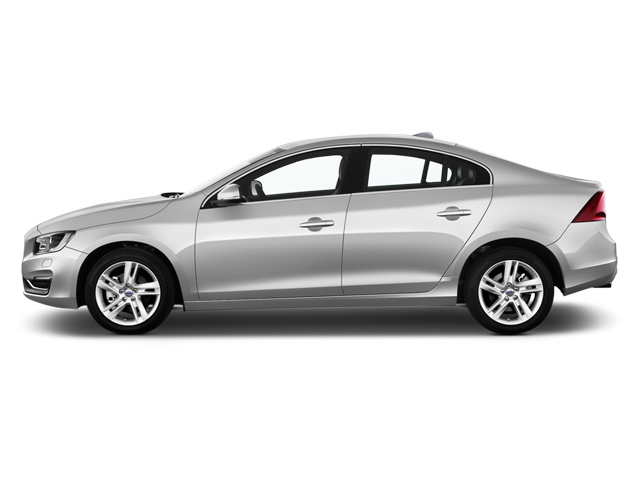
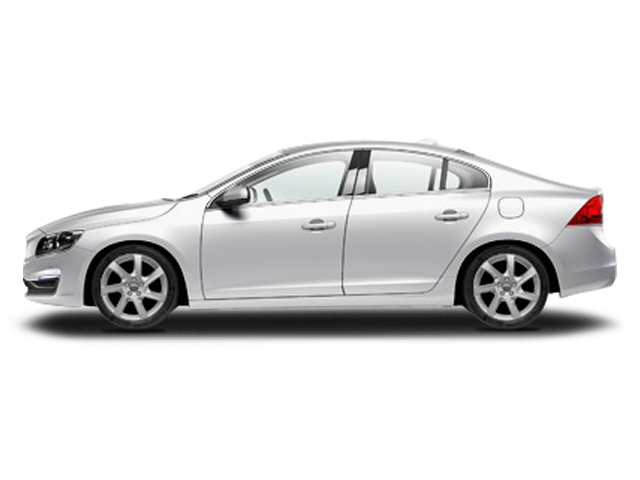
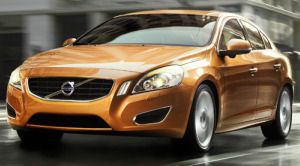
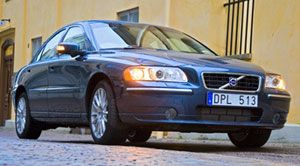
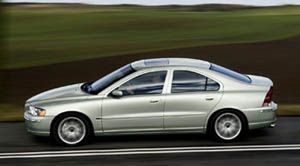
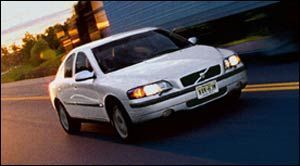
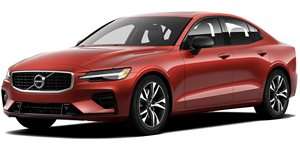

Volvo S60 Overview and History
The name Volvo was originally registered in May 1915 as a separate company within SKF AB and as a registered trademark with the intention to be used for a special series of ball bearing, but this idea was only used for a short period of time and SKF decided to use "SKF" as the trademark for all its bearing products. Volvo AB began to function on the 10th of August 1926 when the SKF Sales Manager Assar Gabrielsson and Engineer Gustav Larson, started production of 10 prototypes and set up the car-manufacturing business Volvo AB within SKF group. Volvo AB was introduced at the Stockholm stock exchange in 1935 and SKF then decided to sell its shares in the company.
The first series produced Volvo automobile, called 'ÖV4' left the factory on 14 April 1927. Just 996 cars were produced between 1927-1929. 'ÖV4' was replaced by model PV651 in April 1929. Its success on the market helped Volvo buy out their engine manufacturer and thus become a serious car producer. By 1931, it was already returning its first dividend to shareholders.
After it reached a production milestone of 10,000 cars in May 1932, Volvo then targeted a new demographic segment, aiming to make their cars cheaper, a car “for the people”. This was going to be the PV 51 which came out in 1936 which was a smaller version of the PV36.
The PV444 was one of the most significant cars of the war era, the first true small car, a mixture of American flair and European size, it would become a resonant success and the best sold model throughout the 60s. The P1800 was Volvo's first sports car, made in the early 60s and it was so popular that it was featured in the hit TV series “The Saint” starring Roger Moore.
Safety and quality were still paramount for Volvo and that's why the 240 series which replaced the 140 had even more safety innovations in that department, like crumple zones, rear facing child seats and collapsible steering columns. Together with the smaller 340 models, they would make for most of the sales during the 70s and 80s for Volvo.
The 90s brought with them a totally new model, the 850, a front-wheel drive, executive car which won numerous awards for handling and safety features. By now, productions costs were mounting up and Volvo was one of the few independent producers out there, after a proposed deal with Renault fell through in 1993. This forced the company to seek new marketing strategies and that's how the sleeker S40 and V40 models were introduced in the factory's production line.
The new models brought a breath of fresh air, just like the C70 coupe and convertible, which are responsible for revitalizing the Volvo image while keeping in tune with the old tradition of safety and quality.
The buyout of Volvo Cars was announced on January 28, 1998. Until then, Volvo Cars was owned by AB Volvo (the commercial vehicles group). In the following year acquisition for Volvo Cars by American car maker Ford Motor Co. was completed at a price of $ 6.45 billion USD. Volvo used the funds from the sale of the automobile division to finance the purchase of Scania, another leading Swedish truck manufacturer, but the deal was stopped for competition reasons by the European Union. Instead Volvo acquired the commercial vehicles division of French Renault and the American truck manufacturer Mack Trucks (which was owned by Renault at the time). As part of the arangement to buy Renault Trucks, the former parent company, Renault, bought in turn 20 percent in shares in AB Volvo. Among the reasons why Volvo took the initiative to sell the automobile manufacturing was the increasing development costs for new car models, coupled with the fact that it was a relatively small producer. The strategy was instead to grow as a truck manufacturer where it had a stronger market position.
Volvo Automotive's motto is "Volvo for life" attributed to the reliability and safety of their cars. Volvo means "I roll" in Latin. Combined with their company symbol, (commonly mistaken for the male symbol) which actually stands for iron ore and according to the company, represents "Rolling Strength".
2003 Volvo S60 Consumer Reviews
Compare Against Competitors
2003 Volvo S60 2.4 1 Specifications
2.4 1 Comfort and Convenience
| Air Conditionning | Dual-zone auto climate control |
|---|---|
| Steering Wheel Adjustment | Tilt/telescopic steering wheel |
2.4 1 Dimensions
| Cargo Capacity | 13.9 L |
|---|---|
| Curb Weight | 3276 kg |
| Fuel Tank Capacity | 18.5 L |
| Height | 56.2 mm |
| Length | 180.2 mm |
| Wheelbase | 107.0 mm |
| Width | 71.0 mm |
2.4 1 Exterior Details
| Sunroof (Option) | Power glass sunroof |
|---|
2.4 1 Interior Details
| Front Seats Heated (Option) | Heated front seats |
|---|---|
| Seat Trim (Option) | Leather seats |
2.4 1 Mechanical
| Drive Train | Front-wheel drive |
|---|---|
| Engine Name | 2.4L L5 DOHC 20 valves |
| Stability Control (Option) | Yes |
| Traction Control | Yes |
| Transmission | 5 speed manual |
| Transmission (Option) | 5-speed automatic transmission |
2.4 1 Overview
| Body | Sedan |
|---|---|
| Doors | 4 |
| Engine | 2.4L L5 DOHC 20 valves |
| Fuel Consumption | 22 (Automatic City)30 (Automatic Highway)22 (Manual City)31 (Manual Highway) |
| Power | 168 hp @ 6000 rpm |
| Seats | 5 |
| Transmission | 5-speed automatic transmission |
| Warranties | Bumper-to-Bumper50000/km, 48/Months Powertrain50000/km, 48/Months Roadside AssistanceUnlimited/km, 48/Months Rust-throughUnlimited/km, 96/Months |
2.4 1 Safety
| Anti-Lock Brakes | Std |
|---|---|
| Anti-Theft Alarm | None |
| Brake Type | 4 wheel disc |
| Child-proof Locks | None |
| Driver Airbag | None |
| Passenger Airbag | None |
| Side Airbag | None |
2.4 1 Suspension and Steering
| Front Tires | P195/65HR15 |
|---|---|
| Wheel Type (Option) | 16 in ''Canaveral'' alloy wheels |
Discussion and Comments
Share Your Comments