1996 Ford Thunderbird LX 0-60 Times, Top Speed, Specs, Quarter Mile, and Wallpapers
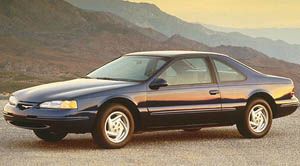
The 1996 Ford Thunderbird LX is a Rear-wheel drive Coupe. It can accommodate up to 5 passengers. It has 2 Doors and is powered by a 4.6L V8 SOHC 16 valves engine which outputs 205 hp @ 4500 rpm and is paired with 4 speed automatic gearbox. The 1996 Ford Thunderbird LX has cargo capacity of 428 Liters and the vehicle weighs 1604 kg. In terms of ride assists, the 1996 Ford Thunderbird LX has stability control and traction control in addition to anti-lock brake system (ABS). The vehicle has an optional 4.6L V8 SOHC 16 valves engine as well It offers and. Safety features also include None and None. The front suspension is while the rear suspension is. The car also features a It has as standard. Electronic features include Cruise Control. For convenience, the car has Power windows and Power door locks. There is also a remote keyless entry feature. Moreover, the car has. The steering wheel has audio control buttons. In terms of performance, the car has 224 N.m of torque and a top speed of 216 km/h. The 1996 Ford Thunderbird LX accelerates from zero to 60 mph in 8.5 seconds and hits quarter mile at 16.4 seconds. Fuel consumption is 13.7 L/100km in the city and 8.4 L/100km in the highway. The car price starts at $ 24,395
| Name | LX | |
|---|---|---|
| Price | $ 24,395 | |
| Body | Coupe | |
| Doors | 2 Doors | |
| Engine | 4.6L V8 SOHC 16 valves | |
| Power | 205 hp @ 4500 rpm | |
| Number of Seats | 5 Seats | |
| Transmission | 4 speed automatic | |
| Cargo Space | 428.0 L | |
| Maximum Cargo Space | 428.0 L | |
| Wheel Type | ||
| Series | Thunderbird (Super Birds) | |
| Drivetrain | Rear-wheel drive | |
| Horsepower | 205 HP | |
| Torque | 224 N.m | |
| Top Speed | 216 km/h | |
| Acceleration 0-100 km/h (0-60 mph) | 8.5 s | |
| Fuel Type | Petrol (Gasoline) | |
| Fuel Consumption (City) | 13.7 L/100km | |
| Fuel Consumption (Highway) | 8.4 L/100km | |
| Gear Type | manual | |
| Weight | 1,704 KG | |
| Brand | Ford | |
| Model | Thunderbird | |
| 0-400m (Quarter Mile) | 16.4 s | |
| 0-400m (Quarter Mile) - Speed | 140.3 km/h | |
| 0-800m (Half Mile) | 27.2 s | |
| 0-800m (Half Mile) - Speed | 157.9 km/h | |
| Modifications (MODS) | ||
| Modifications Cost | $ 0 |
0-60 ish 1996 Ford Thunderbird 4.6l
1996 Ford Thunderbird V8 13.90 1/4 mile
1996 Ford Thunderbird Used Price Estimates
Estimates based on a driving average of 12,000 miles per year| Used Condition | Trade In Price | Private Party Price | Dealer Retail Price |
|---|---|---|---|
| Outstanding | $ 1,059 | $ 2,800 | $ 3,743 |
| Clean | $ 931 | $ 2,469 | $ 3,300 |
| Average | $ 676 | $ 1,807 | $ 2,416 |
| Rough | $ 421 | $ 1,145 | $ 1,531 |
In 1989, the umpteenth generation of the Thunderbird was introduced sporting BMW 6-Series styling, an available supercharged V6 engine, and an interior whose switchgear resembled the control panel of a 1976 Whirlpool dishwasher. It was too heavy, and early models suffered reliability problems. For the first time in the Thunderbird's history, a V8 was not available. How the times change.
This year, the T-Bird still sports those classic BMW lines, but everything else about the car has been revised or revamped since the car bowed in 1989. Restyled for 1996, the Thunderbird is markedly improved over the 1995 model. A new hood, front and rear fascias, and new headlights have cleaned up the exterior nicely. Inside, the Thunderbird is a work of art, with a flowing dash that sweeps gracefully between the front seats and houses dual airbags. Excessive weight has been overcome by the addition to the options list of Ford's excellent modular 4.6-liter V8.
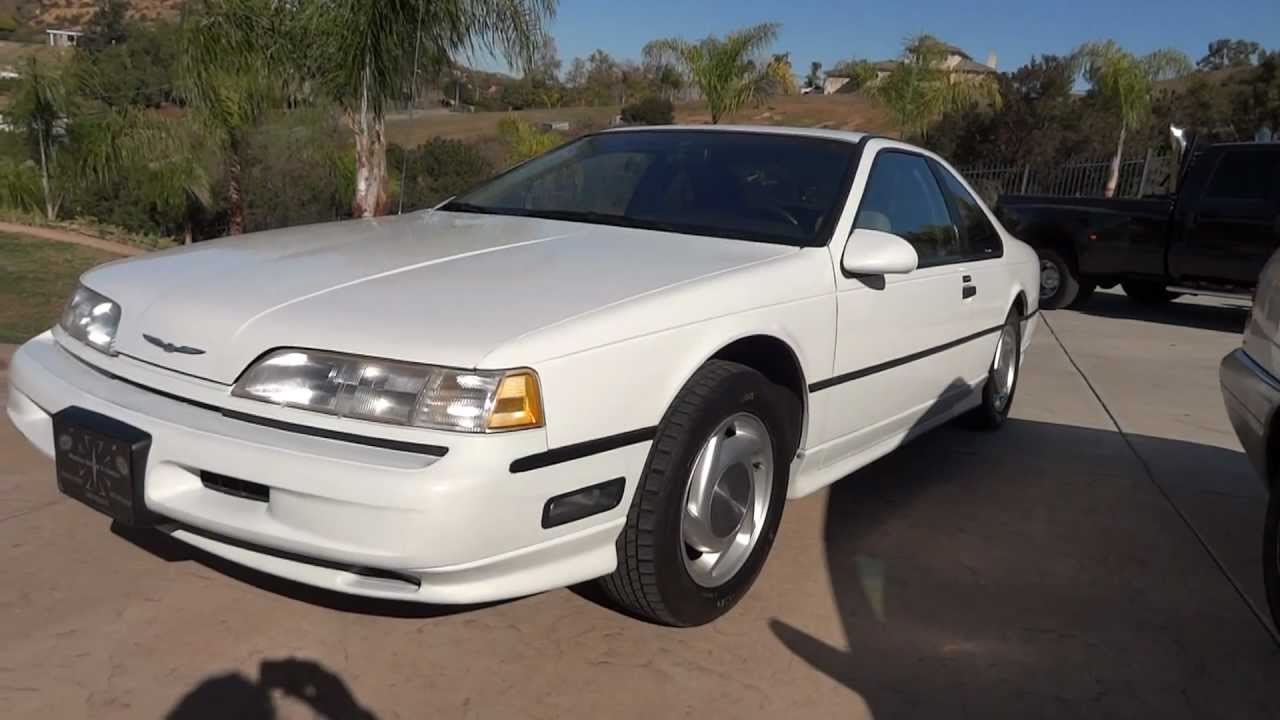
The Super Coupe has been canceled for 1996, but its spirit lives on in a Sport package that includes SC-style 16-inch wheels, a specially tuned suspension and grippy P225/60 R16 tires. Other changes to the T-Bird include color-keyed body cladding and door handles, new seat fabrics, new 15-inch alloy wheels, and a new cruise control system that increases or decreases speed in one mph increments. A total anti-theft system is newly optional, as are chrome wheels. Five new colors complement the new styling.
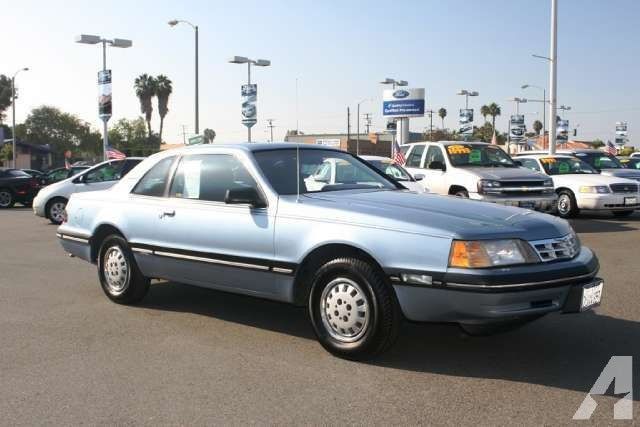
The base V6 engine benefits from 100,000-mile platinum-tipped spark plugs and other improvments that make it more quiet and durable. Horsepower is up to 145 on the V6.
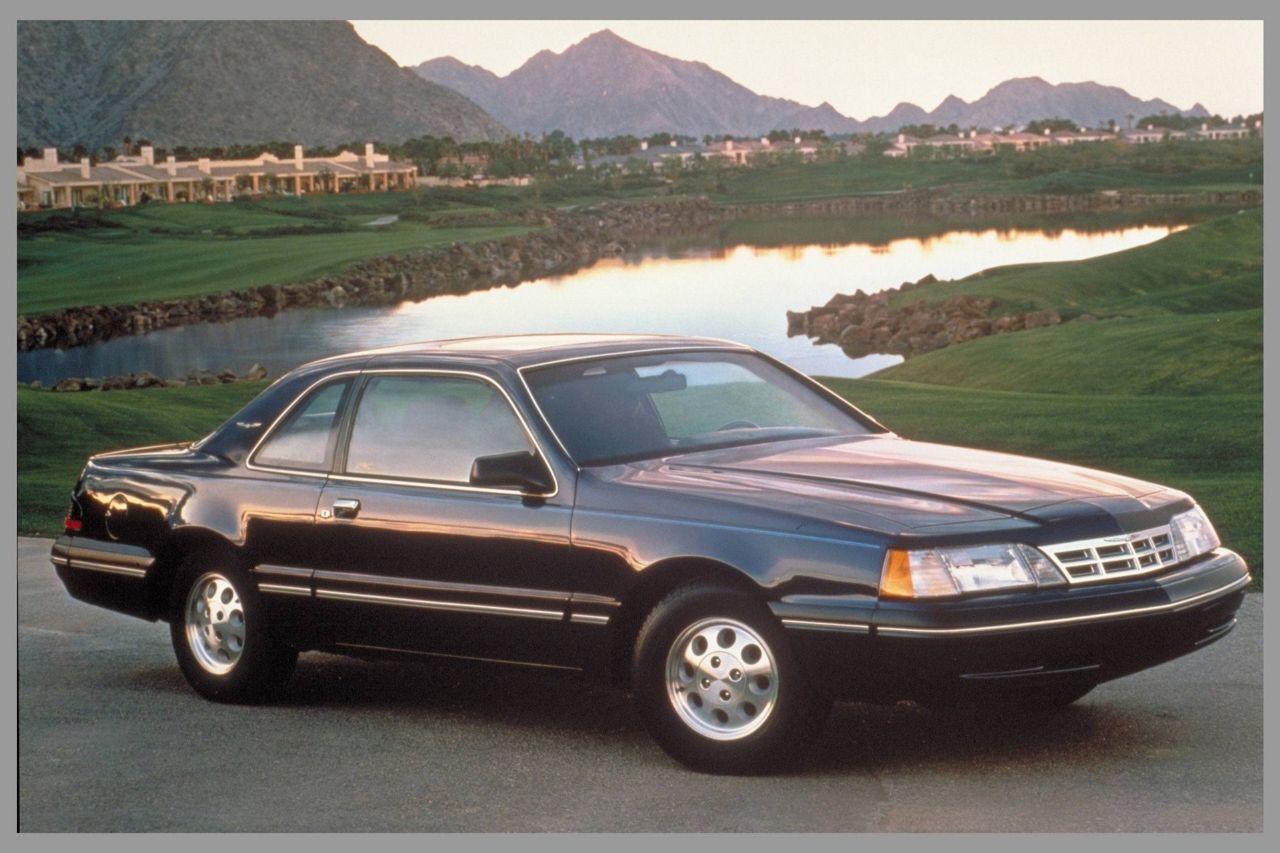
Gone from the lineup is a power passenger seat, remote fuel door release and "hands-free" cellular phone. The leather-wrapped steering wheel, power driver's seat and illuminated entry system all move to the optional equipment list this year.
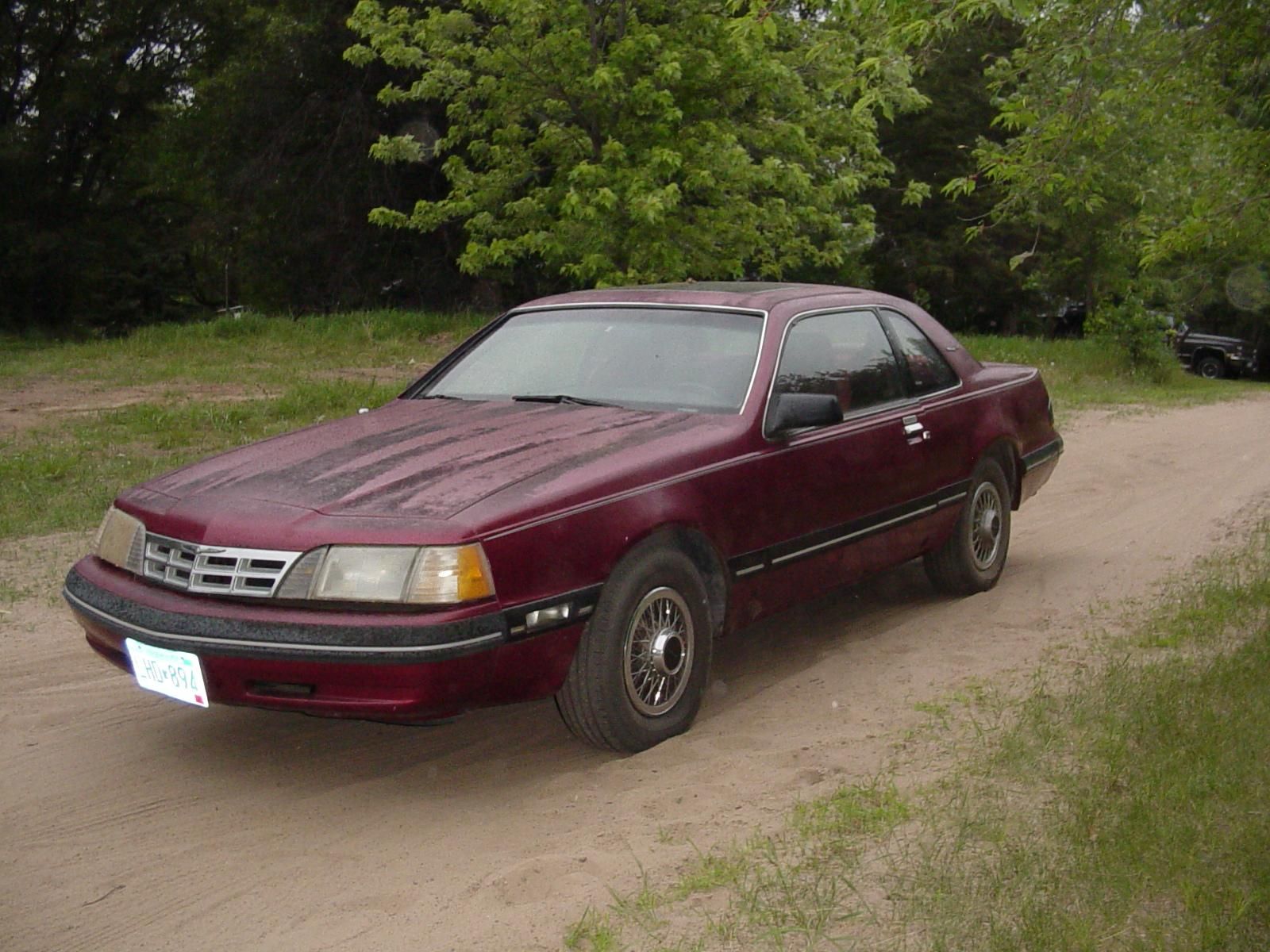
Ford's entry into the personal coupe class has evolved into quite a substantial car. Despite sheetmetal that is nearing its expiration date, the car has character and class, and is a recommended alternative to Chevy's Monte Carlo. New contenders from Chrysler, the Dodge Avenger and Chrysler Sebring, are sure to stir things up, and Japanese coupes, while pricey, offer better fuel economy and perceived value, but the Thunderbird is holding its own in an increasingly crowded personal coupe marketplace.
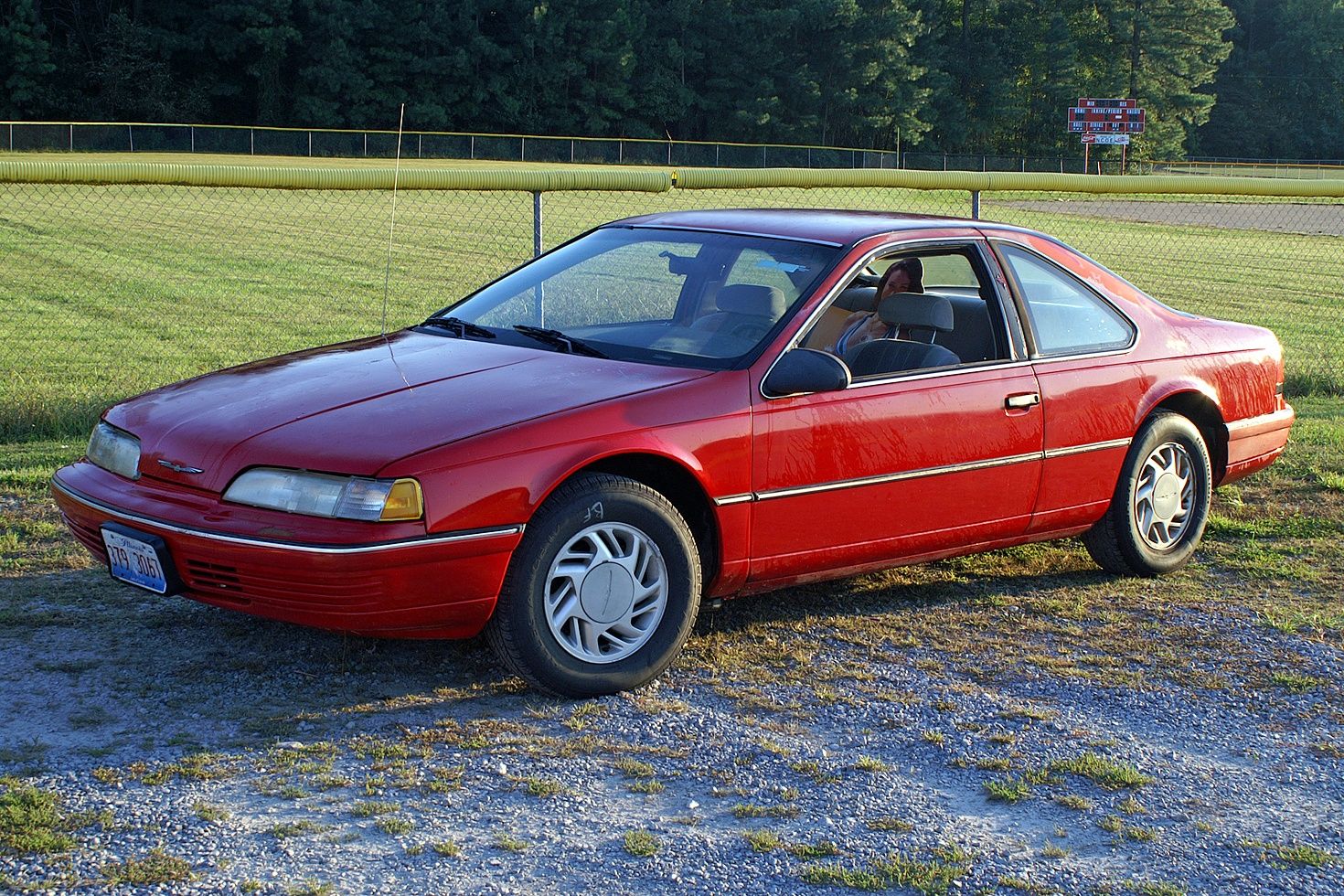
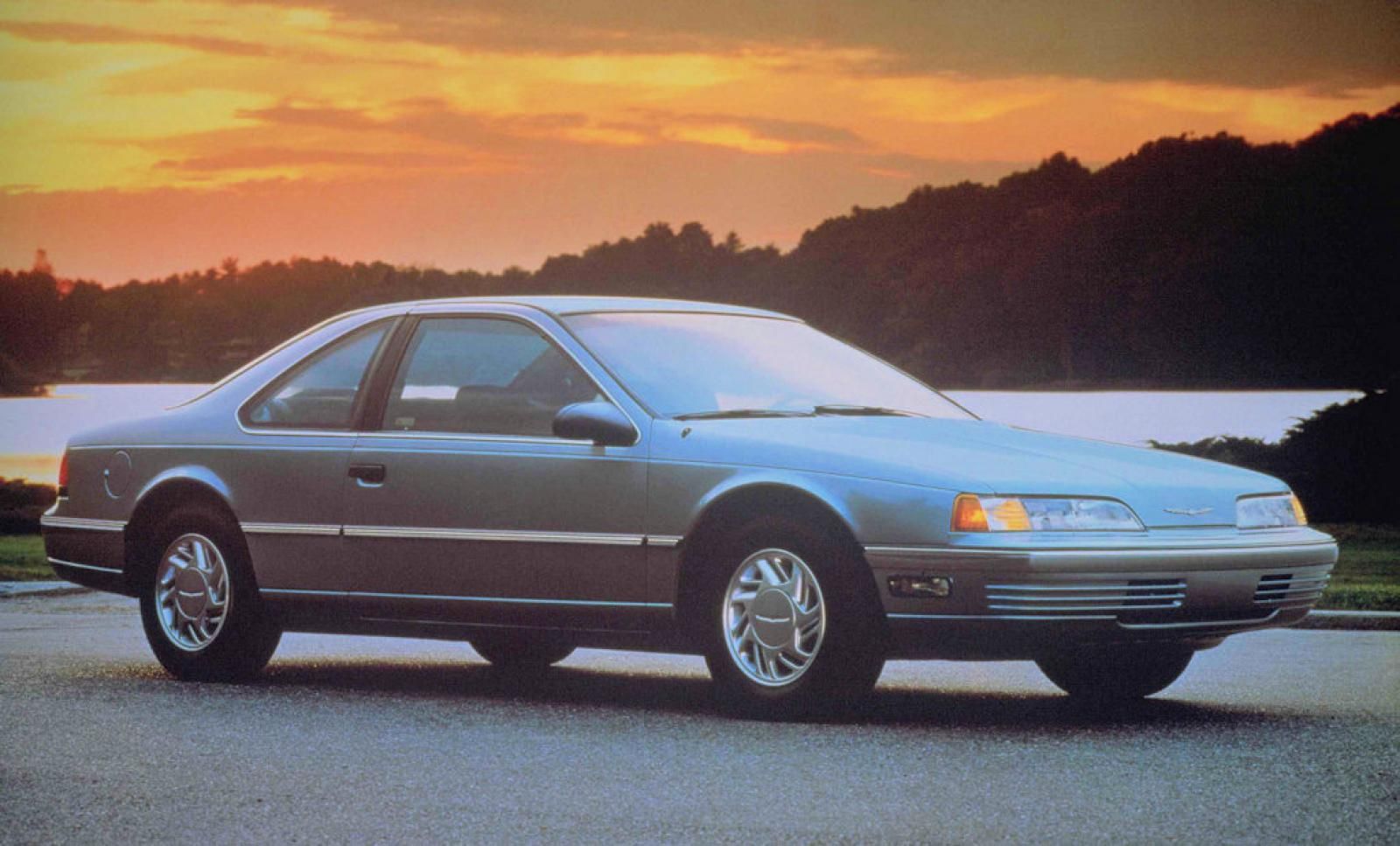
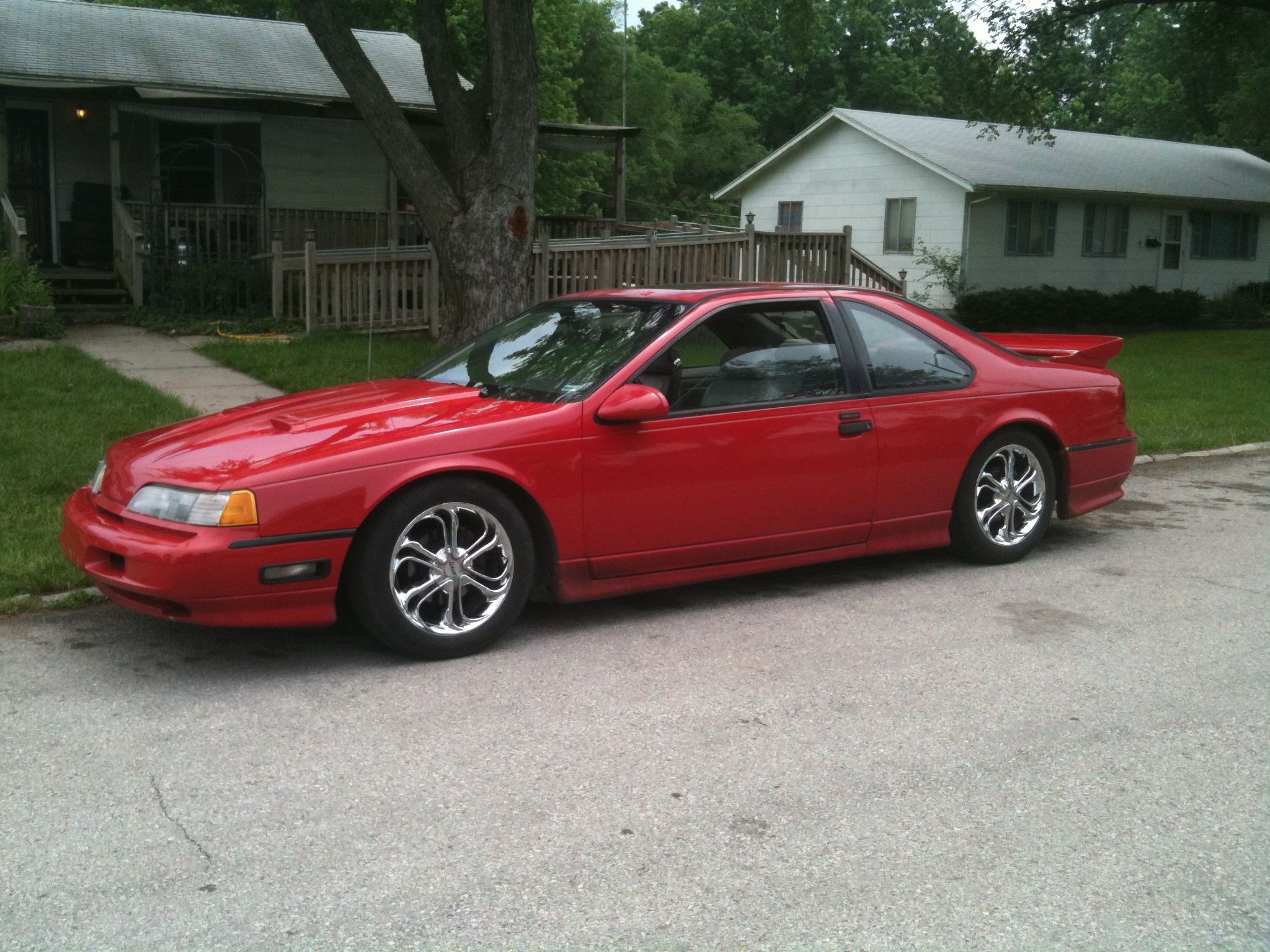
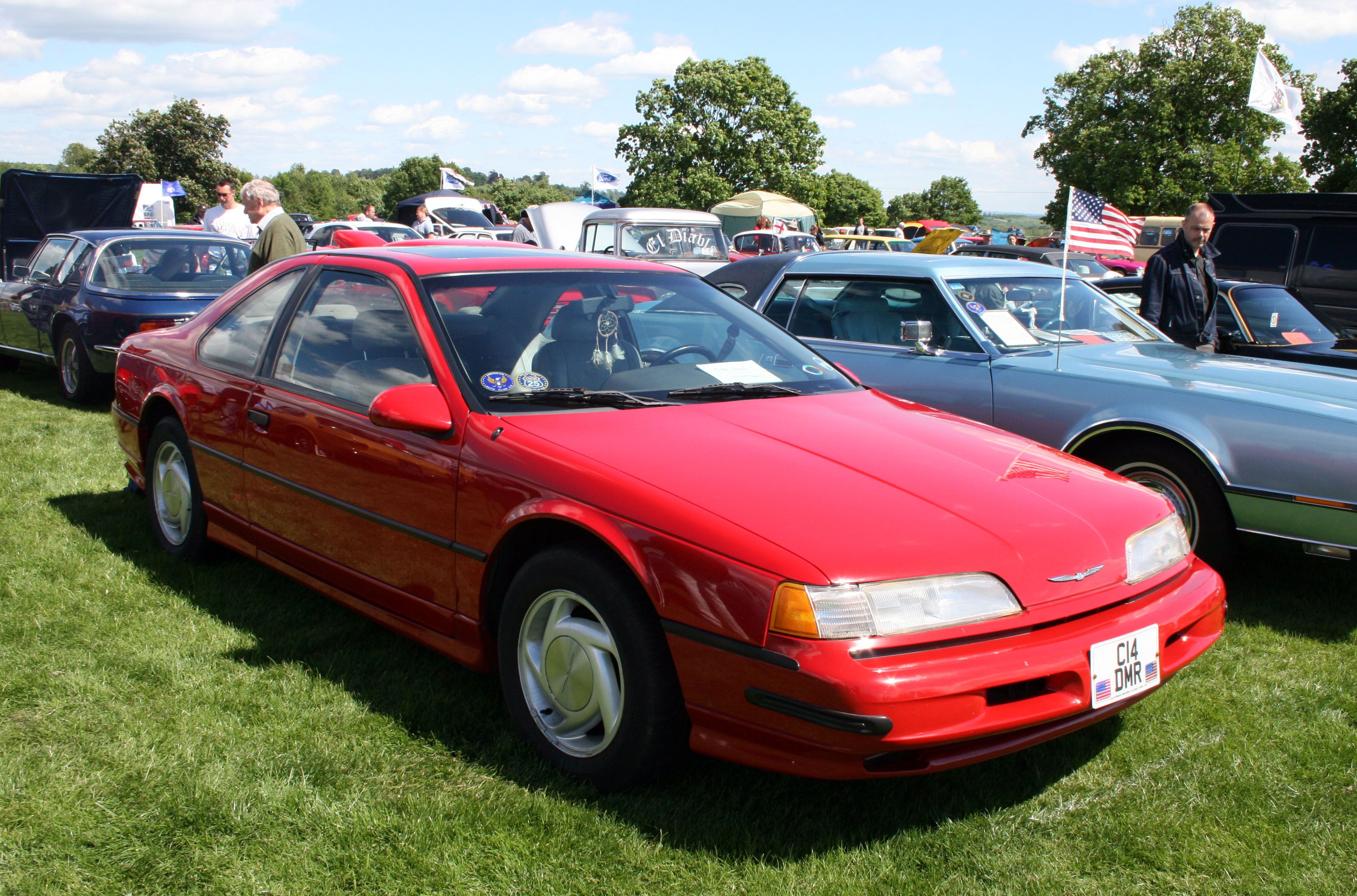
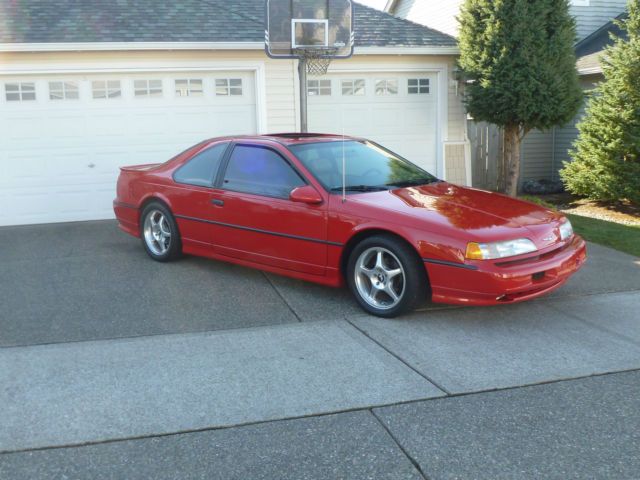
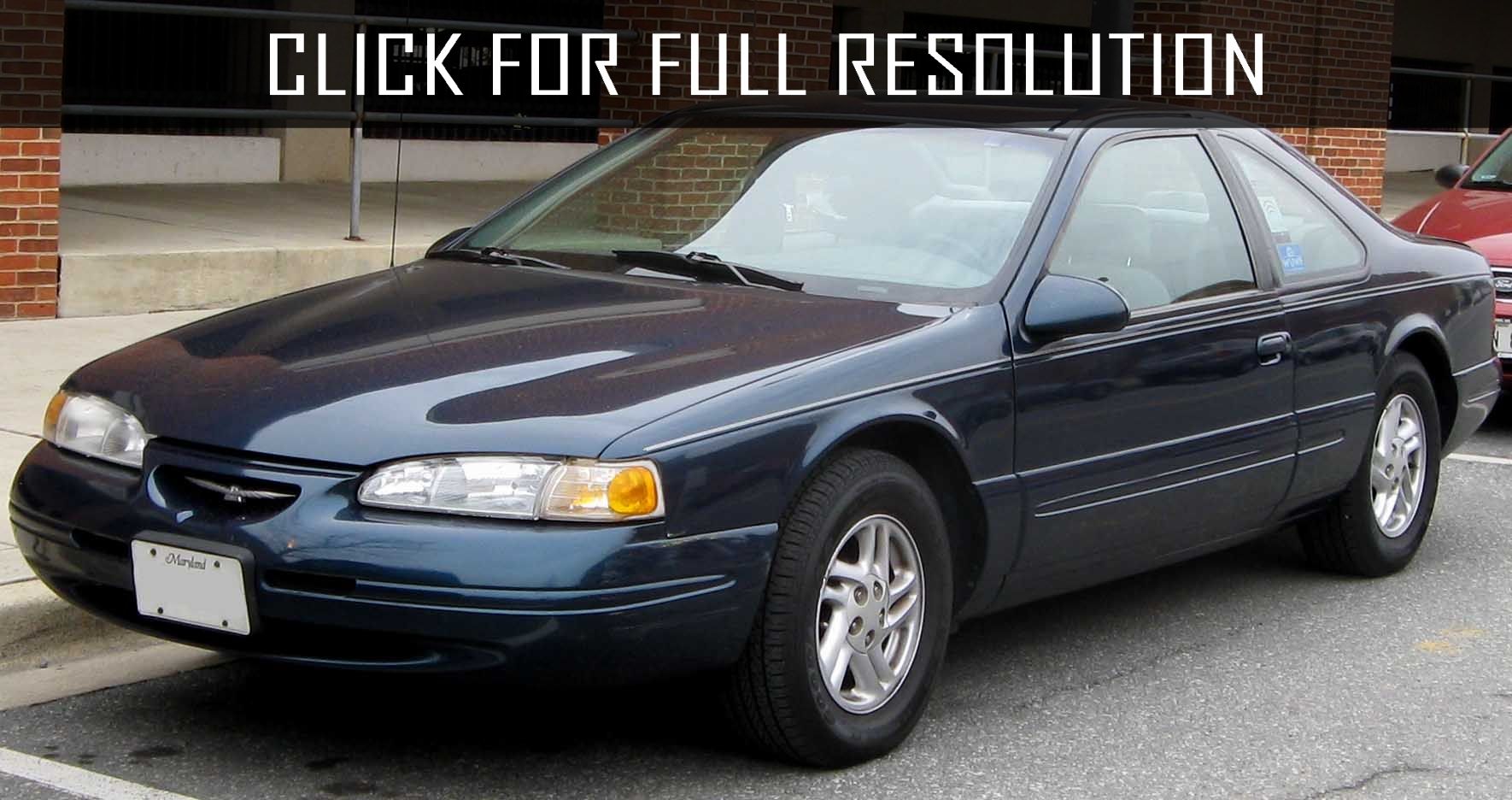
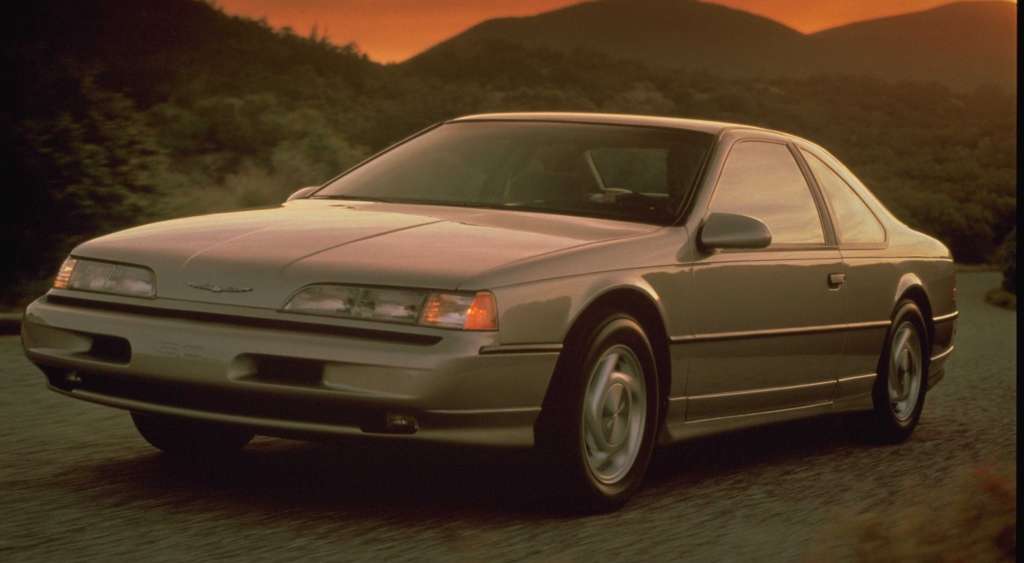
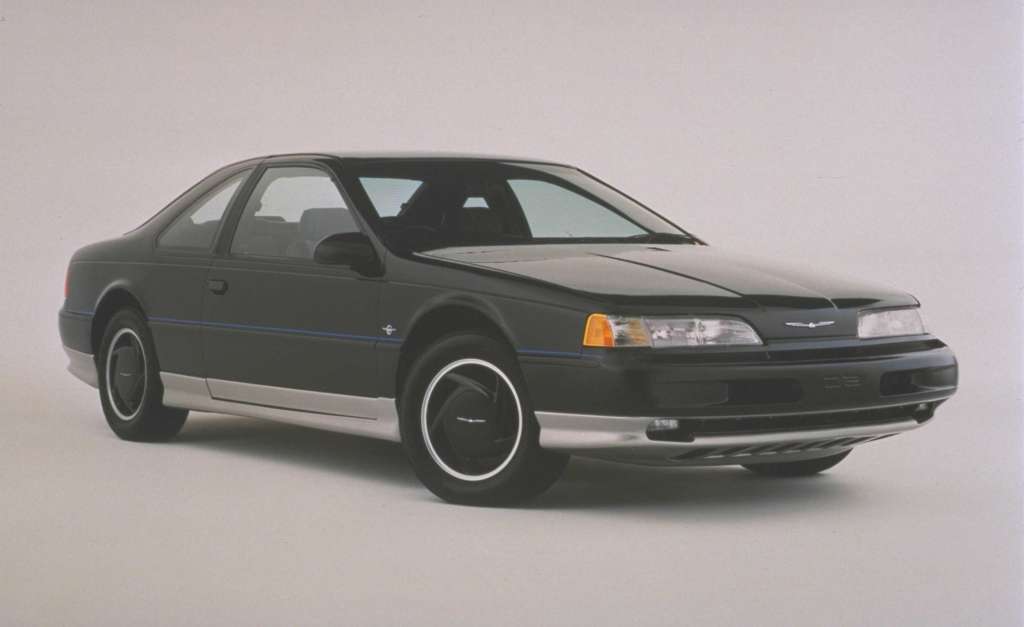
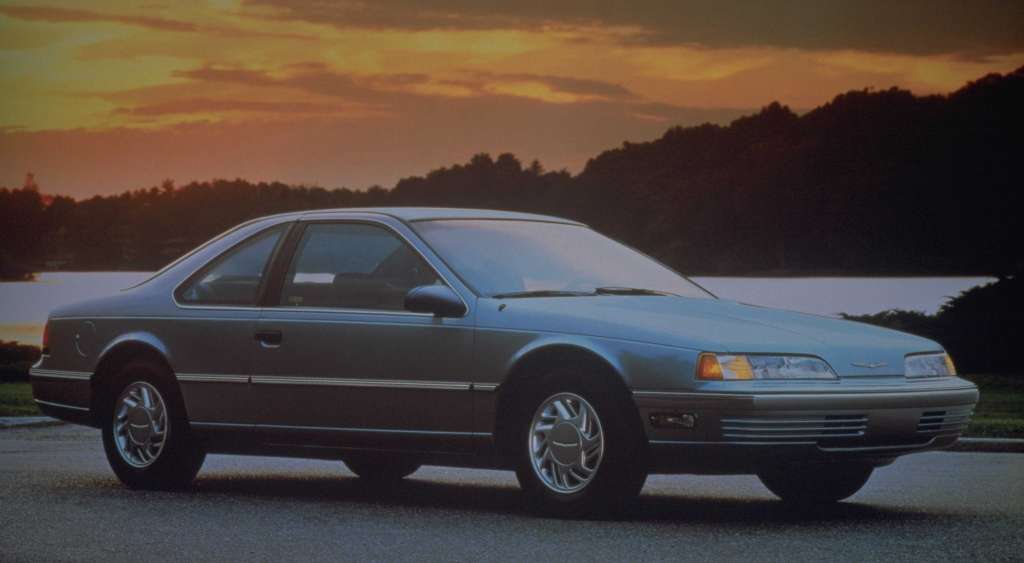
1996 Ford Thunderbird LX Exterior Colors
1996 Ford Thunderbird LX Interior Colors
1996 Ford Thunderbird Engines
| Engine | Standard in Trim | Power | Torque | Fuel Consumption - City | Fuel Consumption - Highway | 0-100 km/h | Quarter Mile | Half Mile |
|---|---|---|---|---|---|---|---|---|
| 3.8L | Base | 234 hp | 224 N.m | L/100km | L/100km | 7.4 s | 15.4 s | 25.5 s |
| SC | 234 hp | 224 N.m | L/100km | L/100km | 8.0 s | 15.7 s | 26.0 s | |
| 4.6L V8 SOHC 16 valves | LX | 205 hp @ 4250 rpm | 224 N.m | 13.5 L/100km | 8.5 L/100km | 8.5 s | 16.4 s | 27.2 s |
| 4.6L V8 SOHC 16 valves | LX | 205 hp @ 4500 rpm | 224 N.m | 13.7 L/100km | 8.4 L/100km | 8.5 s | 16.4 s | 27.2 s |
1996 Ford Thunderbird Trims
1996 Ford Thunderbird Previous Generations
1996 Ford Thunderbird Future Generations
Ford Thunderbird Overview and History
He would later incorporate the firm on June 16, 1903. Ford Motor Company would go on and label their models chronologically in alfabetical order, starting with the Model A to the Model K and Model S, which was Ford's last right-hand steering vehicle. Then, in 1908 Ford introduced the Model T, which was designed by Childe Harold Wills and two Hungarian immigrants, Joseph A. Galamb and Eugene Farkas. This model proved to be of quintessential Ford vehicle, placing the company among the most influential automotive brands in history.
The Ford Model T was reliable, practical and affordable, which made it a big hit in the US, where it was advertised as the middle-class man's vehicle. The car's success compelled Ford to expand his business and layout the basics of mass production principles in 1913 with the introduction of the world's first vehicle assembly line. By 1912, production figures for the Model T alone reached nearly 200,000 units.
This organizational innovation brought in the vehicle construction field allowed Ford to reduce chassis assembly time by as much as 10 hours, dropping from 12 ½ h to 2h 40 min.
Besides ensuring the efficiency of the production process, Ford turned his company into an interactive entity by announcing a new profit-sharing policy. This would grant buyers a cut of profits if sales reached 300,000. As expected, sales effortlessly reached the 300k threshold and went even further to hit a record 501,000 in 1915.
As part of a new set of financial tactics, Ford provided working places for the disabled who otherwise had a hard time finding a job, reduced work shifts and doubled all employee's salaries. Changes like these sparked a tremendous sales increase while also setting the base of modern working conditions.
Still, the US and Canadian market would prove to be too small to fit Ford's plans. By the mid 20's, the Ford label had crossed the ocean and reached England, France, Germany, Denmark, Austria as well as distant Australia. The company's activity on European grounds further helped the brand's revenue growth.
War would not shake the Ford company as bad as other car makers. Post WWI improvements include the introduction of four-wheel brakes and a series of new vehicle releases to match new consumer demands. In 1922 Ford entered the luxury car segment with the acquisition of the Lincoln Motor Company, named after Abraham Lincoln whom Henry Ford admired.
Ford Motor Co. was one of the few big American corporations to survive the Great Depression, although the plummeting automotive sales led the company to scale down its operations and lay off many workers. In May 1929, Ford Motor Co. signed an agreement with the Soviet Union to provide technical assistance until 1938 to construct an integrated automobile-manufacturing plant at Nizhny Novgorod, in exchange for the Soviets purchasing $ 13 million worth of automobiles and parts. Under this agreement many American engineers and skilled auto workers went in 1932 to work on the Gorkovsky Avtomobilny Zavod (GAZ), or Gorki Automotive Plant. The few who remained in the Soviet Union after the completion of the plant fell victims to Stalin's Great Terror, ending either shot or exiled to Soviet gulags.
With the arrival of WWII Ford increased its influence on the global stage becoming an active player in the war effort, a thing underlined by US President Franklin Roosevelt referring to Detroit as the "Arsenal of Democracy." When the US War Department handed production of B-24 Liberator airplanes to Ford, the output rose to 20 airplanes per day instead of only one per day managed by the Consolidated Aircraft Corporation.
After WWII Ford continued its passenger vehicle operations and in 1955 introduced the iconic Thunderbird model. Then it introduced the Edsel brand in 1958, which proved to be a failure and was dissolved in 1960. Part Edsel's failure as an automotive brand resided in the onset of the 1957 recession in the States and the vehicle's high price tag.
Ford Motor Co. managed to get back up from its Edsel failure with the introduction of the Falcon model in 1960 and the Mustang in 1964. The company's next major step was represented by the formation of Ford Europe division in 1967.
Ford plunged into a state of brand-fatigue that would bring the company to the point of near bankruptcy. Following major sales losses in the 2000's, Ford was pinned against the wall by debts and the imminence of closing down.
Preferring to make it back on its own, Ford mortgaged all of its assets in 2006. As of then, the company has releases a variety of new models both under the Ford brand name and the rest of the sub-brands it owns such as fresher and edgier Mercuries and flashier Lincolns, Ford's luxury division. Business in Europe has also been good for Ford, especially after the introduction of the Focus model in 1997 and although it hasn't fully recovered, it's definitely on the way to regaining popularity.
1996 Ford Thunderbird Consumer Reviews
Compare Against Competitors
1996 Ford Thunderbird LX Specifications
LX Dimensions
| Cargo Capacity | 428 L |
|---|---|
| Curb Weight | 1604 kg |
| Fuel Tank Capacity | 68 L |
| Height | 1334 mm |
| Length | 5088 mm |
| Wheelbase | 2870 mm |
| Width | 1847 mm |
LX Mechanical
| Drive Train | Rear-wheel drive |
|---|---|
| Engine Name | 3.8L V6 OHV 12 valves |
| Engine Name (Option) | 4.6L V8 SOHC 16 valves |
| Traction Control (Option) | Yes |
| Transmission | 4 speed automatic |
LX Overview
| Body | Coupe |
|---|---|
| Doors | 2 |
| Engine | 4.6L V8 SOHC 16 valves |
| Fuel Consumption | 13.7 (Automatic City)8.4 (Automatic Highway) |
| Power | 205 hp @ 4500 rpm |
| Seats | 5 |
| Transmission | 4 speed automatic |
| Warranties | Bumper-to-Bumper60000/km, 36/Months Powertrain60000/km, 36/Months Roadside Assistance60000/km, 36/Months Rust-throughUnlimited/km, 60/Months |
LX Safety
| Anti-Lock Brakes | Std |
|---|---|
| Anti-Theft Alarm | None |
| Brake Type | Front disc/rear drum |
| Driver Airbag | None |
| Passenger Airbag | None |
LX Suspension and Steering
| Front Tires | P205/70R15 |
|---|
Discussion and Comments
Share Your Comments