1991 Lexus LS 400 0-60 Times, Top Speed, Specs, Quarter Mile, and Wallpapers

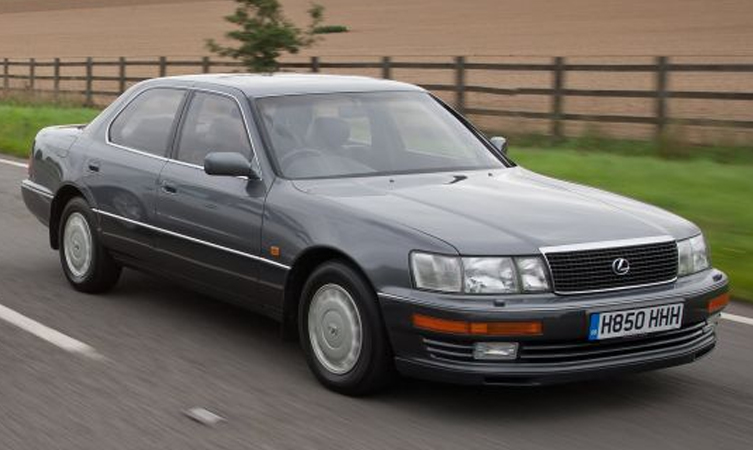
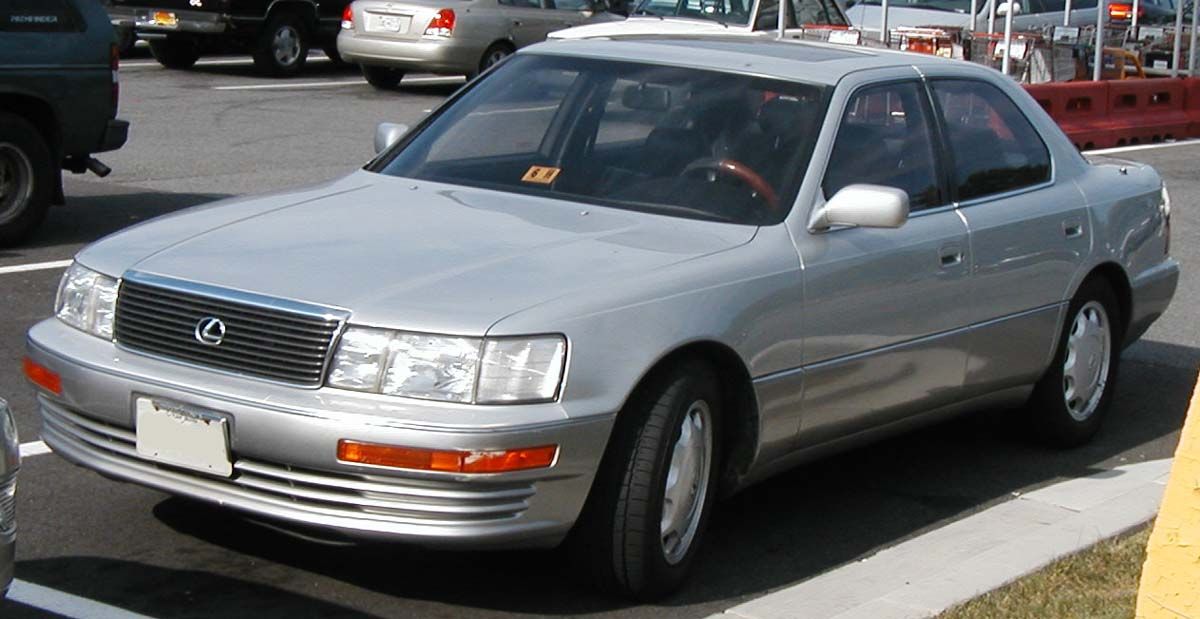
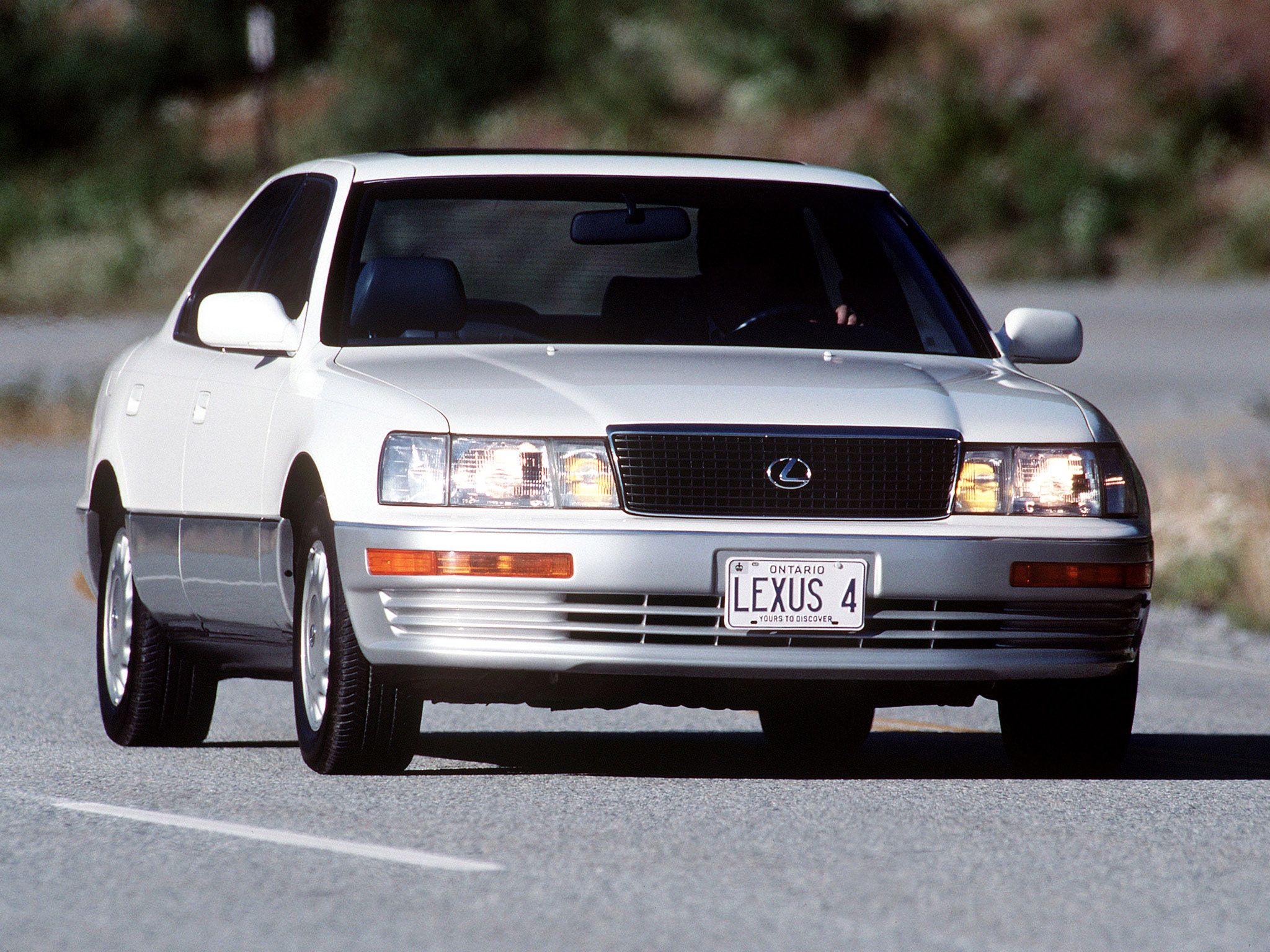
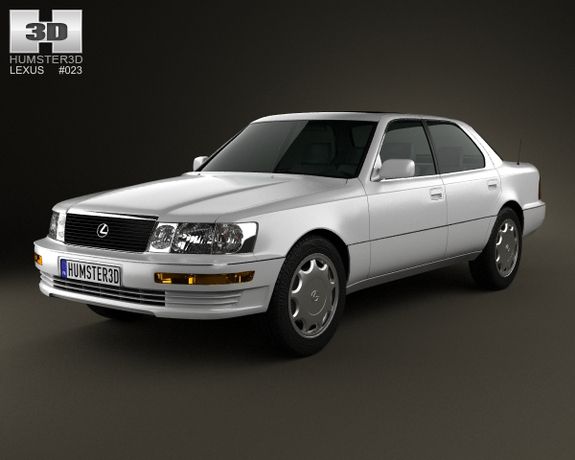
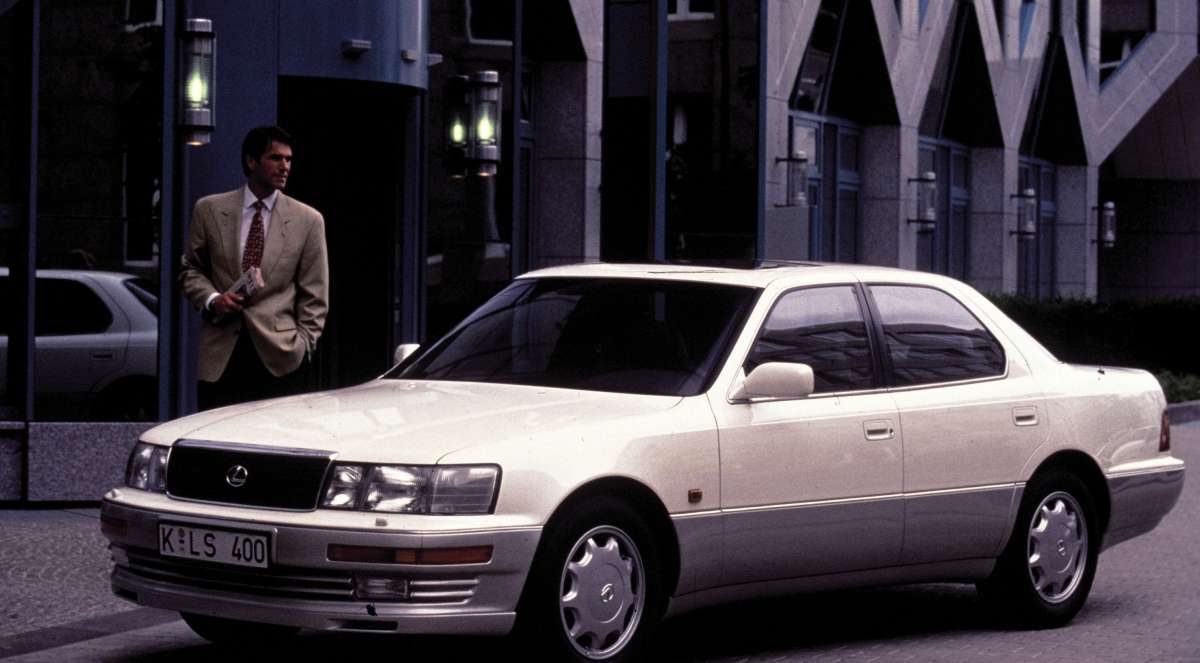
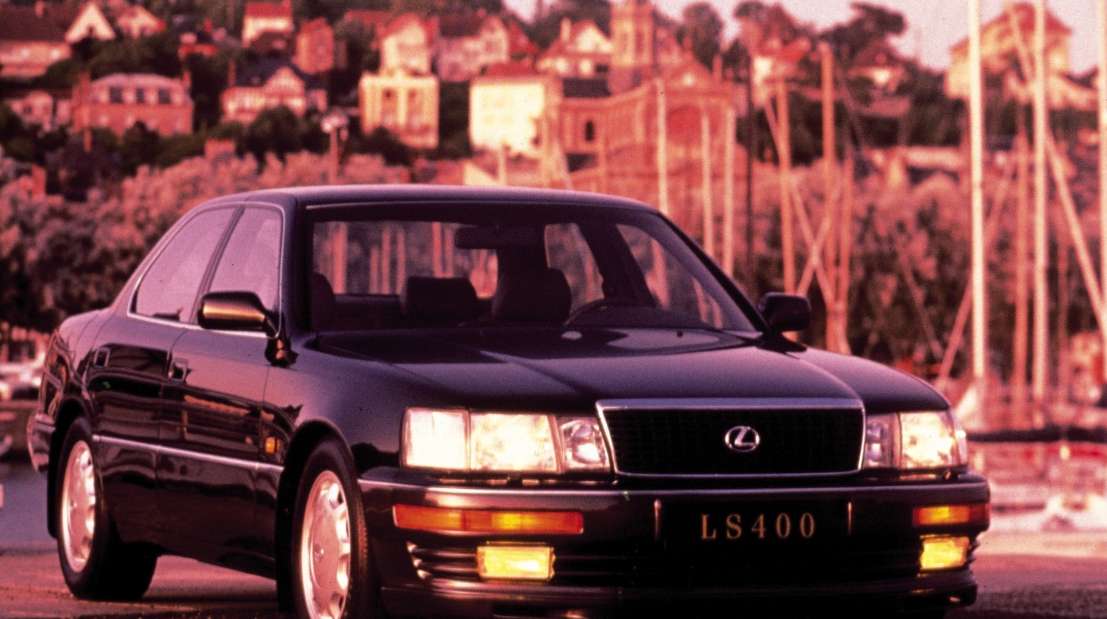
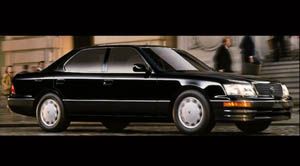
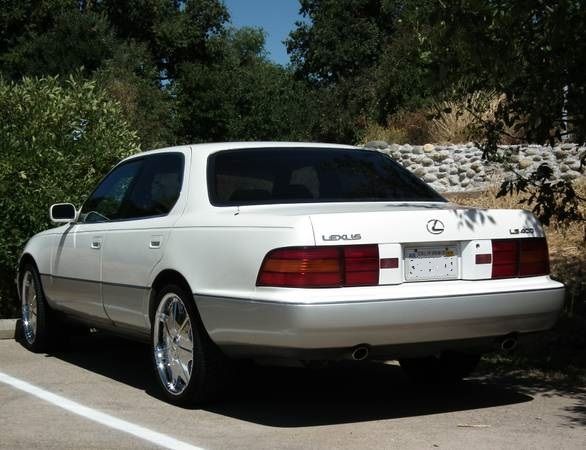
The 1991 Lexus LS 400 is a Sedan. It has 4 Doors and is powered by a engine which outputs 253 hp and is paired with gearbox. The 1991 Lexus LS 400 has cargo capacity of Liters and the vehicle weighs 1705 kg. In terms of ride assists, the 1991 Lexus LS 400 has stability control and traction control in addition to anti-lock brake system (ABS). The vehicle has an optional engine as well It offers and. Safety features also include and. The front suspension is while the rear suspension is. The car also features a It has as standard. Electronic features include Cruise Control. For convenience, the car has Power windows and Power door locks. There is also a remote keyless entry feature. Moreover, the car has. The steering wheel has audio control buttons. In terms of performance, the car has 276 N.m of torque and a top speed of 232 km/h. The 1991 Lexus LS 400 accelerates from zero to 60 mph in 7.6 seconds and hits quarter mile at 15.3 seconds. Fuel consumption is L/100km in the city and L/100km in the highway. The car price starts at $ 63,000
| Name | 400 | |
|---|---|---|
| Price | $ 63,000 | |
| Body | Sedan | |
| Doors | 4 Doors | |
| Engine | ||
| Power | 253 hp | |
| Number of Seats | N/A Seats | |
| Transmission | ||
| Cargo Space | L | |
| Maximum Cargo Space | L | |
| Wheel Type | ||
| Series | LS I | |
| Drivetrain | Rear wheel drive | |
| Horsepower | 253 HP | |
| Torque | 276 N.m | |
| Top Speed | 232 km/h | |
| Acceleration 0-100 km/h (0-60 mph) | 7.6 s | |
| Fuel Type | Petrol (Gasoline) | |
| Fuel Consumption (City) | L/100km | |
| Fuel Consumption (Highway) | L/100km | |
| Gear Type | auto | |
| Weight | 1,705 KG | |
| Brand | Lexus | |
| Model | LS | |
| 0-400m (Quarter Mile) | 15.3 s | |
| 0-400m (Quarter Mile) - Speed | 150.4 km/h | |
| 0-800m (Half Mile) | 25.4 s | |
| 0-800m (Half Mile) - Speed | 169.3 km/h | |
| Modifications (MODS) | ||
| Modifications Cost | $ 0 |
1991 Lexus LS Used Price Estimates
Estimates based on a driving average of 12,000 miles per year| Used Condition | Trade In Price | Private Party Price | Dealer Retail Price |
|---|---|---|---|
| Average | $ 700 | $ 1,300 | $ 1,060 |



1991 Lexus LS 400 Exterior Colors
1991 Lexus LS 400 Interior Colors
1991 Lexus LS Engines
| Engine | Standard in Trim | Power | Torque | Fuel Consumption - City | Fuel Consumption - Highway | 0-100 km/h | Quarter Mile | Half Mile |
|---|---|---|---|---|---|---|---|---|
| 400 | 253 hp | 276 N.m | L/100km | L/100km | 7.6 s | 15.3 s | 25.4 s |
1991 Lexus LS Trims
1991 Lexus LS Previous Generations
1991 Lexus LS Future Generations
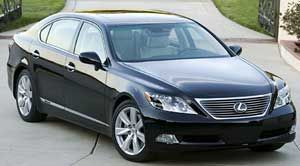
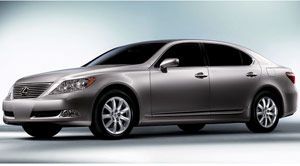
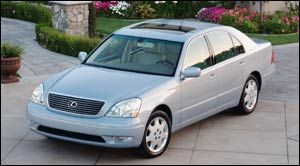
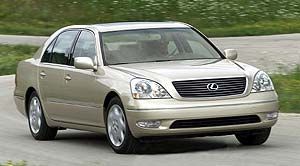

Lexus LS Overview and History
Such a meeting was held in 1983 between Toyota chairman Eiji Toyoda and his company executives. Toyoda had not invited his enforcers over for cookies and tea but to question them about the possibility of developing a luxury-car line that could successfully compete with American brands. The project was labeled as F1 -Flahship 1- and proved to be a most lucrative endeavor. The result was a vehicle that later became known as the Lexus LS 400 prior to its US premier.
The LS 400 was not just a car that took time and resources to built. In researching American luxury-product consumer habits and lifestyles, the Japanese went as far as renting a house in Laguna beach in order to observe their “subjects” closely. Offspring of long-gestating consumer research and cutting-edge engineering, the LX 400 was a hit.
Endorsed by insightful advertising, the LS 400 made its entrance at the North American Auto Show in Detroit, 1989 where it was one of the main attractions. And how could it not have been after 24 engineering teams and a few thousands employees worked on 450 prototypes at the cost of a paltry $ 1 billion investment?
The main advantage Lexus had over Acura, that had reached US markets 3 years before, was its uniqueness. Unlike the first Acura models which were sold as rebadged Hondas, the Lexus held little connections to Toyota design patterns.
Silent, ergonomic, powerful and reliable, the LS became a fierce competitor for European imports such as Mercedes Benz and BMW, whose sales drastically dropped following Lexus' trumpeting market entrance.
Models like the ES 250 followed which along the LS registered enough sales to allow the brand expanding through an 81-dealership network. During those first years of sales, Lexus became the top-selling luxury car in the U.S. Things were going smoothly for the Japanese manufacturer, just like its cars, and in 1991, two new models were released: the SC400 coupe and the ES 300 sedan. The latter was marketed as a replacement for the ES 250 and quickly became the company's best selling sedan.
Following the release of a heir to the LS 400 and the Toyota Aristo-based series of the GS, Lexus entered the sport utility vehicle segment in 1996 with the launch of the LX 450, a large car based on the Toyota Land Cruiser 100. By 1998, Lexus would release the RX, a top-selling crossover based on Toyota's Camry model as well as a new series of the GS. During the following years, further technological improvements such as the introduction of the Lexus Hybrid Drive system on the 2005 RX 400h, resulted in an even greater sales increase.
Things were so good for Lexus that it has constantly grown since its inception. The brand has been introduced to the Japanese home-market in 2005 as well as it has in other regions of Asia and South America as well as Australia and Europe. By 2007, Lexus had spread in over 50 countries and it continues to grow. The company's “pursuit of perfection” is fronted by its current line-up, comprised of the IS, LS and RX series among others as well as the avant-garde LF-A concepts.
1991 Lexus LS Consumer Reviews
1991 Lexus LS 400 Specifications
400 Overview
| Body | Sedan |
|---|---|
| Doors | 4 |
| Fuel Consumption | |
| Seats | N/A |
Discussion and Comments
Share Your Comments