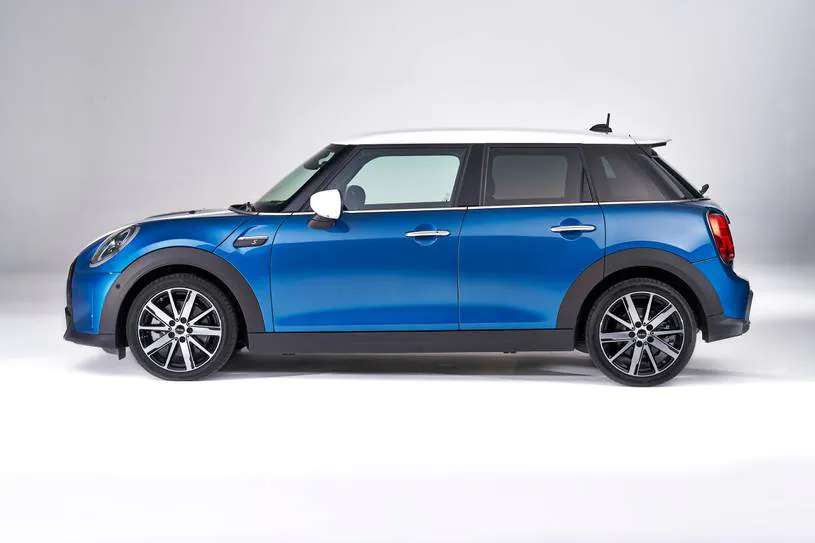
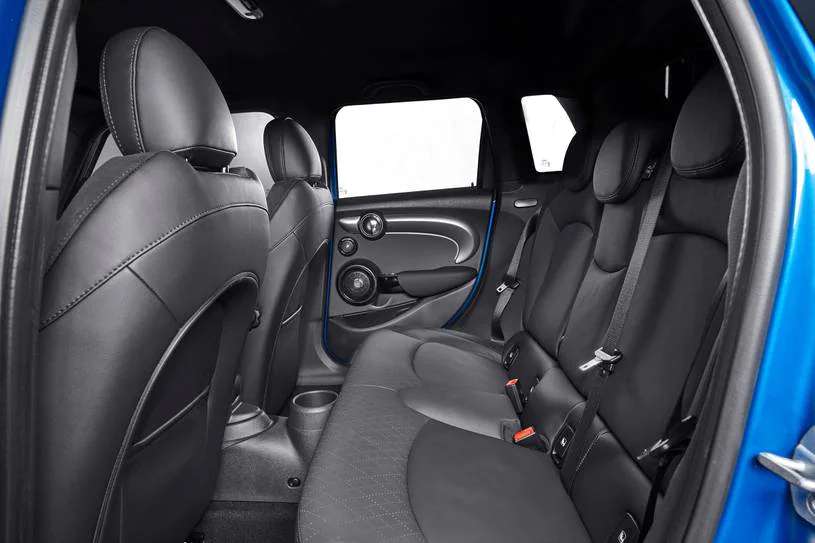
The 2022 MINI HARDTOP 4 DOOR 2022 MINI Hardtop 4 Door Cooper Oxford is a Front wheel drive Sedan. It can accommodate up to 5 passengers. It has 4 Doors and is powered by a Inline 3 engine which outputs 134 hp @ 4,500 rpm and is paired with 6-speed manual gearbox. The 2022 MINI HARDTOP 4 DOOR 2022 MINI Hardtop 4 Door Cooper Oxford has cargo capacity of 371 Liters and the vehicle weighs 1293 kg. In terms of ride assists, the 2022 MINI HARDTOP 4 DOOR 2022 MINI Hardtop 4 Door Cooper Oxford has stability control and traction control in addition to anti-lock brake system (ABS). The vehicle has an optional engine as well It offers and yes. Safety features also include yes and yes. The front suspension is while the rear suspension is. The car also features a yes It has as standard. Electronic features include Cruise Control. For convenience, the car has Power windows and Power door locks. There is also a remote keyless entry feature. Moreover, the car has. The steering wheel has audio control buttons. In terms of performance, the car has 146 N.m of torque and a top speed of 188 km/h. The 2022 MINI HARDTOP 4 DOOR 2022 MINI Hardtop 4 Door Cooper Oxford accelerates from zero to 60 mph in 9.9 seconds and hits quarter mile at 17.2 seconds. Fuel consumption is L/100km in the city and L/100km in the highway. The car price starts at $ 23,900
Estimates based on a driving average of 12,000 miles per year
Used Condition
Trade In Price
Private Party Price
Dealer Retail Price
The Mini Hardtop 4 Door is a variation of Mini's classic Hardtop 2 Door, but with a slightly longer wheelbase and — as you might have guessed — another pair of doors. It's still a small hatchback, but the increased legroom and extra set of entry portals mean it's a little more family-friendly than the standard model.
This Hardtop generation is getting on in its years — it launched back for the 2014 model year — but constant updates have prevented it from becoming too stale. This theme of constant improvement continues with the updated
2022 Mini Hardtop 4 Door
, which debuts a fresh new look and interior improvements.
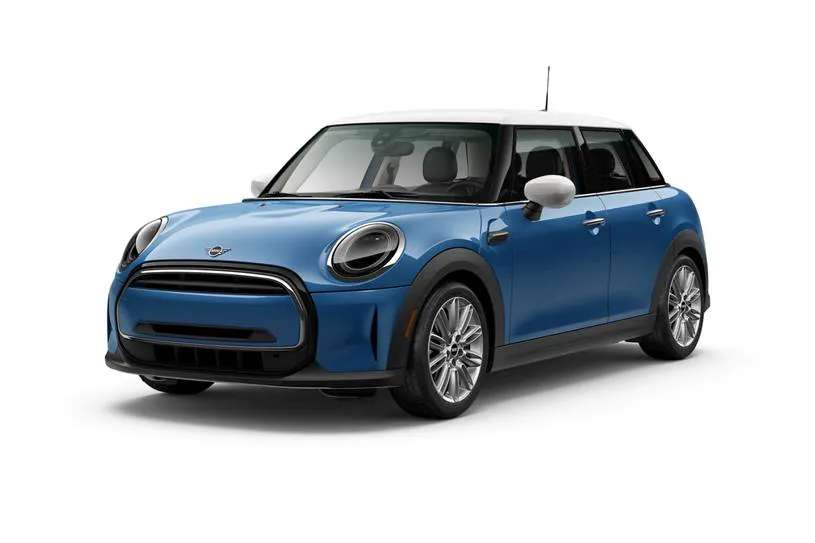
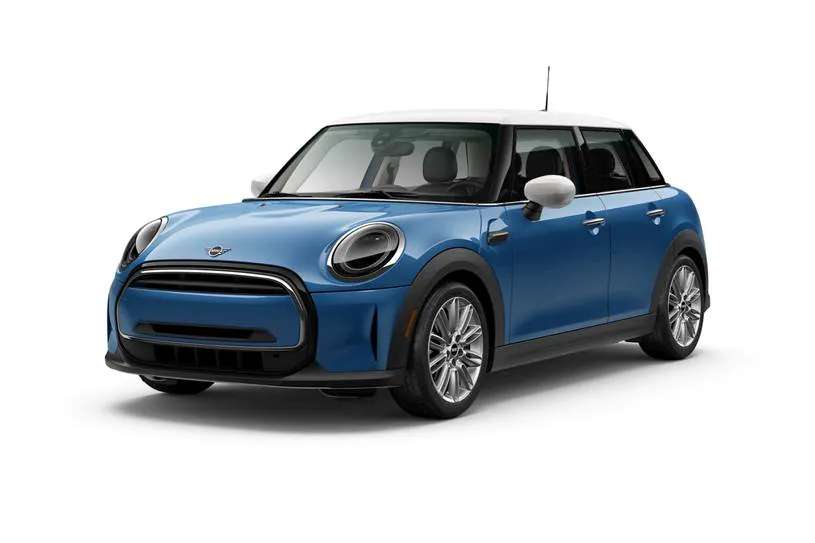
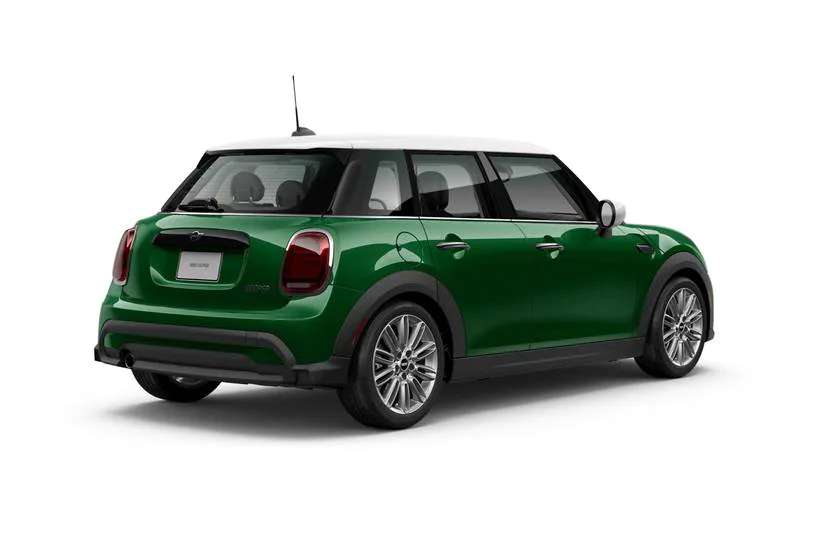
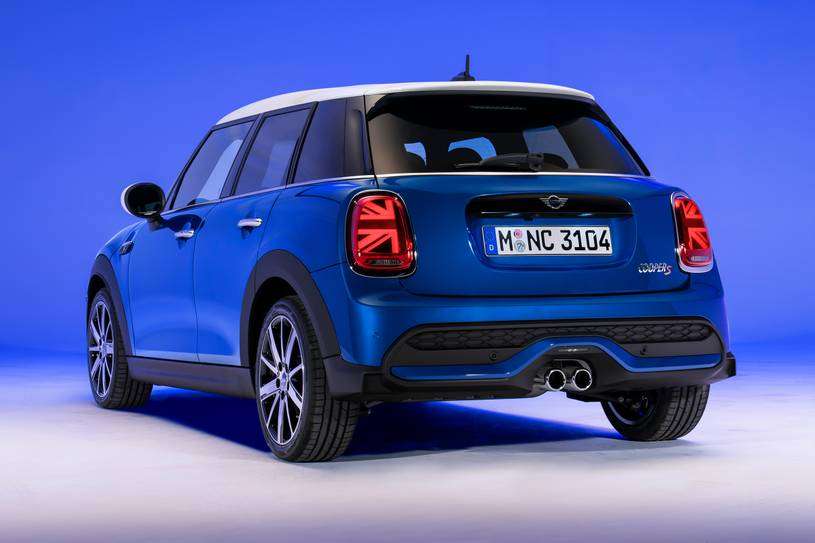
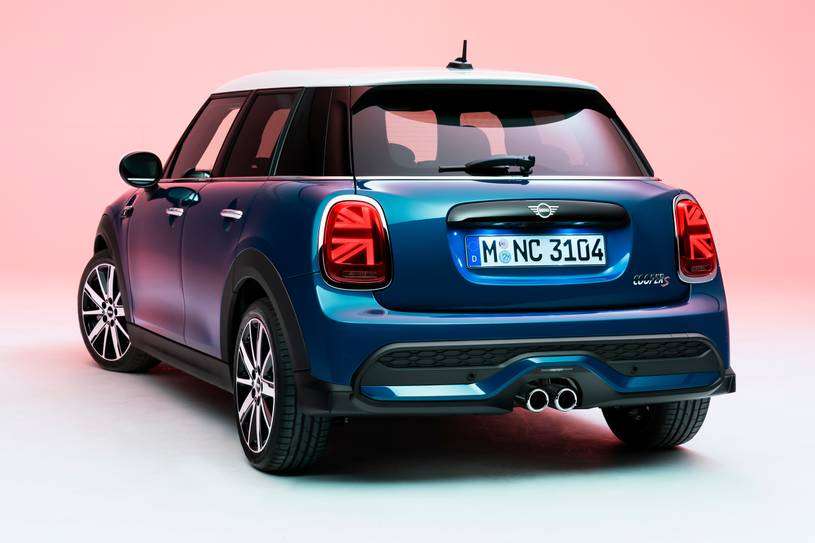
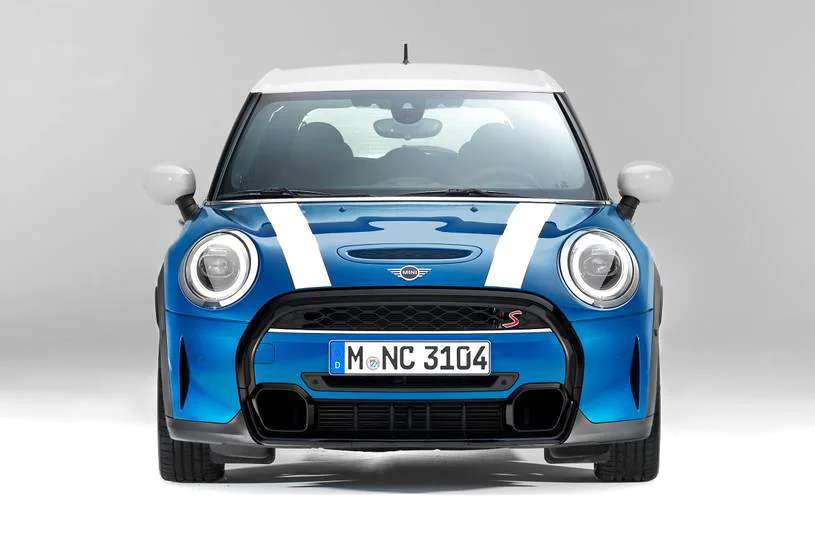
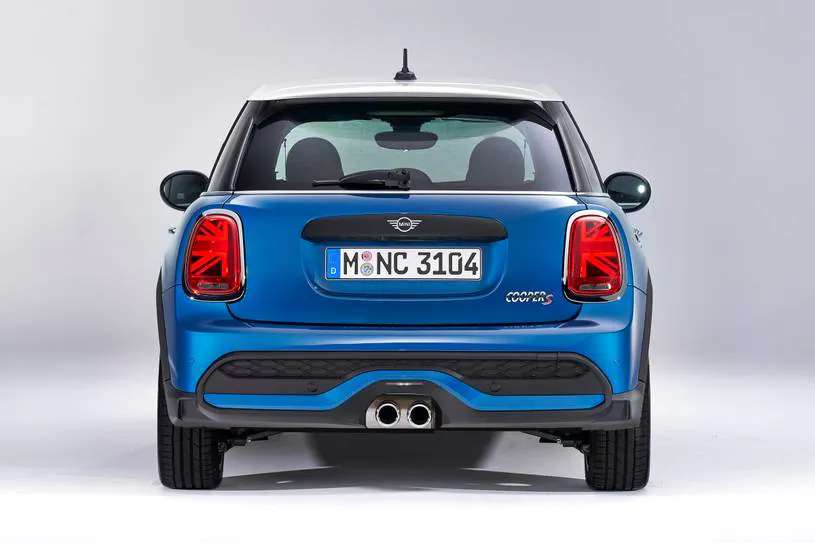
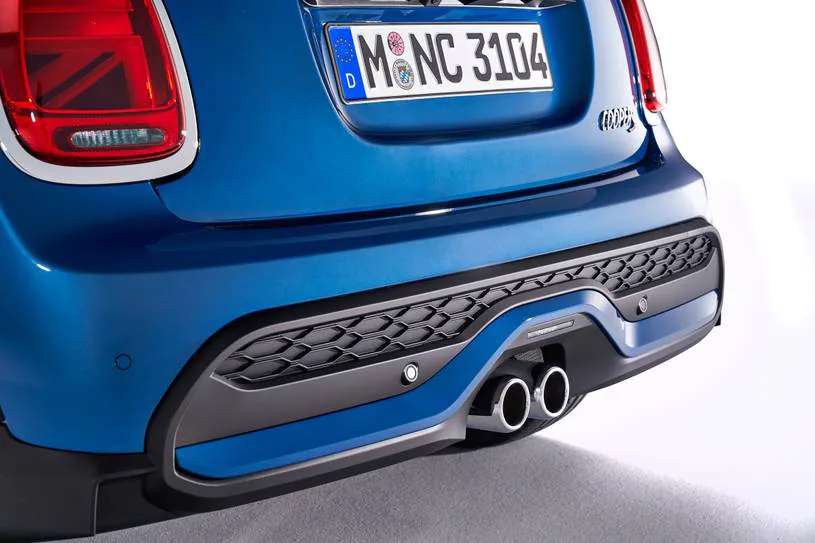
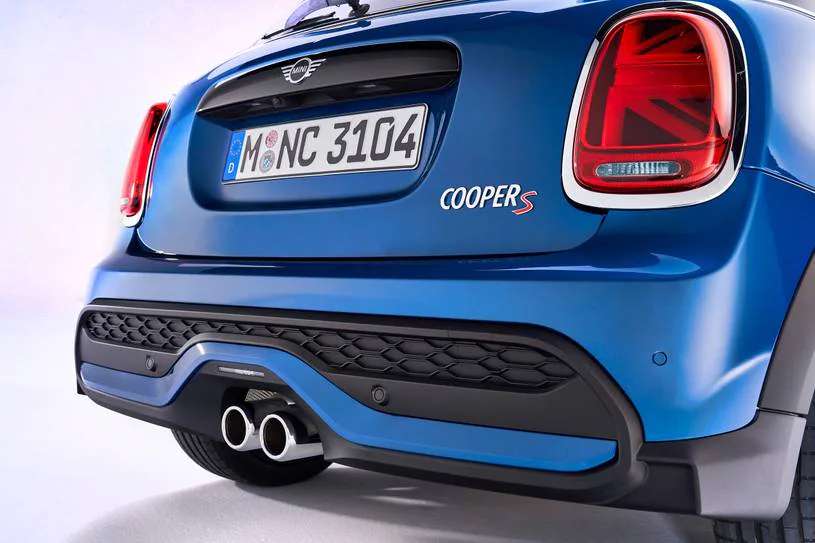
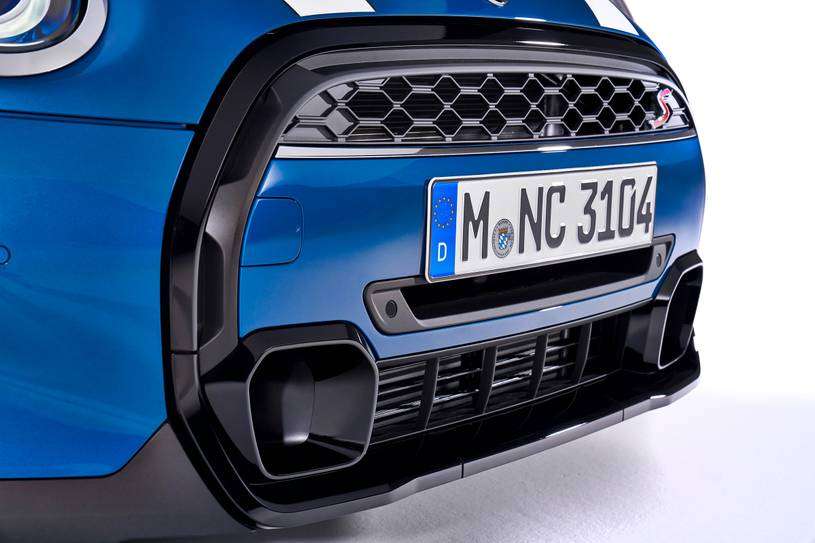
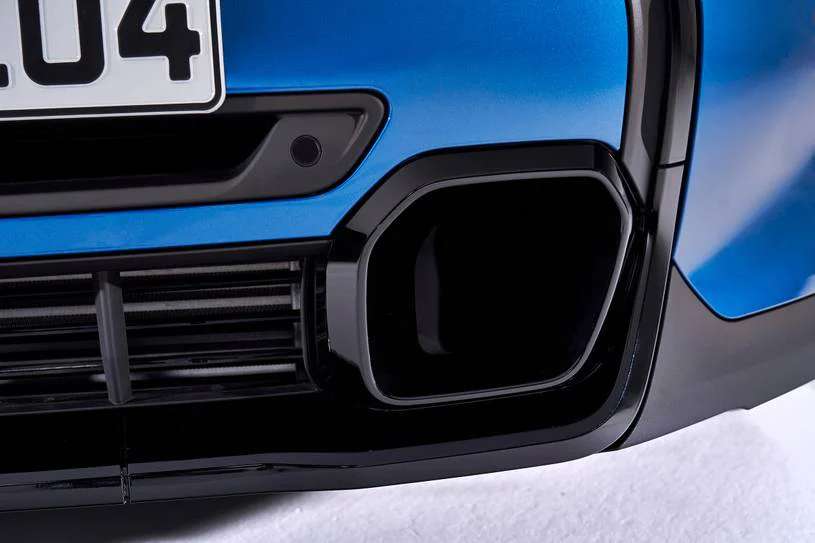
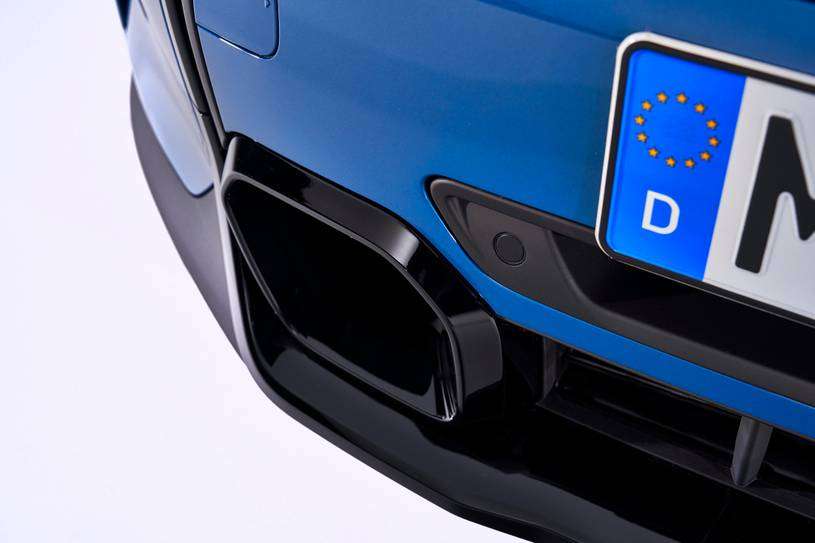
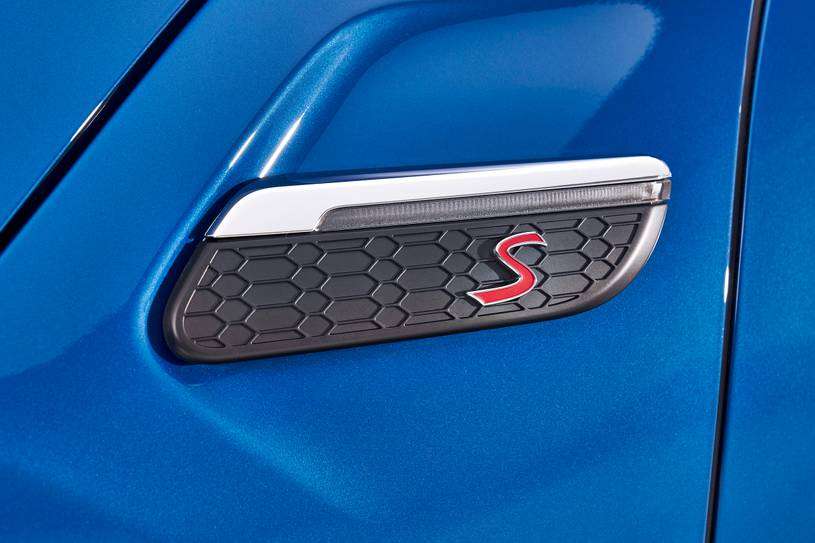
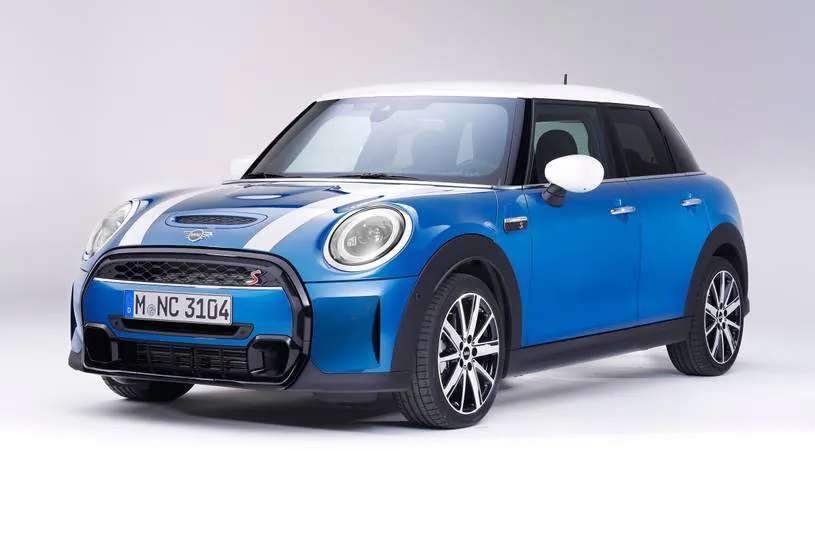
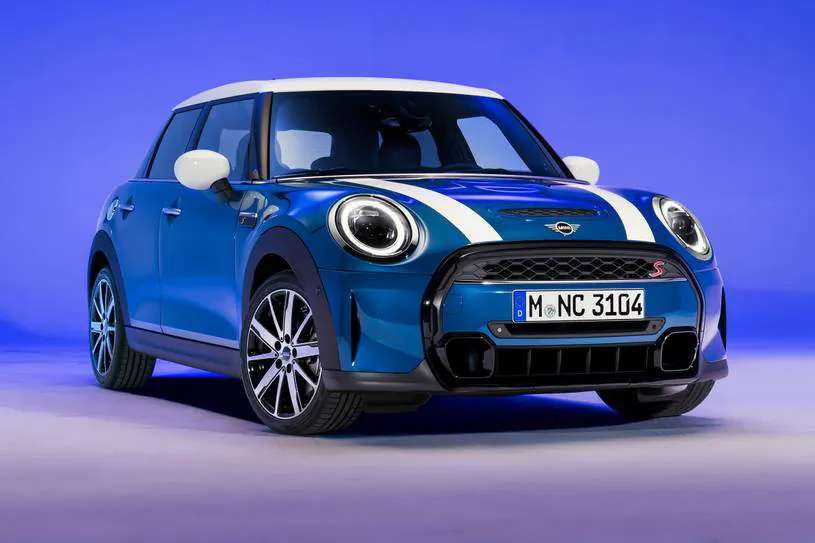
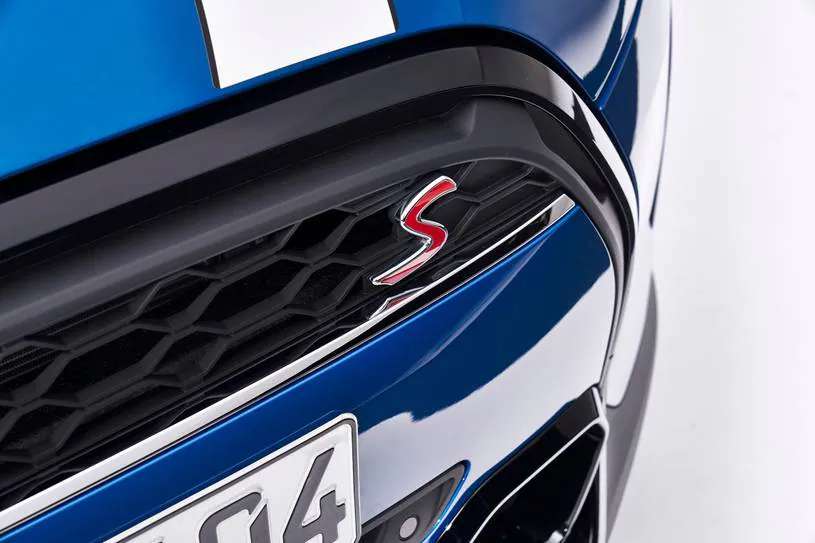
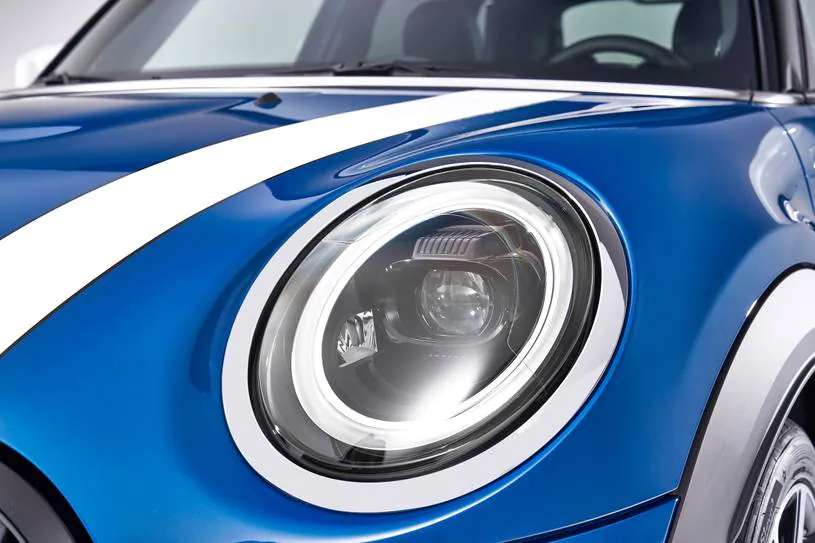
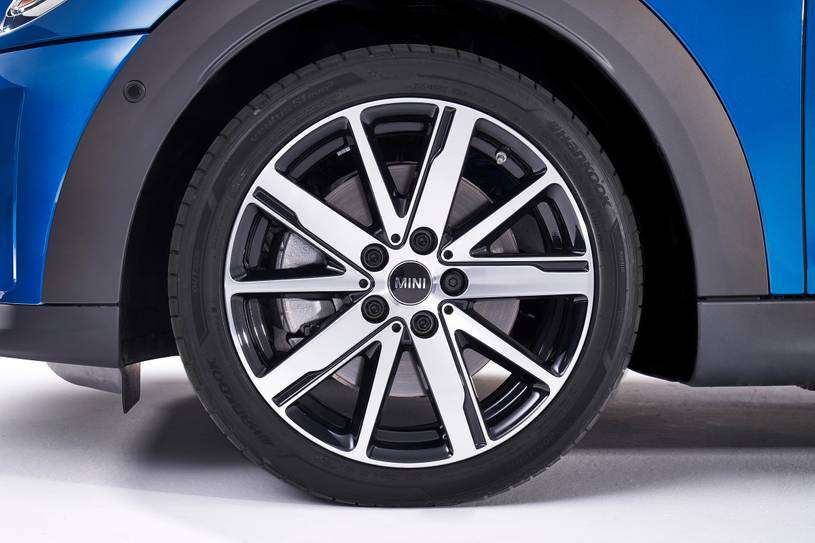
The most significant change in store for the 2022 Hardtop is its refreshed exterior. The front end now incorporates a body-colored panel that runs to the edge of the chrome grille; previously, that panel was black. The grille's chrome trim — along with the badges, door handles and tailpipes — can now be ordered in a gloss black treatment to distinguish it from previous models, which had chrome-only frames. In back are a restyled bumper and standard application of Mini's Union Jack-style taillights.
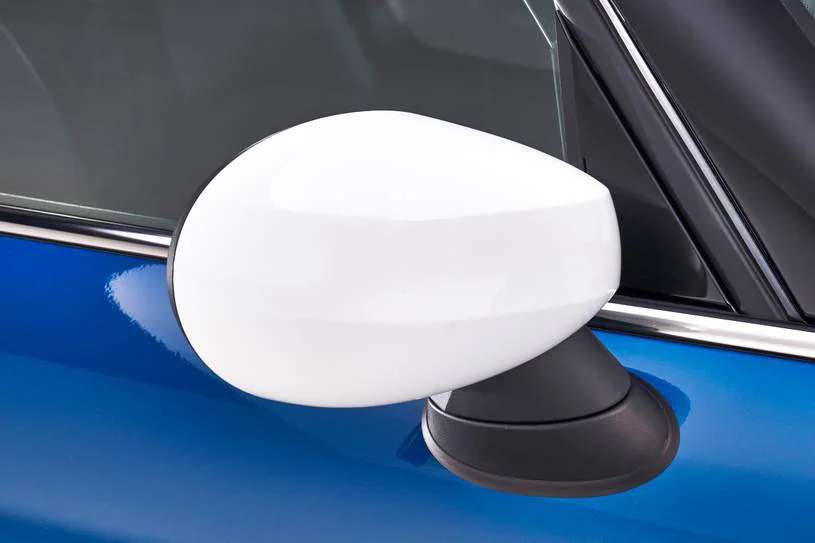
If you want to give your Mini even more of a distinctive look, you can opt for a contrasting roof color. Blue, yellow and gray join the list of previously available white, black and body-colored roofs. There is also the new Multitone roof, which features a color gradient that morphs from blue to black.
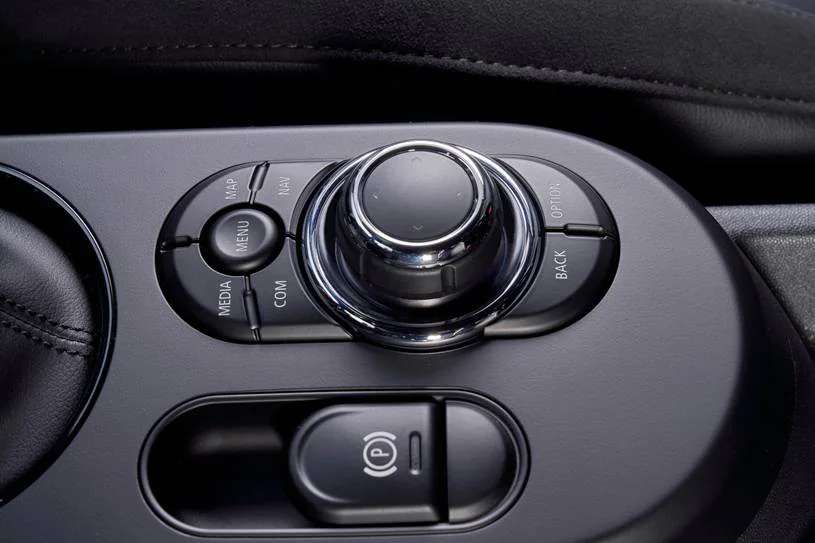
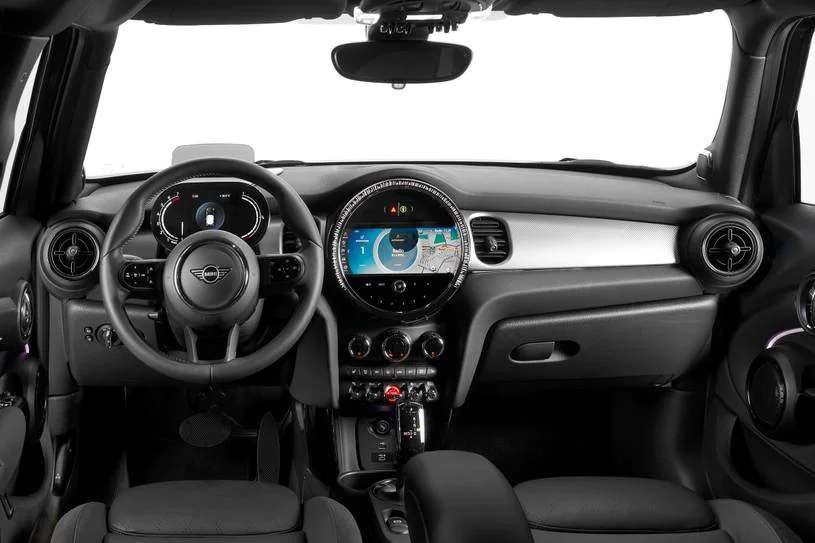
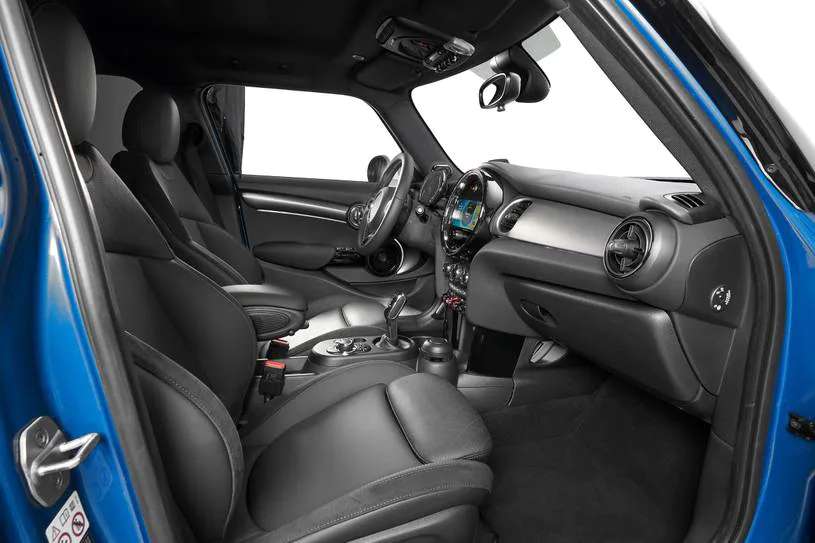
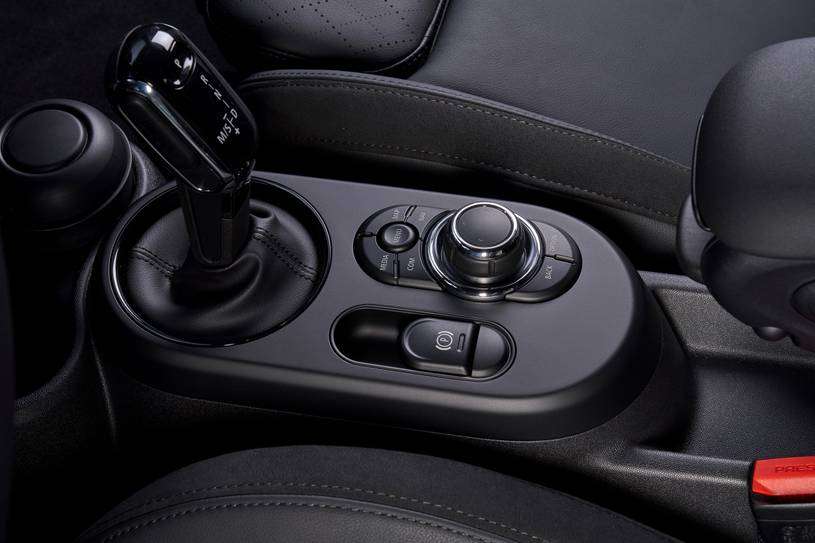
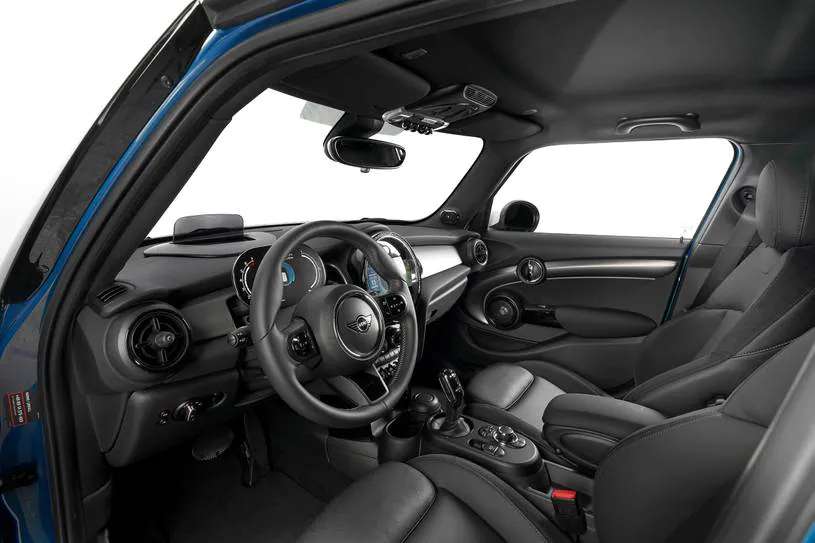
The Hardtop's interior is slightly revised as well. A digital instrument panel from the two-door-only electric Cooper SE is now standard across the model line. Also standard: an 8.8-inch central display, satellite radio and lane departure warning. A heated steering wheel and adjustable ambient lighting join the options list. Apple CarPlay smartphone integration remains an optional extra, and there's still no support for Android Auto. Other key components, from the suspension and powertrain choices, are unchanged from last year
Mini's choice to just go with cosmetic updates rather than a more substantial redesign has left the 4 Door outmatched. Fresher rivals such as the Honda Civic, Hyundai Veloster and Volkswagen Golf GTI provide more in terms of performance and tech features. Still, if you were a Mini enthusiast to begin with, you'll likely be happy with the Hardtop's aesthetic changes.
2022 MINI HARDTOP 4 DOOR 2022 MINI Hardtop 4 Door Cooper Oxford Exterior Colors
2022 MINI HARDTOP 4 DOOR 2022 MINI Hardtop 4 Door Cooper Oxford Interior Colors
One of the most easily recognizable cars in the world, the Mini has managed to attain cult status despite the fact that it's as common as they come. The idea and the design of the Mini came from the British Motor Corporation originally, but the small car has undergone several changes when it comes to the producer.
Back in the 60s it started a whole new craze because, despite it being very small, it actually had enough space inside for passengers and luggage. This was thanks to the innovative design of the front wheel drive and engine. Initially, the cars were sold either under the Austin or the Morris badge. It wasn't until 1969 that Mini became a marque of its own.
The Minis were also quite efficient from the performance point of view, having a unibody that further reduced weight and granted more space inside the car. Its design became so known that by 1990 Rover Group, descendants of BMC, decided to trademark the car.
The first Mini was produced in August 1959, the Mark I also known as the Austin 850 and the Morris 850 in international markets, while in the UK they were known as Austin Seven or the Morris Mini-Minor. Until the end of the first generation in 1967, the cars received several upgrades including better suspension and automatic transmission.
The second generation of cars was produced between 1967 and 1970. They had a redesigned front grill and a larger rear window. It was these cars that were used to make the hit film “The Italian Job” in 1969.
An interesting version of the Mini can in 1961 when John Cooper, owner of the Cooper Car Company saw the potential of the small cars and decided to create the Mini Cooper, a more powerful version of the basic Austin Mini Cooper and Morris Mini Cooper. It had a bigger engine at 997cc, 55hp, twin SU carburetors, a closer ration gearbox and disc brakes.
The good reviews for this version led to the development of an even sportier version, the Mini cooper S in 1963. Cooper also built cars specifically for the racing circuit. These were particularly successful in the Monte Carlo Rally which they won in 1964, 1965 and 1967 (in 1966 they were disqualified despite finishing on the top three positions).
The third generation of Minis, the Mark III, came between 1970-2000. These had bigger bodies, concealed door hinges and winding windows (previous models had sliding ones). Despite all their best efforts, the manufacturers simply couldn't bring that new air look to the Mini, now in serious need of a make-over, a fact which severely affected overall sales.
The only way that the Mini survived during the 80s and 90s was to come up with “special editions”. This was in part the doing of BMW which bought the remnants of BMC under the Rover badge. These models were seen as cool fashion icons, a touch of retro in an otherwise modern market. But BMW wasn't finished with the Mini logo which it still held, in 2001, the technologically advanced New Mini was launched, which was otherwise unrelated to the old car. In 2007 the number of car produced reached 1 million.
Discussion and Comments
Share Your Comments