2018 Mitsubishi Outlander GT S-AWC 0-60 Times, Top Speed, Specs, Quarter Mile, and Wallpapers
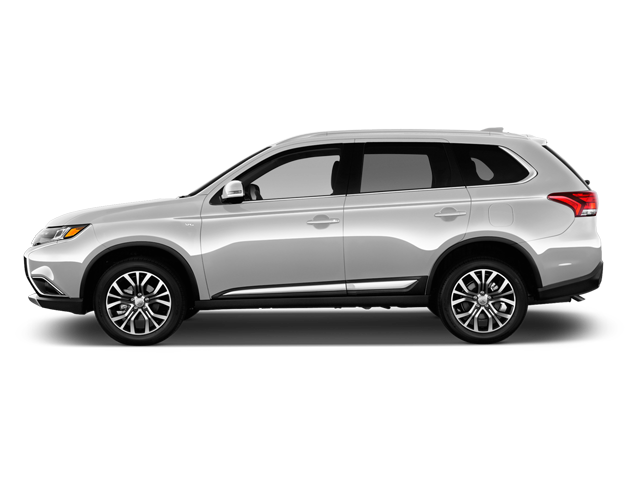
The 2018 Mitsubishi Outlander GT S-AWC is a All-wheel drive Sport Utility. It can accommodate up to 7 passengers. It has 5 Doors and is powered by a 3.0L V6 SOHC 24-valve engine which outputs 224 hp @ 6250 rpm and is paired with 6-speed automatic transmission with manual mode gearbox. The 2018 Mitsubishi Outlander GT S-AWC has cargo capacity of 292 Liters and the vehicle weighs 1630 kg. In terms of ride assists, the 2018 Mitsubishi Outlander GT S-AWC has stability control and traction control in addition to anti-lock brake system (ABS). The vehicle has an optional engine as well It offers and Multi view monitor. Safety features also include Driver-side front airbag and Passenger-side front airbag. The front suspension is Front independent suspension while the rear suspension is Rear independent suspension. The car also features a Yes It has 18-inch alloy wheels as standard. Electronic features include Cruise Control. For convenience, the car has Power windows and Power door locks. There is also a remote keyless entry feature. Moreover, the car has. The steering wheel has audio control buttons. In terms of performance, the car has 245 N.m of torque and a top speed of 223 km/h. The 2018 Mitsubishi Outlander GT S-AWC accelerates from zero to 60 mph in 7.5 seconds and hits quarter mile at 13.9 seconds. Fuel consumption is 12 L/100km in the city and 8.8 L/100km in the highway. The car price starts at $ 37,998
| Name | GT S-AWC | |
|---|---|---|
| Price | $ 37,998 | |
| Body | Sport Utility | |
| Doors | 5 Doors | |
| Engine | 3.0L V6 SOHC 24-valve | |
| Power | 224 hp @ 6250 rpm | |
| Number of Seats | 7 Seats | |
| Transmission | 6-speed automatic transmission with manual mode | |
| Cargo Space | 292.0 L | |
| Maximum Cargo Space | 1,792.0 L | |
| Wheel Type | 18-inch alloy wheels | |
| Series | Outlander III (facelift 2015) | |
| Drivetrain | All-wheel drive | |
| Horsepower | 224 HP | |
| Torque | 245 N.m | |
| Top Speed | 223 km/h | |
| Acceleration 0-100 km/h (0-60 mph) | 7.5 s | |
| Fuel Type | Petrol (Gasoline) | |
| Fuel Consumption (City) | 12.0 L/100km | |
| Fuel Consumption (Highway) | 8.8 L/100km | |
| Gear Type | auto | |
| Weight | 1,630 KG | |
| Brand | Mitsubishi | |
| Model | Outlander | |
| 0-400m (Quarter Mile) | 13.9 s | |
| 0-400m (Quarter Mile) - Speed | 146.7 km/h | |
| 0-800m (Half Mile) | 26.0 s | |
| 0-800m (Half Mile) - Speed | 165.1 km/h | |
| Modifications (MODS) | ||
| Modifications Cost | $ 0 |
Mitsubishi Outlander 2018 2.0 2WD 0-100+
2018 Mitsubishi Outlander 2 2 DiD 150 KM acceleration przyspieszenie
2018 Mitsubishi Outlander Used Price Estimates
Estimates based on a driving average of 12,000 miles per year| Used Condition | Trade In Price | Private Party Price | Dealer Retail Price |
|---|---|---|---|
| Outstanding | $ 12,056 | $ 14,409 | $ 17,080 |
| Clean | $ 11,800 | $ 14,099 | $ 16,704 |
| Average | $ 11,287 | $ 13,479 | $ 15,953 |
| Rough | $ 10,774 | $ 12,859 | $ 15,201 |
With 166 horsepower, the 2018 Mitsubishi Outlander has about the same amount of power as a Nissan Rogue, but quite a bit less than a Honda CR-V. The 2.4-liter 4-cylinder engine is backed by an excellent CVT automatic transmission, and delivers surprisingly strong off-the-line acceleration and up to 30 mpg out on the highway. Unfortunately, those who haul a full complement of passengers and cargo won’t be impressed by the 4-cylinder’s passing power or uphill climbing ability. For these situations, the GT model’s much more powerful V6 and 6-speed automatic transmission are indispensable. The V6 also offers more grunt off the line and comes with the more advanced all-wheel-drive (AWD) system. Unfortunately, unlike the 4-cylinder, it requires more expensive premium fuel. On the road, we found the new Outlander’s ride on the firm side, its steering somewhat numb on-center and its handling acceptable, but still not on par with the Mazda CX-5.
FORWARD-COLLISION MITIGATION If this system determines a frontal collision with another car or pedestrian is imminent, it will warn the driver and automatically apply the brakes to reduce the severity of the collision or avoid the impact all together. This system is optional on the SEL and GT trim levels. MULTI-VIEW CAMERA SYSTEM Mitsubishi offers a long list of active and passive safety systems on the new 2018 Outlander, including this smart system, which provides an overhead bird’s-eye view of the vehicle and its surrounds. The unique perspective shows you what’s behind the vehicle and makes parking the SUV a lot easier.
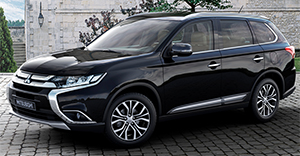
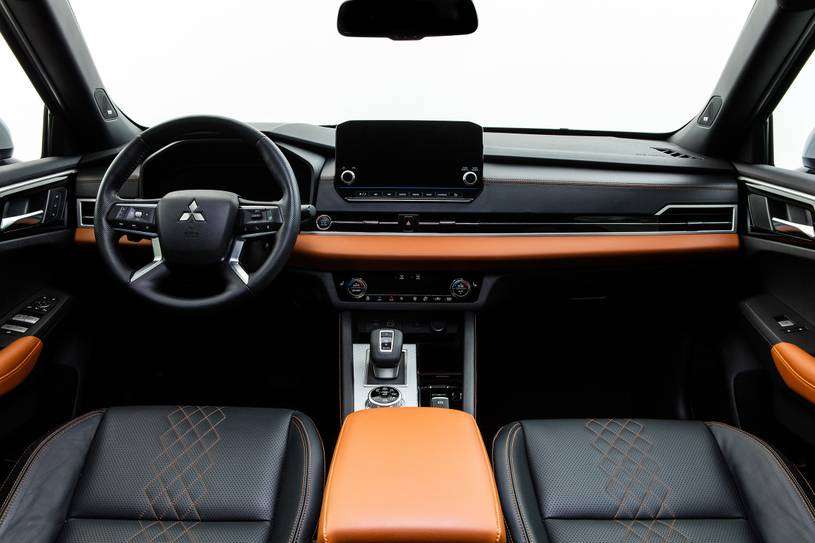
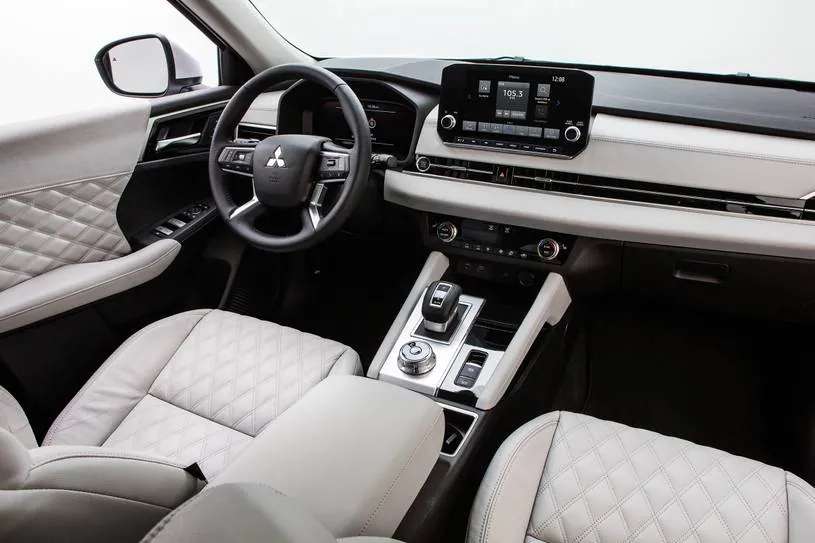
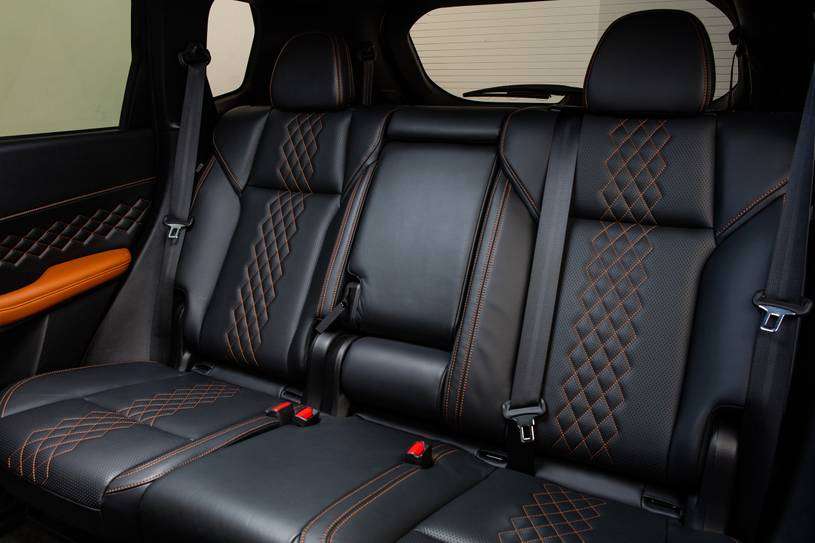
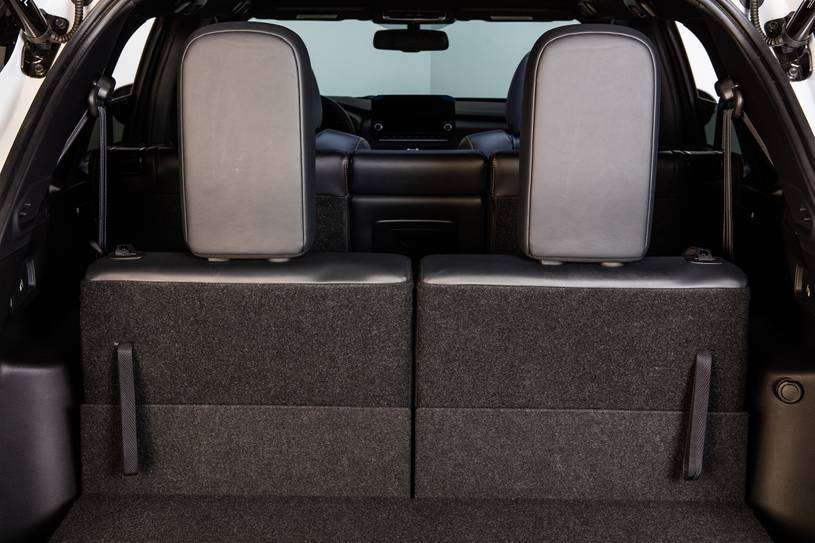
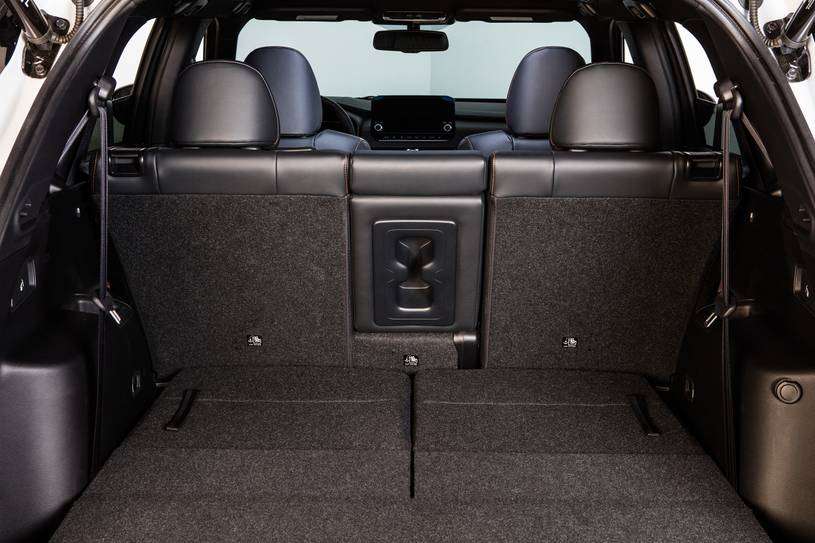
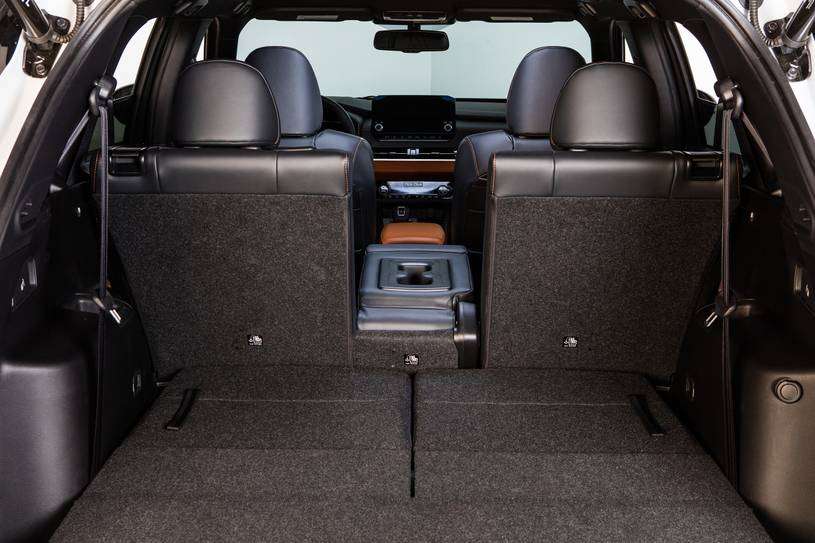
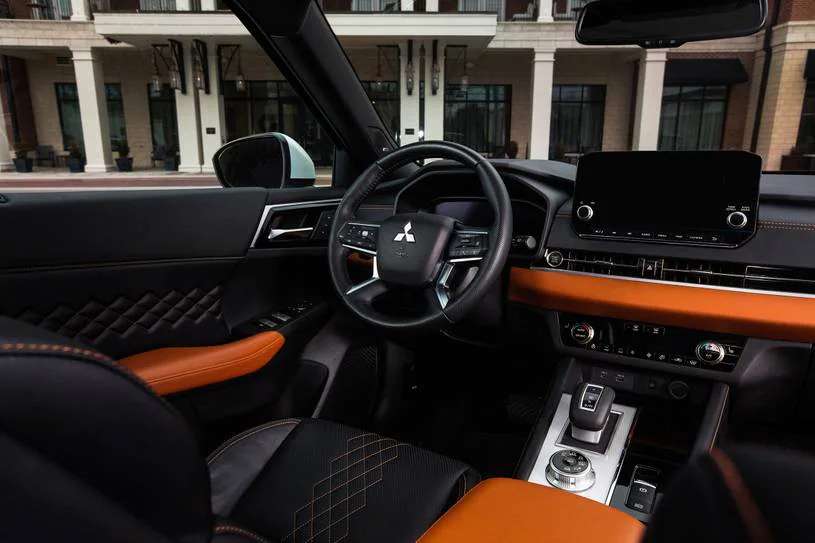
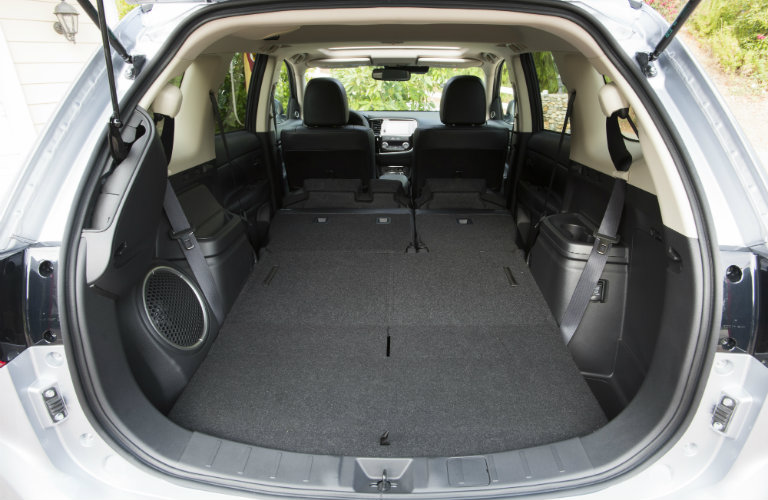
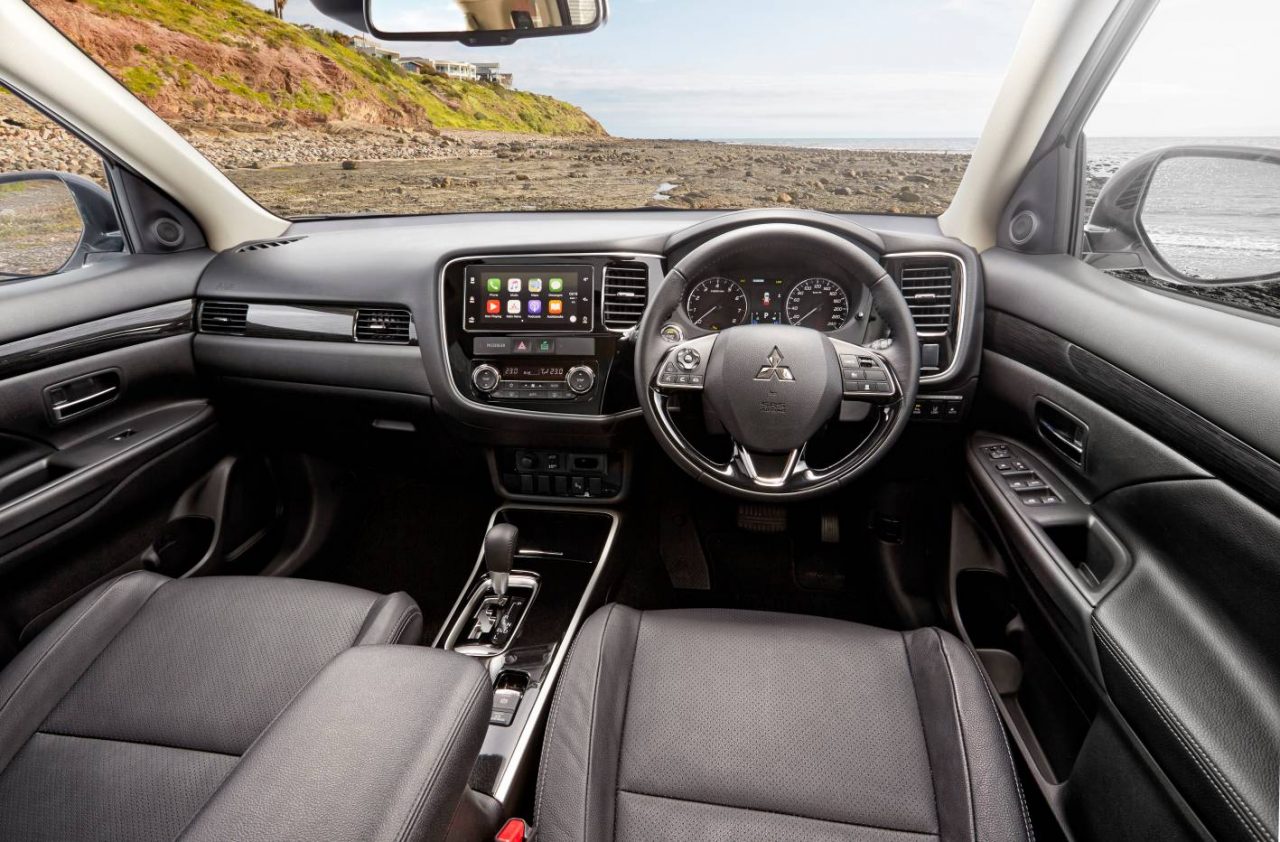
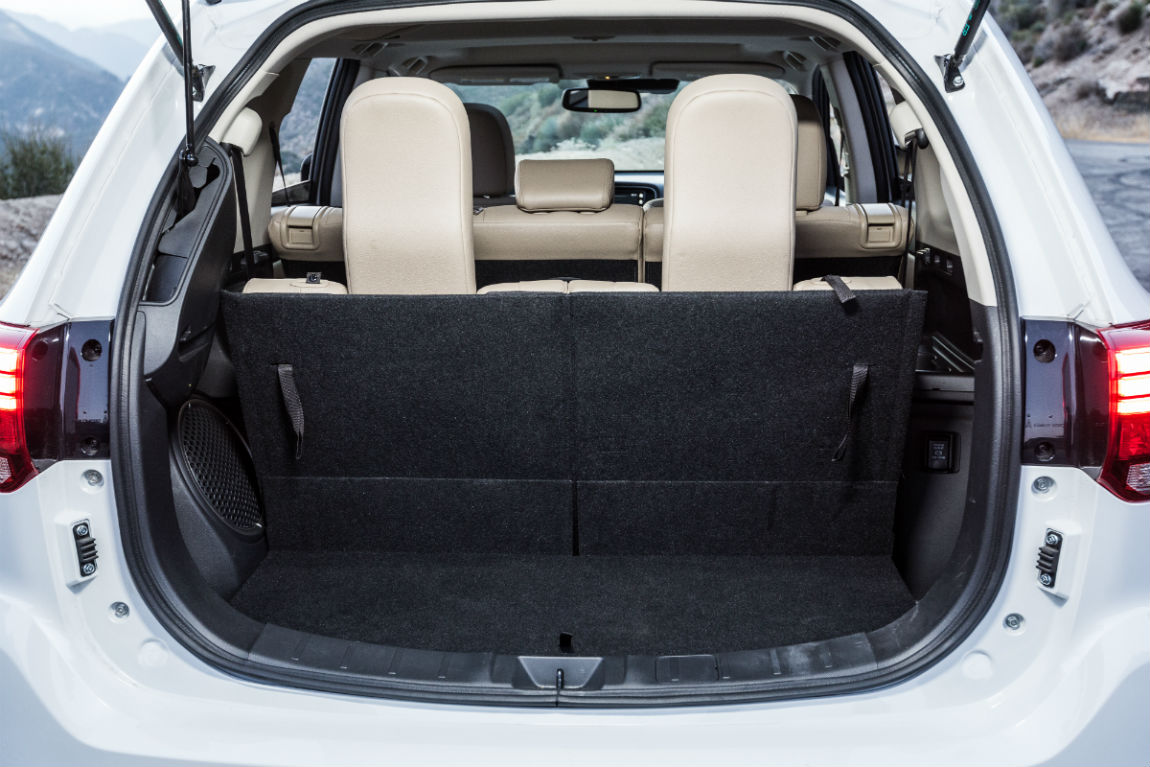
All models of the new 2018 Mitsubishi Outlander except for the PHEV come standard with seating for seven. Seat comfort is very good, the materials are nice, the design is clean and the interior is pleasantly quiet. Controls are easy to use, and attractive dark bamboo-like accents give the interior a premium feel, as does the new black-gloss finish on the center floor console. Flipping and folding the second row is easy thanks to a system of straps and levers and it offers easy entrance to the very small third row. Fold down both rows and you create over 63 cubic feet of cargo space. The plug-in hybrid Outlander has two rows and seating for five, as the rear area of its subfloor houses one of its two electric motors.
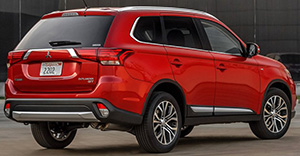
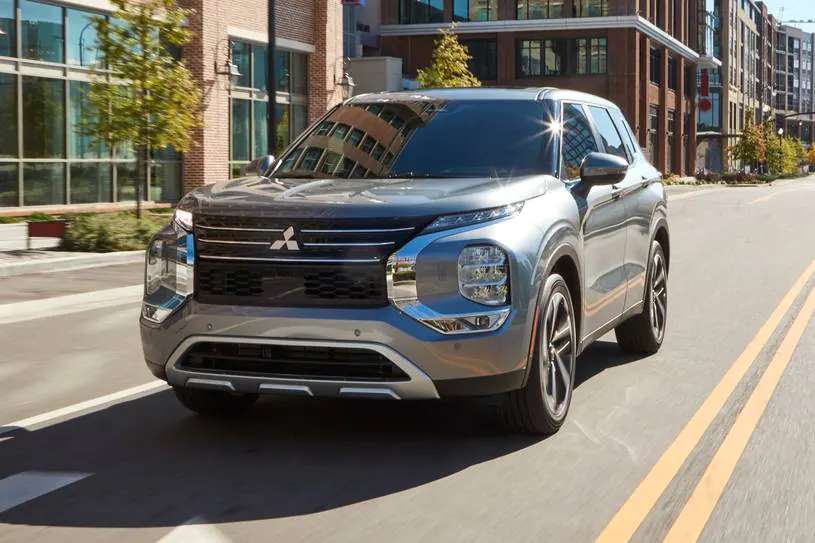
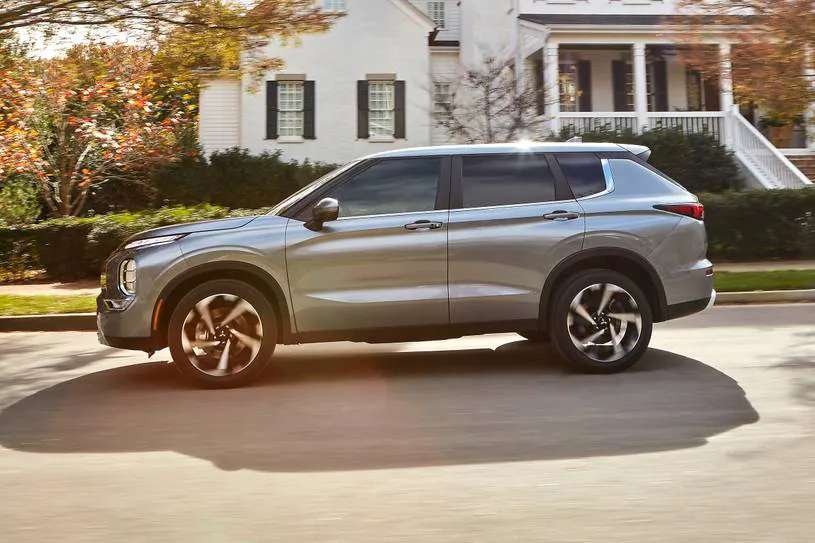
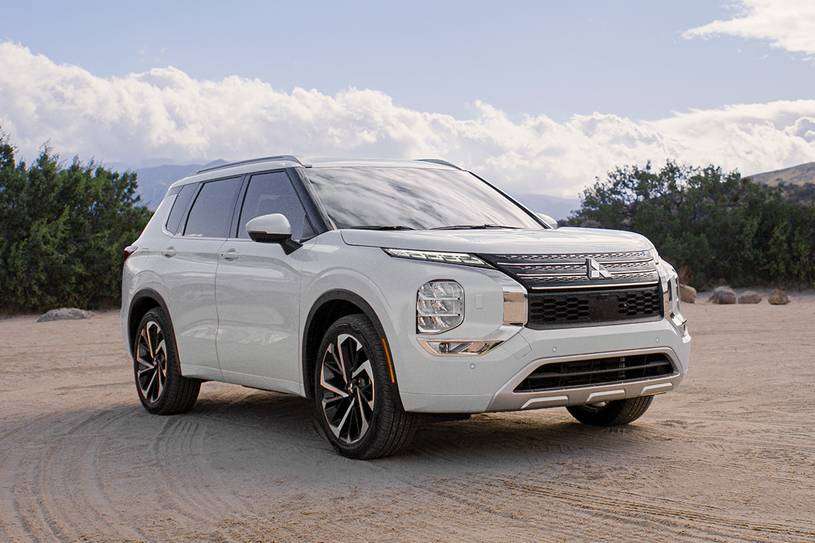
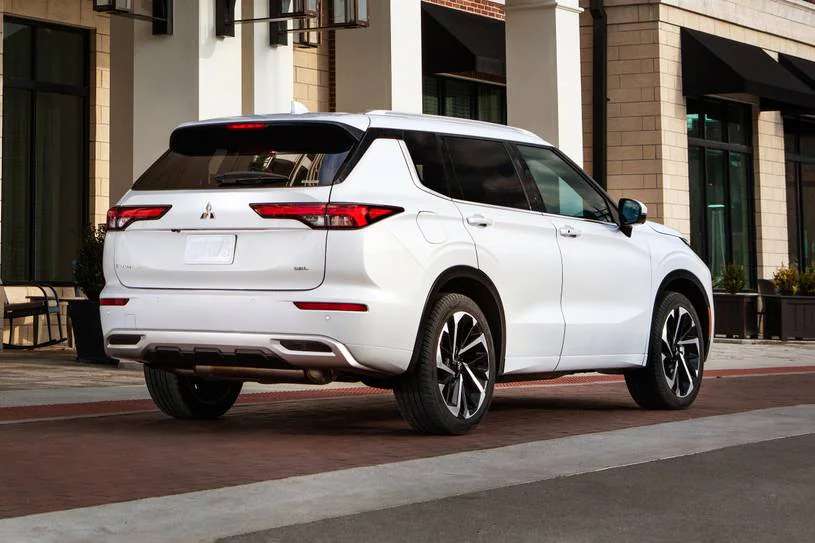
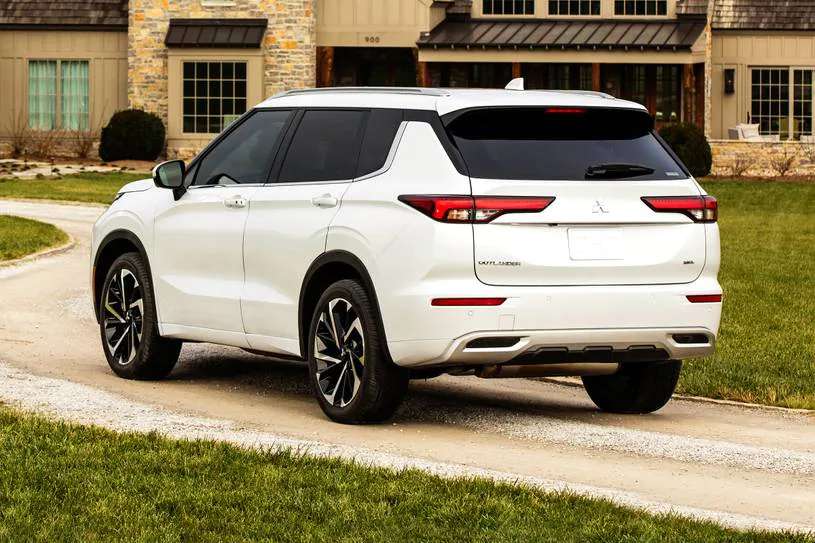
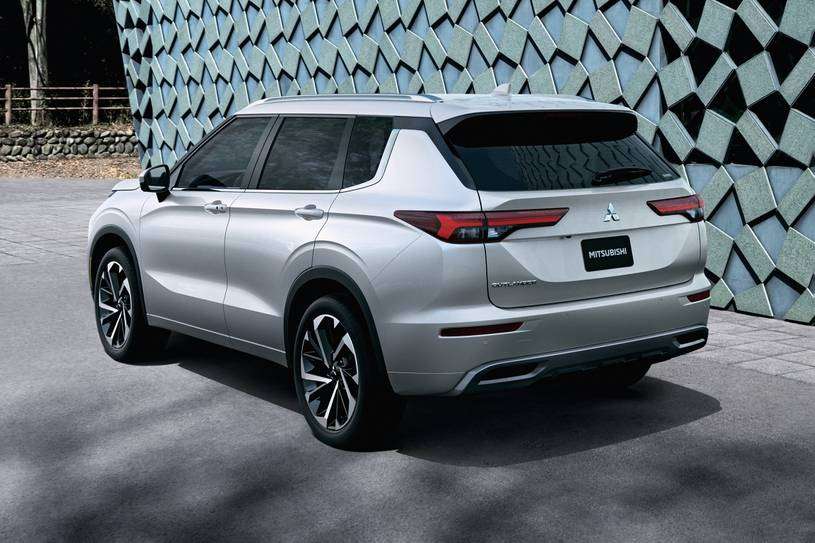
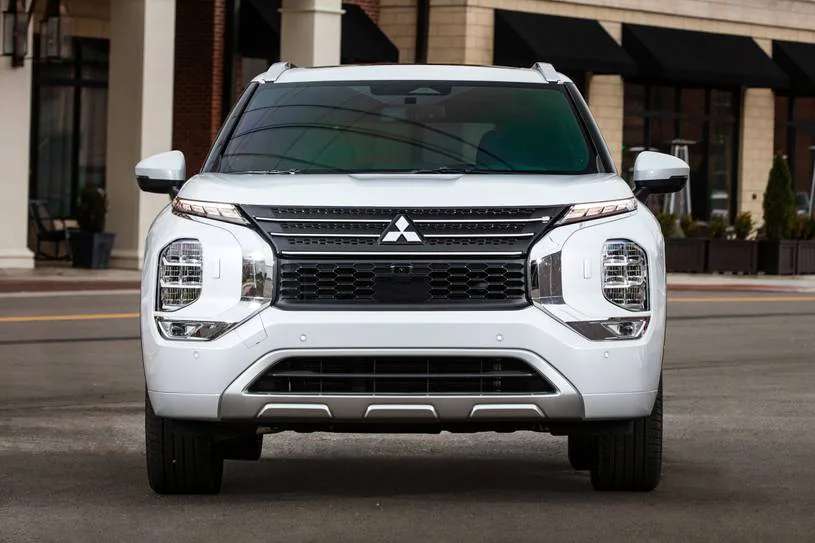
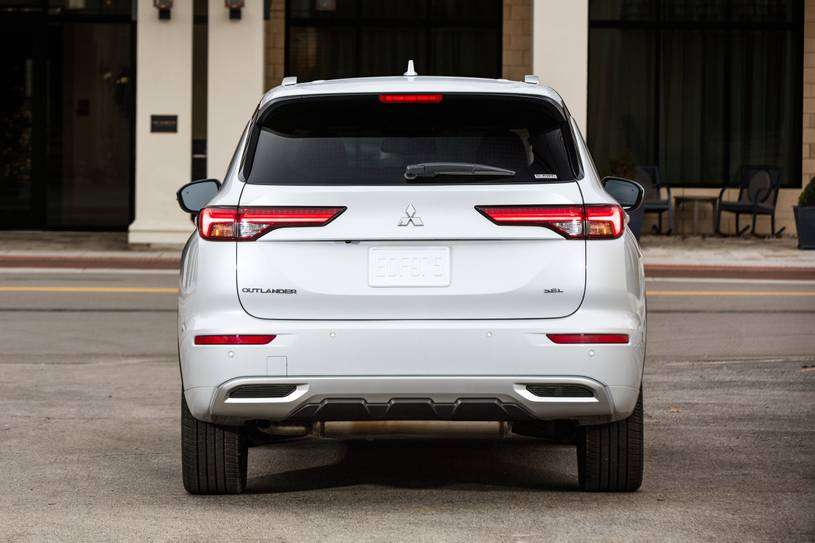
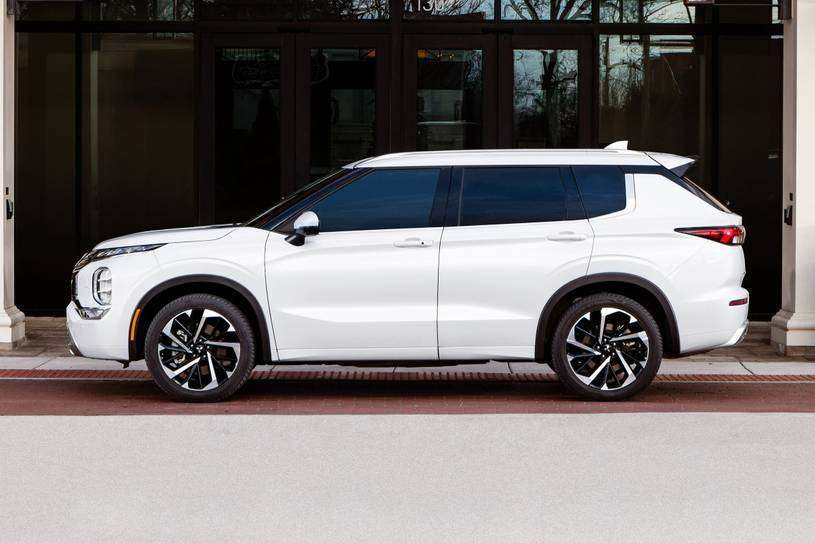
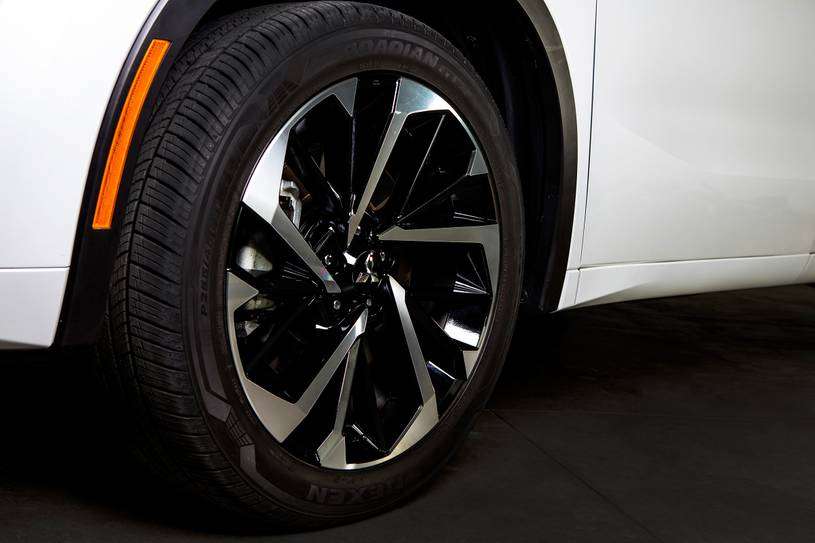
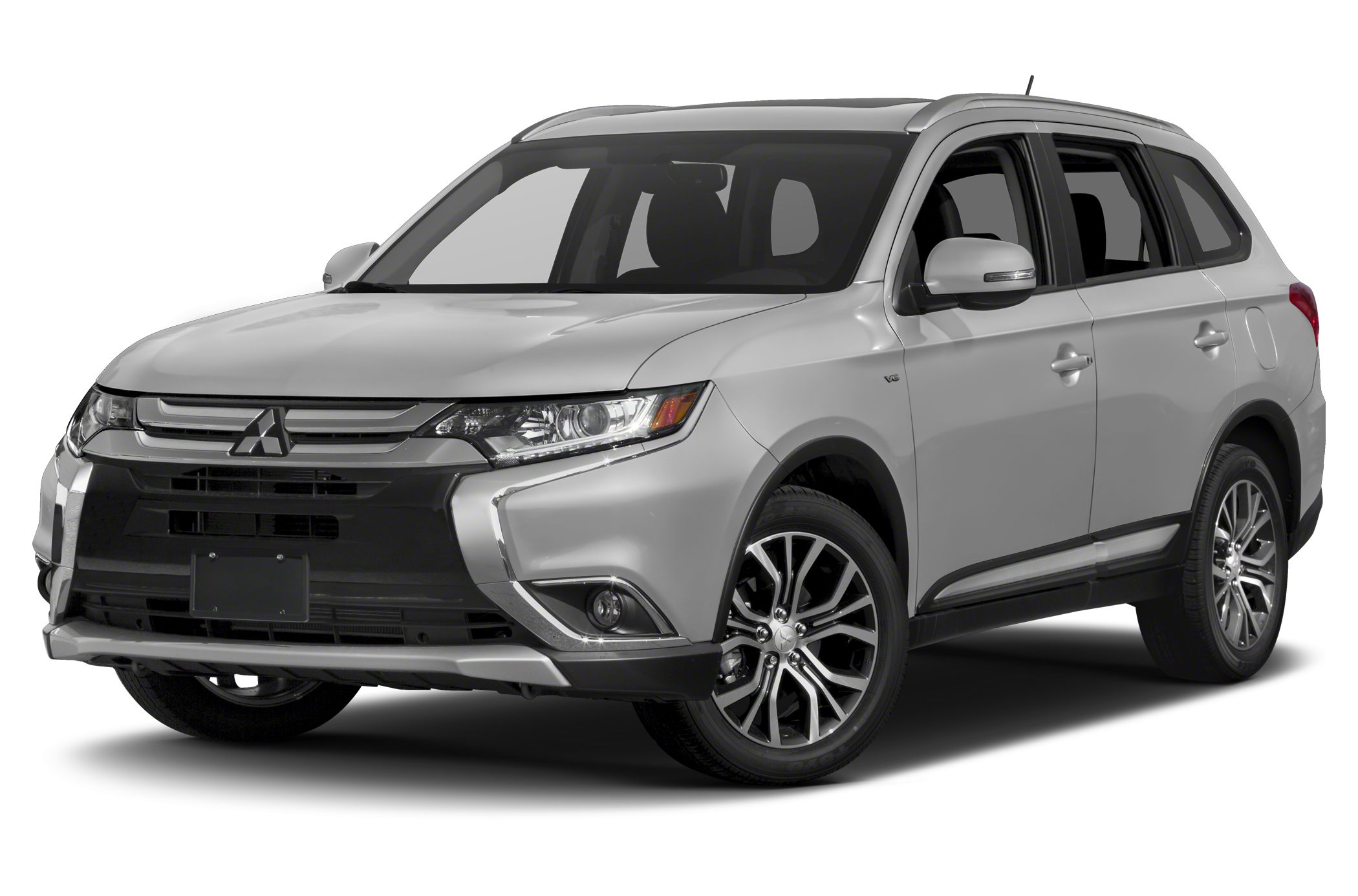
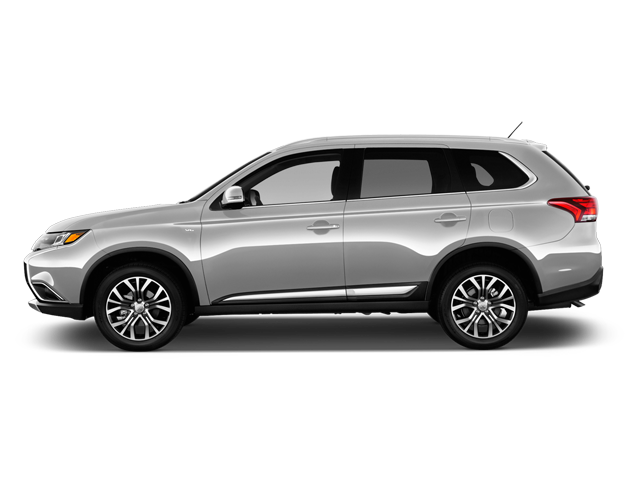
Simple and understated, the design of the 2018 Mitsubishi Outlander doesn’t stand out in a class that includes the more aggressively styled Honda CR-V and Toyota RAV4. Still, the Mitsubishi’s look is clean and attractive, with a BMW-like character line down it flanks and an angular nose that hints of the Lexus NX SUV. Cool features include the electric windshield-wiper de-icer that helps keep ice and snow from building up on the wipers, while power-folding side mirrors and standard 18-inch wheels and tires add an upscale feel. The Outlander’s lack of a clumsy roof rack also adds to its sleek profile. The new Outlander PHEV is distinguished by distinctive badging and what looks like an additional fuel door on the right side that hides the charge port.
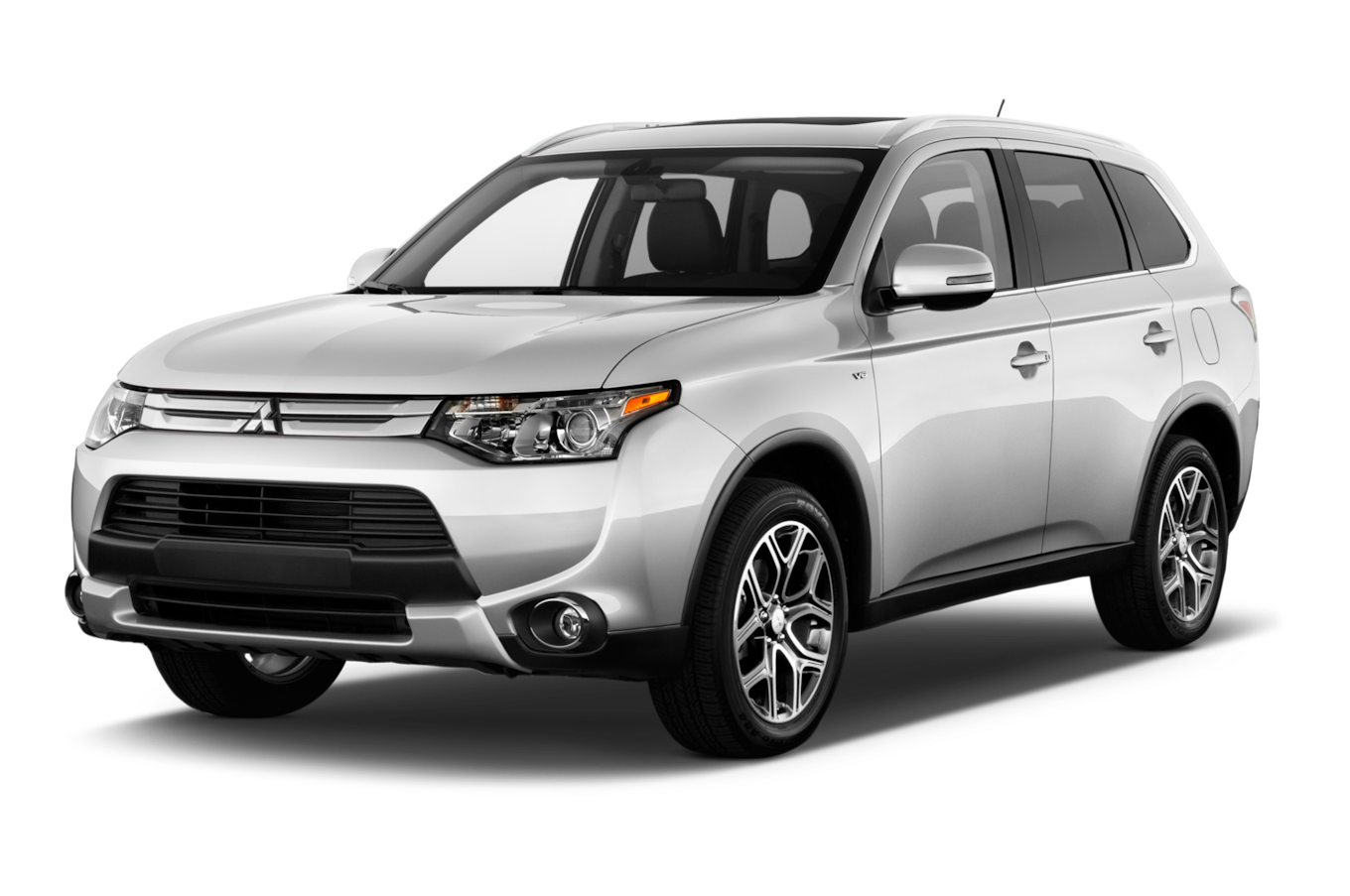
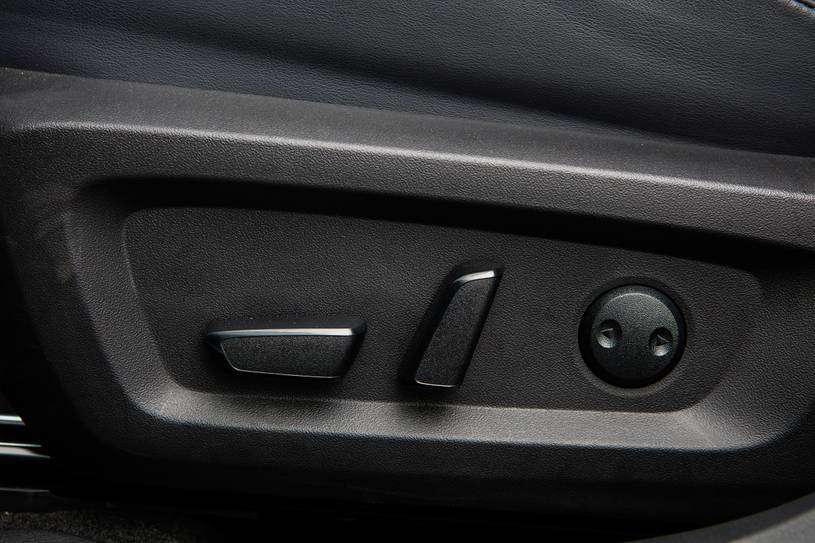
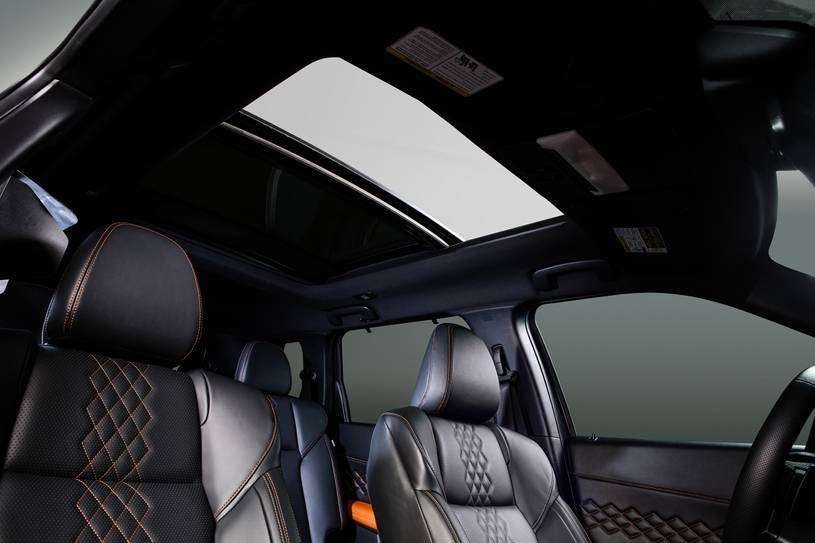
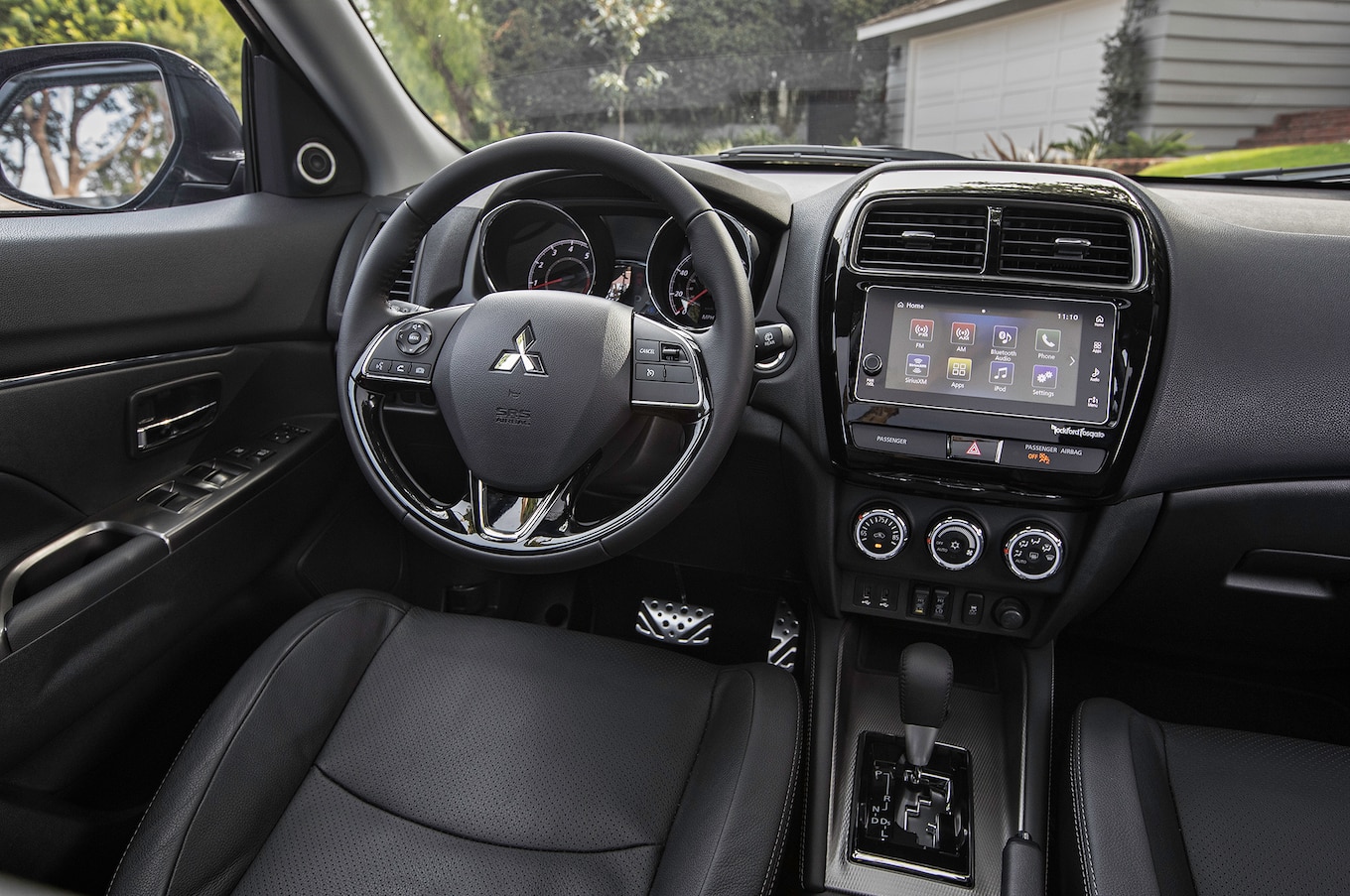
The standard 2018 Mitsubishi Outlander is available in five trims: ES, SE, LE, SEL and GT. The Outlander PHEV is offered in two trims: SEL and GT. Base ES models come with a 7-inch touch screen, rearview camera, dual-zone automatic climate control, keyless entry, Bluetooth, heated side mirrors and 18-inch alloy wheels. A better choice is the SE, which includes Apple CarPlay and Android Auto smartphone integration, dual USB ports, heated front seats and push-button start. We also recommend the LE model, which includes a sunroof and safety features like blind-spot monitoring with rear cross-traffic alert. The SEL is the same price as the LE, and while it doesn’t have a sunroof, it does add an 8-way power driver’s seat, leather interior, power tailgate and auto-dimming rearview mirror. GT models include S-AWC (Super All-Wheel Control) and a V6 engine, a Rockford Fosgate audio system, auto on-off headlights, power-folding mirrors, rain-sensing wipers and paddle shifters. In addition to their advanced plug-in hybrid powertrain and all-wheel drive, the Outlander PHEV models include DC Quick Charging capability and, in the GT model, AC power outlets the rear seat and cargo areas to power electric devices.
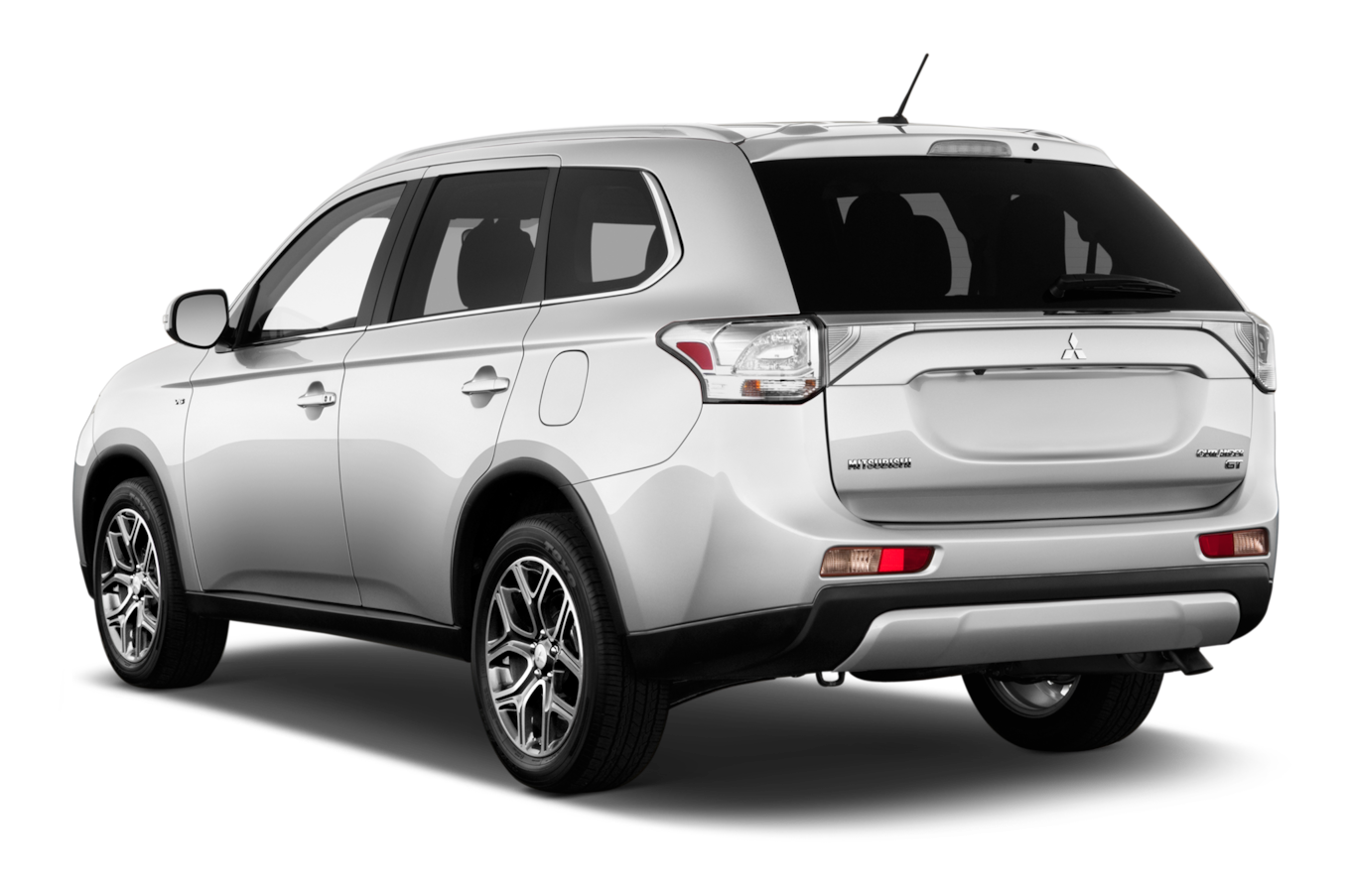
Among the impressive options available in the 2018 Outlander are its forward-collision-mitigation system, adaptive cruise control and lane-departure warning, three advanced safety features that can help prevent an accident. Thankfully, you don't have to buy a pricier top-end GT model to obtain these features -- they’re available in the SEL trim, bundled in the Touring Package. The $ 4,000 package also includes rain-sensing windshield wipers, windshield-wiper de-icer, the Rockford Fosgate audio system, power-folding side mirrors, auto on-off headlights, a power tailgate, a heated steering wheel and power sunroof. All-wheel drive is a $ 2,000 option on ES, SE and SEL trim levels.ouring Package. The $ 4,000 package also includes rain-sensing windshield wipers, windshield-wiper de-icer, the Rockford Fosgate audio system, power-folding side mirrors, auto on-off headlights, a power tailgate, a heated steering wheel and power sunroof. All-wheel drive is a $ 2,000 option on ES, SE and SEL trim levels.
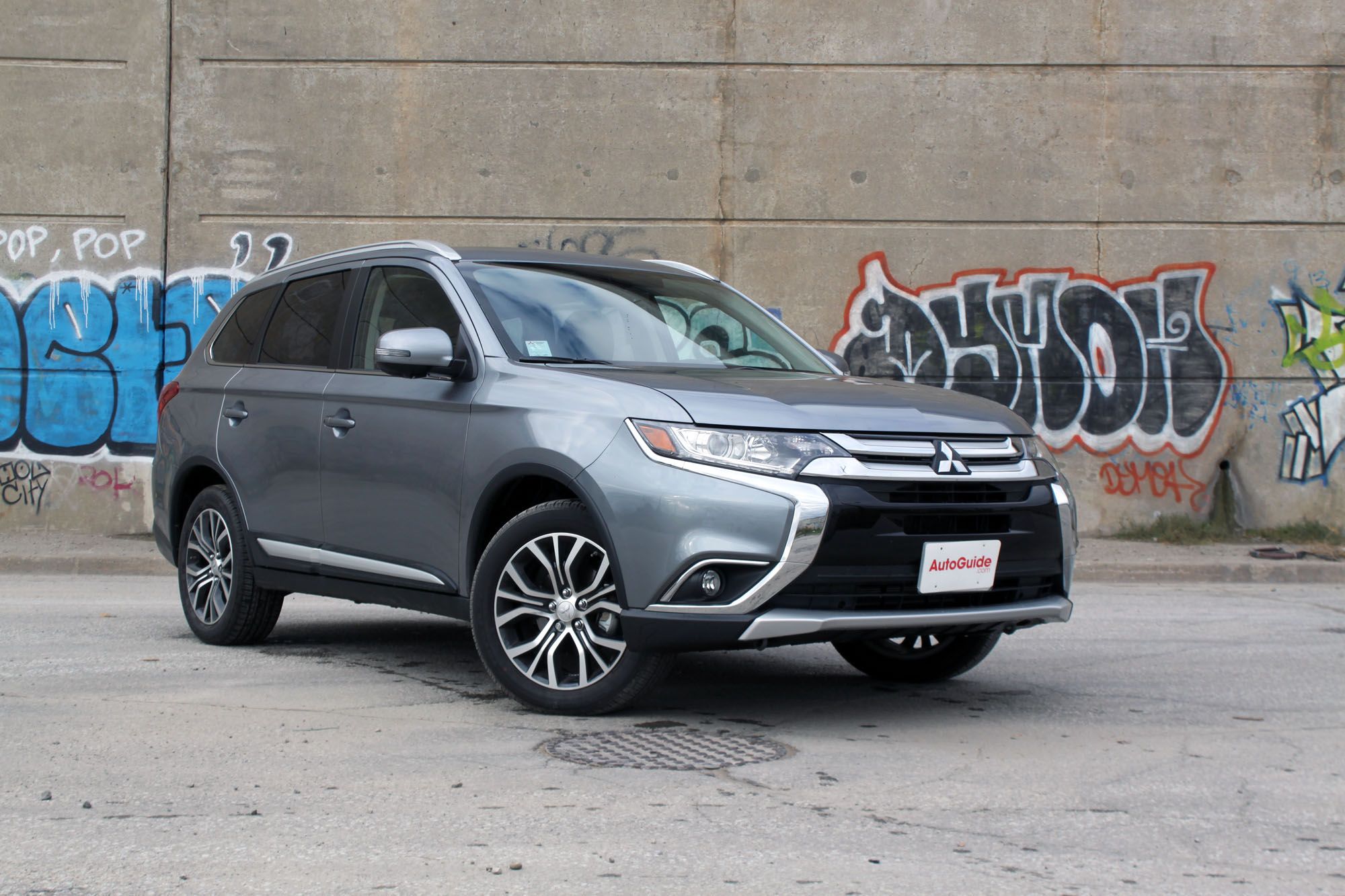
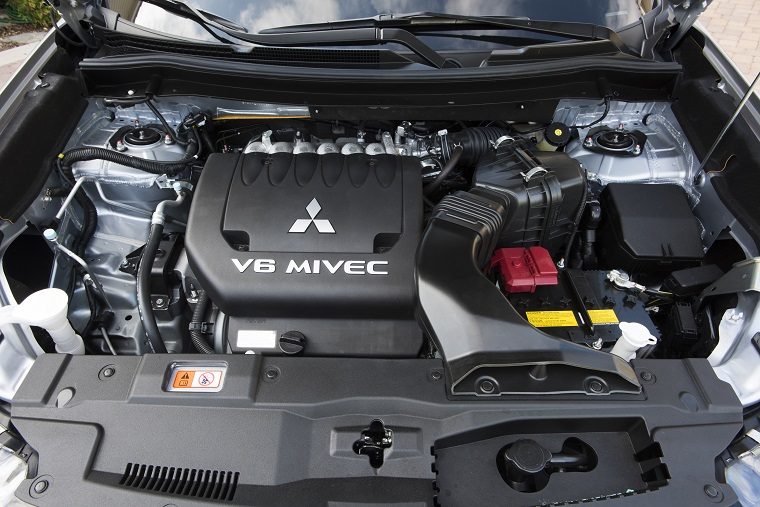
The 2018 Outlander ES, SE, LE and SEL models use a 2.4-liter 4-cylinder engine that makes 166 horsepower and powers either the front wheels (FWD) or all four (AWD). The ES gets a simplified AWD system, while all others use Mitsubishi’s Super-All Wheel Control (S-AWC) setup. The 2.4-liter engine runs on regular-grade gasoline and has a towing capacity of 1,500 pounds. The Outlander GT uses a 3.0-liter V6 engine that makes 224 horsepower and comes standard with S-AWC. That more powerful engine requires more expensive premium gasoline and has a towing capacity of up to 3,500 pounds. All Outlanders are equipped with automatic transmissions, either a CVT in 4-cylinder versions or a 6-speed automatic when equipped with the V6. The Outlander PHEV plug-in hybrid electric vehicle uses a 2.0-liter 4-cylinder engine and two electric motors. It’s a sophisticated system that enables you to run on electricity alone up to 22 miles, or by using the electrified powertrain in conjunction with the gasoline engine. With such a system, the gas engine automatically kicks on when the batteries are depleted. Total range slots in at 310 miles. Recharging the battery can take around 8 hours on a standard 120-volt outlet or roughly half that on a 240-volt line. Additionally, there’s DC Fast Charging that lets you charge to 80 percent capacity in 25 minutes. Don’t be fooled by the gasoline engine’s 117 horsepower rating -- the combined gasoline/electric powertrain put out substantial torque figures.2.4-liter inline-4166 horsepower @ 6,000 rpm162 lb-ft of torque @ 4,200 rpmEPA city/highway fuel economy: 25/30 mpg (FWD), 24/29 mpg (AWD)3.0-liter V6 (GT)224 horsepower @ 6,250 rpm215 lb-ft of torque @ 3,750 rpmEPA city/highway fuel economy: 20/27 mpg2.0-liter 4-cylinder engine + twin AC synchronous motors (PHEV)117 horsepower @ 4,500 rpm (gasoline engine only)137 lb-ft of torque @ 4,500 rpm (gasoline engine only)EPA fuel economy: 25 mpg combined/74 MPGe (miles per gallon equivalent)
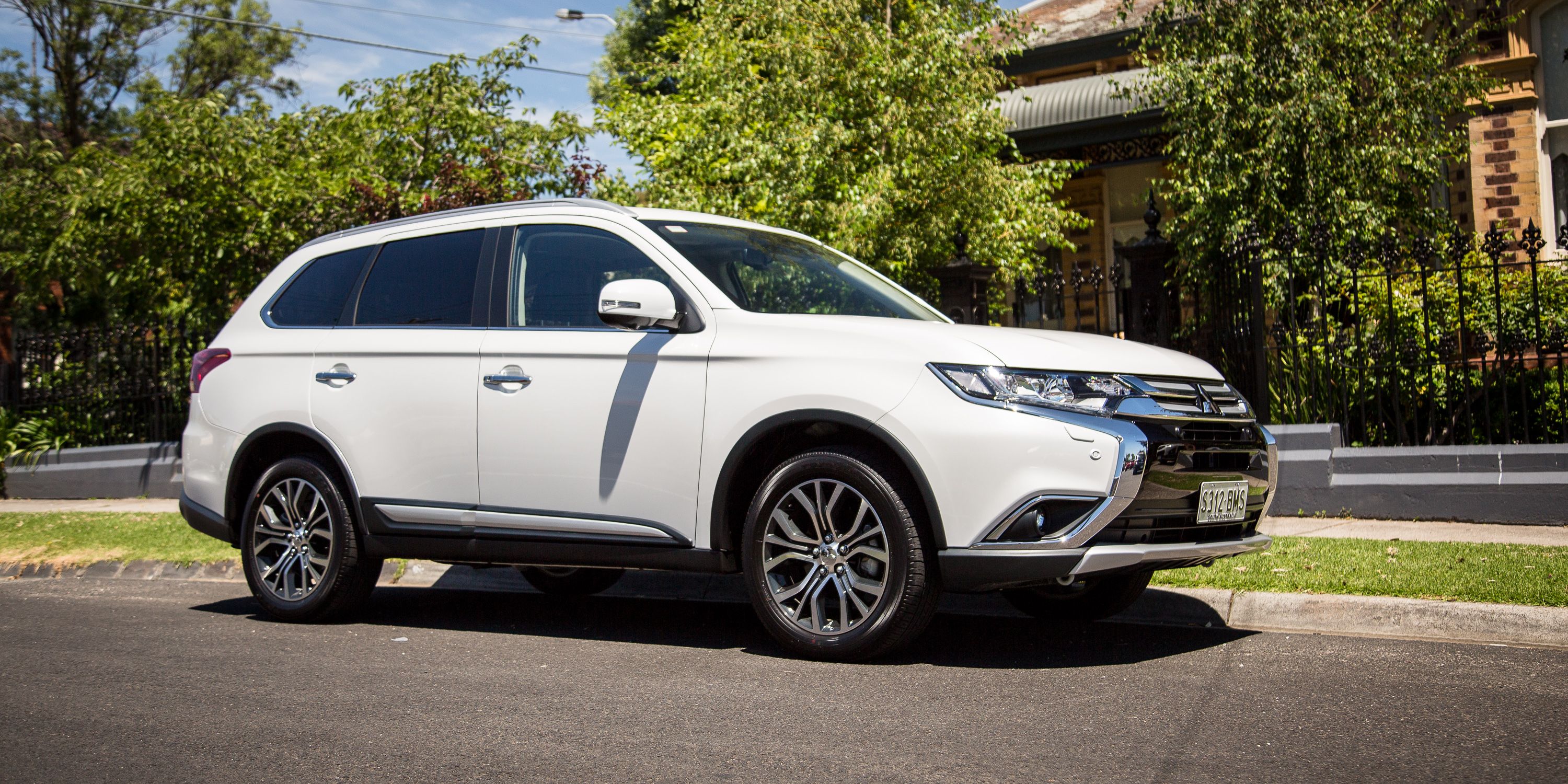
The Manufacturer's Suggested Retail Price (MSRP) of a base 2018 Mitsubishi Outlander ES starts just under $ 25,000. The more recommendable SE models start only $ 1,000 more. The Outlander LE and SEL begin just over $ 27,000, and the V6-powered GT trims starts closer to $ 32,500. The new Outlander PHEV begins around $ 35,500 for an SEL model and $ 41,000 for a GT. However, these plug-in hybrid models are eligible for up to $ 5,836 in federal tax credits. Compared with the Outlander's closest competitor, the Kia Sorento, the Mitsubishi's starting price is nearly $ 2,000 less. The larger Dodge Journey, meanwhile, starts around $ 22,250 -- but a third row of seats costs extra. Before buying, be sure to check the Kelley Blue Book Fair Purchase Price to see what others in your area are paying for the 2018 Outlander. In resale value, the Outlander has traditionally held up well with residuals on par with or even better than the Sorento, better than the Dodge Journey, but below 5-passenger crossover SUVs like the Mazda CX-5 and Hyundai Santa Fe Sport.
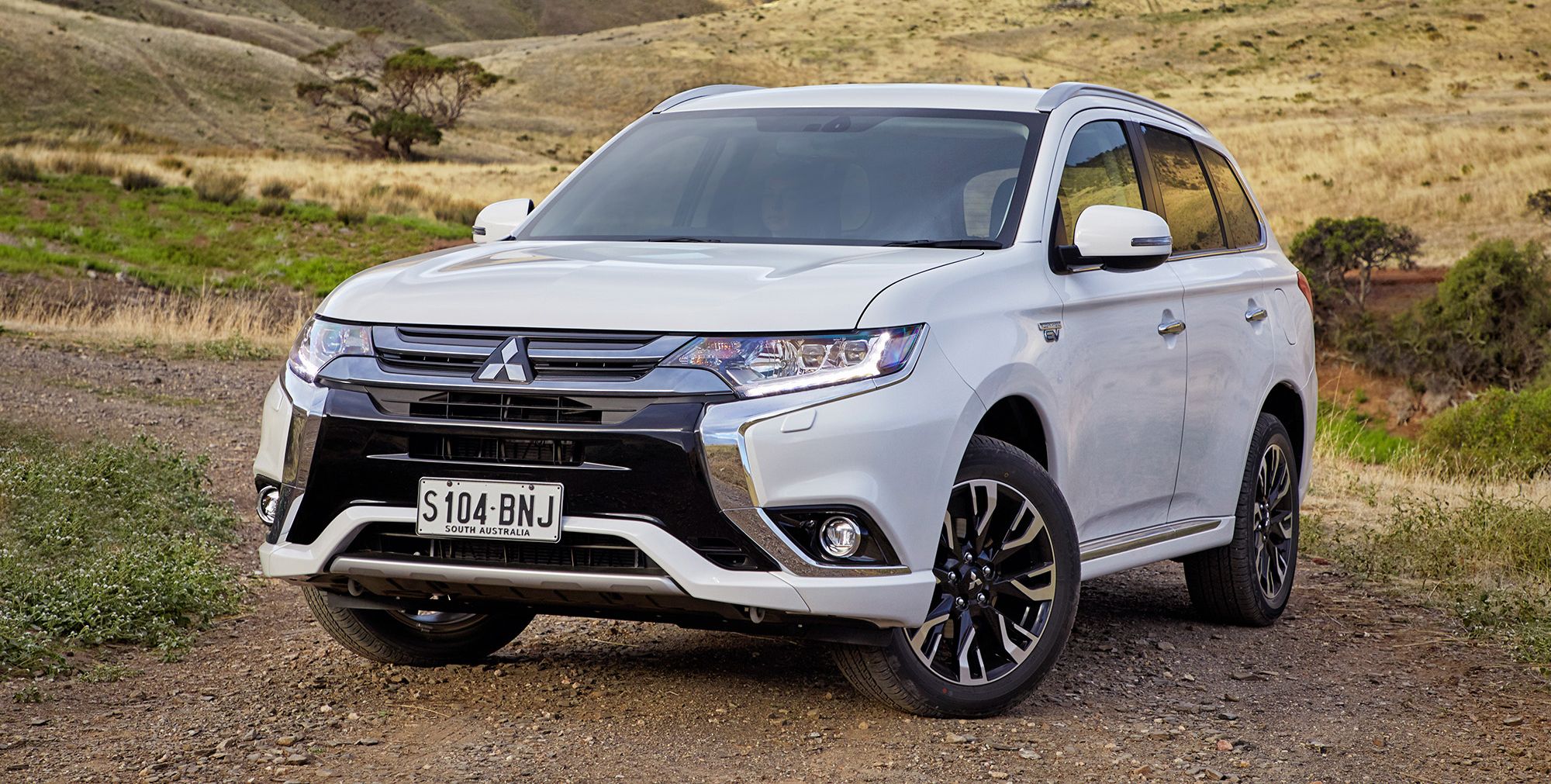
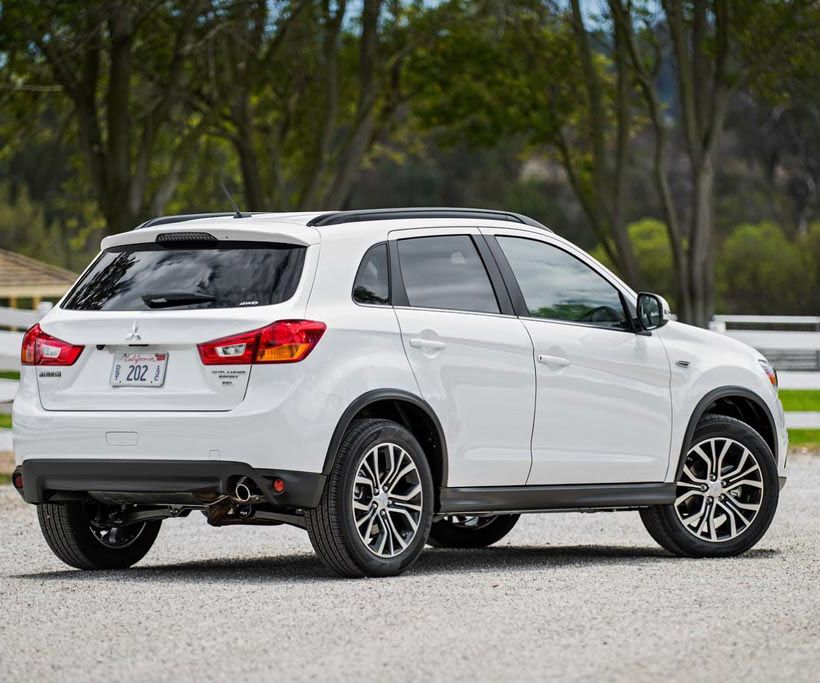
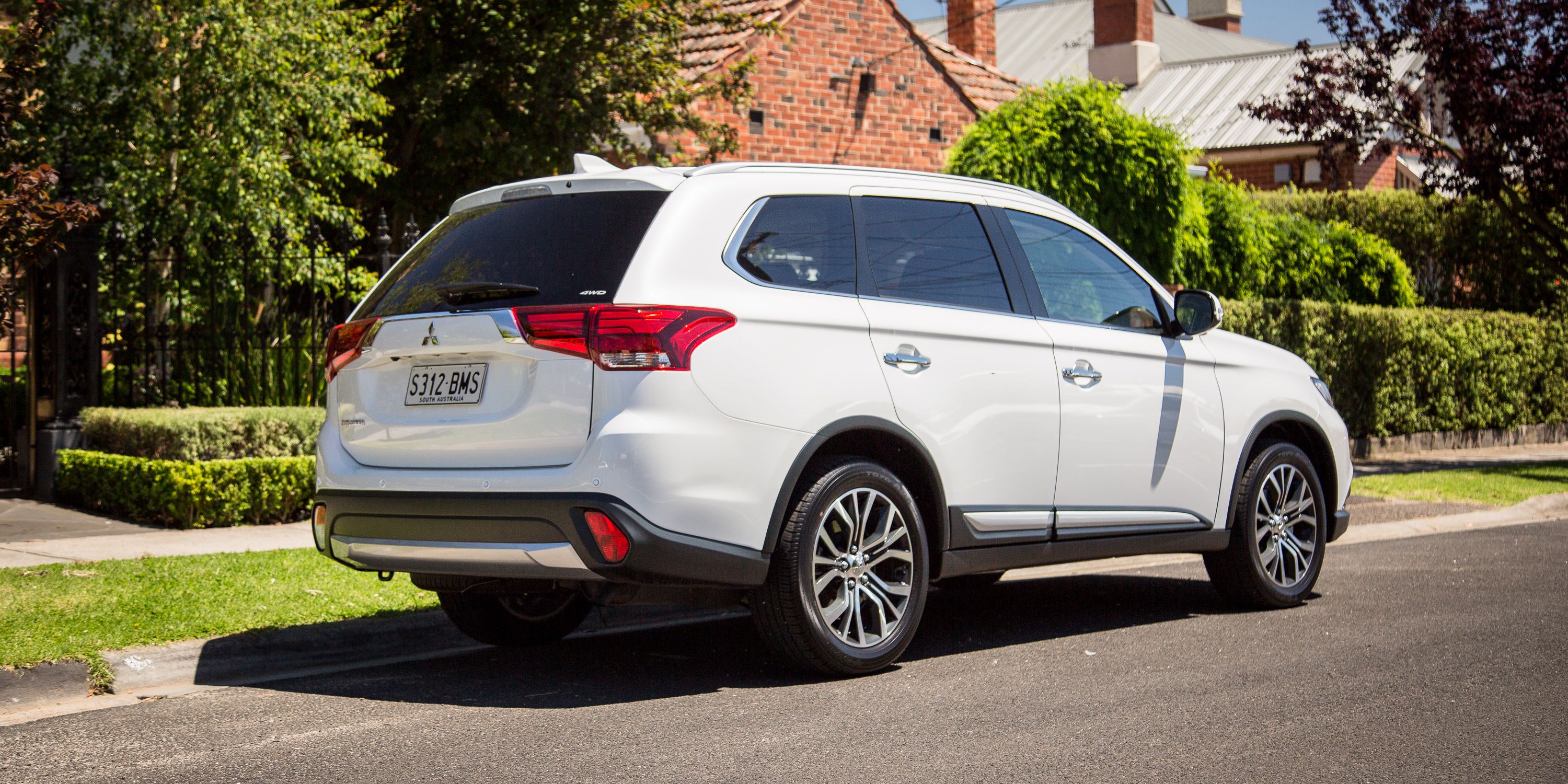

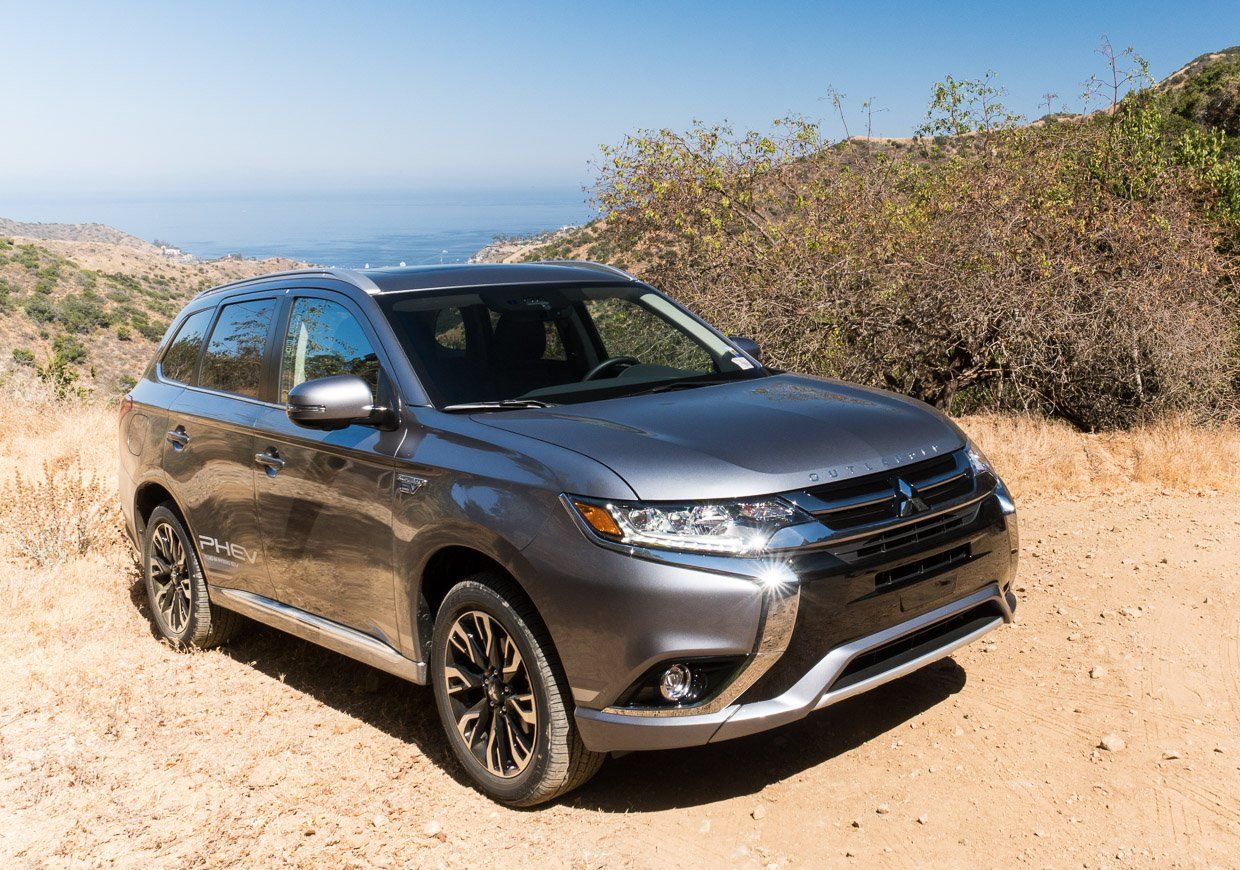
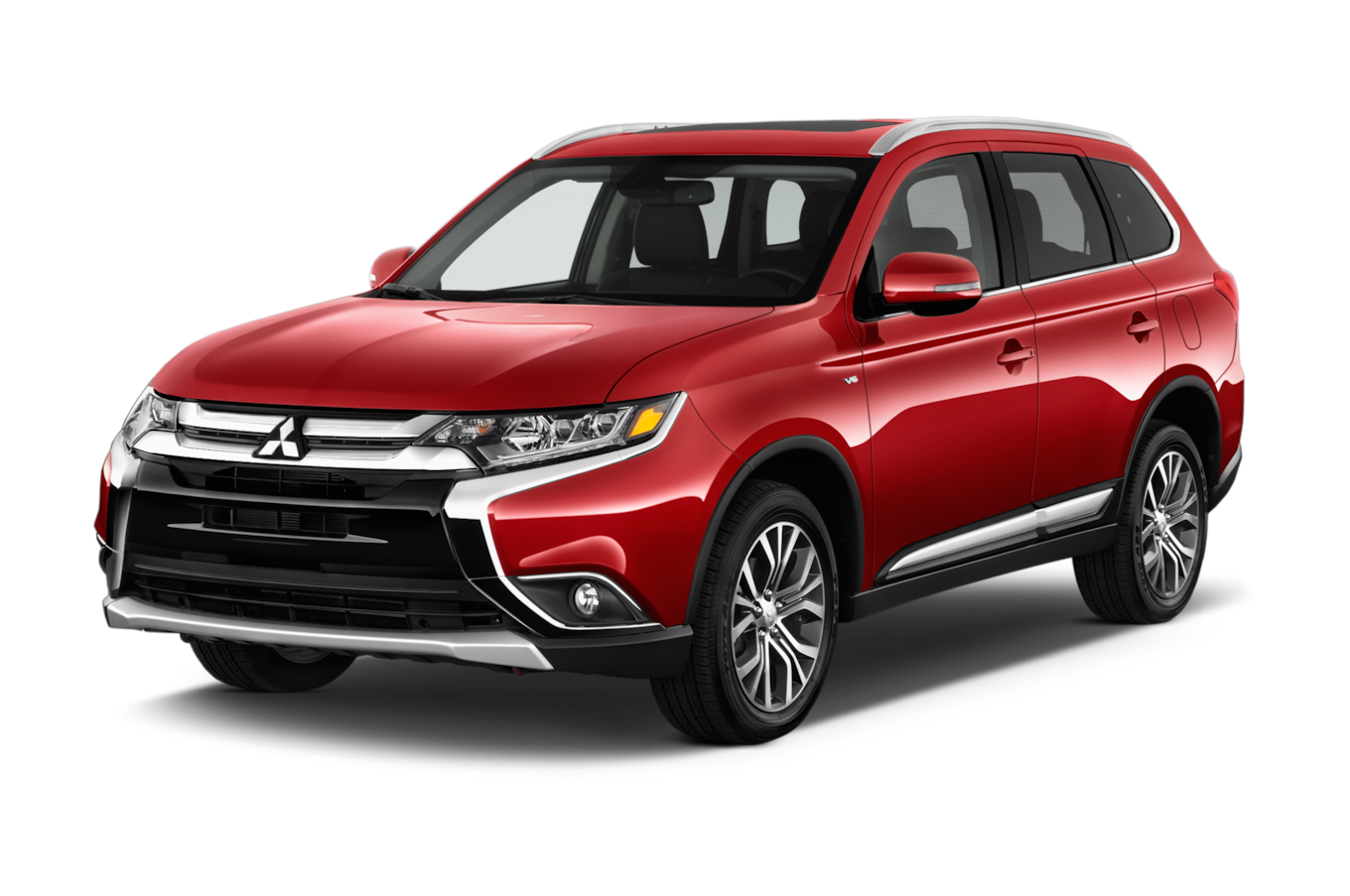
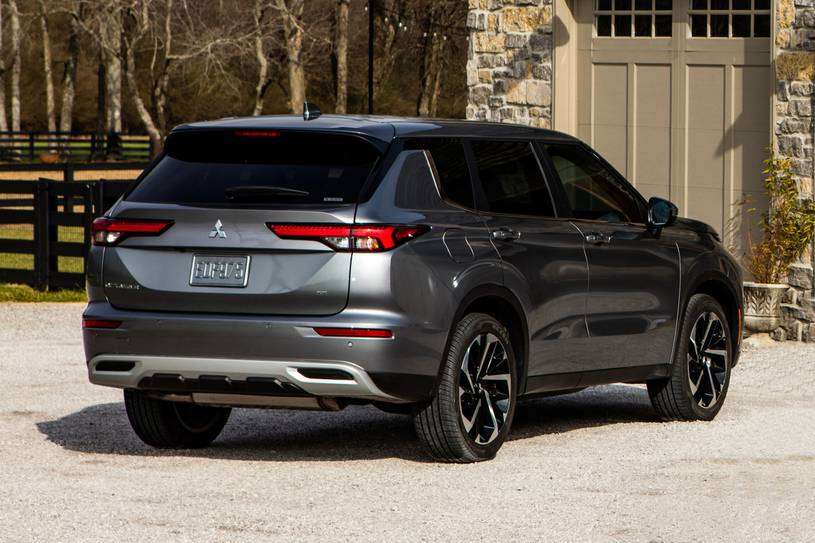
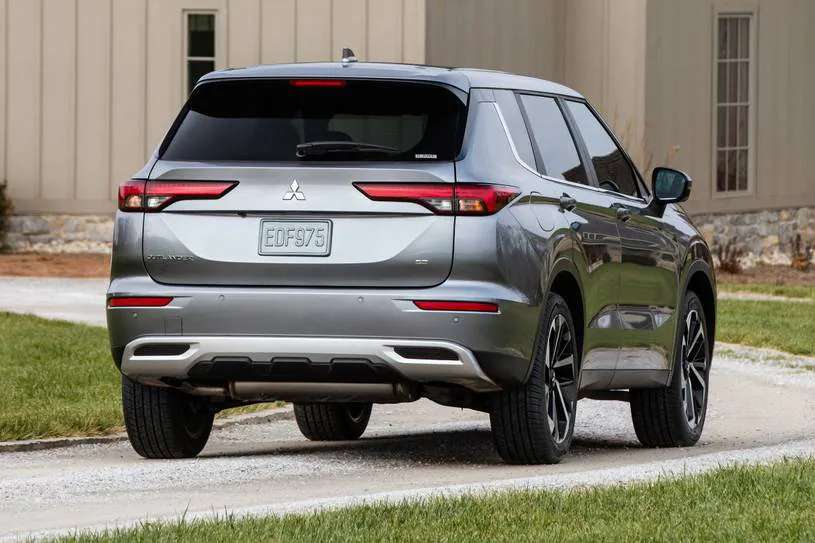
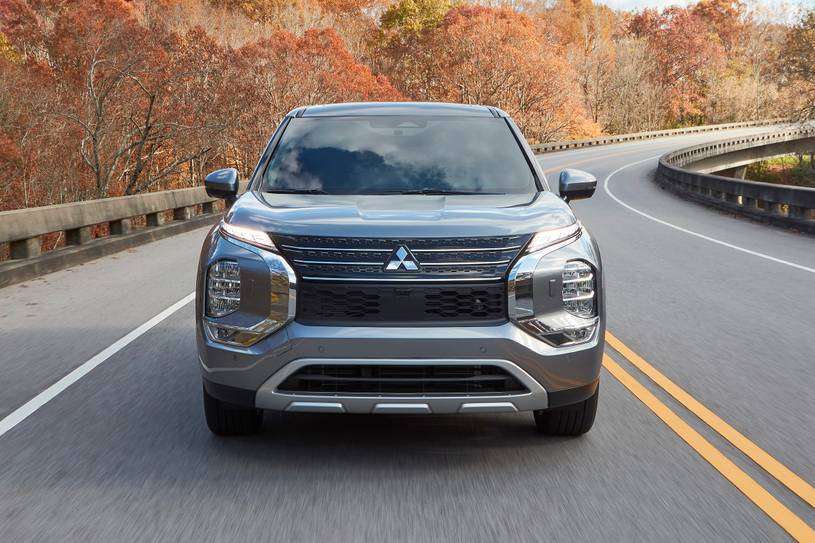
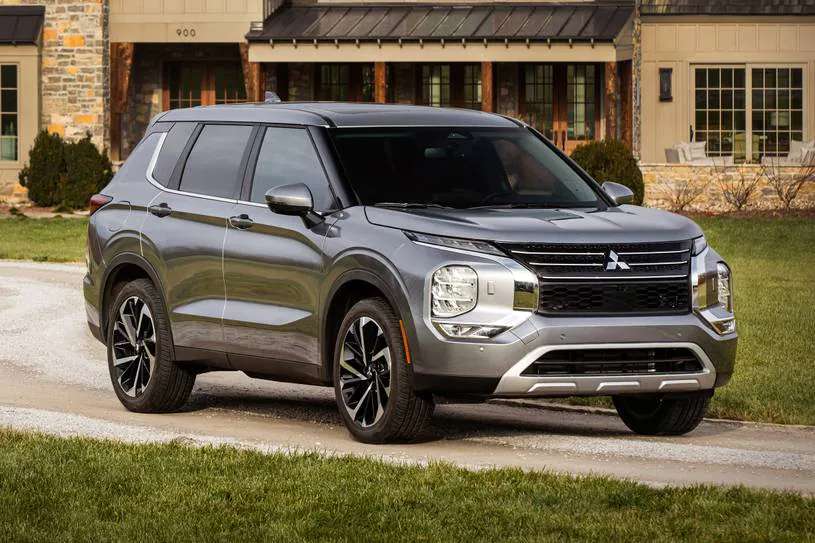
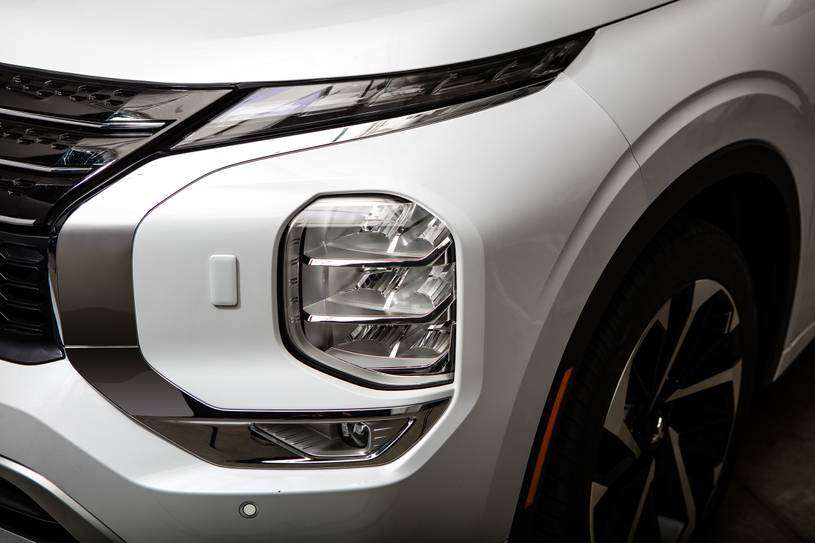
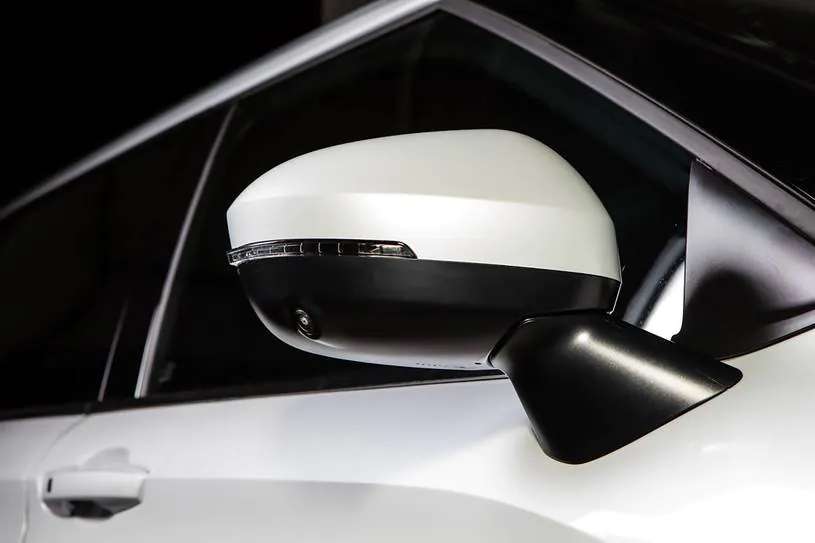
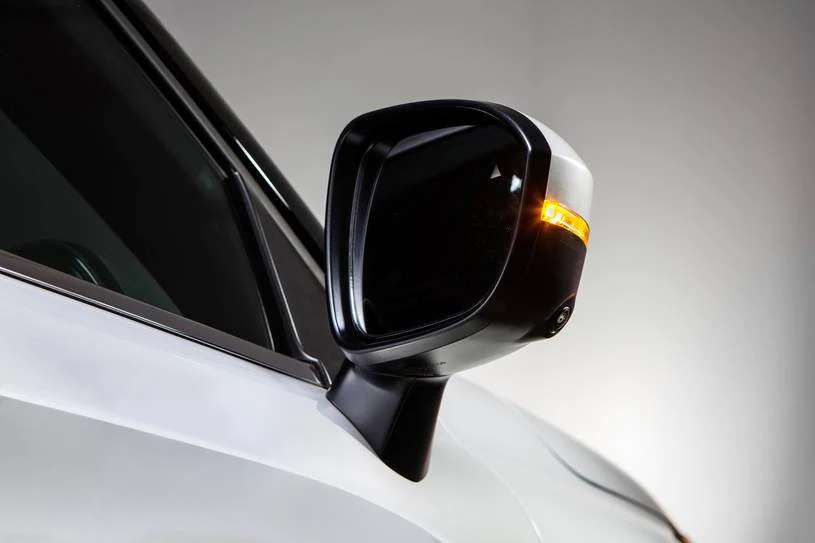
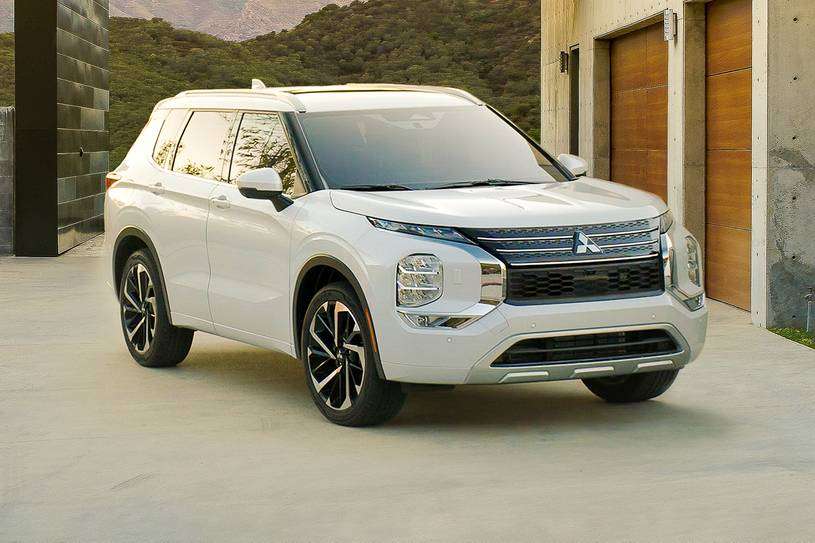
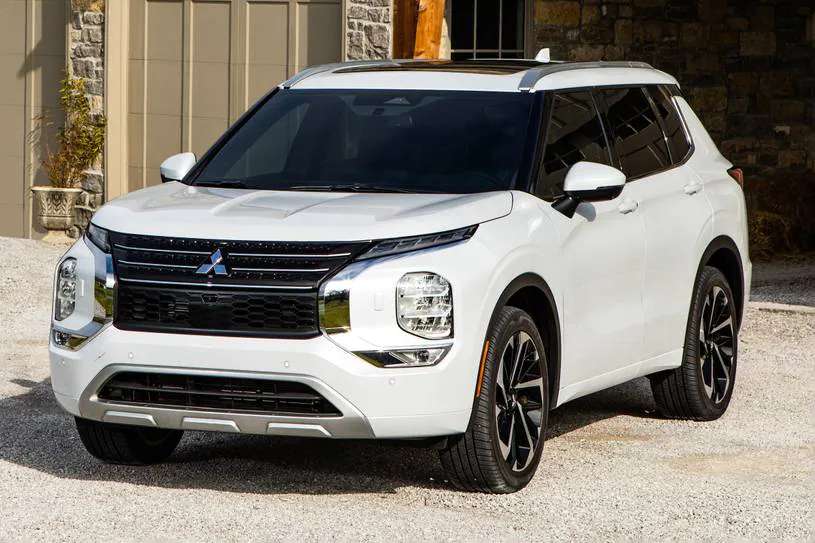
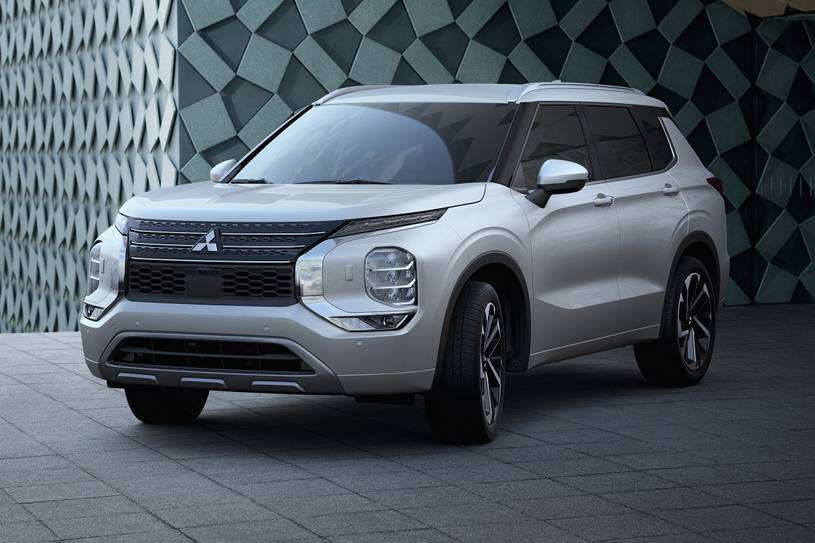
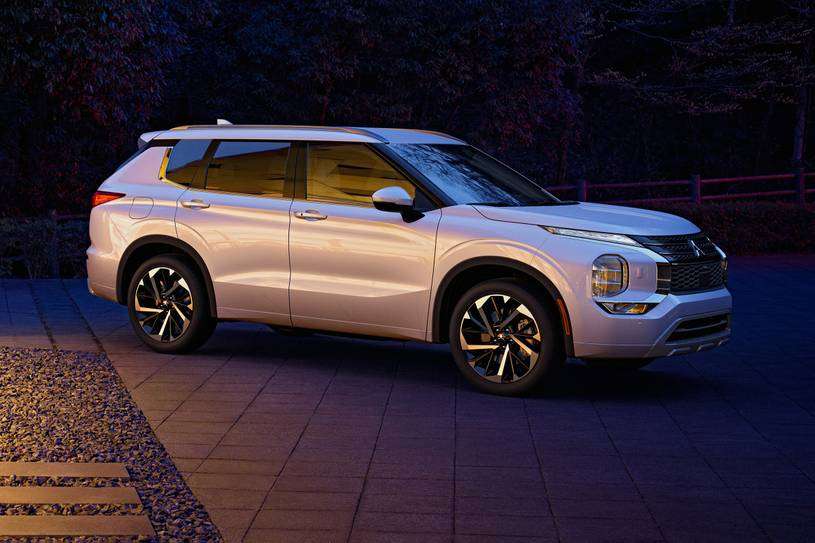
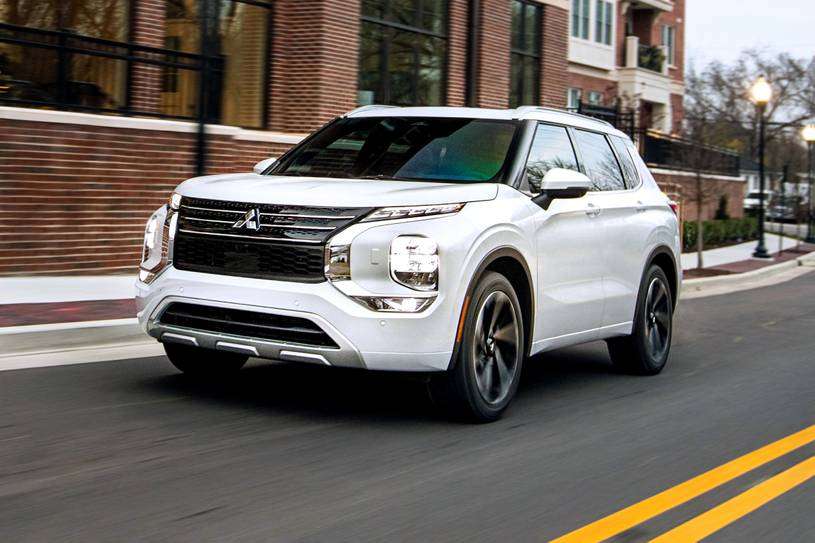
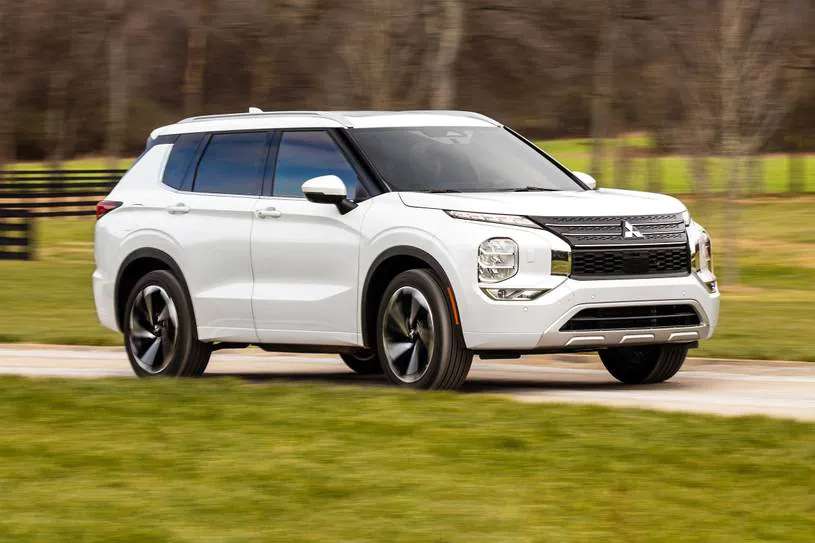
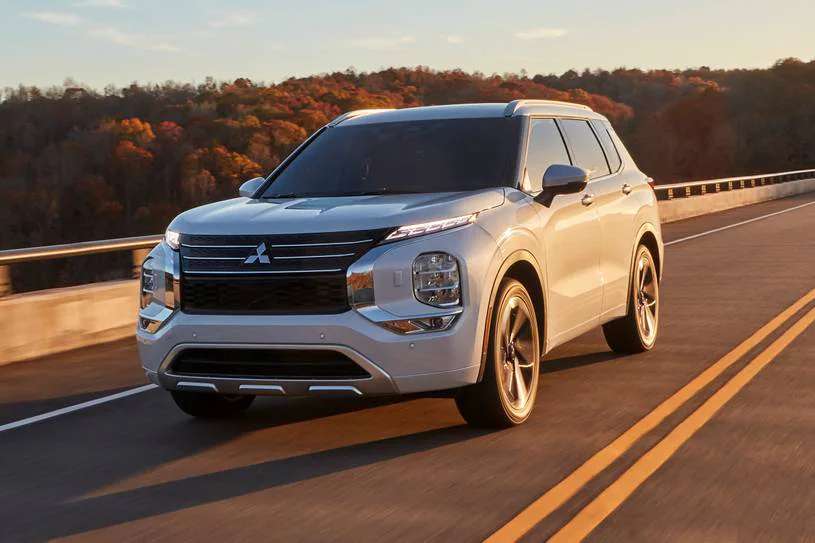
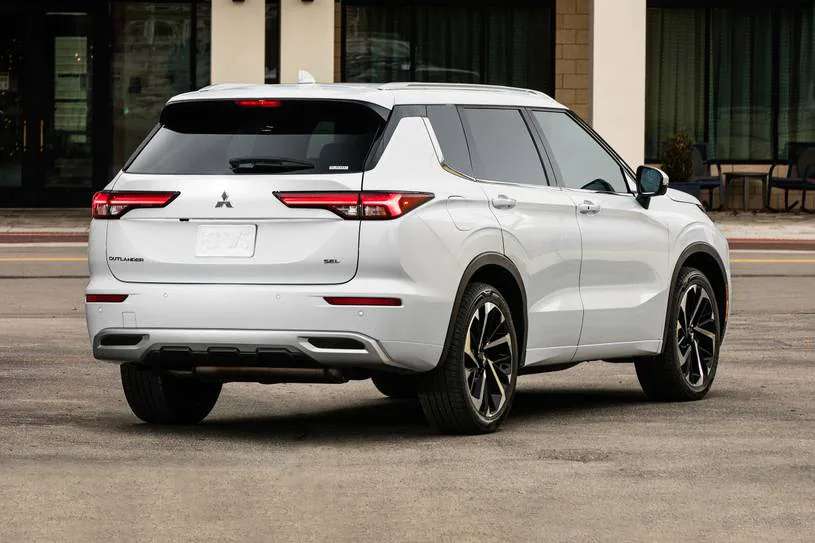
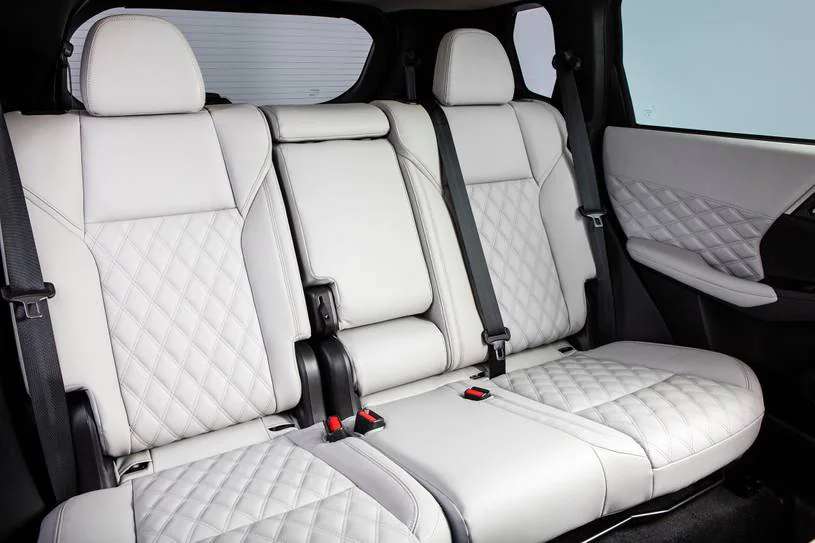
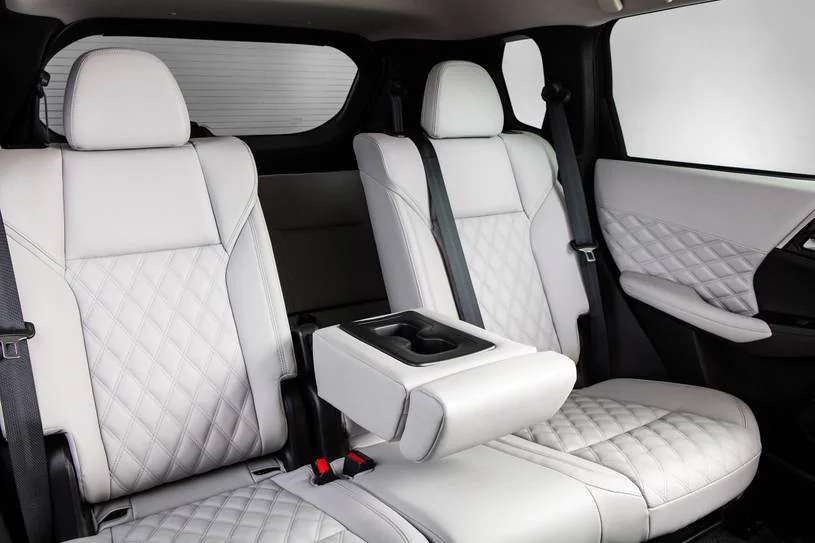
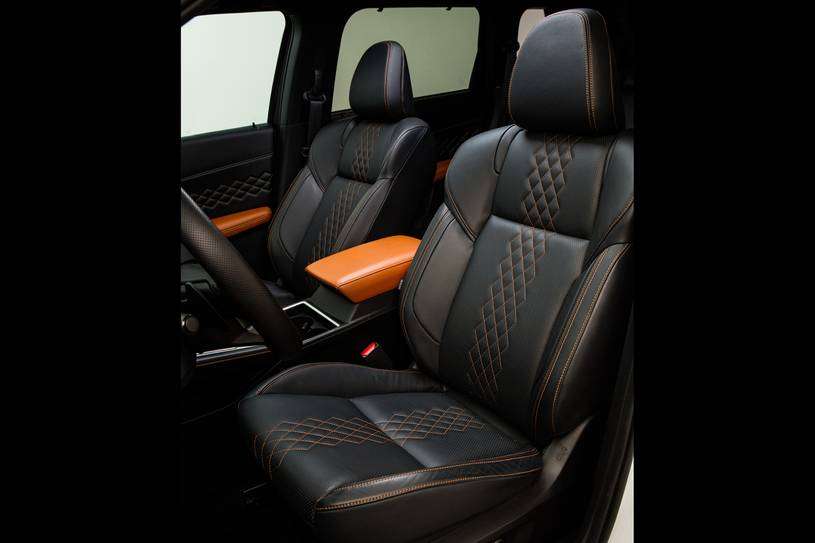
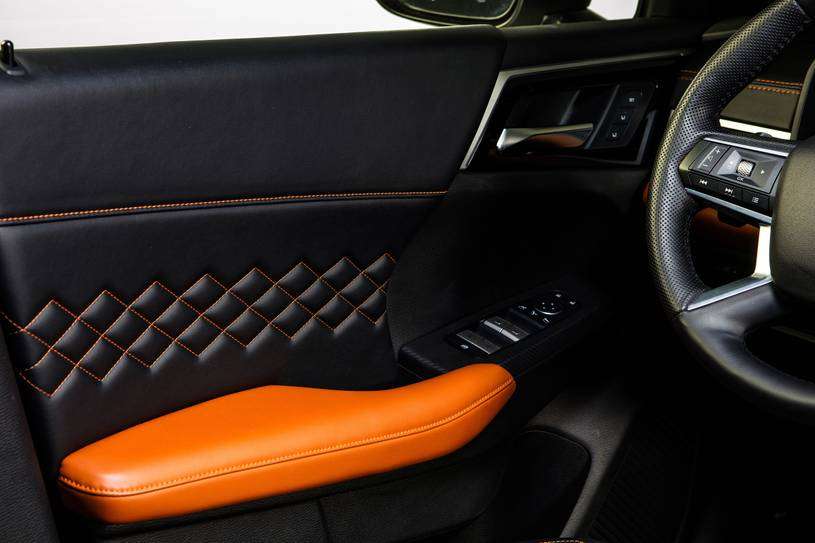
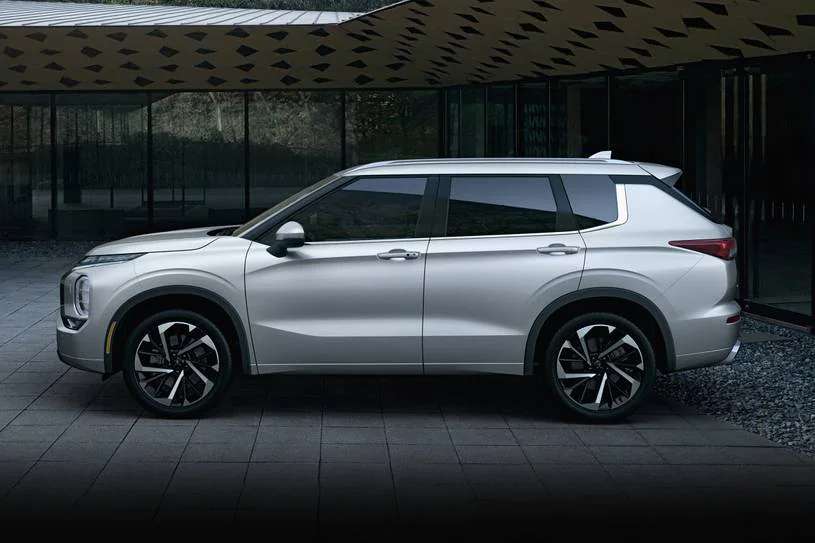
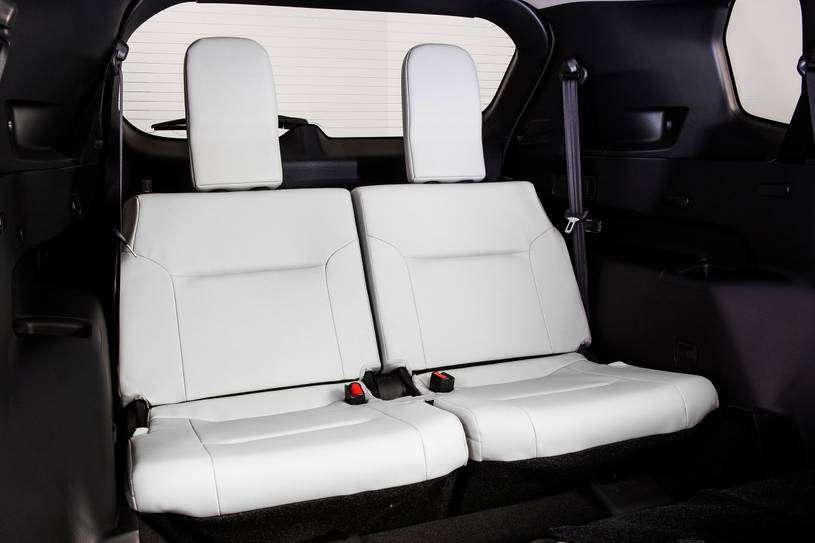
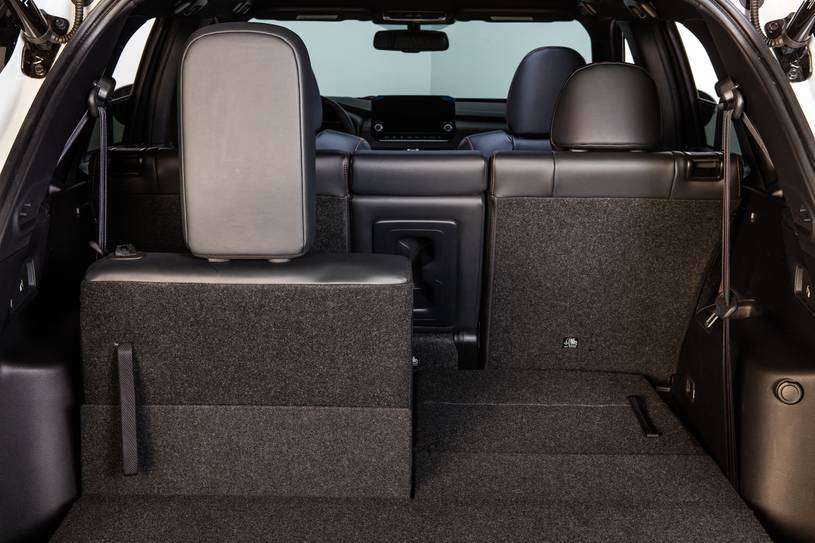
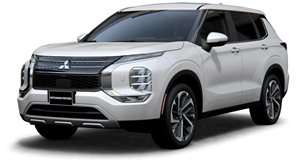
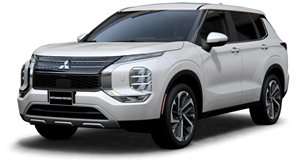
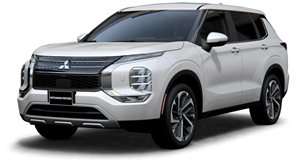
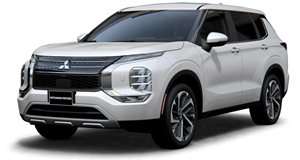
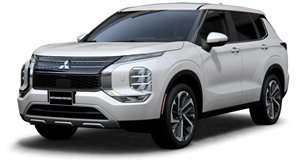
2018 Mitsubishi Outlander GT S-AWC Exterior Colors
2018 Mitsubishi Outlander GT S-AWC Interior Colors
2018 Mitsubishi Outlander Engines
| Engine | Standard in Trim | Power | Torque | Fuel Consumption - City | Fuel Consumption - Highway | 0-100 km/h | Quarter Mile | Half Mile |
|---|---|---|---|---|---|---|---|---|
| 3.0L V6 SOHC 24-valve | SE AWC anniversary edition | 224 hp @ 6250 rpm | 245 N.m | 12.0 L/100km | 8.8 L/100km | 7.4 s | 13.8 s | 25.8 s |
| 3.0L V6 SOHC 24-valve | GT S-AWC | 224 hp @ 6250 rpm | 245 N.m | 12.0 L/100km | 8.8 L/100km | 7.5 s | 13.9 s | 26.0 s |
| 3.0L V6 SOHC 24-valve | SE AWC | 224 hp @ 6250 rpm | 245 N.m | 11.9 L/100km | 8.5 L/100km | 7.4 s | 13.8 s | 25.8 s |
| 3.0L V6 SOHC 24-valve | GT S-AWC | 224 hp @ 6250 rpm | 245 N.m | 11.9 L/100km | 8.5 L/100km | 7.5 s | 13.9 s | 26.0 s |
| 3.0L V6 SOHC 24-valve | SE AWC | 227 hp @ 6250 rpm | 245 N.m | 11.5 L/100km | 8.4 L/100km | 7.3 s | 13.7 s | 25.7 s |
| 3.0L V6 SOHC 24-valve | GT S-AWC | 227 hp @ 6250 rpm | 245 N.m | 11.5 L/100km | 8.4 L/100km | 7.4 s | 13.8 s | 25.9 s |
| 2.4L L4 SOHC 16-valve | ES AWC | 166 hp @ 6000 rpm | 245 N.m | 9.8 L/100km | 8.1 L/100km | 9.0 s | 15.1 s | 28.2 s |
| 2.4L L4 SOHC 16-valve | ES FWD | 166 hp @ 6000 rpm | 245 N.m | 9.2 L/100km | 7.5 L/100km | 9.3 s | 16.8 s | 27.8 s |
| 2.4L L4 SOHC 16-valve | ES AWC | 166 hp @ 6000 rpm | 245 N.m | 9.7 L/100km | 8.1 L/100km | 9.0 s | 15.1 s | 28.2 s |
| 2.4L L4 SOHC 16-valve | ES 2WD | 166 hp @ 6000 rpm | 245 N.m | 9.5 L/100km | 7.5 L/100km | 9.2 s | 16.7 s | 27.7 s |
2018 Mitsubishi Outlander Trims
2018 Mitsubishi Outlander Previous Generations
2018 Mitsubishi Outlander Future Generations
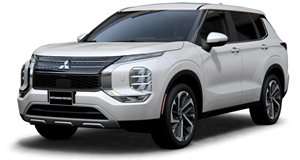
Mitsubishi Outlander Overview and History
True production begins after the merger of Mitsubishi Shipbuilding and Mitsubishi Aircraft Co. in 1934. Concentrated on building aircraft, ships, and railroad cars, the company found time to make a prototype sedan in 1937 which it called the PX33. Sadly, it was mainly for military use as the war approached.
Only after the war did the company really got into car production with a small three-vehicle vehicle, the Mizushima and a scooter with a funny name, the Silver Pigeon. Then came the split of the former conglomerate, because the conquering Allies did not see with favorable eyes Japan's industrial development.
A decade later, things in Japan were looking up and personal transportation became an issue again as more and more families afforded cars. Enter the Mitsubishi 500, a sedan for the masses, and later the Minica small car and the Colt 1000 in 1963. With sales rising, the remnants of the Mitsubishi conglomerate were united once again in 1970.
The next step for the company was to ally itself with a foreign company, Chrysler in this case, which bought 15% of the Mitsubishi, which afforded the Japanese manufacturer the license to sell rebadged Galants as Dodge Colts in the States and as Chrysler Scorpions in Australia.
In this way, Mitsubishi was able to raise numbers in production and set up a series of dealerships around Europe. But if for Mitsubishi things were looking up, the same could not be said about its American partner which was forced to sell the Australian manufacturing division in 1980.
Two years later, Mitsubishi would enter the American market under its own name with the Tredia sedan, the Cordia and the Starion coupe. The car quota was established at 30,000 vehicles but the Japanese were keen to increase that number and they began a campaign of active advertising. By the end of the 80s, Mitsubishi had achieved 1,5 million units produced worldwide.
In order to bypass the strict import regulations and to ease the tensions between the two companies, Mitsubishi and Chrysler founded a new vehicle manufacturing company in Normal, Illinois under the name Diamond-Star Motors which started production in 1987. The models that came out of this plant include the Mitsubishi Eagle, the Eagle Talon and the Plymouth Laser.
In 1988 the company changed its status from being privately owned to public. Mitsubishi industries remained the largest stockholder with 25% of the company, while Chrysler upped its share to 20 %. Later, in 1992, it reduced the equity to just 3% and even sold its interest in Diamond-Star Motors, leaving Mitsubishi as the sole owner.
In 1995, Mitsubishi Motors changed its name to the current on from DSM as it was previously known on the American market. Also, it opened up a new North American Manufacturing Division in 2002.
In 2000, Mitsubishi sought a new partnership with the newly formed Daimler-Chrysler concern which cost the German-American group $ 1.9 billion, $ 200 million less than the original price once the defect cover-up scandal came out. It seems that Mitsubishi had systematically covered up defects in its production cars as far back as 1977, involving anything from failing brakes to faulty clutch systems. When the news was disclosed, the company was forced to recall 163,707 vehicles for free repairs.
That, coupled with a economic crisis in the Asian region caused Mitsubishi a loss in profit and even the need to downsize in order to cope with falling demand. A new breed of cars, revitalized models and forward thinking was what brought Mitsubishi back on track. The Mitsubishi i, a small car perfect for the Asian market and the new Lancer and Outlander were enough to put the company back on the market. This lead to the first profitable quarter at Mitsubishi in four year to be declared in 2006.
2018 Mitsubishi Outlander Consumer Reviews
Compare Against Competitors
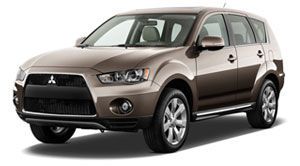
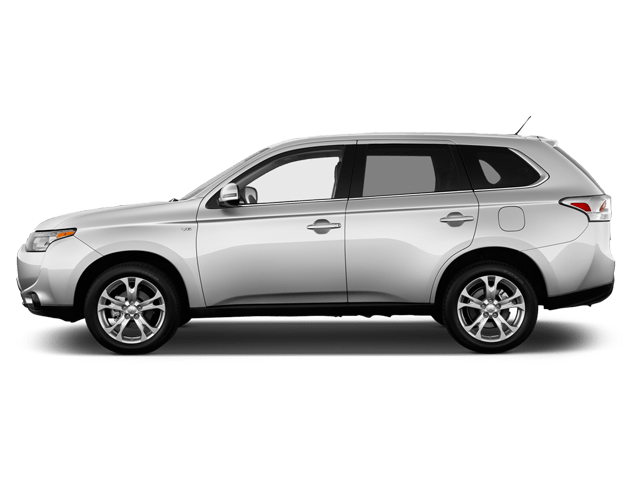
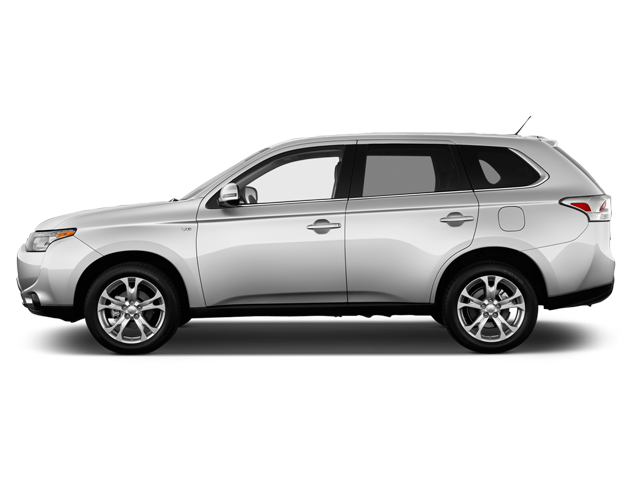
2018 Mitsubishi Outlander GT S-AWC Specifications
GT S-AWC Comfort and Convenience
| AM/FM stereo radio | 140-watt AM/FM stereo radio |
|---|---|
| Air Conditionning | Dual-zone automatic climate control |
| Antenna | Roof-mounted antenna |
| Audio Display Audio | Smart display audio system |
| Bluetooth Wireless Technology | Bluetooth 2.0 hands-free communication system |
| Cargo Cover | Yes |
| Cellular Phone | Android auto and Apple carplay |
| Courtesy Dome Light | Courtesy lights |
| Cruise Control | Adaptive cruise control |
| Driver Vanity Mirror | Illuminated driver-side vanity mirror |
| Front Wipers | Rain-sensing windshield wipers |
| Fuel Door Operation | Remote fuel lid opener |
| Garage Door Opener | Homelink garage door opener |
| Heated Steering Wheel | Heated steering wheel |
| Intelligent Key System | FAST-key entry |
| Interior Air Filter | Cabin air filtration |
| MP3 Capability | Yes |
| Number of Speakers | 9 speakers |
| Passenger Vanity Mirror | Illuminated front passenger-side vanity mirror |
| Power Door Locks | Yes |
| Power Outlet | 3 12-volt power outlets |
| Power Windows | Power windows with driver one-touch up/down feature |
| Premium Sound System | 710-watt Rockford Fosgate Punch |
| Reading Light | Front map lights |
| Rear Heating | Rear heater ducts |
| Rear View Mirror | Auto-dimming rearview mirror |
| Rear Wipers | Intermittent rear window wiper |
| Remote Audio Controls | Steering wheel-mounted cruise and audio controls |
| Remote Keyless Entry | Yes |
| Single CD | CD player |
| Sirius XM satellite radio | SiriusXM satellite radio with 3 months complimentary service |
| Steering Wheel Adjustment | Tilt and telescopic steering wheel |
| Streaming Audio | Streaming audio via Bluetooth wireless technology |
| Subwoofer | 10-inch subwoofer |
| Trunk Light | Cargo area light |
| Trunk Cargo Cargo Area Tie Down Hooks | Cargo tie-down utility hooks |
| Trunk Cargo Power Trunk Tailgate | Power liftgate |
| USB Connector | USB input |
| Voice Recognition System | Yes |
| Wiper Defroster | Windshield wiper de-icer |
GT S-AWC Dimensions
| 3rd Row Headroom | 908 mm |
|---|---|
| 3rd Row Legroom | 715 mm |
| Cargo Capacity | 292 L |
| Curb Weight | 1630 kg |
| Front Headroom | 1014 mm |
| Front Legroom | 1039 mm |
| Fuel Tank Capacity | 60 L |
| Gross Vehicle Weight | 2270 kg |
| Ground Clearance | 215 mm |
| Height | 1681 mm |
| Length | 4695 mm |
| Max Trailer Weight | 1587 kg |
| Maximum Cargo Capacity | 1792 L |
| Rear Headroom | 944 mm |
| Rear Legroom | 947 mm |
| Wheelbase | 2670 mm |
| Width | 1810 mm |
GT S-AWC Exterior Details
| Automatic Headlights | Yes |
|---|---|
| Bumper Colour | Black front bumper centre |
| Door Handles | Body-color door handles |
| Driving Lights | Auto highbeams |
| Exterior Folding Mirrors | Power-folding outside mirrors |
| Exterior Mirror Colour | Body-color exterior mirrors |
| Exterior Mirrors Lamp | Exterior mirrors with integrated LED turn signals |
| Fender Flares | Black wheel arch mouldings |
| Front Fog Lights | LED front fog lamps with chrome accent |
| Grille | Chrome grille |
| Headlight Type | LED headlights |
| Headlights Daytime Running Lights | LED daytime running lights |
| Heated Exterior Mirrors | Yes |
| Power Exterior Mirrors | Power-adjustable outside mirrors |
| Privacy Glass | Rear privacy glass |
| Rear Window Defroster | Rear window defroster with timer |
| Roof Rack | Silver painted roof rails |
| Side-Body Trim | Chrome beltline accent |
| Sunroof | Power glass sunroof with sunshade |
| Taillights | LED taillights |
| Tinted Glass | Yes |
GT S-AWC Interior Details
| Door Trim | Cloth door panel trim |
|---|---|
| Driver Info Center | Multi-Information display |
| ECO Shift Indicator | ECO mode indicator |
| Floor Console | Floor centre console with LED illumination |
| Floor Mats | Yes |
| Folding 3rd Row Seats | 3rd row fold-flat seat |
| Folding Rear Seats | 60/40 2nd row split folding bench |
| Front Center Armrest | Leatherette front armrest |
| Front Seats Driver Power Seats | Power driver's seat |
| Front Seats Front Seat Back Storage | Front seatback map pockets |
| Front Seats Front Seat Type | Bucket front seats |
| Front Seats Heated | Heated front seats |
| Glove Box | Illuminated glove box |
| Inner Door Handle Trim | Chrome plated interior door handles |
| Low Fuel Warning | Yes |
| Luxury Dashboard Trim | Soft-touch upper instrumental panel |
| Maintenance Interval Reminder | Maintenance reminder |
| Number of Cup Holders | Front and rear cup holders |
| Outside Temperature Gauge | Outside temperature display |
| Rear Center Armrest | Rear center armrest with cup holders |
| Rear Seat Type | Rear bench |
| Seat Trim | Leather seats |
| Shifter Knob Trim | Leather-wrapped shift knob |
| Steering Wheel Trim | Leather-wrapped steering wheel |
| Tachometer | High-contrast speedometer and tachometer |
| Water Temperature Gauge | Engine temperature display |
GT S-AWC Mechanical
| Drive Train | All-wheel drive |
|---|---|
| Engine Name | 3.0L V6 SOHC 24-valve |
| Stability Control | Yes |
| Start button | Yes |
| Traction Control | Yes |
| Transmission | 6-speed automatic transmission with manual mode |
| Transmission Paddle Shift | Yes |
GT S-AWC Overview
| Body | Sport Utility |
|---|---|
| Doors | 5 |
| Engine | 3.0L V6 SOHC 24-valve |
| Fuel Consumption | 12.0 (Automatic City)8.8 (Automatic Highway) |
| Power | 224 hp @ 6250 rpm |
| Seats | 7 |
| Transmission | 6-speed automatic transmission with manual mode |
| Warranties | Bumper-to-Bumper100000/km, 60/Months Emissions130000/km, 96/Months Powertrain160000/km, 120/Months Roadside AssistanceUnlimited/km, 60/Months Rust-throughUnlimited/km, 60/Months |
GT S-AWC Safety
| Anti-Lock Brakes | Anti-lock brakes (ABS) |
|---|---|
| Anti-Theft Alarm | Anti-theft alarm system |
| Blind Spot Warning | Yes |
| Brake Assist | Brake assist |
| Brake Type | 4-wheel disc |
| Child Seat Anchor | LATCH child seat anchors |
| Child-proof Locks | Child safety rear door locks |
| Driver Airbag | Driver-side front airbag |
| Driver Assistance | Lane departure warning |
| Electronic brake force distribution | Electronic brake force distribution |
| Forward collision warning | Yes |
| Front Seat Belts | Height adjustable |
| Hill Start Assist | Hill start assist |
| Ignition Disable | Anti-theft engine immobilizer |
| Knee Airbags | Driver-side knee airbag |
| Panic Alarm | Panic alarm |
| Parking Brake | Electric |
| Passenger Airbag | Passenger-side front airbag |
| Pedestrian Detection | Yes |
| Rear Collision Warning | Yes |
| Rear Seat Belts | Center 3-point |
| Rear View Camera | Multi view monitor |
| Roof Side Curtain | Side-impact curtain airbags (front and rear) |
| Side Airbag | Front-seat mounted side-impact airbags |
GT S-AWC Suspension and Steering
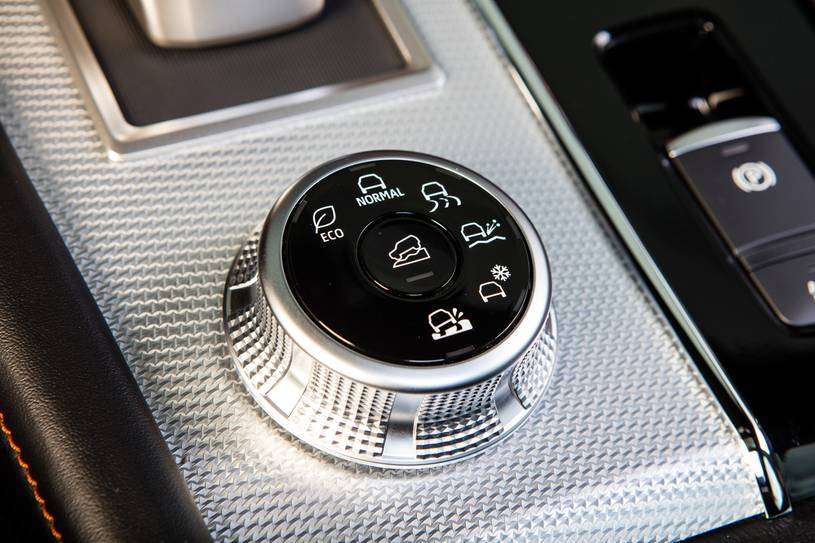
| Drive Selection | Drive mode selector (ECO/Normal/Snow/Lock) |
|---|---|
| Front Anti-Roll Bar | Front stabilizer bar |
| Front Suspension | Front independent suspension |
| Front Tires | P225/55R18 |
| Power Steering | Variable power-assisted rack-and-pinion steering |
| Rear Anti-Roll Bar | Rear stabilizer bar |
| Rear Suspension | Rear independent suspension |
| Spare Tire | Compact spare tire |
| Tire Pressure Monitoring System | Yes |
| Turning Circle | 10.6-meter turning circle diameter |
| Wheel Type | 18-inch alloy wheels |
Critics Reviews
New For 2017. The 2017 Mitsubishi Outlander gets some new interior updates, a new available all-wheel-drive system on the base model, new technology updates including support for Android Auto and ...
2017 Mitsubishi Outlander Review by Ben Koses | August 10, 2018 The 2017 Mitsubishi Outlander is one of the few compact SUVs to offer third-row seating. However, its underpowered engine, poor predicted reliability rating, and lack of features compared to rivals pull the Outlander toward the bottom of its class.
To further research used models in this generation, read our reviews of the 2016, 2017, and 2018 Mitsubishi Outlander. If you decide an older model is right for you, check out our Used Car Deals page to learn about savings and discounts on used vehicles. Compare the 2017, 2018, and 2019 Mitsubishi Outlander »
Discussion and Comments
Share Your Comments