2002 Volvo V70 2.4T 0-60 Times, Top Speed, Specs, Quarter Mile, and Wallpapers
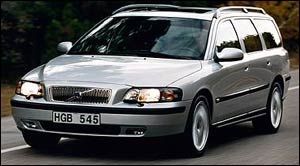
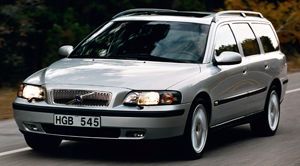
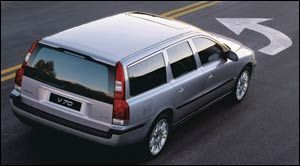
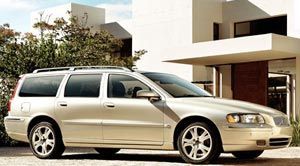
The 2002 Volvo V70 2.4T is a Front-wheel drive Wagon. It can accommodate up to 5 passengers. It has 5 Doors and is powered by a 2.4L L5 Turbo DOHC 20 valves engine which outputs 197 hp @ 6000 rpm and is paired with 5 speed automatic gearbox. The 2002 Volvo V70 2.4T has cargo capacity of 485 Liters and the vehicle weighs 1528 kg. In terms of ride assists, the 2002 Volvo V70 2.4T has stability control and traction control in addition to anti-lock brake system (ABS). The vehicle has an optional engine as well It offers and. Safety features also include None and None. The front suspension is while the rear suspension is. The car also features a It has as standard. Electronic features include Cruise Control. For convenience, the car has Power windows and Power door locks. There is also a remote keyless entry feature. Moreover, the car has. The steering wheel has audio control buttons. In terms of performance, the car has 215 N.m of torque and a top speed of 214 km/h. The 2002 Volvo V70 2.4T accelerates from zero to 60 mph in 8.4 seconds and hits quarter mile at 16 seconds. Fuel consumption is 1.8 L/100km in the city and 8 L/100km in the highway. The car price starts at $ 42,995
| Name | 2.4T | |
|---|---|---|
| Price | $ 42,995 | |
| Body | Wagon | |
| Doors | 5 Doors | |
| Engine | 2.4L L5 Turbo DOHC 20 valves | |
| Power | 197 hp @ 6000 rpm | |
| Number of Seats | 5 Seats | |
| Transmission | 5 speed automatic | |
| Cargo Space | 485.0 L | |
| Maximum Cargo Space | 485.0 L | |
| Wheel Type | ||
| Series | V70 II | |
| Drivetrain | Front-wheel drive | |
| Horsepower | 197 HP | |
| Torque | 215 N.m | |
| Top Speed | 214 km/h | |
| Acceleration 0-100 km/h (0-60 mph) | 8.4 s | |
| Fuel Type | Petrol (Gasoline) | |
| Fuel Consumption (City) | 1.8 L/100km | |
| Fuel Consumption (Highway) | 8.0 L/100km | |
| Gear Type | auto | |
| Weight | 1,528 KG | |
| Brand | Volvo | |
| Model | V70 | |
| 0-400m (Quarter Mile) | 16.0 s | |
| 0-400m (Quarter Mile) - Speed | 143.5 km/h | |
| 0-800m (Half Mile) | 26.6 s | |
| 0-800m (Half Mile) - Speed | 161.6 km/h | |
| Modifications (MODS) | ||
| Modifications Cost | $ 0 |
VOLVO V70 2002r. 2,4T 200KM ACCELERATION 0-100
2002 Volvo V70XC 0-60 137K with snow tires
VOLVO V70 2002r. 2,4T 200KM ACCELERATION 0-100
2002 Volvo V70 Used Price Estimates
Estimates based on a driving average of 12,000 miles per year| Used Condition | Trade In Price | Private Party Price | Dealer Retail Price |
|---|---|---|---|
| Outstanding | $ 1,336 | $ 2,180 | $ 2,646 |
| Clean | $ 1,179 | $ 1,927 | $ 2,338 |
| Average | $ 865 | $ 1,421 | $ 1,721 |
| Rough | $ 552 | $ 915 | $ 1,104 |
Volvo's V70 offers space and safety -- in addition to speed in T5 guise.
Ask your neighbor to name a sensible family wagon with a reputation for safety, and most likely he or she will name Volvo. But when the second-generation V70 wagon arrived in 2001, Volvo was hoping to stir your emotions, as well.
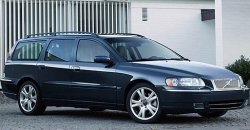
In an effort to distance it from the boxy Volvos of the last decade, the V70 carries itself more aggressively, borrowing curves and character lines from its platform mates, the S60 and S80 sedans. Engineered to offer more passenger room than its predecessor, today's V70 does, indeed, offer wonderfully comfortable accommodations for front passengers, though its shorter length makes legroom tight for rear passengers. Fold the rear seats down, and there is 71.4 cubic feet of cargo space at your disposal -- this is slightly more capacity than a Subaru Outback provides. As an added bonus, the Volvo's front-passenger seat folds flat, as well. If you have more bodies than cargo, you can purchase the optional rear-facing third-row bench, which seats two children (preferably diminutive ones).
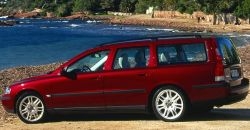
The V70 comes in four trim levels. The base 2.4 wagon comes with a 2.4-liter inline five that makes 168 horsepower. Midlevel 2.4T wagons get a turbocharged version of that engine that develops 197 horsepower. And the upscale T5 has a 2.3-liter inline five equipped with a high-pressure turbocharger; output on this model reaches 247 horsepower and 243 pound-feet of torque. We expect that the 2.4T powerplant will satisfy most buyers, and a long options list ensures that you won't miss out on any of the T5's additional features. Both the 2.4 and the T5 are available with either a manual or automatic transmission, while the 2.4T only comes with an automatic. Finally, the V70 AWD uses the 2.4T model's powertrain and comes with the Cross Country's viscous-coupling AWD system. Under normal traction conditions, this system directs most of the engine's power to the front wheels; when slippage is detected, nearly all power can be redirected to the rear. Volvo's TRACS system enhances the package by permitting side-to-side transfers of torque when needed.
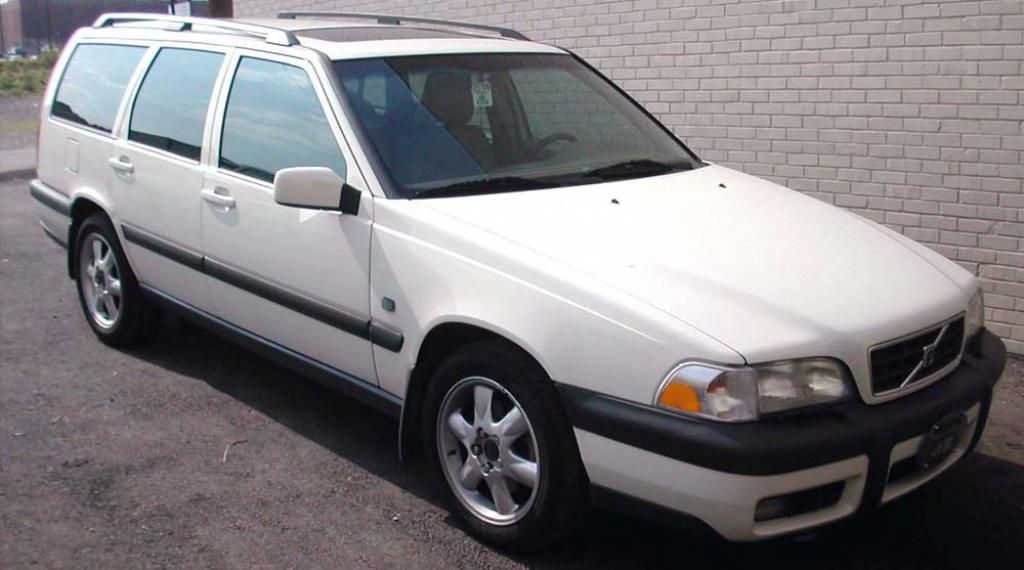
All V70s have a MacPherson-strut front suspension and multilink rear suspension to give the wagon a level of performance and confidence not normally associated with, well, a wagon. On twisty roads, the V70 feels planted and predictable on fast sweepers and quick transitions. And the ride is smooth on all but the harshest pavement. The steering isn't overly communicative, but its quick ratio makes the V70 easy to maneuver. For added peace of mind, Volvo's STC traction control system is optional for 2.4 and 2.4T wagons. Also optional for the 2.4T and standard on the T5 is the more advanced Dynamic Stability and Traction Control (DSTC) system, which provides both traction and stability control. Later this model year, the V70 AWD model is expected to receive an electronically controlled all-wheel-drive system similar to what is offered on the S60 AWD sedan -- this more advanced unit would be compatible with DSTC.The V70 boasts a long list of safety and convenience features perfect for hauling the brood and associated gear. Safety features include side airbags for front passengers, head curtain airbags for front and rear passengers, whiplash-reducing front headrests and ISO-FIX child-seat attachment points. Available options include leather upholstery, heated seats, a DVD-based navigation system, an Audio Max premium sound system, 17-inch wheels, a foldable rear table and a shopping-bag holder for the cargo area. The navigation system's 6.5-inch screen is normally hidden inside the dashboard, and rises upward when the driver hits a button on the back of the steering wheel. This feature makes it easier to look at the screen without taking your eyes off the road.
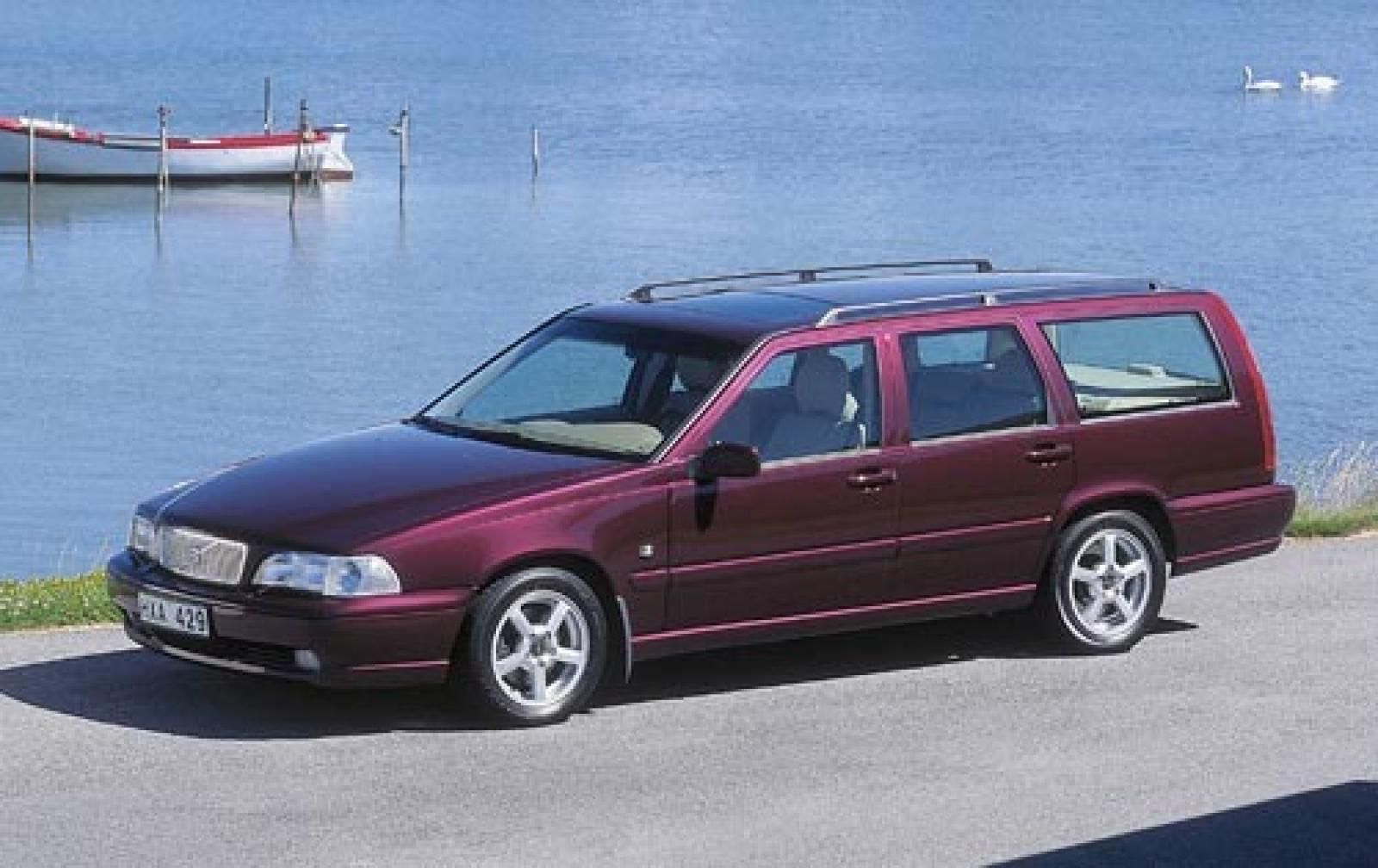
The V70 wagon is an impressive vehicle, and it offers an excellent combination of utility, performance, safety and luxury content. Pricing starts around 30 grand, which should help Volvo maintain its lead in the luxury wagon segment. A fully loaded T5 can get expensive, however, so it's best to limit the optional equipment, if you are on a budget.
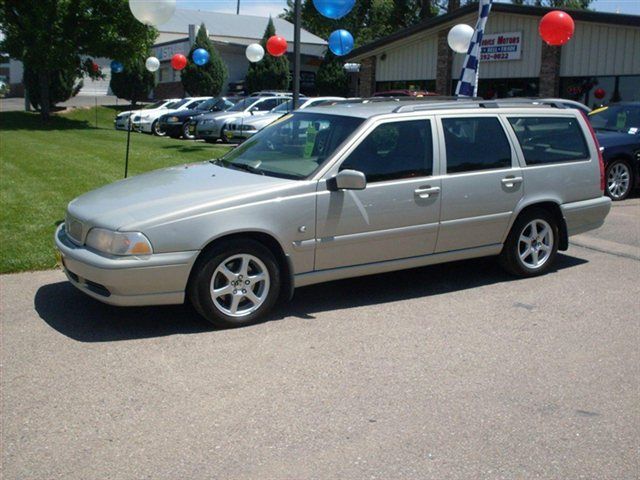
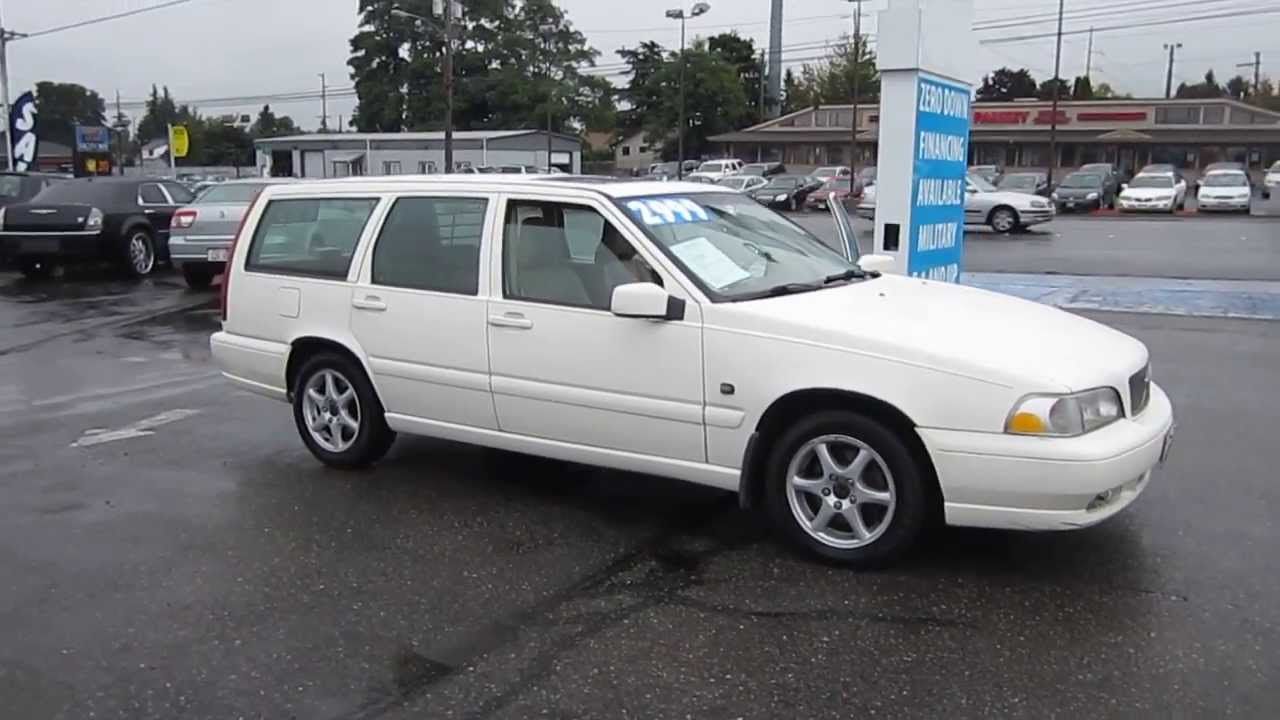
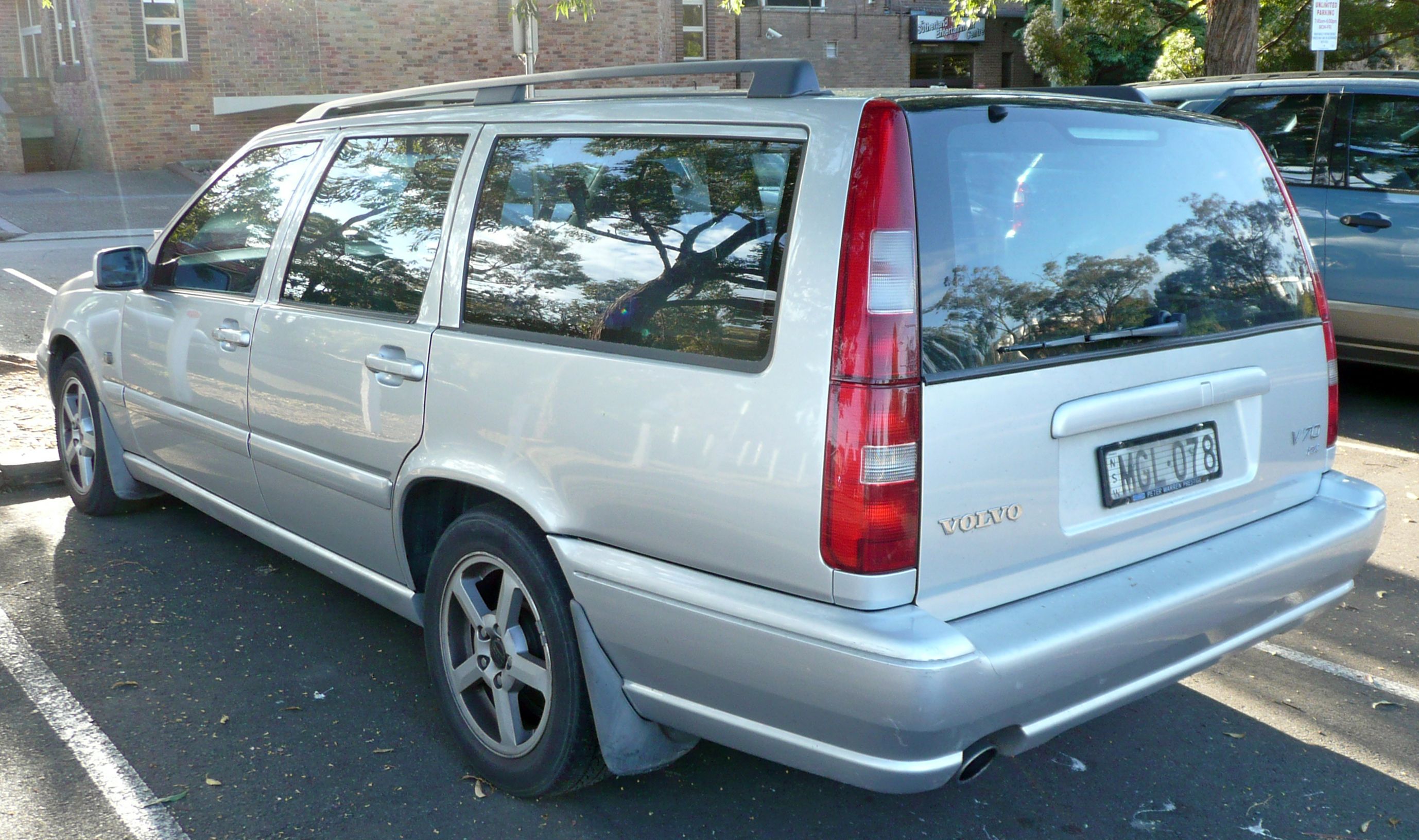
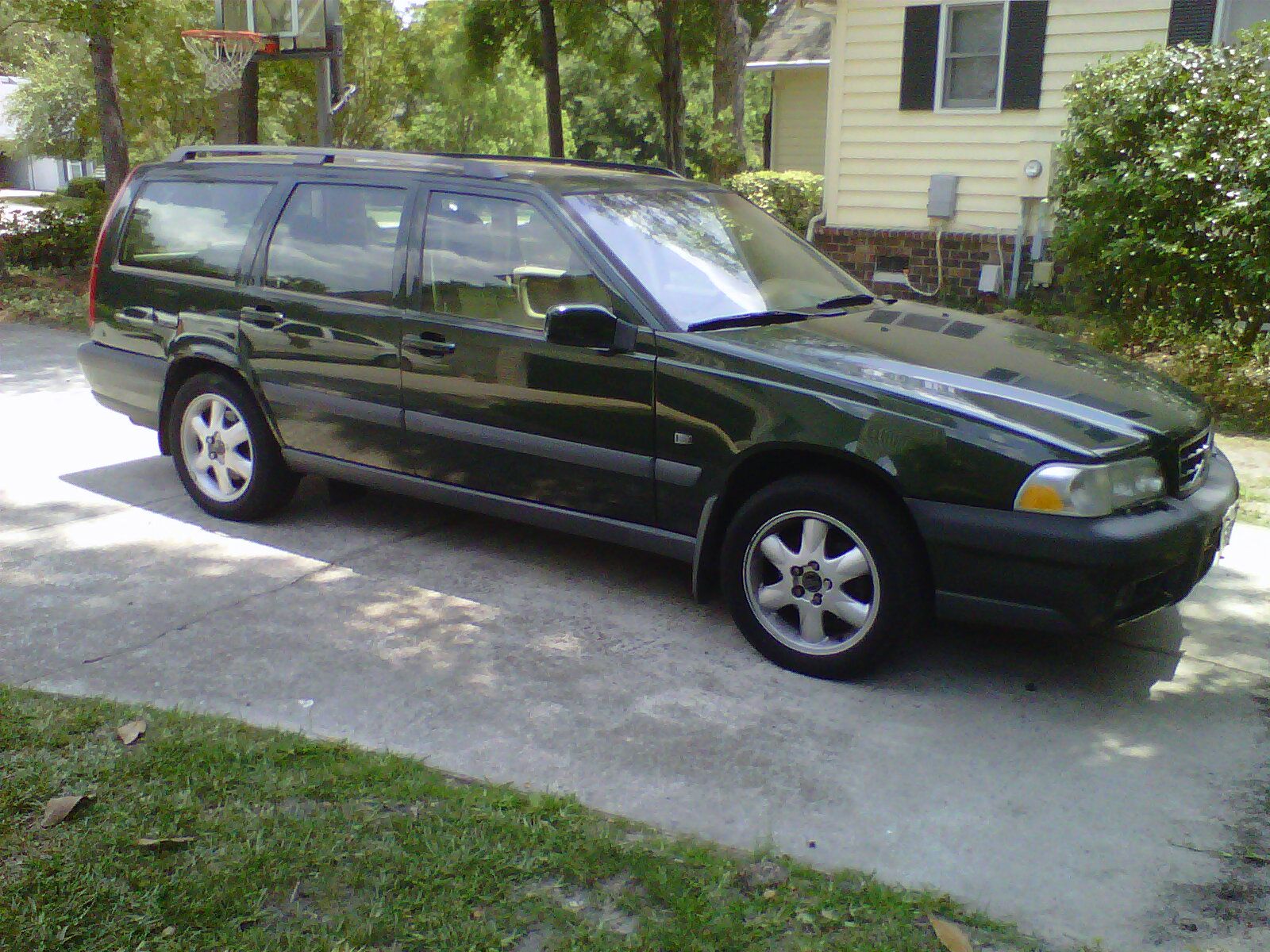
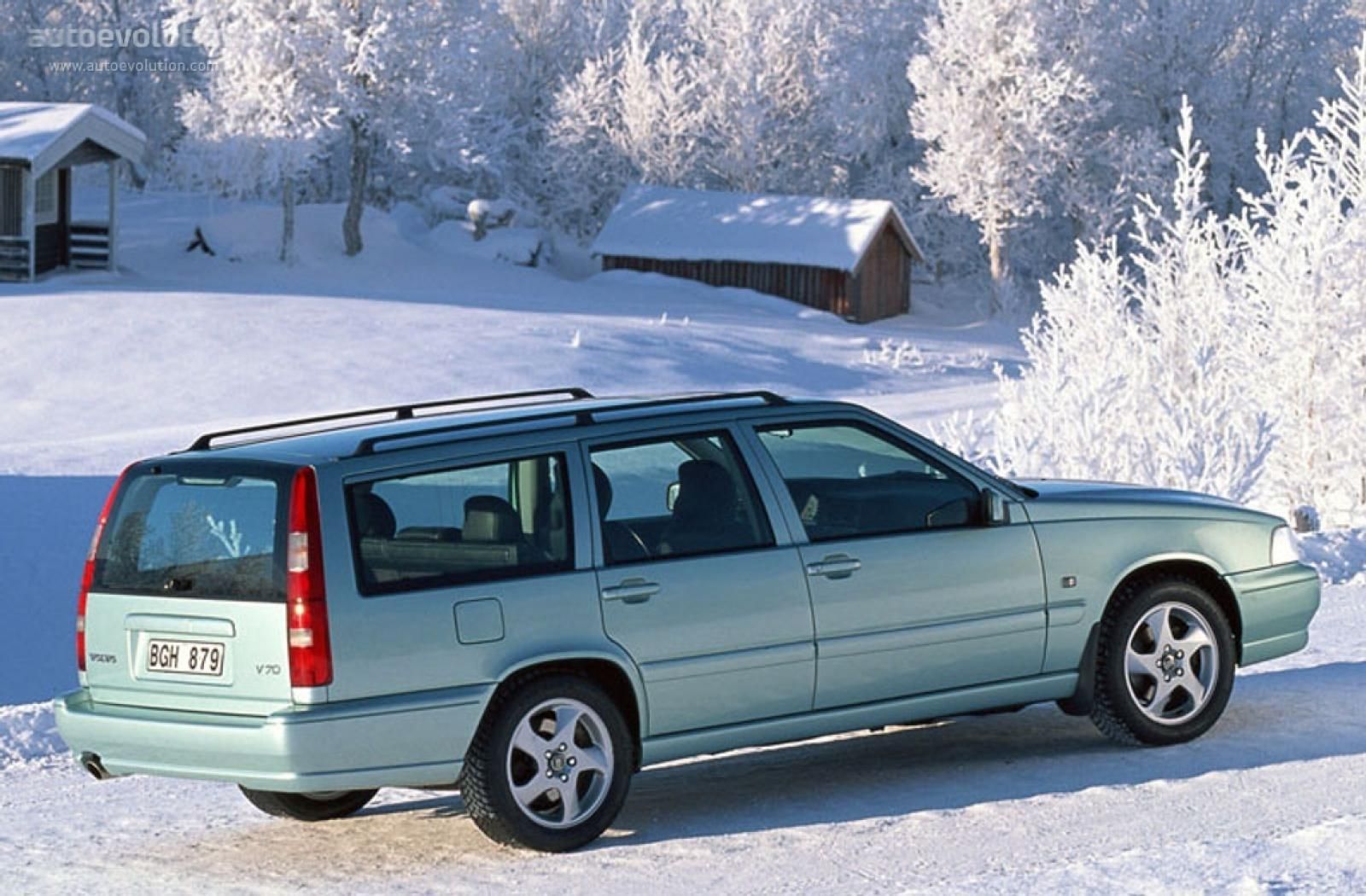
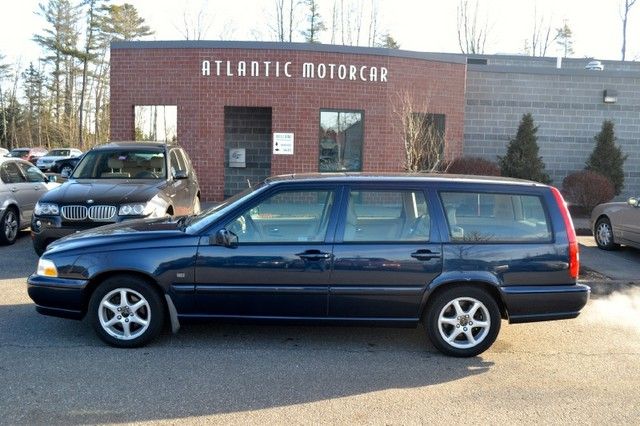
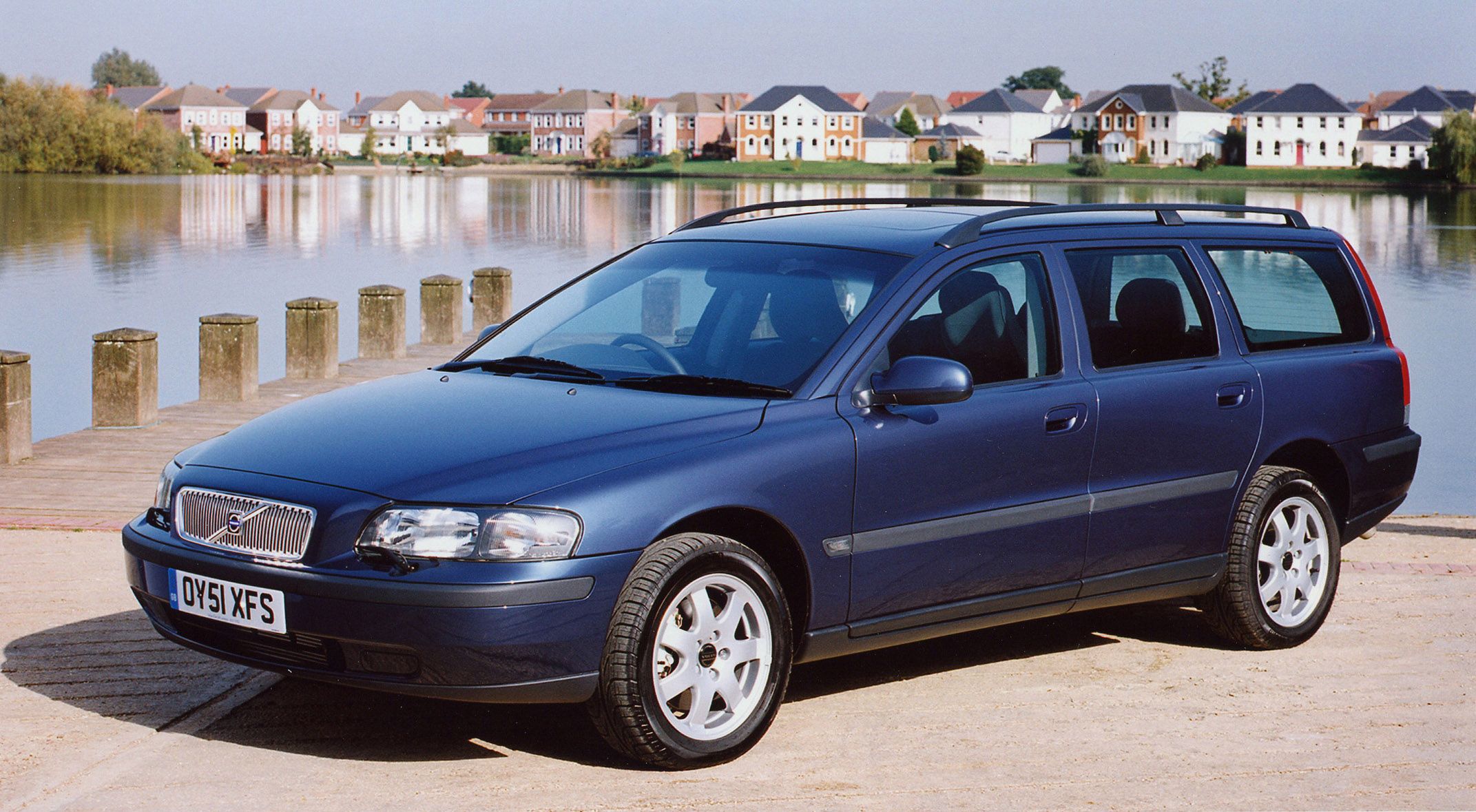
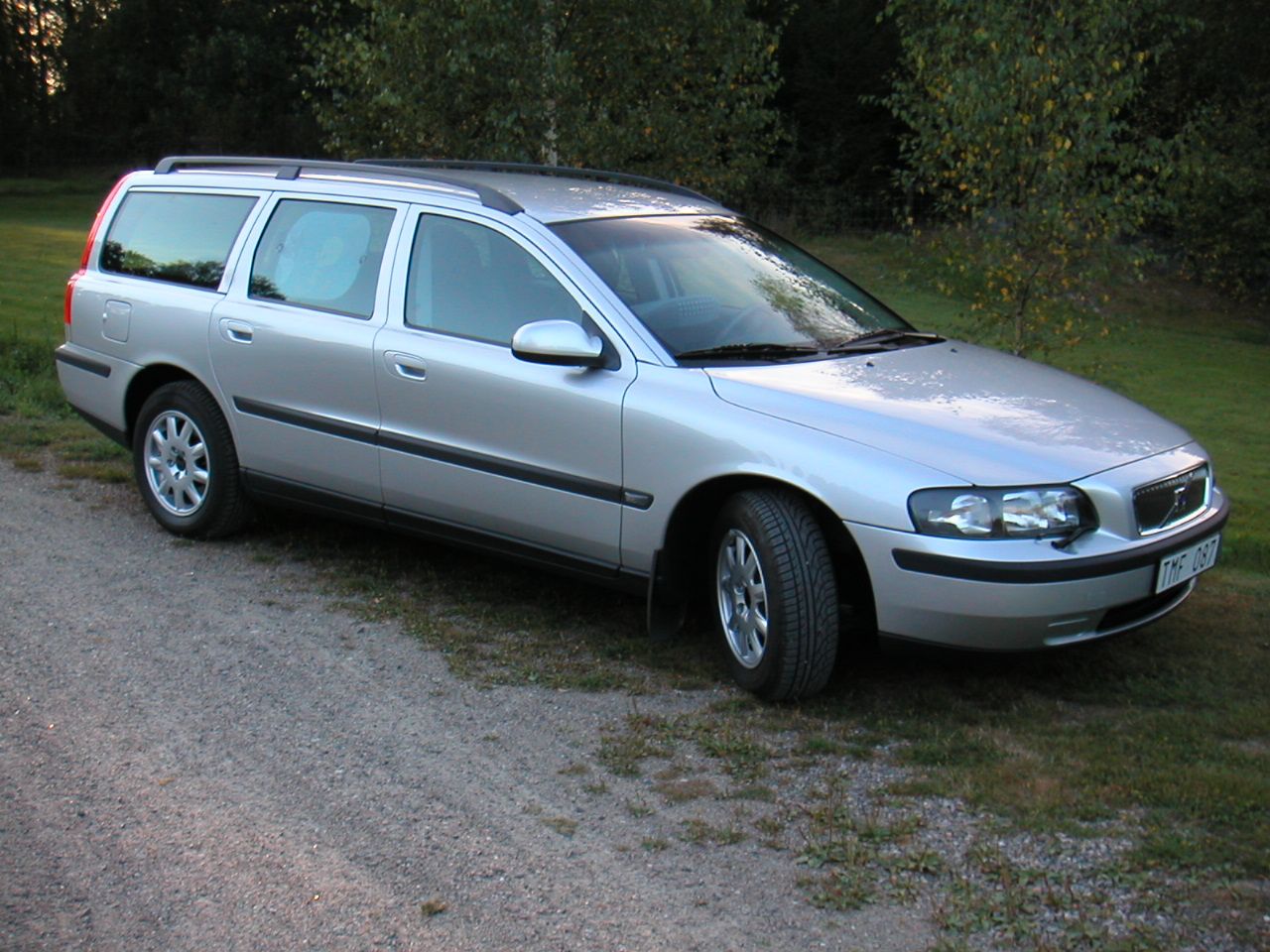
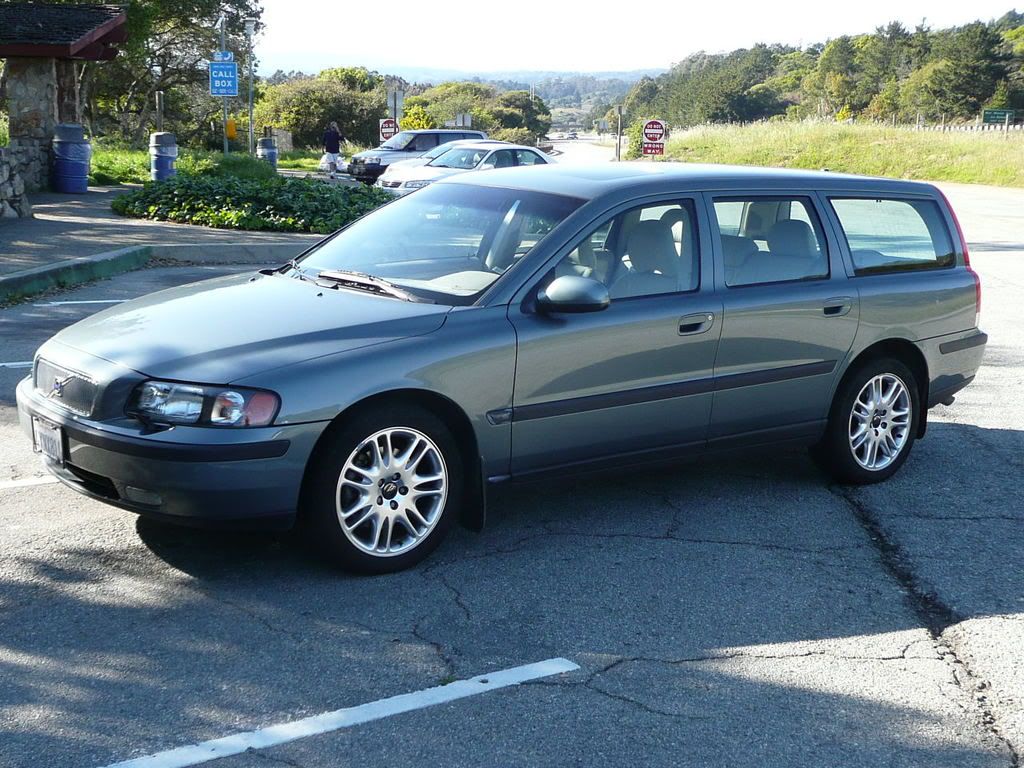
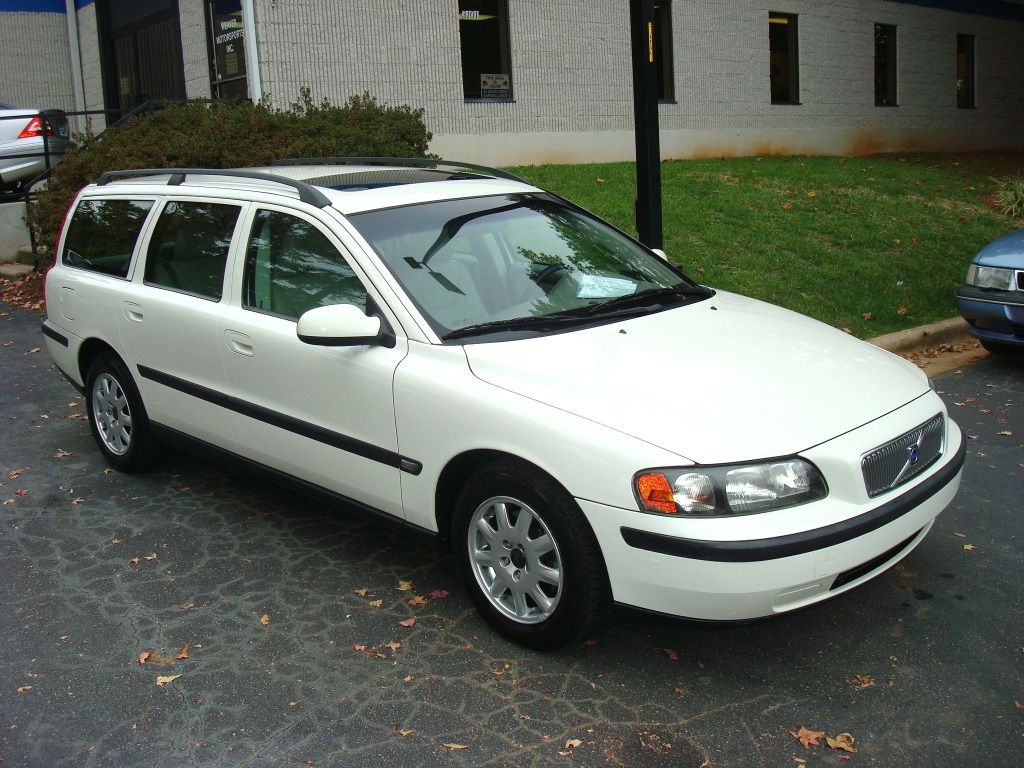
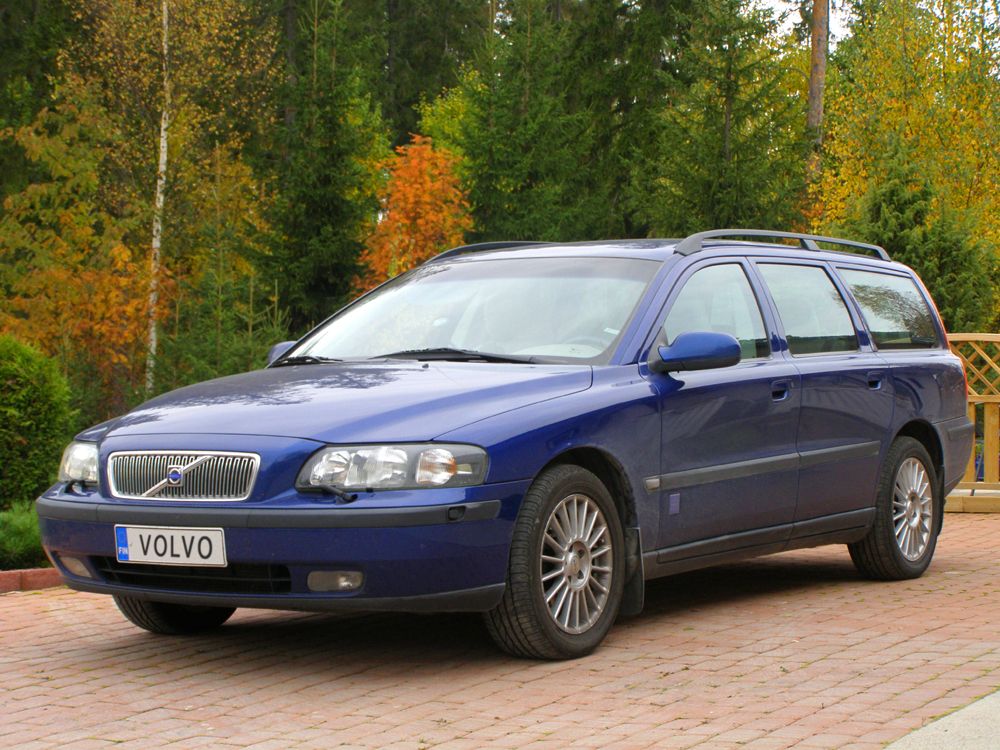
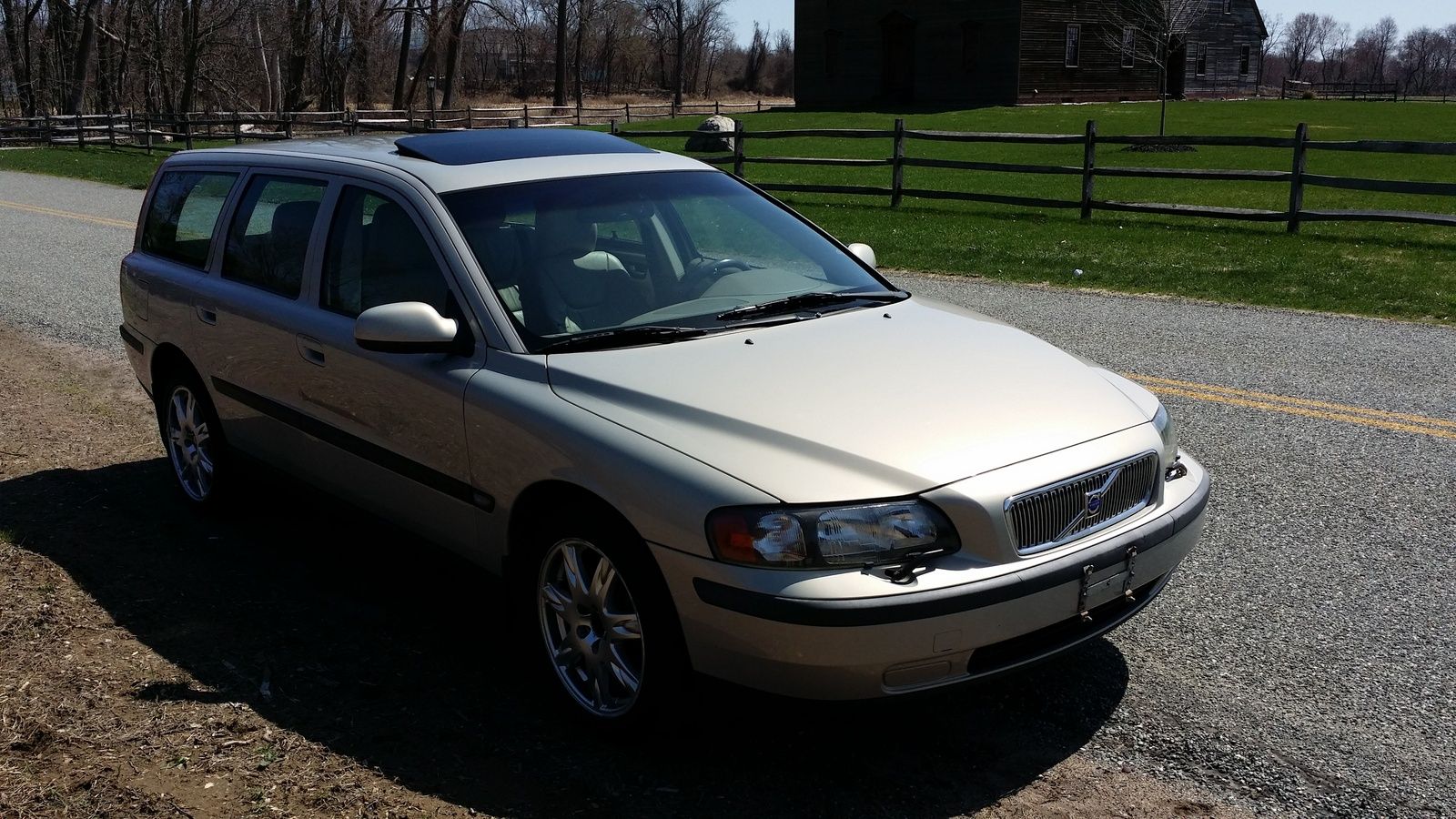
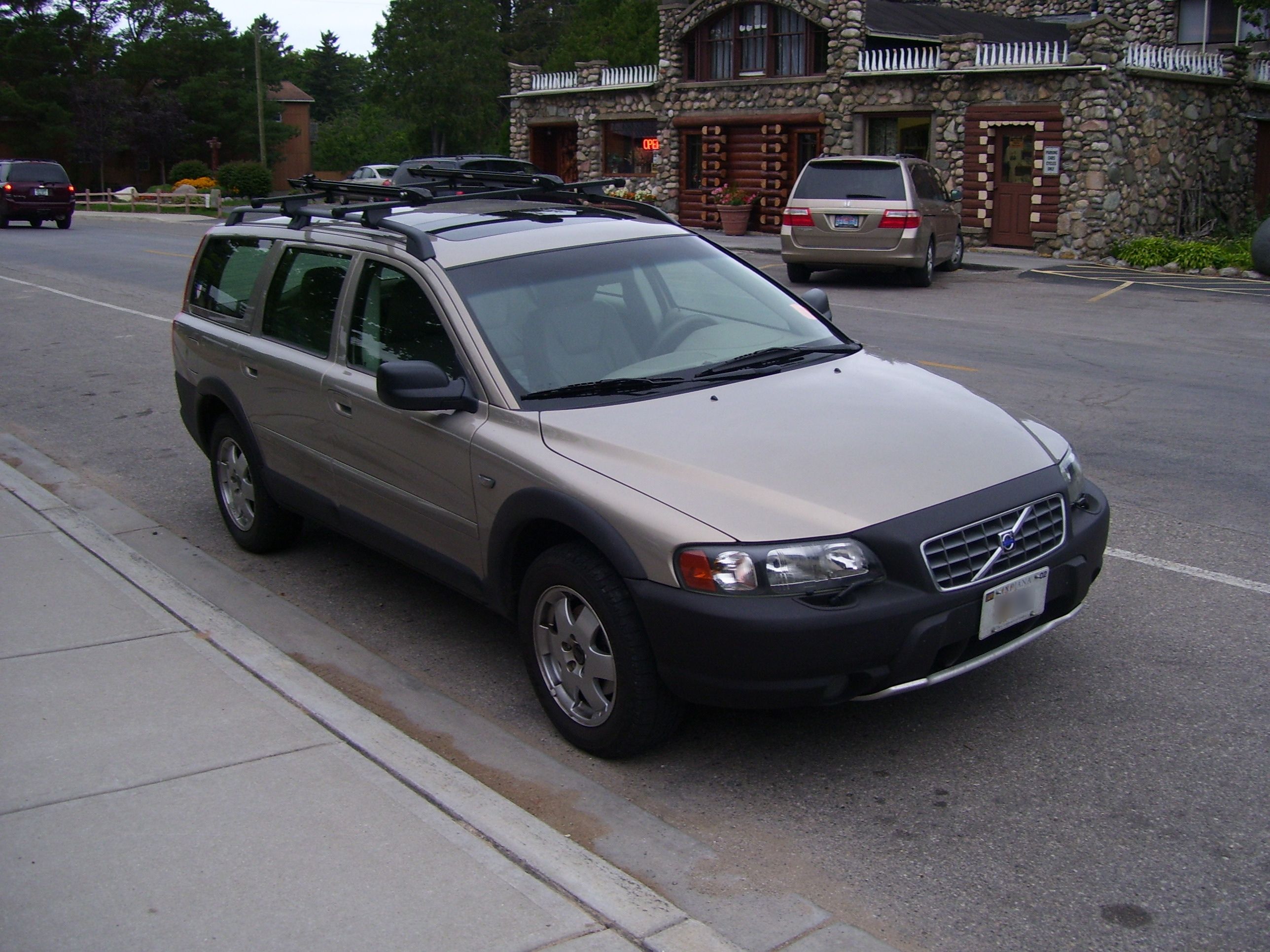
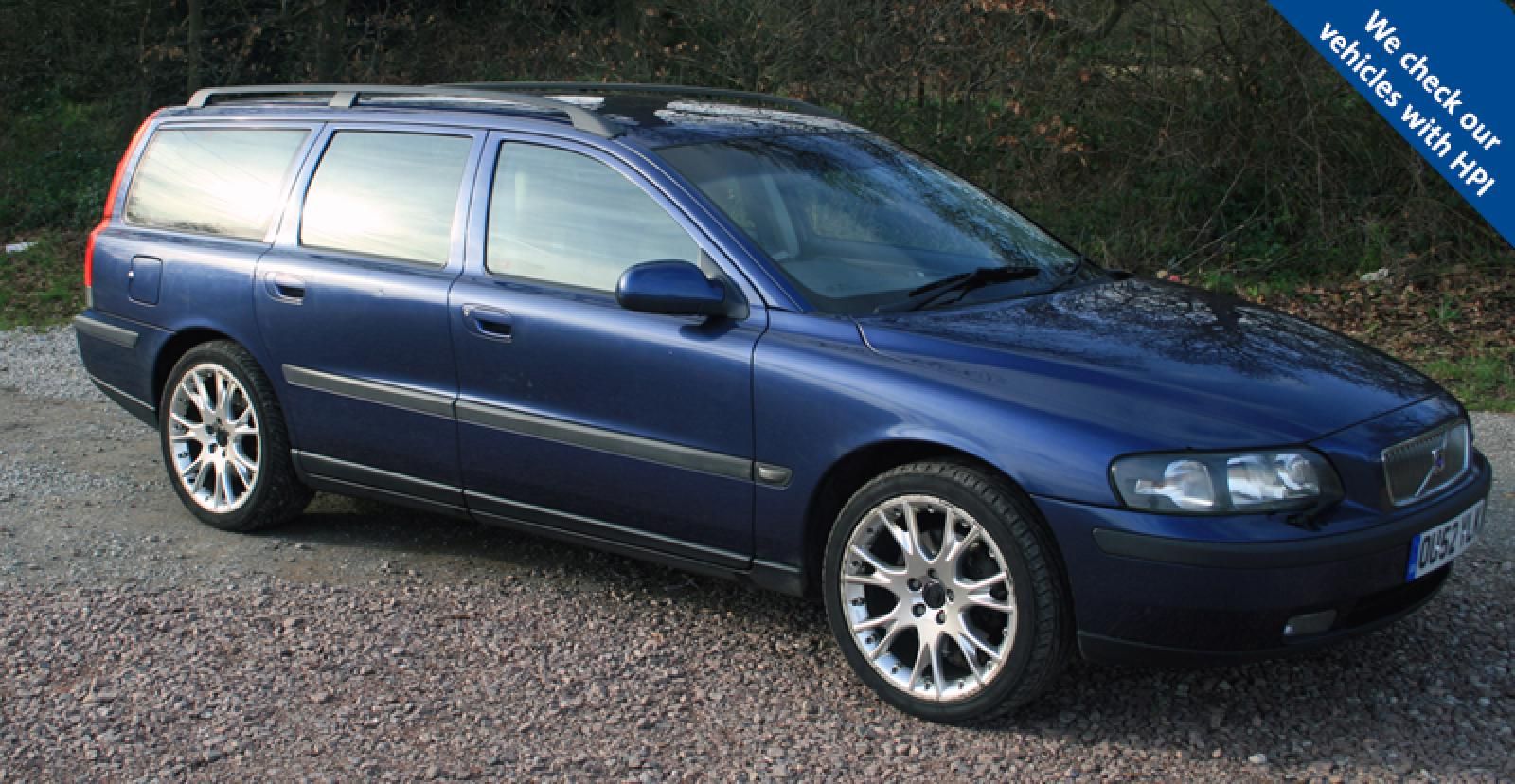
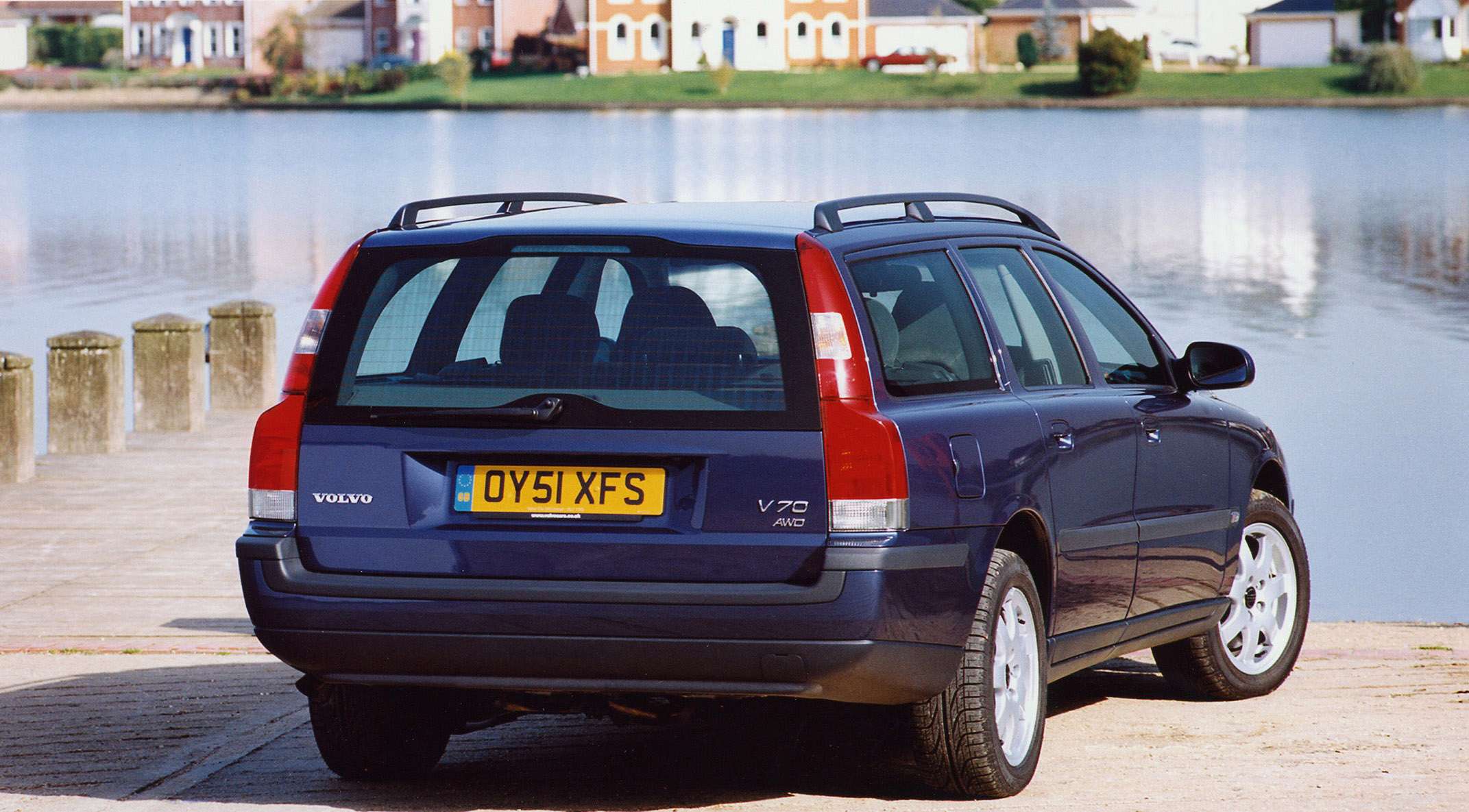
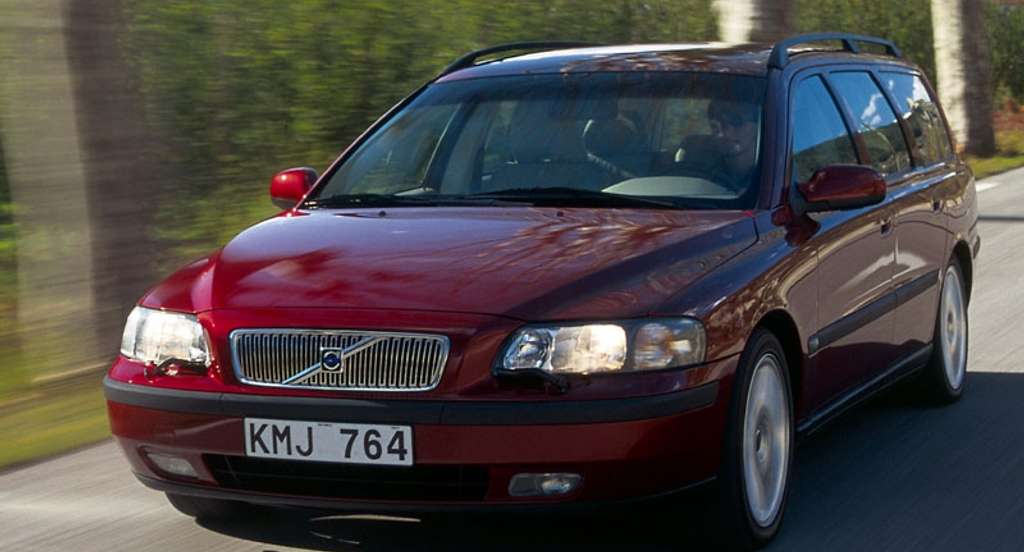
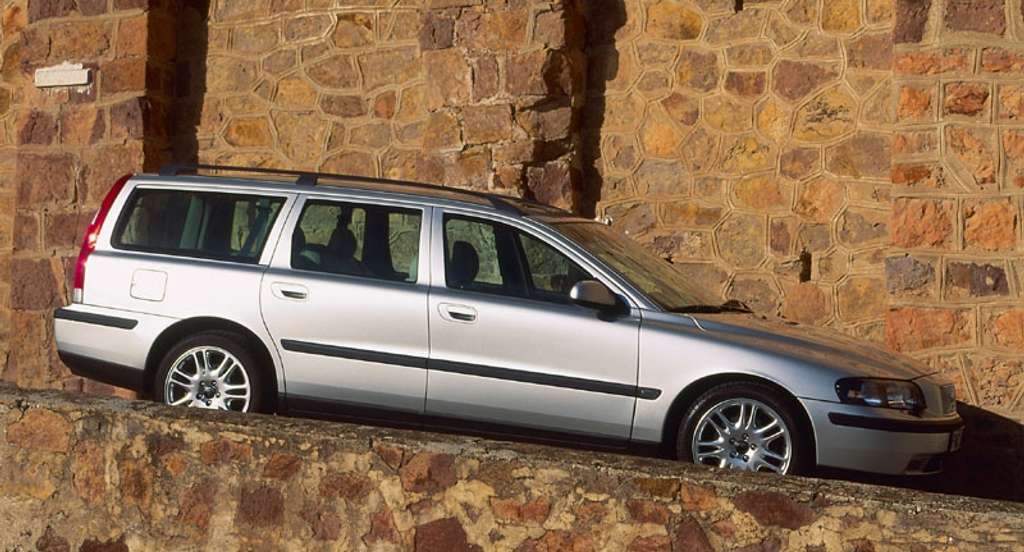
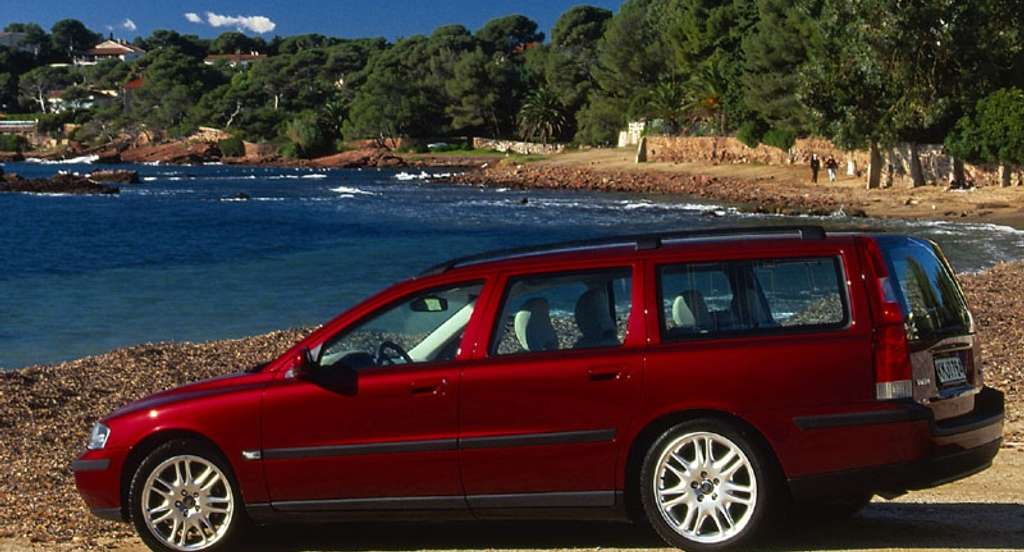
2002 Volvo V70 2.4T Exterior Colors
2002 Volvo V70 2.4T Interior Colors
2002 Volvo V70 Engines
| Engine | Standard in Trim | Power | Torque | Fuel Consumption - City | Fuel Consumption - Highway | 0-100 km/h | Quarter Mile | Half Mile |
|---|---|---|---|---|---|---|---|---|
| 2.5L L5 Turbo DOHC 20 valves | 2.5T | 208 hp @ 5000 rpm | 215 N.m | 14.4 L/100km | 7.7 L/100km | 7.9 s | 15.6 s | 25.8 s |
| 2.5L L5 Turbo DOHC 20 valves | 2.5T AWD Special Edition | 208 hp @ 5000 rpm | 215 N.m | 14.8 L/100km | 8.2 L/100km | 7.8 s | 14.2 s | 26.5 s |
| 2.5L L5 Turbo DOHC 20 valves | R | 300 hp @ 5500 rpm | 215 N.m | 14.7 L/100km | 8.5 L/100km | 6.1 s | 12.8 s | 23.8 s |
| 2.5L L5 Turbo DOHC 20 valves | 2.5T | 208 hp @ 5000 rpm | 215 N.m | 11.3 L/100km | 7.3 L/100km | 7.9 s | 15.6 s | 25.8 s |
| 2.5L L5 Turbo DOHC 20 valves | 2.5T AWD | 208 hp @ 5000 rpm | 215 N.m | 12.3 L/100km | 8.3 L/100km | 7.8 s | 14.2 s | 26.5 s |
| 2.5L L5 Turbo DOHC 20 valves | R | 300 hp @ 5500 rpm | 215 N.m | 13.2 L/100km | 8.9 L/100km | 6.1 s | 12.8 s | 23.8 s |
| 2.5L L5 Turbo DOHC 20 valves | 2.5T AWD | 208 hp @ 5000 rpm | 215 N.m | 11.7 L/100km | 7.9 L/100km | 7.4 s | 13.8 s | 25.9 s |
| 2.5L L5 Turbo DOHC 20 valves | 2.5T Titanium Edition | 208 hp @ 5000 rpm | 215 N.m | 11.5 L/100km | 7.8 L/100km | 7.9 s | 15.6 s | 25.9 s |
| 2.5L L5 Turbo DOHC 20 valves | R | 300 hp @ 5500 rpm | 215 N.m | 13.2 L/100km | 8.6 L/100km | 6.2 s | 12.8 s | 24.0 s |
| 2.5L L5 DOHC 20 valves CVVT Turbo | 2.5T AWD | 208 hp @ 6000 rpm | 215 N.m | 12.7 L/100km | 8.6 L/100km | 7.8 s | 14.2 s | 26.5 s |
2002 Volvo V70 Trims
2002 Volvo V70 Previous Generations
2002 Volvo V70 Future Generations
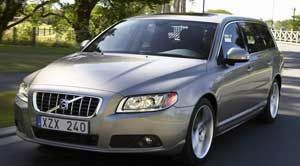
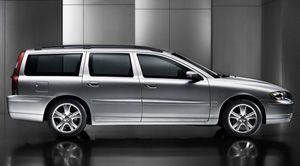
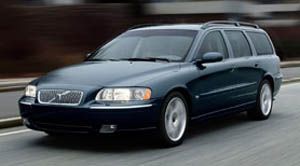
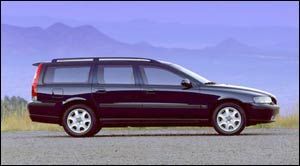
Volvo V70 Overview and History
The name Volvo was originally registered in May 1915 as a separate company within SKF AB and as a registered trademark with the intention to be used for a special series of ball bearing, but this idea was only used for a short period of time and SKF decided to use "SKF" as the trademark for all its bearing products. Volvo AB began to function on the 10th of August 1926 when the SKF Sales Manager Assar Gabrielsson and Engineer Gustav Larson, started production of 10 prototypes and set up the car-manufacturing business Volvo AB within SKF group. Volvo AB was introduced at the Stockholm stock exchange in 1935 and SKF then decided to sell its shares in the company.
The first series produced Volvo automobile, called 'ÖV4' left the factory on 14 April 1927. Just 996 cars were produced between 1927-1929. 'ÖV4' was replaced by model PV651 in April 1929. Its success on the market helped Volvo buy out their engine manufacturer and thus become a serious car producer. By 1931, it was already returning its first dividend to shareholders.
After it reached a production milestone of 10,000 cars in May 1932, Volvo then targeted a new demographic segment, aiming to make their cars cheaper, a car “for the people”. This was going to be the PV 51 which came out in 1936 which was a smaller version of the PV36.
The PV444 was one of the most significant cars of the war era, the first true small car, a mixture of American flair and European size, it would become a resonant success and the best sold model throughout the 60s. The P1800 was Volvo's first sports car, made in the early 60s and it was so popular that it was featured in the hit TV series “The Saint” starring Roger Moore.
Safety and quality were still paramount for Volvo and that's why the 240 series which replaced the 140 had even more safety innovations in that department, like crumple zones, rear facing child seats and collapsible steering columns. Together with the smaller 340 models, they would make for most of the sales during the 70s and 80s for Volvo.
The 90s brought with them a totally new model, the 850, a front-wheel drive, executive car which won numerous awards for handling and safety features. By now, productions costs were mounting up and Volvo was one of the few independent producers out there, after a proposed deal with Renault fell through in 1993. This forced the company to seek new marketing strategies and that's how the sleeker S40 and V40 models were introduced in the factory's production line.
The new models brought a breath of fresh air, just like the C70 coupe and convertible, which are responsible for revitalizing the Volvo image while keeping in tune with the old tradition of safety and quality.
The buyout of Volvo Cars was announced on January 28, 1998. Until then, Volvo Cars was owned by AB Volvo (the commercial vehicles group). In the following year acquisition for Volvo Cars by American car maker Ford Motor Co. was completed at a price of $ 6.45 billion USD. Volvo used the funds from the sale of the automobile division to finance the purchase of Scania, another leading Swedish truck manufacturer, but the deal was stopped for competition reasons by the European Union. Instead Volvo acquired the commercial vehicles division of French Renault and the American truck manufacturer Mack Trucks (which was owned by Renault at the time). As part of the arangement to buy Renault Trucks, the former parent company, Renault, bought in turn 20 percent in shares in AB Volvo. Among the reasons why Volvo took the initiative to sell the automobile manufacturing was the increasing development costs for new car models, coupled with the fact that it was a relatively small producer. The strategy was instead to grow as a truck manufacturer where it had a stronger market position.
Volvo Automotive's motto is "Volvo for life" attributed to the reliability and safety of their cars. Volvo means "I roll" in Latin. Combined with their company symbol, (commonly mistaken for the male symbol) which actually stands for iron ore and according to the company, represents "Rolling Strength".
2002 Volvo V70 Consumer Reviews
Compare Against Competitors

2002 Volvo V70 2.4T Specifications
2.4T Comfort and Convenience
| Cargo Net (Option) | Yes |
|---|---|
| Garage Door Opener (Option) | Garage door opener Homelink |
| Interior Air Filter (Option) | Air quality system with hybrid filter |
| Navigation System (Option) | Yes |
| Premium Sound System (Option) | HU-803 4CD with Dolby + 9 speakers |
| Rear View Mirror (Option) | Auto dimming mirror |
| Special Feature (Option) | Subwoofer 12'' |
2.4T Dimensions
| Cargo Capacity | 485 L |
|---|---|
| Curb Weight | 1528 kg |
| Front Headroom | 997 mm |
| Front Legroom | 1082 mm |
| Fuel Tank Capacity | 80 L |
| Height | 1490 mm |
| Length | 4711 mm |
| Max Trailer Weight | 1500 kg |
| Rear Headroom | 988 mm |
| Rear Legroom | 894 mm |
| Wheelbase | 2755 mm |
| Width | 1804 mm |
2.4T Exterior Details
| Exterior Decoration | Chrome grille |
|---|
2.4T Interior Details
| 3rd Row Seat Type (Option) | Third row seat |
|---|---|
| Luxury Dashboard Trim (Option) | Wood trim interior |
| Rear Center Armrest (Option) | Rear armrest with storage + cup holders |
| Seat Trim (Option) | Leather seats |
| Steering Wheel Trim (Option) | Leather-wrapped sterring wheel |
2.4T Mechanical
| Drive Train | Front-wheel drive |
|---|---|
| Engine Name | 2.4L L5 Turbo DOHC 20 valves |
| Traction Control | Yes |
| Transmission | 5 speed automatic |
| Transmission (Option) | 5 speed automatic |
2.4T Overview
| Body | Wagon |
|---|---|
| Doors | 5 |
| Engine | 2.4L L5 Turbo DOHC 20 valves |
| Fuel Consumption | 1.8 (Automatic City)8.0 (Automatic Highway) |
| Power | 197 hp @ 6000 rpm |
| Seats | 5 |
| Transmission | 5 speed automatic |
| Warranties | Bumper-to-Bumper80000/km, 48/Months Powertrain80000/km, 48/Months Roadside Assistance80000/km, 48/Months Rust-throughUnlimited/km, 60/Months |
2.4T Safety
| Anti-Lock Brakes | 4-wheel ABS |
|---|---|
| Anti-Theft Alarm | None |
| Brake Assist | None |
| Brake Type | 4-wheel disc |
| Child Seat | None |
| Child Seat Anchor | None |
| Child-proof Locks | None |
| Driver Airbag | None |
| Front Seat Belts | Height adjustable, pre-tensioner |
| Ignition Disable | None |
| Panic Alarm | None |
| Passenger Airbag | None |
| Rear Seat Belts | Center 3-point |
| Roof Side Curtain | None |
| Side Airbag | None |
2.4T Suspension and Steering
| Front Tires | P205/55R16 |
|---|---|
| Wheel Type (Option) | 16'' Alloy wheels 'Sirius' |
Discussion and Comments
Share Your Comments