2000 Chrysler Sebring LX 0-60 Times, Top Speed, Specs, Quarter Mile, and Wallpapers
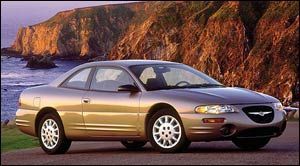
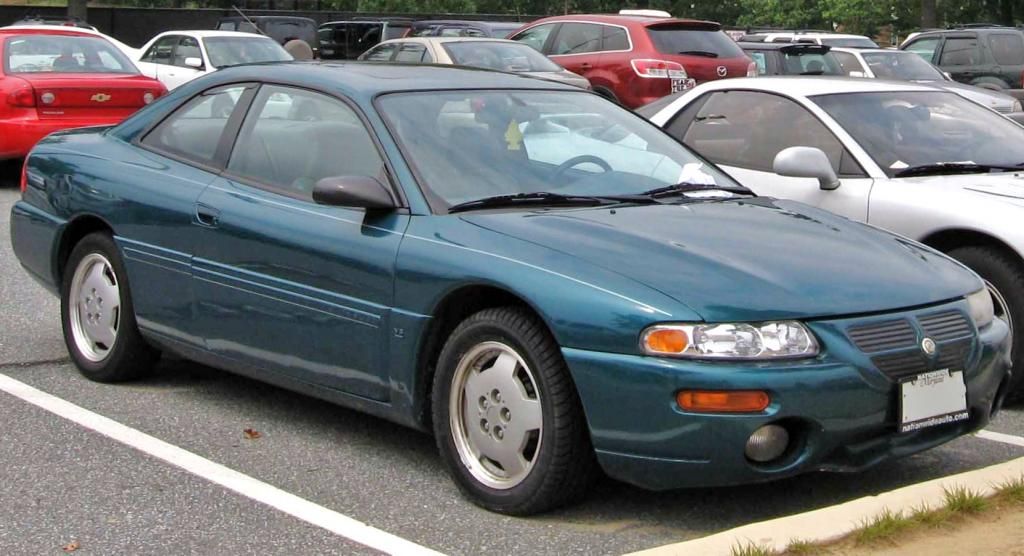
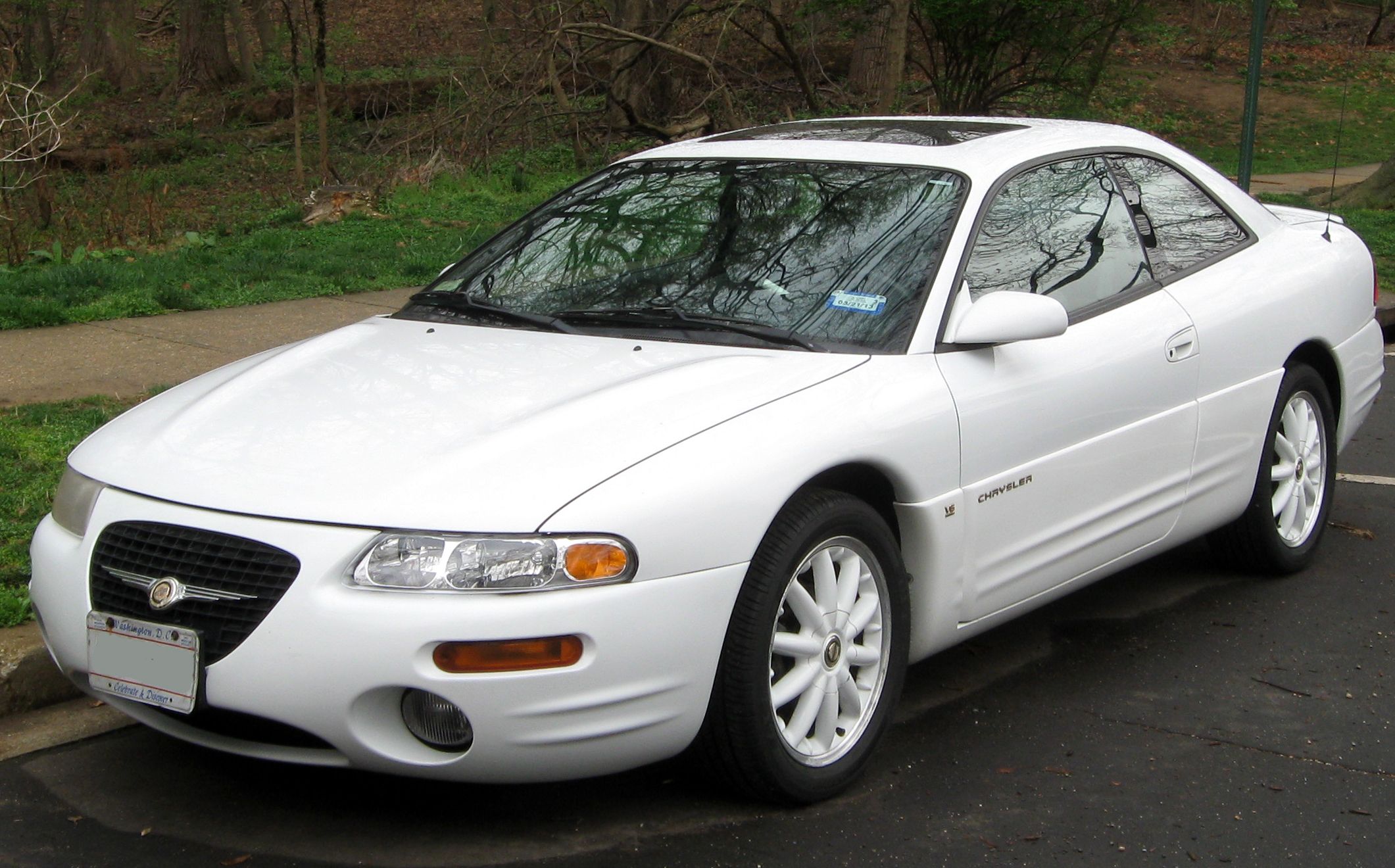
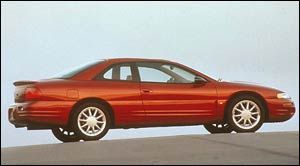
The 2000 Chrysler Sebring LX is a Front-wheel drive Coupe. It can accommodate up to 5 passengers. It has 2 Doors and is powered by a 2.5L V6 SOHC 24 valves engine which outputs 163 hp @ 5500 rpm and is paired with 4 speed automatic gearbox. The 2000 Chrysler Sebring LX has cargo capacity of 349 Liters and the vehicle weighs 1431 kg. In terms of ride assists, the 2000 Chrysler Sebring LX has stability control and traction control in addition to anti-lock brake system (ABS). The vehicle has an optional engine as well It offers and. Safety features also include None and None. The front suspension is while the rear suspension is. The car also features a It has as standard. Electronic features include Cruise Control. For convenience, the car has Power windows and Power door locks. There is also a remote keyless entry feature. Moreover, the car has. The steering wheel has audio control buttons. In terms of performance, the car has 178 N.m of torque and a top speed of 201 km/h. The 2000 Chrysler Sebring LX accelerates from zero to 60 mph in 8.7 seconds and hits quarter mile at 16.3 seconds. Fuel consumption is 12 L/100km in the city and 7.8 L/100km in the highway. The car price starts at $ 26,525
| Name | LX | |
|---|---|---|
| Price | $ 26,525 | |
| Body | Coupe | |
| Doors | 2 Doors | |
| Engine | 2.5L V6 SOHC 24 valves | |
| Power | 163 hp @ 5500 rpm | |
| Number of Seats | 5 Seats | |
| Transmission | 4 speed automatic | |
| Cargo Space | 349.0 L | |
| Maximum Cargo Space | 349.0 L | |
| Wheel Type | ||
| Series | Sebring Coupe | |
| Drivetrain | Front-wheel drive | |
| Horsepower | 163 HP | |
| Torque | 178 N.m | |
| Top Speed | 201 km/h | |
| Acceleration 0-100 km/h (0-60 mph) | 8.7 s | |
| Fuel Type | Petrol (Gasoline) | |
| Fuel Consumption (City) | 12.0 L/100km | |
| Fuel Consumption (Highway) | 7.8 L/100km | |
| Gear Type | auto | |
| Weight | 1,319 KG | |
| Brand | Chrysler | |
| Model | Sebring | |
| 0-400m (Quarter Mile) | 16.3 s | |
| 0-400m (Quarter Mile) - Speed | 141.6 km/h | |
| 0-800m (Half Mile) | 27.0 s | |
| 0-800m (Half Mile) - Speed | 159.4 km/h | |
| Modifications (MODS) | ||
| Modifications Cost | $ 0 |
2000 Chrysler Sebring Used Price Estimates
Estimates based on a driving average of 12,000 miles per year| Used Condition | Trade In Price | Private Party Price | Dealer Retail Price |
|---|---|---|---|
| Outstanding | $ 1,810 | $ 2,740 | $ 3,251 |
| Clean | $ 1,595 | $ 2,420 | $ 2,872 |
| Average | $ 1,166 | $ 1,782 | $ 2,114 |
| Rough | $ 737 | $ 1,143 | $ 1,356 |
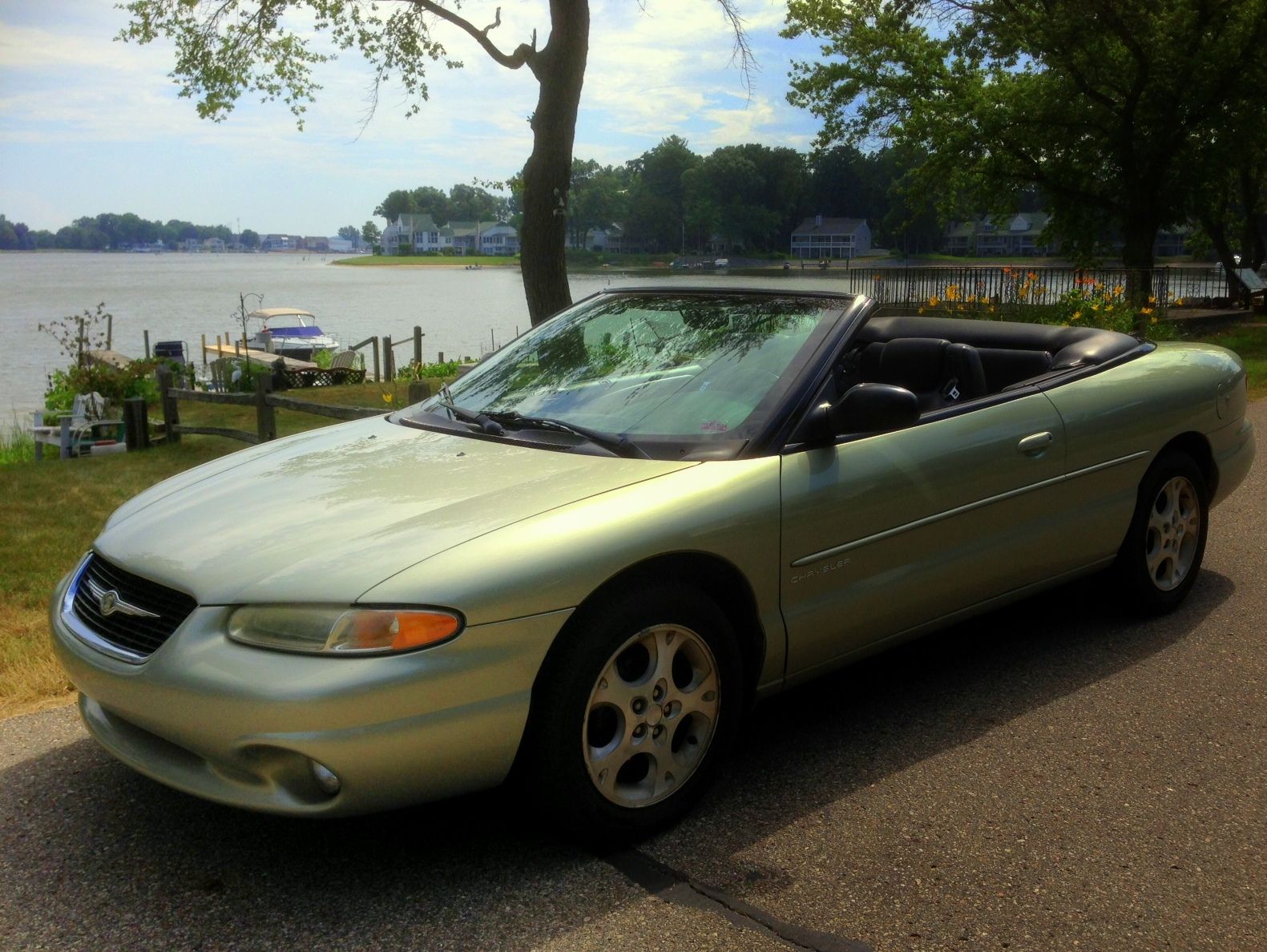
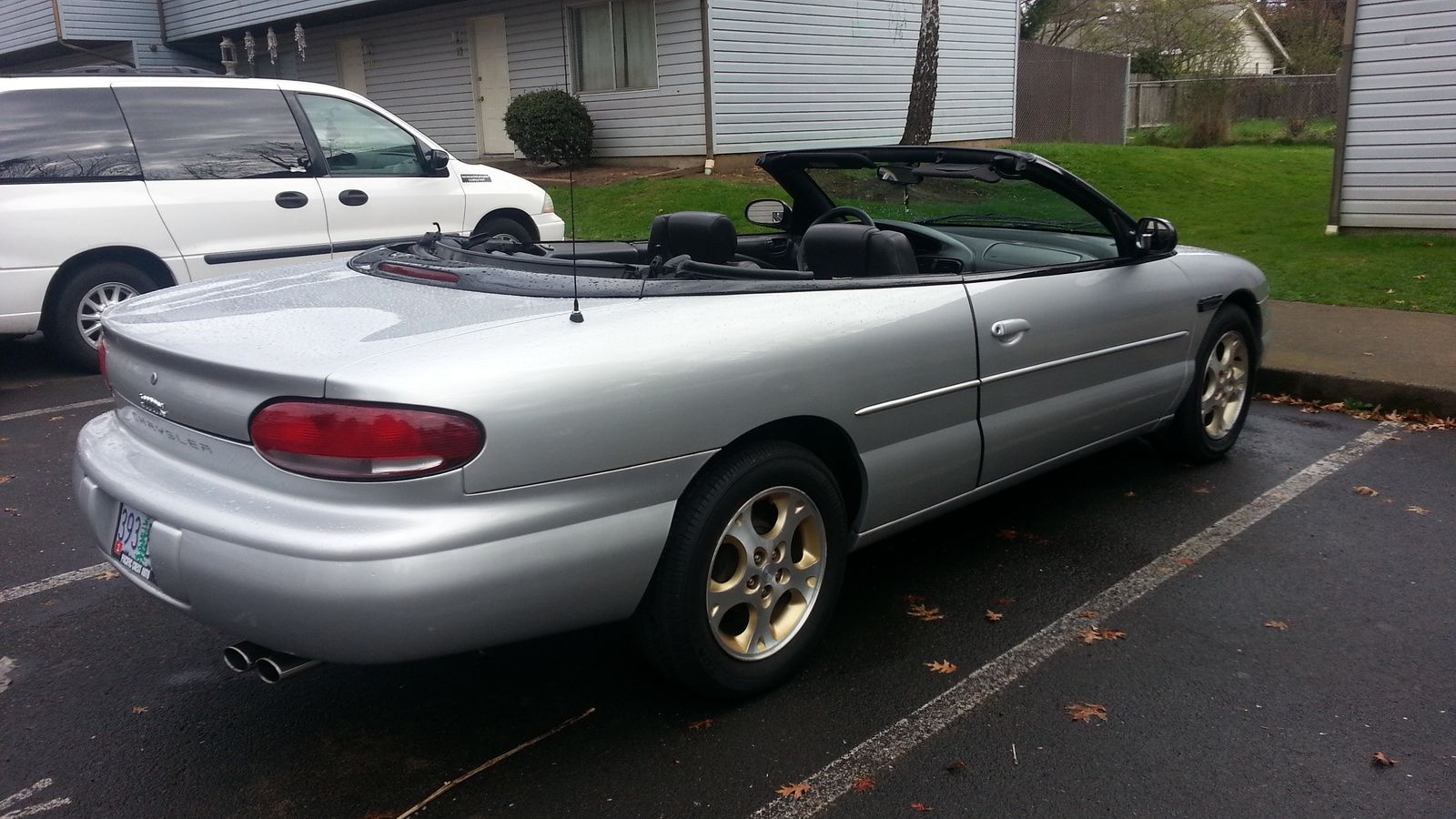
An affordable drop top whose rear seat is actually usable for passengers greater than two feet tall.
Chrysler has used the words "practicality" and "elegance" among the adjectives for the Sebring Coupe. It's hard to argue. This car can carry four occupants in comfort, possesses reasonable performance capability and struts around with suave good looks. Huge fog lights lend the sophisticated coupe an aggressive appearance, and the tastefully restrained rear styling exudes class. Buyers purchase nimble handling and up-market amenities for a down-market price.
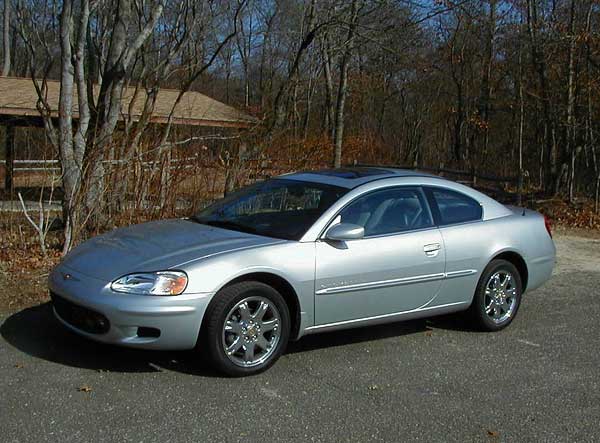
Underneath the LXi's sheetmetal is a taut suspension that includes a rear stabilizer bar and four-wheel disc brakes. The LX has a more conservative touring-tuned independent double-wishbone setup coupled with four-wheel discs. ABS is optional for both models, but standard is a dual-outlet exhaust system accented by chrome tips. The LX and LXi also share a 163-horsepower, 2.5-liter SOHC V6 glued to a four-speed automatic transaxle. Power from this engine can be disappointing, but Chrysler plans to rectify the situation in 2001 by adding a 2.7-liter or 3.0-liter V6 to the lineup. The LXi sports larger tires and wheels than the LX, but, unfortunately, the cabin doesn't completely seal out the rubber-on-pavement noise. A speed-sensitive rack-and-pinion steering system completes the performance package.
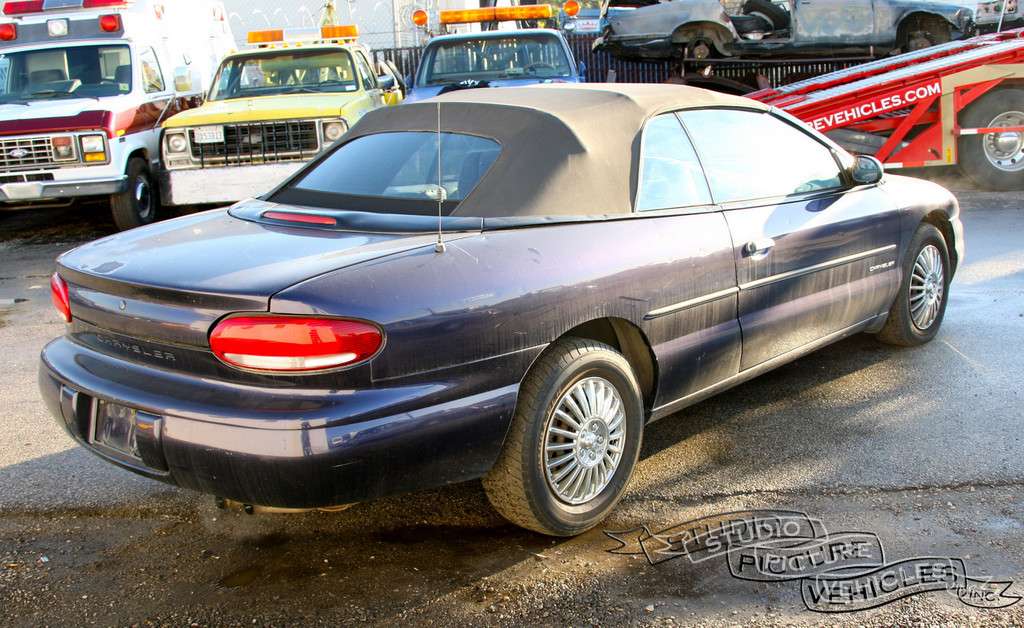
You might be thinking that you can go either way on the tuned suspension, so what's the real difference between the LX and LXi? For a couple grand more, the LXi can boast among its standard features automatic night/day side mirrors, a compass, a CD player, leather seats and a leather-wrapped steering wheel, six-way power seating, remote entry, and the HomeLink home-security system. But the lower-level LX is nothing to spit at. Those features we just rattled off for the LXi are about the only ones not standard on the LX. It has power windows, air conditioning, and nearly everything else the LXi has, including access to a power sunroof, which is still only optional for the LXi.
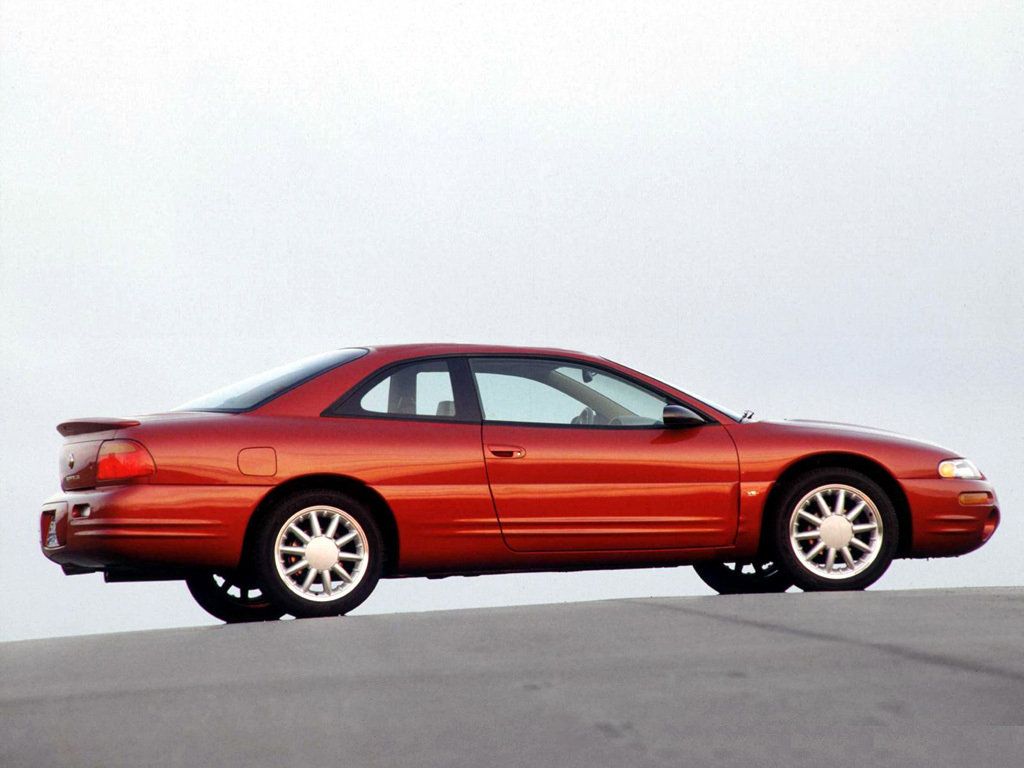
There's one adjective Chrysler forgot to mention: affordable. Coming in at the lower end of the twenties for a well-equipped LXi, it pits the Sebring well against the Pontiac Grand Prix and various midsize coupes from Japan. Sure, the Grand Prix's 3.8-liter V6 offers more ponies for your money, but it's hard to overlook the Sebring's style, huge interior and trunk, and upscale standards.
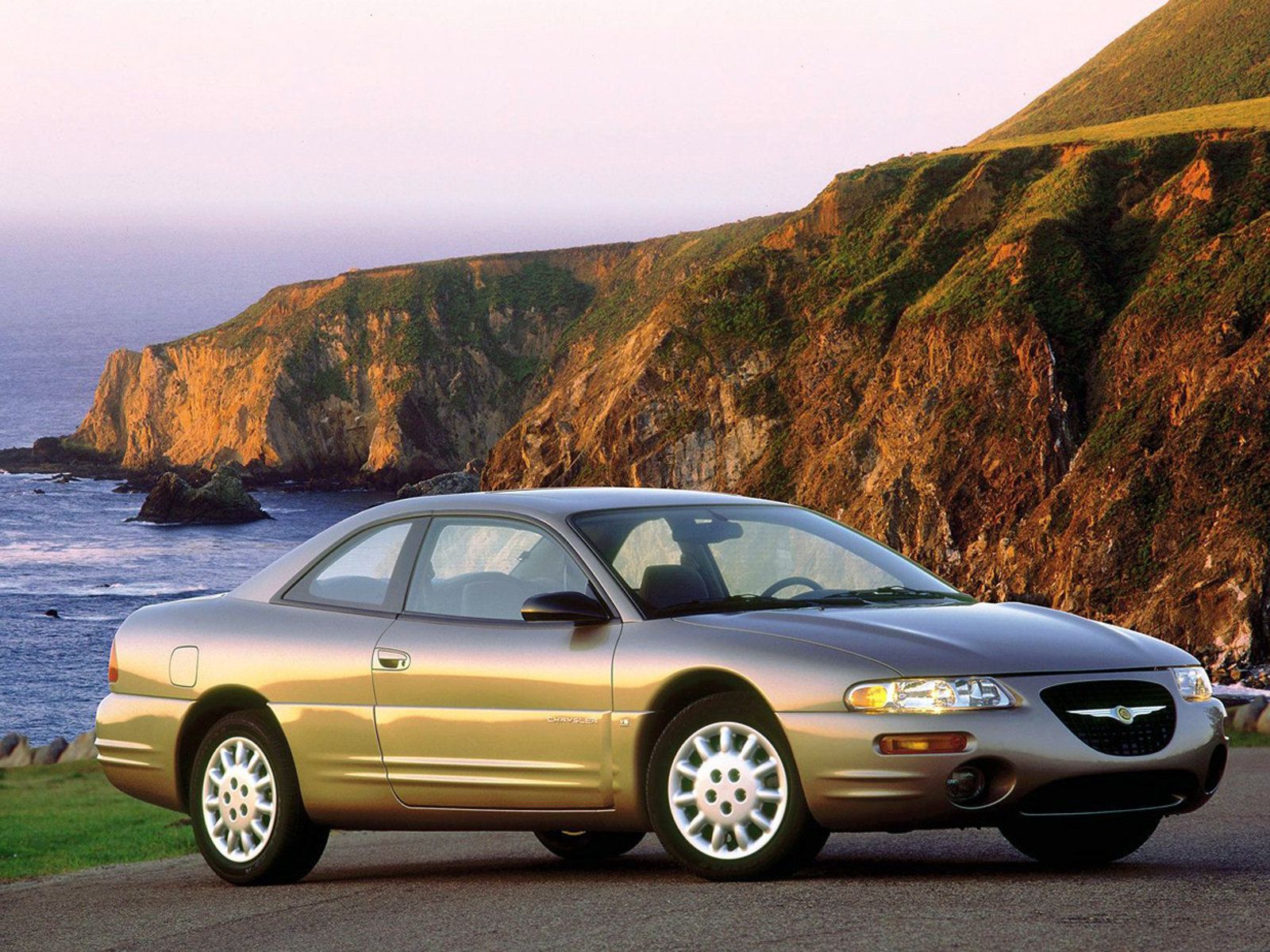
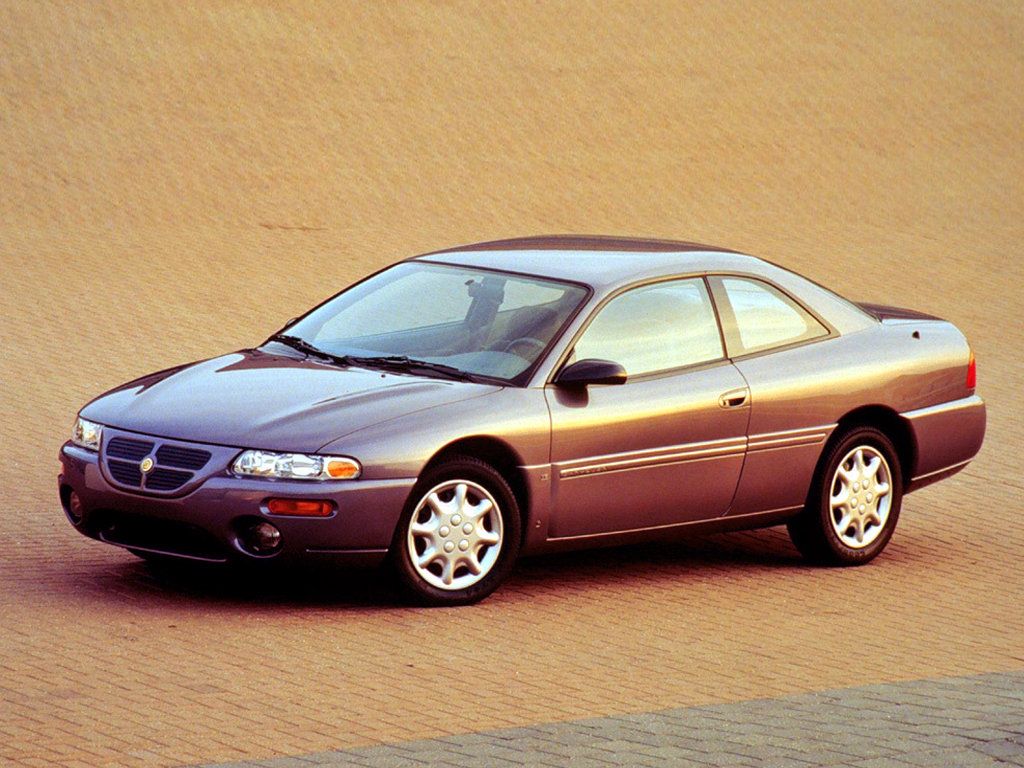
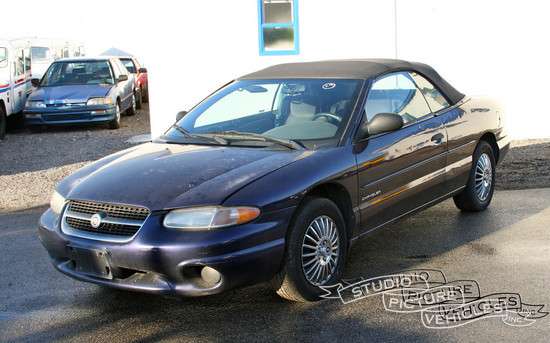
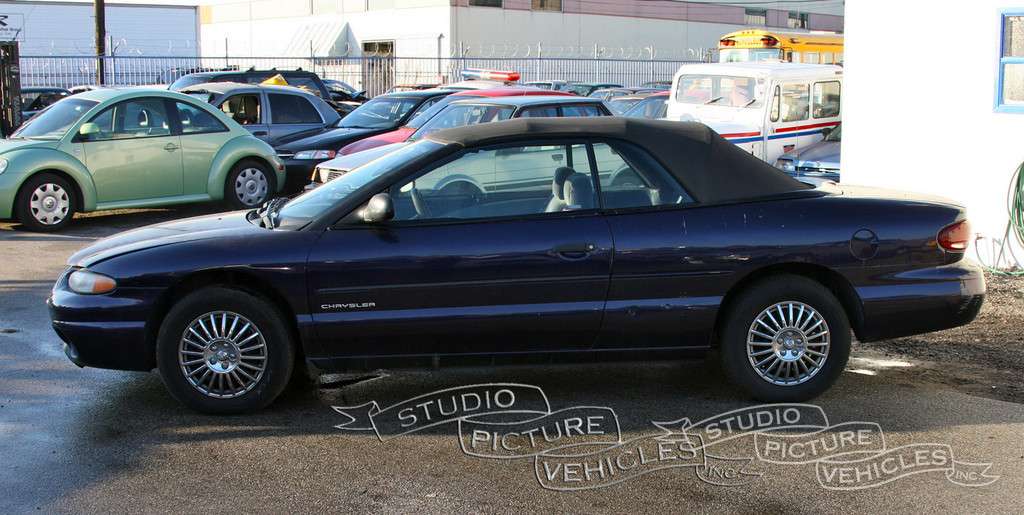
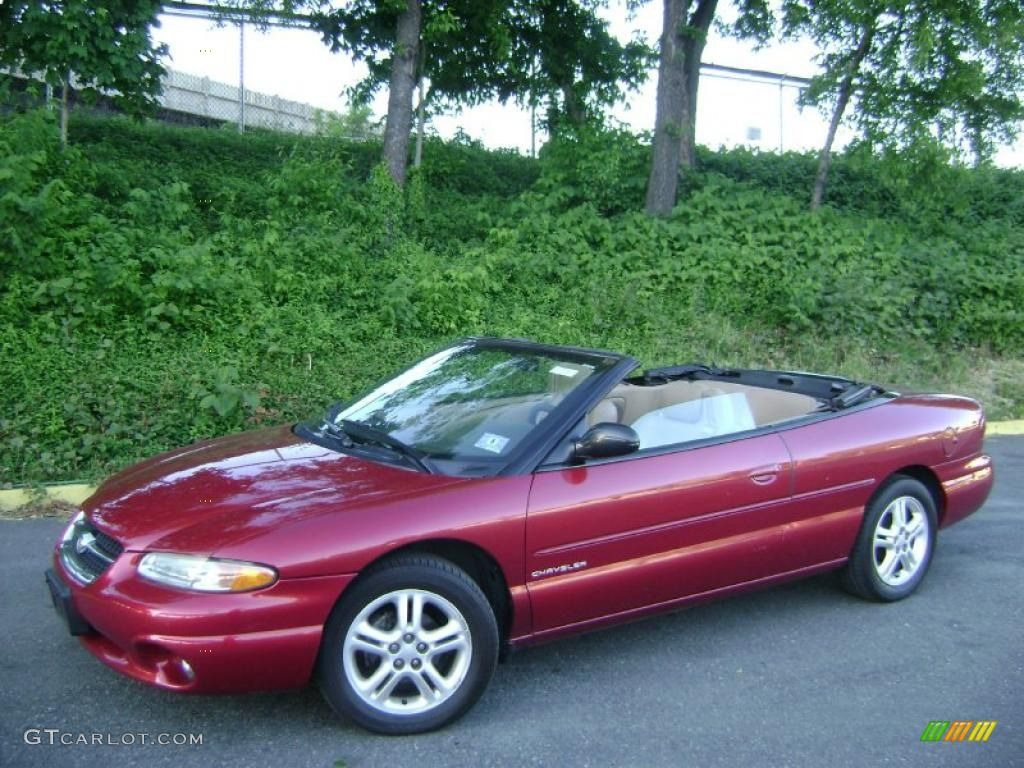
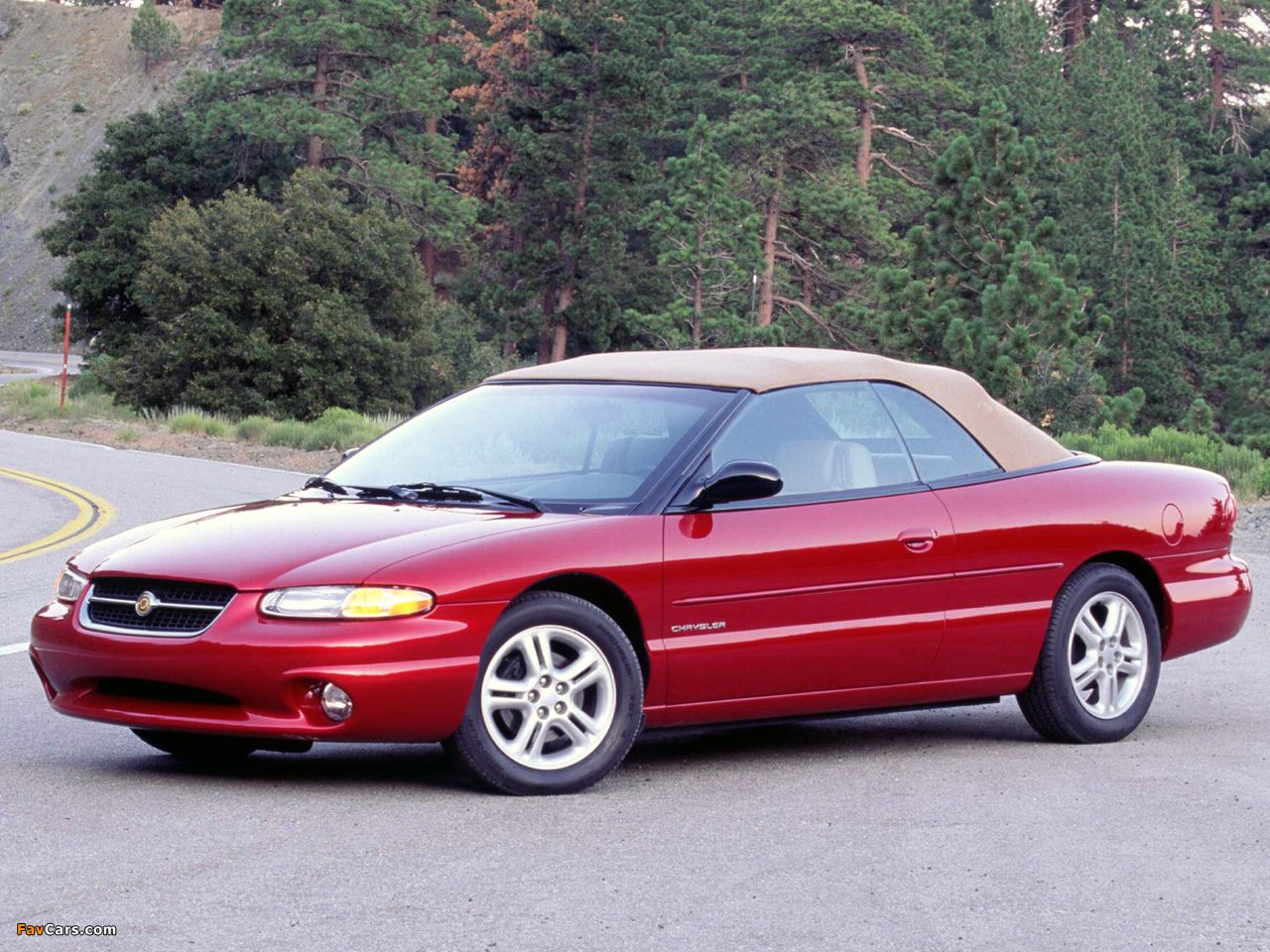
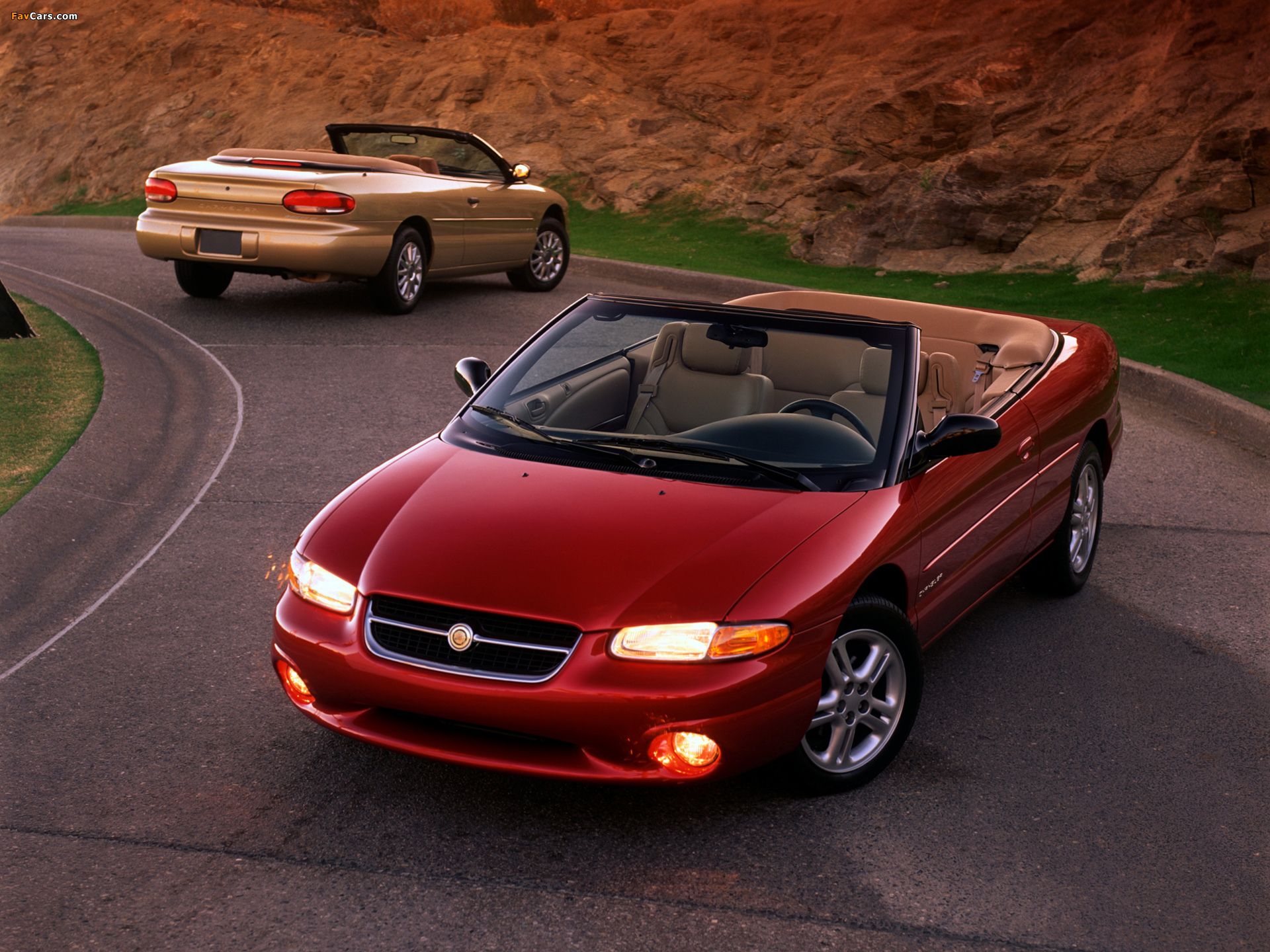
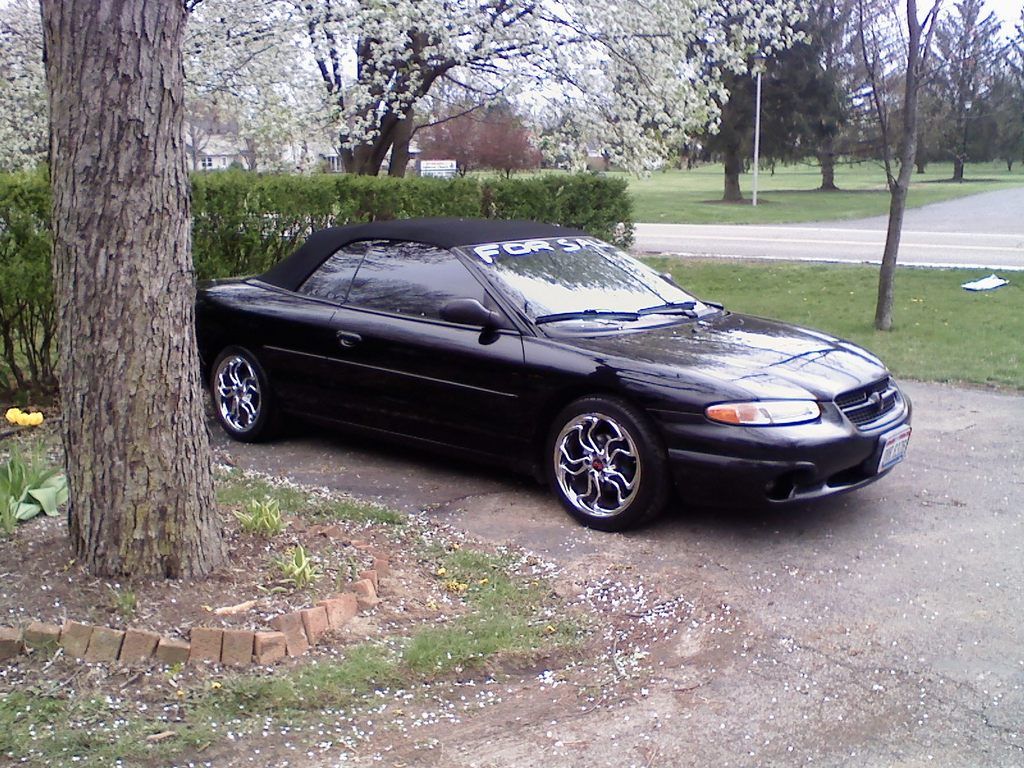


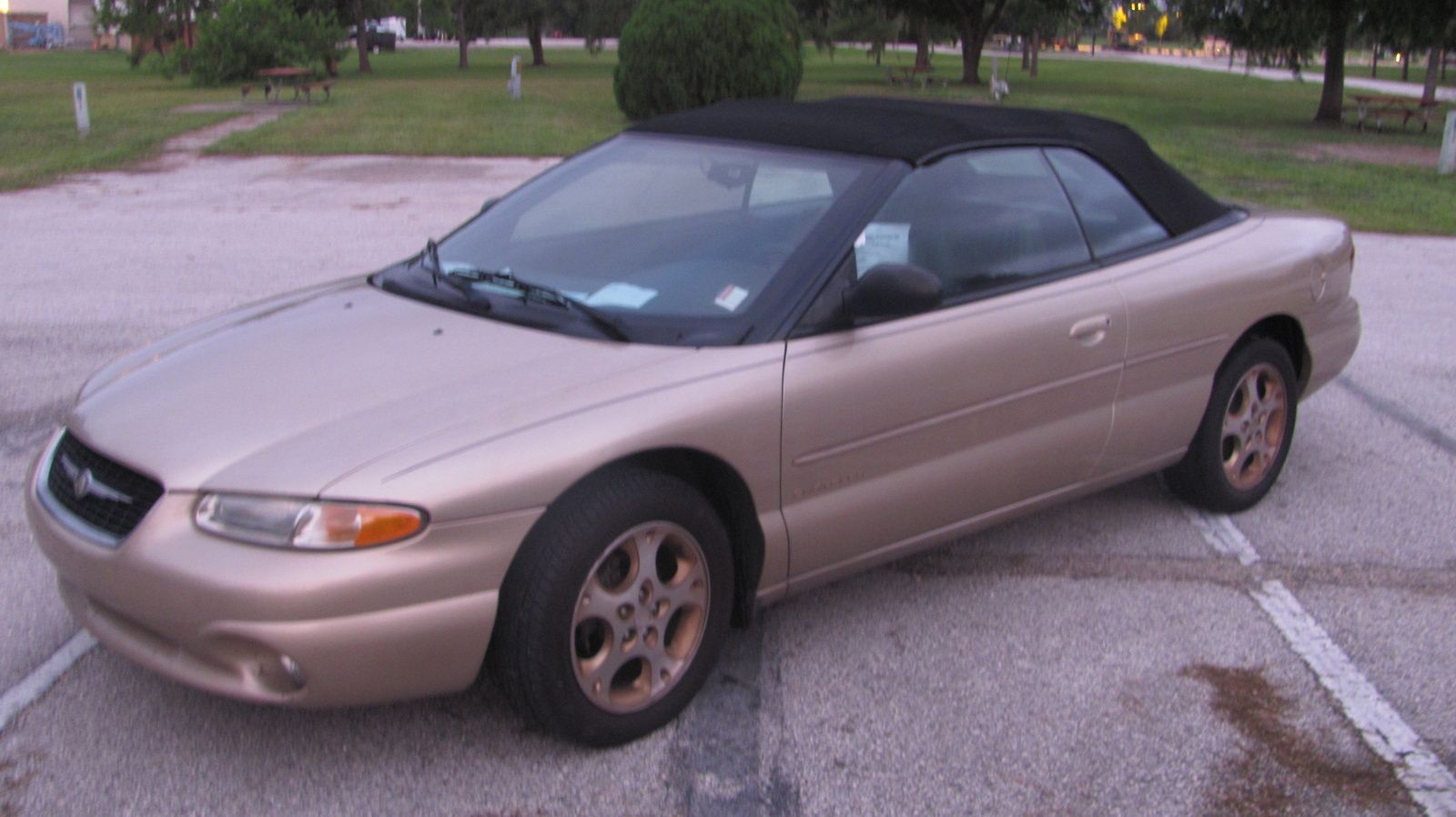
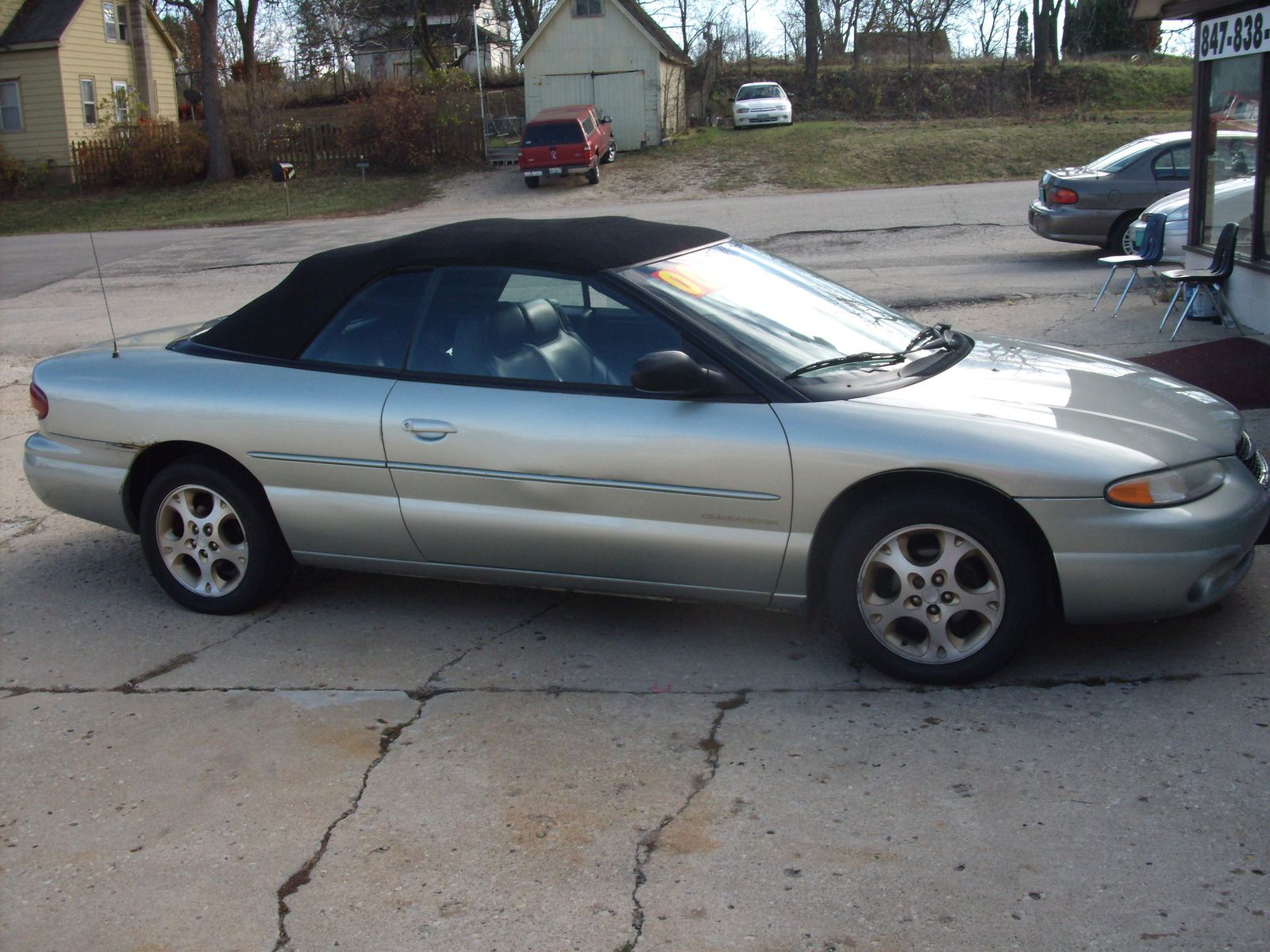
2000 Chrysler Sebring LX Exterior Colors
2000 Chrysler Sebring LX Interior Colors
2000 Chrysler Sebring Engines
| Engine | Standard in Trim | Power | Torque | Fuel Consumption - City | Fuel Consumption - Highway | 0-100 km/h | Quarter Mile | Half Mile |
|---|---|---|---|---|---|---|---|---|
| 2.7L V6 DOHC 24 valves | Limited | 200 hp @ 5800 rpm | 178 N.m | 11.2 L/100km | 7.8 L/100km | 8.4 s | 16.1 s | 26.7 s |
| 2.7L V6 DOHC 24 valves | Limited | 200 hp @ 5800 rpm | 178 N.m | 11.2 L/100km | 7.8 L/100km | 8.0 s | 15.7 s | 26.0 s |
| 2.7L V6 DOHC 24 valves | Base | 200 hp @ 5800 rpm | 178 N.m | 11.2 L/100km | 7.8 L/100km | 8.3 s | 15.9 s | 26.4 s |
| 2.7L V6 DOHC 24 valves | GTC | 200 hp @ 5800 rpm | 178 N.m | 11.2 L/100km | 7.8 L/100km | 8.3 s | 16.0 s | 26.5 s |
| 2.7L V6 DOHC 24 valves | Touring | 200 hp @ 5800 rpm | 178 N.m | 11.2 L/100km | 7.8 L/100km | 8.4 s | 16.0 s | 26.6 s |
| 2.7L V6 DOHC 24 valves | Limited | 200 hp @ 5800 rpm | 178 N.m | 11.1 L/100km | 7.7 L/100km | 8.4 s | 16.1 s | 26.7 s |
| 2.7L V6 DOHC 24 valves | LXi | 200 hp @ 5800 rpm | 178 N.m | 11.7 L/100km | 7.9 L/100km | 8.0 s | 15.7 s | 26.0 s |
| 2.7L V6 DOHC 24 valves | LX | 200 hp @ 5800 rpm | 178 N.m | 11.9 L/100km | 8.1 L/100km | 8.3 s | 16.0 s | 26.5 s |
| 2.7L V6 DOHC 24 valves | GTC | 200 hp @ 5800 rpm | 178 N.m | 11.9 L/100km | 8.1 L/100km | 8.4 s | 16.1 s | 26.6 s |
| 2.7L V6 DOHC 24 valves | LXi | 200 hp @ 5800 rpm | 178 N.m | 11.9 L/100km | 8.1 L/100km | 8.5 s | 16.1 s | 26.7 s |
2000 Chrysler Sebring Trims
2000 Chrysler Sebring Previous Generations
2000 Chrysler Sebring Future Generations
Chrysler Sebring Overview and History
The sum of such horrific conditions would have normally drove away contenders, but Walter P. Chrysler thought otherwise. Determined to get an equally slice of the market share pizza for himself, he exhibited a handsome car at the 1924 New York Auto Show. The automobile was none other than the Chrysler 70, the model that would drag the Chrysler name to he Pantheon of American car builders.
However, Chrysler wasn't born as Chrysler (from the company's standpoint). Facing a rapid and possibly permanent dissolution, the two initial companies held by Walter P., Maxwell and Chambers, merged to form a new entity that would later rub shoulders with its competitors at the time. The 70 model had an instant success that allowed the newly formed corporation to expand freely, unabated by the competition's efforts and much wider rage of automobiles.
The Chambers name was dropped, whist Maxwell was re-branded as a Plymouth. By 1931, the Plymouth brand had already become a fierce competitor in the small car segment and was insistently knocking on Ford stronghold's door, yelling to make room or evict the place. Although Ford was basically partying due to the high sales registered by their model A, the more advanced Plymouth did far better. Sporting hydraulic brakes, more flowing body lines and a “floating power”engine, the Plymouth cast an awfully large cloud of doubt over Ford's headquarters.
The improvements brought by the Plymouth became so popular that other producers started using them as well. Citroen would later use Chrysler's patented “floating engine” technology that had the great advantage of reducing engine vibrations through the use of three rubber mounts that separated the engine from having direct contact with the chassis.
Chrysler did so good the following years that by the end of the 30's it had already surpassed Ford and moved to a comfortable second position. Almost unknowingly, Chrysler became a titan. The time to wrestle the no. 1 car manufacturer was near and Chrysler carefully readied its match.
However, what was designed as a model of crushing beauty was not well received by the American public. The 1934 Airflow model, a gorgeous curvy sparkling beauty failed to make an impact and consequently sales dropped faster than CBS dropped “The Will”.
Funnily enough, the public was not touched by a car that was way ahead of its time, at least as far as the bodywork was concerned. However, poor sales were efficiently countered once Chrysler released the Imperial model. Large, powerful and luxurious, it was an instant hit and catered for the need of a stand-out motorized social status statement, as well as a reliable day to day ride.
As soon as World War II was over Chrysler had entered a sales numbness, focusing more on research and engineering improvements rather than holding the company's position as a top car industry leader. The post WW II days brought along some significant changes in auto design and shape, with a legendary tail fin craze initiated by Ford and GM.
In response to the existing trends, Chrysler's automobiles became longer and wider and sacrificed performance and reliability for looks. This happened because of a shift in the consumers' perspective who came to prefer style and exterior features over practicality and quality. The by know well established Chrysler products were removed to make way for a new range of flashy cars that failed to climb to the height of the precedent line-up. In doing so, Chrysler was pushed back to the third place once more.
By the beginning of the 60's, Chrysler made a comeback with the introduction of the spectacularly enduring, fast and well balanced 300-F. Though some drivers complained about the vehicle's great size, its performance was hard if not impossible to contest. The machine could develop 400 hp and its acceleration was phenomenal.
Once the modern times arrived, Chrysler proved its versatility and changed once with the automotive industry, delivering quality vehicles for an ever increasing mass of enthusiasts. Models such as the Sebring, 300M, 300C and PT Cruiser, a vehicle conceived as a blend of modern technology and retro style elements, managed to keep Chrysler among the top choices within US borders. Unlike other American car brands, such as Cadillac, Buick or Lincoln, Chrysler has received a great deal of attention overseas as well. During the 90's, the company merged with Daimler-Benz AG and formed Daimler Chrysler, which is currently a world leader in transportation.
2000 Chrysler Sebring Consumer Reviews
Compare Against Competitors

2000 Chrysler Sebring LX Specifications
LX Dimensions
| Cargo Capacity | 349 L |
|---|---|
| Curb Weight | 1431 kg |
| Fuel Tank Capacity | 60 L |
| Height | 1346 mm |
| Length | 4849 mm |
| Wheelbase | 2634 mm |
| Width | 1867 mm |
LX Mechanical
| Drive Train | Front-wheel drive |
|---|---|
| Engine Name | 2.5L V6 SOHC 24 valves |
| Transmission | 4 speed automatic |
LX Overview
| Body | Coupe |
|---|---|
| Doors | 2 |
| Engine | 2.5L V6 SOHC 24 valves |
| Fuel Consumption | 12.0 (Automatic City)7.8 (Automatic Highway) |
| Power | 163 hp @ 5500 rpm |
| Seats | 5 |
| Transmission | 4 speed automatic |
| Warranties | Bumper-to-Bumper60000/km, 36/Months Powertrain60000/km, 36/Months Roadside Assistance60000/km, 36/Months Rust-throughUnlimited/km, 36/Months |
LX Safety
| Anti-Lock Brakes | 4-wheel ABS |
|---|---|
| Anti-Theft Alarm | None |
| Brake Type | 4 wheel disc |
| Driver Airbag | None |
| Passenger Airbag | None |
Discussion and Comments
Share Your Comments