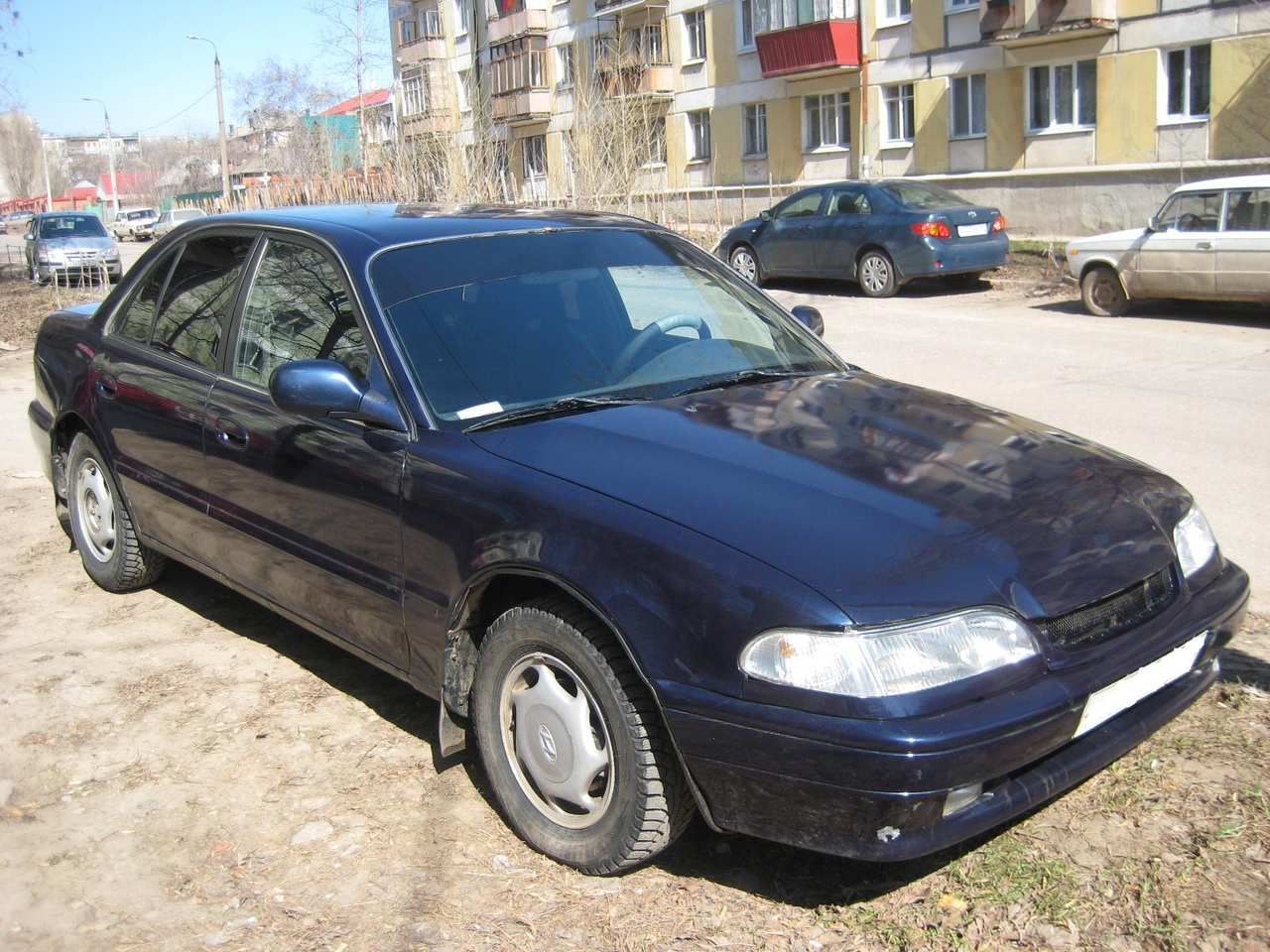
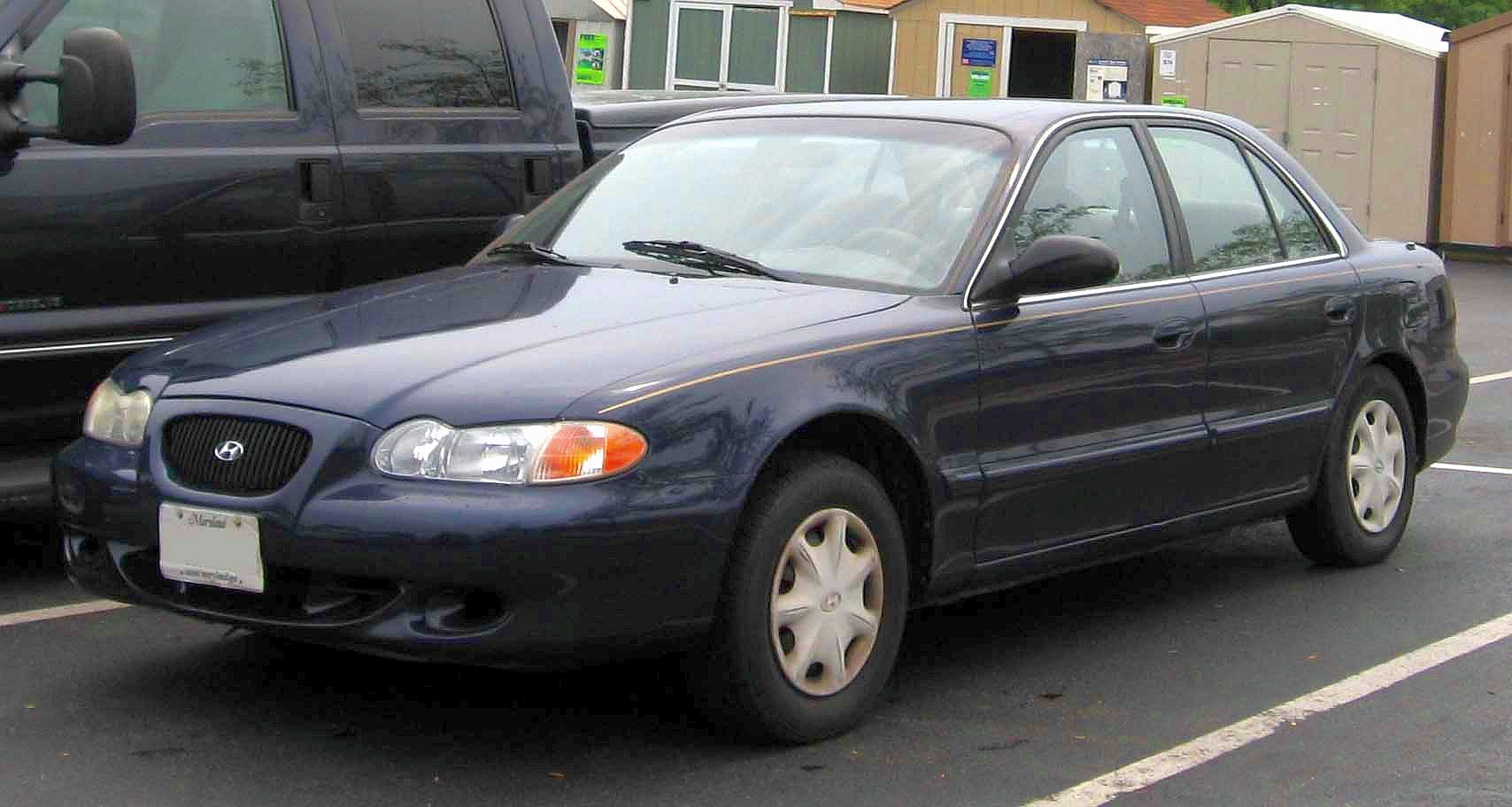
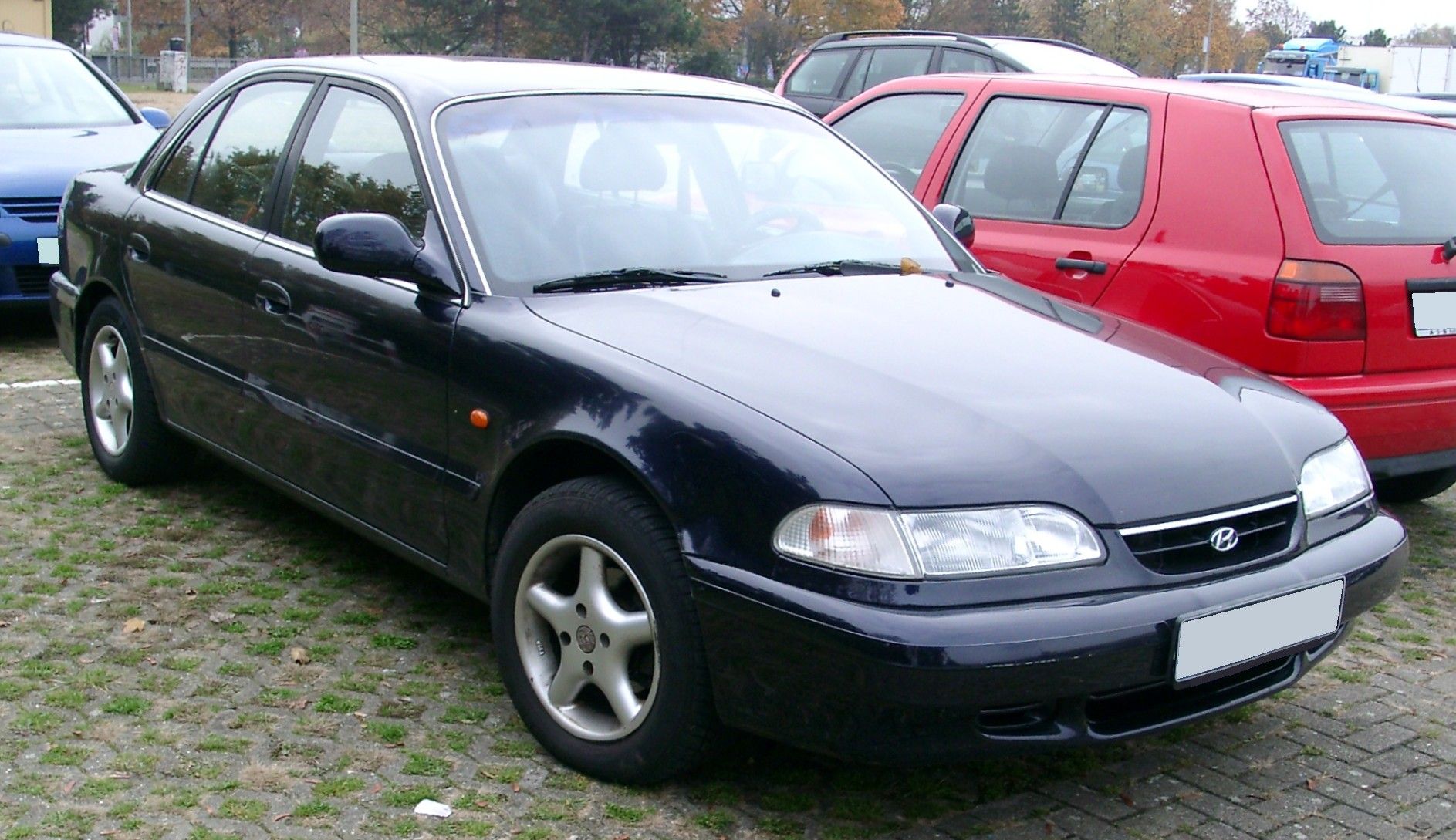
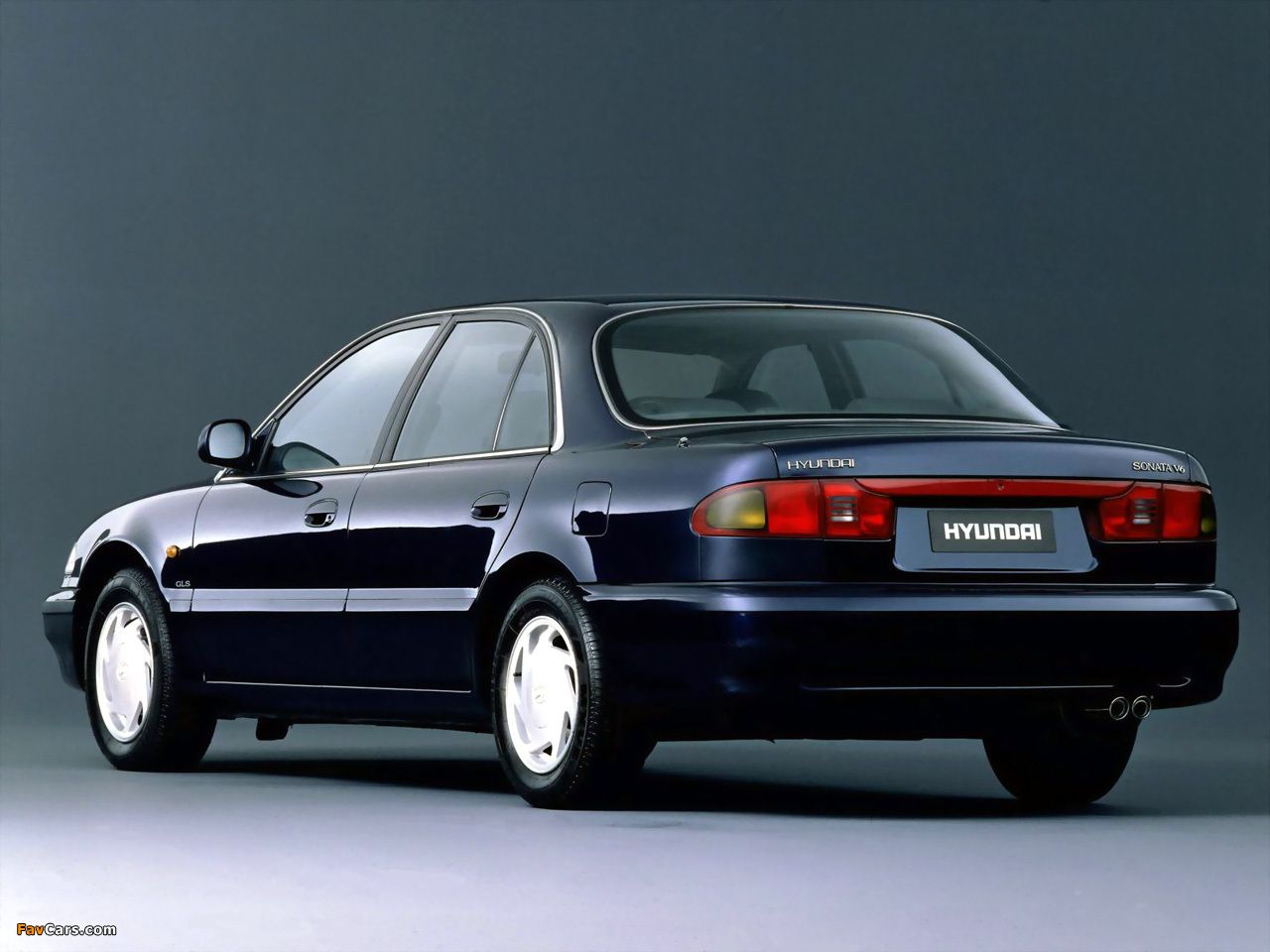
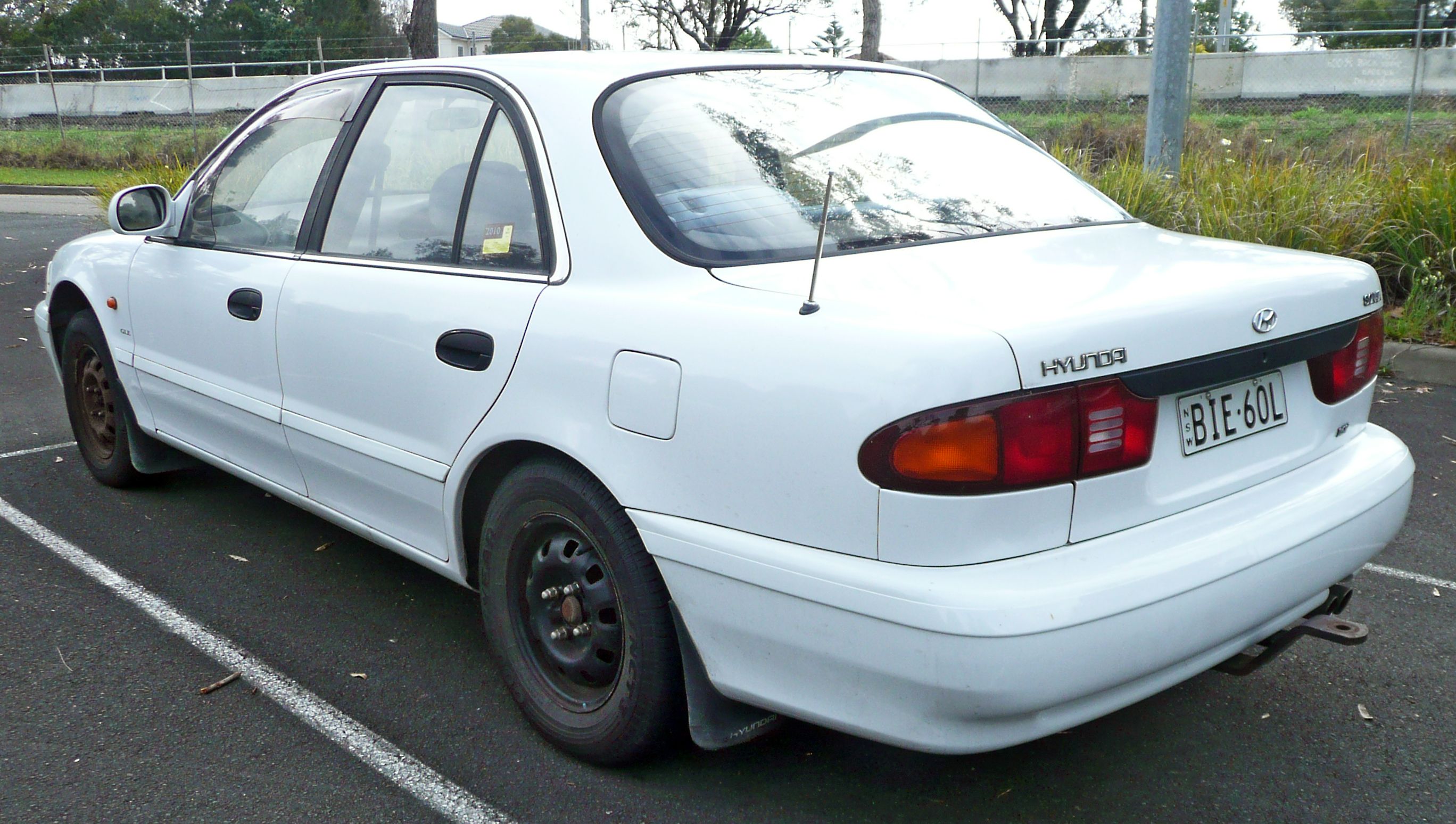
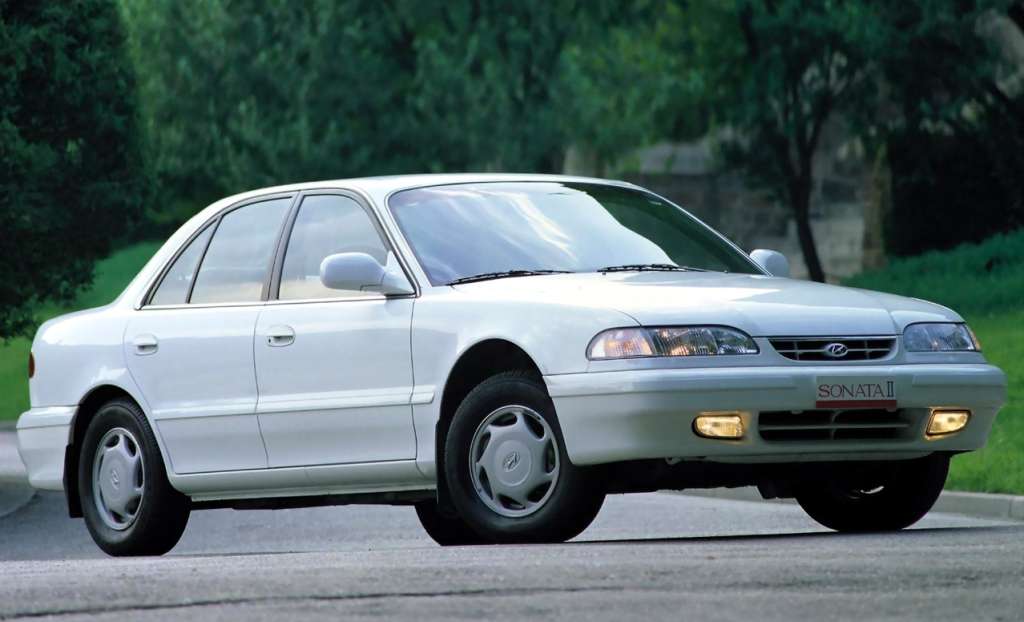
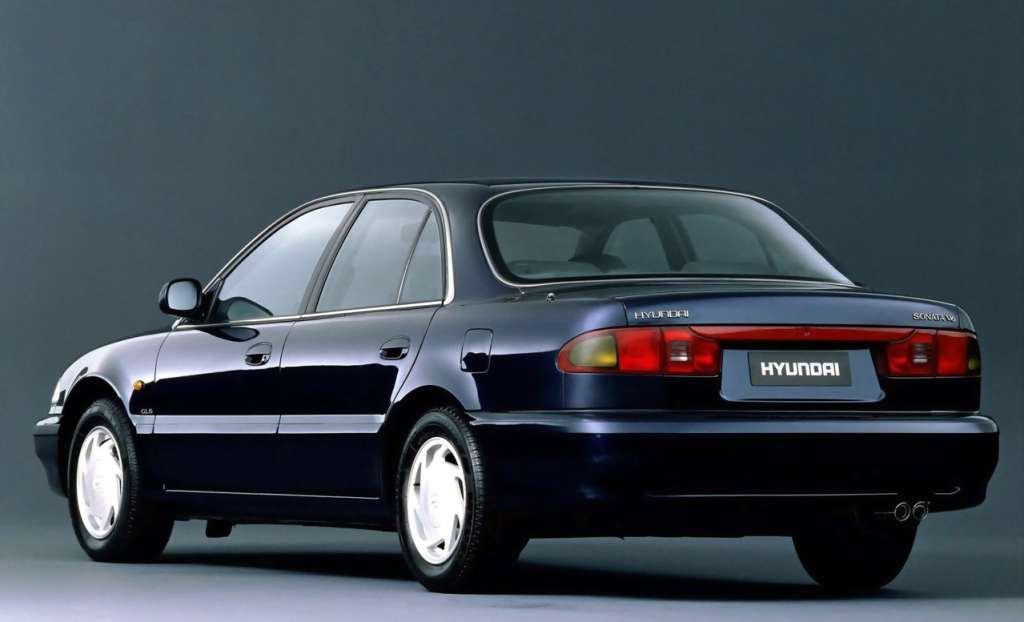
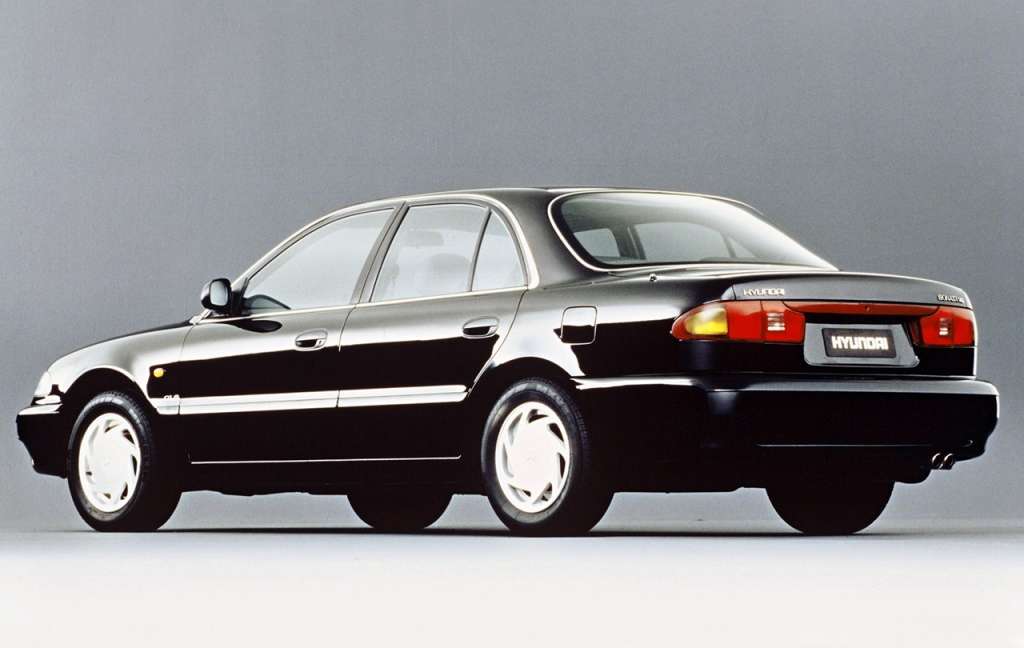
1994 Hyundai Sonata Base 0-60 Times, Top Speed, Specs, Quarter Mile, and Wallpapers

The 1994 Hyundai Sonata Base is a Front-wheel drive Mid-Size. The 1994 Hyundai Sonata Base has cargo capacity of Liters and the vehicle weighs 1270 kg. In terms of ride assists, the 1994 Hyundai Sonata Base has stability control and traction control in addition to anti-lock brake system (ABS). The vehicle has an optional 3 engine as well It offers and. Safety features also include None and None. The front suspension is while the rear suspension is. The car also features a It has as standard. Electronic features include Cruise Control. For convenience, the car has Power windows and Power door locks. There is also a remote keyless entry feature. Moreover, the car has. The steering wheel has audio control buttons. In terms of performance, the car has 159 N.m of torque and a top speed of 193 km/h. The 1994 Hyundai Sonata Base accelerates from zero to 60 mph in 9.1 seconds and hits quarter mile at 16.7 seconds. Fuel consumption is 12.5 L/100km in the city and 7.7 L/100km in the highway. The car price starts at $ 16,000
| Name | Base | |
|---|---|---|
| Price | $ 16,000 | |
| Body | Mid-Size | |
| Doors | N/A Doors | |
| Engine | 3 | |
| Power | 146 hp | |
| Number of Seats | N/A Seats | |
| Transmission | 5 speed manual | |
| Cargo Space | L | |
| Maximum Cargo Space | L | |
| Wheel Type | ||
| Series | Sonata III (Y3) | |
| Drivetrain | Front-wheel drive | |
| Horsepower | 146 HP | |
| Torque | 159 N.m | |
| Top Speed | 193 km/h | |
| Acceleration 0-100 km/h (0-60 mph) | 9.1 s | |
| Fuel Type | Petrol (Gasoline) | |
| Fuel Consumption (City) | 12.5 L/100km | |
| Fuel Consumption (Highway) | 7.7 L/100km | |
| Gear Type | auto | |
| Weight | 1,270 KG | |
| Brand | Hyundai | |
| Model | Sonata | |
| 0-400m (Quarter Mile) | 16.7 s | |
| 0-400m (Quarter Mile) - Speed | 138.2 km/h | |
| 0-800m (Half Mile) | 27.6 s | |
| 0-800m (Half Mile) - Speed | 155.5 km/h | |
| Modifications (MODS) | ||
| Modifications Cost | $ 0 |
1994 Hyundai Sonata Used Price Estimates
Estimates based on a driving average of 12,000 miles per year| Used Condition | Trade In Price | Private Party Price | Dealer Retail Price |
|---|---|---|---|
| Outstanding | $ 569 | $ 1,294 | $ 1,689 |
| Clean | $ 498 | $ 1,136 | $ 1,482 |
| Average | $ 357 | $ 820 | $ 1,069 |
| Rough | $ 215 | $ 504 | $ 656 |

1994 Hyundai Sonata Base Exterior Colors
1994 Hyundai Sonata Base Interior Colors
1994 Hyundai Sonata Engines
| Engine | Standard in Trim | Power | Torque | Fuel Consumption - City | Fuel Consumption - Highway | 0-100 km/h | Quarter Mile | Half Mile |
|---|---|---|---|---|---|---|---|---|
| 3 | Base | 146 hp | 159 N.m | 12.5 L/100km | 7.7 L/100km | 9.1 s | 16.7 s | 27.6 s |
| 2L | Base | 139 hp | 159 N.m | 9.9 L/100km | 6.2 L/100km | 9.2 s | 16.7 s | 27.7 s |
| SE V6 | 98 hp | 159 N.m | 9.1 L/100km | L/100km | 12.3 s | 19.0 s | 31.5 s |
1994 Hyundai Sonata Trims
1994 Hyundai Sonata Previous Generations
1994 Hyundai Sonata Future Generations
Hyundai Sonata Overview and History
Founded by Chung Ju Yung, born into a poor family of farmers, the Hyundai Motor Company became the first Korean car producer. The grounds for founding a car company could not have been more welcoming since post-war years in Korea brought forth a series of odd politics one of which stated that automobile imports were better than having a Korean car brand.
Yung was quick to fill the void, having raised enough capital for the investment from his very profitable construction business, opened in 1947. One year after its birth, the Hyundai Motor Company signed a technology-share agreement with Ford in 1968. Soon after Hyundai's access to Ford's resources, the first Hyundai car was developed: the Cortina. This model was quickly followed by the release of the Pony, Hyundai's first entirely Korean designed and built model. Its blueprints however, were not all-Korean, the company having used Japanese technology from Mitsubishi to develop the car.
Japanese constructors at the time had already developed wide range of models, many of which were exported worldwide, mainly to the US and South America. The Pony model was the first Hyundai to be shipped overseas in 1975.
However, Hyundai would only cross US borders later, in 1986, with the release of the Excel. The subcompact car was an instant hit with its fairly small price tag accounting for most of its popularity. The Excel was such a hit that it sold in over 100,00 units in the first seven months.
This was the last automobile that Hyundai produced before resorting to their own technology in 1988. The Sonata was their first born, a mid-seize car that marked the beginning of a new era. Despite the steps the company had taken into building a strong brand image, the reputation Hyundai had previously collected was lost because of poor quality and reliability complaints.
As soon as the 90's came, Hyundai was short of air on American territory, struggling for one last gasp. Instead of retreating, the company made massive investments in new design and technology. By the time the new millennium came, the company had already reinstated as one quality car manufacturer.
Sales increased once more and with them so did the buyer's confidence in Hyundai. The sudden shift in consumer behavior was made possible by eliminating all worries regarding the vehicle's reliability through the introduction of a 10 year warranty to US sold vehicles only. Since few companies could top that, Hyundai quickly earned a spot in the world's top -10 car manufacturers.
Hyundai is currently operating in 193 countries, selling vehicles through approximately 5,000 showrooms and dealerships. Sales have also aided image growth, the brand having entered the first 100 most valuable brands of the world. Its recent history is strongly connected to investments in technology and ample advertising campaigns. Indeed, communication is one of Hyundai's inherent elements, best described by their logo: the stylized H is in fact a representation of two men (brand-buyer) shaking hands.
1994 Hyundai Sonata Consumer Reviews
1994 Hyundai Sonata Base Specifications
Base Dimensions
| Curb Weight | 1270 kg |
|---|---|
| Height | 1402 mm |
| Length | 4691 mm |
| Wheelbase | 2695 mm |
| Width | 1767 mm |
Base Mechanical
| Drive Train | Front-wheel drive |
|---|---|
| Engine Name | 2L |
| Engine Name (Option) | 3 |
| Transmission | 5 speed manual |
Base Overview
| Body | Mid-Size |
|---|---|
| Doors | N/A |
| Engine | 3 |
| Fuel Consumption | |
| Seats | N/A |
| Transmission | 5 speed manual |
Base Safety
| Anti-Lock Brakes | None |
|---|---|
| Child-proof Locks | None |
| Driver Airbag | None |
| Passenger Airbag | None |
Discussion and Comments
Share Your Comments