1992 Mazda MX-6 LX 0-60 Times, Top Speed, Specs, Quarter Mile, and Wallpapers
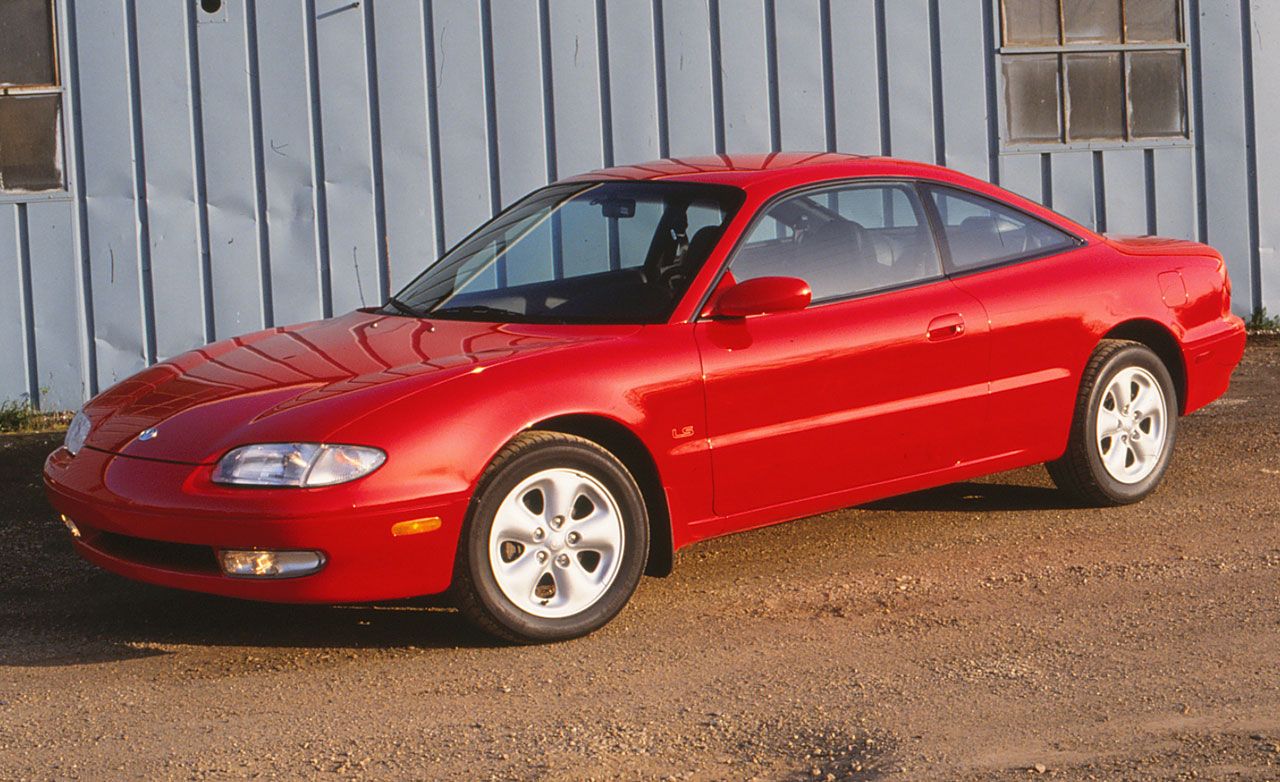
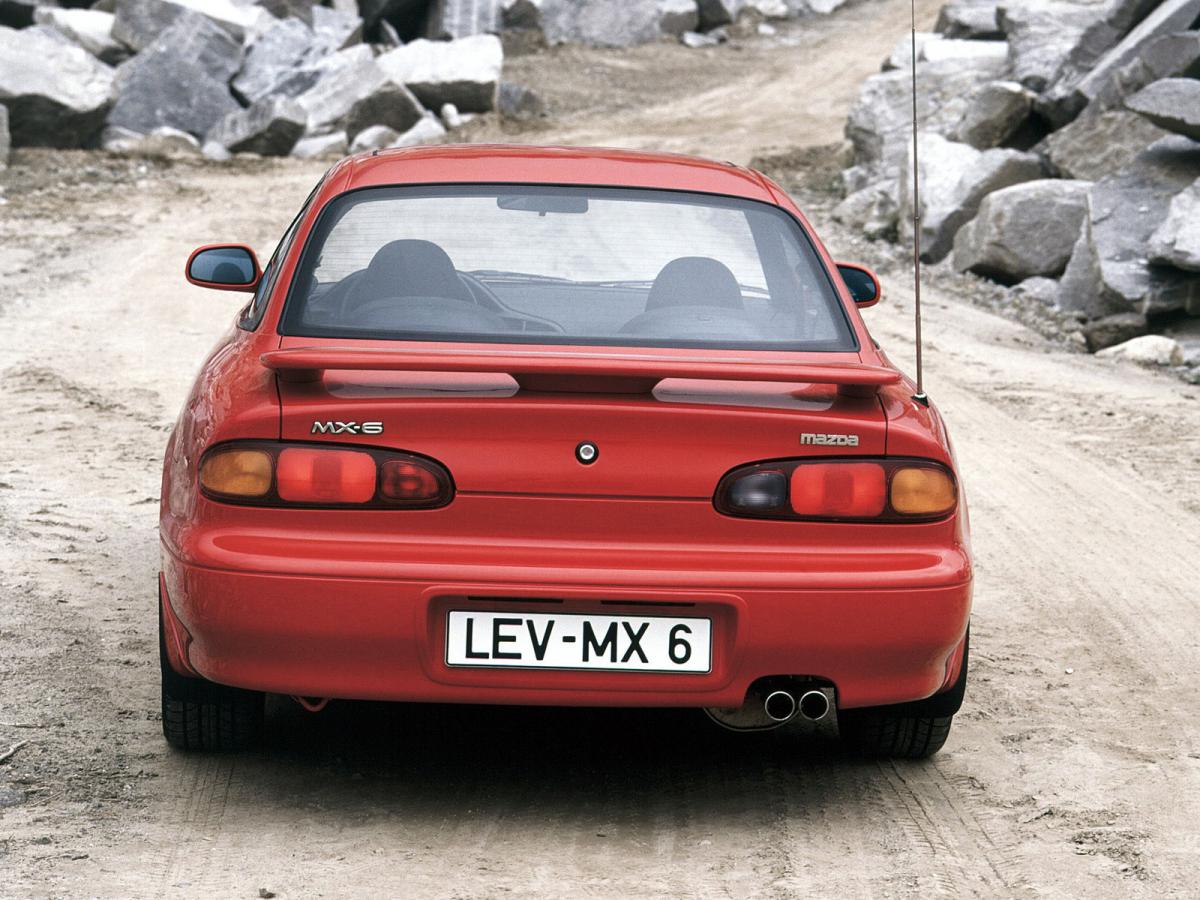
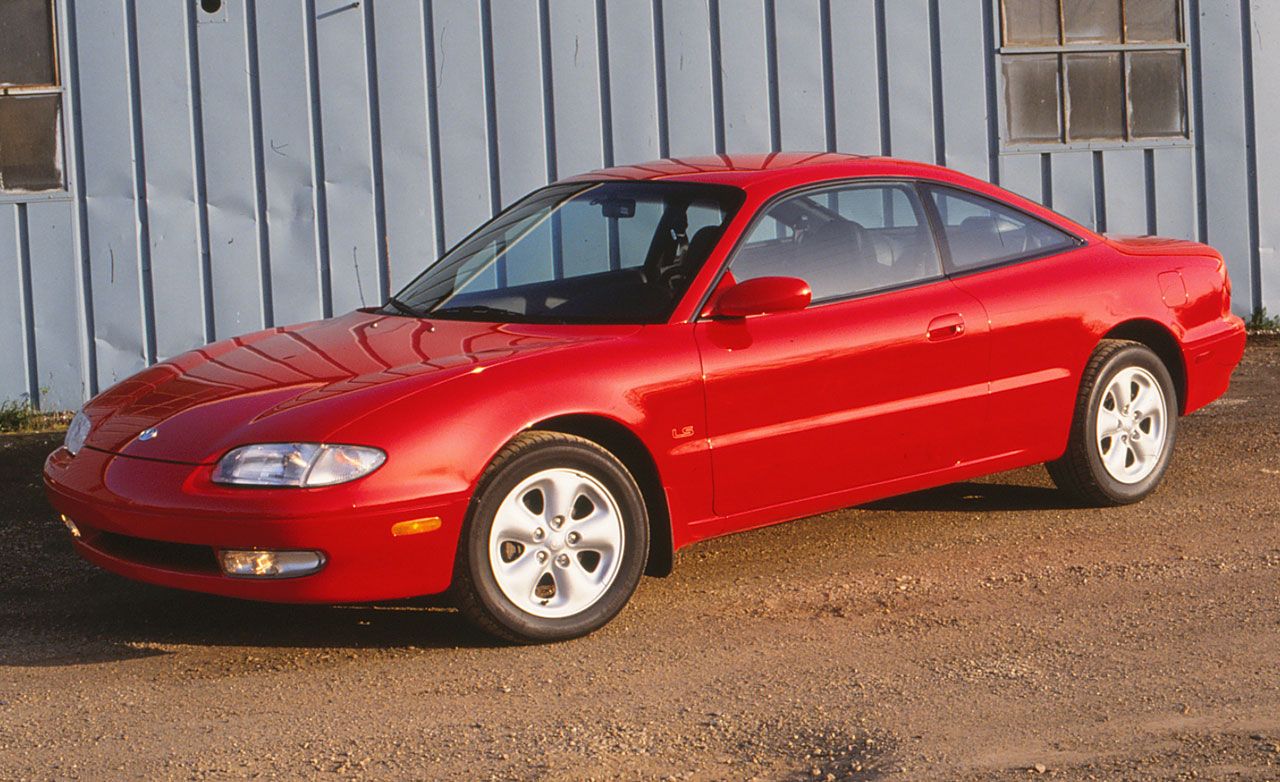
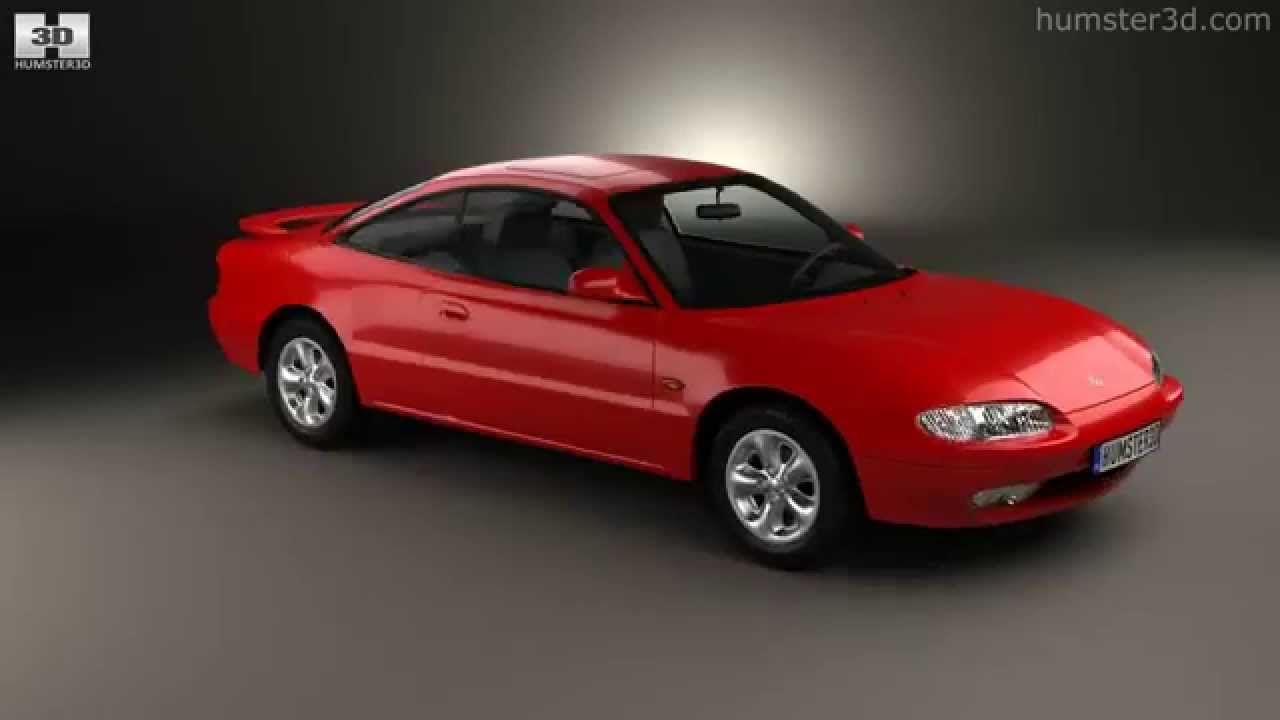
The 1992 Mazda MX-6 LX is a Coupe. It has 2 Doors and is powered by a engine which outputs 115 hp and is paired with gearbox. The 1992 Mazda MX-6 LX has cargo capacity of Liters and the vehicle weighs 1120 kg. In terms of ride assists, the 1992 Mazda MX-6 LX has stability control and traction control in addition to anti-lock brake system (ABS). The vehicle has an optional engine as well It offers and. Safety features also include and. The front suspension is while the rear suspension is. The car also features a It has as standard. Electronic features include Cruise Control. For convenience, the car has Power windows and Power door locks. There is also a remote keyless entry feature. Moreover, the car has. The steering wheel has audio control buttons. In terms of performance, the car has 125 N.m of torque and a top speed of 178 km/h. The 1992 Mazda MX-6 LX accelerates from zero to 60 mph in 10 seconds and hits quarter mile at 17.3 seconds. Fuel consumption is L/100km in the city and L/100km in the highway. The car price starts at $ 19,225
| Name | LX | |
|---|---|---|
| Price | $ 19,225 | |
| Body | Coupe | |
| Doors | 2 Doors | |
| Engine | ||
| Power | 115 hp | |
| Number of Seats | N/A Seats | |
| Transmission | ||
| Cargo Space | L | |
| Maximum Cargo Space | L | |
| Wheel Type | ||
| Series | Mx-6 (GE6) | |
| Drivetrain | Front wheel drive | |
| Horsepower | 115 HP | |
| Torque | 125 N.m | |
| Top Speed | 178 km/h | |
| Acceleration 0-100 km/h (0-60 mph) | 10.0 s | |
| Fuel Type | Petrol (Gasoline) | |
| Fuel Consumption (City) | L/100km | |
| Fuel Consumption (Highway) | L/100km | |
| Gear Type | manual | |
| Weight | 1,120 KG | |
| Brand | Mazda | |
| Model | MX-6 | |
| 0-400m (Quarter Mile) | 17.3 s | |
| 0-400m (Quarter Mile) - Speed | 133.1 km/h | |
| 0-800m (Half Mile) | 28.7 s | |
| 0-800m (Half Mile) - Speed | 149.8 km/h | |
| Modifications (MODS) | ||
| Modifications Cost | $ 0 |
1992 Mazda MX-6 Used Price Estimates
Estimates based on a driving average of 12,000 miles per year| Used Condition | Trade In Price | Private Party Price | Dealer Retail Price |
|---|---|---|---|
| Outstanding | $ 551 | $ 1,253 | $ 1,630 |
| Clean | $ 487 | $ 1,109 | $ 1,444 |
| Average | $ 358 | $ 822 | $ 1,073 |
| Rough | $ 229 | $ 536 | $ 701 |

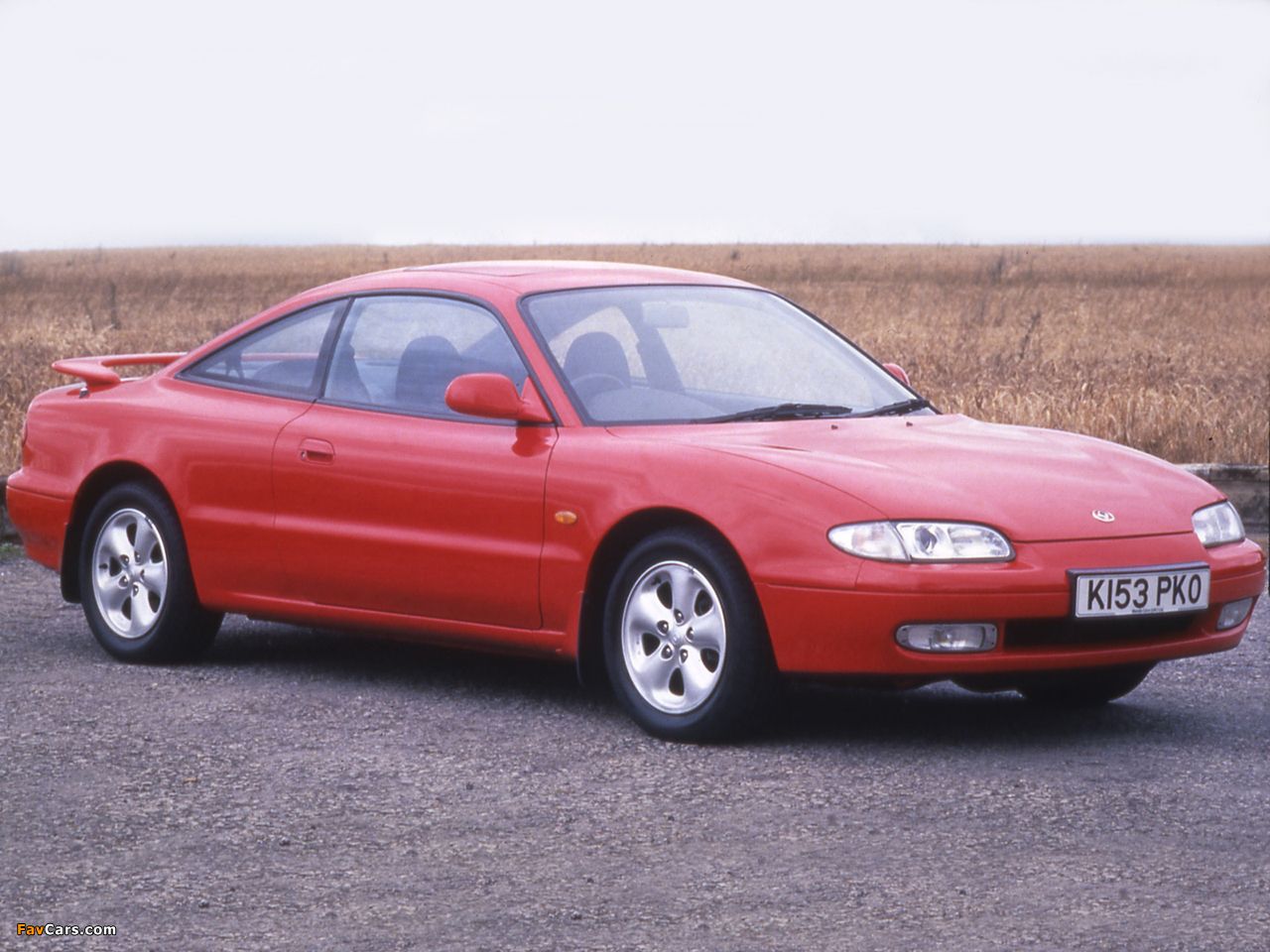
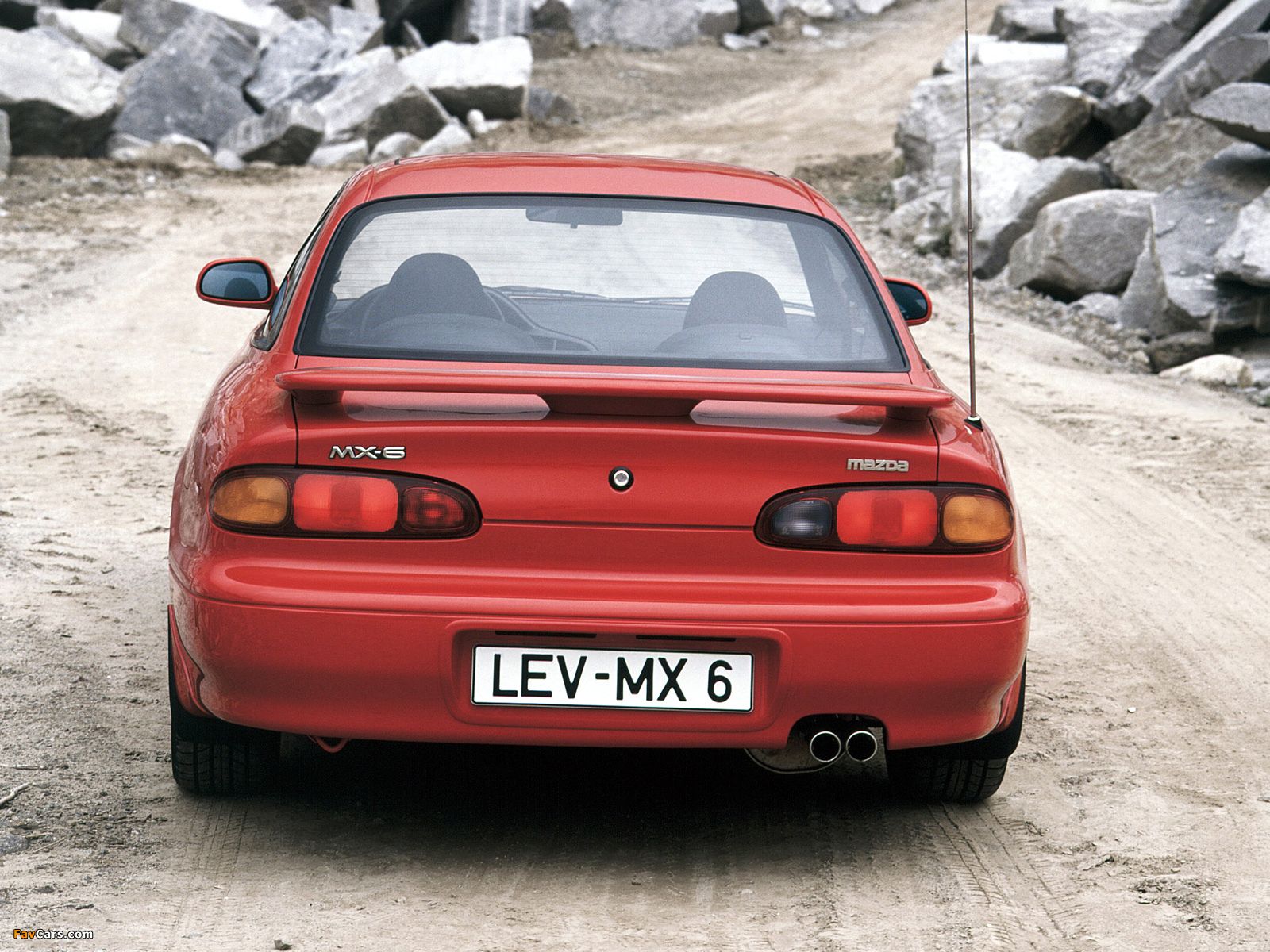
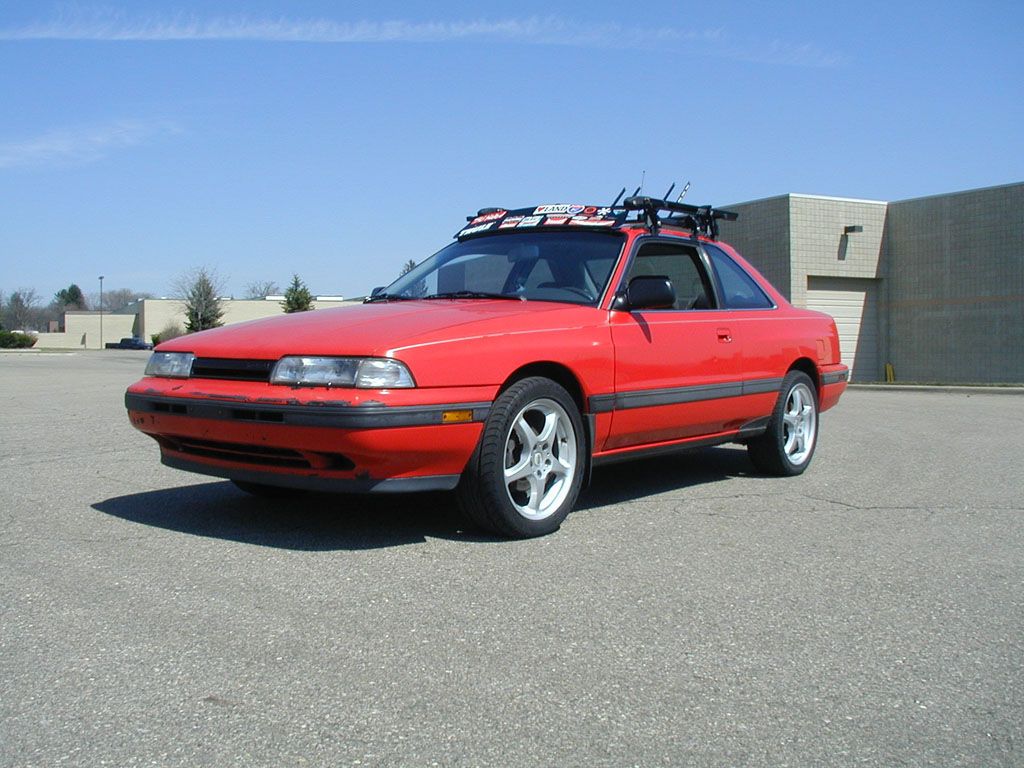
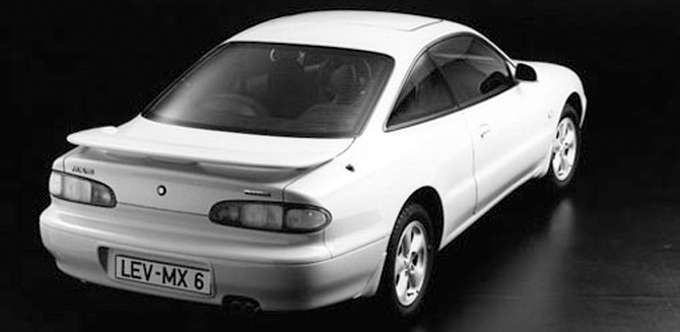
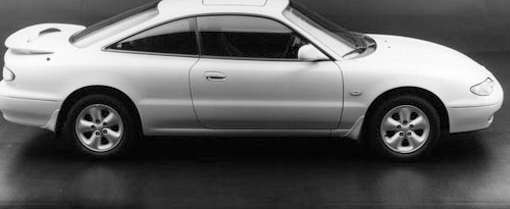
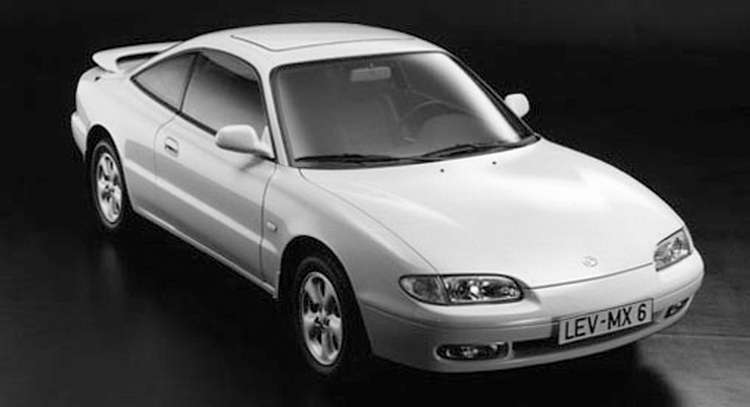
1992 Mazda MX-6 LX Exterior Colors
1992 Mazda MX-6 LX Interior Colors
1992 Mazda MX-6 Engines
| Engine | Standard in Trim | Power | Torque | Fuel Consumption - City | Fuel Consumption - Highway | 0-100 km/h | Quarter Mile | Half Mile |
|---|---|---|---|---|---|---|---|---|
| GT | 115 hp | 125 N.m | L/100km | L/100km | 10.0 s | 17.3 s | 28.7 s |
1992 Mazda MX-6 Trims
1992 Mazda MX-6 Previous Generations
1992 Mazda MX-6 Future Generations
Mazda MX-6 Overview and History
After the war, part of the Mazda plant served as the Hiroshima prefecture for a short while. Production and export resumed in 1949 with the same 3-wheeled truck. The first 4-wheel truck was the Mazda Romper, introduced in 1958.
The first pasenger car came in 1960, the Mazda R360 Coupe. Mazda's first partnership with a foreign company was the one in 1961 with NSU/Wankel with which it produced and developed rotary engines. This was done in order to differentiate Mazda from the other Japanese companies. To this day, Mazda is the only manufacturer of Wankel rotary engines as the other companies (NSU and Citroen) gave up on the design sometime during the 70s.
Mazda's paid off because its models quickly gained a name as being powerful yet light vehicles. The most successful series for Mazda were going to be the R100 and the RX models which eventually led to the company's development.
Starting with 1970 Mazda began eyeing the biggest market for its cars, the United States. It opened up a North American branch under the name Mazda North American Operations and it proved to have the winning recipe. In fact, Mazda models were so successful that the company even produced a pick up truck based on the rotary engine.
With 1973 and the oil crisis, the thirsty rotary engines that Mazda used caused a drop in sales but the Japanese company hadn't really given up on piston engines so it was able to use a 4 cylinder model on its cars. The smaller Familia series and Capella were born.
But Mazda wasn't about to give up on its sporty cars and it decided to develop a parallel plant that would produce cars outside the mainstream. In 1978, they came up with the very sporty RX7 and later with the RX8. The piston engine also showed up on Mazda's line up with the MX-5 or Miata.
In 1979 Ford Motor Company became an investor in Mazda with a 27% share after the financial decline of the company. Later on, in the 80s, Ford acquired 20% more of the company after a few joint ventures like using the Familia series platform for the Laser and Escort models as well as building the new Probe and the Mazda plant in Flat Rock, Michigan.
The 90s started off with another joint venture with Ford on the 1991 Explorer which turned out to be a bad investment for the Japanese while the Americans reaped all the benefits. Following its fascination with alternative engine designs, Mazda started developing the Miller cycle engine in 1995.
The latter part of the 90s proved to be not so profitable for the Japanese as the financial crisis hit in 1997, during which Ford acquired 39.9% of the company. From that point on, the collaboration between the two marques intensified, sharing engine design and even some platforms (Ford Escape with Mazda Tribute and the new generation Ford Focus with the Mazda Axela).
For the future, Mazda intends to maintain its forward thinking and experimental technology, by developing a hydrogen-powered car. The prototype has so far reached a 200 kilometers autonomy.
1992 Mazda MX-6 Consumer Reviews
Compare Against Competitors
1992 Mazda MX-6 LX Specifications
LX Overview
| Body | Coupe |
|---|---|
| Doors | 2 |
| Fuel Consumption | |
| Seats | N/A |
Discussion and Comments
Share Your Comments